Friday, December 19, 2025
Home Blog Page 729

How Millennials, with a Global Palate, Are Reshaping the Culinary Landscape

restaurant

In a world where culinary landscapes are constantly evolving, the millennial generation stands at the forefront, wielding influence over the Food and Beverage (F&B) sector like never before. With a penchant for adventure, an eye for aesthetics, and a commitment to values, millennials are transforming the way we eat, shaping a culinary experience that goes beyond mere sustenance.

Ajit Rai, General Manager of The Big Tree Cafe, offers insights into the profound impact millennials have had on the industry. “Millennials prioritize convenience, health, and sustainability,” he notes, encapsulating the trifecta that guides their culinary choices. The rise of niche cuisines and fusion foods is a testament to their eclectic taste buds, driven by a desire for diverse, Instagram-worthy dishes.

The landscape of fast-paced lifestyles has prompted the prominence of quick-service options, online delivery platforms, and tech-driven solutions. Rai believes that the industry must adapt to these preferences to cater to the dynamic tastes and values of the millennial consumer base.

Saurabh Luthra, Chairman of Romeo Lane, emphasizes the experiential aspect of millennial dining preferences. “Their food fascination drives demand for innovative, Instagrammable dishes and unique dining atmospheres,” he asserts. Health consciousness, transparency in sourcing, and a tech-savvy mindset define their choices. Romeo Lane, in response, crafts diverse, flavorful menus and cultivates vibrant atmospheres, aligning with the evolving tastes and preferences of the millennial food ethos.

For Naman Mehar, founder of the drunken botanist who navigates the culinary landscape catering to Gen Z, it’s all about the global palate. “Gen Z today prefers food choices from the global palate,” Mehar observes. This preference drives the constant evolution and exploration of the freshest food trends from across the globe. Every new restaurant under Mehar’s purview is a testament to the relentless pursuit of innovation to satisfy the discerning tastes of Gen Z.

Dr. Shruti Malik, the founder of Anardana, delves into the farm-to-table ethos embraced by millennials. “Preferring meals made from locally sourced ingredients, they champion freshness and endorse local farmers,” she explains. The commitment to sustainability and a direct link to food origins is seamlessly aligned with their penchant for creative, organic, and health-conscious dining experiences. This cultural shift is not just about what’s on the plate; it signifies a broader commitment to ethical, locally-driven gastronomy that reflects their values in a dynamic and flavorful culinary evolution.

Beyond the Plate:

The culinary evolution led by millennials is not just about taste; it’s a cultural shift. It’s about embracing diversity, valuing experiences, being socially and environmentally conscious, and creating a gastronomic journey that reflects these core values. As the F&B industry adapts to this dynamic landscape, it is not merely following trends but participating in a flavorful revolution that is redefining the way we eat and experience food. The millennial palate is not just shaping menus; it’s shaping the future of food.

Advertisement

From Sustainability to Tech Innovations: The Evolution of the Culinary World in the Aftermath of Covid-19

restaurant

In the wake of the global pandemic, the culinary world has undergone a profound transformation. As the hospitality industry adapts to a post-Covid era, chefs are steering through uncharted waters with resilience and innovation. Two culinary maestros, Corporate Chef Agnibh Mudi of one8 Commune and Chef Subhash Shirke of The Pantry, share their insights into the evolving landscape and how they are embracing change.

Corporate Chef Agnibh Mudi of one8 Commune and Chef Subhash Shirke of The Pantry
Sustainability Takes Center Stage

Corporate Chef Agnibh Mudi of one8 Commune sees the current era as a golden opportunity for the culinary industry to embrace sustainability wholeheartedly. Mudi notes a significant shift in focus towards locally sourced ingredients, a commitment to reducing food waste, and the integration of eco-friendly practices within the kitchen. This, he believes, not only aligns with the global movement towards environmental well-being but also results in a unique and responsible dining experience for guests.

“The joy of steering through the post-Covid culinary landscape lies in the positive changes unfolding,” says Chef Mudi. “It’s inspiring to witness how our efforts contribute to a healthier planet while enhancing the overall dining experience.”

As chefs like Mudi adopt a more sustainable approach, they not only cater to a growing environmentally conscious clientele but also contribute to a positive impact on the planet. This newfound responsibility extends beyond the kitchen, creating a ripple effect that resonates with guests who increasingly seek out dining experiences that reflect their values.

Health-Conscious Dining: A Chef’s Welcome Trend

Chef Mudi is not alone in his observations. Subhash Shirke of The Pantry echoes the sentiment, emphasizing the rising trend of health-conscious dining. The pandemic, according to Shirke, has heightened awareness about the importance of health and wellness, prompting people to be more discerning about what they eat.

“As a chef, I’ve adapted by incorporating more locally sourced, fresh ingredients and focusing on menu items that promote well-being,” notes Chef Shirke. Guests, he observes, now seek meals that not only satisfy their taste buds but also contribute to their overall health.

This shift towards health-conscious dining is a win-win for both chefs and diners. Chefs find new avenues for creativity and expression in crafting nutritious and immune-boosting dishes, while diners enjoy a guilt-free indulgence, knowing that their meals contribute positively to their well-being.

Collaboration and Flexibility: Strengthening Culinary Bonds

In the post-Covid era, collaboration has become the cornerstone of the culinary industry. Chefs are coming together to share ideas, resources, and support, fostering a sense of unity that not only sparks creativity but also strengthens bonds within the culinary community.

Chef Agnibh Mudi applauds this collaborative spirit, stating, “Together, we navigate these changes, learn from each other, and collectively elevate the experience for all.” This sense of camaraderie not only helps chefs weather the challenges presented by the pandemic but also results in a more dynamic and resilient industry.

Technology in the Kitchen: Streamlining Operations for a Seamless Experience

Chef Subhash Shirke sheds light on the growing prevalence of technology in the kitchen, emphasizing its role in streamlining operations and enhancing the overall dining experience. From online ordering systems to kitchen automation, chefs are leveraging technology to adapt to the changing landscape.

“With supply chain disruptions and changing customer preferences, chefs are adapting by simplifying menus and being more agile in incorporating seasonal and available ingredients,” says Chef Shirke. This adaptability, facilitated by technology, ensures that chefs can stay ahead of market fluctuations and meet the evolving needs of their customers.

As the culinary world continues to evolve in the post-Covid era, chefs like Agnibh Mudi and Subhash Shirke exemplify the resilience and creativity required to navigate these transformative times. Through sustainability, health-conscious dining, collaboration, and technological integration, the culinary landscape emerges stronger, more adaptable, and poised for a renaissance.

Advertisement

Scandalous Food bags INR 1.6 Cr in pre-seed funding round for expansion

0
Scandalous Foods

Scandalous Food has successfully raised $191,923 (INR 1.6 crore) in a pre-seed funding round, with participation from various investors, including early-stage firms such as Anthill Angel Fund, EvolveX, Value360, and Sapphireink Ventures.

Sagar Daryani, the visionary behind Wow! Momo, Vikas Aggarwal from We Founder Circle, and renowned chef Harpal Singh Sokhi were also contributors in this funding round.

The newly acquired funds will be utilized by the company to advance product development, expand its production unit in Nashik, automate production processes, and increase its market presence from 250 touchpoints to 2000 touchpoints within a year, as indicated in a press release by Scandalous Foods.

Established in August 2022 by Sanket S and Pravesh Amin, Scandalous Foods is a B2B enterprise dedicated to enhancing the sweets industry within the restaurant sector. Specializing in preservative-free sweets boasting a 6-month shelf life, the company provides these treats in convenient single-serve sizes. With a strategic emphasis on cloud kitchens, Scandalous Foods envisions expanding its footprint across diverse food service segments.

Scandalous Foods is poised to unveil a range of offerings, including mithai bars, cookies, cupcakes, and sachets, designed for spontaneous indulgence, according to the company. Reportedly, the business has experienced a remarkable 10-fold surge in customers and monthly orders over the course of three quarters. Additionally, Scandalous Foods asserts that it sells nearly 14 lakh pieces of sweets, with its frozen food retaining an impressive 97% of freshness, texture, and taste. The company is strategically targeting the HoReCa industry in its expansion endeavors.

“We’re planning to enter wedding and corporate catering channels, extending our reach to smaller quick-service restaurants (QSRs) along with piloting a wholesale sweet shop under our brand,” said Sanket S, chief executive officer, Scandalous Food. 

Advertisement

Navigating the Unpredictable: Adapting Crisis Management for Social Media Challenges

0
Social Media Management crisis

Crisis management has become an essential talent for both enterprises and individuals in the ever-changing world of social media, where the digital landscape may quickly change from calm seas to violent storms. It takes more than just a systematic approach to successfully navigate the unpredictable waters of social media challenges—you also need a quick-witted and adaptable mindset. Being proficient in crisis management on social media is essential in this age of quick communication, since it can define reputations and rewrite stories.

Social media challenges, whether initiated by external factors or emerging organically, unfold with unprecedented speed. What starts as a ripple of discontent can swiftly escalate into a tidal wave of public scrutiny. Understanding the velocity of these challenges is the first step in crafting a crisis management strategy that keeps pace with the rapid flow of digital conversations. Monitoring social platforms for emerging trends, sentiments, and potential challenges allows businesses to detect early warning signs. By having a finger on the digital pulse, organizations can respond swiftly to emerging issues, preventing them from snowballing into full-blown crises.Transparency as the North Star when faced with a social media challenge, transparency becomes the guiding light. Acknowledging the issue, providing clear and honest communication, and outlining steps for resolution build trust with the audience. Transparency not only diffuses tension but also positions the organization as accountable and responsive.

Empathy in Action: Understanding and Addressing Concerns

Firstly, Understanding the concerns and sentiments of the audience allows businesses to tailor their responses in a way that resonates with those affected. Empathy humanizes the brand, transforming it from an entity to which issues happen to an entity that cares about its community.

Secondly, establishing crisis escalation protocols is akin to having a well-defined navigation chart. From the identification of the issue to the delegation of responsibilities and the formulation of response strategies, a structured approach ensures that the organization can navigate through the storm with efficiency and cohesion.

Apart from that, agility in communication allows organizations to address concerns promptly, demonstrate responsiveness, and course-correct in the midst of a challenge. Delayed responses can exacerbate issues, making agility a cornerstone of effective crisis management.

Social Listening Tools: Radar for Digital Storms

Equipping the crisis management team with social listening tools is like providing radar for navigating digital storms. These tools enable organizations to monitor mentions, track sentiment, and identify emerging challenges in real-time. Leveraging technology enhances the ability to detect and respond to potential crises swiftly.In the aftermath of a social media challenge, the opportunity for learning and growth emerges. Conducting post-crisis analyses, gathering insights, and incorporating lessons learned into future strategies transform challenges into opportunities for improvement. This iterative approach fortifies organizations against future storms.

Further, stakeholder communication is the bridge that restores trust after a social media challenge. Keeping stakeholders informed throughout the crisis and outlining corrective actions demonstrates a commitment to transparency and accountability. Effective communication is the linchpin for rebuilding trust and reputation.

Navigating the unpredictable waters of social media challenges demands a holistic and strategic approach. From proactive listening and transparency to empathy and real-time response, each element plays a crucial role in effective crisis management. In this era where social media can amplify challenges with unparalleled speed, mastering the art of navigating these digital storms is not just a skill; it’s a testament to an organization’s resilience and commitment to fostering positive digital interactions.

Advertisement

Turning Fans into Promoters: Building User-Generated Content for Brand Advocacy

0
User-Generated Content

The paradigm of traditional one-way communication has given way to a lively, two-way dialogue in the dynamic field of marketing. User-generated content (UGC) is a key component of this progression and a strong option that may turn devoted brand fans into passionate promoters. Choosing and elevating the real voices that capture the spirit of a company is the key to transforming fans into brand ambassadors, even in the absence of traditional marketing strategies.

User-generated content is more than just a hashtag or a retweet; it’s an organic outpouring of authentic experiences and expressions from the heart of a brand’s community. It can take various forms, from images and videos to reviews and testimonials, each telling a unique story woven into the fabric of the brand’s narrative.

The allure of user-generated content lies in its authenticity. Unlike polished marketing collateral, UGC captures genuine moments and unfiltered sentiments. Brands that embrace and celebrate this authenticity create a resonant chord with their audience, forging a connection that transcends the transactional.

Building user-generated content starts with cultivating a culture where users feel encouraged to participate. Whether it’s through interactive campaigns, challenges, or simply inviting users to share their experiences, fostering a sense of community engagement is the fertile ground where UGC blossoms.

Social Media as the Canvas

Social media platforms serve as the canvas where user-generated content takes center stage. Hashtags become rallying cries, and shared experiences amplify across networks. Brands that understand the nuances of each platform can curate and showcase UGC in a way that feels native and resonates with their audience.

Secondly, acknowledging the contributions of users goes a long way as it is a pivotal aspect of building brand advocacy through UGC. Whether through shoutouts, features, or exclusive perks, recognizing and rewarding contributors not only expresses gratitude but also incentivizes ongoing participation, creating a symbiotic relationship between brand and advocate.

The true magic of user-generated content lies in its potential to amplify beyond the initial share. Brands can strategically leverage UGC by repurposing it across various channels, turning individual stories into a collective narrative. This multifaceted approach ensures that the authentic voices of users resonate across a broader audience.

Curating Diverse Narratives

User-generated content is a treasure trove of diverse narratives. It’s not a one-size-fits-all solution; instead, it reflects the multifaceted nature of a brand’s audience. By curating and showcasing a diverse range of UGC, brands demonstrate inclusivity and create a mosaic that mirrors the richness of their community.

Further, brands must actively monitor and moderate content to ensure that the stories shared align with their values. This proactive approach safeguards against potential pitfalls and fosters a space where users feel comfortable expressing themselves.

Ultimately, the art of turning fans into promoters is about transforming brand advocacy into a movement. User-generated content serves as the fuel that propels this movement forward, giving users a sense of ownership and empowerment. Brands that successfully orchestrate this transformation don’t just have customers; they have a community of passionate advocates.

The alchemy of turning fans into promoters through user-generated content is a dynamic and evolving process. It’s about celebrating authenticity, cultivating a culture of participation, and strategically amplifying the collective voice of a brand’s community. In this era of interconnectedness, brands that master the art of UGC not only foster loyalty but also inspire a movement that transcends marketing and becomes a shared journey.

Advertisement

Customer Care Beyond the Sale: Nurturing Ongoing User Engagement

0

A brand’s essence goes well beyond the point of sale in today’s fast-paced, digitally connected business environment. Customer service has changed from being seen as a post-purchase formality to a strategic cornerstone for companies looking to build long-lasting relationships. Maintaining constant user interaction is an art form that turns one-time customers into passionate brand evangelists, not just a catchphrase for customer service.

Understanding the customer journey is the compass that guides effective ongoing user engagement. It’s a nuanced expedition that begins long before a purchase and extends well beyond it. By unraveling the intricacies of each touchpoint, businesses can tailor their approach to align with the evolving needs and expectations of their customers.

In the realm of ongoing user engagement, proactive communication is akin to a personalized concierge service. Anticipating customer needs and reaching out before an issue arises showcases a commitment to their satisfaction. This approach transforms the customer-service relationship from reactive problem-solving to a proactive partnership.

Personalization is no longer confined to purchase history; it extends into the entire user experience. Understanding individual preferences, whether related to product recommendations or communication channels, allows businesses to curate a tailored experience that resonates with each customer on a personal level.Beyond transactional interactions,businesses can engage users by providing valuable and educational content. Whether it’s tips and tricks related to product usage or insightful industry knowledge, this approach positions the brand as a partner in the customer’s journey, fostering a sense of empowerment and loyalty.

Apart from that, loyalty programs are a classic tool, but their effectiveness lies in their evolution beyond mere points and discounts. Crafting a program that adds genuine value – exclusive access, personalized rewards, or early previews – enhances ongoing user engagement by creating a sense of belonging and appreciation.

Social media platforms provide real-time insights into customer sentiments and experiences. Actively listening and responding to social conversations not only resolves issues promptly but also demonstrates a brand’s commitment to an open and transparent dialogue.

Further, seeking customer feedback is not just a post-purchase ritual; it’s a catalyst for continuous improvement. Businesses that actively encourage and act upon customer feedback signal a commitment to refinement and enhancement, creating a feedback loop that fosters ongoing user engagement.

Creating a community around a brand transforms the user experience into a shared journey. Whether through online forums, social groups, or events, businesses can facilitate connections between users. This sense of community turns customers into advocates who not only engage with the brand but also with each other.

The era of customer care transcends the transactional and ventures into the realm of ongoing user engagement. By understanding the customer journey, embracing proactive communication, and cultivating a sense of community, businesses can weave a tapestry of connection that extends far beyond the sale. The art of nurturing these lasting connections not only drives brand loyalty but also transforms customers into active participants in the ongoing narrative of the brand.

Advertisement

Food on the Move: Crafting a Mobile-Centric Strategy for Modern Foodies

0
Mobile-Centric Strategy

The culinary experience has experienced a tremendous metamorphosis in a world driven by technology and an insatiable demand for ease. A new era of dining that is centred around mobile devices is being steered by contemporary foodies who use their smartphones as their culinary compass. It’s not just a fad to develop a strategy that meets the active and mobile lifestyle of these foodies; it’s a savoury adventure that transforms how we view and value food in the digital era.

The term “foodie” has transcended its original meaning, evolving into a lifestyle that encompasses exploration, sharing, and a relentless pursuit of unique culinary experiences. These modern epicureans are not confined to traditional dining spaces; instead, they embark on a culinary adventure that extends beyond brick-and-mortar establishments.

Further, the ubiquitous smartphone is not merely a communication device; it’s a gateway to a virtual culinary world. Mobile apps have become the linchpin of modern food exploration. From discovering trending dishes to making reservations, these apps are transforming how foodies engage with the dining landscape.

The allure of street food has taken on a digital twist with the advent of food trucks equipped with social media savvy. These rolling kitchens, often fueled by an online following, redefine the concept of on-the-go dining. Additionally, mobile-centric delivery services are turning every doorstep into a potential dining table, offering a diverse menu of options without leaving the comfort of home.

Apart from that, it is fair to say that every dish is a potential star on the virtual stage. Modern foodies don’t just savor their meals; they capture and share them with a global audience. Restaurants and chefs, recognizing the power of visual appeal, are now curating dishes that are as Instagrammable as they are delectable.

The days of fumbling for cash or waiting for the check are becoming relics of the past. Mobile payment options are streamlining transactions, providing a frictionless experience for both customers and establishments. From digital wallets to contactless payments, the culinary world is embracing the efficiency of mobile-centric financial transactions.

Behind the scenes, data analytics are reshaping the culinary landscape. Restaurants and food services are leveraging customer data to understand preferences, predict trends, and tailor offerings to individual tastes. The result is a more personalized dining experience that anticipates and fulfills the unique cravings of each patron. The line between physical and virtual dining experiences is blurring. Pop-up restaurants and events, often announced through mobile channels, create ephemeral culinary adventures. Augmented reality is adding an extra layer to dining, allowing patrons to interact with digital elements while enjoying a real-world feast.

The integration of mobile-centric strategies into the culinary world represents a paradigm shift in how we experience and appreciate food. From the palm of our hands to our doorstep, technology is opening up new possibilities and reshaping the very essence of dining culture. As we navigate this flavorful journey, one thing is clear – the fusion of technology and gastronomy is not just a trend; it’s a celebration of innovation that continues to redefine our relationship with food.

Advertisement

Cultural Relevance: Adapting Your Brand Image for Different Audiences

0
brand image

In an interconnected world, where diversity is celebrated and boundaries blur, the adaptability of a brand to different cultural nuances has become paramount. The resonance of a brand relies not only on the quality of its products or services but on its ability to speak the language of diverse audiences. Navigating the delicate balance of cultural relevance is not just a marketing strategy; it’s an art form that demands a nuanced understanding of the intricate threads that weave our global tapestry. Diversity isn’t just a buzzword; it’s the kaleidoscope through which brands must view their audience. Understanding that every cultural context is a unique palette of colors allows brands to tailor their image to reflect and respect the rich tapestry of traditions, values, and lifestyles.

Language, both verbal and visual, forms the backbone of effective communication. Adapting brand messaging to resonate with different linguistic nuances goes beyond mere translation; it requires an understanding of cultural idiosyncrasies. The art lies in conveying the essence of the brand in a way that feels native, regardless of the spoken language. Beyond language, the visual elements of a brand are laden with cultural symbolism. Colors, symbols, and imagery carry diverse meanings across cultures. Adapting visual components to align with cultural aesthetics and avoiding inadvertent cultural insensitivity is an essential aspect of maintaining relevance across borders.

Local Influencers: Bridging the Gap

Collaborating with influencers who understand the nuances of their respective cultures can elevate a brand’s authenticity. These influencers bring a level of credibility and relatability that resonates with their followers, creating an organic connection between the brand and the audience. Understanding and incorporating local festivals and traditions into brand campaigns adds a layer of authenticity. Brands that align themselves with cultural celebrations demonstrate a genuine interest in the communities they serve. It’s not just about selling a product; it’s about being a part of the cultural fabric.

Cultural adaptation requires a delicate touch, and avoiding stereotypes is crucial. The pitfalls of cultural appropriation are real, and brands must tread carefully to ensure they are not perpetuating harmful stereotypes or appropriating cultural elements without understanding their significance. Leveraging analytics provides brands with valuable insights into the preferences and behaviors of different cultural segments. This data-driven approach allows for more targeted and effective cultural adaptation strategies.

Further, cultural relevance is not a one-time endeavor; it’s a continuous process of building trust. Consistency in cultural adaptation, coupled with a genuine commitment to understanding and respecting diverse cultures, is the key to establishing a lasting connection with a global audience.

The art of cultural adaptation is a dynamic dance between embracing diversity and maintaining authenticity. Brands that successfully navigate this intricate landscape not only expand their market reach but also contribute to a world where cultural differences are celebrated and understood. As the global village continues to evolve, the ability to adapt and connect across cultures will be the hallmark of brands that stand the test of time.

Advertisement

Biryani By Kilo secures $9M in Series C funding, eyes expansion and break-even

0
Biryani By Kilo
Biryani By Kilo

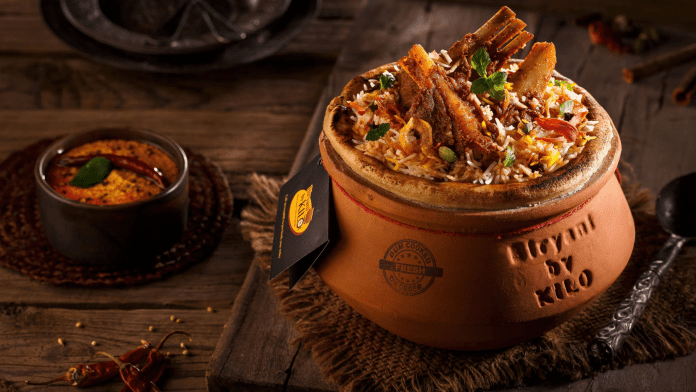
Biryani By Kilo (BBK), a cloud kitchen company, has secured $9 million (INR 72 crore) in its Series C funding round, with Alpha Wave Ventures leading the investment. This marks the company’s return to equity fundraising after a break of over two years.

According to regulatory filings sourced from the Registrar of Companies, Biryani By Kilo’s board has approved a special resolution to issue 18,086 Series C CCSP at a price of INR 39,800 per share, aiming to raise INR 72 crore or $9 million.

The Series C round was spearheaded by Alpha Wave Ventures with an investment of INR 28 crore. Additionally, Ivycap Ventures, Incred Wealth, and Clear Bridge Ventures contributed INR 16.5 crore, INR 8.2 crore, and INR 8.3 crore, respectively. The funding round also witnessed involvement from Vevek Ventures, DSP HMK Holdings, and various individuals who collectively injected INR 11 crore into the round.

After the recent funding, Alpha Wave’s stake will amount to 33.5%, while Ivycap Ventures, Incred, and Clear Bridge will possess 19.42%, 1.04%, and 1.05% respectively.

The firm has garnered approximately $55 million in total funding, which includes a Series B round of $35 million led by Falcon Edge in November 2021. According to estimates from TheKredible, the company is now valued at around INR 840 crore or $105 million post-allotment.

Biryani By Kilo has not yet submitted its financial statements for the fiscal year 2023. However, the company asserts a revenue of INR 300 crore for FY23 and anticipates achieving break-even in the initial quarter of FY24. In the preceding fiscal year, FY22, the company experienced a twofold increase in revenue from operations, reaching INR 133 crore, accompanied by a net loss of INR 42 crore.

It competes with Rebel Foods’ Behrouz Biryani and Biryani Blues, among other contenders in the market.

Advertisement

Former Karnataka CM Basavaraj Bommai launches men’s shirt brand ‘Kut For You’

0
Kut For You

On Sunday, Basavaraj Bommai, the former chief minister of Karnataka, unveiled the premium men’s shirt brand “Kut For You.” These shirts are crafted by women from his assembly constituency in Shiggaon, located in the Haveri district.

During the event, he additionally disclosed plans for a new facility in Shiggaon, stating that it would generate approximately 500 employment opportunities for women in the local community.

“This facility represents not just growth for us, but a chance to uplift even more lives,” Bharath Bommai said at an event marking the launch of the brand in Bengaluru.

“Our product offerings are not just about fashion, it is more about empowerment of women, Bharath Bommai, the former CM’s son, who advises the family-owned shirt brand, said.

The Shiggaon facility presently has a workforce of around 700 women, and Prabhanjan Apparels, the associate company of Kut For You, operates an additional modern unit in the nearby Davanagere, employing approximately 400 women. According to Bommai Jr, within a year, the combined workforce of both units is expected to reach around 2,000 women.

He further mentioned that Prabhanjan Apparels has been a supplier for various global brands. While Kut For You shirts will be exclusively sold through the brand’s portal in India, efforts are underway to make them accessible through online marketplaces in Europe, the US, the Middle East, and Australia.

Advertisement