Sunday, December 21, 2025
Home Blog Page 725

Investor-Friendly Metrics: Sales Indicators that Convey Business Growth Potential

0
sales indicators

Metrics are the language used in the complex dance between investors and businesses. Learning how to offer investor-friendly sales indications is like learning how to write a fascinating novel for companies that want to draw in investors and show off their growth potential. In this post, we decipher the measurements that not only recount historical achievements but also mutter to prospective investors about a bright future.

1. Customer Lifetime Value (CLV): The Overture of Success

The concept of Customer Lifetime Value is the symphony’s opening note. Investors seek a melody that resonates with long-term success, and CLV is the maestro leading the orchestra. This metric reflects the total revenue a business can anticipate from a single customer over their entire relationship. A soaring CLV indicates a harmonious balance between customer satisfaction and sustainable revenue streams, capturing the attention of investors with a keen ear for sustained growth.

2. Monthly Recurring Revenue (MRR): The Rhythm of Stability

MRR encapsulates the predictable revenue a business can count on each month, primarily prevalent in subscription-based models. For investors, a consistent MRR is akin to a steady beat, assuring them that the business is not just a fleeting melody but a composition with the potential for enduring success.

3. Customer Acquisition Cost (CAC): The Cost-Conscious Cadence

Investors are astute financial conductors, attuned to the harmony between investment and return. Enter Customer Acquisition Cost – the metric that reveals how much it costs a business to acquire a new customer. A low CAC resonates with investors, signifying an efficient use of resources and an ability to scale profitably. It’s the cost-conscious cadence that investors eagerly listen for when considering the financial viability of a potential investment.

4. Churn Rate: The Melancholy of Departure

 Investors keen on sustainability scrutinize the Churn Rate, as it unveils the percentage of customers leaving over a given period. A low churn rate signifies customer loyalty and stability, reassuring investors that the business isn’t haunted by a discordant melody of constant customer turnover.

5. Net Promoter Score (NPS): The Crescendo of Customer Satisfaction

As investors lean in to gauge the audience’s applause, they turn to the Net Promoter Score. NPS measures customer satisfaction and loyalty by asking one fundamental question: “How likely is it that you would recommend our company to a friend or colleague?” A high NPS not only reverberates with customer satisfaction but also serves as a crescendo that resonates positively with potential investors, indicating a business on the cusp of exponential growth through word-of-mouth acclaim.

Final Thoughts: Crafting a Harmonious Investment Pitch

From the enduring melody of Customer Lifetime Value to the rhythmic stability of Monthly Recurring Revenue, each metric plays a unique role in conveying a business’s growth potential. Mastering this orchestration of investor-friendly metrics is the key to crafting a harmonious investment pitch that not only resonates with investors’ ears but leaves a lasting impression on their financial senses.


Advertisement

Building a Performance Dashboard: Strategies for Tracking Sales Success

0
Tracking Sales

The quest for success is an ongoing adventure in the dynamic field of sales. The adoption of a strong performance dashboard becomes a critical tactic for companies that are determined to not just survive but thrive. We explore the process of building a performance dashboard in this article, which goes beyond a simple display of statistics to become a lighthouse pointing the sales ship in the direction of success.

Before diving into the technical intricacies, one must embark on a journey of understanding the unique contours of their business terrain. Identify key performance indicators (KPIs) that resonate with the heartbeat of your sales strategy. Whether it’s conversion rates, customer acquisition costs, or sales pipeline velocity, an intimate knowledge of your business landscape is essential for crafting a dashboard that truly speaks its language.

The Architectural Blueprint: Designing a User-Centric Interface

A performance dashboard is not merely a compilation of graphs and charts; it is a living entity that interacts with its users. Consider the end-users – the sales team, managers, and stakeholders – as the architects shaping the blueprint of the dashboard. A user-centric interface ensures that the dashboard seamlessly aligns with the workflow, providing quick insights and fostering a data-driven culture within the sales ecosystem.

The challenge lies in harmonizing these diverse sources into a cohesive narrative. Integration is key – from CRM systems to marketing analytics, weave a narrative that resonates with the rhythm of your sales journey. The dashboard should not be a cacophony of unrelated metrics but a symphony where each note contributes to the crescendo of success.

Real-time analytics form the backbone of an effective performance dashboard. Equip your dashboard with the power to transform raw data into actionable insights on the fly. The ability to adapt and respond swiftly to market dynamics is what sets a high-performing sales team apart, and a real-time dashboard acts as the oracle guiding their decisions.

Humans are visual beings, and a well-crafted dashboard is a masterpiece of visual alchemy. Invest time in selecting the right visualizations – be it trend lines, heat maps, or pie charts. Each visualization should tell a story, simplifying complexity and inviting users into a world where data isn’t intimidating but enlightening. The visual aesthetics of the dashboard are as crucial as the accuracy of the data it presents.

The sales landscape is a dynamic canvas, and so should be your performance dashboard. Adopt an iterative mindset, constantly evolving the dashboard in tandem with the evolution of your business. Regularly revisit KPIs, assess the relevance of metrics, and embrace emerging technologies. A performance dashboard is not a static artifact; it is a living entity that grows and adapts to the ever-changing tides of the market.

From understanding the unique nuances of your business landscape to crafting a user-centric interface, the journey towards building an effective performance dashboard is an art as much as it is a science. With the right strategy, your dashboard becomes not just a tool but a guiding light illuminating the path to sales triumph.

Advertisement

Strategic Resonance: How Market Trends Align with Brand Growth Goals

0
market trends

In the ever-shifting landscape of business, where change is the only constant, the savvy brand navigator understands the critical dance between market trends and growth aspirations. It’s not merely about riding the wave of popular shifts but orchestrating a strategic resonance that harmonizes seamlessly with the brand’s core goals. This post will embark on a journey to unravel the intricacies of strategic resonance, unveiling how the alchemy of market trends and brand objectives can propel businesses toward sustainable growth.

1. Trend Sensitivity vs. Brand Authenticity:

The delicate balance between embracing market trends and staying true to the authentic essence of a brand is an art form. While it’s crucial to remain relevant, authenticity acts as the guiding star. Brands that resonate strategically find ways to integrate trends that align with their core values, ensuring that the pursuit of popularity doesn’t compromise their identity.

2. Agile Adaptation to Consumer Behavior:

Understanding the ever-evolving behavior of consumers is the heartbeat of strategic resonance. Brands that keenly observe shifts in preferences, purchasing patterns, and lifestyle choices can adapt more effectively. It’s not just about following trends blindly but discerning the underlying consumer motivations that drive those trends and aligning with them in a meaningful way.

3. Innovation as a Driver of Resonance:

Innovation is the catalyst that propels strategic resonance into action. Whether through product development, service enhancements, or process improvements, brands that actively seek innovation position themselves as trendsetters rather than trend followers. This proactive stance not only aligns with market trends but also positions the brand as a leader in its space.

4. Emotional Connection with the Consumer:

Market trends are not just about products and services; they’re about the emotions they evoke. Brands that forge emotional connections with consumers are better positioned to resonate with evolving trends. Understanding the aspirations, fears, and desires of the target audience allows brands to weave narratives that emotionally align with prevailing market sentiments.

5. Sustainable Practices and Social Responsibility:

As the world becomes increasingly conscious of environmental and social issues, brands that integrate sustainable practices and social responsibility into their DNA resonate on a deeper level. Market trends often reflect a collective societal consciousness, and brands that align with these values not only contribute to positive change but also establish a resonance that extends beyond transactional interactions.

6. Customization and Personalization:

The era of one-size-fits-all approaches is fading. Market trends indicate a growing preference for personalized experiences. Brands that embrace customization, tailoring their offerings to individual preferences, align with the market’s demand for uniqueness. This personalized approach not only enhances the customer experience but also resonates with the desire for authenticity and individuality.

7. Continuous Monitoring and Adaptation:

Strategic resonance is not a one-time achievement; it’s an ongoing process. Brands that establish a culture of continuous monitoring, analysis, and adaptation to market trends are better equipped to stay ahead of the curve. The ability to pivot when necessary and seize emerging opportunities ensures that resonance remains a dynamic and evolving force.

The dance between market trends and brand growth goals is a nuanced performance that requires finesse, foresight, and adaptability. Strategic resonance is not about chasing every trend but about discerning the ones that align harmoniously with the brand’s purpose. By mastering this art, businesses can navigate the winds of change with grace, ensuring that their growth trajectory is not just propelled by trends but intricately woven into the fabric of their strategic vision.

Advertisement

Tech Synergy: Integrating Technologies to Drive Comprehensive Brand Growth

0
brand growth

The strategic integration of technology has emerged as the key to comprehensive brand expansion in the dynamic business landscape where innovation is the driving force behind success. Beyond stand-alone solutions, the secret is to weave a tapestry of technologies that blend together in perfect harmony to create a symphony that elevates businesses to new heights.This post will dissect the theory and practise of tech synergy, exploring how the smooth incorporation of many technologies can revolutionise comprehensive brand building.

1. Data Orchestration:

At the core of tech synergy is the art of orchestrating data. The amalgamation of Customer Relationship Management (CRM) systems, Artificial Intelligence (AI), and data analytics forms a potent cocktail that not only provides insights into consumer behavior but also facilitates personalized experiences. By understanding the intricate web of consumer interactions, brands can tailor their strategies for maximum impact.

2. Seamless E-commerce Integration:

In the era of online commerce, the marriage of e-commerce platforms with advanced inventory management systems and payment gateways is pivotal. The seamless integration of these technologies not only enhances the customer shopping experience but also streamlines backend operations, reducing friction and optimizing efficiency.

3. The Power of Augmented Reality (AR) and Virtual Reality (VR):

Elevating the brand experience to the next level, the integration of AR and VR technologies transcends traditional boundaries. From virtual product try-ons to immersive brand experiences, these technologies offer a novel way for consumers to engage with products and services, fostering a deeper connection that extends beyond the digital realm.

4. Omni-Channel Marketing Integration:

A brand’s presence is no longer confined to a single channel. The integration of marketing technologies across diverse platforms, from social media to email campaigns and influencer collaborations, creates a unified brand narrative. This omni-channel approach ensures a consistent and cohesive brand identity, irrespective of the touchpoint.

5. Internet of Things (IoT) Integration for Smart Experiences:

The IoT revolutionizes brand-consumer interactions by infusing everyday objects with intelligence. Smart devices, connected environments, and IoT-enabled products contribute to a seamless, interconnected ecosystem. Brands leveraging IoT not only enhance convenience for consumers but also gain valuable insights into usage patterns, paving the way for product improvements and personalized services.

6. Artificial Intelligence and Chatbots:

In the realm of customer service, the integration of AI-driven chatbots is a game-changer. These virtual assistants provide real-time support, streamline communication, and offer personalized recommendations. The result is not just satisfied customers but also valuable data that can inform future strategies.

7. Cybersecurity Integration for Trust and Reliability:

As technology integration accelerates, so does the need for robust cybersecurity. The integration of advanced security measures safeguards consumer data, instilling trust and reliability. A secure digital environment is not just a necessity; it’s a prerequisite for sustainable brand growth.

The magic of comprehensive brand growth lies in the intentional weaving of a diverse technological tapestry. From data orchestration to the fusion of augmented reality, the synergy of these technologies transforms brands from static entities to dynamic, responsive ecosystems. As businesses continue to navigate the digital frontier, those adept at the art of tech synergy will not only survive but thrive in the ever-evolving landscape of innovation and consumer expectations.

Advertisement

Lifelong Brand Love: Techniques for Creating Unbreakable Consumer Connections

0
Consumer Connections

The search for enduring brand loyalty has turned into the holy grail for companies in the fast-paced, highly dynamic world of contemporary commerce. Building an enduring relationship with customers is the key to long-term success, even in the face of transient transactions. In order to establish long, emotional connections, we will examine methods that go beyond simple transactions in this article’s exploration of the art and science of building everlasting brand affinity.

1. Authenticity as the North Star:

In an era where consumers are increasingly discerning, authenticity emerges as the linchpin of brand loyalty. Brands that resonate with sincerity, transparency, and a genuine commitment to their values are more likely to forge enduring connections. By humanizing the brand narrative and showcasing the real people and stories behind the products, companies can create a sense of trust and relatability that transcends the transactional.

2. Personalization: Beyond the Surface:

While personalization has become a buzzword in marketing, the key lies in moving beyond surface-level customization. Understanding the unique preferences, aspirations, and pain points of individual consumers allows brands to tailor experiences that genuinely resonate. Whether through personalized recommendations, exclusive offers, or customized interactions, the goal is to make each customer feel seen, understood, and valued on a personal level.

3. Storytelling that Resonates:

Stories have a remarkable power to captivate and connect on a deep emotional level. Crafting a compelling brand narrative goes beyond showcasing product features; it involves weaving a story that taps into the fundamental human experiences and emotions. Brands that can articulate their journey, values, and impact in a way that resonates with consumers’ own narratives stand a better chance of creating a lasting emotional connection.

4. Consistency Breeds Trust:

Consistency in brand messaging, visual identity, and customer experience is the bedrock upon which trust is built. In a world of constant change, consumers seek stability and reliability. Brands that uphold a consistent presence across various touchpoints, be it online or offline, reinforce their identity and establish a sense of dependability that is integral to long-term loyalty.

5. Community Building:

Beyond being a mere product or service provider, successful brands foster a sense of community among their customers. Whether through online forums, social media groups, or exclusive events, creating a space where consumers can connect with each other and with the brand fosters a sense of belonging. This sense of community not only enhances the overall customer experience but also contributes to a more profound and enduring brand connection.

6. Evolving with the Consumer:

The most enduring relationships are those that grow and adapt over time. Similarly, brands that demonstrate a commitment to evolving with the changing needs and expectations of their consumers are more likely to stand the test of time. This involves staying attuned to market trends, actively seeking feedback, and innovating to stay ahead of the curve.

The pursuit of lifelong brand love is a multifaceted journey that requires a delicate blend of authenticity, personalization, storytelling, consistency, community, and adaptability. By embracing these techniques, brands can transcend the transactional and forge connections that endure, turning one-time buyers into lifelong advocates. In an age where loyalty is a prized currency, the investment in building unbreakable consumer connections proves to be the ultimate strategic choice.

Advertisement

Aditya Birla Fashion teams up with luxury shoemaker Christian Louboutin to capture Indian market

0
Christian Louboutin

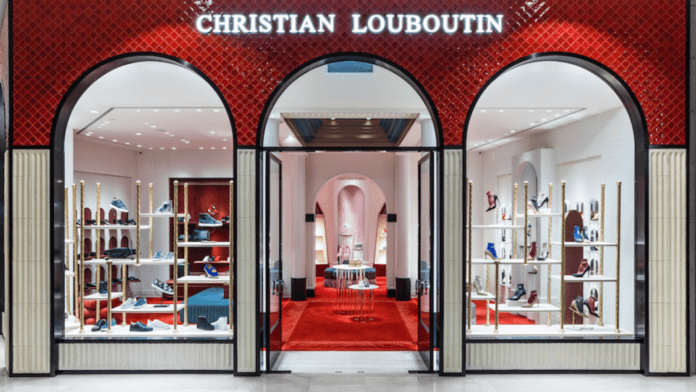
On Wednesday, Aditya Birla Fashion & Retail Ltd (ABFRL) announced a joint venture with Christian Louboutin, a distinguished designer of high-end footwear, targeting the Indian market.

In a press release, ABFRL stated that Christian Louboutin would shift its existing Indian business to a subsidiary of ABFRL, with both partners holding an equal stake in the venture.

In 1991, Christian Louboutin initiated his venture with a women’s footwear collection in Paris. Subsequently, he introduced a men’s collection a few years later, followed by the establishment of Christian Louboutin Beauté in 2014. In 2022, he expanded his offerings to include kids’ and pets’ collections. Notably, both his women’s and men’s collections gained recognition for the distinctive signature of the red lacquered sole.

In the official statement, Alexis Mourot, the Chief Executive of the Christian Louboutin Group, emphasized the significance of the Indian market, describing it as a highly important region for the group.

Sathyajit Radhakrishnan, CEO of ABFRL’s international business, said, “The brand’s distinctive style and craftsmanship appeals to a discerning Indian audience that is growing rapidly.”

Advertisement

Swiggy ropes in Anand Kripalu to steer the board ahead of IPO

0
Anand Kripalu

On Wednesday, Swiggy, the online food and grocery delivery startup, announced the appointment of Anand Kripalu, former managing director and chief executive of Diageo India, as an independent director and chairman of its board.

A graduate of IIM Calcutta and the CEO of EPL, a packaging manufacturing company, Kripalu brings extensive FMCG experience to the table. His previous roles include serving as the president for India and Southeast Asia at Mondelez, a chocolate maker. This board appointment coincides with Swiggy reportedly gearing up for an initial public offering in 2024.

Read More: Swiggy resumes IPO plans, aims for stock exchange presence by 2024

Also Read: Swiggy lays groundwork for mega IPO launch; taps top banks for key advisory roles

“I’m pleased to have Anand Kripalu join as an independent director and chairperson of the Swiggy board. Anand is a veteran in the consumer goods industry, and his deep knowledge and perspective will be instrumental in guiding Swiggy as we continue to innovate and redefine the on-demand delivery landscape in India,” said Sriharsha Majety, CEO, Swiggy.

In February, the Bengaluru-headquartered food delivery company added Sahil Barua, CEO of Delhivery, Mallika Srinivasan, managing director of tractor manufacturer TAFE, and distinguished chartered accountant Shailesh Haribhakti to its board as independent directors.

In addition to Barua, Srinivasan, Haribhakti, and Majety, Kripalu will be joining Nandan Reddy, co-founder of Swiggy, on the board. The board of Swiggy also includes Larry Illg, CEO of Prosus’ Edtech and Food, Ashutosh Sharma, head of investment in India for Prosus Ventures, Sumer Juneja, managing director for India and EMEA at SoftBank Investment Advisors, and Anand Daniel, a partner at Accel.

“Swiggy has transformed food and grocery delivery in the country, bringing unparalleled convenience to millions of homes. I am honoured to join its accomplished board, and look forward to lending my experience and perspective as Swiggy shapes the future of convenience,” said Kripalu on his appointment.

On November 30, Prosus, Swiggy’s largest shareholder, announced a 35% reduction in the Indian food-delivery company’s losses compared to the previous year, totaling $208 million for the half-year ending on September 30.

Read More: Swiggy’s food delivery sales soar 17%, hits $1.43 Billion GMV in first half of FY24: Prosus

Advertisement

Luxury meets affordability: Flourish by Gunjan Jain debuts in Mumbai with first retail store

0
House of Flourish

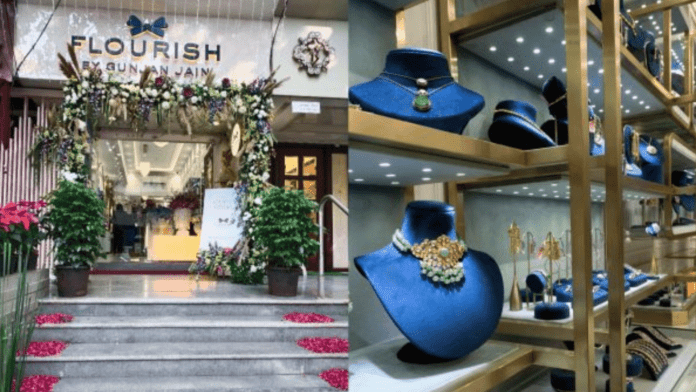
Demi-fine jewellery brand Flourish by Gunjan Jain has ventured into Mumbai with its first retail store, House of Flourish, situated on Waterfield Road in Bandra, as announced in a press release on Tuesday.

Spanning 450 square feet, the recently inaugurated store showcases a variety of meticulously handcrafted jewellery pieces crafted from 18k gold and sterling silver. The collection features synthetic emeralds, solitaires, cubic zirconia, Swarovski stones, and moissanites, all sourced from international origins.

The price range for the products falls between INR 5,000 and INR 150,000.

“We are excited to introduce the people of Mumbai to our exquisite demi-fine jewellery that blends luxury and affordability. Our Bandra store is designed to cater to free-spirited, well-travelled sophisticated women/customers who never compromise on quality in their quest for elegance,” said Gunjan Jain, Founder of Flourish.

“In our Bandra store, where every shade of blue dances with the purity of white, creating an ambience that whispers luxury and royalty. For those wondering, ‘Why Blue?’ Our store is themed to reflect gender neutrality. We are open to anyone who likes to define their style without boundaries – men, women and children alike,” Jain added.

Established in 2021, Flourish by Gunjan Jain inaugurated its flagship store in Kolkata in 2022. In addition to its physical stores, the brand broadens its presence through its official website. Moving forward, the brand is poised for international expansion and intends to enter global markets, commencing next year.

Advertisement

ISPL breaks new ground in alco-beverage market with Swigger, India’s first RTD shots

0
Swigger

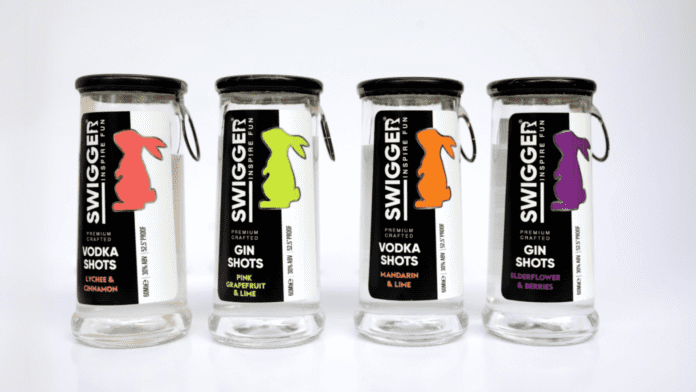
Incredible Spirits Private Limited (ISPL), a startup in the Indian alcoholic beverage industry, has launched Swigger, the country’s first-ever collection of premium Ready-to-Drink (RTD) shots.

Infused with natural and organic flavors, this meticulously crafted product makes its debut with two Gin and two Vodka variations.

The gin-based Ready-to-Drink (RTD) shots incorporate distillation techniques that infuse the flavors of Elderflower & Berries and Pink Grapefruit & Lime. On the other hand, the Vodka-based options boast variations such as Mandarin and Lime, Lychee, and Cinnamon.

Presented in 60ml double shot glasses, these flavorful SWIGGER shots come with a pull rip cap closure, ensuring a secure and hassle-free experience for consumers. This design not only maintains purity but also adds a touch of convenience to the overall enjoyment.

“We are excited to launch the country’s first spirits-based Ready-to-Drink premium shots brand. The RTD shots category is a completely new segment in India and, therefore, presents an enormous opportunity,” said Arun Raina, Co-founder, Incredible Spirits Private Limited.

Tilaknagar Industries, a leading manufacturer of Indian-Made Foreign Liquor (IMFL) and the largest producer of premium brandy in India, has made a significant investment of INR 1 crore to secure a 19.50% equity stake in Incredible Spirits Private Limited.

“Younger consumers have become more experimental which is giving a push to premium, on-the-go alco-bev products. Swigger is a first-of-its-kind offering in India’s RTD space and through this innovation, we aim to offer a safe and an enriching experience,” said Pranav Teredesai, Co-founder, Incredible Spirits Private Limited.

After this debut, there are intentions to unveil additional premium shot variations that will include Cognac, Bourbon Whiskey, Dark Rum, and Tequila.

According to the IWSR report in May 2022, India’s Ready-to-Drink (RTD) market consisted of 3 million cases in 2021. Projections suggest an annual growth rate exceeding 9% for the next five years, with an expected increase to 4.5 million cases by 2026.

Advertisement

Govt to establish subsidized staple food outlets at Delhi metro stations, potential expansion to other cities

0
FMCG
(Representative Image)

A senior government official announced that the central government will establish retail outlets at key metro stations in the national capital this month, offering kitchen essentials like onions, pulses, and atta at discounted prices to consumers.

If the project proves successful, the official indicated a readiness to extend it to other cities like Mumbai, Chennai, and Bengaluru, all of which boast metro rail networks.

The escalating costs of essential food items such as wheat, rice, pulses, sugar, and onions pose a significant worry for the union government, particularly as it approaches the general elections scheduled for April-May 2024, where it will seek voter support.

The first store will be established at Central Delhi’s Rajiv Chowk metro station to capitalize on its high footfall. It will be owned and operated by the National Cooperative Consumers’ Federation of India Ltd (NCCF), an organization responsible for procuring agricultural commodities such as food grains, pulses, spices, oil seeds, pharmaceutical items, and other consumer goods on behalf of the government. The store aims to sell these products to consumers at reasonable rates.

NCCF is planning to establish 15-20 stores at metro stations in Delhi. Presently, the organization operates mobile vans in various cities to distribute subsidized food items. However, this program has a restricted outreach.

Propelled by irregular and insufficient rainfall, retail inflation reached a 15-month peak of 7.44% in July, with food price inflation surging to 11.5% — the highest in over three and a half years.

Despite the government’s interventions, such as banning wheat exports, limiting sugar, onion, and rice shipments, importing pulses, and selling wheat, rice, and vegetables like onions from its reserves, food inflation, constituting nearly half of the overall consumer price basket, has decelerated but persisted at a high rate of 6.61% in October.

The official stated that the government aims to extend its outreach to a larger consumer base and facilitate their access to the provided subsidies by establishing these stores in metro stations.

“This is a part of a pilot that NCCF is doing together with the Delhi Metro Rail Corporation,” said the official, adding that, if successful, this will be replicated in other major cities which have the metro rail.

Advertisement