Sunday, December 21, 2025
Home Blog Page 721

Domino’s outlines expansion strategies, set to take greater market share in India and China

0
Domino's

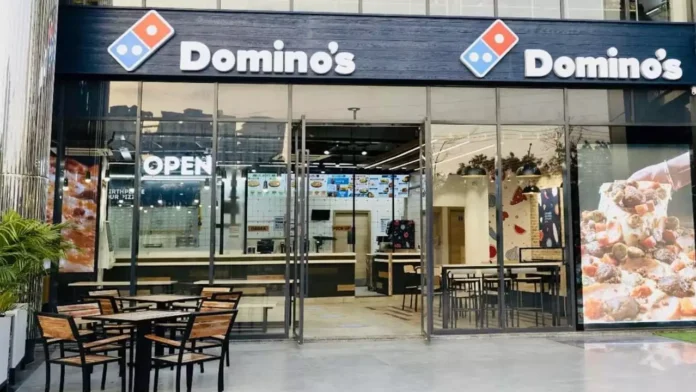
On Thursday, Russell Weiner, the global CEO of Domino’s Pizza, remarked that the company has been successfully gaining market share from independent and regional pizza competitors. He highlighted India and China as the focal points for international growth for the global pizza giant in the coming year.

“A large, fragmented category offers significant growth opportunity,” Russell said in a presentation during the company’s Global Investor Day on Thursday.

Acknowledging the rise of regional rivals across all its markets worldwide, Domino’s noted in its presentation, “We will get more customers through a value strategy.”

Both in India and on a global scale, Domino’s has been implementing strategies such as introducing more value meals and ramping up consumer promotions to counter the growing competition from emerging regional pizza brands.

“We have addressed business challenges. If we don’t open stores, our competitors will,” Domino’s, which competes aggressively with Yum Restaurants-owned Pizza Hut in the organised Quick Service Restaurant (QSR) market, said.

In the third quarter of 2023, Domino’s disclosed global retail sales exceeding $4.2 billion, with an equal split between the United States and other international markets.

The pizza chain additionally mentioned that India and China will take the lead in international store expansion in 2024, projecting the number of stores in India to increase from the current 1,961 to 3,000 by 2029.

Meanwhile, Jubilant FoodWorks (JFL), the entity holding franchise rights for Domino’s Pizza and Dunkin Donuts in India, announced a 26% decrease in net profit to INR 97.20 crore in the September quarter, despite a 5% growth in revenue to INR 1,368.63 crore.

“We reckon that the recovery in the dine-in business is uninspiring, while operating margins remained under stress due to negative operating leverage,” ICICI Securities wrote in a report on JFL after its second quarter earnings. “Key downside risks are raw material costs turning inflationary and increase in competitive intensity,” the report added.

Over the last four quarters, Western-style Quick Service Restaurant (QSR) companies in India have witnessed a decline in sales, attributed to inflation impacting consumer spending preferences towards lower-priced alternatives. Additionally, competition from hyper-local brands has escalated during this period.

Advertisement

India halts onion exports as prices soar due to unseasonal rainfall

0
Onion
Onion

Due to unseasonal rainfall damaging onion crops in Maharashtra and causing a surge in domestic prices to INR 40/kg in wholesale trade, India has implemented a ban on onion exports until March 31, 2024. Traders and farmers anticipate a significant decline in onion prices in January as a result of this measure.

Central government officials recently conducted field surveys in Maharashtra to evaluate the impact of unseasonal rainfall. Over the past few weeks, the prices of onions have risen to INR 38-41/kg in wholesale trade for high-quality onions. This increase is attributed to robust export demand from Bangladesh, which has provided support to domestic prices.

Traders mentioned that prices were expected to stabilize within the next week, given the daily increase in arrivals of kharif onions.

“The arrival of late kharif and kharif onions will flood the markets in January, which can bring down the prices to as low as INR 10-15/kg,” said a Pune-based onion trader, who requested not to be identified.

The primary timeframe for onion exports is from December to February, which also benefits farmers as the onions harvested during this period have limited keeping quality. Concerns among trade insiders have arisen, suggesting that the export ban might prompt farmers to reconsider planting rabi onions.

After more than five years, India has waived the import duty on yellow peas, reducing it from 50% to nil. The Ministry of Finance issued the notification to this effect late on Thursday night.

Nevertheless, the trade is anticipating additional clarification from the Director General of Foreign Trade (DGFT).

“There is still the minimum import price of Rs 200/kg in force. Imports cannot take place unless this price restriction is removed,” said Bimal Kothari, president, Indian Pulses and Grains Association (IPGA).

The delayed sowing of rabi chana in Maharashtra and Gujarat is believed to be a factor influencing the decision to eliminate import duties on yellow peas.

India previously imported substantial quantities of yellow peas to address the shortfall in domestic chana production. These imports served as a substitute for chana in the production of chana flour (besna) by the dal mills.

Nevertheless, owing to the initiatives of the central government, India has achieved self-sufficiency in chana. The surplus chana stocks held by the central government played a crucial role in ensuring food security for the impoverished during the Covid years.

Advertisement

India regulates wheat stocks to fight rising inflation as elections loom

0
Wheat
Wheat

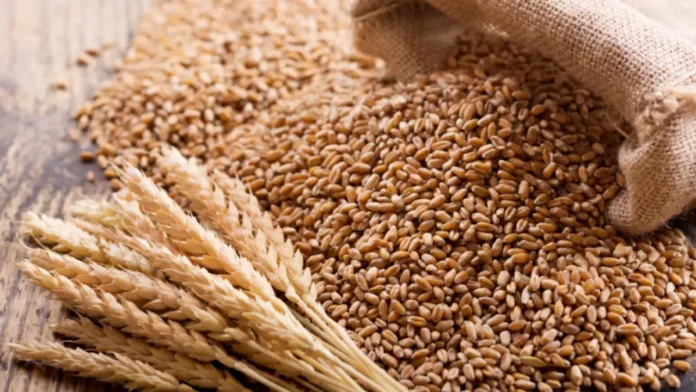
India has implemented a reduction in the stock limit for wheat held by traders and millers, as disclosed by the senior-most civil servant in the food ministry on Friday. The objective is to augment the availability of the grain and regulate prices effectively.

Concerns have arisen among Indian authorities regarding the volatility in food prices in anticipation of the upcoming general elections scheduled for May. Given that food prices constitute nearly half of the retail inflation basket, the government is undertaking measures on the supply side to mitigate food inflation.

Sanjeev Chopra, the Secretary at the Ministry of Consumer Affairs, Food and Public Distribution, announced a reduction in the limit for wheat stocks held by traders and wholesalers to 1,000 tonnes, effectively halving the previous threshold. Simultaneously, inventory limits for millers and retailers have also been decreased.

“The idea is there should not be any artificial scarcity… Whatever people are holding has to come out in the market so we have given them 30 days’ time to adapt to the new stock limits. Additional availability will have cooling effect on the prices.”

Additionally, Chopra stated that the government stands ready to release an extra 2.5 million metric tons of wheat into the market if deemed necessary to control prices.

On Friday, the Reserve Bank of India maintained its rates for the fifth consecutive meeting, citing an uncertain inflation outlook fueled by persistent food price increases staying above 6%.

Following a decline in production, India has instituted a ban on the export of wheat and non-basmati rice. Additionally, New Delhi has imposed restrictions on sugar exports this year and, as of Thursday, instructed sugar mills to refrain from using cane juice or syrup for ethanol production.

According to a Reuters poll, it is anticipated that India’s retail inflation increased in November, driven by elevated food prices, following a three-month decline.

In September, India implemented stricter restrictions on the limits for wheat stocks held by millers, traders, and retailers.

The Indian Sugar Mills Association, a prominent trade body, projects a decline of 8% in India’s sugar production to 33.7 million tons during the marketing year 2023/24. This projection is attributed to diminished yields resulting from inadequate and poorly timed rainfall in crucial sugar-producing states.

Advertisement

Arrow expands its footprint in India with an exclusive outlet in Bengaluru

0
Arrow

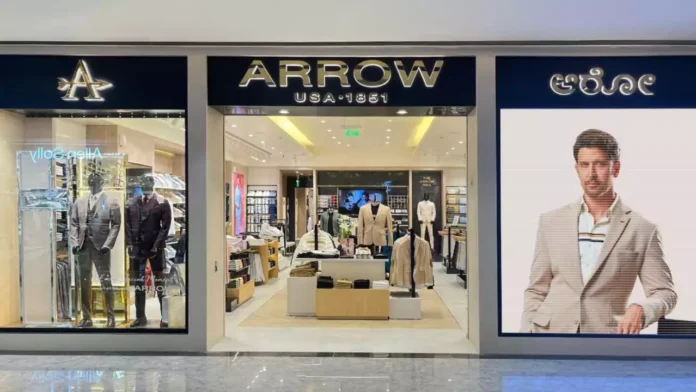
Arrow strategically increased its presence in southern India by opening an exclusive brand outlet in Bengaluru, Karnataka. The newly inaugurated Arrow Retail Identity, located in the Mall of Asia, goes beyond the traditional store concept, covering a generous 1400 sq. ft. This innovative retail endeavor not only transforms the shopping experience but also emphasizes Arrow‘s dedication to offering unmatched style and sophistication to Bengaluru’s fashion-forward community. This initiative is aligned with Arrow’s robust expansion strategy, focusing on thriving in high-growth markets.

The recently revealed Arrow store at the Mall of Asia showcases a carefully curated assortment of high-quality menswear designed to cater to the discerning tastes of the contemporary gentleman. Whether it’s impeccably crafted suits or casually chic attire, Arrow’s diverse range of offerings stands as a testament to the brand’s commitment to timeless elegance and exceptional craftsmanship.

Anand Aiyer, CEO of Arrow shared, “We are delighted to announce the opening of our newest store in the vibrant city of Bangalore. The Mall of Asia provides the perfect backdrop for Arrow’s commitment to offering the finest in menswear. At Arrow, we cater to all occasions in men’s fashion, all while upholding our promise to dress the modern man in both elegance and comfort.”

The store highlights Arrow’s Fall-Winter 23 Collection, showcasing the latest fashion essentials. This includes the renowned Autopress shirts, celebrated for their wrinkle-free quality, and Autoflex trousers featuring a comfortable flexible waistband. The collection also encompasses ceremonial suits and blazers for special events, sophisticated linen blazers for an elevated appearance, and diverse lines such as Arrow Sports with polos and chinos. Additionally, Arrow New York presents modern workwear and casual attire to cater to a variety of styles.

Advertisement

Alipay prepares to sell 3.44% of its stake in Zomato for INR 3,290 Crore

0
Zomato
Zomato

Alipay Singapore Holding intends to divest its entire 3.44% share in the prominent food delivery company Zomato on Wednesday. The Chinese company has established the minimum price at INR 111.28 per share for this transaction. Zomato’s latest closing share price was INR 113.8. At the specified base price, Alipay anticipates raising INR 3,290 crore. The share sale is being managed by BofA Securities and Morgan Stanley, the designated investment banks.

Antfin Singapore Holding, an affiliated entity of Alipay, held another 6.39% stake in Zomato at the end of the September 2023 quarter.

Last month, following the expiration of its lock-in period, SoftBank sold 1.1% equity in Zomato at INR 111.2 apiece, raising INR 1,040 crore.

In August, Internet Fund III, a venture capital fund overseen by Tiger Global, and Apoletto Asia, a fund supported by Israeli billionaire Yuri Milner, divested shares amounting to INR 1,412 crore in the prominent food delivery company.

Continue Exploring: Tiger Global exits Zomato, sells 12.24 Cr shares for INR 1,123 Cr in open market transaction

Zomato’s shares have surged by almost 90% year-to-date, driven by enhanced profitability.

Advertisement

SoftBank sells off 9.35 Crore shares of Zomato in block deal worth INR 1,127 Crore

0
Zomato
Zomato

On Friday, the Japanese technology investor SoftBank executed a block deal, selling 9.35 crore shares of the foodtech giant Zomato for INR 1,127 crore.

According to NSE data, SVF Growth (Singapore) divested a 1.06% stake in the company at a price of INR 120.5 per share.

Invesco, ICICI Prudential Insurance, Goldman Sachs (Singapore), Kadensa Capital, Morgan Stanley Asia Singapore, and other entities acquired the shares that flooded the market.

At the end of September 2023, SVF Growth (Singapore) held a 2.17% stake in Zomato, owning 18.71 crore shares. However, in October, the investor sold a 1.09% stake in the company for a sum of INR 1,040.5 crore.

The recent sale of shares strongly suggests that the investor has likely fully divested from Zomato.

Engaging in a selling streak, the Japanese investor aims to capitalize on the upward trend in Indian equity markets and new-age tech stocks. Before this, SVF Growth had sold a 1.15% stake in Zomato for INR 947 crore in August 2023.

This aligns with the broader market trend, as international investors have been divesting their holdings in domestic new-age tech firms. In a recent development, Chinese tech giant Alipay exited Zomato by liquidating its entire 3.44% stake through various block deals, fetching INR 3,336.7 crore earlier this month.

In August, venture capital firm Tiger Global sold 12.24 crore shares of Zomato for INR 1,123 crore.

The ongoing streak of stake sales coincides with Zomato’s announcement of its second consecutive profitable quarter in the financial year 2023-24 (FY24). The foodtech giant witnessed a remarkable surge in its profit after tax, reaching INR 36 crore in the September quarter of FY24, marking an 18-fold increase from the INR 2 crore PAT recorded in the preceding quarter.

Continue Exploring: Zomato reports remarkable surge in profit, achieving second consecutive profitable quarter in FY24

Meanwhile, Zomato has been facing its share of challenges. Both Zomato and its competitor Swiggy have purportedly received notices for a combined Goods and Services Tax (GST) bill of INR 1,000 crore. This amount stems from the 18% tax imposed on the total collection from delivery fees since the commencement of their operations.

Continue Exploring: Zomato and Swiggy grapple with INR 1,000 Cr GST notices as tax authorities include delivery charges in revenue assessment

Zomato’s shares closed 1.27% lower at INR 120.15 on the NSE in yesterday’s trading session.

Advertisement

Gear Up For The Grandeur as Zomaland, Pet Fed and Comic Con Make Their Way To Your City

This month might just be what you’ve been waiting for, as this trio of colossal events makes its way to your city. India, being the heartbeat of cultural diversity welcomes all taste buds and celebrates passions like no other, and these events are here as a testament to the vibrant spirit of the people. If you’re enthusiastic about gastronomy, pets and pop culture, get ready to revel in an unforgettable experience of food, music, people and exploration. 

  1. Zomaland

Zomaland, one of India’s biggest food events is ready for its 4th edition in 2023-24. It’s a culinary carnival beyond imagination;  a vibrant experience, where flavours, games, music and live entertainment come together and foster an environment for food enthusiasts, local businesses and artists to have an unforgettable experience. Beyond the gustatory delights, Zomaland is a thriving platform for local businesses to gain exposure and recognition, contributing to the growth of the flourishing food industry. This culinary extravaganza is your passport to diverse culinary realms while celebrating the roots of our country.  

When & Where:

New Delhi | Dec 16-17 | JLN Stadium, Gate No.2 

Chandigarh | Dec 23-24 | Chimney Heights Resort

Hyderabad | Jan 20-21 | GMR Arena

Mumbai | Feb 10-11 | Jio World Garden

Kolkata | Feb 24-25 | Aquatica Resort

Bengaluru | March 16-17 | Embassy International Riding School

Book tickets: https:/https://shorturl.at/prDGO


2. Pet Fed 

India’s largest pet festival, Pet Fed, unfolds as a carnival for pets and their fond owners across wide spreads of lush greenery. From fashion shows to security dog spectacles, the event creates a haven for pets and pet lovers alike. With workshops, stalls, and an abundance of fun and knowledge, Pet Fed strengthens the bond between pets and their owners, offering a unique chance for all animal lovers to be surrounded by thousands of four-legged friends. As pets indulge in various activities, their owners are treated to an array of food, drinks, and music, enhancing the joyous atmosphere.

When & Where:

New Delhi | Dec 16-17 | NSIC Grounds, Okhla

Mumbai | Jan 13-14 | NESCO VIP Grounds, Goregaon

Book Tickets: https://petfed.org/events


3. Comic Con (8-10th Dec) NSIC Grounds, Okhla

Comic Conventions, commonly known as Comic Cons, have evolved to become a pilgrimage for pop culture enthusiasts. Movie-buffs, readers, artists, writers, collectors, and more gather under one roof to celebrate a cultural phenomenon that has taken the world by storm. With artists, publishing houses, and pop-culture entities showcasing their creations, Comic Con becomes a vibrant marketplace for one-of-a-kind artworks, comics, and collectibles. It’s not just an event; it’s a congregation of passion and fandom.

When & Where:

New Delhi | Dec 8th-10th | NSIC Grounds, Okhla

Hyderabad | Jan 27th-28th | HITEX

Chennai | Feb 17th-18th | Chennai Trade Centre

Mumbai | To be announced

Book Tickets: https://www.comicconindia.com/

These monumental events, extending from the realms of food to pets, and comics, promise an unparalleled experience for those who seek to immerse themselves in a day out, surrounded by passionate zeal, diverse cuisines, bonding with our four-legged friends or delving into the world of pop-culture. 

Advertisement

Curefoods and Rajasthan Royals kick-off a dynamic partnership to inspire healthier lifestyle choices

0
Curefoods

Curefoods, a prominent F&B brand collective in India specializing in healthy food, has entered into a comprehensive digital-focused alliance with Rajasthan Royals, a franchise under Royals Sports Group.

This collaboration establishes Curefoods as the Royals’ official partner, marking the commencement of a strategic initiative focused on enhancing fan and consumer engagement throughout the 2024 season.

“We are excited to announce this unique partnership with Curefoods which will unlock the power of digital platforms and help us connect with our fans and their consumers at a deeper level. This digital-first partnership will create customer delight at scale through unique experiences for our fans by leveraging our shared values of innovation and technology,” said Jake Lush McCrum, Chief Executive Officer, Rajasthan Royals.

Curefoods, known for its commitment to promoting healthy lifestyles, aligns seamlessly with the Rajasthan Royals’ comprehensive approach to well-being.

The partnership aims to inspire fans to adopt healthier lifestyle habits and make informed choices, encompassing both dietary preferences and physical activities.

“We are thrilled to be associating with Rajasthan Royals for the 2024 season. With this association, we want to promote the importance on healthy eating using the brilliant platform which Rajasthan Royals provides. This partnership will help us reach out to millions of potential consumers who are looking to start their health journey,” said Ankit Nagori, Founder, Curefoods.

Throughout the 2024 season, Rajasthan Royals and Curefoods will collaborate on diverse initiatives, including exclusive digital content, interactive fan engagements, and health-focused campaigns.

By leveraging technology and digital platforms, both entities strive to innovatively connect with fans, enhancing overall fan engagement and interaction.

Curefoods and Rajasthan Royals Kick-off a Dynamic Partnership to Inspire Healthier Lifestyle Choices

Advertisement

Flower Aura takes sweet indulgence to next level, now offering cakes on Zomato and Swiggy

0
Flower Aura

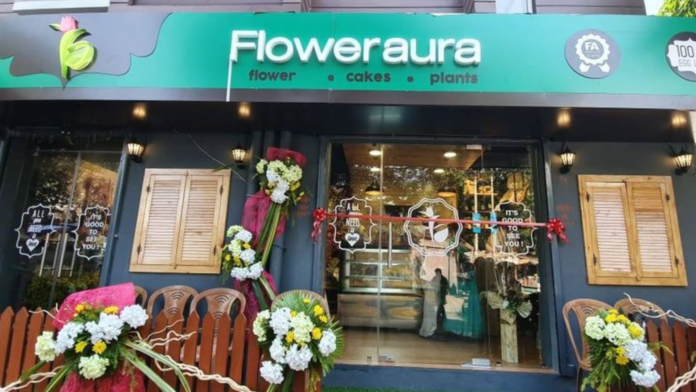
Flower Aura has launched its assortment of cakes on Swiggy and Zomato.

The collaboration between Flower Aura and these platforms aims to enhance accessibility for customers, ensuring a broader reach for their diverse cake selection and improving overall convenience.

In this partnership, Flower Aura seeks to streamline the ordering process for an array of treats, including Red Velvet Jar Cake, Vanilla Blueberry Cake, and Black Forest Mini Cake, among other delightful options.

“Through this alliance, we’ve exponentially expanded our reach, connecting with a broader customer base to cater to every celebration. Our latest collaboration with Zomato and Swiggy perfectly aligns with our dedication to making our sweet indulgences more accessible. Now, anyone can conveniently order their favourite desserts from the comfort of home, at any time they desire. This strategic partnership promises not just to broaden our clientele but also to revolutionize our business operations, marking a remarkable milestone in our journey,” said Shrey Sehgal, Founder & CEO, Flower Aura.

Flower Aura has recently opened a central kitchen spanning 26,000 square feet in Delhi-NCR, a significant move to address the increasing demand from users on Swiggy and Zomato.

Flower Aura specializes in crafting luxurious cakes and desserts. Their collaboration with two leading food delivery platforms is set to elevate convenience, ensuring the prompt doorstep delivery of their exquisite range within a swift 30-minute timeframe.

This collaboration seamlessly fits into their recent initiatives to enhance the accessibility of their diverse product range.

Advertisement

Zomato and Swiggy innovate solutions to lure price-conscious users amid growth challenges

0
Zomato and Swiggy

Zomato and Swiggy, prominent online food delivery platforms, are actively pursuing creative approaches to allure cost-conscious consumers at the lower end of the economic spectrum. This initiative comes as they face challenges in expanding their customer base at a slower pace.

Bengaluru-based Swiggy has introduced a pilot program called ‘Pockethero’ across around 15 cities since late November. This initiative is primarily geared towards students and fresh graduates in search of more budget-friendly food delivery options. Swiggy has partnered with specific restaurants to offer enhanced discounts and complimentary delivery services as part of an effort to attract and onboard new customers.

“Pockethero aims to make food delivery accessible to a set of users who today may find online food delivery less value for money. True to its name, Pockethero delivers the best of discounts from our partner restaurants and gives free delivery on top of it to give our customers a taste of convenience without having to think much about their pockets,” said Sidharth Bhakoo, vice president, national business head at Swiggy.

Simultaneously, Zomato has launched its ‘Everyday’ program, aiming to offer cost-effective home-cooked meal alternatives.

“We believe we’re at a stage where we need to push 20 different arrows and see which one helps us do better…On the value side, we have partnered with a certain set of restaurants to do ‘Everyday’ meals. That is something we are continuing to hold and scale because we believe affordability with high quality food is the way to grow the overall restaurant industry,” said Rakesh Rajan, food delivery CEO at Zomato.

Analysts suggest that, despite the emphasis on profitability and increased usage from their medium-to-high frequency customer base through loyalty programs, food delivery platforms have deprioritized new customer acquisition.

In a recent research note, Bank of America (BoFA) Securities reported, citing data from Sensor Tower, that food delivery platforms experienced only marginal growth or even a decline in daily active users (DAUs) over the past six months.

During November, Zomato observed a 0.6% sequential increase in daily active users (DAUs), whereas Swiggy experienced a 1.9% decrease in DAUs. The report also highlighted a decline in app downloads for food delivery apps, with Zomato registering the highest sequential drop of 21% in November.

“Both platforms have been focussed on profitable growth for the last three to four quarters…and that kind of growth comes from high transacting users. So, instead of spending too much on getting in new customers, the push was towards milking more orders out of existing customers. While this increased order frequency accrues in the form of margins over a longer period of time, the platform, as a whole, becomes less attractive to a new customer,” a Mumbai-based internet sector stock analyst said.

Zomato and Swiggy have been witnessing growth stemming from a growing cohort of transacting users who make orders on a monthly basis at the very least.

In the recently disclosed semi-annual financial results, Prosus, the Dutch consumer internet investor backing Swiggy, reported a 17% year-on-year surge in food delivery gross merchandise value (GMV) to $1.43 billion for the period between April and September 2023. This growth was propelled by an expanding base of transacting users, resulting in double-digit order growth, coupled with an uptick in average order values (AOV).

Zomato, in its earnings report for the September quarter, indicated that it anticipates future growth to be driven by monthly transacting customers. Presently, among the company’s overall customer base, which includes those who order food at least once a year, only 30% of customers place food orders at least once a month.

Significantly, Zomato is witnessing nearly 40% of its gross order values for food delivery originating from high-frequency customers enrolled in its Gold loyalty program.

“However, for the longer term, you need to make sure there’s a large enough base that keeps bringing in incremental growth over time…therefore, it also makes sense to keep acquiring new customers,” the analyst, cited above, pointed out.

Advertisement