Javo Beverage, a comprehensive single-source provider of beverages for the foodservice sector, has unveiled a new website designed specifically to cater to the distinct requirements of professionals in the foodservice industry.
The newly launched JavoFoodservice.com presents innovative marketing tools and valuable resources tailored to support business development for operators in an industry projected to reach a consumer spending of $845.7 billion by the end of 2023, as reported by Datassential. The website highlights Javo’s extensive range of trendy hot and cold beverage solutions, along with its expertise in custom product development. Javo is actively committed to assisting its customers in meeting the changing consumer demand for cold brew and functional beverages. Utilizing a patented process, they craft finished beverages with exceptional sensory qualities, starting from their fresh coffee, tea, and botanical extracts.
“Our foodservice business is growing rapidly which is mirroring industry trends. According to Technomic, total beverage sales outpaced total industry sales in 2022 and this trend is predicted to continue for the next five years,” said Chris Johnson, executive vice president of sale and marketing at Javo Beverage. “Our customers are investing in their beverage programs and our new website is just another investment we are making in them.”
Johnson said the new website is an extension of their dedicated foodservice team providing instantaneous access to their product portfolio, the latest trends, recipes, and videos. “Whether you’re a long-time Javo customer or a potential customer gathering information, we have something for everyone,” Johnson said. “Users want information in as few clicks as possible and we’re giving it to them.”
While chasing the latest fads may bring momentary attention, the key to sustained success lies in crafting a brand image that possesses a timeless touch. Here we will unravel the strategies that transcend trends, ensuring the longevity and enduring charm of your brand identity.
What values, principles, and emotions define your brand? Timeless brands have a core identity that goes beyond products or services – it’s about resonating with the fundamental aspirations and sentiments of their target audience. Understanding this essence is the first step in creating a brand image that transcends temporal boundaries.
Consistency as a Foundation For Enduring Brand Identity:Building Trust Through Time
Consistency is the cornerstone of a timeless brand image. From visual elements like logos and color schemes to communication styles and brand messaging, maintaining a cohesive identity across all touchpoints builds familiarity and trust. Consumers should recognize your brand whether they encounter it on social media, a storefront, or in an advertisement. Consistency breeds reliability, a key factor in establishing a lasting brand image.
Storytelling with Purpose: Narratives That Endure
Human beings are wired to respond to stories, and brands that weave narratives with purpose create connections that stand the test of time. Your brand story should go beyond selling a product; it should convey the ethos, values, and journey that define your brand. A purpose-driven story not only captivates the audience but also positions your brand as an enduring presence in their lives.
Timeless Design Elements: Beyond Trends
Visual elements play a crucial role in shaping a brand’s image. While design trends may come and go, timeless brands incorporate elements that resist the passage of time. Think of classic logos like Coca-Cola or Nike – simple, memorable, and enduring. Invest in design elements that go beyond current aesthetics, opting for simplicity and elegance that will remain relevant across eras.
Evolving Your Brand Image Without Losing Identity: Adaptation, Not Abandonment
While timelessness is about maintaining a consistent core, it doesn’t mean resisting change altogether. The ability to adapt without losing your brand’s identity is a hallmark of timeless brands. Whether it’s a refreshed logo, updated packaging, or an evolved messaging strategy, adapt to the evolving landscape while ensuring that the essence of your brand remains intact.
Building Emotional Connections: The Glue of Timeless Loyalty
Emotional connections are the glue that cements brand loyalty. Timeless brands go beyond transactional relationships; they foster emotional connections with their audience. Whether through shared values, memorable experiences, or a sense of belonging, cultivating emotional ties ensures that your brand is not just a product or service but an integral part of your customers’ lives.
Embracing Authenticity: A Time-Tested Virtue
Authenticity is a timeless virtue that resonates across generations. Consumers can spot inauthenticity from a mile away, and timeless brands embrace transparency and sincerity. Be true to your values, acknowledge imperfections, and let your authenticity shine through. This genuine approach not only builds trust but also ensures that your brand remains relevant through changing times.
Final Thoughts: The Timeless Legacy
By understanding the essence, maintaining consistency, crafting purposeful narratives, incorporating timeless design elements, adapting without losing identity, building emotional connections, and embracing authenticity, your brand can stand the test of time. The mark of a timeless brand is not just in being remembered; it’s in being revered, appreciated, and woven into the fabric of cultural and consumer consciousness for generations to come.
In the intricate dance between brands and consumers, unlocking the secrets of repeat consumer behavior is akin to discovering a hidden treasure trove. Repeat customers are the lifeblood of sustained business success, and understanding the intricacies of their loyalty is the key to creating lasting connections. This post will delve into the art and science of deciphering repeat consumer behavior and unveil strategies to cultivate loyalty that stands the test of time.
The Psychology of Repeat Consumer Behavior: Beyond Transactions
Repeat consumer behavior isn’t merely a series of transactions; it’s a complex interplay of emotions, experiences, and perceived value. Understanding the psychology behind why consumers choose to return goes beyond product satisfaction. It involves tapping into the emotional resonance, building trust, and creating an overall positive association with the brand.
Data as the Compass: Navigating the Consumer Journey
To unlock the secrets of repeat behavior, brands need a reliable compass, and that compass is data. Analyzing customer data provides insights into purchasing patterns, preferences, and touchpoints along the consumer journey. From first interaction to post-purchase engagement, data serves as a guide, revealing the milestones and triggers that influence repeat behavior.
Personalization: Tailoring Experiences for Lasting Connections
Personalizing the customer experience is a cornerstone of fostering repeat behavior. Utilize customer data to tailor communication, recommend products based on past purchases, and offer exclusive promotions that resonate with individual preferences. The more personalized the experience, the deeper the connection, and the higher the likelihood of repeat engagement.
A seamless customer journey is the highway to repeat loyalty. Examine the entire customer experience, from the website navigation to the checkout process, and identify any friction points that might deter repeat engagement. Whether it’s optimizing the mobile experience, streamlining the purchasing process, or enhancing customer support, removing obstacles paves the way for effortless repeat interactions.
Loyalty Programs: Building Reciprocal Relationships
Loyalty programs are not just about discounts; they’re about building reciprocal relationships. Craft loyalty programs that go beyond monetary benefits, offering exclusive access, early previews, or personalized perks. The sense of belonging and appreciation cultivated through loyalty programs acts as a powerful magnet, drawing customers back for the unique value they receive.
Consistent Communication: Staying Top-of-Mind
Out of sight is often out of mind, and in the realm of repeat behavior, staying top-of-mind is paramount. Implement consistent and strategic communication through various channels, including email, social media, and personalized messaging. Whether it’s sharing updates, relevant content, or exclusive offers, maintaining a regular connection reinforces the brand’s presence in the customer’s consciousness.
Soliciting Feedback: Listening to Improve
A crucial aspect of understanding and fostering repeat behavior is actively seeking feedback. Create avenues for customers to share their experiences, preferences, and suggestions. Analyzing feedback not only demonstrates that the brand values customer opinions but also provides insights for continuous improvement. Customers appreciate being heard, and brands that listen and adapt based on feedback build a foundation of trust and loyalty.
Final Thoughts: Nurturing Long-Term Relationships For Repeat Customers
By decoding the psychology behind repeat engagement, leveraging data as a compass, personalizing experiences, ensuring a seamless customer journey, implementing effective loyalty programs, maintaining consistent communication, and actively soliciting feedback, brands can cultivate long-term relationships with their customers. The key is not just in attracting repeat business but in nurturing a connection that transcends transactions and transforms customers into loyal advocates.
In the pulsating heartbeat of the retail landscape, where digital and physical realms intertwine, the future of success lies in the mastery of omni-channel strategies. This isn’t merely a buzzword; it’s a paradigm shift in how retailers engage with consumers across every touchpoint. In this exploration, we embark on a journey into the intricacies of crafting omni-channel strategies that transcend boundaries, creating an immersive and seamless retail experience.
Unifying the Shopping Journey, Omni-channel retail isn’t about choosing between physical stores and online platforms; it’s about harmonizing them into a symphony that resonates with consumers. Whether a customer browses a product online, visits a brick-and-mortar store, or interacts on social media, the experience should be interconnected. Each touchpoint becomes a note in the melody of the consumer’s journey, creating a cohesive and memorable shopping experience.
Data as the Conductor: Understanding Consumer Symphony For Seamless Omni-Channel Experience
To orchestrate a seamless omni-channel experience, retailers need to wield the power of data as a conductor wields a baton. Collecting and analyzing data from various touchpoints provides insights into consumer behavior, preferences, and expectations. This data-driven approach allows retailers to tailor their strategies, predicting the next movement in the consumer symphony and offering personalized experiences that resonate.
Mobile as the Maestro: The Pocket-Sized Shopping Companion
Mobile becomes the maestro, offering features like in-app purchases, real-time inventory checks, and personalized recommendations. The result is a seamless transition from online browsing to in-store exploration, creating a fluid and continuous shopping experience.
Bridging the Gap: Integrating In-Store and Online Experiences
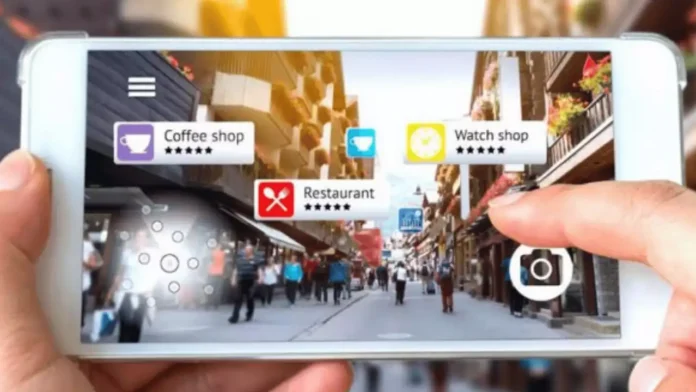
The success of omni-channel retail lies in erasing the boundaries between in-store and online experiences. Technologies like Augmented Reality (AR) can bring the digital world into the physical realm, allowing customers to virtually try on products or access additional information by scanning items in-store. By integrating these technologies, retailers create a bridge that unites the tangible and the digital, enriching the customer journey.
One of the pillars of omni-channel success is providing fulfillment flexibility. Whether a customer prefers home delivery, in-store pickup, or curbside service, retailers must offer choices that align with diverse preferences. A seamless fulfillment process, coupled with real-time updates and transparent communication, enhances customer satisfaction and solidifies their trust in the brand.
Social Media: The Social Harmony in Omni-Channel
Retailers can use social platforms not only for marketing but also as channels for customer service, community building, and real-time engagement. Social media becomes a dynamic element, allowing consumers to share their experiences, ask questions, and become part of the brand’s narrative.
Constant Adaptation: Evolving with Consumer Expectations
The retail symphony is a dynamic composition, and success lies in constant adaptation. Monitoring trends, embracing emerging technologies, and actively seeking feedback allow retailers to evolve with consumer expectations. An omni-channel strategy isn’t a static score but a living composition that adapts to the ever-changing desires and behaviors of consumers.
Final Thoughts: Orchestrating Success in the Omni-Channel Era
Beyond mere transactions, the omni-channel symphony creates enduring connections with consumers. By unifying data, leveraging mobile as the maestro, integrating in-store and online experiences, offering fulfillment flexibility, harnessing the power of social media, and embracing constant adaptation, retailers can craft a symphony that resonates with the modern consumer. The future of retail success lies not in the separation of channels but in the seamless convergence that transcends boundaries and creates an unparalleled shopping experience.
Brands are always looking for fresh approaches to enthral consumers and cultivate steadfast loyalty in the ever-changing field of marketing. Augmented Reality (AR) is one such ground-breaking technology pioneering an immersive future. We explore the possibilities of augmented reality (AR) not only as a novelty but also as a tactical tool for building long-term brand loyalty.Apart from that, augmented Reality is not just a buzzword; it’s a paradigm shift in how consumers interact with brands.
Unlike Virtual Reality, which creates entirely immersive environments, AR overlays digital content onto the real world, blending the physical and virtual seamlessly. From interactive 3D visuals to real-time information overlays, AR transforms static encounters into dynamic, engaging experiences.
The Engagement Revolution: AR as the Catalyst
At the heart of brand loyalty lies engagement, and AR is emerging as the catalyst for a revolution in consumer interaction. Imagine a customer strolling through a retail store, using their smartphone to visualize how furniture would look in their living room or trying on virtual clothing without stepping into a fitting room. AR transforms passive onlookers into active participants, elevating the shopping experience and leaving an indelible mark on the consumer’s memory.
Bridging the Digital-Physical Gap: Tangible Connections
One of the challenges brands face is bridging the gap between online presence and physical products. AR serves as the bridge, providing consumers with a tangible connection to products and services. Whether through interactive packaging, AR-powered product demonstrations, or virtual try-ons, brands can create a seamless transition from online discovery to real-world engagement, enhancing the overall customer journey.
AR in E-Commerce: Virtual Storefronts in the Palm of Your Hand
Virtual storefronts allow consumers to visualize products in their own space before making a purchase. This not only reduces the uncertainty associated with online shopping but also adds an element of excitement and personalization, fostering a sense of connection between the consumer and the brand.
Gamification and Rewards: Making Loyalty Fun
Loyalty programs are a tried-and-true method for retaining customers, but AR takes it to a whole new level. Brands can gamify the shopping experience, offering interactive challenges, virtual rewards, and exclusive content accessible through AR. Turning loyalty into an immersive game transforms routine interactions into memorable experiences, encouraging customers to keep coming back for the thrill of the augmented journey.
Traditional marketing campaigns often struggle to break through the noise. AR-powered campaigns, on the other hand, capture attention by offering interactive and shareable experiences. From Snapchat filters to location-based AR activations, brands can create memorable moments that resonate with consumers, fostering not just brand loyalty but also organic word-of-mouth promotion.
The Future Landscape: AR as a Standard, Not a Gimmick
With the rise of AR glasses and advancements in mobile AR technology, the opportunities for brand engagement are limitless. Brands that embrace AR not just as a one-time stunt but as an integral part of their strategy position themselves at the forefront of innovation, ready to lead the charge into a future where augmented experiences are the norm.
Final Thoughts: AR – The Loyalty Enabler
From transforming e-commerce to gamifying loyalty programs, augmented reality is not just a technological advancement; it’s a strategic tool for brands seeking genuine connections with their audience. By leveraging AR to go beyond reality and provide experiences that resonate, brands can not only drive loyalty but also set the stage for sustainable growth in an era where engagement is king.
Video marketing has become the main character in the age of digital storytelling, drawing viewers in and promoting brand expansion. However, it might be difficult to understand how video initiatives affect return on investment (ROI) in the maze of analytics. This post will shed light on the essential indicators that count, assisting organisations in navigating the dramatic world of video marketing to gauge actual growth in addition to views.
1. View-through Rate (VTR): Beyond the Click, the Watching Matters?
Clicks are valuable, but what happens after the click is even more crucial. View-through rate measures the percentage of viewers who watch a video after clicking on an ad. It gauges audience engagement and the video’s ability to retain attention. A high VTR indicates that your content resonates, keeping viewers hooked and potentially influencing their journey down the conversion funnel.
2. Conversion Rate: Lights, Camera, Action… and Results
The ultimate goal of any marketing effort is to drive conversions. Track the conversion rate of your video campaigns – how many viewers take the desired action, whether it’s making a purchase, filling out a form, or signing up for a newsletter. Understanding the correlation between video views and conversions unveils the impact of your visual storytelling on tangible business results.
3. Social Shares and Engagement: The Ripple Effect of Compelling Content
Monitor the number of shares, likes, and comments your videos generate on platforms like Facebook, Instagram, and Twitter. A video that resonates with your audience becomes a powerful tool for organic reach, extending your brand’s visibility far beyond your immediate audience.
4. Play Rate: Capturing Attention from the Get-Go
The play rate measures the percentage of people who clicked to play your video after seeing the thumbnail. It indicates the initial appeal of your content and its ability to entice viewers to start watching. A high play rate suggests that your video’s thumbnail and opening moments are compelling, enticing users to engage further.
5. ROI: Connecting Video Spend to Business Impact
While engagement metrics are crucial, the bottom line is ROI. Calculate the return on investment by measuring the revenue generated against the cost of creating and promoting your video content. Analyzing the ROI provides a clear picture of the effectiveness of your video marketing strategy in contributing to the overall growth of your brand.
6. Audience Retention: Keeping Viewers Glued to the Screen
Audience retention tracks how much of your video viewers watch, providing insights into the content’s appeal and pacing. A high retention rate suggests that your video keeps audiences engaged throughout its duration. Use this metric to identify patterns – what parts of your videos are most engaging, and where you might be losing viewer interest.
Final Thoughts – Scripting Success with Data
Beyond counting views, the metrics that matter – VTR, conversion rate, social shares, play rate, ROI, and audience retention – collectively paint a comprehensive picture of the impact your videos have on brand growth. By aligning your video marketing strategy with these metrics, you not only measure success but also refine your storytelling, ensuring that every frame contributes to the cinematic journey of brand growth.
Domino’s marks four decades of presence in Australia by unveiling a special, limited edition menu addition – the Ruby Red Velvet Lava Cake.
Modeled after the cherished Choc Lava Cake, this cake is aptly named Ruby, drawing inspiration from the term associated with 40th anniversaries, symbolizing love and passion.
“Domino’s is a meal best shared – by reimagining the Choc Lava Cake, we’re extending the celebration from our doors to your dinner table so you can take a bite into our rich history that began in Australia 40 years ago,” Domino’s ANZ Chief Marketing Officer Allan Collins said.
The Ruby Red Velvet Lava Cake, priced at $6, offers a delightful indulgence for dessert enthusiasts.
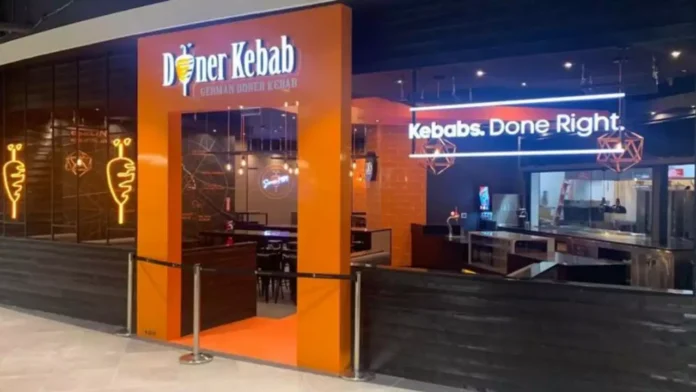
The menu was created to commemorate the introduction of GDK’s inaugural motorway services concept at Baldock Services, located on the A1 in Hertfordshire.
The extensive breakfast selection will debut at the upcoming motorway services venue, scheduled to open in December, generating 30 employment opportunities in the vicinity. Furthermore, the brand intends to test the menu in London, specifically at its Holborn establishment on Southampton Row.
Taking the spotlight on the morning menu is the Doner Egg Brioche. Other breakfast choices on the extensive menu feature the Big Breakfast Wrap. This breakfast main consists of GDK’s high-quality, lean doner meat, two free-range eggs, hash brown bites, sliced tomatoes, onions, and is topped with GDK’s signature melted cheese and garlic sauces. Customers can complement their meal with a cup of coffee from the well-known Italian brand Lavazza.
GDK boasts a presence of more than 130 restaurants exclusively in the United Kingdom.
The Darjeeling tea industry, already grappling with financial crises due to factors like low production, reduced demand in export markets, and diminished price realization, faces an additional challenge. The import of affordable teas from Nepal reached 10.4 million kg between January and October this year, deepening the industry’s crisis. Compounding the issue, Nepal has successfully penetrated traditional export markets for Darjeeling tea, engaging in direct exports to countries like Germany and Japan, further impacting the industry’s economic stability.
Concerns among Darjeeling planters are mounting as they fear that domestic consumers are increasingly opting for Nepal teas, mistakenly identifying them as Darjeeling teas. This trend is causing significant harm to the Darjeeling tea market within the country. Industry insiders argue that despite DGCIS figures indicating the entry of 10.4 million kg of Nepal tea until October, the actual figure could be as high as 17 million kg.
Madhav Sarda, managing director of Golden Tips Company said “The Ilam district in Nepal and Darjeeling in West Bengal have the same climate. It is just an imaginary line that divides the two. The tea produced in Ilam is almost similar to that of Darjeeling. So a lot of teas are entering from Ilam to India and are being sold in the domestic market as Darjeeling tea. And the volume is gradually increasing every year.”
Trade sources report that approximately 17 million kg of Nepal teas have made their way into India this year, encompassing a variety that includes both orthodox or premium teas and CTC teas.
Sarda mentioned that Nepalese teas are priced significantly lower than Darjeeling teas, with a difference ranging from approximately 35% to 50%.
“They are blended with Darjeeling teas and are sold as Darjeeling teas. The consumers can’t differentiate between Darjeeling teas and Nepalese teas. Even the tea experts sometimes fail to differentiate between the two,” he said.
Over the years, the production of Darjeeling tea has declined, dropping from 11 million kg to 6.6 million kg in 2022.
“The production will be less this year because of bad weather during the initial phase of the new season of the tea crop cycle,” said a Darjeeling planter.
Sandeep Mukherjee, principal adviser of Darjeeling Tea Association said “Of the 87 tea estates in Darjeeling, 7 are permanently closed. Many of them are somehow surviving and are not able to clear the statutory dues of the workers. The fate of the Darjeeling industry is uncertain and we do not know how long the gardens will continue their operations.”
In 2022, the Darjeeling tea industry recorded an export of 3.02 million kg of tea.
“Darjeeling tea industry is in ICU and this year the exports will be less. Both the central government and state government should take immediate steps to revive Darjeeling tea,” said Anshuman Kanoria, chairman of the Indian Tea Exporters Association (ITEA).
The Karnataka state government has directed beer manufacturers to cease third-shift operations at their breweries, attributing the decision to a shortage of permanent excise officers and staff throughout the state.
This decision could result in a significant disruption in the production of brewing products in India’s second-largest beer-consuming state.
Nevertheless, spirits manufacturers with distilleries have not received the same notice, causing concern among beer makers that a potential shift in demand towards hard liquor might occur in the event of supply constraints for their brands.
United Breweries, AB InBev, Bira, and Carlsberg collectively possess seven breweries in Karnataka, all of which operate in three shifts and rank among the largest in the country for these companies.
“We sincerely urge policymakers in the state to reconsider the decision to cancel the third-shift operation in the brewery. This decision will significantly impact the state’s thriving beer industry, jeopardising employment and causing a shortage of beer during the peak demand period around Christmas, New Year and beyond which is the peak season for beer,” said a company official of a leading beer company.
In India, numerous state governments either regulate the retailing or wholesale distribution of liquor, or both, with taxes on alcohol constituting a significant portion of their revenue. Over 50% of the retail price is directed towards state and central governments through Value Added Tax (VAT) and excise duty. In August, Karnataka declared a 20% rise in additional excise duty on domestically produced liquor.
In the fiscal year 2022-23, the excise revenue generated from total liquor sales in Karnataka amounted to approximately INR 30,000 crore. Beer constitutes 15% of Karnataka’s alcohol excise revenue, experiencing a twofold increase over the past two years to reach INR 4,500 crore. The state annually consumes 3.8 million hectoliters of beer, contributing to 13% of India’s overall volume sales.
“This will also potentially steer retailers and consumers towards stronger alcoholic beverages which have been growing but not as rapidly as beer,” one of the top brewers in the state said on the condition of anonymity.
India, characterized by a tropical climate, promising demographics, and rising affluence, stands as one of the largest beer markets for the world’s leading brewers. Despite its potential, the country faces heavy taxation, and the government has granted licenses to only 80,000 alcohol outlets. This is noteworthy given that more than 20 million people reach the legal drinking age in India each year.
Comprising only a tenth of the nation’s spirits market, beer in India has a per capita consumption of two litres, which is lower than in many other Asian markets. Despite the potential for market expansion, companies express optimism tempered by the acknowledgment that evolving regulations pose one of the most significant challenges to operations in India.
We use cookies to ensure that we give you the best experience on our website. If you continue to use this site we will assume that you are happy with it.