Sunday, December 21, 2025
Home Blog Page 719

Culinary Connectivity: Strategies to Leverage Mobile in Boosting Food Brand Reach

0
Mobile Food Brand

Food brands cannot afford not to use mobile tactics in the continuously changing food scene, where culinary experiences are shared digitally and tastes are transcending national boundaries. The confluence of culinary delights and mobile connectivity presents a tantalising array of potential as smartphones become our constant companions. This post will reveal the tactics that help food brands become more visible online by bridging the gap between tastes and budgets.

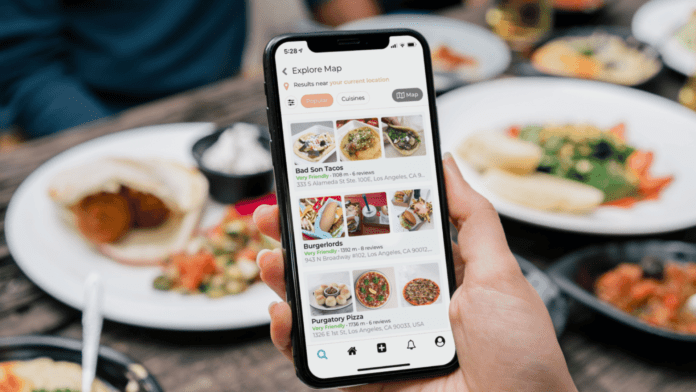
When it comes to food brands, a mobile app is not just a platform; it’s a digital extension of the culinary experience. From seamless online ordering to interactive menus, mobile apps offer a curated journey for food enthusiasts. Push notifications can entice users with special promotions or new menu items, creating a direct line of communication that keeps the brand on the forefront of customers’ minds.

Secondly, food brands can leverage platforms like Instagram, Pinterest, and TikTok to showcase their culinary creations. Visual content, whether it’s a perfectly plated dish or a behind-the-scenes glimpse of the kitchen, fosters engagement and connects with audiences on a sensory level. Hashtags and trends can amplify reach, making the brand an integral part of the digital culinary conversation. Tools like geotargeting and location-based marketing are potent tools for food brands to tempt taste buds in their vicinity. Sending timely promotions or discounts when users are near a restaurant or offering exclusive deals for local events creates a sense of immediacy. It’s the digital equivalent of the tantalizing aroma that lures passersby into a bustling eatery.

Digitalising Your Kitchen : The GenZ Food Bizz and How to Make it a Hit!

Integrating chatbots into mobile platforms is a game-changer for food brands. From handling reservations to providing personalized recommendations, chatbots enhance customer service and engagement. They offer a conversational touch that mimics the in-person dining experience, ensuring that even in the digital realm, customers feel attended to and understood.

Further, Customers should be able to navigate the digital menu, place orders, and access essential information seamlessly on their smartphones. Mobile optimization enhances the user experience, ensuring that potential customers can easily explore the culinary offerings and engage with the brand on the go.

Further, the boundaries between chefs and home cooks blur, virtual cooking classes are a mobile-centric avenue for food brands. Hosting live or pre-recorded sessions where chefs share recipes, techniques, and kitchen tips creates a direct connection with the audience. This interactive approach not only showcases culinary expertise but also positions the brand as a culinary companion on the mobile screens of aspiring home chefs.Encouraging user-generated content turns satisfied customers into brand ambassadors. Mobile platforms make it easy for customers to share their culinary experiences, whether through reviews, photos, or social media posts. Running contests or campaigns that encourage user participation creates a digital community around the brand, expanding its reach organically.

The Bottom Line: Savoring the Digital Culinary Symphony

From mobile apps and social media savvy to location-based marketing, chatbot cuisine, mobile-optimized websites, virtual cooking classes, and user-generated content, the digital culinary symphony is composed of diverse and harmonious notes. For food brands seeking to tantalize taste buds in the digital realm, the key is not just in offering delectable dishes but in orchestrating a seamless and engaging mobile experience that transcends the confines of the kitchen and reaches into the pockets and preferences of a digital audience.
Advertisement

Nestlé targets 70% emission reduction: Strikes green transition deal with shipping giants

0
Nestle
Nestle

Teaming up with three of the “largest companies globally” in the shipping industry, Nestlé is swiftly transitioning half of its worldwide shipping requirements to alternative, more environmentally friendly fuels.

The food giant is aiming to reduce its annual greenhouse gas (GHG) emissions from shipping by approximately 200,000 metric tons of CO2 equivalent. This ambitious objective involves a strategic shift to cargo ships powered by fuels derived from waste, such as recycled cooking oil. Nestlé asserts that this transition not only contributes to environmental sustainability but also has the potential to save around 500,000 barrels of crude oil.

Stephanie Hart, EVP and head of operations at Nestlé, said, “Reaching net zero requires changing many aspects of how we source, make, and distribute our products. The agreements we’ve signed with our shipping partners will help us cut emissions and immediately reduce our carbon footprint. We know this is an interim solution and continue to encourage the development of longer-term decarbonisation solutions in shipping and distribution.”

According to Nestlé, fuels derived from waste provide a minimum emission reduction of 70% compared to conventional alternatives.

Nestlé has entered into agreements with container shipping giants Hapag-Lloyd, Maersk, and CMA CGM. These agreements, covering 50% of Nestlé’s shipping volumes in 2023, come with an option to extend the partnership into 2024 and beyond. Consequently, these shipping companies will employ alternative fuels to transport an equivalent tonnage in their operations throughout the current year.

Thorben Nibbe, country manager Hapag-Lloyd Switzerland, commented, “Nestlé is a key customer of Hapag-Lloyd, and through this collaboration, we are significantly reducing CO2e emissions.”

Johan Sigsgaard, EVP and chief product officer ocean of AP Moller – Maersk, added, “This is a very decisive step by Nestlé to use our very low GHG emission solution for 100% of their ocean cargo with Maersk.”

Christine CABAU, EVP group assets and operations at CMA CGM, said, “We are very proud and happy to have set this agreement with Nestlé, one of the first of its kind, whereby shippers and beneficial cargo owners commit to decarbonise the globality of the scope 3 shipping emissions.”

Advertisement

Indian consumers make healthier choices with two-color front-of-pack labels, new study finds

0
Two-color traffic light system for food

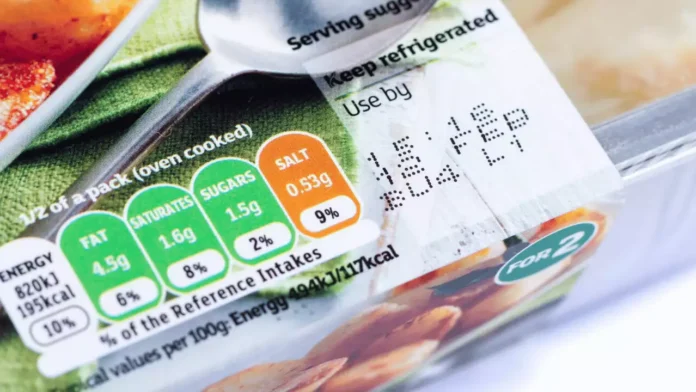
A recent study has determined that a two-color traffic light system used for front-of-pack labels (FoPL) on packaged goods is considered the “most effective” in aiding Indian consumers in comprehending and selecting healthier food options.

Conducted by scholars from The George Institute of Global Health, the World Health Organization’s Indian division, Melbourne Centre for Behaviour Change, and UNICEF, the study comprehensively evaluated which front-of-pack labels (FoPL) could most effectively steer the diverse Indian population toward making healthier choices in packaged foods.

The research involved 16 focus groups and a survey that was undertaken by 1,270 Indian adults hailing from both the northern and southern regions of the country.

Amid mounting concerns about rising national obesity rates, the Food Safety and Standards Authority of India (FSSAI) unveiled a draft proposal in 2022 to implement a Health Star Rating (HSR) certification for packaged food and beverage products.

Initially, the agency suggested a voluntary adoption of the label, with a later mandate for it to become obligatory on packaged food and beverage products starting in 2027.

Already adopted in Australia and New Zealand, the Health Star Rating (HSR) is represented by a monochrome symbol that assigns products a star rating ranging from 0.5 to five stars, where a higher star count signifies a healthier product.

Until now, India has not mandated a Front-of-Pack Labeling (FOPL) system. In 2011, it introduced regulations mandating packaged foods to feature nutrition information panels disclosing the quantities of calories, protein, carbohydrates, total sugars, added sugars, total fat, saturated fat, and trans fat per 100g or 100ml.

Over time, certain scholars have observed that a significant number of consumers tend not to take into account the nutritional panel information when making food purchases due to its perceived complexity and difficulty in understanding.

In this latest study, researchers highlighted the Health Star Rating (HSR) symbol as “a substantial improvement” compared to the current system in India. Nevertheless, they underscored that the absence of color in the HSR symbol “could represent a lost opportunity to optimize outcomes.”

Color is incorporated in the Nutri-Score label, currently implemented in numerous European countries, as well as in the United Kingdom’s traffic light labeling system.

As part of the survey, information was gathered regarding participant reactions to two-color and three-color multiple traffic light labels, the Health Star Rating (HSR) system, Nutri-Score, and a health warning label.

In general, the study found that 56% to 66% of Indian consumers continued to make identical food choices before and after encountering products featuring front-of-pack labels.

Nevertheless, in instances where there was an enhancement in food choices, the study revealed that the two-color label was most commonly associated with making healthier decisions.

When confronted with products featuring warning labels, Indian consumers were the least inclined to enhance their food choices.

Concluding their findings, the researchers said, “These results could assist the Indian Government in its efforts to ensure that the FoPL that is soon to be implemented includes as many of the features of this effective design as possible.”

The extent to which the Indian government will take these findings into account remains uncertain. Back in 2019, the draft regulations proposed by FSSAI for a traffic light labeling system were deferred for additional consultation, given the strong opposition from the country’s food sector.

Advertisement

Parra brings a taste of Greece to Delhi, revolutionizing the culinary scene

0
Parra

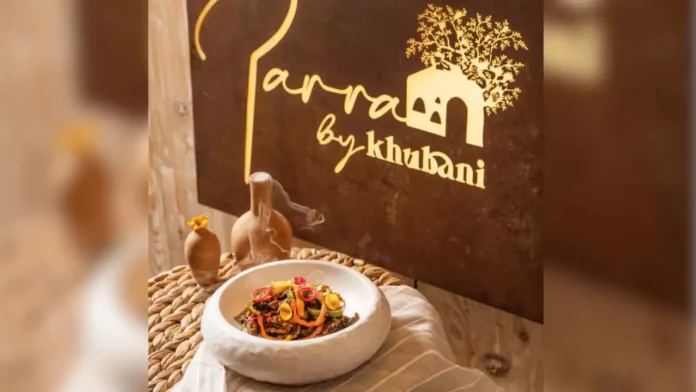
Parra, a branch of the Khubani family, has established its presence in Delhi, infusing the city with the rich essence of Greece.

Brand is founded by the accomplished figures in the hospitality sector, Sharad Madan and Naresh Madan, collectively known as the Madan brothers. Renowned for their significant contributions, they have played pivotal roles in the success of brands like Khubani, Habibi, and Imperfecto.

The menu seamlessly integrates a fusion of Mediterranean, Asian, Continental, and Indian cuisines, skillfully curated by the Culinary Artisan and Corporate Chef, Dipender.

Chef Dipender, serving as the Corporate Executive Chef at Bel Cibo Hospitality Pvt Ltd, places a strong emphasis on utilizing fresh ingredients, ensuring delightful flavors, and promoting wholesome cooking.

In addition to the delectable cuisine, the bar showcases artisanal cocktails inspired by the ocean, skillfully crafted with botanical infusions by expert mixologists.

Parra, a family-owned endeavor with no external investors, is deeply committed to the art of culinary mastery. The Madan brothers have ambitious plans for expansion in 2024, intending to inaugurate ten new locations, including boutique resorts and hotels.

Advertisement

Wonderchef records 54% YoY sales growth, aims INR 700 Crore turnover by 2024

0
Wonderchef
Wonderchef

Wonderchef, the cookware and kitchen appliances company, reported a significant 54% year-on-year sales growth this festive season, amounting to INR 290 crore. According to MD Ravi Saxena, this impressive performance is largely attributed to the company’s robust omnichannel distribution strategy and a steadfast focus on continuous product innovation.

“October and November have been fabulous for us. This October, we did almost 50 per cent higher than last year, and in November, we did about 60 per cent higher than last year.”

Currently, with a portfolio featuring 400 SKUs, the latest additions from the company have been in the categories of coffee machines and smart appliances, presenting substantial growth opportunities in the country.

“We need to look at products across the price point and that’s precisely what we have done. We are not just about catering to the premium end; instead we have done value engineering and product development at the lower end as well,” he added.

Regarding the expansion of the coffee machine category, the company is enhancing this lineup with four new machines, each representing distinct sub-segments in the market.

Furthermore, as part of its quest to achieve the status of a INR 1000 crore brand, the company has strategically entered tier two and tier three cities, employing a diverse pricing strategy. In the fiscal year 2023, the company garnered a revenue of INR 350 crore. Looking forward, it envisions a robust growth trajectory, aiming for a turnover of INR 700 crore in the fiscal year 2024, with plans for an additional 20% growth in the subsequent year.

Expanding beyond its home market, the company has ventured into international territories, including the US, UK, UAE, Saudi Arabia, Bahrain, the Maldives, Mauritius, and Australia. Presently, 2 percent of its business originates from global markets, where it has carved a niche by delivering quality products at a competitive price.

Moreover, the company is poised to enhance its retail footprint, with plans to establish 50 exclusive stores throughout India by 2025. Simultaneously, it aims to broaden its reach to 25,000 multi-brand stores and 3,500 modern trade stores within the next two years.

Regarding its manufacturing capabilities, the company currently collaborates with 110 factories worldwide.

Advertisement

Indian garlic exports soar to new heights amid global shortage

0
garlic

Garlic exports from India are poised to achieve a new peak in the fiscal year 2024, following the unprecedented export volumes recorded in the preceding year.

The worldwide scarcity of the spice, fueled by a decrease in supply from China, the largest producer, has been causing an increase in garlic export quantities from India.

With a dominant 75 percent share of the global garlic output, China produces over 23 million tonnes, making it the leading contributor. India follows, albeit with a significantly lower production of 3.3 million tonnes.

During FY23, a deficiency in garlic production in China resulted in record-breaking garlic exports from India. However, in the ongoing fiscal year, exports have surpassed previous achievements and are expected to reach new heights. According to the most recent data from the Spices Board, exports for the period of April to September 2023–24 totaled 56,823 tonnes, valued at INR 277 crore. This represents a remarkable increase of 110 percent in quantity and 129 percent in value compared to the corresponding period in the previous year.

In FY23, garlic exports reached a new high of 57,346 tonnes valued at INR 246 crore. In the past six months, while the quantity has inched close to the annual export volume last year, the value has already crossed last year’s level.

Quantity-wise, there was a staggering 159 percent year-on-year (YoY) increase, accompanied by a 32 percent rise in value during FY23. This marked the inaugural occasion when garlic exports from India surpassed the 50,000-tonne threshold, surpassing the previous peak of 47,000 tonnes recorded in 2017–18.

Notably, this occurred amid a general decline in spice export volumes, which contracted by 8 percent throughout the year. Key spices such as chilli, cumin, spice oleoresins, and mint products experienced reductions in export quantities. Additionally, this period coincided with elevated domestic and international prices for Indian garlic. Exporters report current international prices for Indian garlic at approximately $1,800 per tonne, in contrast to China’s $1,350 per tonne.

Wholesale garlic rates are at approximately INR 240 per kilogram, causing retail prices to fluctuate within the range of INR 260–265 per kilogram in the domestic market.

“Prices reached this level in the last couple of weeks. As a result, offtake by shops has declined. This is the highest price so far. Prices had reached INR 180 per kg two years ago,’’ said Sujesh, a wholesale garlic merchant in Kerala.

Garlic prices have surged due to depleting old stock and a surge in export demand. While the anticipation of a higher yield in the upcoming year exists, the persistent increase in demand may contribute to sustained price levels.

“We are expecting a crop of 3.6 to 3.75 million tonnes in place of 3.3 million tonnes in the last season,’’ said Vijay Hotwani, Managing Director of Varchasva Agro, an exporting firm based in Madhya Pradesh.

The sowing for the upcoming season has witnessed a 30 percent rise. However, the actual increase in production hinges on weather conditions, as mentioned by the source. Madhya Pradesh, contributing approximately 65 percent of the total output, stands as the foremost garlic-producing state. Other significant producers include Rajasthan, Uttar Pradesh, and Gujarat.

Hotwani feels the current price trends will continue until the harvest in February-March. “After that, prices could slacken, which may boost exports. Our prices could fall to $900 per tonne next year, which could be below the garlic price in China,’’ he pointed out.

The worldwide scarcity has compelled non-traditional buyers of Indian garlic to seek the spice from the country. While Indian garlic is predominantly favored by Asian nations like Bangladesh, Malaysia, Thailand, Vietnam, and Nepal, there has been an increased demand from Latin American countries such as Brazil in the past year.

“They used to buy from China but have now shifted their focus to India,’’ Hotwani said.

Nearly 70 percent of garlic export volume is in fresh form, with the remaining portion predominantly consisting of flakes and granules. There has been a growing demand for these processed forms, particularly from Western countries in recent times.

Typically, the United States, Europe, and West Asia show a preference for Chinese garlic, known for its larger size, richer color, and milder taste. However, there is a noticeable increase in the purchase of Indian garlic flakes by certain countries, particularly those in West Asia, the United States, and Russia.

“Indian garlic flake prices, which were hovering below INR 100 per kg, have touched INR 105 per kg now. However, demand has increased as there is no buffer stock in China. Production is just enough to meet the demand there,’’ said Murtuza Badami, MD, Murtuza Foods Pvt. Ltd.

According to a market report from Olam Group, a prominent global agri-products company, garlic planting for the 2023 crop in China witnessed a decrease of 15-20 percent compared to the previous year. This decline is attributed to COVID-19 conditions, sluggish demand for fresh garlic, low prices, and increased support prices for wheat.

Advertisement

PizzaForno expands its international reach, launches first 24/7 automated pizzeria in Mexico

0
PizzaForno

Canada-based automated pizzeria brand PizzaForno has expanded its overseas footprint by entering Mexico.

The company announced the opening of its inaugural 24/7 automated pizzeria in Mexico City.

The pizza brand’s expansion into Mexico represents its second international market entry in the last two years.

It currently operates in all three of the largest countries in North America.

The company has entered into a 20-unit agreement with master licensees Salomon Bialostozky and Jacko Duayhe.

They intend to establish 20 locations in the Mexico City area by 2024.

PizzaForno’s coverage will extend to Cancun, Guadalajara, Los Cabos, Monterrey, Puerto Vallarta, and Puebla.

The company additionally intends to grow its presence south of the border with over 100 units and aims to establish 25,000 operating units by 2028.

PizzaForno chief marketing officer Jason Lowder stated, “We’re bringing delicious pizzas to Mexico, an underserved market, where customers are looking for fast, flavourful, hot meal options that they can access at any time of the day.

“As we continue to see excitement for our innovative brand, we look forward to continuing to grow our footprint across the globe.”

Founded in 2018, PizzaForno stands as the sole automated pizzeria in North America, capable of crafting a pizza in less than three minutes.

The brand provides round-the-clock access to pizzas via its digital vending machines, with 2,200 of them currently in operation across Europe.

PizzaForno currently runs 61 establishments in the United States and is dedicated to expanding its presence to over 100 locations across the country.

In May 2023, the company ventured into the Georgia market, unveiling three new establishments in Atlanta.

The first of the three locations is planned for Atlanta’s Buckhead neighborhood at 3861 Roswell Road. The other two will open later this month around metro Atlanta.

Advertisement

McDonald’s partners with Google to introduce generative AI in thousands of outlets by 2024

0
McDonald's

To enhance its food service, McDonald’s is teaming up with Google to introduce generative AI across thousands of its locations, with the rollout set to begin in 2024.

As reported by The Verge, McDonald’s has announced a collaboration with Google to integrate generative AI into its operations. This technological upgrade, encompassing both hardware and software enhancements, is anticipated to optimize operations and enhance food quality across thousands of McDonald’s stores.

Although not explicitly outlined, the AI technology is expected to integrate on-site hardware and software enhancements, complemented by services offered through Google Cloud. This sophisticated system aims to assist store managers in quickly identifying and resolving issues, thus minimizing operational disruptions.

McDonald’s has not provided specific details on the impact of AI integration on its workforce but implies that the system will streamline tasks for store staff and introduce innovative experiences for both employees and customers. This initiative aligns with a previous move by Wendy’s, which initiated tests on AI-based ordering systems earlier in the year.

The integration of AI is scheduled to coincide with the introduction of a new operating system designed to streamline the customer experience across McDonald’s mobile app and in-store kiosks. McDonald’s aims for these updates to facilitate more efficient testing and automated solutions, ultimately enhancing restaurant operations.

Advertisement

Nissin Foods takes ramen to the next level with Hot & Spicy Fire Wok Chili-Infused Noodles

0
Nissin Foods

Nissin Foods USA, the innovator behind renowned brands like Cup Noodles and Top Ramen, has introduced the new Hot & Spicy Fire Wok packets.

The packets are available in two flavors: Torched Teriyaki Chicken and Screamin’ Sichuan Beef. They include a square ramen pack that houses spicy noodles infused with chili flakes. These latest flavors mark Nissin’s second release of a brand featuring chili-infused noodles, following the launch of the Geki brand in September.

Continue Exploring: Nissin Foods USA heats up the instant noodle market with exciting ‘Geki’ brand debut

Priscila Stanton, senior vice president, marketing for Nissin Foods USA, said, “By offering Hot & Spicy Fire Wok in an elevated format with chilli-infused noodles, we’re hoping to inspire more at-home chefs to find unique ways to bring the heat into their own kitchens.”

Additionally, Nissin has committed to contributing a portion of the proceeds, with a cap of $75,000, from the sales of Hot & Spicy Fire Wok packets at Walmart to the charitable organization Feeding America.

The Hot & Spicy Fire Wok is currently accessible at Walmart outlets nationwide and through online platforms.

Advertisement

KFC to boost UK and Ireland operations with acquisition of 218 franchised eateries

0
KFC
KFC

KFC is set to purchase 218 franchised restaurants in the U.K. and Ireland from EG Group, as stated in a press release.

Currently, the brand runs 50 restaurants that it owns directly in both countries.

KFC in the U.K. and Ireland has demonstrated a robust history of sustained growth, which has persisted this year. System sales have increased by 7%, and same-store sales have risen by 5% across its 1,040 restaurants.

From 2018 onwards, KFC has launched 200 restaurants in the U.K. and Ireland. The company has also revealed its intention to open an additional 500 restaurants in the market by 2030.

“The KFC business is a powerhouse for Yum! globally and the UK and Ireland is one of our strongest markets,” Sabir Sami, KFC Division CEO, said in the release. “Over the past five years, we’ve secured our leadership position within the U.K. and Ireland chicken market, opening 200 new restaurants, and we’re now close to being a £2 billion business in the U.K., thanks to our extremely talented local management team. We’re pleased to add these restaurants to our equity portfolio, in a market where we are well placed to drive strong growth while also making further digital and strategic progress.”

“We are proud to have been a strategic partner of KFC in the U.K. and Ireland, playing an important role in helping the brand expand its footprint,” Zuber Issa and Mohsin Issa, CBE co-founders and co-CEOs of EG Group, said in the release. “Now is the right time to hand the baton to the KFC leadership team to continue to grow the brand in the U.K. This is the latest transaction in our significant deleveraging this year — to put in place a sustainable capital structure. I would like to thank all the colleagues who have helped deliver such exceptional brand standards and customer service over recent years, including during the COVID-19 period.”

Currently, KFC runs a network of more than 1,000 restaurants throughout the U.K. and Ireland, employing a team of 27,000 members in both regions.

Advertisement