Thursday, December 18, 2025
Home Blog Page 1240

Enjoy guilt-free dinner with Rajma Galouti Kebab: The ultimate vegan and gluten-free delicacy!

0
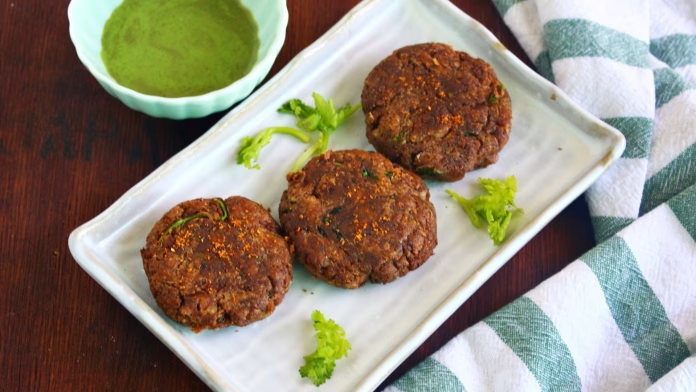
Rajma Galouti Kebab

Galouti Kebab is a popular dish from the northern region of India, particularly from the city of Lucknow. Traditionally, Galouti Kebab is made with minced meat, and it is known for its unique and melt-in-your-mouth texture. However, with the increasing popularity of vegetarian and vegan cuisine, several variations of Galouti Kebab have emerged that use plant-based ingredients instead of meat.

Rajma Galouti Kebab is one such version that uses kidney beans instead of meat. It is an excellent option for those who follow a vegetarian or vegan diet, and it is also gluten-free. This recipe is simple to make, and the kebabs are delicious, flavorful, and have a soft texture that will melt in your mouth.

Ingredients:

  • 1 cup rajma (kidney beans), soaked overnight
  • 1 onion, finely chopped
  • 1 tablespoon ginger-garlic paste
  • 1 tablespoon roasted gram flour (besan)
  • 2 green chillies, finely chopped
  • 1 teaspoon cumin powder
  • 1 teaspoon coriander powder
  • 1 teaspoon garam masala powder
  • Salt to taste
  • Oil for frying

Instructions:

  • Start by boiling the soaked rajma in a pressure cooker with enough water and a pinch of salt until it is soft and cooked thoroughly. It should take around 20-25 minutes on medium heat. Alternatively, you can also boil the rajma in a pot on the stove for about 1-2 hours until it is soft and tender.
  • Once the rajma is cooked, drain any excess water and let it cool down.
  • In a pan, heat a tablespoon of oil and add the chopped onions. Sauté them until they turn translucent and slightly brown. Add the ginger-garlic paste and green chillies and continue to cook until the raw smell of the paste disappears.
  • Add the cumin powder, coriander powder, and garam masala powder to the pan and mix well. Cook for another 2-3 minutes.
  • Once the spice mix is cooked, turn off the heat and let it cool down.
  • In a large mixing bowl, mash the cooked rajma until it forms a smooth paste. Add the cooled spice mix to the bowl and mix well.
  • Add the roasted gram flour and salt to the bowl and mix again. The flour will help to bind the mixture and give it a nice texture.
  • Once the mixture is well combined, divide it into equal portions and shape them into round patties.
  • Heat a non-stick pan or a griddle and add a tablespoon of oil. Once the oil is hot, add the rajma patties to the pan and fry them on medium heat until they are golden brown on both sides. It should take about 3-4 minutes on each side.
  • Serve hot with mint chutney, onion rings, or any other dip of your choice.

Tips:

  • Soaking the rajma overnight will help to reduce cooking time and make it easier to digest.
  • Use a non-stick pan or a griddle to fry the kebabs as it will require less oil and prevent sticking.
  • If you want to make the kebabs ahead of time, you can shape them into patties and freeze them. Just thaw them before frying.
  • You can also use canned kidney beans if you are short on time, but be sure to rinse them thoroughly before using them.
  • Adjust the spice level according to your taste. If you prefer a milder flavor, reduce the amount of green chillies and garam masala powder.
  • Adding roasted gram flour to the mixture is optional, but it helps to give the kebabs a nice texture and prevent them from falling apart.

Rajma Galouti Kebab is a delicious and healthy alternative to the traditional meat-based kebab. It is packed with protein and is a perfect appetizer or snack for parties or get-togethers. The recipe is simple to make and can be easily customized to suit your taste preferences. So next time you’re in the mood for some kebabs, try this vegetarian version and enjoy the unique and melt-in-your-mouth texture of Rajma Galouti Kebab!
Advertisement

Upgrade Your Netflix nights with these delectable popcorn snacks

0
Nutty Tuxedo Chocolate Popcorn

Picture this: it’s a lazy Sunday afternoon, and you’re cuddled up on the couch with your favorite movie. As you reach for a handful of popcorn, you notice something different. It’s coated in a thick layer of rich, velvety chocolate that melts in your mouth with each delicious bite. 

The salty crunch of the popcorn perfectly balances the sweetness of the chocolate, creating an irresistible flavor combination that makes your taste buds sing. You can’t help but reach for more, savoring each mouthwatering moment of this heavenly snack. Suddenly, you realize you’re completely and utterly hooked on chocolate popcorn, and you wouldn’t have it any other way.

If you’re looking for the ultimate snack to enjoy while binge-watching your favorite shows on Netflix, look no further than chocolate popcorn! Here are a few reasons why this delicious treat is the perfect accompaniment to your streaming sessions:

  1. Easy to make: Chocolate popcorn is a simple and easy snack to make at home. All you need is some popcorn kernels, your favorite chocolate, and a few minutes in the microwave or on the stove. It’s a quick and convenient option when you don’t want to spend too much time in the kitchen.
  2. Sweet and salty combination: The combination of salty popcorn and sweet chocolate is the perfect balance of flavors that will satisfy your cravings. The savory crunch of the popcorn pairs perfectly with the rich, creamy chocolate, creating a taste sensation that will leave you wanting more.
  3. Mess-free: Chocolate popcorn is a clean and mess-free snack that won’t leave your fingers covered in sticky residue or crumbs. This means you can snack without worrying about making a mess on your couch or bed.
  4. Health benefits: Popcorn is a low-calorie and high-fiber snack, making it a healthier alternative to other snack options. Dark chocolate also contains antioxidants and may have cardiovascular benefits.

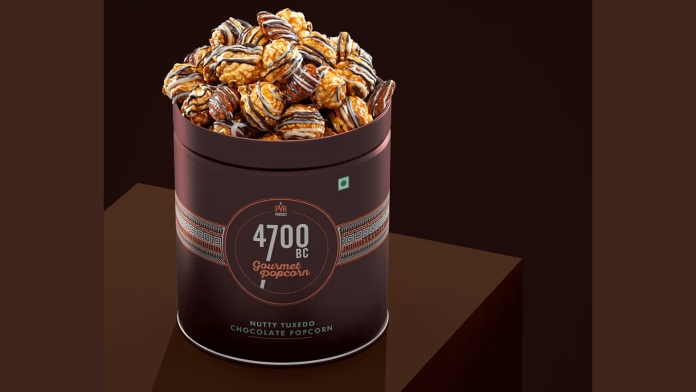
Nutty Tuxedo Chocolate Popcorn 

Nutty Tuxedo chocolate popcorn by 4700 BC Gourmet Popcorn is a premium brand of popcorn that offers an indulgent snacking experience. Made from the finest quality corn kernels, this gourmet popcorn is carefully crafted using traditional techniques to bring you a unique and flavorful snack.Each kernel is coated in a delicious blend of seasonings that tantalize your taste buds and leave you wanting more.

This gourmet popcorn comes in a variety of flavors, including Classic Salted Caramel, Butter Popcorn, and Cheese & Herbs, among others. Whether you’re in the mood for something sweet, salty, or savory, 4700 BC Gourmet Popcorn has something for everyone. It’s perfect for movie nights, game nights, or any time you want to indulge in a delicious and satisfying snack.

4700 BC Gourmet Popcorn is priced at INR 199 for a 90-gram pack, making it a premium snack that’s still affordable. You can buy it on their official website or on various e-commerce platforms like Amazon and Flipkart.

With its rich flavors and quality ingredients, Mishry’s 4700 BC Gourmet Popcorn is the perfect snack for anyone looking to add a touch of luxury to their snacking experience.

Advertisement

10 street food destinations in Bengaluru you can’t afford to miss

0
street food bengaluru
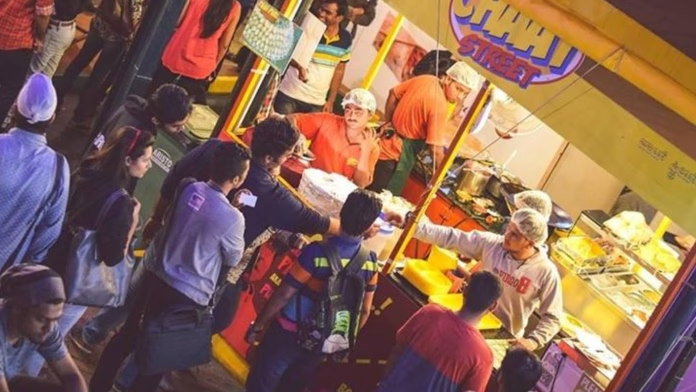
(Representative Image)

There’s nothing quite like the taste and aroma of street food, and Bangalore is no exception when it comes to mouth-watering street food delights. From spicy chaats to crispy dosas and refreshing beverages, the street food scene in Bangalore has something to offer for everyone. Here are some of the most popular street foods in Bangalore that will make you crave for a bite:

  1. VV Puram Food Street: Located in the heart of Bangalore, VV Puram Food Street is a paradise for foodies. It is home to a variety of street food vendors selling everything from chaats, dosas, kebabs, and desserts.

Average cost for 1: INR 600-650 if you try out everything

  1. Shivaji Nagar: Shivaji Nagar is another popular street food destination in Bangalore. The area is famous for its kebabs, tandoori dishes, and biryanis of various types. 

Average cost per person: INR 300-350

  1. Mosque Road: During Ramadan, the street food scene in Mosque Road comes alive with vendors selling delicious snacks such as haleem, kebabs, and biryanis. Apart from that it doesn’t kill that this area is bursting with laughter and delicious food! 

Average cost per person: INR 250-300

  1. Thindi Beedi: Located in the bustling area of Malleshwaram, Thindi Beedi is a food street for those who like South Indian foods and want to explore the culture of Karnataka in general. Known for its famous breakfast items such as idlis, dosas, and vadas.

Must visit shop: 99 variety Dosa 

Average Cost: INR 60-70

  1. Food Street in Jayanagar: The food street in Jayanagar is a popular destination for those craving for South Indian snacks such as vada pav, masala dosas, and filter coffee.

Average Cost: INR 120-150 

  1. Food Street in Basavanagudi: Basavanagudi is home to a bustling food street that serves a variety of dishes such as dosas, kebabs, and chaats and is just the right place for you whether you just love Indian street food or simply just wanna try it out. 

Average Cost: INR 100-200 

  1. KR Market: KR Market is not only known for its fresh produce but also for its street food vendors selling delicious snacks such as samosas, jalebis, and bhajjis, where the streets are waffing with the delicious aroma of foods. 

Average Cost: INR: 40-50

  1. Gandhi Bazaar: Gandhi Bazaar is a bustling market in Bangalore that is famous for its traditional South Indian sweets such as Mysore Pak and Dharwad Pedha or any other variety of famous Karnataka street which is a must try and is sure to make you coming back for more. 

Average Cost: INR 60-70

  1. Food Street in Rajajinagar: The food street in Rajajinagar is a popular destination for those looking for delicious North Indian street food such as chole bhature and chaats, if any of you northies out there are feeling homesick, you know where to heal yourself from!

Average Cost:  INR 40-60

  1. Food Street in Koramangala: Koramangala is a trendy neighborhood in Bangalore that is home to a bustling food street offering a variety of dishes such as shawarmas, momos, and sandwiches, pizza or pasta. So, if you are in the mood fod delicious and budget friendly food from around the world, Kormanagala just might be the place for you.

Average Cost: INR 80-150

Advertisement

Disha Patani’s secret diet plan unveiled! This is what keeps her in top shape

0
Disha Patani

Remember the dairy milk silk ad that used to feature Disha Patani in it that led her into becoming the national crush on India? 

Well, we won’t say the statement is exaggerated as who can not fall for such beauty! 

But she is more than just good looks, especially when it comes to her physique, for which she works really hard! 

Disha Patani is known for her fit and toned physique, which she maintains through a strict diet and fitness regimen. Her toned abs, long legs, and overall lean figure have garnered attention and admiration from fans and followers.

So if you want to become fit and gorgeous like Disha Patani, we just happen to have the right thing for you!

Disha Patani’s Diet:

Disha Patani follows a balanced diet that is rich in protein, fiber, and healthy fats. She prefers to eat home-cooked meals and avoids processed foods and sugary drinks. Here are some foods that are commonly found in Disha Patani’s diet:

Protein-rich Foods:

Disha Patani consumes a lot of protein-rich foods such as eggs, chicken, fish, and lentils. Protein is essential for building and repairing muscles, which is important for maintaining a fit and toned physique.

Fruits and Vegetables:

Disha Patani includes a variety of fruits and vegetables in her diet to ensure that she gets all the necessary vitamins and minerals. Some of her favorites include berries, green leafy vegetables, and carrots.

Nuts and Seeds:

Nuts and seeds are a good source of healthy fats, protein, and fiber. Disha Patani often snacks on almonds, cashews, and pumpkin seeds to keep her energy levels up throughout the day.

Whole Grains:

Disha Patani prefers to consume whole grains such as brown rice and quinoa over refined grains like white rice and bread. Whole grains are rich in fiber and provide sustained energy, which is important for maintaining a healthy weight.

What She Eats in a Day?

While there is no definitive information available on Disha Patani’s daily diet, based on her social media posts and interviews, we can get an idea of what she generally eats in a day. Here is a sample day of Disha Patani’s diet:

Breakfast: Disha Patani often starts her day with a protein-rich breakfast consisting of egg whites, whole wheat bread, and a cup of green tea.

Mid-Morning Snack: Disha Patani often has a mid-morning snack consisting of a bowl of fresh fruits such as berries, apples, and bananas.

Lunch: For lunch, Disha Patani prefers to have a home-cooked meal consisting of a combination of protein-rich foods such as chicken or fish, along with vegetables and a small portion of brown rice or quinoa.

Afternoon Snack: In the afternoon, Disha Patani often snacks on a handful of almonds, cashews, or pumpkin seeds to keep her energy levels up.

Dinner: For dinner, Disha Patani again prefers a home-cooked meal consisting of a combination of protein-rich foods such as chicken or fish, along with vegetables and a small portion of brown rice or quinoa.

Post-Workout Snack: Disha Patani often has a protein shake or smoothie after her workout to help repair and rebuild her muscles.

In addition to this, Disha Patani also drinks plenty of water throughout the day to stay hydrated and avoid sugary drinks. She also avoids processed and junk food, and prefers to eat fresh and healthy foods.

Disha Patani’s Fitness Regimen:

Apart from following a balanced diet, Disha Patani also follows a strict fitness regimen to maintain her toned physique. She combines weight training with cardio exercises such as running and dancing to keep her body in shape. She also practices yoga to improve her flexibility and balance.

Advertisement

Get ready to glow like Tara Sutaria with her secret diet plan!

0
Tara Sutaria

Tara Sutaria is a Bollywood actress known for her stunning beauty and flawless skin. Her fans often wonder what her secret is to achieving such radiant and glowing skin. While genetics do play a role in skin health, a healthy diet can also be a contributing factor. In this article, we will take a closer look at Tara Sutaria’s diet and the key elements that can help you achieve glowing skin like hers.

Overview of Tara Sutaria’s diet

Tara Sutaria is a vegetarian and follows a well-balanced diet that is rich in fruits, vegetables, whole grains, lean protein, and healthy fats. She also drinks plenty of water and avoids processed and junk foods. Sutaria’s diet is focused on providing her body with the necessary nutrients and antioxidants to maintain healthy and glowing skin.

Importance of a healthy diet for glowing skin

Your skin is the largest organ in your body, and it reflects what you eat. A diet that is high in processed foods, sugar, and unhealthy fats can lead to inflammation and damage to your skin cells. On the other hand, a diet that is rich in nutrients, antioxidants, and healthy fats can help nourish your skin and promote a healthy glow.

Key elements of Tara Sutaria’s diet for healthy skin

A. Fruits and Vegetables

Tara Sutaria includes a variety of fruits and vegetables in her diet, which are rich in vitamins, minerals, and antioxidants. These nutrients help protect the skin from free radical damage, promote collagen production, and enhance skin elasticity. Sutaria’s favorite fruits include berries, papaya, and pineapple, while her favorite vegetables are leafy greens, broccoli, and bell peppers.

B. Whole Grains

Whole grains are an excellent source of fiber, which helps keep your digestive system healthy and prevents toxins from building up in your body. They also contain essential vitamins and minerals that are important for healthy skin. Tara Sutaria includes whole grains like brown rice, quinoa, and oats in her diet, which provide sustained energy and promote healthy skin.

C. Lean Protein

Protein is essential for maintaining healthy skin, hair, and nails. Tara Sutaria includes lean sources of protein like tofu, beans, and lentils in her diet, which are high in nutrients and low in fat. These sources of protein also help maintain blood sugar levels, which can reduce inflammation and prevent acne breakouts.

D. Healthy Fats

Healthy fats are important for maintaining skin health, as they provide essential fatty acids that your body cannot produce on its own. Tara Sutaria includes healthy fats like nuts, seeds, and avocados in her diet, which help keep her skin moisturized and supple.

E. Hydration

Drinking plenty of water is crucial for maintaining healthy skin. It helps flush out toxins, prevents dehydration, and promotes skin elasticity. Tara Sutaria drinks plenty of water throughout the day to keep her skin hydrated and healthy. 

Tara Sutaria’s glowing skin is the result of her disciplined diet and lifestyle choices. Her diet is rich in antioxidants, vitamins, and minerals that nourish the skin from within. By incorporating fresh fruits, vegetables, and lean proteins into her meals, she ensures that her body is receiving the necessary nutrients to maintain healthy skin. 

Additionally, drinking plenty of water and avoiding processed foods and sugar are also important factors in achieving glowing skin like hers. By following a balanced and nutritious diet and taking care of your skin from the inside out, you can achieve a healthy and radiant complexion similar to that of Tara Sutaria.

Advertisement

8 ultimate destinations in Delhi/NCR to host the perfect kitty party with your girl gang!

0
kitty party delhi

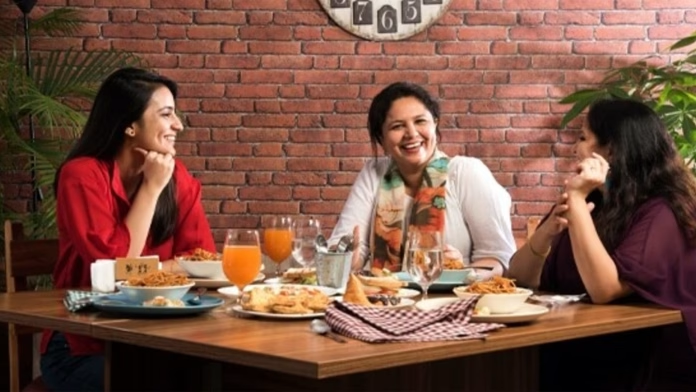
Kitty parties are a great way for women to socialize, bond, and have fun. Delhi/NCR is a hub of great places for kitty parties, offering a range of venues that cater to every budget and taste.

Here are 8 places in Delhi/NCR that are perfect for hosting a kitty party:

  1. Social; Social is a popular chain of cafes and bars that offer a great atmosphere for hosting a kitty party. The Connaught Place outlet is one of the largest in Delhi and has a variety of seating options, including indoor and outdoor spaces. The menu includes a range of dishes, from Indian to Continental, and the drinks menu is extensive. Prices for food and drinks are reasonable, with dishes ranging from INR. 200 to INR. 500 and drinks starting at INR. 150. 

Social is located at Odeon Building, Radial Road 5, D Block, Connaught Place, New Delhi, and is open from 11 AM to 1 AM.

  1. The Tipsy Project: The Tipsy Project is a trendy bar located in the heart of Hauz Khas Village. The ambiance is perfect for a fun and lively kitty party, with a mix of indoor and outdoor seating options. The food menu includes a range of vegetarian and non-vegetarian options, including pizzas, burgers, and pasta dishes. Prices are reasonable, with dishes ranging from INR. 250 to INR. 550 and drinks starting at INR. 250. 

The Tipsy Project is located on the 3rd Floor, 30 Hauz Khas Village, New Delhi, and is open from 12 PM to 12 AM.

  1. The Kylin Experience: The Kylin Experience is a Chinese restaurant located in the upscale neighborhood of Vasant Kunj. The restaurant has a spacious and elegant dining area that can accommodate large groups for a kitty party. The menu includes a variety of Chinese dishes, including dim sum, noodles, and rice dishes. Prices are on the higher side, with dishes ranging from INR. 350 to INR. 1000. 

The Kylin Experience is located at Ambience Mall, Nelson Mandela Marg, Vasant Kunj, New Delhi, and is open from 12 PM to 11 PM.

  1. Olive Bar and Kitchen: Olive Bar and Kitchen is a beautiful restaurant located in the historic Mehrauli area. The restaurant is spread across a large outdoor area with beautiful gardens and a stylish indoor seating area. The menu includes a range of Mediterranean and Italian dishes, as well as a selection of drinks. Prices are on the higher side, with dishes ranging from INR. 500 to INR. 2000. Olive Bar and Kitchen is located at One Style Mile, Haveli 6, Kalka Das Marg, Mehrauli, New Delhi, and is open from 12 PM to 12 AM.
  2. Guppy: Guppy is a Japanese restaurant located in the trendy neighborhood of Lodhi Colony. The restaurant has a chic and colorful interior with a spacious dining area. The menu includes a range of Japanese dishes, including sushi, ramen, and tempura. Prices are reasonable, with dishes ranging from INR. 300 to INR. 800. 

Guppy is located at 28, Main Market, Lodhi Colony, New Delhi, and is open from 12 PM to 11 PM.

  1. The Darzi Bar and Kitchen: The Darzi Bar and Kitchen is a trendy bar and restaurant located in Connaught Place. The restaurant has a spacious and elegant dining area that can accommodate large groups for a kitty party. The menu includes a range of Indian and Continental dishes, as well as a selection of drinks. Prices are reasonable, with dishes ranging from INR. 200 to INR. 500 and drinks starting at INR. 200. 

The Darzi Bar and Kitchen is located at H-55, 1st Floor, Outer Circle, Connaught Place, New Delhi, and is open from 12 PM to 12 AM.

  1. Café Lota: Café Lota is a charming café located in the heart of Pragati Maidan. The café has a spacious outdoor seating area with a serene ambiance that is perfect for a kitty party. The menu includes a range of Indian regional dishes, as well as some popular international dishes. Prices are reasonable, with dishes ranging from INR. 200 to INR. 600. 

Café Lota is located at National Crafts Museum, Bhairon Marg, Pragati Maidan, New Delhi, and is open from 10 AM to 6 PM.

  1. The Irish House: The Irish House is a popular bar and restaurant chain that has outlets across the country. The Nehru Place outlet is spacious and has a lively atmosphere, making it a great option for a kitty party. The menu includes a range of Continental and Indian dishes, as well as a selection of drinks. Prices are reasonable, with dishes ranging from INR. 300 to INR. 800 and drinks starting at INR. 250.

The Irish House is located at Epicuria Mall, Nehru Place, New Delhi, and is open from 12 PM to 12 AM.

These eight places offer a range of options for hosting a kitty party in Delhi/NCR. From trendy bars to themed restaurants to cozy cafes, there is something for every taste and budget. Prices for food and drinks vary, but all of these places offer a great atmosphere and delicious food, making them perfect for a fun and memorable kitty party.

Advertisement

These momos are the ultimate snack that will leave you craving for more!

0
momos

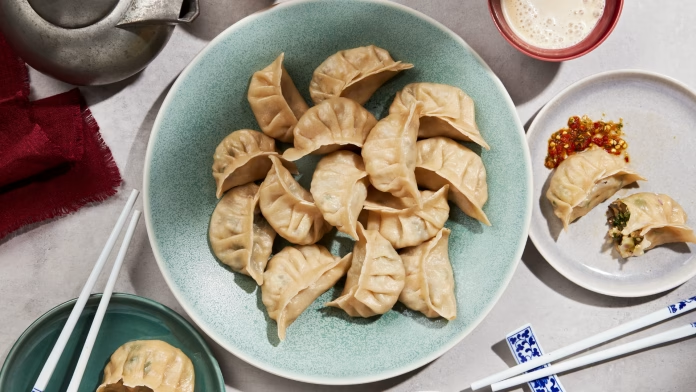
If you’re a fan of Asian cuisine, chances are you’ve heard of momos. These delicious dumplings originated in Tibet and Nepal but have since become popular throughout the world. Momos are typically filled with meat or vegetables and can be steamed, fried, or boiled. They are often served with a spicy dipping sauce and make for a satisfying and flavorful snack.

Have You Tried The Frozen Momos by Musha Musha?

If you’re looking for a delicious and easy snack, you need to try Musha Musha’s frozen momos. The momos are made with high-quality ingredients and are available in a range of flavors. They’re easy to prepare and are perfect for a quick and satisfying snack.

Here are a few reasons why you should try their momos:

  • They’re Easy to Make
    One of the best things about momos is how easy they are to make. Musha’s frozen momos come pre-made, so all you need to do is heat them. You can steam them, boil them, or fry them depending on your preference. They’re a great option for a quick and easy snack.
  • They’re Filling
    Momos are packed with flavor and are surprisingly filling. Each dumpling is typically stuffed with meat or vegetables, so you’ll get a satisfying amount of protein and fiber. They’re perfect for a midday snack or as a light meal.
  • They’re Versatile
    Momos can be filled with a variety of ingredients, making them versatile snacks. Musha Musha offers a range of flavors, including chicken, pork, and vegetarian options. You can also experiment with different dipping sauces to find your perfect flavor combination.
  • They’re Delicious
    Of course, the most important reason to try momos is that they’re delicious. The combination of savory filling and the chewy dough is irresistible. Once you try them, you’ll understand why they’re such a popular snack.
  • Convenient Packaging

Musha Musha momos come in convenient packaging that makes them easy to store and prepare. They’re perfect for busy households or for when you need a quick snack on the go.

Musha Momos Flavors:

Musha Musha offers a range of delicious momo flavors. Here’s a detailed review of each flavor:

  • Chicken Momos: Their chicken momos are made with juicy pieces of chicken and a blend of flavorful spices. They’re perfect for anyone who loves savory snacks.
  • Pork Momos: Their pork momos are made with succulent pieces of pork and a blend of fragrant spices. They’re perfect for anyone who loves rich and savory flavors.
  • Vegetarian Momos: Their vegetarian momos are filled with a delicious mixture of vegetables, including carrots, cabbage, and onions. They’re perfect for anyone who loves savory and flavorful vegetarian snacks.

All of their momos are made with high-quality ingredients and are packed with flavor. Whether you prefer meat or vegetarian options, they have a flavor that’s perfect for you.

So, if you’re looking for a delicious and easy snack, you need to try Musha Musha’s frozen momos. Their momos are made with high-quality ingredients and are available in a range of delicious flavors. They’re easy to prepare and are perfect for a quick and satisfying snack. Try them today and see why their momos are the ultimate snack.

Advertisement

How consuming iron-rich foods during pregnancy supports fetal health

0
iron

Iron is a vital nutrient that plays a crucial role in supporting the growth and development of the fetus during pregnancy. It is essential for the formation of red blood cells, which are responsible for carrying oxygen to all parts of the body, including the growing fetus. Iron also supports the development of the placenta, which is responsible for providing oxygen and nutrients to the developing fetus. It is therefore important for pregnant women to consume iron-rich foods to ensure that they and their growing fetuses are getting enough of this vital nutrient.

In this article, we will explore the importance of consuming iron-rich foods during pregnancy and how it helps to support the growing fetus.

What is Iron, and Why is it Important During Pregnancy?

Iron is an essential mineral that plays a crucial role in the production of hemoglobin, a protein in the red blood cells that carries oxygen to different parts of the body. During pregnancy, the demand for iron increases due to the growth and development of the fetus, as well as the increase in blood volume in the mother’s body. Iron is necessary for the formation of the placenta and fetal organs, such as the liver and bone marrow.

According to the World Health Organization (WHO), the recommended daily intake of iron for pregnant women is 27 mg per day, compared to 18 mg per day for non-pregnant women. However, many women may not be meeting their daily iron requirements, which can lead to iron deficiency anemia.

Iron deficiency anemia is a condition that occurs when there is a lack of iron in the body, leading to a reduction in the production of red blood cells. Symptoms of iron deficiency anemia can include fatigue, weakness, pale skin, shortness of breath, and an increased risk of infection. Iron deficiency anemia during pregnancy can also increase the risk of preterm delivery, low birth weight, and developmental delays in the baby.

Iron-Rich Foods for Pregnancy

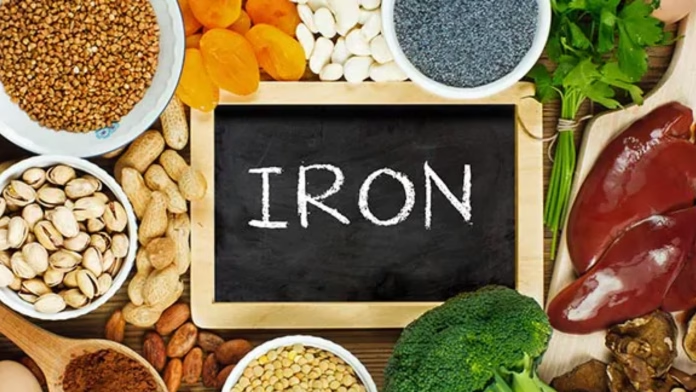
Consuming iron-rich foods during pregnancy is an essential part of ensuring that both the mother and the growing fetus receive the necessary nutrients for optimal health. Here are some iron-rich foods that pregnant women should consider incorporating into their diet:

  • Red Meat: Red meat is one of the best sources of iron, as it contains heme iron, which is easily absorbed by the body. Beef, lamb, and pork are all good sources of iron.
  • Poultry: Chicken and turkey are good sources of iron and can be included in a healthy pregnancy diet.
  • Fish: Certain types of fish, such as salmon, tuna, and sardines, are good sources of iron. However, pregnant women should limit their intake of fish to two servings per week due to the risk of mercury contamination.
  • Leafy Greens: Leafy greens, such as spinach, kale, and collard greens, are rich in non-heme iron, which is not as easily absorbed by the body as heme iron but can still contribute to overall iron intake.
  • Legumes: Legumes, such as lentils, chickpeas, and black beans, are a good source of iron and can be included in soups, stews, and salads.
  • Nuts and Seeds: Nuts and seeds, such as almonds, cashews, pumpkin seeds, and sesame seeds, are a good source of iron and can be included in snacks or added to salads.
  • Fortified Foods: Fortified foods, such as breakfast cereals and bread, are often enriched with iron and can be a convenient way to increase iron intake.

It is essential to note that consuming iron-rich foods alone may not be enough to prevent iron deficiency anemia during pregnancy. Iron supplements may also be necessary, especially for women who are at risk of iron deficiency anemia, such as those with a history of anemia, heavy menstrual periods, or who are carrying multiple fetuses.

How Iron Helps to Support the Growing Fetus

Iron is crucial for the growth and development of the fetus, and a deficiency in iron during pregnancy can have serious consequences. Here are some ways in which iron helps to support the growing fetus:

  • Formation of the Placenta: Iron is essential for the formation of the placenta, which connects the mother’s blood supply to the fetus’s blood supply. The placenta provides the fetus with oxygen and nutrients, and iron is necessary for the proper development of this crucial structure.
  • Fetal Brain Development: Iron is crucial for the development of the fetal brain. A study published in the American Journal of Clinical Nutrition found that children born to mothers with iron deficiency anemia during pregnancy had lower cognitive scores at four years of age compared to children born to mothers without anemia.
  • Prevention of Preterm Birth and Low Birth Weight: Iron deficiency anemia during pregnancy has been linked to an increased risk of preterm birth and low birth weight. A study published in Obstetrics & Gynecology found that pregnant women with iron deficiency anemia had a significantly higher risk of preterm birth and low birth weight compared to those without anemia.
  • Prevention of Developmental Delays: Iron is necessary for the proper development of fetal organs, such as the liver and bone marrow. Iron deficiency during pregnancy can lead to developmental delays in the baby, including delayed motor skills and cognitive development.
  • Prevention of Maternal Complications: Iron deficiency anemia during pregnancy can increase the risk of maternal complications, such as preeclampsia, a serious condition that can lead to high blood pressure and damage to organs, including the liver and kidneys.

Consuming iron-rich foods during pregnancy is essential for the health of both the mother and the growing fetus. Iron plays a vital role in the production of red blood cells, which carry oxygen to different parts of the body, and is necessary for the formation of the placenta and fetal organs. Iron deficiency anemia during pregnancy can lead to serious consequences, including preterm birth, low birth weight, developmental delays, and maternal complications.

Pregnant women should aim to consume at least 27 mg of iron per day and consider incorporating iron-rich foods into their diet, such as red meat, poultry, fish, leafy greens, legumes, nuts and seeds, and fortified foods. Iron supplements may also be necessary, especially for women at risk of iron deficiency anemia. By ensuring adequate iron intake, pregnant women can support the optimal growth and development of their growing fetus and maintain their own health during this critical time.

Advertisement

How eating stale food can impact your health

0
stale food

Food is an essential part of our lives, providing us with the necessary nutrients to fuel our bodies and keep us healthy. However, not all food is created equal, and the quality of our food can have a significant impact on our health. One of the biggest culprits of poor-quality food is stale food. 

Stale food is food that has lost its freshness and flavor due to exposure to air, moisture, and temperature changes. When it comes to food, freshness is key. Eating stale food can lead to various health issues and can be harmful to the human body. In this article, we will discuss what stale food is, how it can be harmful to our health, and what steps we can take to avoid consuming stale food.

What is Stale Food?

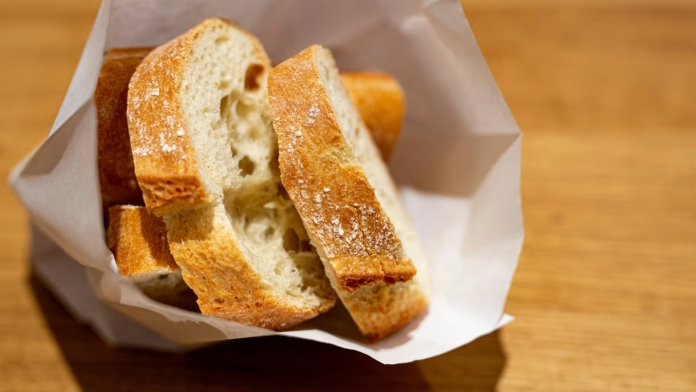
Stale food is food that has lost its freshness and flavor. It can be caused by various factors, such as exposure to air, moisture, and temperature changes. Stale food can be dry, hard, or even moldy, and it may have an unpleasant taste and odor.

How Stale Food Can Be Harmful to Our Health?

Consuming stale food can lead to various health issues, including food poisoning, bacterial infections, and foodborne illnesses. Stale food can also cause digestive problems, such as constipation, diarrhea, and nausea.

Stale food can be particularly dangerous for people with weakened immune systems, such as young children, pregnant women, and elderly individuals. These groups are more susceptible to infections and illnesses, and consuming stale food can further compromise their health.

Some of the most common health risks associated with consuming stale food include:

  1. Food Poisoning: Stale food is a breeding ground for bacteria, and eating it can lead to food poisoning. Symptoms of food poisoning include vomiting, diarrhea, abdominal pain, and fever.
  2. Bacterial Infections: Stale food can also be contaminated with harmful bacteria, such as E. coli, salmonella, and listeria, which can cause severe illnesses.
  3. Foodborne Illnesses: Stale food can also be contaminated with viruses and parasites, which can lead to foodborne illnesses.
  4. Allergic Reactions: Some people may have allergic reactions to certain types of stale food, such as moldy bread or nuts.

How to Avoid Consuming Stale Food?

The best way to avoid consuming stale food is to practice proper food storage and handling techniques. Here are some tips to keep your food fresh and safe:

  1. Store Food Properly: Store perishable foods, such as meats, dairy products, and fruits and vegetables, in the refrigerator or freezer. Use airtight containers to keep food fresh.
  2. Check Expiration Dates: Check the expiration dates of packaged foods and discard any that are past their expiration date.
  3. Use Your Senses: Use your senses of sight, smell, and taste to determine if food is stale. If it looks or smells off, or if it has a strange taste, it’s probably stale.
  4. Don’t Leave Food Out: Don’t leave food out at room temperature for more than two hours. This includes cooked food, as well as raw meat, poultry, and seafood.
  5. Cook Food Thoroughly: Cook food thoroughly to kill any harmful bacteria that may be present.

Eating stale food can be harmful to our health and can lead to various health issues, including food poisoning, bacterial infections, and foodborne illnesses. To avoid consuming stale food, it’s essential to practice proper food storage and handling techniques, check expiration dates, and use your senses to determine if food is stale. By taking these steps, we can keep our food fresh, safe, and delicious.

Advertisement

How processed Cheese puts your child’s heart health at risk

0
cheese

As a parent, it is essential to ensure that your child is consuming a healthy and nutritious diet. However, it can be challenging to navigate the endless array of food options available in the market, especially when it comes to cheese. Cheese is a popular breakfast option for kids, and processed cheese, in particular, is a popular choice due to its convenience and affordability. 

However, processed cheese is not a healthy option for kids’ breakfast, as it can increase the risk of heart disease. In this article, we will discuss why processed cheese can increase the risk of heart disease for your kid and why it is not a good option for your kid’s breakfast. We will also suggest some alternatives to processed cheese that are healthy and nutritious.

Processed Cheese and Heart Disease Risk

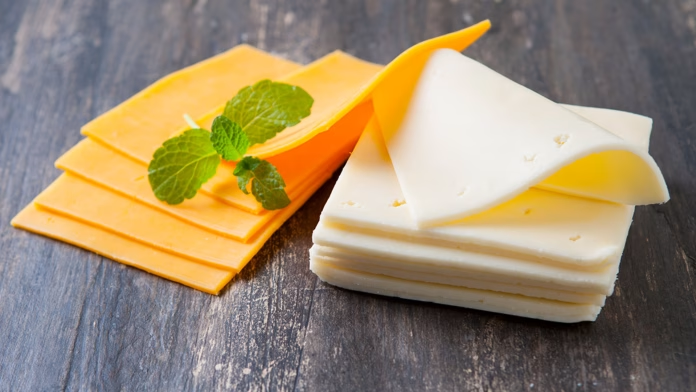
Processed cheese is made by blending natural cheese with various additives such as salt, emulsifiers, and food coloring. This process alters the chemical composition of cheese, making it less healthy than natural cheese. Processed cheese contains high amounts of sodium, which can increase blood pressure, leading to heart disease. Sodium causes the body to retain water, which increases blood volume, causing the heart to work harder to pump blood through the body.

Moreover, processed cheese contains high amounts of saturated and trans fats, which can increase cholesterol levels in the body. High levels of cholesterol can lead to the buildup of plaque in the arteries, leading to heart disease. Processed cheese is also low in nutrients, such as calcium, which is essential for healthy bones and teeth.

Why Processed Cheese is Not a Good Option for Kids’ Breakfast

Processed cheese is a popular breakfast option for kids due to its convenience and affordability. However, it is not a healthy option for kids’ breakfast, as it contains high amounts of sodium, saturated, and trans fats, which can increase the risk of heart disease. Consuming processed cheese regularly can also lead to obesity, which is a risk factor for heart disease.

Furthermore, processed cheese contains additives such as emulsifiers and food coloring, which can be harmful to kids’ health. Emulsifiers are used to prevent cheese from separating, but they can disrupt the gut microbiome, leading to inflammation and other health issues. Food coloring is added to processed cheese to make it look more appealing, but it can cause allergic reactions and behavioral problems in some kids. 

Alternatives to Processed Cheese for Kids’ 

Breakfast Processed cheese is a common breakfast option for kids, but it’s not always the healthiest choice due to its high sodium and artificial additives. Here are some alternatives to consider:

Natural Cheese: Opt for natural cheese such as cheddar, mozzarella, or Swiss, which are healthier and contain less sodium and fewer additives than processed cheese.

Hummus: Hummus is a nutritious spread made from chickpeas, tahini, and olive oil. It is a great source of protein and fiber and can be served with whole-grain toast or crackers.

Nut Butter: Peanut butter, almond butter, or cashew butter are all healthy options for breakfast. They are rich in protein, healthy fats, and essential nutrients that can help kids feel full and satisfied.

Greek Yogurt: Greek yogurt is an excellent source of protein and calcium. It can be served with fresh fruit or honey for a nutritious breakfast.

Avocado: Avocado is a great source of healthy fats and fiber. It can be served as a spread on whole-grain toast or used as a topping for scrambled eggs.

Cottage Cheese: Cottage cheese is a high-protein, low-fat option that can be served with fresh fruit or used as a spread on whole-grain toast.

Hard-Boiled Eggs: Hard-boiled eggs are an excellent source of protein and can be a convenient option for busy mornings. They can be eaten on their own or sliced and added to whole-grain toast. 

Processed cheese is not a healthy option for your child’s breakfast due to its high sodium and saturated fat content. These factors can increase the risk of heart disease in children, which can lead to long-term health problems. 

Instead, parents should consider healthier alternatives that provide essential nutrients and are lower in unhealthy fats and sodium. It is essential to make informed choices when selecting breakfast options for your child to promote their long-term health and well-being. By incorporating healthier options into your child’s diet, you can help them establish healthy eating habits that will benefit them throughout their lives.

Advertisement