Celebrities have always fascinated the masses with their glamorous lifestyles, and getting a glimpse into their world is a dream for many. In a city like Mumbai, which serves as the heart of Bollywood, there are several secret celebrity hangouts where the stars dine in style away from the prying eyes of the paparazzi. These exclusive restaurants not only offer delectable cuisine but also provide an opportunity for fans to catch a glimpse of their favorite Bollywood stars in their element. In this article, we will explore the top 5 secret celebrity hangouts in Mumbai, revealing where Bollywood stars dine and unwind in true style.
5 Celebrity Spotting Restaurants In Mumbai:
Mezzo Mezzo
Located in the JW Marriott hotel, Mezzo Mezzo is a favorite haunt of Bollywood celebrities. Renowned for its authentic Italian cuisine, the restaurant offers a blend of classic and contemporary dishes prepared with the finest ingredients. The elegant interiors, cozy seating, and dim lighting create an intimate atmosphere, perfect for a quiet rendezvous. From A-list actors to renowned directors, Mezzo Mezzo has witnessed many star-studded evenings.
Hakkasan
Hakkasan, situated in the upscale neighborhood of Bandra, is a celebrity hotspot known for its gourmet Chinese cuisine. The restaurant boasts a chic and stylish ambiance, with dimly lit interiors, sleek decor, and a lively bar. The menu features a tantalizing array of Cantonese dishes crafted by expert chefs. It is not uncommon to spot Bollywood celebrities enjoying a delectable meal in the private dining areas or lounging in the trendy bar section.
Bastian
For seafood aficionados, Bastian is a go-to restaurant in Mumbai. Located in Bandra, this celebrity haunt serves fresh and flavorful seafood dishes in a vibrant and trendy setting. The restaurant’s elegant yet laid-back atmosphere appeals to Bollywood stars looking for a relaxed dining experience. With its Instagram-worthy interiors and an extensive menu offering a variety of seafood delights, Bastian has become a favorite among the celebrity crowd.
Olive Bar and Kitchen
Nestled in the heart of Mumbai’s Bandra district, Olive Bar and Kitchen is an iconic celebrity hangout. Known for its Mediterranean-inspired cuisine and charming ambiance, the restaurant has hosted countless Bollywood celebrities over the years. With its open-air seating, lush greenery, and enchanting fairy lights, Olive Bar and Kitchen provides a perfect backdrop for star-studded gatherings and intimate conversations.
SOHO House
SOHO House, a global members-only club, has made its mark in Mumbai as an exclusive celebrity hangout. Situated in Juhu, this luxurious establishment offers a variety of amenities, including a rooftop pool, a spa, and multiple dining options. The restaurant within SOHO House is a hotspot for Bollywood stars who appreciate its elegant decor, personalized service, and delectable cuisine. With its laid-back yet sophisticated atmosphere, SOHO House provides a haven for celebrities to socialize, unwind, and enjoy the company of like-minded individuals.
The allure of secret celebrity hangouts in Mumbai is undeniable. These exclusive restaurants not only offer exceptional cuisine but also provide a glimpse into the glamorous world of Bollywood. From Mezzo Mezzo’s intimate ambiance to Hakkasan’s trendy vibe, Bastian’s seafood delights to Olive Bar and Kitchen’s enchanting setting, and SOHO House’s luxurious exclusivity, each of these celebrity spotting restaurants has its unique charm.
So, the next time you find yourself in Mumbai, make sure to explore these hidden gems, as you never know who you might spot while enjoying a delicious meal in true Bollywood style.
The desire to live longer, healthier lives has been a fascination for humanity throughout history. People have searched far and wide for the elusive “Fountain of Youth” that promises eternal vitality and youthful vigor. While the mythical fountain remains undiscovered, recent research has shed light on regions of the world where people live exceptionally long lives. These regions, known as Blue Zones, have provided valuable insights into the factors that contribute to longevity and have inspired the development of the Blue Zones Diet.
What Are Blue Zones?
Blue Zones are specific regions around the world where people live remarkably longer lives compared to the global average. The term was coined by National Geographic explorer and journalist Dan Buettner, who identified five Blue Zones: Ikaria (Greece), Loma Linda (California, United States), Nicoya Peninsula (Costa Rica), Okinawa (Japan), and Sardinia (Italy). These areas have a higher concentration of centenarians and individuals who enjoy good health well into old age.
The Blue Zones Diet: A Key to Longevity
The Blue Zones Diet encompasses the dietary patterns and lifestyle habits observed in these regions. It emphasizes the consumption of whole, plant-based foods and promotes a balanced approach to nutrition. While there are variations in specific foods and cultural practices across Blue Zones, certain common elements unite them in their pursuit of long and healthy lives.
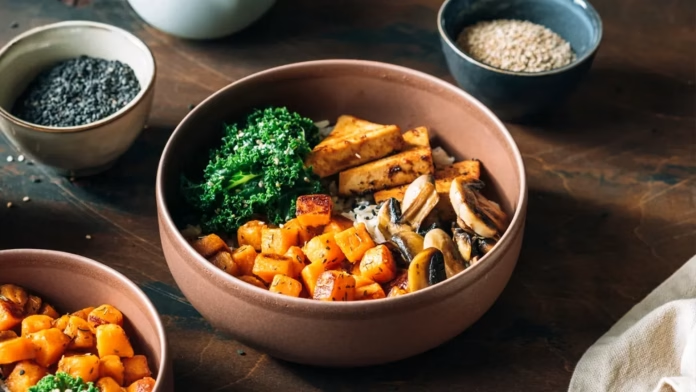
The Blue Zones Diet primarily consists of plant-based foods, including vegetables, fruits, whole grains, nuts, and seeds. Animal products are consumed in moderation, with an emphasis on lean sources such as fish and poultry. The diet encourages the avoidance of processed foods, refined sugars, and excessive calorie intake.
Common Elements of Blue Zones Diets:
Across the Blue Zones, certain foods and dietary practices are consistently prevalent. Legumes, such as beans and lentils, are a staple in these regions, providing a rich source of protein and essential nutrients.
Additionally, the consumption of whole grains, such as brown rice and oats, is common, offering a slow-release source of energy and dietary fiber. Olive oil is often favored for cooking and dressing foods, providing heart-healthy monounsaturated fats.
Nutritional Benefits of the Blue Zones Diet:
The Blue Zones Diet offers several nutritional benefits that contribute to longevity and overall well-being.
High Consumption of Plant-Based Foods
The emphasis on plant-based foods in the Blue Zones Diet provides numerous health benefits. Fruits and vegetables are packed with essential vitamins, minerals, antioxidants, and fiber, which support optimal health and reduce the risk of chronic diseases such as heart disease, diabetes, and certain types of cancer. Plant-based foods are also generally lower in calories and saturated fats, making them ideal for weight management and maintaining a healthy body mass index (BMI).
Moderate Consumption of Animal Products
While plant-based foods form the foundation of the Blue Zones Diet, animal products are not entirely excluded. However, they are consumed in moderation and serve as a secondary source of protein. Lean sources of animal protein, such as fish and poultry, are preferred over red meat. This approach helps reduce the intake of saturated fats and cholesterol, which are associated with an increased risk of heart disease and other health conditions.
Focus on Whole, Unprocessed Foods
The Blue Zones Diet promotes the consumption of whole, unprocessed foods, avoiding highly processed and refined products. Whole foods retain their natural nutrients and fiber content, providing more substantial health benefits. By avoiding processed foods that are often high in added sugars, unhealthy fats, and artificial additives, individuals following the Blue Zones Diet can maintain better overall health and reduce the risk of chronic diseases.
Emphasis on Beans and Legumes
Beans and legumes, such as chickpeas, lentils, and black beans, are a significant component of the Blue Zones Diet. These nutrient-dense foods are excellent sources of plant-based protein, dietary fiber, and complex carbohydrates. They contribute to feelings of satiety, help regulate blood sugar levels, and promote a healthy gut microbiome. Regular consumption of beans and legumes has been associated with a reduced risk of cardiovascular disease and improved longevity.
Inclusion of Healthy Fats
Healthy fats play a crucial role in the Blue Zones Diet, with a particular emphasis on monounsaturated fats found in foods like olive oil, avocados, and nuts. These fats have been linked to a lower risk of heart disease, improved cholesterol levels, and reduced inflammation. Including healthy fats in the diet helps with nutrient absorption, promotes brain health, and provides a sense of satisfaction in meals.
Limited Intake of Added Sugars
One common aspect of Blue Zones Diets is the limited consumption of added sugars. Processed foods and sugary beverages are minimized or avoided altogether, as they provide empty calories and contribute to weight gain, diabetes, and other metabolic disorders. Instead, Blue Zones inhabitants rely on natural sources of sweetness, such as fruits, to satisfy their cravings.
Importance of Social Dining
In addition to the specific food choices, the Blue Zones Diet emphasizes the social aspect of eating. Sharing meals with family and friends, enjoying food in a relaxed and social environment, and practicing mindful eating are all important components of the Blue Zones lifestyle. These practices foster stronger social connections, reduce stress, and contribute to overall well-being.
Incorporating Blue Zones Principles into Your Diet and Lifestyle:
While not everyone can live in a Blue Zones region, the principles and practices of the Blue Zones Diet can be adopted by individuals worldwide to promote longevity and improve overall health. Here are some practical tips for incorporating Blue Zones principles into your diet and lifestyle:
Emphasize plant-based foods: Increase your intake of vegetables, fruits, whole grains, legumes, nuts, and seeds. These foods should form the basis of your meals.
Moderate animal product consumption: Limit the consumption of red meat and focus on lean sources of protein like fish and poultry. Consider incorporating meatless meals into your weekly routine.
Choose healthy fats: Opt for sources of healthy fats like olive oil, avocados, and nuts. Minimize the use of unhealthy fats like trans fats and hydrogenated oils.
Minimize processed foods and added sugars: Avoid highly processed and refined foods, and limit your intake of added sugars. Opt for whole, unprocessed foods as much as possible.
The Blue Zones Diet offers valuable insights into the dietary patterns and lifestyle practices of regions where people live longer, healthier lives. By adopting the principles of the Blue Zones Diet, emphasizing plant-based foods, moderation in animal product consumption, whole unprocessed foods, and social connections, individuals worldwide can enhance their longevity and overall well-being.
In the pursuit of a healthier lifestyle, many individuals turn to food swaps as a means of reducing calorie intake and making better choices. Swapping certain foods for seemingly healthier alternatives has become a common practice. However, what if these so-called “healthy” food swaps are not as beneficial as they claim to be?
In this article, we will explore the sneaky truth behind some popular food swaps that may be harming your well-being.
The Appeal of Healthy Food Swaps:
The idea of healthy food swaps is appealing for several reasons. Firstly, they offer the promise of guilt-free indulgence, allowing individuals to satisfy their cravings while still making healthier choices. Secondly, they often claim to provide the same taste and satisfaction as the original, calorie-laden option. Lastly, these swaps are often marketed as a quick fix to achieve weight loss or improve overall health.
Beware of Sneaky Ingredients
While some food swaps may seem like reasonable alternatives, they can contain hidden ingredients that may be detrimental to your well-being.
Margarine Instead of Butter: Margarine is often promoted as a healthier alternative to butter due to its lower saturated fat content. However, many margarine products contain unhealthy trans fats, which have been linked to various health issues, including heart disease.
Cereal Bars Instead of Chocolate: Cereal bars are frequently marketed as a healthier alternative to satisfy sweet cravings. However, these bars can be loaded with added sugars, artificial flavors, and preservatives. Additionally, they may lack the nutritional value provided by dark chocolate, which contains antioxidants and other beneficial compounds.
Diet Drinks Instead of Full-Sugar Fizzy Drinks: Diet drinks are commonly chosen as a substitute for sugar-laden sodas. However, the artificial sweeteners present in diet drinks have raised concerns regarding their impact on metabolism, gut health, and long-term weight management.
Fructose (Fruit Sugar) Instead of Glucose: Many people opt for fructose instead of glucose, believing it to be a healthier choice due to its natural presence in fruits. However, excessive consumption of fructose, especially in the form of high-fructose corn syrup, has been associated with metabolic disorders and increased risk of obesity.
The Myth of Low-Fat Products:
For years, low-fat products have been promoted as the solution to weight loss and better health. However, the truth behind these products is often misleading. Low-fat foods often compensate for the reduced fat content by adding excessive amounts of sugar, artificial additives, and unhealthy fillers to enhance taste and texture. Consequently, these products can have higher calorie content than their full-fat counterparts and may not be as beneficial as they claim to be.
Misleading Labels and Marketing Tactics:
Navigating the grocery store aisles can be a daunting task, especially when faced with a multitude of product labels and marketing claims. Here are a few examples of labels that can be misleading:
“Sugar-Free” and “No Added Sugar”: While these terms imply a healthier option, it’s crucial to scrutinize the ingredient list. Sugar-free products may contain artificial sweeteners, which can have negative health effects when consumed in excess. Additionally, products labeled as “no added sugar” can still contain high amounts of natural sugars from ingredients like fruits or fruit juice concentrates.
“Low-Calorie” and “Light”: These labels can create a false sense of security, leading individuals to overconsume these products. Some low-calorie or light options may indeed contain fewer calories, but they may also lack essential nutrients and be heavily processed. It is essential to consider the overall nutritional profile of a product rather than solely focusing on calorie content.
While the idea of healthy food swaps may seem appealing, it is important to be cautious of the potential harm they can cause. Some swaps can contain hidden ingredients, excessive sugars, and artificial additives that may compromise your well-being. Instead of relying on these swaps, focus on consuming whole foods that are minimally processed and provide essential nutrients. By understanding misleading labels, navigating marketing tactics, and making informed choices, you can prioritize your health and well-being in your dietary decisions. Remember, the key to a healthy diet lies in balance, moderation, and a focus on whole, nourishing foods.
In the world of Bollywood, where beauty standards often dictate the success of an actress, there are a few who have managed to defy age and retain their radiant looks over the years. One such timeless beauty is Raveena Tandon.
Known for her captivating on-screen presence and flawless complexion, Raveena has been a source of inspiration for many women. While genetics and a dedicated skincare routine play a part, her secret to ageless beauty lies in her diet.
It is no secret that what we eat has a significant impact on our overall health and well-being. Our diet plays a crucial role in determining the condition of our skin, hair, and nails. When it comes to maintaining youthful looks, a nutritious diet is of utmost importance. Raveena Tandon understands this well and has embraced a diet that not only nourishes her body but also helps her retain her age-defying beauty.
In this article, we will delve into Raveena Tandon’s dietary regimen and explore the incredible diet behind her timeless beauty.
Raveena Tandon’s Dietary Regimen:
Raveena Tandon follows a balanced and wholesome diet that includes a variety of foods. She believes in eating everything in moderation and avoids extreme diets or restrictions. Her day-to-day diet consists of simple Indian dishes like dal, bhaji, roti, and dahi (yogurt). Dahi holds a special place in her diet as she believes it helps keep the stomach cool and aids in better digestion.
Apart from the basics, Raveena incorporates a lot of fruits and probiotics into her diet. Fruits are rich in essential vitamins, minerals, and antioxidants that promote healthy skin and boost the immune system. Probiotics, such as curd, contribute to a healthy gut and metabolism. The lactic acid, omega-3 fatty acids, and antioxidants in curd help increase collagen production, resulting in healthy and youthful-looking skin.
Her Secret To Reversing Age:
Raveena Tandon has revealed one of her secrets to reversing age – a homemade kadha (herbal tonic). This fast recipe gained popularity, especially during the pandemic. The tonic includes fresh organic haldi (turmeric) from her farms, along with cloves, adrak (ginger), black pepper, ajwain (carom seeds), and a small amount of ghee. This tonic not only keeps Raveena agile and active but also aids in weight control.
Her Love For Cheese And Butter
While Raveena follows a healthy diet, she does not completely eliminate indulgences from her life. In one of her interviews, she admitted to her love for both butter and cheese. However, she exercises restraint and consumes them in moderation.
Cheat Meal
Even with her disciplined approach to diet and exercise, Raveena Tandon believes in enjoying a cheat meal every now and then. In an interview, she confessed her love for Maa ke Hath ki Milk Barfi, a sweet delicacy made from leftover ghee blended with sugar and khoya. Indulging in her favorite treat allows her to satisfy her cravings while still maintaining a balanced overall diet.
Raveena’s Approach to Meal Planning and Portion Control
While Raveena Tandon doesn’t follow any strict diet plans, she emphasizes the importance of portion control. She believes that it’s crucial to listen to your body’s needs and eat in moderation. By being mindful of portion sizes, she ensures that she nourishes her body without overeating. This approach helps her maintain a healthy weight and supports her age-defying beauty.
Raveena Tandon’s age-defying beauty is the result of a holistic approach to wellness, with her diet playing a vital role. By prioritizing a balanced and nutritious eating plan, incorporating fruits, probiotics, and homemade tonics, she nourishes her body from within, resulting in radiant skin and overall well-being.
Raveena Tandon’s approach to meal planning, portion control, and indulging in a cheat meal allows her to enjoy a well-rounded lifestyle while still maintaining her timeless beauty.
As fans and admirers, we can take inspiration from Raveena’s approach to ageless beauty and incorporate similar principles into our own lives. By prioritizing a balanced diet, regular exercise, and a positive mindset, we can nurture our bodies and unleash our own timeless beauty, just like Raveena Tandon.
In today’s fast-paced world, work-related stress has become a common phenomenon. The demands of our jobs often leave us feeling overwhelmed, drained, and in desperate need of a break. Fortunately, there are natural ways to combat work stress and promote relaxation and well-being. One such approach is through the consumption of psychobiotic foods.
Psychobiotics, a term coined by scientists, refer to a class of foods that have a positive impact on our mental health by nourishing the gut microbiota. These foods contain beneficial bacteria and compounds that support the growth and function of the gut microbiome, which in turn influences our brain and mental well-being. By incorporating psychobiotic foods into our diet, we can potentially alleviate work stress and experience a sense of blissful relaxation.
The Link Between Gut Health and Mental Well-being
Recent research has uncovered a fascinating connection between the gut and the brain, known as the gut-brain axis. The gut is populated by trillions of microorganisms collectively known as the gut microbiota. These microbes play a vital role in maintaining our health, particularly in relation to our mental well-being.
The gut microbiota produces neurotransmitters, such as serotonin, which regulates mood and emotions. Additionally, the gut microbiota communicates with the brain through the vagus nerve and the production of various metabolites, influencing our cognitive function and emotional state. Therefore, nurturing a healthy gut is crucial for promoting optimal mental health.
Psychobiotics: The Science Behind the Bliss
Psychobiotics are a unique category of foods that have been scientifically proven to positively impact mental health. These foods contain live bacteria or compounds that support the growth and function of beneficial gut bacteria. By promoting a healthy gut microbiota, psychobiotics can improve mood, reduce anxiety and depression, and enhance cognitive function and overall well-being.
The concept of psychobiotics emerged from the field of probiotics, which focuses on the beneficial bacteria that reside in our gut. Probiotics are live microorganisms that, when consumed in adequate amounts, provide health benefits to the host. They help restore the balance of gut bacteria and promote a healthy digestive system.
However, researchers soon discovered that probiotics not only improve gut health but also have a significant impact on mental health. This led to the development of the term “psychobiotics” to specifically refer to the strains of probiotics that exert positive effects on mental well-being.
Psychobiotic Foods: A Natural Solution to Work Stress
To incorporate psychobiotic foods into your diet and escape work stress, it’s important to focus on specific types of foods that support a healthy gut microbiota and enhance mental well-being.
Probiotic-Rich Foods for Gut Health
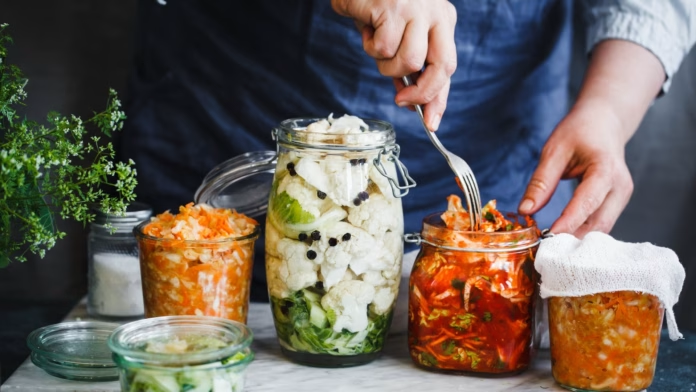
Probiotic-rich foods are excellent sources of beneficial bacteria that promote a healthy gut microbiota. These foods include yogurt, kefir, sauerkraut, kimchi, and other fermented products. Consuming these foods regularly can help increase the population of beneficial bacteria in your gut, leading to improved digestion, enhanced nutrient absorption, and a stronger immune system.
Prebiotic Foods to Support Probiotic Growth
Prebiotics are non-digestible fibers that serve as food for the beneficial bacteria in your gut. By consuming prebiotic foods, you can nourish and support the growth of probiotics, ultimately enhancing their effectiveness. Examples of prebiotic-rich foods include garlic, onions, leeks, asparagus, bananas, and whole grains.
Fermented Foods: A Double Whammy for Gut and Mind
Fermented foods not only provide probiotics but also offer additional benefits for mental well-being. Fermentation enhances the availability of certain nutrients and creates unique compounds that have positive effects on the brain. Examples of fermented foods include tempeh, miso, kombucha, and pickles. Adding these foods to your diet can contribute to a healthier gut and a happier mind.
Mood-Boosting Foods to Enhance Serotonin Levels
Serotonin is a neurotransmitter that plays a key role in regulating mood, happiness, and overall well-being. Certain foods can help boost serotonin levels in the brain, promoting a sense of calm and relaxation. Foods rich in tryptophan, an amino acid precursor to serotonin, include turkey, salmon, nuts, seeds, and dark chocolate. Incorporating these foods into your diet can positively impact your mood and help you unwind after a stressful workweek.
Anti-Inflammatory Foods for Stress Reduction
Chronic inflammation in the body can contribute to heightened stress levels and negatively affect mental health. Consuming anti-inflammatory foods can help reduce inflammation and mitigate the impact of stress on your body and mind. Examples of anti-inflammatory foods include leafy greens, berries, fatty fish, olive oil, and turmeric. By including these foods in your diet, you can support a calmer state of being and enhance your ability to unwind and relax.
Creating a Psychobiotic Diet Plan
To fully experience the benefits of psychobiotic foods, it’s important to create a well-rounded diet plan that incorporates a variety of these foods throughout the day. Here are some ideas for each meal:
Breakfast Ideas for a Calm Start to the Day
Overnight oats topped with probiotic-rich yogurt and mixed berries.
Whole grain toast with mashed avocado and sauerkraut.
Smoothie made with kefir, spinach, banana, and nut butter.
Nourishing Lunch Options to Beat Afternoon Slumps
Quinoa salad with fermented vegetables, grilled chicken, and a drizzle of olive oil.
Soba noodle bowl with steamed vegetables and a side of kimchi.
Chickpea and vegetable curry served with a side of probiotic-rich raita.
Healthy Snacks to Keep You Energized and Focused
Greek yogurt with a sprinkle of prebiotic-rich granola and sliced bananas.
Almond butter with apple slices and a sprinkle of cinnamon.
Fermented pickles and a handful of mixed nuts.
Dinner Recipes to Unwind and Relax
Grilled salmon with roasted asparagus and a side of fermented sauerkraut.
Stir-fried tofu and vegetables with a drizzle of miso sauce.
Quinoa-stuffed bell peppers topped with probiotic-rich Greek yogurt.
Escaping work stress and finding relaxation in our busy lives is crucial for maintaining optimal mental health. Incorporating psychobiotic foods into our diet can be a blissful and natural way to support our mental well-being. By nourishing our gut microbiota with probiotic-rich foods, prebiotic fibers, fermented products, and mood-boosting ingredients, we can experience the positive effects on stress reduction and overall relaxation.
Remember to create a well-rounded psychobiotic diet plan, complemented by lifestyle practices such as mindfulness, exercise, and stress management techniques. With these strategies in place, you can unwind, rejuvenate, and find relief from work stress, ultimately leading to a happier and healthier you.
With this notable development, Bikano anticipates a substantial growth of up to 25 percent in its international business. (Representative Image)
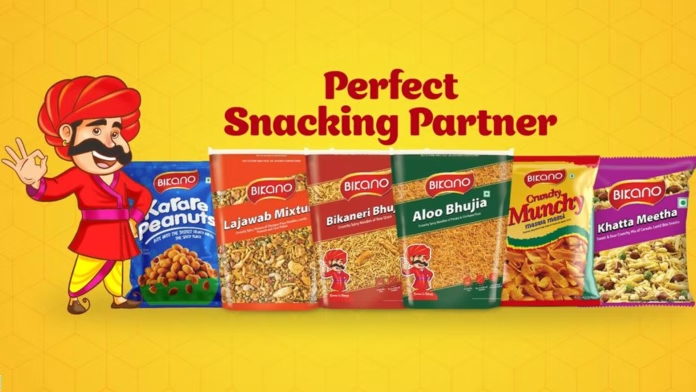
Bikano, a leading company in the snack and packaged food manufacturing industry, has made an exciting foray into the international market by launching a range of frozen products. The company’s strategic move is driven by the goal of achieving a robust 40 percent year-on-year growth from its export business. By capitalizing on the opportunities presented in the global market, Bikano aims to surpass INR 200 crores in sales for the fiscal year 2023-2024.
Bikano has witnessed a consistent increase in demand for its products in the international market, attracting not only Indian consumers but also local residents. With this notable development, the fast-moving consumer goods (FMCG) giant anticipates a substantial growth of up to 25 percent in its international business. This expansion highlights Bikano’s successful penetration and growing popularity among global consumers.
Manish Aggarwal, Director, Bikano, Bikanervala Foods, said, “Bikano is taking another stride towards participating in every food occasion by venturing into the international frozen food segment. With the increasing popularity of frozen snacks and meals worldwide, we recognize the immense potential within this category. Our focus remains on catering to the needs of retail consumers, and to that end, we have introduced affordable packages of 300gms and 400gms, comprising a wide range of savory snacks, sweets, and frozen items.”
He added “Our marketing approach is straightforward – we adapt to the evolving consumer trends. As consumers increasingly embrace digital platforms, we will align our marketing investments accordingly. Our strategy encompasses a comprehensive range of marketing channels, including above-the-line (ATL), below-the-line (BTL), and digital platforms, ensuring a seamless presence across various touchpoints and securing a significant portion of the international frozen market.”
Bikano is actively pursuing an ambitious strategy to penetrate multiple countries across the globe, which encompass the United States, Canada, Australia, New Zealand, and the Middle East. Their primary focus lies in introducing a wide selection of frozen products to these regions. Through this expansion, Bikano aims to cater to the diverse tastes and preferences of consumers worldwide.
India is a country known for its rich cultural heritage, diverse cuisine, and vibrant festivals. In recent years, another trend has been sweeping across the nation and tantalizing taste buds everywhere: the rise of cocktail culture
Cocktail culture in India has experienced a significant transformation in the past decade. With an increasing number of Indians traveling abroad, exposure to international cuisines and beverages has expanded their palates and desires for new taste experiences. As a result, mixologists and bartenders across the country have been experimenting with flavors and techniques to create unique and enticing cocktails.
In this article, we will explore the most popular cocktails in India, from the beloved Margarita to the exotic Mai Tai. So, grab your shakers and let’s dive into the world of Indian cocktail sensations!
Margarita: A Classic with a Desi Twist
The Margarita is a timeless classic that has made its mark in India as well. This refreshing cocktail combines tequila, lime juice, and orange liqueur, usually served in a salt-rimmed glass. However, to add a desi twist, many bartenders have incorporated Indian flavors like mango, chili, and even tamarind to give it a distinct local flair.
Taste: Salty
Total time: 5 minutes
Prep time: 5 minutes
Calories per serving: 168
Mojito: The Refreshing Favorite
When it comes to refreshing cocktails, the Mojito takes the crown. Originating from Cuba, this concoction combines rum, lime juice, mint leaves, sugar, and soda water. Mojitos have gained immense popularity in India due to their vibrant flavors and ability to beat the summer heat. Variations of the Mojito using local ingredients like fresh fruits and herbs have also emerged, providing a unique twist to this classic drink.
Taste: Sweet and sour
Total time: 5 minutes
Prep time: 5 minutes
Calories per serving: 160
Cosmopolitan: A Taste of Glamour
The Cosmopolitan is a cocktail that exudes glamour and sophistication. Made famous by the TV series “Sex and the City,” this pink-hued drink blends vodka, cranberry juice, lime juice, and orange liqueur. In India, the Cosmopolitan has become a favorite among the cosmopolitan crowd, who appreciate its tangy and refreshing taste. Its popularity has also led to the creation of innovative variations using regional fruits and spices.
Taste: Sweet and sour
Total time: 5 minutes
Prep time: 5 minutes
Calories per serving: 146
Old Fashioned: The Timeless Classic
For those who prefer a more traditional cocktail, the Old Fashioned is the perfect choice. Dating back to the 19th century, this drink consists of bourbon or whiskey, sugar, bitters, and a twist of citrus peel. While the Old Fashioned may not be as flashy as some of its counterparts, its simplicity and elegance have made it a staple in India’s cocktail scene.
Taste: Bitter
Total time: 5 minutes
Prep time: 5 minutes
Calories per serving: 155
Martini: Elegance in a Glass
No list of popular cocktails is complete without mentioning the Martini. This iconic drink, consisting of gin and vermouth, has been a symbol of elegance and sophistication for decades. In India, the Martini has undergone various adaptations, with vodka-based versions and fruity twists becoming increasingly popular. The Martini is a classic choice for those who appreciate a refined and timeless cocktail experience.
Daiquiri: A Tropical Delight
Transport yourself to a tropical paradise with the Daiquiri. Originating from Cuba, this cocktail combines rum, lime juice, and sugar, creating a sweet and tangy blend. The Daiquiri has captured the hearts of many Indians with its refreshing and tropical flavors, making it a perfect choice for beachside getaways or lazy summer evenings.
Mai Tai: A Taste of the Tropics
Speaking of tropical delights, the Mai Tai is another cocktail that brings the flavors of the tropics to India. This Polynesian-inspired drink features a blend of rum, orange curaçao, lime juice, and orgeat syrup. The Mai Tai is known for its vibrant and fruity taste, transporting drinkers to an island paradise with every sip. In India, this cocktail has gained popularity among those who seek a taste of the tropics without leaving the comfort of their local bar.
Taste: Sweet and sour
Total time: 5 minutes
Prep time: 5 minutes
Calories per serving: 220
Bloody Mary: A Bold and Spicy Choice
For those who prefer a bold and savory cocktail, the Bloody Mary is a popular option. Made with vodka, tomato juice, Worcestershire sauce, hot sauce, and a variety of spices, this drink packs a punch of flavor. The Bloody Mary has become a staple in brunch menus across India, offering a zesty and refreshing start to the day. Some bartenders have even taken it a step further by infusing local spices and adding unique garnishes to elevate the drink’s taste and presentation.
Taste: Spicy
Total time: 5 minutes
Prep time: 5 minutes
Calories per serving: 125
Sex on the Beach: A Tropical Sensation
As the name suggests, the Sex on the Beach cocktail is known for its playful and flirtatious nature. Combining vodka, peach schnapps, orange juice, and cranberry juice, this drink offers a sweet and fruity flavor profile. The Sex on the Beach cocktail has gained popularity in India, particularly among younger crowds who enjoy its tropical vibes and easy-drinking nature.
Taste: Sweet and fruity
Total time: 5 minutes
Prep time: 5 minutes
Calories per serving: 210
Pina Colada: A Vacation in a Glass
If you’re looking for a cocktail that embodies the essence of a tropical vacation, the Pina Colada is the perfect choice. This creamy and luscious drink combines rum, coconut cream, and pineapple juice, creating a delightful blend of flavors reminiscent of sandy beaches and swaying palm trees. The Pina Colada has become a go-to cocktail for those seeking a taste of paradise, making it a popular choice at beachside bars and resorts in India.
Taste: Sweet
Total time: 5 minutes
Prep time: 5 minutes
Calories per serving: 300
Long Island Iced Tea: A Potent Mix
The Long Island Iced Tea is not for the faint of heart. Despite its name, this cocktail contains no tea but instead combines a potent mix of vodka, rum, tequila, gin, triple sec, lemon juice, and cola. Known for its high alcohol content and deceptive taste, the Long Island Iced Tea has become a favorite among party-goers and cocktail enthusiasts in India. It delivers a strong punch and is often enjoyed by those looking for a spirited night out.
Taste: Sweet and sour
Total time: 5 minutes
Prep time: 5 minutes
Calories per serving: 245
Whiskey Sour: A Whiskey Lover’s Delight
For whiskey lovers, the Whiskey Sour is a cocktail that showcases the rich flavors of this beloved spirit. Made with whiskey, lemon juice, and sugar, this drink strikes a perfect balance between sweet, sour, and boozy notes. The Whiskey Sour has gained popularity in India, appealing to those who appreciate the smoothness and complexity of whiskey, combined with a refreshing twist.
Taste: Sour
Total time: 5 minutes
Prep time: 5 minutes
Calories per serving: 200
India’s cocktail culture has witnessed a remarkable evolution, as mixologists and bartenders continue to experiment and create innovative concoctions. From the classic Margarita with a desi twist to the tropical sensations of the Mai Tai and Pina Colada, there is a cocktail to suit every palate. The popularity of these cocktails reflects the changing tastes and preferences of Indians who are eager to explore new flavors and experiences. So, the next time you’re in India, raise your glass and toast to the vibrant and exciting world of Indian cocktail sensations. Cheers!
Amul, the leading dairy brand, has once again become embroiled in a new controversy, this time in Tamil Nadu. This development comes shortly after facing intense political pressure in the neighboring state of Karnataka regarding the Nandini milk issue.
Tamil Nadu CM Stalin on Thursday urged Home Minister Amit Shah to take prompt action and instruct the Gujarat-based dairy giant to immediately halt its involvement in milk procurement within the state.
Concerns are arising in Tamil Nadu as there is apprehension that Amul’s entry into the state might result in the loss of monopoly for Aavin, often referred to as the “milkman of the state,” in the domain of milk procurement.
According to PTI reports, Stalin penned a letter to Shah addressing various concerns related to milk procurement by the Kaira District Cooperative Milk Producers’ Union (Amul) within the Tamil Nadu milk shed area.
“Recently, it has come to the state government’s notice that Amul has utilised its multi-state cooperative license to install chilling centres and a processing plant in Krishnagiri district,” Stalin said.
According to a report from IANS, Amul has established a facility in Chittoor, Andhra Pradesh, where milk sourced from Vellore is being directed. The company has also disclosed plans to establish milk collection centers in various districts of Tamil Nadu, including Tiruvannamalai, Kancheepuram, Ranipet, Vellore, and Tiruvallur. These centers will be operated by Self Help Groups (SHGs) and cooperatives at the village level, as stated in the report.
“Also, Amul has planned to procure milk through FPOs and SHGs in and around Krishnagiri, Dharmapuri, Vellore, Ranipet, Tirupathur, Kancheepuram and Tiruvallur districts in Tamil Nadu.”
The Tamil Nadu leader made references to alleged infringements by Amul. “It has been a norm in India to let cooperatives thrive without infringing on each other’s milk-shed area. Such cross-procurement goes against the spirit of ‘Operation White Flood’ and will exacerbate problems for the consumers given the prevailing milk shortage scenario in the country. This act of AMUL infringes on Aavin’s (TN Co-operative Milk Producers Federation) milk shed area which has been nurtured in true cooperative spirit over decades,” he wrote.
According to the IANS report, the national dairy major is in the process of establishing an additional milk plant in Sri City, located merely 30 km away from the Tamil Nadu-Andhra Pradesh border. This development is expected to result in increased milk procurement from the districts of Erode, Tiruvannamalai, and Salem in Tamil Nadu. These districts have traditionally been suppliers to Aavin, the state’s milk cooperative.
“This move by AMUL will create unhealthy competition between cooperatives engaged in procuring and marketing milk and milk products,” Stalin observed.
Stalin underlined the key role of regional cooperatives in developing dairy business. “Regional cooperatives have been the bedrock of dairy development in the states and they are better placed to engage and nurture producers and to cushion consumers from arbitrary price hikes,” he said.
“Therefore, I request your urgent intervention to direct Amul to desist from milk procurement from the milk shed area of Aavin in Tamil Nadu with immediate effect,” the Chief Minister said.
It is noteworthy to mention that Amul had been exclusively selling its products in Tamil Nadu through its own outlets. Tamil Nadu, known for its robust dairy cooperatives, has been successfully operating a three-tier dairy cooperative system since 1981, benefiting both rural milk producers and consumers, Stalin emphasized, as reported by PTI.
He further said, “Aavin is our apex cooperative marketing federation. Under the ambit of Aavin co-operative, 9,673 Milk Producers Co-operative Societies are functioning in rural areas. They procure 35 LLPD of milk from about 4.5 lakh pouring members. Under this current arrangement, milk producers are assured of remunerative and uniform prices throughout the year by the cooperative societies.”
To bolster and ensure the continuous growth of milk production in Tamil Nadu, Aavin provides a range of essential resources to milk producers. These resources encompass cattle feed, fodder, mineral mixture, animal healthcare services, and breeding assistance for their livestock. Such support from Aavin plays a crucial role in sustaining and improving the milk production in the region.
Moreover, the Chief Minister emphasized that Aavin’s crucial role extends to guaranteeing the availability of premium milk and milk products to consumers at exceptionally affordable prices within our nation. Consequently, Aavin contributes significantly to enhancing the livelihoods of rural milk producers while fulfilling the nutritional needs of consumers.
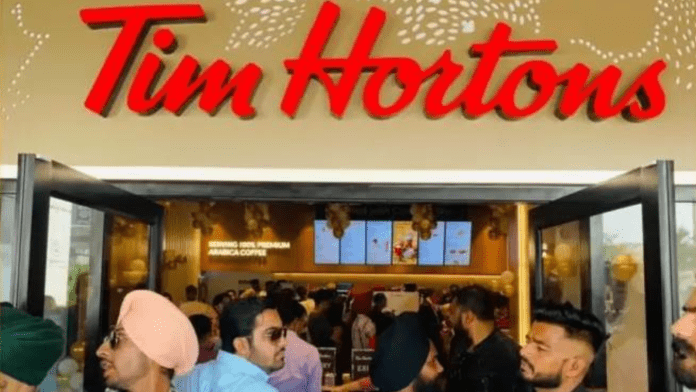
These upcoming openings in Bandra on May 27 and Andheri on May 28 will bring the total number of Tim Hortons stores in India to 15, solidifying its foothold and catering to coffee lovers in yet another major city. (Representative Image)
Tim Hortons is on a rapid expansion spree in India, demonstrating its commitment to establishing a strong presence in the country. Having initially entered the Indian market in August with a store in Delhi, this renowned Canadian coffee chain has wasted no time in making its mark. With a successful rollout of 13 outlets across the Delhi-NCR and Punjab regions in the north, Tim Hortons is now gearing up for its next milestone: the launch of two new stores in Mumbai. These upcoming openings in Bandra on May 27 and Andheri on May 28 will bring the total number of Tim Hortons stores in India to 15, solidifying its foothold and catering to coffee lovers in yet another major city.
According to Tarun Jain, the CEO of Tim Hortons India, the company has strategically focused on establishing a stronger presence in the northern region before venturing into other areas of the country.
“The response has been fantastic in the north. Whatever targets we set in terms of store performance, expansion or cities we wanted to be in, we’ve exceeded all of that and we’re now in Mumbai and we’re seeing a lot of excitement here after we announced the dates,” Jain added.
In the future, it is expected that Mumbai will witness an increase in the number of Tim Hortons stores. However, immediate expansion plans following the establishment of these stores will be focused on cities near Mumbai, such as Pune, by the end of this year. Additionally, Tim Hortons has intentions to enter Bengaluru in the current year, with ongoing efforts to identify suitable locations for stores. Furthermore, the company has its sights set on cities like Ahmedabad for potential expansion in the future.
Jain, however, emphasizes that Tim Hortons does not have a specific target for the number of stores in the Indian market. Their expansion plans also involve opening additional stores through various channels in existing markets such as Delhi.
Tim Hortons’ entry into Mumbai and its subsequent fast-paced expansion coincides with a thriving coffee culture in India, coupled with intensified competition within the coffee chain industry. In a recent development, Reliance Retail introduced the British coffee chain Pret A Manger to India, which currently operates two stores in Mumbai. Tata Starbucks has also been rapidly expanding its footprint and now boasts 341 stores across the country. In an effort to attract a larger consumer base, Tata Starbucks recently revamped its menu to include smaller-sized and more affordable beverage and food options.
In recent years, a number of homegrown coffee chains such as Subko, Third Wave Coffee, and Blue Tokai have emerged and witnessed substantial expansion in their presence. These homegrown chains have made their mark in the coffee industry, adding to the diverse range of options available to coffee enthusiasts.
According to Jain, competition plays a positive role in a growing market as it fosters market development and drives increased consumption. He emphasizes that Tim Hortons will distinguish itself through its wide variety of offerings, including made-to-order fresh food available at its cafés.
Tim Hortons’ beverage prices align with those of its rivals, Tata Starbucks and Pret, while its food items are available at a starting price as low as INR 39, providing customers with economical choices.
Similar to other international coffee chains that have been placing greater emphasis on adapting their menus to local preferences, Tim Hortons is introducing localized food options on its menus. Alongside globally recognized items like French Vanilla coffee, Java Chip beverage, and Timbits, Tim Hortons is incorporating menu offerings that cater specifically to the local palate.
“Our learning has been that since we’re an international brand, there’s a set of expectations when we come into a market, a legacy that they expect us to deliver on along with a lot of local love to adapt to tastes locally. We have experimented a lot with food, which is a continuous process,” Jain said, adding that it wants to be competitive on pricing.
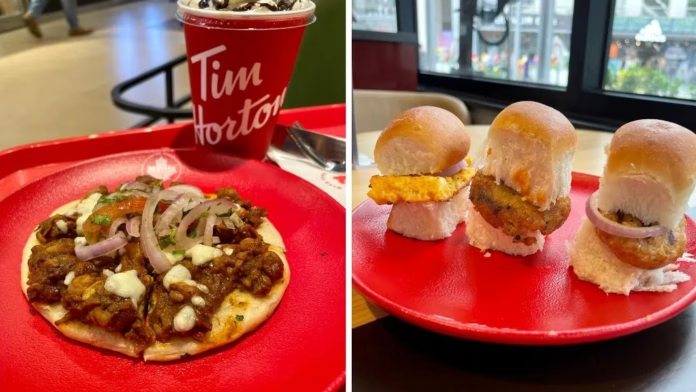
To distinguish itself from competitors, the company also introduced a unique approach by incorporating customized regional food items into its menu. (Representative Image)
Last August, Tim Hortons, the esteemed Canadian coffee brand, entered the Indian market with its expansion strategy. To distinguish itself from competitors, the company also introduced a unique approach by incorporating customized regional food items into its menu.
Following its successful venture in the northern region, Tim Hortons has extended its operations to West India. As part of its expansion, the brand now offers delectable options like Makhni Pasta, while also preparing to introduce delightful additions such as Pinwheel Samosa and Baida Roti Cigar-rolls. This move showcases Tim Hortons’ commitment to catering to regional preferences and diversifying its menu offerings.
Tarun Jain, Chief Executive Officer of Tim Hortons India, said, “India is a very different market in terms of the choices and taste preferences, so when we launched in India, there’s a lot of work which went into the backend, to kind of put forward a menu which has got decent amount of variety and lot of local adaptations.”
“When we launched in the north, we had makhni pasta for example, which was more suited to the localities there. Now, when we are coming to Mumbai, we have added a couple of products like a Samosa and a Baida roll which is more in sync with the local taste preferences in Mumbai.”
Starbucks India, another coffee chain , recently increased Indian options on its menu. It added masala chai, elaichi chai and milkshakes and pre-packed sandwiches and other food items.
In India, Tim Hortons offers Timbits, also known as ‘donut holes,’ as their most budget-friendly food item, priced at INR 39.
Jain is of the opinion that Tim Hortons has made a timely entry into the Indian market. He said, “I think this is a great time to enter India.”
According to Jain, Tim Hortons is actively contemplating expansion into tier 1 markets. As of now, the chain has successfully opened 13 stores in North India.
“I think this is a great time to enter India, because the market is going through a lot of evolution and a lot of change. The cafe market is really imploding with the opportunity. So, I think it’s a great time to be into the market,” he said.
“The demand is growing at a great pace. I think cafes have outperformed the F&B industry in India and I think coffee houses are probably the largest share of that growth.”
As per the analysis conducted by IMARC Group, the pub, bar, café, and lounge (PBCL) market in India is projected to exhibit a compound annual growth rate (CAGR) of 13.3 percent from 2023 to 2028.
Additionally, the report highlights that the PBCL market in India is experiencing robust growth due to the growing demand for socializing and gathering in eateries that provide distinctive ambiance, entertainment, and a diverse range of food and beverages.
“The primary factor driving the India pub, bar, café and lounge market is the growing disposable incomes across the country… Moreover, brands are increasingly focusing on factors such as varied food offerings, ambience, and customer engagement to ensure the longevity and strength of their businesses and create a niche for this segment,” the report said.
We use cookies to ensure that we give you the best experience on our website. If you continue to use this site we will assume that you are happy with it.