Wednesday, December 17, 2025
Home Blog Page 1153

Revolutionize your snack game with Banamin’s High Protein Falafel Mix: The ultimate post-workout powerhouse you’ve been missing out on!

0
Banamin's High Protein Falafel Mix

Snacking is an essential part of our daily lives. It keeps us energized and focused throughout the day, especially after a workout. 

After a workout, our bodies need nutrients to repair and rebuild muscle tissue. Consuming the right nutrients can help speed up muscle recovery and growth. However, finding healthy and tasty high-protein snacks can be challenging. This is where Banamin’s High Protein Falafel Mix comes in. 

Banamin’s High Protein Falafel Mix is a unique snack mix that is high in protein and fiber. It is made from a blend of peas, beans, and banana flour, making it a healthy and nutritious snack. Banamin’s High Protein Falafel Mix is also gluten-free and vegan, making it suitable for people with dietary restrictions.

The unique ingredients in Banamin’s High Protein Falafel Mix:

  • Peas: Peas are a great source of protein and fiber. They are also high in vitamins and minerals such as vitamin C, vitamin K, and iron.
  • Beans: Beans are a great source of protein and fiber. They are also high in vitamins and minerals such as folate, magnesium, and potassium.
  • Banana flour: Banana flour is a unique ingredient that is high in resistant starch. Resistant starch is a type of carbohydrate that is not digested in the small intestine and reaches the colon intact. Resistant starch is known to promote gut health and reduce the risk of colon cancer.

How Banamin’s High Protein Falafel Mix can revolutionize your snack game:

Banamin’s High Protein Falafel Mix is a game-changer for anyone looking for a healthy and nutritious snack. Here are some reasons why Banamin’s High Protein Falafel Mix can revolutionize your snack game:

  • High in protein and fiber: Banamin’s High Protein Falafel Mix is high in protein and fiber, making it a filling and satisfying snack. It is an excellent snack for anyone following a high-protein diet.
  • Gluten-free and vegan: Banamin’s High Protein Falafel Mix is gluten-free and vegan, making it suitable for people with dietary restrictions.
  • Easy to make: Banamin’s High Protein Falafel Mix is easy to make and requires only a few simple steps. It is a convenient snack that can be prepared quickly.
  • Versatile: Banamin’s High Protein Falafel Mix is a versatile snack that can be served in different ways. It can be served in pita bread with vegetables and tahini sauce, or as a standalone snack with your favorite dip or sauce.
  • Nutritious: Banamin’s High Protein Falafel Mix is a nutritious snack that provides a variety of vitamins and minerals. It is a healthier alternative to traditional snacks such as chips and crackers.

Banamin’s High Protein Falafel Mix is an excellent post-workout snack that provides the right combination of protein and carbohydrates. It is also a healthier alternative to traditional snacks such as chips and crackers. If you are looking for a healthy and nutritious snack, Banamin’s High Protein Falafel Mix is the ultimate powerhouse you’ve been missing out on!

Advertisement

Supercharge your mental and physical well-being by using Indus Hemp Flour

0
Indus Hemp Flour

In today’s fast-paced and demanding world, maintaining optimal mental and physical well-being has become more crucial than ever. While there are numerous health trends and superfoods flooding the market, Indus Hemp Flour stands out for its incredible potential to enhance your overall wellness.

Derived from the versatile and resilient hemp plant, this nutritional powerhouse has gained recognition for its exceptional health benefits and remarkable versatility in culinary applications.

Indus Hemp Flour is derived from the seeds of the hemp plant, scientifically known as Cannabis sativa. Unlike its infamous cousin, marijuana, hemp contains negligible amounts of THC, the psychoactive compound. Instead, it is packed with a wide range of nutrients, making it a true superfood for those seeking to elevate their well-being.

One of the most notable aspects of Indus Hemp Flour is its high protein content. It is considered a complete protein, meaning it provides all nine essential amino acids that our bodies require for optimal functioning. This makes it an excellent choice for vegans, vegetarians, or anyone looking to increase their protein intake without relying solely on animal-based sources. Additionally, hemp protein is easily digestible, making it a gentle option for those with sensitive stomachs.

But Indus Hemp Flour doesn’t stop at protein. It also boasts an impressive array of essential fatty acids, including omega-3 and omega-6, in an ideal ratio for human consumption. These fatty acids play a vital role in supporting brain health, reducing inflammation, and promoting cardiovascular well-being. By incorporating Indus Hemp Flour into your diet, you can ensure you’re getting a wholesome dose of these beneficial fats.

Furthermore, Indus Hemp Flour is a rich source of dietary fiber. Fiber is essential for maintaining a healthy digestive system, promoting regular bowel movements, and supporting overall gut health. Including hemp flour in your meals can help regulate your digestion, control blood sugar levels, and promote a feeling of fullness, aiding in weight management.

In addition to its impressive nutritional profile, Indus Hemp Flour offers an array of culinary possibilities. Its nutty and earthy flavor can enhance the taste and texture of various recipes, from baked goods like bread, cookies, and pancakes to savory dishes such as soups, stews, and even homemade veggie burgers. 

The versatility of Indus Hemp Flour allows you to explore creative ways to incorporate this superfood into your daily meals, making healthy eating a truly enjoyable experience.

How to Use Indus Hemp Flour in your diet:

Indus Hemp Flour is a versatile ingredient that can be used in a variety of recipes. Here are some ideas:

  • Baked goods
    Indus Hemp Flour can be used to make a variety of baked goods, including bread, muffins, and cookies. It has a nutty, slightly sweet flavor that can enhance the taste of your favorite recipes.
  • Pasta

Indus Hemp Flour can be used to make homemade pasta. Simply mix the flour with water and eggs to create a dough, then roll it out and cut it into your desired shape.

  • Smoothies

Indus Hemp Flour can be added to smoothies for an extra boost of nutrition. Simply blend it with your favorite fruits and vegetables for a delicious and healthy drink.

  • Energy bars

Indus Hemp Flour can be used to make homemade energy bars. Simply mix the flour with nuts, seeds, and dried fruit, then press it into a baking dish and bake it until it’s firm.

Beyond its nutritional and culinary attributes, Indus Hemp Flour is also celebrated for its environmental sustainability. Hemp is a remarkably resilient plant that requires minimal water, pesticides, and herbicides to thrive. It grows quickly and naturally, making it an eco-friendly choice compared to many other crops.

By opting for Indus Hemp Flour, you’re not only supporting your well-being but also contributing to a more sustainable future for our planet.

Indus Hemp Flour is a game-changer when it comes to supercharging your mental and physical well-being. Its abundance of protein, essential fatty acids, and fiber make it an invaluable addition to any balanced diet. Whether you’re looking to boost your energy, support your brain health, improve digestion, or simply explore new culinary horizons, Indus Hemp Flour is a remarkable superfood that offers endless possibilities. Embrace the power of nature and elevate your overall wellness with the incredible benefits of Indus Hemp Flour.

Advertisement

Start your day right: Why drinking water early in the morning is a game-changer!

0
Drinking Water

We’ve all heard the saying, “Breakfast is the most important meal of the day,” but what about the first thing we consume in the morning? While breakfast is undoubtedly crucial, what you drink before you eat can have a significant impact on your health and well-being. Drinking water early in the morning is an easy habit to incorporate into your daily routine and can have a multitude of benefits. In this article, we will explore the importance of staying hydrated and delve into the various benefits of drinking water first thing in the morning.

The Importance of Staying Hydrated

Staying hydrated is crucial for our bodies to function properly. Water is essential for every organ and cell in the body and helps regulate body temperature, lubricate joints, and transport nutrients throughout the body. When we are dehydrated, our bodies can experience a range of negative side effects, including headaches, fatigue, and even cognitive impairment.

Drinking water throughout the day is essential, but starting your day off with a glass of water can set you up for success. After sleeping for 7-8 hours, our bodies are dehydrated and in need of replenishment. By drinking water first thing in the morning, you can give your body the boost it needs to function at its best.

Benefits of Drinking Water Early in the Morning

  • Boosts Your Metabolism:

Drinking water early in the morning can give your metabolism a kick-start. When we are dehydrated, our bodies can go into “survival mode,” slowing down our metabolism to conserve energy. Drinking water first thing in the morning can help rev up your metabolism and get your body ready for the day ahead.

  • Helps with Digestion:

Drinking water early in the morning can also help with digestion. Water can help flush out toxins in the body and promote regular bowel movements. It can also help soften stools, making them easier to pass, which can be beneficial for those who suffer from constipation.

  • Improves Brain Function:
  • Drinking water early in the morning can also improve brain function. Dehydration can cause cognitive impairment, including difficulty concentrating and decreased alertness. By hydrating your body first thing in the morning, you can improve your focus and mental clarity throughout the day.
  • Enhances Skin Health:

Drinking water early in the morning can also enhance skin health. Dehydration can cause dry, flaky skin, and can even lead to premature aging. By drinking water first thing in the morning, you can help keep your skin hydrated and looking healthy.

  • Supports Immune System:

Drinking water early in the morning can also support your immune system. Water helps carry nutrients throughout the body and flush out toxins, which can help strengthen your immune system. Staying hydrated can also help prevent illnesses such as colds and flu.

Tips for Drinking Water Early in the Morning

Now that you know the benefits of drinking water early in the morning, you may be wondering how to incorporate this habit into your daily routine. Here are some tips to help make drinking water first thing in the morning a habit:

  • Use a Reusable Water Bottle:

Investing in a reusable water bottle can make drinking water throughout the day more accessible and convenient. Keep a filled water bottle by your bed so that you can take a few sips as soon as you wake up. You can also bring your water bottle with you throughout the day to stay hydrated.

  • Add a Slice of Lemon:

If you find plain water unappealing, try adding a slice of lemon to your water. Not only will it add flavor, but it can also provide additional health benefits. Lemon is a great source of vitamin C, which can boost your immune system, and can also help with digestion.

  • Set a Reminder:

If you struggle to remember to drink water first thing in the morning, try setting a reminder on your phone. This can help you establish a routine and make drinking water a habit. You can also try leaving a note or post-it by your bed to remind you to drink water when you wake up.

Drinking water early in the morning is a simple and effective way to improve your health and well-being. It can boost your metabolism, aid in digestion, improve brain function, enhance skin health, and support your immune system. By incorporating this habit into your daily routine, you can set yourself up for success and feel better throughout the day.

Remember to stay hydrated throughout the day as well, not just in the morning. Keep a water bottle with you and sip on it throughout the day. If you struggle with drinking enough water, try adding some flavor or using a straw, as these can make drinking water more enjoyable.

Advertisement

Add a pop of color and nutrition to your snacks with DIY Beetroot Ketchup – Quick, easy, and delicious!

0
DIY Beetroot Ketchup

Snacking is a beloved pastime for many people, but often the options we reach for are not the healthiest. Many store-bought snacks are high in sugar, salt, and unhealthy fats, which can lead to health problems like obesity, diabetes, and heart disease. However, with a little creativity, it’s possible to make delicious and nutritious snacks at home.

One way to add a pop of color and nutrition to your snacks is with DIY beetroot ketchup. This tasty and versatile condiment is quick and easy to make, and it’s packed with nutrients and flavor. In this article we’ll give you a step-by-step guide to making your own beetroot ketchup at home.

How to Make DIY Beetroot Ketchup:

This recipe for beetroot ketchup is quick and easy to make and it requires only a few simple ingredients.

  • Ingredients:
  • 2 medium-sized beetroots, peeled and grated
  • 1 onion, chopped
  • 1 clove garlic, minced
  • 1 tablespoon olive oil
  • 1 can (400g) chopped tomatoes
  • 1/4 cup apple cider vinegar
  • 1 tablespoon honey
  • 1/2 teaspoon paprika
  • Salt and pepper to taste
  • Instructions:
  • In a large saucepan, heat the olive oil over medium heat. Add the chopped onion and garlic and sauté until the onion is soft and translucent, about 5 minutes.
  • Add the grated beetroot to the pan and stir well. Cook for another 5-7 minutes until the beetroot has softened.
  • Add the chopped tomatoes, apple cider vinegar, honey, and paprika to the pan. Stir well to combine all the ingredients.
  • Reduce the heat to low and let the ketchup simmer for about 20-25 minutes until it has thickened and the flavors have melded together.
  • Season the ketchup with salt and pepper to taste.
  • Allow the ketchup to cool slightly, then transfer it to a blender or food processor. Blend until the ketchup is smooth and has reached your desired consistency.
  • Store the beetroot ketchup in an airtight container in the refrigerator for up to 2 weeks.

Uses for Beetroot Ketchup:

Beetroot ketchup is a versatile condiment that can be used in a variety of ways. Here are some ideas for using your homemade beetroot ketchup:

  • As a dip: Beetroot ketchup is a delicious dip for vegetables, crackers, and chips.
  • On burgers: Add a pop of color and flavor to your burgers by swapping out traditional ketchup for beetroot ketchup.
  • On hot dogs: Beetroot ketchup pairs perfectly with a classic hot dog.
  • In marinades: Use beetroot ketchup as a base for marinades for meat, poultry, or tofu.
  • In dressings: Mix beetroot ketchup with olive oil, vinegar, and your favorite herbs to make a tasty salad dressing.
  • As a condiment: Use beetroot ketchup as a condiment for grilled vegetables, roasted potatoes, or other savory dishes.

By making your own beetroot ketchup at home, you can control the ingredients and adjust the seasoning to your taste. Use your homemade ketchup as a dip, on burgers or hot dogs, in marinades or dressings, or as a condiment for your favorite savory dishes.

Give this recipe a try and enjoy the delicious and nutritious benefits of homemade beetroot ketchup!

Advertisement

Are you making these 9 common mistakes with raw chicken? Learn how to avoid them now!

raw chicken

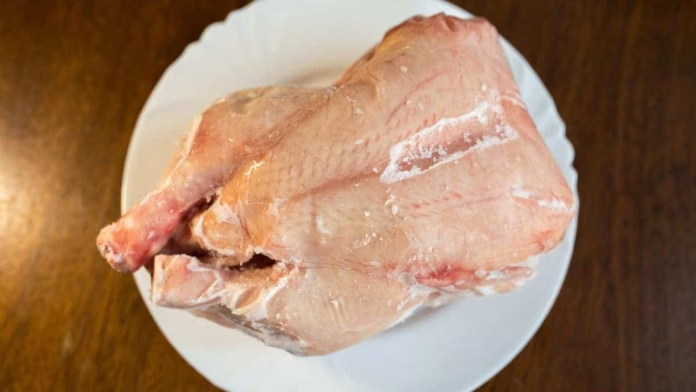
Raw chicken is a staple in many kitchens around the world. It’s a versatile and healthy protein source that can be used in a variety of dishes. However, cooking with raw chicken can be tricky, and there are several common mistakes that people make when handling and preparing it. These mistakes can lead to foodborne illness and other health problems. 

In this article, we’ll explore the nine most common mistakes people make with raw chicken and provide tips on how to avoid them.

  1. Not properly storing raw chicken:

One of the most common mistakes people make when it comes to raw chicken is not storing it properly. Raw chicken should always be stored at or below 40 degrees Fahrenheit. This is because bacteria grow rapidly between 40 and 140 degrees Fahrenheit, which is known as the “danger zone.” If chicken is stored at room temperature, it can quickly reach this danger zone and become unsafe to eat.

To properly store raw chicken, it should be kept in the coldest part of the refrigerator, which is typically the bottom shelf. It should be kept in its original packaging or in a sealed container to prevent any juices from leaking onto other foods. Raw chicken should never be left out at room temperature for more than two hours, and if the temperature is above 90 degrees Fahrenheit, it should not be left out for more than one hour.

  1. Not cleaning surfaces and utensils properly:

Another common mistake people make when handling raw chicken is not properly cleaning surfaces and utensils that come into contact with it. Raw chicken can contain harmful bacteria such as salmonella and campylobacter, which can cause food poisoning if ingested.

To avoid this, it’s important to clean all surfaces and utensils that come into contact with raw chicken, including cutting boards, knives, countertops, and sinks. These items should be washed with hot, soapy water and then disinfected with a solution of one tablespoon of bleach per gallon of water. It’s also important to wash your hands thoroughly with soap and water before and after handling raw chicken.

  1. Not thawing chicken correctly:

Many people make the mistake of not thawing chicken correctly. It’s important to thaw chicken safely to prevent the growth of harmful bacteria. The best way to thaw chicken is in the refrigerator. This method takes the longest, but it is also the safest.

If you need to thaw chicken quickly, you can use the cold water method. To do this, place the chicken in a leak-proof bag and submerge it in cold water. Change the water every 30 minutes until the chicken is thawed. Do not use hot water to thaw chicken, as this can cause the chicken to cook unevenly and promote bacterial growth.

  1. Washing chicken before cooking it:

Many people believe that washing chicken before cooking it is a good idea, but it can actually increase the risk of foodborne illness. When you wash chicken, the water can splash onto other surfaces and spread bacteria. Additionally, washing chicken does not remove all bacteria, so it is not an effective way to make the chicken safer to eat.

To reduce the risk of foodborne illness, it’s best to skip washing the chicken altogether. Instead, pat the chicken dry with paper towels before cooking it.

  1. Not cooking chicken to the correct temperature:

Cooking chicken to the correct temperature is crucial for ensuring that it’s safe to eat. Chicken should be cooked to an internal temperature of 165 degrees Fahrenheit. This temperature ensures that any harmful bacteria are destroyed, and the chicken is safe to eat.

To check the internal temperature of the chicken, use a meat thermometer. Insert the thermometer into the thickest part of the chicken, making sure not to touch the bone. If the temperature reads less than 165 degrees Fahrenheit, continue cooking the chicken until it reaches the correct temperature.

  1. Reusing marinades:

Marinating chicken can add flavor and moisture to the meat, but it’s important to handle marinades safely. Reusing marinades that have been in contact with raw chicken can increase the risk of foodborne illness.

To avoid this, never reuse marinades that have been in contact with raw chicken. If you want to use the marinade as a sauce, set aside a portion before adding the chicken. Additionally, make sure to discard any leftover marinade that has come into contact with raw chicken.

  1. Not letting chicken rest before cutting into it:

When you cook chicken, it’s important to let it rest before cutting into it. Allowing the chicken to rest for a few minutes before cutting into it allows the juices to redistribute, resulting in a more moist and flavorful chicken.

To let the chicken rest, remove it from the heat and let it sit for five to ten minutes. Cover it with foil to keep it warm.

  1. Not checking for doneness visually:

While a meat thermometer is the most accurate way to check the internal temperature of chicken, it’s also important to check for doneness visually. Cooked chicken should be firm to the touch and white all the way through, with no pink or red areas.

Additionally, if you’re cooking chicken on the bone, the juices should run clear when you cut into it. If the juices are still pink or red, the chicken is not cooked through and should be returned to the heat.

  1. Using the same cutting board for raw chicken and other foods:

Using the same cutting board for raw chicken and other foods can increase the risk of cross-contamination. Bacteria from the raw chicken can spread to other foods, causing foodborne illness.

To avoid this, use a separate cutting board for raw chicken. This will help prevent any bacteria from spreading to other foods. Additionally, make sure to clean and disinfect the cutting board thoroughly after each use.

By avoiding these nine common mistakes when handling raw chicken, you can reduce the risk of illness and enjoy a safe and delicious meal.

Advertisement

Take a break from the bustle of LA and relax with a cuppa: Discover the top 10 spots for afternoon tea!

0
la tea

In the heart of the bustling city of Los Angeles, amidst the vibrant streets and glitz of Hollywood, there exists an oasis of tranquility and elegance. Stepping away from the hustle and bustle, one can find solace in the time-honored tradition of afternoon tea. Embracing the English ritual with open arms, Los Angeles offers a plethora of charming venues where tea lovers can unwind and savor a delightful selection of scones, finger sandwiches, and delectable sweets. 

Whether you seek the elegance of a luxury hotel or the whimsical ambiance of a tearoom, this sprawling city has something to satisfy every tea enthusiast’s palate. Join us as we embark on a journey to explore the top 10 spots for afternoon tea in Los Angeles, where refinement, charm, and relaxation converge.

1.      The Living Room At Peninsula Beverly Hills: Step into a world of sophistication and indulgence at The Living Room in Peninsula Beverly Hills. This elegant hotel beckons tea connoisseurs to experience a celebratory afternoon tea. Delight in an array of savory and sweet bites, including house-smoked salmon with caviar and creamsicle profiteroles. As a live harpist serenades with soothing melodies, one can savor the luxurious experience. With a starting price of $125 per person, which includes a glass of Laurent Perrier Champagne, and an option to add endless bubbles for an additional $35, The Living Room promises an unforgettable tea experience.

2.      Lilly Rose At The Wayfarer: For a whimsical and Instagram-worthy afternoon tea experience, venture to Lilly Rose at The Wayfarer Hotel in downtown LA. This gothic-inspired bar opens its doors on Friday to Sunday afternoons, transforming into a charming tearoom. Mismatched cups and plates, along with unique touches throughout the room, set the stage for an unforgettable tea service. Indulge in tea-infused cocktails, such as the color-changing tequila with butterfly pea tea, and immerse yourself in a truly enchanting atmosphere.

3.      Rose Tree Cottage: Transport yourself to the heart of Britain at Rose Tree Cottage in Pasadena. This charming and cozy tearoom enforces a dress code for gentlemen and strictly serves afternoon tea after noon, ensuring an authentic British ambiance. With real clotted cream and a butler in a tuxedo, guests are made to feel like royalty as they enjoy delightful bites, from traditional tea sandwiches to beef wellington and toad-in-the-hole. Embrace the experience fully, as photo-taking is not allowed, allowing you to immerse yourself completely in the ambiance.

4.      Tea Rose Garden: Nestled in the midst of busy Old Town Pasadena, the Tea Rose Garden provides a peaceful escape and a haven for tea enthusiasts. This serene tearoom offers an extensive selection of loose-leaf teas and delectable treats. Alongside the various options for tea service, guests can indulge in a la carte items such as scones, salads, and full-sized sandwiches. With fresh flower arrangements adorning the tearoom, the Tea Rose Garden provides an ideal spot to extend your teatime with a delightful lunch.

5.      The Four Seasons Tea Room: For over 20 years, The Four Seasons Tea Room has been a beloved tearoom in Sierra Madre, serving the San Gabriel Valley community with warmth and charm. This cozy establishment offers friendly service and an extensive tea selection starting from $28. Indulge in their delightful afternoon tea set, featuring tea sandwiches, excellent scones, and a wide variety of teas. The shaded garden area also provides a lovely outdoor seating option, adding to the enchanting atmosphere in which to enjoy your tea.

6.      Ye Olde King’s Head: Venture to Santa Monica and discover Ye Olde King’s Head, an unexpected gem amidst an old British pub. While renowned for more than just pub fare, this 40-year-old landmark embraces its British roots and offers a traditional afternoon tea experience. Though the loose-leaf tea selection may be limited, the delicious sausage roll adds a satisfying touch to the tea service. Available Monday to Saturday, the afternoon tea at Ye Olde King’s Head costs $39.95 per person and includes a pot of tea, assorted finger sandwiches, scones with clotted cream and jam, and a selection of pastries and cakes, all within the charming ambiance of a British pub.

7.      Chado Tea Room: Located in downtown Los Angeles, Chado Tea Room is a haven for tea enthusiasts. With over 300 varieties of tea to choose from, you are sure to find your perfect cup. Their afternoon tea service offers a delightful assortment of tea sandwiches, scones, and pastries, all served on elegant tiered trays. The cozy and intimate ambiance of the tearoom provides a serene setting to relax and enjoy your tea. Prices for afternoon tea start at $30 per person, making Chado Tea Room a must-visit for tea lovers seeking a diverse tea selection.

8.      Langham Huntington, Pasadena: Step into a world of refined luxury at the Langham Huntington in Pasadena. This historic hotel offers an exquisite afternoon tea experience in its elegant Lobby Lounge. Indulge in a selection of finger sandwiches, scones, pastries, and tea cakes, accompanied by a choice of premium teas. The sophisticated ambiance, accompanied by live piano music, sets the stage for a truly indulgent experience. Afternoon tea prices start at $62 per person, providing a lavish and memorable tea service.

9.      The Huntington Rose Garden Tea Room: Nestled within the breathtaking Huntington Library, Art Museum, and Botanical Gardens in San Marino, The Huntington Rose Garden Tea Room offers a unique and picturesque setting for afternoon tea. Guests can enjoy a leisurely tea experience surrounded by lush gardens and panoramic views. The tea menu features a variety of sandwiches, scones, and pastries, all made with fresh and seasonal ingredients. Afternoon tea prices start at $32 per person and include admission to the stunning gardens, making it an enticing choice for tea enthusiasts and nature lovers alike.

10.   The T Room at Montage Beverly Hills: For a truly luxurious and elegant afternoon tea experience, visit The T Room at Montage Beverly Hills. Indulge in a selection of delectable finger sandwiches, warm scones, and exquisite pastries, meticulously crafted to perfection. The tea menu features an extensive selection of loose-leaf teas from around the world, allowing guests to explore different flavors and aromas. Whether you choose to bask in the serene ambiance of the rooftop pool deck or enjoy the cozy indoor lounge, The T Room promises an unforgettable tea experience. Afternoon tea prices start at $60 per person, making it an ideal spot for special occasions and refined celebrations.

Los Angeles, known for its glitz, glamour, and fast-paced lifestyle, offers a delightful juxtaposition in the form of its top-notch afternoon tea spots. Whether you seek a sophisticated luxury experience or a cozy tea room ambiance, the city caters to all tea lovers’ desires.  So why not take some time to slow down and enjoy the simple pleasure of a delicious afternoon tea?

Advertisement

Escape the hustle and bustle of Delhi and indulge in a cozy lunch with your gang at Flick A Dish – Where great food and good times are always on the menu!

0
Flick A Dish

Tucked away in a remote corner of Lajpat Nagar, Delhi, lies a hidden culinary gem known as Flick A Dish. This cozy café, with its inviting ambiance and mouthwatering menu, beckons visitors to escape the bustling city streets and immerse themselves in a world of delicious home-style food. Owned by Jyoti Mathur, a former model and author of a recipe book for special children, Flick A Dish aims to create memorable dining experiences for its patrons, where great food and warm hospitality go hand in hand.

As you step inside Flick A Dish, you are immediately greeted by an intimate and homely atmosphere. The vibrant red walls adorned with eclectic kitsch objects, reminiscent of cherished family heirlooms and photographs, create a welcoming lounge-like ambiance. The small tables and comfortable seating arrangements further enhance the cozy charm of the café, inviting guests to relax, unwind, and savor the flavors that await.

The menu at Flick A Dish is a delightful journey through unique dishes that come with fascinating tales. The no-frills menu features intriguing names that reflect the interesting stories behind each creation. From appetizing starters to hearty main courses and delectable desserts, every dish is prepared with meticulous attention to detail and a harmonious blend of flavors. With a range of options that cater to different tastes and preferences, Flick A Dish ensures that there is something for everyone.

Indulge in a cup of Dadi Ki Chai, accompanied by cheese and aloo samosas, sandwiches, and strawberry cupcakes, as you relax and unwind on a scorching summer day. Savor the tangy Moong Dal Ki Pakori paired with a flavorful chutney or relish the nostalgic flavors of the Corn On Toast, reminiscent of homemade snacks from childhood. The menu also features unique offerings such as Chicken Wings, Home Tandoori Chicken, Baked Mushrooms in White Sauce, Chatpatti Maggi, and the intriguing Kathal Chatpatti—an item rarely found on any other menu. To complete the meal on a sweet note, the Pineapple Surprise provides a light and refreshing dessert option.

For those seeking a delightful evening experience, Flick A Dish offers a small High Tea menu, featuring a selection of snacks to accompany your cuppa. Whether you’re looking for a satisfying lunch, a quick snack, or a cozy high tea experience, Flick A Dish caters to your desires with its diverse menu offerings.

The essence of Flick A Dish lies in its commitment to serving authentic home-style food. Inspired by the recipes passed down through generations, each dish on the menu embodies the flavors and traditions of traditional family cooking. Jyoti Mathur, the passionate owner, emphasizes the significance of tried-and-tested family recipes that set Flick A Dish apart from other cafés and restaurants. The result is a collection of dishes that not only tantalize the taste buds but also evoke a sense of nostalgia and warmth.

Flick A Dish is a charming and cozy café that offers a haven of homestyle delights in the heart of Delhi. With its inviting ambiance, quirky interiors, and comfortable seating, it provides an ideal setting for a leisurely meal with friends and family. The menu, featuring dishes inspired by treasured family recipes, promises authenticity and flavors that touch the soul. Whether you’re seeking a taste of home or an exploration of unique flavors, Flick A Dish invites you to escape, indulge, and create cherished memories in a cozy and relaxed environment.

Advertisement

15 healthy grains every guy MUST try for a stronger, healthier body!

0
healthy grains

When it comes to maintaining a strong and healthy body, proper nutrition is key. While protein and vegetables often take the spotlight in a balanced diet, we must not overlook the importance of incorporating healthy grains into our meals. Grains are not only a great source of energy but also provide essential nutrients that support muscle growth, enhance endurance, and promote overall well-being.

In this article, we’ll introduce you to 15 incredible grains that every guy should try to unlock their full potential and achieve a stronger, healthier body. These grains are packed with vitamins, minerals, fiber, and complex carbohydrates, making them an excellent addition to any man’s diet. So, let’s dive in and discover the world of power-packed grains that will take your health and fitness journey to new heights!

  1. Quinoa 

Quinoa is a superfood that has gained popularity in recent years. It is high in protein and fiber and is gluten-free. Quinoa also contains essential minerals like iron, magnesium, and zinc. It is a great option for vegetarians and vegans looking for a high-protein alternative to meat.

Quinoa is easy to cook and can be used in a variety of dishes, including salads, stir-fries, and soups. Its nutty flavor and slightly crunchy texture make it a versatile and tasty addition to any meal. One cup of cooked quinoa contains 8 grams of protein and 5 grams of fiber, making it a filling and satisfying food.

  1. Brown Rice 

Brown rice is a healthier alternative to white rice. It is a whole grain that contains more fiber, vitamins, and minerals than white rice. Brown rice is also low on the glycemic index, which means it won’t cause a rapid spike in blood sugar levels. This makes it a great option for people with diabetes or anyone looking to maintain healthy blood sugar levels.

Brown rice can be used in a variety of dishes, including stir-fries, casseroles, and salads. One cup of cooked brown rice contains 4 grams of fiber and 5 grams of protein, making it a filling and satisfying food.

  1. Oats 

Oats are a great source of fiber and protein. They are also low in fat and contain essential minerals like iron, zinc, and magnesium. Oats are a versatile grain that can be eaten as a breakfast cereal, used in baking, or added to smoothies.

Oats can be used in a variety of dishes, including oatmeal, granola, and energy bars. One cup of cooked oats contains 6 grams of protein and 4 grams of fiber, making it a filling and satisfying food.

  1. Buckwheat 

Buckwheat is a gluten-free whole grain that is high in fiber and protein. It is also a good source of essential minerals like magnesium, copper, and manganese. Buckwheat is a great option for people with gluten intolerance or celiac disease.

Buckwheat can be used in a variety of dishes, including pancakes, noodles, and porridge. One cup of cooked buckwheat contains 5 grams of protein and 4 grams of fiber, making it a filling and satisfying food.

  1. Barley 

Barley is a nutritious whole grain that is high in fiber and protein. It is also a good source of essential minerals like iron, magnesium, and selenium. Barley is a great option for people looking to add more whole grains to their diet.

Barley can be used in a variety of dishes, including soups, stews, and casseroles. One cup of cooked barley contains 6 grams of fiber and 4 grams of protein, making it a filling and satisfying food.

  1. Bulgur 

Bulgur is a type of cracked wheat that is high in fiber and protein. It is also a good source of essential minerals like iron and magnesium. Bulgur is a versatile grain that can be used in salads, soups, and pilafs.

Bulgur can be used in a variety of dishes, including tabbouleh, pilafs, and stuffed vegetables. One cup of cooked bulgur contains 6 grams of protein and 8 grams of fiber, making it a very filling and satisfying food.

  1. Wild Rice 

Wild rice is not actually a rice, but a type of grass that is native to North America. It is a nutrient-dense whole grain that is high in protein, fiber, and essential minerals like zinc, magnesium, and phosphorus. Wild rice is also lower in calories than other grains, making it a great option for people trying to manage their weight. Wild rice can be used in a variety of dishes, including salads, soups, and side dishes. One cup of cooked wild rice contains 6 grams of protein and 3 grams of fiber, making it a filling and satisfying food.

  1. Millet 

Millet is a gluten-free whole grain that is high in protein, fiber, and essential minerals like iron and magnesium. It is also a good source of antioxidants. Millet is a versatile grain that can be used in a variety of dishes, including pilafs, porridge, and salads. Millet can be used in a variety of dishes, including breakfast porridge, pilafs, and baked goods. One cup of cooked millet contains 6 grams of protein and 2 grams of fiber, making it a filling and satisfying food.

  1. Triticale 

Triticale is a hybrid grain that is a cross between wheat and rye. It is high in protein and fiber, as well as essential minerals like iron and magnesium. Triticale is a great option for people looking for a nutritious alternative to wheat or rye. Triticale can be used in a variety of dishes, including bread, pasta, and baked goods. One cup of cooked triticale contains 6 grams of protein and 8 grams of fiber, making it a filling and satisfying food.

  1. Amaranth 

Amaranth is a gluten-free whole grain that is high in protein and fiber. It is also a good source of essential minerals like iron, magnesium, and phosphorus. Amaranth is a versatile grain that can be used in a variety of dishes, including porridge, soups, and baked goods. Amaranth can be used in a variety of dishes, including breakfast porridge, soups, and baked goods. One cup of cooked amaranth contains 9 grams of protein and 5 grams of fiber, making it a very filling and satisfying food.

  1. Spelt
    Spelt is an ancient grain that is a distant relative of modern wheat. It is high in protein and fiber, as well as essential minerals like iron and magnesium. Spelt is a great option for people with wheat allergies or sensitivities. Spelt can be used in a variety of dishes, including bread, pasta, and baked goods. One cup of cooked spelt contains 11 grams of protein and 8 grams of fiber, making it a very filling and satisfying food.
  1. Kamut 

Kamut is an ancient grain that is a close relative of modern wheat. It is high in protein and fiber, as well as essential minerals like iron and magnesium. Kamut is a great option for people with wheat allergies or sensitivities. Kamut can be used in a variety of dishes, including bread, pasta, and baked goods. One cup of cooked kamut contains 10 grams of protein and 7 grams of fiber, making it a very filling and satisfying food.

  1. Farro 

Farro is an ancient grain that is a type of wheat. It is high in protein and fiber, as well as essential minerals like iron and magnesium. Farro is a great option for people looking to add more whole grains to their diet. Farro can be used in a variety of dishes, including salads, soups, and casseroles. One cup of cooked farro contains 8 grams of protein and 5 grams of
fiber, making it a filling and satisfying food.

  1. Wheat Berries
    Wheat berries are the whole, unprocessed kernels of wheat. They are high in protein and fiber, as well as essential minerals like iron and magnesium. Wheat berries have a nutty flavor and a chewy texture, and they can be used in a variety of dishes, including salads, soups, and side dishes. One cup of cooked wheat berries contains 6 grams of protein and 6 grams of fiber, making them a filling and satisfying food.
  1. Sorghum
    Sorghum is a gluten-free whole grain that is high in protein and fiber. It is also a good source of essential minerals like iron, magnesium, and phosphorus. Sorghum has a slightly sweet and nutty flavor and can be used in a variety of dishes, including salads, pilafs, and baked goods. One cup of cooked sorghum contains 8 grams of protein and 12 grams of fiber, making it a very filling and satisfying food. Sorghum is also a good option for people with celiac disease or gluten sensitivities.

Incorporating these healthy grains into your diet can help you achieve a stronger, healthier body. These grains are packed with essential nutrients like protein, fiber, and minerals, which can help support healthy bodily functions. They are also versatile and can be used in a variety of dishes, making it easy to incorporate them into your daily meals. So, go ahead and try some of these healthy grains today and enjoy the benefits of a nutritious diet!

Advertisement

Don’t let post-workout soreness slow you down! Try these 10 muscle-recovery foods to maximize your fitness results!

0
muscle-recovery foods

One of the most challenging aspects of maintaining a consistent workout routine is dealing with post-workout soreness. This type of soreness, known as delayed onset muscle soreness (DOMS), can occur 24 to 48 hours after exercise and can leave you feeling stiff, achy, and less motivated to continue with your fitness goals. 

While DOMS is a natural part of the muscle-building process, there are ways to minimize its effects and speed up your recovery time. One of the most effective ways to do this is through proper nutrition. 

Proper nutrition is essential for muscle recovery. When we exercise, our bodies use stored glycogen to fuel our workouts. After exercise, our bodies continue to burn glycogen to repair damaged muscle fibers. Eating the right foods can help replenish glycogen stores and provide the nutrients our bodies need to repair and rebuild muscle tissue.

In addition to providing the necessary nutrients for muscle recovery, some foods also have anti-inflammatory properties. These foods can help reduce inflammation and, in turn, minimize post-workout soreness.

In this article, we’ll explore 10 muscle-recovery foods that can help you maximize your fitness results and keep post-workout soreness at bay.

10 Muscle-Recovery Foods to Maximize Your Fitness Results

  1. Tart Cherries:

Tart cherries are a great post-workout snack because they contain antioxidants that help reduce inflammation. A study published in the Journal of the International Society of Sports Nutrition found that consuming tart cherry juice before and after exercise can help reduce muscle soreness and improve muscle recovery.

  1. Salmon:

Salmon is an excellent source of protein, which is essential for muscle repair and growth. It also contains omega-3 fatty acids, which have anti-inflammatory properties. Eating salmon after a workout can help reduce inflammation and promote muscle recovery.

  1. Quinoa:

Quinoa is a complete protein source, meaning it contains all nine essential amino acids. Amino acids are the building blocks of protein, which is essential for muscle repair and growth. Quinoa is also a great source of carbohydrates, which can help replenish glycogen stores and provide energy for your next workout.

  1. Sweet Potatoes:

Sweet potatoes are an excellent source of complex carbohydrates, which are essential for replenishing glycogen stores after exercise. They’re also rich in vitamin C, which is essential for collagen production, a protein that plays a crucial role in repairing and rebuilding muscle tissue.

  1. Ginger:

Ginger has anti-inflammatory properties that can help reduce post-workout soreness. A study published in the Journal of Pain found that taking ginger supplements can reduce muscle pain by 25% after exercise.

  1. Spinach:

Spinach is a great source of iron, which is essential for delivering oxygen to muscles. It also contains vitamin C and beta-carotene, which have anti-inflammatory properties. Eating spinach after a workout can help reduce inflammation and promote muscle recovery.

  1. Blueberries:

Blueberries are packed with antioxidants, which help reduce inflammation and promote muscle recovery. A study published in the Journal of Applied Physiology found that consuming blueberries after exercise can help reduce muscle damage and accelerate recovery.

  1. Eggs:

Eggs are a great source of protein, which is essential for muscle repair and growth. They also contain leucine, an amino acid that plays a crucial role in muscle protein synthesis. Eating eggs after a workout can help promote muscle recovery and growth.

  1. Turmeric:

Turmeric contains curcumin, a compound with powerful anti-inflammatory properties. A study published in the Journal of Clinical Psychopharmacology found that taking curcumin supplements can reduce muscle damage and inflammation after exercise.

  1. Greek Yogurt:

Greek yogurt is a great source of protein, which is essential for muscle repair and growth. It also contains probiotics, which can help reduce inflammation and improve gut health. Eating Greek yogurt after a workout can help promote muscle recovery and reduce post-workout soreness.

Post-workout soreness is a natural part of the muscle-building process, but it doesn’t have to slow you down. By incorporating these 10 muscle-recovery foods into your diet, you can speed up your recovery time, minimize post-workout soreness, and maximize your fitness results. 

Remember to also stay hydrated, get plenty of rest, and listen to your body to ensure you’re giving it the proper time to recover. With these tips and tricks, you can reach your fitness goals and continue to challenge yourself without being held back by post-workout soreness.

Advertisement

Selena Gomez’s Nana’s pasta recipe revealed – Simple ingredients and delicious flavor for your next dinner party!

0
Selena Gomez's Nana's Pasta

When it comes to celebrities, we often think of their glamorous lifestyles and red carpet events. However, there’s something special about getting a glimpse into their personal lives, especially when it involves their favorite family recipes. Selena Gomez, the multi-talented singer and actress, has recently shared her Nana’s pasta recipe, a treasured dish that has been enjoyed by her family for generations.

Selena Gomez is not only a successful singer and actress, but she’s also known for her love of cooking and sharing recipes with her fans. Recently, she revealed her Nana’s pasta recipe, which has been a family favorite for generations. This simple yet delicious recipe is perfect for a cozy night in or a dinner party with friends. 

In this article, we’ll take a closer look at Selena Gomez’s Nana’s pasta recipe and how to make it at home.

Selena Gomez’s Nana’s pasta recipe is a perfect blend of simplicity and incredible flavor. With just a handful of ingredients, you can create a delightful pasta dish that will have your taste buds dancing. Here’s how you can bring this beloved recipe to life:

Ingredients:

  • 1 lb. spaghetti
  • 1 can of peeled tomatoes (28 oz.)
  • 4 cloves of garlic, minced
  • 1/2 onion, finely chopped
  • 2 tablespoons of olive oil
  • Salt and pepper to taste
  • Fresh basil leaves
  • Parmesan cheese, grated

Instructions:

  • Cook the spaghetti in a large pot of salted boiling water until al dente. Reserve a cup of pasta water for later use.
  • While the pasta is cooking, heat the olive oil in a large skillet over medium heat.
  • Add the chopped onion and garlic and sauté for a few minutes until they become fragrant.
  • Add the can of peeled tomatoes to the skillet and break them up with a wooden spoon.
  • Season the tomato sauce with salt and pepper to taste.
  • Let the tomato sauce simmer for 10-15 minutes until it thickens.
  • Add a handful of torn basil leaves to the tomato sauce and stir.
  • Add the cooked spaghetti to the skillet with the tomato sauce.
  • Toss the spaghetti in the sauce until it’s fully coated.
  • If the sauce is too thick, add some of the reserved pasta water to thin it out.
  • Serve the spaghetti with grated Parmesan cheese and more torn basil leaves.

Tips:

  • Use high-quality canned tomatoes for the best flavor.
  • If you prefer a smoother sauce, you can blend the tomato sauce in a food processor or blender before adding the cooked spaghetti.
  • You can also add other ingredients to the sauce, such as red pepper flakes, chopped olives, or capers, for extra flavor.

This recipe is not only delicious, but it’s also easy to make with simple ingredients that you may already have in your pantry. It’s a perfect comfort food for any occasion and can be easily customized to your taste. Selena Gomez’s Nana’s pasta recipe is a classic Italian dish that has been passed down through generations and is now shared with the world. So the next time you’re looking for a quick and tasty pasta recipe, give this one a try and impress your family and friends with your cooking skills!

Advertisement