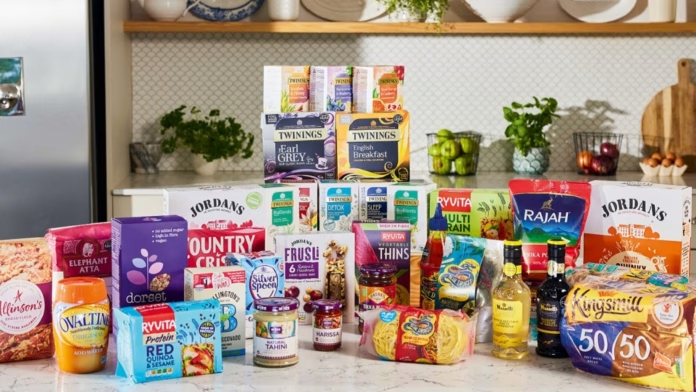
Tata Consumer, a company specializing in the sale of packaged groceries such as salt, staples, water, and tea, has observed a decline in the prominence of direct-to-consumer (D2C) brands that thrived during the pandemic. This change is reflected in the online-only brands’ shift in focus towards local kirana stores, recognizing the significant influence that established firms hold in these traditional retail outlets.
Sunil D’Souza, Managing Director at Tata Consumer, said, “The hype of D2C, which was there during the pandemic, is starting to taper off a bit and that is also one of the reasons why many of the players are now starting to come into the offline world,” Sunil D’Souza.”
“Distribution in general trade in India is not as simple as just putting a product out there and moving along. Companies have spent years building on their distribution systems and these are sources of competitive advantage for the large players,” he added.
D2C brands are defined as businesses that generate a majority of their revenue or customer acquisition through direct-to-consumer online channels or those that initially adopt an online-first distribution strategy before expanding into omnichannel operations.
Tata Consumer, which initially focused on selling tea, coffee, and salt, has significantly broadened its product range over the past few years. In addition to these core offerings, the company has ventured into pulses, spices, ready-to-cook and drink products, and more recently, snacking products. Furthermore, Tata Consumer has intensified its innovation efforts, demonstrating an increased pace by launching 34 new products in the last fiscal year, compared to 19 in FY22.
Nevertheless, many of these emerging product categories witnessed a surge in the number of online-only brands. These brands exhibited innovation by developing products tailored to specific niche markets, capitalizing on consumer data and insights to identify untapped opportunities in the market.
Around two years ago, Tata Consumer successfully acquired a complete ownership of Kottaram Agro Foods, the renowned producer of Soulfull brand of breakfast cereals and millet-based snacks. Interestingly, even their competitors such as Marico, ITC, and HUL have been actively investing in direct-to-consumer (D2C) brands. For instance, Marico acquired a 54% stake in HW Wellness Solutions, the parent company of the popular healthy breakfast and snacks brand True Elements. Similarly, ITC made an investment in Sproutlife Foods (SFPL), the manufacturer of Yoga Bar, while Hindustan Unilever Limited (HUL) invested in Zywie Ventures, which specializes in selling plant-based supplement brand Oziva, and Nutritionalab, the owner of Wellbeing, a line of nutritional products.
The maker of Tata Sampann, Tata Salt and Tata Tea Gold remains unperturbed. “We remain focused on continuing to strengthen this competitive advantage, while at the same time building on our muscles into the D2C space so that we will also continue to take advantage of that shopping behaviour,” D’Souza said.
Associated British Foods, the parent company of Primark as well as significant players in the sugar, foods, and ingredients industries, announced its acquisition of National Milk Records, a dairy technology company. The deal, valued at £48 million ($59.7 million), aims to enhance Associated British Foods’ agri-food division.
While renowned for its flagship value fashion retailer Primark, which contributes to nearly half of its impressive £17 billion revenue, AB Foods also holds significant stature as one of the largest food producers in the United Kingdom. Moreover, the company operates one of the country’s most prominent animal feed businesses.
On Tuesday, AB Foods announced that it would leverage NMR’s expertise in the dairy industry to foster the expansion of its agriculture business. This strategic collaboration aims to integrate data and technology platforms that enable farmers to enhance their profitability, primarily focusing on the British market initially.
“NMR is a high-quality business which is extremely complementary and additive to our dairy strategy and offering to the dairy industry,” said Jose Nobre, head of AB Foods’ AB Agri unit.
The board of NMR has endorsed ABF’s cash offer of 215 pence per share, as per the recommendation. AB Foods confirmed in its statement that it has secured support from investors who collectively hold approximately 69% of the shares, approaching the 75% threshold required for the deal’s approval.
The anticipated timeline for the completion of the deal is during the third quarter.
Through the introduction of premium-quality ghee variants, they aspire to empower individuals to embrace healthier lifestyles and reap the rewards of Ayurvedic superfoods.
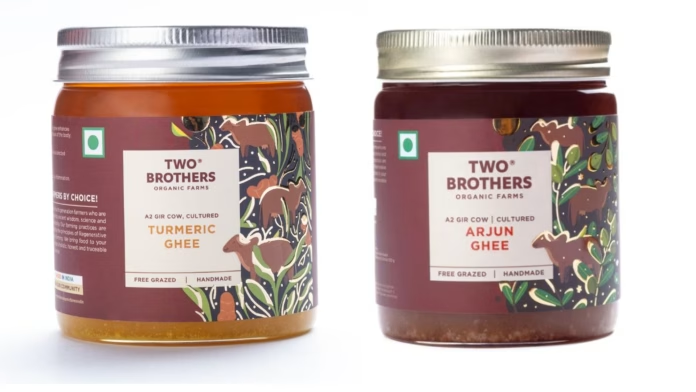
In a bid to cater to the escalating demand for ancient Indian remedies and functional foods, Two Brothers Organic Farms, a highly esteemed provider of natural farm-made products, is thrilled to announce the diversification of their product portfolio. They have now introduced two new variants of ghee: Arjun Ghee and Turmeric Ghee. This strategic move is aimed at capturing the market growth opportunities in both the direct-to-consumer (D2C) and retail sectors. With their unwavering commitment to delivering premium-quality goods, Two Brothers Organic Farms is set to expand its reach and achieve remarkable progress in the industry.
Arjun Ghee, crafted with the bark of the Terminalia Arjuna tree, and Turmeric Ghee, utilizing the potent properties of turmeric, provide distinctive and comprehensive well-being encounters for individuals. These exceptional ghee formulations, enriched with the beneficial qualities of traditional Indian herbs and spices, address specific health objectives like cardiovascular wellness, cholesterol control, and cellular vitality.
With a focus on expanding their presence in the D2C and retail markets, Two Brothers endeavors to enhance their product portfolio. As the popularity of natural and Ayurvedic remedies continues to grow, consumers are actively searching for convenient and easily accessible solutions to promote their well-being. Two Brothers’ strategic entry into the ghee category perfectly aligns with the rising demand for wellness-oriented products. The newly introduced offerings belong to the premium nutrition segment, offering competitive prices starting at just INR 2500 each.
Satyajit Hange, Farmer and Co-Founder of Two Brothers Organic Farms said, “We are thrilled to introduce Arjun Ghee and Turmeric Ghee to our esteemed customers. These new offerings exemplify our commitment to providing high-quality products rooted in ancient Indian wisdom. As we expand our offerings, we aim to meet the evolving needs of health-conscious consumers while driving growth in the D2C and retail channels.”
Two Brothers’ expansion of their product range signifies their strategic vision for long-term growth and expansion in the flourishing market of functional foods and health products. Drawing upon their expertise in traditional Indian remedies and leveraging the potential of e-commerce and retail channels, Two Brothers aims to strengthen their market presence and extend their reach to a broader audience. Through the introduction of premium-quality ghee variants, they aspire to empower individuals to embrace healthier lifestyles and reap the rewards of Ayurvedic superfoods.
Vahdam India, the leading Indian tea and wellness brand, has recently published its annual Impact Report, showcasing its significant contributions to environmental and social initiatives. The report emphasizes the company’s strong commitment to achieving its environmental, social, and governance (ESG) goals.
Vahdam India continues to uphold its reputation as a climate and plastic-neutral brand for the third consecutive year. The company takes proactive measures to offset its carbon footprint by procuring verified carbon credits from the esteemed Gold Standard Foundation based in Switzerland. Furthermore, Vahdam India is committed to becoming a net-zero emission organization, further underscoring its dedication to environmental sustainability.
In its commitment to tackle plastic waste, Vahdam India has successfully attained a net-zero plastic impact by compensating for its plastic consumption through investments in the Neela Sagar project located in Hyderabad. Additionally, the company actively partners with rePurpose Global, a renowned Plastic Action Platform focused on reducing waste, enhancing livelihoods, and restoring ecological balance.
Bala Sarda, Founder and CEO of Vahdam India said, “At Vahdam India, we are committed to making a sustainable impact on both people and the planet, following the ethos of ‘DO GOOD BY DOING GOOD.’ We have been certified as a climate and plastic-neutral brand for three years in a row. Our organization is dedicated to reducing our carbon footprint and actively works on developing packaging materials that prioritize recyclable and sustainable options.”
Vahdam India actively participates in the development of packaging materials and designs that minimize the use of plastic and incorporate a higher proportion of recyclable and environmentally friendly alternatives. A notable example of their commitment is reflected in their pyramid tea bags, which are now exclusively made from 100 percent Non-GMO cornstarch called PLA (Poly Lactic Acid). These tea bags have the remarkable ability to decompose within four days in industrial facilities and take approximately 22-44 months to break down in home composting settings.
In addition to its environmental initiatives, Vahdam India dedicates at least 1 percent of its revenue to the education of farmers’ children through its flagship corporate social responsibility (CSR) program, TEACH ME. Since its inception in 2018, TEACH ME has made a positive difference in the lives of nearly 13,000 children from 68 tea estates, schools, and community centers in West Bengal, Assam, and the Nilgiris regions. The company’s vision for TEACH ME extends beyond these achievements as it aims to broaden its reach to encompass tea, spices, and herb producers, establish direct partnerships with tea growers, enhance digital teaching capabilities in schools, and provide support for alternative career paths for students.
With a background as an alumnus of IIM Ahmedabad, Prashant Verma brings a wealth of experience, accumulating 17 years of expertise across diverse industries.
Prashant Verma, the Chief Revenue and Marketing Officer of Licious, has officially announced his departure from the company on LinkedIn. After dedicating more than 1.5 years to Licious, Verma has decided to pursue new opportunities.
With a background as an alumnus of IIM Ahmedabad, Prashant Verma brings a wealth of experience, accumulating 17 years of expertise across diverse industries. His professional journey encompasses e-commerce, direct-to-consumer (D2C) models, consumer internet, consumer goods, and financial services.
During his tenure at Licious, Prashant Verma held a multifaceted role encompassing several critical areas of responsibility. He was responsible for overseeing full-funnel growth, marketing strategies, category management, quick commerce initiatives, trade channel operations, new city expansion efforts, and business analytics.
Verma’s focus extended beyond just topline revenue; he also closely monitored bottom-line performance, including gross margins and marketing return on investment (ROI). These key metrics were vital in evaluating the overall financial health and success of the company under his leadership.
Before joining Licious, Prashant Verma held a significant position at Blinkit for a period exceeding six years. In this role, he spearheaded the marketing and growth efforts, assuming responsibility for various critical aspects such as brand marketing, growth strategies, digital marketing, customer lifecycle management, and analytics.
Verma’s role at Blinkit encompassed a comprehensive approach to driving the company’s success, combining both strategic brand building and implementing effective growth strategies. His expertise extended to leveraging digital marketing channels, managing customer lifecycle journeys, and utilizing data analytics to drive informed decision-making.
Verma’s professional journey extends beyond his roles at Licious and Blinkit. He has also amassed valuable experience working with renowned organizations such as MullenLowe Lintas, Leo Burnett, and ICICI Bank, among others.
Throughout his career, Verma has demonstrated his versatility by collaborating with leading advertising agencies like MullenLowe Lintas and Leo Burnett, where he contributed to various marketing and brand-building initiatives. Additionally, his experience with ICICI Bank showcases his proficiency in the financial services sector. These diverse professional engagements have further enriched Verma’s skill set and industry knowledge.
Verma’s Linkedin post read, “Professional update: I left Licious last week, where I unlearned, relearned and discovered how type four consumer internet businesses (more on this later) operate. This stint has been extremely fulfilling – hitting new quarterly revenue records, pioneering events in the category, introducing full-funnel growth marketing concepts in D2C, and then breaking new ground on gross margins and marketing efficiencies as the north star shifted to profitability.”
He added, “What’s next? A short break, angel investing and consulting a few startups on integrated growth and marketing (Brand + performance + CLM + product + category + CX), post which I dive into type two consumer internet. More on this shortly.”
With the recent addition of LuvIt, DS Group aims to enhance its confectionery offerings by introducing a diverse range of indulgent chocolates and confectionery products. (Representative Image)
Dharampal Satyapal Group (DS Group), a prominent FMCG conglomerate, is making waves with its latest announcement. The company has successfully acquired The Good Stuff Pvt Ltd (formerly known as Global CP Pvt Ltd), a brand that holds ownership of the renowned LuvIt Chocolate and Confectionery. This strategic move by DS Group aims to not only bolster its confectionery portfolio but also extend its distribution network to encompass grocery stores and various other retail outlets. With this acquisition, DS Group is set to solidify its position in the market and offer a diverse range of delectable treats to consumers.
In 2012, DS Group entered the confectionery business and successfully established a strong lineup of popular non-chocolate brands. These include Pass Pass, Pulse, Chingles, Rajnigandha Silver Pearls, Maze, and a recent partnership with the prestigious Swiss luxury chocolate brand, Läderach, for its introduction in India. Pulse has consistently held a leadership position in the hard-boiled candy segment for the past seven years.
With the recent addition of LuvIt, DS Group aims to enhance its confectionery offerings by introducing a diverse range of indulgent chocolates and confectionery products. The expanded lineup will feature a wide array of tempting treats, such as rich milky chocolate, delightful wafer treats, lollipops with fruit and chocolate flavors, eclairs, sugar-coated chocolates, and choco snacks. This strategic expansion not only reinforces DS Group’s presence in the confectionery market but also caters to the varied preferences of consumers, providing them with a delightful assortment of confectionery options.
Shri Rajiv Kumar, Vice Chairman of DS Group said, “The acquisition of LuvIt was a strategic decision to enrich our confectionary portfolio and establish a strong presence in the chocolate segment. This expansion allows us to diversify our product range, reach new consumers, and explore untapped markets. LuvIt perfectly complements our existing portfolio and aligns with our commitment to innovation and premium quality.”
This integration will enable DS Group to strengthen its geographical footprint, particularly in Southern India, and expand its product offerings. DS Group already holds a significant position in the non-chocolate confectionary segment and will leverage its robust distribution network to benefit Brand LuvIt nationwide.
Founded in 2014, The Good Stuff Pvt Ltd set out on a mission to revolutionize consumer experiences through innovation and uniqueness. In the fiscal year 2021-2022, the company achieved remarkable success, generating a turnover exceeding INR 100 crore. A significant portion of this impressive revenue, around 90 percent, was attributed to the renowned LuvIt brand.
The Indian confectionery market, valued at approximately INR 23,000 crore, is primarily dominated by chocolates, accounting for a substantial 60 percent of the market share, equivalent to INR 13,800 crore. Notably, a recent report projects a steady growth trajectory for the Indian chocolate market, with a Compound Annual Growth Rate (CAGR) of 6.69 percent expected until 2028.
DS Group remains steadfast in its commitment to creating thriving brands across various business categories, all with the aim of delighting consumers. Their unyielding dedication to maintaining high standards of quality and fostering innovation serves as the foundation for building customer loyalty and satisfaction.
Food safety is a critical aspect of maintaining a healthy lifestyle. Every day, people rely on their kitchens to prepare meals for themselves and their families. However, without proper knowledge and precautions, the kitchen can become a breeding ground for foodborne illnesses. On World Food Safety Day, it is essential to raise awareness about the risks associated with unsafe food handling practices and explore life-saving hacks to keep your family safe.
Understanding Foodborne Illnesses
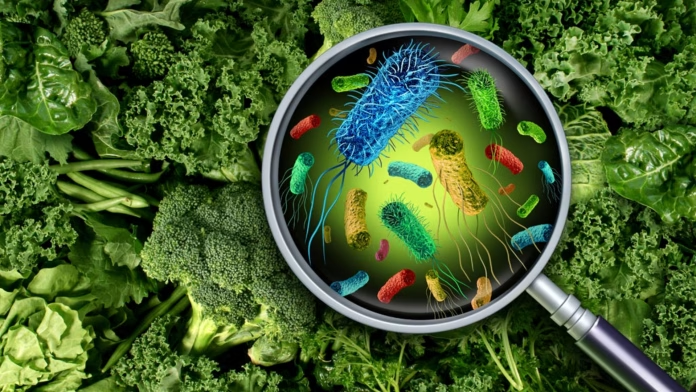
Foodborne illnesses, also known as food poisoning, are diseases caused by consuming contaminated food or beverages. These illnesses can result from the ingestion of harmful bacteria, viruses, parasites, toxins, or chemicals present in the food. Common types of foodborne illnesses include Salmonella, E. coli infection, Norovirus, Campylobacter infection, and Listeriosis.
Common Causes of Foodborne Illnesses
Foodborne illnesses can occur due to various factors, including:
Improper food handling: Poor hygiene practices during food preparation, such as failure to wash hands, can introduce harmful pathogens into the food.
Cross-contamination: The transfer of pathogens from raw foods, such as meat and poultry, to ready-to-eat foods, can occur through contaminated utensils, cutting boards, or hands.
Inadequate cooking or temperature control: Insufficient cooking temperatures may fail to kill bacteria or viruses present in the food. Similarly, inadequate temperature control during storage can lead to bacterial growth and contamination.
Contaminated water: Using contaminated water during food preparation or rinsing fruits and vegetables can introduce harmful microorganisms into the food.
The Kitchen: A Breeding Ground for Foodborne Illnesses
The kitchen environment can harbor numerous potential sources of food contamination. These include raw foods, unwashed produce, contaminated surfaces, kitchen utensils, and pests. It is essential to identify and address these sources to prevent the spread of pathogens and minimize the risk of foodborne illnesses.
High-Risk Areas in the Kitchen:
Certain areas in the kitchen are more prone to contamination than others. These high-risk areas include:
Cutting boards and knives: Cutting boards used for raw meats should be separate from those used for other foods. Knives used for cutting raw foods should be thoroughly washed before being used for other purposes.
Countertops and surfaces: Regularly clean and sanitize countertops and other food preparation surfaces to remove any potential contaminants.
Refrigerator and freezer: Proper temperature control and organization within the refrigerator and freezer are crucial to prevent bacterial growth and cross-contamination.
Utensils and kitchen equipment: Thoroughly wash and sanitize utensils, pots, pans, and other kitchen equipment after each use to eliminate any residual bacteria.
Common Mistakes that Contribute to Foodborne Illnesses
Several common mistakes can contribute to the spread of foodborne illnesses. These include:
Failure to wash hands: Hands should be washed before and after handling food, especially raw meats, and after using the restroom.
Inadequate cleaning of produce: Rinse fruits and vegetables thoroughly under running water to remove any dirt, bacteria, or pesticides.
Improper thawing methods: Thaw frozen foods in the refrigerator, under cold water, or using the microwave. Avoid leaving them at room temperature, as it promotes bacterial growth.
Insufficient cooking: Use a food thermometer to ensure that food reaches safe internal temperatures. Undercooking can leave harmful pathogens alive and increase the risk of foodborne illnesses.
4 Basic Steps for Food Safety
To ensure food safety in your kitchen, it is essential to follow four basic steps: Clean, Separate, Cook, and Chill.
Clean
Proper cleaning is the foundation of food safety. Follow these guidelines:
Wash hands with warm soapy water for at least 20 seconds before and after handling food.
Wash cutting boards, dishes, utensils, and countertops with hot soapy water after each use.
Rinse fruits and vegetables under running water.
Do not wash meat, poultry, fish, or eggs, as it can spread bacteria through splashing water.
Clean the lids on canned goods before opening to avoid contamination.
Separate (Keep Apart)
To prevent cross-contamination, keep raw foods separate from ready-to-eat foods:
Keep raw meat, poultry, seafood, and eggs away from other foods in shopping carts, bags, and the refrigerator.
Avoid reusing marinades used on raw foods unless they are brought to a boil first.
Use separate cutting boards or plates for raw foods to avoid the transfer of harmful bacteria.
Cook
Proper cooking temperatures ensure that food is safe to eat:
Cook meats, such as beef, pork, and lamb, to a minimum internal temperature of 145°F (63°C).
Cook fish to a minimum internal temperature of 145°F (63°C).
Cook ground meats, including ground beef, pork, and lamb, to a minimum internal temperature of 160°F (71°C).
Cook poultry, including turkey, chicken, and duck, to a minimum internal temperature of 165°F (74°C).
Use a food thermometer to accurately measure the internal temperature of cooked foods.
Chill
Proper refrigeration prevents the growth of harmful bacteria:
Refrigerate or freeze cooked or perishable foods within 2 hours of cooking or purchasing. If the temperature is 90°F (32°C) or higher, refrigerate within 1 hour.
Thaw frozen food in the refrigerator, under cold water, or using the microwave.
Marinate foods in the refrigerator.
Follow the 2-Hour Rule to ensure food safety.
Who is at Risk?
While anyone can be affected by foodborne illnesses, certain groups are more vulnerable:
Pregnant Women: Pregnant women are at a higher risk of severe complications from foodborne illnesses. They should take extra precautions to ensure the safety of the food they consume.
Older Adults: Aging can weaken the immune system, making older adults more susceptible to foodborne illnesses. Proper food safety practices are crucial for this age group.
People with Certain Health Conditions: Individuals with underlying health conditions, such as cancer, HIV/AIDS, diabetes, and kidney disease, have compromised immune systems. They are at a higher risk of severe complications from foodborne illnesses.
Food safety awareness is paramount in maintaining a healthy kitchen environment and preventing foodborne illnesses. By following the basic principles of cleanliness, separation, proper cooking, and chilling, individuals can significantly reduce the risk of contamination and keep their families safe. On World Food Safety Day, let us commit to practicing safe food handling techniques, spreading awareness, and creating a safe kitchen environment for all. Remember, prioritizing food safety is a life-saving measure that should be integrated into our daily lives.
Indulge your senses in a gourmet culinary experience with whiskey-infused recipes that tantalize your taste buds and ignite your palate. From appetizers to desserts, these recipes capture the rich, bold, and strong flavors that make whiskey a beloved spirit among connoisseurs. Whether it’s a smoky whiskey-infused BBQ sauce or a decadent whiskey caramel sauce drizzled over a luscious dessert, these recipes elevate your culinary creations to a whole new level.
Get ready to embark on a journey of flavors, where the taste of whiskey takes center stage, creating an unforgettable dining experience that leaves you craving for more.
Rye Whiskey and Cheese:
Experience the perfect pairing of Rye Whiskey and Cheese, where the robust flavors of the whiskey complement the rich and creamy profiles of various cheeses. The smoky and spicy notes of the rye whiskey harmonize with the tanginess and earthiness of aged cheddar, the nuttiness of Gruyere, or the creaminess of Brie. Whether enjoyed on a cheese platter or incorporated into a cheesy dish like a whiskey-infused mac and cheese, this combination is a delight for your taste buds.
Bourbon and Fried Chicken:
Indulge in the mouthwatering duo of Bourbon and Fried Chicken, where the sweetness and caramel notes of bourbon enhance the savory and crispy goodness of fried chicken. The rich and smooth flavors of bourbon pair exceptionally well with the succulent and juicy meat, adding depth and complexity to every bite. Whether you’re enjoying a classic Southern-style fried chicken or putting a twist on the recipe with bourbon-infused marinades or glazes, this combination promises a satisfying and indulgent culinary experience.
Smoky Whiskey and BBQ:
Ignite your taste buds with the irresistible combination of Smoky Whiskey and BBQ. The bold and smoky flavors of the whiskey beautifully complement the rich and tangy profiles of barbecue dishes. Whether it’s smoky ribs, pulled pork, or grilled chicken slathered in whiskey-infused barbecue sauce, the smoky undertones of the whiskey add a delightful complexity and depth to the smoky, charred flavors of the barbecue. It’s a match made in flavor heaven that will leave you craving for more.
Japanese Whiskey and Sushi:
Experience a harmonious fusion of flavors with Japanese Whiskey and Sushi. The smooth and delicate notes of Japanese whiskey perfectly balance the fresh and subtle flavors of sushi. Sip on a glass of Japanese whiskey alongside a plate of sushi rolls, nigiri, or sashimi, and let the mellow and refined flavors of the whiskey complement the delicate fish, the umami-rich soy sauce, and the vibrant flavors of wasabi and pickled ginger. It’s a sophisticated pairing that celebrates the art of Japanese cuisine and the craftsmanship of whiskey making.
Irish Whiskey and Seafood:
Delight your taste buds with the exquisite combination of Irish Whiskey and Seafood. The smooth and slightly sweet characteristics of Irish whiskey pair wonderfully with the delicate flavors of seafood. Whether it’s pan-seared scallops, grilled salmon, or a seafood chowder, the gentle and approachable nature of Irish whiskey adds a subtle warmth and complexity to the fresh and briny flavors of the seafood. It’s a pairing that brings together the best of Irish hospitality and the bounties of the sea.
When it comes to our health, we often hear about the importance of avoiding certain foods. From chocolate to pizza, there is a common belief that these indulgences are bad for our well-being. However, recent research has shed light on the surprising benefits that these so-called “bad” foods can offer. In this article, we will uncover the truth and explore five delicious treats that can actually transform your health.
Peanut Butter:
Peanut butter has long been perceived as a calorie-dense indulgence that should be avoided. However, this delicious spread is packed with nutrients that can benefit your health. Rich in healthy fats, protein, and fiber, peanut butter provides a satisfying and nourishing snack. The monounsaturated fats found in peanut butter can help lower the risk of heart disease, while the protein content supports muscle growth and repair. Additionally, the fiber in peanut butter aids digestion and promotes a feeling of fullness. Opt for natural peanut butter without added sugars or hydrogenated oils for maximum health benefits.
Pizza:
Pizza is often considered a guilty pleasure associated with greasy slices and excessive calorie consumption. However, when prepared with wholesome ingredients, pizza can offer nutritional value. Whole-grain crusts provide dietary fiber and essential minerals, while tomato sauce offers a rich source of lycopene, a powerful antioxidant. Toppings such as vegetables, lean proteins, and even cheese can add essential nutrients to this popular dish. By choosing quality ingredients and controlling portion sizes, pizza can be a tasty and nutritious addition to your diet.
Beer & Stout:
Alcoholic beverages like beer and stout are often stigmatized due to their association with weight gain and liver damage. While excessive consumption can indeed be harmful, moderate intake can have surprising health benefits. Beer, particularly varieties like stout, contains antioxidants, vitamins, and minerals. Research suggests that moderate beer consumption can help improve heart health, reduce the risk of kidney stones, and even contribute to stronger bones. However, moderation is crucial, and it is important to consult with a healthcare professional before incorporating alcohol into your diet.
Chocolate:
Chocolate has long been vilified as a high-calorie, sugar-laden treat that wreaks havoc on our health. However, dark chocolate, in particular, is a nutritional powerhouse. Packed with antioxidants called flavonoids, dark chocolate can help reduce inflammation, lower blood pressure, and improve heart health. Additionally, it contains minerals such as iron, magnesium, and zinc. Opt for dark chocolate with a high cocoa content (70% or more) and enjoy its many health benefits while savoring the rich, indulgent flavor.
Ice Cream:
Ice cream, a beloved dessert, is often associated with weight gain and a host of health issues. However, this frozen delight can be enjoyed in a healthier way. Many brands now offer low-sugar, high-protein, and dairy-free options that cater to various dietary preferences. Ice cream can be a source of essential nutrients like calcium and vitamin D, and it provides a satisfying treat that can help curb cravings. Choosing smaller portions and pairing it with fresh fruits or nuts can make it a guilt-free pleasure.
The idea that certain foods are inherently “bad” for our health is an oversimplification. When consumed in moderation and as part of a balanced diet, foods like peanut butter, pizza, beer and stout, chocolate, and ice cream can offer surprising health benefits. It is crucial to focus on portion sizes, quality ingredients, and mindful consumption to enjoy these treats without sacrificing our well-being. As always, it is essential to consult with healthcare professionals and nutrition experts to tailor your diet to your specific needs. So go ahead and indulge in these so-called “bad” foods, knowing that they can actually contribute positively to your overall health and happiness.
When it comes to college life, eating healthy on a budget can seem like an impossible task. With limited funds and a hectic schedule, it’s tempting to reach for cheap, unhealthy meals. However, maintaining a nutritious diet doesn’t have to break the bank. In this article, we will provide you with some wallet-friendly and delicious recipes that will keep you nourished throughout your college journey.
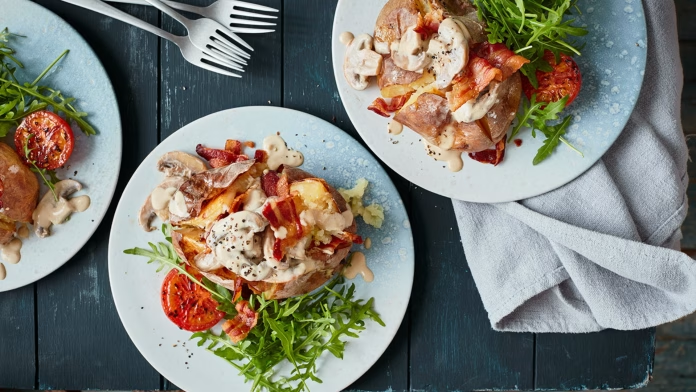
Mushroom, Bacon, and Spinach Egg Muffins:
Start your day with a protein-packed breakfast that includes healthy greens. These mushroom, bacon, and spinach egg muffins are not only nutritious but also easy on the wallet.
Price: INR 412/-
Ingredients:
½ an onion, diced (INR 16/-)
10 pieces of bacon, diced (INR 245/-)
2 cups of mushrooms, sliced (INR 45/-)
2 cups of spinach, finely chopped (INR 19/-)
10 eggs (INR 87/-)
½ tsp. Salt
½ tsp. Pepper
2 tbsp. Healthy Alternatives Pure Olive Oil
Instructions:
In a large skillet, cook the bacon until it starts to crisp up, about 8-10 minutes. Remove from heat and set aside. While the bacon is cooking, dice the onions, mushrooms, and spinach.
Preheat the oven to 375 degrees Fahrenheit. Crack the eggs into a large bowl and whisk them together.
Add the mushrooms, onions, spinach, bacon, salt, and pepper to the bowl and mix everything together.
Grease a large muffin tray with olive oil. Alternatively, use muffin tray liners.
Spoon the egg mixture into the muffin tray, filling each section about ¾ of the way.
Place the tray in the oven and bake for about 20 minutes before serving.
Spiced Tofu Buddha Bowl
Enjoy a savory and wholesome lunch with this spiced tofu buddha bowl. Packed with nourishing toppings, it’s a budget-friendly option that won’t make you compromise on taste or nutrition.
Price: INR 463/-
Ingredients:
½ pound of firm tofu (INR 90/-)
⅓ package of taco seasoning mix (INR 55/-)
¼ cup of salsa (INR 130/-)
¾ cup of brown rice (INR 99/-)
1 cup of kale (INR 35/-)
½ tomato, chopped (INR 18/-)
½ lemon (INR 12/-)
¼ cup of coriander (INR 24/-)
Instructions:
Cook the brown rice as usual, and once cooked, add the juice of one lemon, cilantro, and salt and pepper to taste.
Pour ¼ jar of salsa into a skillet. Cube the tofu into 1-inch squares and add them to the skillet. Cook until the salsa and tofu are warmed thoroughly, about 5 minutes.
Sprinkle the taco seasoning over the tofu. Heat the tofu over medium heat, breaking it up with a spoon as you go.
Toss the tofu, ensuring it is evenly heated and coated in the taco seasoning, for about 4-6 minutes.
Assemble the buddha bowl by layering the brown rice, kale, tomatoes, and tofu mix. Garnish with salsa.
Paleo Chicken and Broccoli
For a quick, easy, and gluten-free dinner, try this flavorful paleo chicken and broccoli dish. It’s a nutritious option that can be prepared in just a few minutes, perfect for busy college days.
Price: INR 348/-
Ingredients:
3 tablespoons of Healthy Alternatives Pure Olive Oil
3 cups of broccoli, cut into bite-size pieces (INR 113/-)
1½ tablespoon of grated ginger (INR 10/-)
1 teaspoon of salt
1 teaspoon of ginger garlic powder (INR 75/-)
1 teaspoon of red chili flakes (or to taste) (INR 45/-)
⅔ cup of soy sauce (INR 50/-)
400g of chicken, cut into bite-size pieces (INR 55/-)
Instructions:
Heat the oil in a large skillet and add the broccoli, ginger, salt, garlic powder, red pepper flakes, and soy sauce.
Cook over medium-high heat for 5 minutes until the broccoli starts to soften.
Add the chicken and increase the heat to high.
Cook until the chicken is fully cooked, stirring regularly, for about 5 minutes.
Serve over zucchini noodles, cauliflower rice, or as it is.
Eating healthy on a budget is not only possible but also essential for your overall well-being. With these wallet-friendly and nutritious recipes, you can enjoy delicious meals without compromising on nutrition or breaking the bank. Remember, a little planning, creativity, and smart shopping can go a long way in maintaining a healthy diet throughout your college journey. So, get cooking and nourish yourself with these affordable and tasty dishes that will keep you energized and focused on your path to success!
We use cookies to ensure that we give you the best experience on our website. If you continue to use this site we will assume that you are happy with it.