This inclusive initiative seeks to create a shared space that benefits all delivery professionals, fostering a supportive environment for their well-being.
Zomato, the popular food delivery aggregator, has recently established a new resting point for its delivery partners at Bengaluru’s Vega City mall. This significant development marks the first of its kind in South India. The launch event was graced by the presence of Tejasvi Surya, the Member of Parliament representing Bengaluru South, who actively participated in the inaugural ceremony.
Surya took to Twitter and wrote, “Set up South India’s 1st Resting Point for Delivery Partners at Vega City Mall in association with @zomato and @vegacitysocial. With essential amenities such as first-aid, drinking water, & clean restrooms, the point will serve as a place for all delivery partners to rest, rejuvenate, and recharge.”
Set up South India's 1st Resting Point for Delivery Partners at Vega City Mall in association with @zomato & @vegacitysocial.
With essential amenities such as first-aid, drinking water, & clean restrooms, the point will serve as a place for all delivery partners to rest,… pic.twitter.com/vJ3VxLbSx4
Zomato had previously made a noteworthy announcement that the resting points set up at Bengaluru’s Vega City mall would not only cater to their own delivery partners but would also be open for the delivery partners of other brands. This inclusive initiative seeks to create a shared space that benefits all delivery professionals, fostering a supportive environment for their well-being.
In February this year, Zomato CEO Depinder Goyal wrote, “Announcing ‘The Shelter Project’ – we’ve started building public infrastructure (Rest Points) to support the well-being of delivery partners of various companies.” High-speed internet, first aid, phone charging facility, washrooms and drinking water are some of the amenities that come with the rest points, which are open to delivery agents from other companies too, Zomato earlier announced.
Additionally, he emphasized the vital role of delivery partners as the “heart and soul” of Zomato’s business. Furthermore, he unveiled Zomato’s future endeavors to establish additional shelter places in the most densely populated areas where their food delivery service operates. Presently, a few rest points have already been set up in Gurgaon, where Zomato’s headquarters are located.
Barista, an Indian coffee chain, has set its sights on securing a INR 100 crore investment to fuel its business expansion plans in the coming two years.
To achieve a target of 500 stores by 2025, the investment plan encompasses the inclusion of both company-owned stores and franchises.
Barista, a coffee chain established in the year 2000, has set its sights on expanding its presence to encompass metropolitan areas, non-metropolitan cities, and city highways.
Rajat Agrawal, CEO, Barista, said, “Investments, which will be required in opening new stores, will be INR 100 crore. This will include our owned stores and franchises as they will be under our umbrella and a part of the overall investment.”
Prominent international brands such as Tim Hortons and Pret A Manger have made their entry into the Indian market and are strategically expanding their operations throughout the country. Tim Hortons, a Canadian multinational, has recently inaugurated two outlets in Mumbai as part of its expansion plans.
While Tata-owned Starbucks in India continues to flourish in metro cities, it is also actively expanding its presence in non-metro areas at a rapid pace.
Currently, Barista operates a total of 362 outlets, spanning across various locations including Sri Lanka, Maldives, Bangladesh, Nepal, and Myanmar.
“We opened 150 outlets over the last three years. With the size growth we have seen, 500 stores is a realistic number. There are two models that we primarily work around, one is going through our network that is the company’s store and the second is where we look at opening franchisee-own stores. There will be nearly 400 plus outlets in the next five to six months and in the next year and a half will open 100 more outlets. We are aligned with the targets,” he said.
The company is actively seeking opportunities to expand its presence beyond metropolitan cities and enhance its store penetration.
“In the last four to five years, the demand from some of the smaller cities has been quite encouraging. During Covid-19, a lot of people moved out from metro cities to non-metros, which also helped us to have a pent-up demand that is now slowly and steadily coming back. I don’t see that there is any decline in that, we are growing at a good pace even in the non-metros. With this kind of inventory, it is obvious for us to look outside metros and return to highways. We are also looking at tier one and tier two cities where there is demand and people are looking at good opportunities,” added Rajat.
A recent study examining consumer shopping behaviors regarding food choices reveals that when presented with a decision between lower prices and healthier foods, individuals tend to prioritize lower prices.
In a study published in the journal Marketing Science, it was discovered that providing temporary incentives to food consumers increases the likelihood of them selecting healthier food options.
However, when the discounts are removed, consumers tend to revert to their previous behavior of purchasing less healthy or less expensive options.
The study focused on the research conducted on the US Special Supplemental Nutrition Program for Women, Infants, and Children (WIC). Under WIC, vouchers for specific foods are provided to mothers and children aged 5 and younger. In 2009, a policy reform was implemented by WIC, altering the composition of food vouchers to include incentives for purchasing healthier products.
According to Marit Hinnosaar, the lead author of the study from the University of Nottingham in the UK, the findings indicate a decrease in the consumption of healthier options among participants once they exit the program.
“During the incentive programme, vouchers were restricted to whole wheat bread and low-fat milk,” she said.
“Since some of these options tend to be more expensive, once the vouchers were no longer available for these products, consumers tended to choose items based on price.”
Nevertheless, the study found no significant variation in the overall quantities of products included in the WIC vouchers during or after the program. This encompassed items such as bread, milk, fruits and vegetables, juice, eggs, and cereal.
“A modest post-programme subsidy once programme participants leave the programme — to incentivise healthier food choices — may be a more sustainable way to lengthen the programme’s impact and lead to long-term healthier food purchases,” Hinnosaar said.
Diageo India, a leading spirits manufacturer, has expressed optimism regarding the opportunities in the Indian market. They strongly advocate for implementing an inflation-indexed price increase and establishing a harmonized tax structure for the liquor industry in the country.
According to Hina Nagarajan, Managing Director and CEO of Diageo India, there is a constant flux of policy changes initiated by state governments.
“Our desired state would be if we could get inflation-indexed price increases. Even an industry which is quite regulated like pharmaceuticals gets that, so our request to the government is please look at some of these models,” said Nagarajan.
She is “optimistic” about this and said “hopefully” it will come as they are working along with the governments on this proposal.
The British spirits maker displays a positive outlook on the overall opportunity in India and strongly advocates for including alcohol under the GST regime. They believe that this move would not only have the collateral benefit of eradicating the illicit liquor trade but also result in a more regulated industry, benefiting both the state governments and the stakeholders involved.
She said route-to-market changes are quite frequent in India. “It’s kind of a matter of routine for us to cope with route-to-market changes in three states but build the business in other states,” she said adding “We have just got used to dealing with this change in policies.”
On changes in the liquor policy in Delhi, she said, “Delhi has changed our business shape and for various reasons, the business has gone down.”
Besides Delhi, there were also changes in the policies of some other states such as Jharkhand and Chhattisgarh, she added.
“But we then tried to pick up business from all the other states in the country and there are so many of them that we can,” she said.
Regarding the home delivery of spirits in India, she mentioned that the concept is in its early stages and is gradually evolving alongside the e-commerce industry.
“We are working with key stakeholders for retailers, the government, etc to see what’s the best way to evolve these models. We are experimenting where we are allowed,” she said.
Nagarajan expects Diageo to be a top-performing CPG company in India delivering a “sustained double-digit, profitable topline growth.”
Diageo India is placing special emphasis on premiumization and innovation, driven by their expectation of a younger, wealthier, and more optimistic India. They anticipate that these factors will contribute to a substantial increase in premiumization within the market.
“Consumer landscape is changing so much that innovation renovation is going to continue to play a pretty transformative role on our portfolio,” she said.
In terms of consumption, India is still one of the lowest countries in the world. “Our penetration level, especially if you look at the luxury end, at scotch, for instance, is 3 per cent.
India is a land of diverse flavors and culinary delights, and one ingredient that shines through in its snack culture is Moong Dal. Whether you prefer the whole green gram with the skin on or the split yellow version, Moong Dal has been a staple in Indian cuisine for centuries. Not only is it a versatile lentil used in soups and curries, but it also forms the base of numerous mouth-watering snacks that will take your taste buds on a thrilling journey. From the bustling streets of Delhi to the colorful markets of Rajasthan and the serene households of Gujarat, here are ten sensational Moong Dal snacks from all over India that are guaranteed to make your evenings delicious.
Ram Ladoo – Delhi’s Winter Favorite Ram Ladoo, a popular street food from Delhi, is a deep-fried snack made with a combination of Moong Dal and Chana Dal. Contrary to its name, Ram Ladoo is not a sweet dish but a savory delight. These round fritters are seasoned with aromatic spices like cumin, dry mango, ginger, and garlic, giving them an irresistible flavor. Served with tangy chutney and garnished with freshly grated radishes, Ram Ladoo is a must-try snack, particularly during the winter months.
Moong Dal Kachori – A Rajasthani Delicacy Rajasthan, known for its crispy and flavorful Kachoris, offers a delightful variation with Moong Dal. Moong Dal Kachori from Jodhpur is packed with spices like asafoetida and chili, giving it a unique Rajasthani twist. These deep-fried, flaky pastries filled with a savory Moong Dal mixture are best enjoyed with a side of chutneys. While you can find them in the streets of Rajasthan, you can also try making them at home to savor the authentic flavors.
Moong Dal Pandoli – A Gujarati Steamed Delicacy Hailing from Gujarat, Moong Dal Pandoli is a steamed snack that bears a resemblance to idlis. Traditionally handcrafted, these dumplings are made by grinding soaked Moong Dal into a smooth batter, which is then steamed to perfection. Moong Dal Pandolis are best enjoyed with chutney and a hot cup of tea. While the traditional method requires some skill, using an idli maker can make the process simpler for home cooks.
Adai Idli – A South Indian Protein-packed Delight Adai Idli, originating from Tamil Nadu, is a delicious and nutritious mixed lentil dish that includes Moong Dal as a key ingredient. These idlis are protein-rich and have a soft and fluffy texture. What sets Adai Idli apart is the absence of a prolonged fermentation process, as they can be prepared quickly by adding fruit salts or baking soda. With their wholesome taste and health benefits, Moong Dal Adai Idlis are a perfect choice for breakfast or an evening snack.
Moonglet – A Vegetarian Omelette Alternative For those seeking a vegetarian and vegan twist on the classic omelette, Moonglet is the answer. Popular in North Indian households and street food stalls in Delhi, Moonglet is a filling and healthy snack made with Moong Dal. These omelette-like creations are packed with chopped vegetables, plenty of Moong Dal, and a blend of spices. The result is a flavorful and satisfying dish that can be enjoyed guilt-free.
Moong Puli – A Nutritious Bengali Snack Bengal and Assam are known for their delectable range of Pithas, and Moong Puli is a lentil-based version of this traditional snack. The outer shell of this fried delicacy is made from Moong Dal, while the stuffing typically consists of coconut and jaggery. The inclusion of Moong Dal adds a balanced nutritional profile to this sweet and savory snack.
Moong Dal Muthiya – A Healthy Gujarati Snack Muthiya is a popular snack from Gujarat traditionally made with gram flour, vegetables, and spices. Moong Dal Muthiya offers a healthier twist by incorporating protein-rich Moong Dal into the mixture. The soaked Moong Dal is ground into a paste, mixed with spices, veggies, sesame seeds, and steamed before being fried with a tadka. Paired with chutney and chai, Moong Dal Muthiya is a delightful and nutritious snack option.
Moong Dal Mangodi – A Rajasthani Holi Specialty In Rajasthan, Moong Dal Mangodi, also known as Moong Dal Vada, holds a special place and is often prepared as a festive dish during Holi. These bite-sized fritters are made by combining Moong Dal batter with spices, herbs like coriander and fenugreek, and then deep-frying them to perfection. With their crunchy texture and aromatic flavors, Moong Dal Mangodi is a savory delight that can be enjoyed on any occasion.
Handvo – A Gujarati Savory Cake Handvo, another Gujarati specialty, is a savory cake that prominently features Moong Dal. This wholesome dish is prepared either in a pressure cooker or a pan and incorporates generous amounts of Moong Dal, bottle gourd, herbs, and spices. Handvo can be pan-fried or steamed, making it a healthier alternative to deep-fried snacks. Its unique taste and texture make it a beloved snack across Gujarat.
Moong Dal Murukku – A South Indian Crunchy Delight Moong Dal Murukku, also known as Paithamparuppu Murukku, is a popular South Indian snack that goes by the name Chakli in North India. Made with a batter of Moong Dal and rice flour, these spiral-shaped treats are deep-fried to a golden crisp. The best part about Moong Dal Murukku is its long shelf life, making it a perfect snack to store at home and enjoy over an extended period.
Final Thoughts:
The world of Moong Dal snacks in India is vast and diverse, offering a plethora of flavors and textures. From the tangy and spicy Ram Ladoo of Delhi to the crispy Moong Dal Kachori of Rajasthan, and the steamed Moong Dal Pandoli of Gujarat to the protein-rich Adai Idli of Tamil Nadu, each snack brings its own unique charm. Whether you’re a fan of deep-fried indulgence or prefer healthier steamed options, there’s a Moong Dal snack to suit every palate. So, embark on this culinary adventure, explore the flavors from all over India, and prepare to have your taste buds tantalized by these mind-blowing Moong Dal snacks. Get ready for a flavor explosion that will leave you craving for more!
As we age, our bodies go through various changes, including changes in our dental health. Seniors may experience tooth loss, gum sensitivity, or difficulty chewing certain foods. It’s essential to adapt their diets to ensure they continue to receive proper nutrition and enjoy their meals. Soft foods are an excellent option for seniors as they are easy to chew, gentle on the teeth, and packed with essential nutrients. In this article, we will explore the top 10 mouthwatering soft food delights perfect for seniors.
Top 10 mouthwatering soft food delights that are perfect for seniors.
Creamy Soups
Warm and comforting, creamy soups are a fantastic choice for seniors. Whether it’s a classic tomato soup or a velvety butternut squash soup, these delights are packed with flavor and can be easily enjoyed without putting excessive strain on the teeth. The creamy texture provides a smooth mouthfeel, and the flavors can be customized with various herbs and spices.
Tender Meat
Tender cuts of meat, such as chicken breast or slow-cooked pot roast, are excellent options for seniors. They are flavorful, easy to chew, and provide important nutrients like protein. Just be sure to cook the meat thoroughly to ensure it is soft and tender. It’s also helpful to cut the meat into small, bite-sized pieces for easier consumption.
Soft Scrambled Eggs
Eggs are a versatile and nutritious option for seniors. Soft scrambled eggs are gentle on the teeth and can be customized with various toppings such as cheese, herbs, or vegetables. They are also a great source of protein, which is vital for maintaining muscle strength. Adding a touch of milk or cream while cooking can make them even softer and more enjoyable.
Cooked Vegetables
Steamed or roasted vegetables are not only tooth-friendly but also packed with vitamins and minerals. Carrots, zucchini, broccoli, and sweet potatoes are just a few examples of vegetables that can be cooked until they are tender and easy to chew. Season them with herbs, spices, or a small amount of butter for added flavor.
Mashed Potatoes
Creamy, buttery, and oh-so-delicious, mashed potatoes are a classic favorite for people of all ages. For seniors, they provide a soft texture that is easy on the teeth while delivering a satisfying burst of flavor. Add a dollop of sour cream or a sprinkle of chives to enhance the taste. Mashed cauliflower or sweet potatoes can be great alternatives for those looking for lower-carbohydrate options.
Soft Fruits
While some fruits may be too hard to eat comfortably, there are plenty of soft options that seniors can enjoy. Ripe bananas, sliced peaches, melon chunks, and mashed avocados are gentle on the teeth and offer natural sweetness and a dose of fiber. They can be enjoyed as they are or blended into smoothies for added variety.
Yoghurt
Smooth and creamy, yogurt is not only gentle on the teeth but also packed with probiotics that support digestive health. Choose unsweetened varieties and add your own toppings, such as fresh berries or a drizzle of honey, for added flavor. Yogurt can be enjoyed as a snack, added to smoothies, or used as a base for creamy sauces.
Oatmeal
A warm bowl of oatmeal is a delightful way to start the day for seniors. It is easy to prepare, customizable with toppings like nuts or dried fruits, and provides essential nutrients like fiber. Opt for the softer varieties and avoid adding too much sugar. Oatmeal can be cooked with milk or water to achieve the desired consistency.
Soft Cheese
Soft cheeses like brie, camembert, or cream cheese are tooth-friendly and burst with flavor. Spread them on whole-grain crackers or enjoy them with slices of ripe pear or apple for a delightful and satisfying snack. Soft cheeses can also be incorporated into recipes like quiches or pasta dishes to add a creamy and tangy touch.
Smoothies
Smoothies are not only refreshing but also an excellent way to consume a variety of fruits and vegetables. Blend together soft fruits like berries, bananas, and mangoes with yogurt or milk for a creamy and nutritious treat that is easy on the teeth. Add spinach or kale for an extra boost of vitamins and minerals.
Tips for Preparing Soft Foods at Home
Preparing soft foods at home can be both convenient and enjoyable for seniors. Here are some tips to keep in mind:
Cook vegetables until they are tender but not overcooked. This ensures they maintain their nutritional value and offer a pleasant texture.
Use slow-cooking methods for meats to achieve tenderness. Slow-cookers and pressure cookers can be valuable tools in creating delicious, soft meats.
Consider using cooking techniques such as steaming or roasting to preserve the flavor and nutrients of the ingredients.
Experiment with different spices, herbs, and seasonings to enhance the flavor of soft foods. This can help seniors enjoy their meals even more.
Invest in kitchen tools that can make meal preparation easier, such as blenders for smoothies or food processors for pureeing vegetables.
Final Thoughts:
Soft foods offer a wide range of delicious options for seniors, ensuring they can enjoy their meals while meeting their nutritional needs. From creamy soups to tender meats and soft fruits, there are numerous mouthwatering choices available. By considering seniors’ dietary needs and following some helpful tips for preparation, caregivers and family members can provide them with nourishing and enjoyable meals. Remember, it’s essential to consult with healthcare professionals or nutritionists to create a well-balanced diet that caters to individual needs. With the right approach, seniors can continue to savor delightful and satisfying food experiences.
Eggs have long been recognized as a nutritional powerhouse, packed with essential nutrients and high-quality proteins. Their versatility in cooking methods makes them a popular choice for many, but when it comes to weight loss, the way you cook your eggs can significantly impact your results.
In this article, we’ll explore the five healthiest ways to cook eggs for weight loss and the five unhealthiest techniques that you should avoid.
The Healthiest Ways to Cook Eggs for Weight Loss
When it comes to healthy egg cooking methods, less is more. These techniques require minimal added fats and flavors, allowing the eggs’ natural goodness to shine. Here are the five healthiest ways to cook eggs for weight loss:
Boiling Eggs: Boiling eggs is a simple and healthy method that preserves most of their nutrients. To boil eggs, place them in a pot, cover with water, and bring it to a boil. Then, reduce the heat and let them simmer for about 4-6 minutes for soft-boiled eggs or 8-12 minutes for hard-boiled eggs, depending on your preference.
Poaching Eggs: Poaching eggs involves cooking them gently in simmering water without adding any additional fat. To poach an egg, bring water to a gentle simmer, add a splash of vinegar, create a whirlpool effect in the water, and carefully drop the egg into the center. Allow it to cook for about 3-4 minutes until the white is set but the yolk is still runny.
Scrambled Eggs: Scrambled eggs can be a healthy option if prepared without excessive butter or oil. Use a non-stick pan or a small amount of cooking spray to prevent sticking. Whisk the eggs with a bit of salt and pepper and cook them over low to medium heat, stirring gently until they reach your desired consistency.
Omelets: Omelets can be a nutritious option when prepared with a variety of vegetables and lean proteins. Use a non-stick pan or cooking spray and cook the beaten eggs over medium heat. Add your desired fillings, such as sautéed vegetables or cooked lean meats, and fold the omelet in half to enclose the fillings.
Steamed Eggs: Steaming eggs is a gentle cooking method that preserves their nutrients. Beat the eggs with a bit of salt and pour the mixture into a heatproof dish. Place the dish in a steamer basket or a pot with a few inches of water, cover, and steam for about 8-10 minutes until the eggs are set.
The Unhealthiest Ways to Cook Eggs for Weight Loss
Conversely, certain cooking methods can turn eggs into weight loss saboteurs. These techniques involve excessive amounts of unhealthy fats or high-temperature cooking, which can degrade the nutritional value of the eggs. Here are the five unhealthiest ways to cook eggs for weight loss that you should steer clear of:
Frying Eggs in Butter/Oil: Frying eggs in butter or oil significantly increases the calorie content of the dish. While a small amount of cooking fat can be part of a balanced diet, using excessive amounts can lead to weight gain. Frying eggs also results in a higher intake of unhealthy saturated or trans fats, which are detrimental to both weight loss and overall health.
Adding High-Fat Ingredients: Preparing egg dishes with high-fat ingredients like bacon, sausage, cheese, or heavy cream can add significant calories and unhealthy fats. While these ingredients can enhance flavor, their excessive consumption can hinder weight loss efforts.
Breading and Deep-Frying Eggs: Coating eggs in breadcrumbs or batter and deep-frying them significantly increases their calorie content. Deep-frying adds unhealthy fats and can result in a calorie-dense and less nutritious dish.
Overcooking Eggs at High Temperatures: Overcooking eggs at high temperatures, such as frying or scrambling them until they are browned or crispy, can result in the formation of harmful compounds and nutrient degradation. It’s best to cook eggs at lower temperatures to retain their nutritional value.
Preparing High-Calorie Curries/Sauces: Preparing egg dishes with calorie-dense sauces like hollandaise sauce or creamy dressings can contribute to weight gain. These sauces often contain added fats, sugars, and other unhealthy ingredients. Similarly, cooking egg curries with a gravy loaded with ghee, butter, cream, spices, fried veggies, and onions can also lead to weight gain.
Final Thoughts:
Eggs are an excellent addition to a weight loss diet due to their nutrient density and low-calorie content. However, the way you cook eggs can make or break their effectiveness in supporting your weight loss goals. By opting for healthy cooking methods like boiling, poaching, scrambling, making omelets, or steaming, you can enjoy the benefits of eggs without sabotaging your weight loss efforts. On the other hand, frying eggs in butter or oil, adding high-fat ingredients, breading and deep-frying eggs, overcooking at high temperatures, or preparing high-calorie curries/sauces can hinder your progress. So, choose your cooking techniques wisely and maximize the weight loss potential of this incredible superfood!
In our quest for better health and well-being, nature has provided us with numerous gifts that have the power to transform our lives. One such miracle seed that has gained significant attention in recent times is Methi Dana, also known as fenugreek seeds.
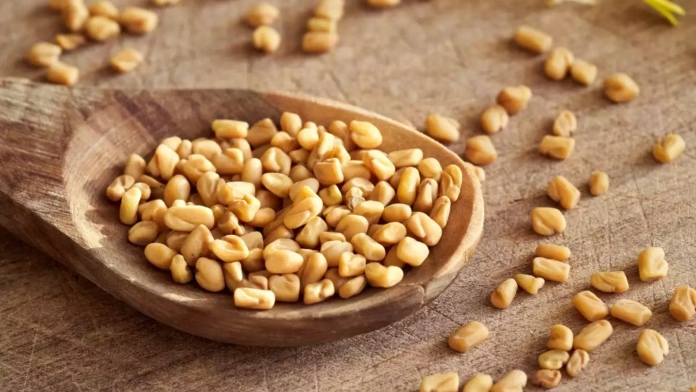
Methi Dana, derived from the fenugreek plant (Trigonella foenum-graecum), is a small, golden-brown seed that is widely used in traditional medicine and culinary practices. It has a distinct bitter taste and a strong aroma, which adds depth and flavor to various dishes. This seed has been used for centuries in Ayurvedic and traditional Chinese medicine due to its medicinal properties.
With its rich nutritional profile and astonishing health benefits, Methi Dana has become a must-have ingredient in many households. From relieving acidity to promoting weight loss and even enhancing hair health, this humble seed packs a powerful punch. In this article, we will delve into the extraordinary qualities of Methi Dana, uncover its nutritional value, and discover the myriad ways it can be incorporated into our diet.
Nutritional Profile of Methi Dana:
Methi Dana is a nutritional powerhouse, packed with essential vitamins, minerals, and antioxidants. It is an excellent source of dietary fiber, protein, iron, magnesium, and manganese. Additionally, it contains vitamins A, C, and B-complex vitamins such as folic acid, riboflavin, and niacin. These nutrients contribute to the various health benefits associated with Methi Dana.
Health Benefits of Methi Dana:
Relieves acidity:
Methi Dana has been traditionally used as a natural remedy for digestive issues, including acidity and heartburn. It helps in neutralizing excess stomach acid and provides relief from discomfort. The mucilage present in Methi Dana forms a protective layer on the stomach lining, reducing the occurrence of acid reflux.
Encourages weight loss:
For individuals looking to shed some extra pounds, Methi Dana can be a valuable addition to their diet. The soluble fiber in Methi Dana helps in promoting feelings of fullness and reducing appetite. It also aids in regulating blood sugar levels and insulin response, which can contribute to weight management.
For Lactating And Pregnant Women:
Methi Dana is often recommended to lactating and pregnant women due to its galactagogue properties. It stimulates milk production in nursing mothers, ensuring an adequate supply of breast milk for the baby. Additionally, Methi Dana contains essential nutrients like iron and calcium, which are crucial for the health and development of both the mother and the baby during pregnancy.
Thick And Luscious Hair:
The seeds of Methi Dana are rich in proteins and amino acids, which are essential for maintaining healthy hair. Regular consumption of Methi Dana can strengthen hair follicles, reduce hair fall, and promote the growth of thick and luscious hair. It can also help in managing common hair problems like dandruff and dryness.
Culinary Uses of Methi Dana:
Methi Dana has a versatile nature and is widely used in both Indian and international cuisines. Its unique flavor adds depth and complexity to a variety of dishes. In Indian cuisine, Methi Dana is commonly used in curries, pickles, and spice blends. It is also used to make methi paratha, a popular Indian flatbread. In international cuisines, Methi Dana is used in dishes like Ethiopian injera bread and Middle Eastern spice blends.
How to Incorporate Methi Dana into Your Diet:
Methi Dana Water:
One simple way to include Methi Dana in your daily routine is by preparing Methi Dana water. Soak a tablespoon of Methi Dana in a glass of water overnight. In the morning, strain the water and consume it on an empty stomach. This helps in improving digestion, detoxification, and boosting metabolism.
Methi Dana Powder:
You can make Methi Dana powder by roasting the seeds and grinding them into a fine powder. This powder can be added to curries, soups, and smoothies to enhance the nutritional value and flavor of the dish.
Methi Dana Sprouts:
Sprouting Methi Dana increases its nutritional content and makes it easier to digest. Rinse the seeds and soak them overnight. The next morning, drain the water and place the seeds in a sprouting jar or a sieve. Rinse them every few hours until sprouts appear. These sprouts can be added to salads, sandwiches, or enjoyed as a healthy snack.
Methi Dana in Cooking:
Methi Dana can be directly added to curries, dals (lentil dishes), and stir-fries to impart a unique flavor. It can also be used as a seasoning for vegetables and rice preparations. Roasted Methi Dana can be ground and used as a spice blend, adding depth to various dishes.
Precautions and Side Effects:
While Methi Dana offers numerous health benefits, it is important to exercise caution and consume it in moderation. Excessive consumption may cause gastrointestinal discomfort, diarrhea, or hypoglycemia in some individuals. Pregnant women should consult their healthcare provider before incorporating Methi Dana into their diet. Additionally, individuals with allergies or taking certain medications should seek medical advice before consuming Methi Dana.
Final Thoughts:
Methi Dana, the miracle seed, is a treasure trove of health benefits and culinary delights. From its historical significance to its remarkable nutritional profile, Methi Dana has captured the attention of health enthusiasts and food lovers alike. Its ability to relieve acidity, aid weight loss, support lactation, and promote hair health makes it a valuable addition to any diet. With its versatile culinary uses and various ways of incorporation, Methi Dana allows you to explore a world of flavors while reaping its numerous health benefits. Embrace the power of Methi Dana and witness the positive transformation it brings to your health and life.
In recent years, nitro coffee has gained significant popularity among coffee enthusiasts and specialty coffee shops. It’s unique characteristics and captivating sensory experience have made it a sought-after beverage, particularly during the summer months. The rise of nitro coffee can be attributed to several factors, including its refreshing nature, creamy texture, and ability to enhance the natural flavors of coffee.
As the demand for nitro coffee continues to grow, more and more coffee shops and even larger chains are incorporating nitro coffee taps into their establishments. This allows them to serve customers with a visually stunning and indulgent coffee experience. The cascading effect and creamy head of nitro coffee create an element of theater that attracts coffee lovers and entices them to try this innovative brew.
Nitro coffee has also become a favorite among those seeking a caffeine fix without the heaviness or bitterness often associated with traditional hot brewed coffee. The nitrogen infusion helps to reduce the perceived bitterness and acidity of the coffee, resulting in a smoother and more balanced flavor profile. This makes nitro coffee an appealing option for those who prefer a milder and more approachable coffee experience.
In addition to its flavor-enhancing properties, nitro coffee offers a refreshing and cooling sensation, making it an ideal beverage for the summer season. The chilled temperature and effervescence of the nitrogen bubbles provide a welcome respite from the heat and a delightful way to energize and invigorate the body.
Creating the Perfect Nitro Coffee
Crafting the perfect nitro coffee requires careful attention to detail and a commitment to quality. Here are some key elements to consider when preparing nitro coffee:
Cold Brew Base: Nitro coffee begins with a high-quality cold brew coffee concentrate. Cold brewing involves steeping coffee grounds in cold water for an extended period, typically overnight. This slow extraction process produces a smooth and less acidic coffee concentrate that serves as the foundation for nitro coffee.
Nitrogen Infusion: Once the cold brew coffee is ready, it is transferred to a keg or container where it is pressurized with nitrogen gas. The nitrogen gas is typically stored separately in a nitrogen generator or tank and is introduced to the cold brew coffee through a tap system. The pressure forces the nitrogen gas to dissolve into the liquid, creating the signature cascading effect and creamy texture.
Tap System: Nitro coffee is often served on draft using specialized tap systems similar to those used for beer. These systems regulate the flow of nitro coffee, ensuring a smooth and controlled pour. The tap handle is usually designed to create a fine, foamy head on top of the coffee, enhancing the visual appeal and overall experience.
Serving Temperature: Nitro coffee is best served cold, typically without ice. The chilled temperature enhances the smoothness and crispness of the coffee, allowing the flavors to shine. Some coffee shops even serve nitro coffee from refrigerated kegs to ensure optimal temperature control.
Glassware: Choosing the right glassware is essential for presenting nitro coffee in all its glory. Tall and narrow glasses, such as pint glasses or tulip-shaped glassware, help showcase the cascading effect and creamy head. The transparency of the glass also allows customers to fully appreciate the visual appeal of the beverage.
Make Nitro Coffee at Home:
While nitro coffee has become increasingly popular in coffee shops and cafes, it is also possible to enjoy this delightful beverage in the comfort of your own home. Here are some tips for preparing nitro coffee at home:
Cold Brew Preparation: Start by preparing a batch of cold brew coffee concentrate. Grind coffee beans to a coarse consistency and combine them with cold water in a container. Let the mixture steep in the refrigerator for 12 to 24 hours, then strain out the grounds using a fine mesh sieve or a coffee filter. The resulting cold brew concentrate will serve as the base for your nitro coffee.
Nitrogen Infusion: To achieve the desired nitrogen infusion, you can either use a nitrogen cartridge system or a nitro coffee keg. Nitrogen cartridges are small canisters that contain compressed nitrogen gas. They can be attached to a nitro coffee dispenser, which dispenses the gas into the cold brew coffee as it is poured. Nitro coffee kegs, on the other hand, require a more substantial investment but offer a more authentic nitro coffee experience. They involve pressurizing the cold brew coffee with nitrogen gas using a keg system and dispensing it through a tap.
Pouring Technique: When pouring nitro coffee at home, it’s important to recreate the cascading effect and creamy head that are characteristic of this beverage. Tilt the glass at a 45-degree angle and pour the nitro coffee slowly down the side of the glass. Gradually straighten the glass as you pour, allowing the nitrogen bubbles to create the cascading effect. Aim to leave some space at the top of the glass for the creamy head to form.
Experiment with Flavors: One of the joys of preparing nitro coffee at home is the ability to experiment with different flavors and additions. You can try adding flavored syrups, such as vanilla, caramel, or hazelnut, to enhance the taste profile of your nitro coffee. Alternatively, you can sprinkle a dash of cocoa powder or cinnamon on top of the creamy head for added aroma and visual appeal.
Enjoy and Share: Once you’ve poured your homemade nitro coffee, take a moment to appreciate the mesmerizing cascading effect and creamy texture. Snap a picture to share with your friends or on social media, and then savor every sip of this velvety-smooth and refreshing beverage.
Final Thoughts:
Whether you’re seeking a refreshing summer beverage, a creamy and smooth coffee experience, or simply a new way to enjoy your daily caffeine fix, nitro coffee is the answer. Its unique characteristics and captivating sensory appeal make it the perfect brew to escape the summer slump and elevate your coffee enjoyment.
Kitchen gadgets are a popular addition to any cooking enthusiast’s arsenal. From blenders to air fryers, these gadgets promise to make our lives easier and our meals more delicious. However, when it comes to steaming vegetables, you may be surprised to learn that you don’t actually need a steamer. In this article, we will delve into the surprising methods of steaming vegetables without a steamer. Get ready to say goodbye to kitchen gadgets and hello to a simpler way of steaming veggies!
The Surprising Method: Steaming Vegetables Without a Steamer
Use A Colander:
One of the easiest and most accessible ways to steam vegetables without a steamer is by using a colander. Follow these simple steps:
Step 1: Fill a pot with an inch or two of water, ensuring that the water level doesn’t touch the bottom of the colander when placed inside the pot.
Step 2: Bring the water to a boil over medium heat.
Step 3: Place the colander on top of the pot, making sure it is stable and not touching the water.
Step 4: Add your vegetables to the colander, covering them with a lid or foil to trap the steam.
Step 5: Steam the vegetables until they reach your desired level of tenderness, typically taking around 5 to 10 minutes, depending on the vegetable.
Using a colander as a makeshift steamer is an excellent option when you don’t have access to a dedicated steamer but still want to enjoy perfectly steamed vegetables.
Use A Wire Rack:
If you have a wire rack that fits inside a pot or pan, you can use it to steam vegetables effectively. Here’s how:
Step 1: Pour an inch or two of water into the pot or pan, making sure it doesn’t touch the bottom of the wire rack.
Step 2: Bring the water to a simmer over medium heat.
Step 3: Place the wire rack inside the pot or pan, ensuring it sits above the water level.
Step 4: Arrange your vegetables on the wire rack, ensuring they are in a single layer.
Step 5: Cover the pot or pan with a lid and steam the vegetables until they are tender, usually taking around 5 to 10 minutes.
Using a wire rack allows the steam to circulate around the vegetables, ensuring even cooking without the need for a dedicated steamer.
Use A Microwave:
Believe it or not, your microwave can be an effective tool for steaming vegetables. Here’s how:
Step 1: Place your vegetables in a microwave-safe bowl.
Step 2: Add a tablespoon or two of water to the bowl to create steam.
Step 3: Cover the bowl with a microwave-safe plate or plastic wrap, leaving a small vent for steam to escape.
Step 4: Microwave the vegetables on high power for 2-3 minutes, checking for doneness and continuing to microwave in 30-second intervals until they reach your desired level of tenderness.
Using a microwave for steaming vegetables is a quick and convenient option, especially when you’re short on time or cooking for one.
Use A Wok:
If you have a wok in your kitchen, you can utilize its versatile shape to steam vegetables without a steamer. Here’s how:
Step 1: Fill the wok with an inch or two of water, ensuring it doesn’t touch the bottom of the steaming tray or plate.
Step 2: Place a steaming tray or heatproof plate on top of the wok, making sure it sits above the water level.
Step 3: Arrange your vegetables on the tray or plate, ensuring they are in a single layer.
Step 4: Cover the wok with a lid and steam the vegetables until they are tender, usually taking around 5 to 10 minutes.
Using a wok for steaming vegetables provides an excellent alternative to a dedicated steamer, especially if you enjoy stir-frying and other Asian cooking techniques.
Tips for Successful Vegetable Steaming
Regardless of the method you choose to steam vegetables without a steamer, here are some general tips to ensure success:
Choose the Right Vegetables: Select fresh, firm vegetables for steaming. Vegetables like broccoli, cauliflower, carrots, asparagus, and green beans are great options.
Cut Vegetables Uniformly: Cut the vegetables into similar sizes to ensure even cooking.
Don’t Overcrowd: Avoid overcrowding the vegetables, as this can lead to uneven cooking. If needed, steam the vegetables in batches.
Season Lightly: Season the vegetables with salt, pepper, or your favorite herbs and spices to enhance their flavor.
Check for Doneness: Test the vegetables with a fork or knife to ensure they are cooked to your desired level of tenderness.
Final Thoughts:
While kitchen gadgets can be fantastic tools, it’s essential to remember that not every cooking technique requires a specialized gadget. Steaming vegetables is a prime example of how you can achieve delicious and healthy results without the need for a steamer. Whether you choose to use a colander, wire rack, microwave, or wok, these surprising methods offer convenience and versatility, allowing you to enjoy perfectly steamed vegetables with ease. So, say goodbye to kitchen gadgets and embrace the simplicity of steaming vegetables without a steamer! Your taste buds and your health will thank you.
We use cookies to ensure that we give you the best experience on our website. If you continue to use this site we will assume that you are happy with it.