When it comes to fitness and maintaining a healthy lifestyle, Dwayne ‘The Rock’ Johnson is an iconic figure. Known for his incredible physique and dedication to fitness, Johnson is also a food enthusiast who enjoys indulging in delicious meals. One of his favorite breakfast recipes is the mouthwatering Coconut Banana Pancakes. These pancakes are not only delectable but also packed with nutritious ingredients.
To prepare Dwayne ‘The Rock’ Johnson’s Coconut Banana Pancakes, gather the following ingredients:
2 cups all-purpose flour (maida)
3 tsp baking powder
3 tbsp cane sugar (regular sugar can be used as an alternative)
1/2 tsp sea salt (common salt can be used instead)
10 tbsp unsweetened shredded coconut
2 medium-sized bananas, diced into small pieces
2 eggs
1 cup coconut water
1 cup coconut milk
3/4 cup whole milk
1 tsp vanilla extract/essence
2 tbsp melted coconut oil
2 tbsp melted unsalted butter (plus more for buttering the griddle)
Extra virgin olive oil spray (for the griddle)
Method:
STEP 1: Mise en place and mix
Begin by sifting the all-purpose flour and baking powder into a large bowl.
Add the cane sugar, sea salt, and shredded coconut to the bowl. Mix these ingredients lightly using a wooden spoon.
In a separate bowl, lightly whisk the eggs, coconut water, coconut milk, whole milk, vanilla extract, melted coconut oil, and melted butter.
Create a well in the center of the flour mixture and pour in the milk mixture. Mix lightly to combine, ensuring that the batter remains clumpy.
Add the diced bananas to the batter and briefly stir to distribute them evenly. Remember not to over-mix the batter; a few lumps are perfectly fine.
STEP 2: Get to cooking
Heat a lightly oiled griddle to 275 degrees or use a frying pan on medium heat. You can use a combination of olive oil spray and butter for greasing the griddle.
Ladle or pour the batter onto the griddle using a 1-cup sized ladle or measuring cup for large pancakes, and a 1/4 cup for smaller ones.
Cook the pancakes until the top surface starts forming bubbles and a few bursts, which usually takes around 2 to 3 minutes. Carefully flip the pancakes using a thin spatula.
Continue cooking until the pancakes turn brown and crisp, which typically takes another 2 to 3 minutes. If needed, add more olive oil spray and butter during the cooking process.
STEP 3: Let’s eat!
Transfer the cooked pancakes to a plate or platter and serve them immediately.
The pancakes taste best when accompanied by 100 percent maple syrup. Additionally, you can follow The Rock’s lead and smother the pancakes in peanut butter for an extra burst of flavor.
Don’t forget to savor each bite and enjoy the explosion of flavors in every mouthful.
Final Thoughts:
Dwayne ‘The Rock’ Johnson’s Coconut Banana Pancakes are more than just a breakfast treat; they are a flavorful and nutritious delight that will make your taste buds explode. With the perfect blend of coconut, banana, and other wholesome ingredients, these pancakes offer a unique twist to the traditional breakfast fare. So, grab your ingredients, fire up the griddle, and indulge in Dwayne ‘The Rock’ Johnson’s secret recipe for Coconut Banana Pancakes.
In the world of cooking, oil has long been a go-to ingredient for frying, providing a crispy texture and delectable flavor to a wide range of dishes. However, recent research has shed light on the potential health risks associated with consuming fried foods regularly. The good news is that there is an alternative cooking technique that not only offers similar results but also provides numerous health benefits: cooking food in salt.
Hot salt frying, a traditional Indian cooking method, minimizes oil usage, retains natural flavors, and imparts essential minerals, making it a healthier and flavorful alternative to conventional frying methods. This article explores the fascinating world of hot salt frying, delving into its origins, the science behind it and its health benefits.
The Origins and Cultural Significance of Hot Salt Frying
Hot salt frying has a rich history rooted in Indian cuisine and is also popular in countries such as Bangladesh, Nepal, Pakistan, China, and Sri Lanka. This technique is often observed at roadside stalls where vendors employ it to make dishes like Muri, a puffed rice delicacy, or to heat peanuts and chickpeas as warm winter snacks. The method involves heating a thick layer of salt in a kadhai or wok until it reaches an extreme temperature, after which the various food items are placed directly on the salt. It is important to note that this technique is most effective for dried items and not suitable for foods requiring batter or crumbs. However, the unique flavor and health benefits it imparts make it a worthwhile endeavor.
Understanding the Science behind Hot Salt Frying
Hot salt frying operates on the principle of using salt as a natural heat conductor. The salt is heated over a medium-high flame until it reaches a high temperature, distributing heat evenly across the cooking surface. One of the key advantages of this method is its minimal oil requirement. The heated salt forms a non-stick surface, reducing the need for excessive oil or fat. By minimizing the oil content, hot salt frying helps to reduce overall calorie intake and associated health risks commonly associated with deep-frying or pan-frying techniques.
The Benefits of Frying in Salt
Retaining Natural Flavors and Textures
One of the remarkable benefits of hot salt frying is its ability to preserve the natural flavors and textures of food. The intense heat rapidly sears the outer layer, sealing in moisture and maintaining the inherent taste of the ingredients. This results in dishes that are not only flavorful but also succulent, enhancing the overall dining experience.
Adding Essential Minerals to the Meal
In addition to preserving flavors, the hot salt used in this cooking technique provides an additional nutritional boost. Salt is a rich source of essential minerals such as iodine, magnesium, and potassium, which are vital for various bodily functions. When food is cooked on a layer of hot salt, these minerals can be absorbed by the ingredients, enhancing the overall nutritional value of the meal.
Quick and Efficient Cooking
Hot salt frying is a quick and efficient cooking method. The high heat of the salt allows for rapid cooking, significantly reducing the overall cooking time. This is particularly advantageous when preparing dishes with time-sensitive ingredients like seafood or delicate vegetables. The shorter cooking duration helps to retain the nutrients in the food, making it a healthier choice overall.
Practicing Moderation and a Well-Balanced Diet
While hot salt frying offers numerous health benefits, moderation is key. Excessive consumption of salt can lead to health problems, such as high blood pressure. Therefore, it is recommended to use hot salt frying as an occasional cooking technique and to balance it with a well-rounded, varied diet. By incorporating a diverse range of cooking methods and ingredients into your meals, you can ensure a balanced and nutritious approach to your culinary adventures.
Final Thoughts:
Hot salt frying presents a revolutionary cooking hack that not only replaces oil with salt but also offers a myriad of surprising benefits and delicious results. This traditional Indian cooking method, rooted in centuries of culinary heritage, provides a healthier alternative to conventional frying techniques. By minimizing oil usage, retaining natural flavors, and introducing essential minerals, hot salt frying enhances the taste, texture, and nutritional value of prepared dishes. It is crucial to exercise in moderation and combine hot salt frying with a well-balanced diet for optimal health benefits. So, why not embark on a culinary journey and explore the world of hot salt frying? Your taste buds and your body will thank you for it!
Step into the heartwarming embrace of home and prepare to embark on a culinary journey that will leave your taste buds dancing with delight. As the joyous festival of Eid approaches, the air becomes infused with the aroma of mouthwatering delicacies. From meaty delights that melt in your mouth to an array of delectable dishes, Eid celebrations in India are a tapestry of cultural variations, blending different flavors, textures, and traditions. Regardless of religious affiliations, the magic of delicious food binds Indians together, weaving a colorful tapestry that is as diverse and vibrant as Eid itself. It is a day of sacrifice and yet one filled with happiness, sharing, and joy. From the bustling streets where tantalizing Eid street food is sold to the gesture of sending biryani to Hindu homes, Eid showcases the spirit of unity and the celebration of love through the universal language of food. So, come along as we delve into the treats of Eid delights, where culinary wonders bring people together and create cherished memories that linger long after the festivities have passed.
Lucknow’s Galouti Kebab: Prepare to be transported to the culinary haven of Lucknow, where the renowned Galouti Kebabs reign supreme. These succulent, melt-in-your-mouth kebabs, made from finely minced meat infused with aromatic spices, will captivate your senses and leave you longing for another bite.
Hyderabad’s Sheer Khurma: Allow yourself to be enchanted by the rich and creamy goodness of Hyderabad’s Sheer Khurma. This luscious, milk-based dessert, adorned with dates, nuts, and vermicelli, will entice your taste buds with its sweet, aromatic flavors, creating a heavenly experience that celebrates the essence of Eid.
Delhi’s Shahi Tukda: Prepare to be seduced by the royal charm of Delhi’s Shahi Tukda. This decadent dessert, featuring deep-fried bread soaked in saffron-infused milk and garnished with silvered almonds and pistachios, is a symphony of textures and flavors that will leave you yearning for each velvety, indulgent bite.
Hyderabad’s Haleem: Get ready to savor the authentic flavors of Hyderabad with the legendary Haleem. This slow-cooked, meat-based dish, blended with lentils, wheat, and aromatic spices, creates a rich, thick stew that is both comforting and tantalizing. The luscious texture and robust flavors will leave you craving for more.
Malerkotla’s Tangdi Kebab: Embark on a journey to the historic town of Malerkotla, where the Tangdi Kebabs reign supreme. These tender, marinated chicken drumsticks, grilled to perfection, will entice your senses with their smoky aroma and juicy, flavorful meat, leaving you longing for their irresistible taste.
Kashmiri Bhuna Ghost: Immerse yourself in the culinary wonders of Kashmir with the tantalizing Bhuna Ghost. This slow-cooked, aromatic mutton dish, infused with Kashmiri spices and flavors, delivers a meltingly tender meat experience that will leave you yearning for the enchanting flavors of the valley.
Aatu Thalaikari Kuzhambu (Tamil Nadu): Allow yourself to be captivated by the traditional flavors of Tamil Nadu with Aatu Thalaikari Kuzhambu. This delectable goat head curry, prepared with a blend of fiery spices and tamarind, creates a symphony of flavors that will ignite your taste buds and leave you craving for the bold, authentic taste.
Delhi Soya Chap: Brace yourself for a delightful vegetarian treat with Delhi’s Soya Chap. These succulent and spiced soy-based cutlets, cooked to perfection, offer a burst of flavors and textures that will leave even meat lovers wanting more. Indulge in the mouthwatering delight of these protein-packed vegetarian kebabs.
Immerse yourself in the diverse and captivating flavors of Eid delights across India, as each dish showcases the rich culinary heritage and unique traditions of its region. From the succulent Galouti Kebabs of Lucknow to the heavenly Sheer Khurma of Hyderabad, these mouthwatering delicacies will ignite your cravings and beckon you to embark on a gastronomic adventure like no other. Prepare to indulge in the exquisite flavors and experience the true essence of Eid through these delectable treats.
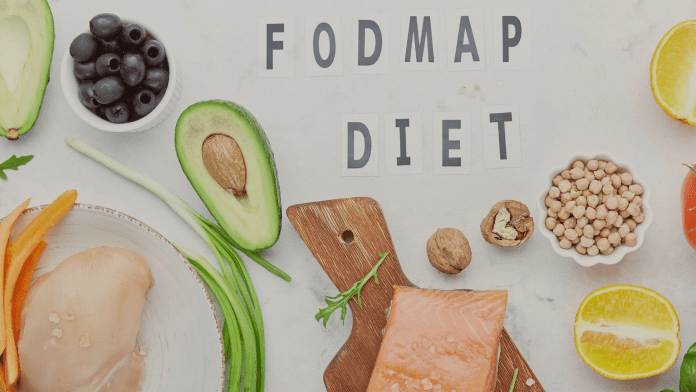
Digestive problems can significantly impact our overall well-being, affecting our daily lives and causing discomfort, pain, and inconvenience. Whether it’s bloating, gas, abdominal pain, or irregular bowel movements, these issues can be distressing and limit our ability to enjoy life to the fullest. Fortunately, there is a lesser-known dietary approach called the FODMAP diet that has shown promising results in managing digestive problems. In this article, we will explore the FODMAP diet, its potential benefits, and how it can revolutionize the way you manage your digestive health.
What are FODMAPs?
FODMAP stands for fermentable oligosaccharides, disaccharides, monosaccharides, and polyols. These are a group of carbohydrates and sugar alcohols that are poorly absorbed in the small intestine. Instead, they are rapidly fermented by bacteria in the gut, leading to the production of gas and other byproducts. High-FODMAP foods include wheat, onions, garlic, dairy products, some fruits, and certain artificial sweeteners.
How FODMAPs Affect Digestion
In individuals with sensitive guts, FODMAPs can trigger digestive symptoms such as bloating, gas, and altered bowel movements. The undigested FODMAPs draw excess water into the intestines, leading to diarrhea in some cases, while in others, they can cause constipation. Additionally, the fermentation of FODMAPs produces gas, leading to bloating and discomfort.
The Science Behind the FODMAP Diet
Research and Evidence Supporting the FODMAP Diet
The FODMAP diet has gained recognition as an effective approach for managing digestive symptoms. Multiple studies have shown its potential in reducing symptoms related to IBS, SIBO, and IBD. The Monash University in Australia has been at the forefront of FODMAP research, developing the diet and conducting clinical trials that have demonstrated its efficacy.
The Mechanism of the FODMAP Diet
The FODMAP diet involves three distinct phases: elimination, reintroduction, and personalization. During the elimination phase, high-FODMAP foods are strictly avoided to allow the gut to settle. Then, in the reintroduction phase, specific FODMAP groups are systematically reintroduced to identify individual triggers. Finally, in the personalization phase, a customized low-FODMAP diet is created, tailored to each person’s tolerances and preferences.
Implementing the FODMAP Diet
Step 1: Elimination Phase
The first step of the FODMAP diet is the elimination phase, which typically lasts for two to six weeks. During this period, high-FODMAP foods are eliminated from the diet to alleviate symptoms and provide relief. It is important to work with a registered dietitian to ensure nutritional adequacy during this restrictive phase.
Step 2: Reintroduction Phase
After the elimination phase, the reintroduction phase begins. Specific FODMAP groups are systematically reintroduced into the diet to identify individual triggers. This phase helps determine which FODMAPs can be tolerated and in what quantities. Keeping a food diary and monitoring symptoms is crucial during this stage.
Step 3: Personalization Phase
The final phase of the FODMAP diet involves personalizing the diet according to individual tolerances. With guidance from a registered dietitian, a customized low-FODMAP diet is created, taking into account each person’s specific triggers and preferences. This phase aims to strike a balance between symptom management and dietary variety.
Foods to Avoid on the FODMAP Diet
High-FODMAP Foods
High-FODMAP foods that should generally be avoided or limited on the FODMAP diet include onions, garlic, wheat, rye, certain legumes, dairy products, apples, pears, honey, and high-fructose corn syrup, among others. These foods have been found to trigger digestive symptoms in susceptible individuals.
Hidden Sources of FODMAPs
In addition to the obvious high-FODMAP foods, there are several hidden sources of FODMAPs that may be lurking in packaged products and condiments. These can include certain sauces, marinades, salad dressings, and even some medications. Reading labels carefully and being aware of potential hidden FODMAP sources is essential.
Foods to Include on the FODMAP Diet
Low-FODMAP Fruits and Vegetables
While some fruits and vegetables are high in FODMAPs, there are plenty of delicious low-FODMAP options to enjoy. These include strawberries, blueberries, oranges, spinach, zucchini, bell peppers, and carrots, among others. Incorporating these into your diet can help provide essential nutrients while minimizing digestive symptoms.
Low-FODMAP Protein Sources
Protein is an important component of any diet, and luckily, there are several low-FODMAP protein sources available. These include lean meats, poultry, fish, tofu, tempeh, and certain types of nuts and seeds. Including these protein sources in your meals can help maintain a balanced and nutritious diet while minimizing FODMAP intake.
Low-FODMAP Grains and Cereals
Grains and cereals are a staple in many diets, and there are several low-FODMAP options to choose from. Quinoa, rice, gluten-free oats, and corn are some examples of grains that are generally well-tolerated. It’s important to select gluten-free options if you have a sensitivity or intolerance to gluten.
Low-FODMAP Dairy Alternatives
For those who are lactose intolerant or sensitive to dairy, there are various low-FODMAP alternatives available. Lactose-free milk, almond milk, rice milk, and lactose-free yogurts are some options that can be included in a low-FODMAP diet. It’s essential to check labels and choose products without added high-FODMAP ingredients.
Potential Benefits of the FODMAP Diet
Improved Digestive Symptoms
The primary benefit of the FODMAP diet is the potential reduction in digestive symptoms. Many individuals who have implemented the diet report significant improvements in bloating, gas, abdominal pain, and irregular bowel movements. By identifying and avoiding individual triggers, the FODMAP diet allows for better symptom management.
Enhanced Quality of Life
Managing digestive problems can greatly improve an individual’s quality of life. By reducing or eliminating symptoms, the FODMAP diet can help individuals regain control over their lives, allowing them to participate in social activities, enjoy meals without fear, and pursue their passions with confidence.
Potential Non-GI Benefits
While the FODMAP diet primarily focuses on managing gastrointestinal symptoms, there is emerging evidence suggesting potential benefits beyond the gut. Some studies have suggested improvements in mood, energy levels, and overall well-being among individuals following the diet. However, further research is needed to fully understand these potential non-GI benefits.
Potential Drawbacks and Considerations
Nutritional Deficiencies
The FODMAP diet, particularly during the elimination phase, can be restrictive and may increase the risk of certain nutrient deficiencies. It is important to work with a registered dietitian who can help create a balanced and nutritionally adequate meal plan to mitigate these risks. Proper supplementation may also be recommended.
Potential Social and Emotional Impact
Adhering to a strict diet can have social and emotional implications. It may require modifications to dining out plans, family gatherings, and other social events. The fear of triggering symptoms or feeling left out can take a toll on emotional well-being. Building a support network and seeking guidance from a dietitian can help navigate these challenges.
Long-Term Sustainability
The FODMAP diet is not intended to be a lifelong approach. It is a tool for identifying individual triggers and developing a personalized dietary plan. After successfully determining individual tolerances, a modified and less restrictive diet can be established. It is crucial to transition to a sustainable long-term eating pattern that meets nutritional needs.
Final Thoughts:
Digestive problems can be debilitating and significantly impact our daily lives. The FODMAP diet offers a promising approach for managing digestive symptoms and improving overall well-being. By identifying and avoiding high-FODMAP foods, individuals can gain control over their digestive health, reduce symptoms, and enhance their quality of life. Remember to consult a registered dietitian to personalize the diet and ensure nutritional adequacy. With the FODMAP diet, you can take charge of your digestive health and reclaim your life.
As the joyous occasion of Eid-ul-Adha approaches, it is time to prepare for the festivities and embrace the spirit of togetherness and gratitude. One of the most delightful aspects of this celebration is the indulgence in homemade desserts that not only satisfy our sweet cravings but also symbolize the abundance and generosity of the season. Whether you are an experienced baker or a novice in the kitchen, preparing homemade desserts adds a personal touch and creates a sense of warmth and love.
If you’re looking to elevate your Eid celebration this year, here are 10 irresistible homemade desserts that will surely delight your loved ones.
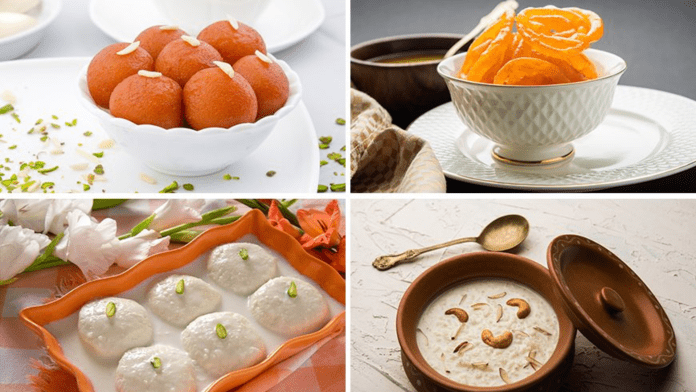
Gulab Jamun: Gulab Jamun is a beloved Indian sweet that is a staple during Eid celebrations. These deep-fried dough balls are made with a mixture of khoya (milk solids), flour, and cardamom, and then soaked in a fragrant sugar syrup infused with rose water or saffron. The result is a soft and luscious dessert that melts in your mouth. Garnished with chopped nuts, Gulab Jamun is best enjoyed warm.
Ras Malai: Ras Malai is a creamy and aromatic dessert that is perfect for Eid. It is made with soft chenna (cottage cheese) balls that are cooked in a sweetened milk syrup flavored with cardamom, saffron, and rose water. After cooking, the Ras Malai is chilled to enhance its refreshing and cooling properties. The combination of the delicate chenna and the flavorful milk syrup creates a heavenly dessert that will leave everyone wanting more.
Shahi Tukda: Shahi Tukda, also known as Double ka Meetha, is a royal dessert that exudes richness and indulgence. It starts with bread slices that are deep-fried until golden and crispy. These fried bread slices are then soaked in a sweetened milk syrup infused with cardamom and saffron. As the bread absorbs the syrup, it becomes soft and creamy. Shahi Tukda is often garnished with chopped nuts, making it a truly decadent treat.
Phirni: Phirni is a chilled rice pudding that is commonly enjoyed during Eid. It is made by grinding rice into a coarse powder and then cooking it with milk, sugar, and aromatic flavors like cardamom, saffron, and rose water. The mixture is simmered until it thickens, and then it is chilled to achieve a creamy and velvety texture. Phirni can be served cold or hot, and it is often garnished with chopped nuts and a sprinkle of fragrant spices.
Sheer Khurma: Sheer Khurma is a rich and indulgent dessert that holds a special place in Eid celebrations. This traditional dish is made with vermicelli noodles cooked in milk and sweetened with sugar. It is infused with aromatic spices like cardamom, saffron, and rose water to enhance its flavor profile. Sheer Khurma is further adorned with a variety of nuts, dried fruits, and sometimes even dates, making it a luxurious and delightful dessert that symbolizes abundance and prosperity.
Kaju Katli: Kaju Katli, also known as Kaju Barfi, is a popular sweet made with cashew nuts, sugar, and cardamom. The cashew nuts are ground into a fine paste, cooked with sugar syrup until it thickens, and then rolled out into thin sheets. The sheets are then cut into diamond-shaped pieces, making for an elegant presentation. Kaju Katli is often garnished with edible silver foil and served at room temperature. Its smooth and nutty flavor makes it a favorite among many.
Kulfi: Kulfi is a frozen dessert that is similar to ice cream but has a denser and creamier texture. It is made by simmering milk until it thickens and reduces, sweetening it with sugar, and flavoring it with cardamom, saffron, and rose water. The mixture is then poured into molds or kulfi cones and frozen until set. Kulfi is enjoyed on a stick, making it a convenient and refreshing treat, especially during the warm Eid celebrations.
Besan Ladoo: Besan Ladoo is a sweet and crumbly dessert made with gram flour, sugar, and ghee (clarified butter). The gram flour is roasted in ghee until it develops a nutty aroma, and then it is mixed with sugar and flavored with cardamom and saffron. The mixture is shaped into small balls and topped with chopped nuts for added texture and taste. Besan Ladoo is not only delicious but also has a good shelf life, making it a perfect treat to share with family and friends.
Jalebi: Jalebi is a popular crispy and syrupy dessert that is enjoyed during festive occasions, including Eid. It is made by fermenting a batter of flour, yogurt, and water, which is then deep-fried until golden and crispy. The fried jalebis are then soaked in a sugar syrup infused with saffron and cardamom, giving them a sweet and tangy flavor. Jalebi’s unique spiral shape and vibrant orange color make it visually appealing and a favorite among both kids and adults.
Burfi: Burfi, also known as Barfi, is a classic milk-based fudge that comes in various flavors and forms. One popular variation is Milk Barfi or Plain Milk Burfi, which is made by evaporating full cream milk until it thickens and solidifies. The solidified milk is then combined with sugar and other flavorings like cardamom or saffron. The mixture is set in a tray and cut into bite-sized pieces, creating a delectable and creamy sweet treat.
Final Thoughts:
Eid celebrations are incomplete without the presence of mouthwatering desserts. These 10 homemade delights offer a range of flavors, textures, and aromas to suit every palate. From the rich and indulgent Gulab Jamun to the refreshing and creamy Kulfi, each dessert brings its own unique charm to the Eid feast. So, roll up your sleeves, gather the necessary ingredients, and embark on a culinary adventure to sweeten your Eid celebration with these irresistible homemade desserts.
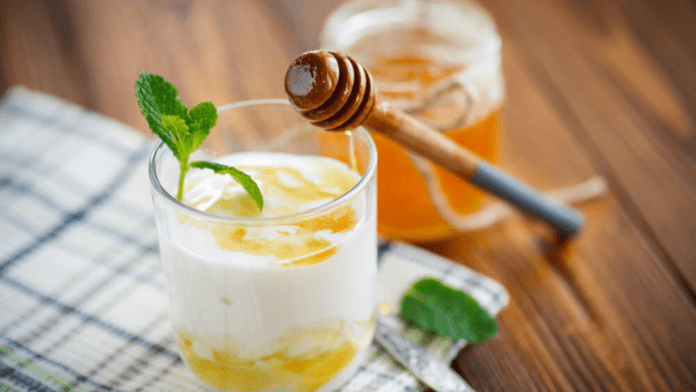
As summer arrives, a popular tradition emerges – indulging in bowls of refreshing curd. This chilled dairy delight not only provides a respite from scorching heat but also contributes to our overall fitness. With its lightness on the stomach and ability to elevate our meals, curd becomes an excellent accompaniment. However, some individuals may not appreciate the taste of plain curd. For those seeking alternatives, fruit yogurt and muesli serve as great choices to increase curd consumption. Additionally, for those with a sweet tooth, the addition of honey transforms curd into a delectable treat that is hard to resist. Now, you must be curious about this combination and its effects.
And here are 5 reasons why, honey mixed with curd creates the best combo for several compelling reasons:
Enhances Taste: The combination of honey and curd results in a flavor explosion that tantalizes the taste buds. The natural sweetness of honey perfectly balances the tanginess of curd, creating a harmonious blend that adds a delightful touch to every spoonful.
Immunity Booster: Both honey and curd possess immune-boosting properties. Honey contains antioxidants and antimicrobial compounds that help strengthen the immune system, while curd contains probiotics that support gut health and enhance overall immunity. By combining these two powerhouse ingredients, you create a potent mixture that aids in fortifying your body’s defense mechanisms.
Aids Digestion: Curd is known for its digestive benefits due to its high content of probiotics, which promote a healthy gut flora. When combined with honey, the mixture becomes even more effective in aiding digestion. Honey contains enzymes that assist in breaking down food, making it easier for the body to absorb nutrients and alleviate digestive discomfort.
Packed with Protein: Curd is an excellent source of protein, which is essential for various bodily functions, including muscle repair and maintenance.
Good for the Gut: The combination of honey and curd promotes a healthy gut environment. Curd’s probiotics help restore the balance of beneficial bacteria in the gut, while honey’s prebiotic properties provide nourishment for these beneficial bacteria. The symbiotic effect of these two ingredients creates a favorable environment for gut health, supporting digestion, nutrient absorption, and overall well-being.
Mixing honey with curd not only enhances the taste but also offers a plethora of health benefits. From boosting immunity to aiding digestion, providing protein, and supporting gut health, this combo is a true powerhouse that can be enjoyed as a nutritious snack or incorporated into various recipes for a flavorful and wholesome experience.
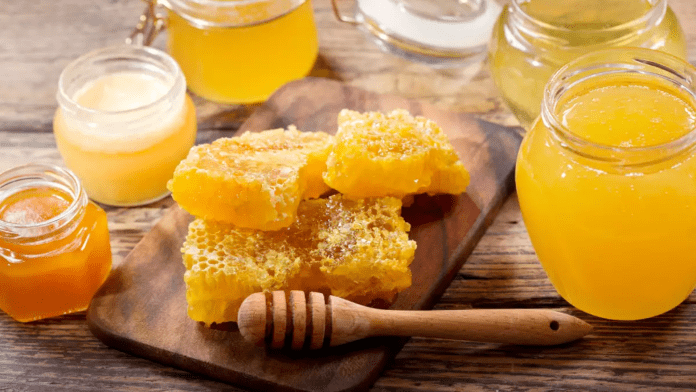
Honey, a natural sweetener derived from the nectar of flowers, has long been cherished for its delicious taste and various health benefits. However, the global market for honey has seen an alarming increase in adulterated products, compromising its quality and purity. In a world where food adulteration is rampant, it becomes crucial to choose the right honey that is free from contaminants and offers genuine health benefits. This article aims to shed light on six heavenly varieties of raw honey that can transform your health and taste buds. By opting for these quality raw honey varieties, you can avoid adulterated ones and ensure a truly delightful and beneficial honey experience.
Eucalyptus Honey: The Herbal Delight
Eucalyptus honey is derived from the nectar of eucalyptus blooms and is primarily produced in Australia. It stands out with its distinct herbal flavor and a faint medicinal aroma. Rich in antimicrobial properties, eucalyptus honey offers a range of health benefits. It is a wonderful source of vitamins and minerals, including vitamin C, potassium, and magnesium. Moreover, it is high in antioxidants, which help fight oxidative stress and support overall well-being.
Rapeseed Honey: The Peppery Wonder
Rapeseed honey, also known as Canola honey, is produced when honeybees pollinate high quantities of the rapeseed plant. It has a white or buttery-yellow appearance, a unique cabbage-like scent, and a slightly peppery flavor. Rapeseed honey boasts impressive healing properties, promoting wound and burn healing. It has also been found to shorten the duration of diarrhea and alleviate symptoms of cold and cough. Additionally, it is rich in antioxidants, contributing to its health-boosting qualities.
Jamun Honey: The Dark Amber Elixir
Jamun honey is produced by bees that predominantly feed on Indian blackberries, also known as Jamun. This exquisite honey is harvested in August when the Jamun flowers bloom, primarily in the south Karnataka region. Jamun honey exhibits a dark amber color and is less sweet compared to other varieties. It is prized for its potential to aid in managing diabetes, thanks to its low glycemic index. Furthermore, Jamun honey offers various health benefits, including its antioxidant properties and potential antibacterial effects.
Acacia Honey: The Light and Transparent Gem
Acacia honey is derived from the nectar of the black locust, commonly referred to as the false acacia tree. It is characterized by its light color, often appearing almost transparent. Acacia honey stands out for its strong antioxidant and antibacterial effects, making it a valuable addition to your pantry. This variety of honey has been associated with wound healing properties and may even help with acne management. Its delicate flavor and numerous health benefits make it a popular choice among honey enthusiasts.
Multiflora Honey: A Symphony of Flavors
As the name suggests, multiflora honey is produced naturally by honeybees when they feed on a variety of blooms during the spring season. This type of honey showcases a delightful aromatic aroma, a creamy appearance, and a distinct flavor derived from the diverse floral nectars. Multiflora honey is believed to offer a wide range of health benefits, including relief from cough, cold, fever, throat infections, allergies, skin disorders, gum infections, high blood pressure, and diabetes. Its versatility and therapeutic properties make it a sought-after choice for honey lovers.
Sunflower Honey: The Radiant Yellow Essence
Harvested from sunflower fields in Nagpur, Maharashtra, sunflower honey is a true gem with its vibrant yellow color. It possesses unique qualities that make it a beneficial addition to your diet. Sunflower honey has been associated with potential benefits for stomach and intestine problems, lung and renal ailments, and particularly heart and blood vessel diseases. With its distinct taste and health-enhancing properties, sunflower honey is a valuable option for those seeking a holistic approach to well-being.
Final Thoughts:
Choosing the right honey is paramount to ensure you reap the genuine health benefits and savor the delightful flavors it offers. With honey adulteration on the rise, it is essential to be vigilant and opt for quality raw honey varieties. The six heavenly raw honey varieties discussed in this article, including eucalyptus honey, rapeseed honey, jamun honey, acacia honey, multiflora honey, and sunflower honey, provide an authentic honey experience, free from adulteration. By embracing these raw honey varieties, you can sweeten your life, transform your health, and indulge in the pure essence of nature’s golden gift. Say no to fake honey and embark on a journey of taste and well-being with these exquisite raw honey varieties.
Are you ready to toast to your favorite TV shows in the most epic way possible? Get ready to raise your glass and embark on a boozy adventure through the realm of television spin-off drinks! These tantalizing libations take inspiration from beloved series like Game of Thrones and Breaking Bad, delivering flavors that will leave your taste buds in awe. Whether you fancy a sip of the iconic Game of Thrones Scotch or a refreshing Breaking Bad Beer, these TV-inspired beverages are about to take your drinking experience to a whole new level. Get ready for a taste sensation that will have you exclaiming, “Cheers to the small screen!”
The Simpsons Duff Beer: Inspired by the long-running animated series, The Simpsons, Duff Beer is a beloved spin-off drink that brings the fictional beer from the show to life. This lager-style beer captures the essence of the iconic Springfield brew, complete with its vibrant yellow color and distinct taste. With its witty branding and a hint of nostalgia, cracking open a can of Duff Beer is like stepping into the animated world of Homer, Marge, and their mischievous children.
Peaky Blinders Irish Whiskey: Paying homage to the gritty British period crime drama, Peaky Blinders, this spin-off whiskey captures the spirit of the notorious Shelby family. Crafted with precision and intensity, this Irish whiskey reflects the show’s dark and complex themes. With its rich caramel notes, smooth finish, and a touch of smokiness, sipping on Peaky Blinders Irish Whiskey is like joining Tommy Shelby and his gang in the dimly lit streets of Birmingham.
Breaking Bad ‘Heisenberg’ Blue Ice Vodka: Inspired by the hit TV series Breaking Bad, this spin-off vodka embraces the infamous alias of Walter White, ‘Heisenberg,’ and his signature blue methamphetamine. Crafted with the highest quality ingredients, this premium vodka boasts a crystal-clear appearance, but it’s the subtle blue hue that pays homage to the show’s notorious drug. With its smooth and clean profile, sipping on ‘Heisenberg’ Blue Ice Vodka is like taking a journey through the gripping world of chemistry and crime.
Game of Thrones Single Malt Scotch Whiskey: Designed to transport fans to the medieval fantasy world of Westeros, this spin-off scotch whiskey is a tribute to the epic series, Game of Thrones. Crafted by renowned distilleries, each bottle represents one of the iconic houses from the show, such as House Stark or House Lannister. With its complex flavors, ranging from smoky and peaty to fruity and rich, this single malt scotch whiskey captures the essence of the Seven Kingdoms, allowing fans to savor the spirit of their favorite characters.
Pawtucket Patriot Ale from Family Guy: Straight from the fictional town of Quahog, Rhode Island, comes the Pawtucket Patriot Ale, a spin-off beer inspired by the animated sitcom Family Guy. With its humorous branding and witty references, this American-style ale embodies the irreverent and offbeat nature of the show. Sip on this refreshing brew, and you’ll feel like you’re sitting in The Drunken Clam, sharing laughs with Peter Griffin and his eccentric gang of friends.
The Walking Dead Blood Red Blend Wine: This spin-off wine takes inspiration from the thrilling post-apocalyptic series, The Walking Dead. With its deep, dark red color reminiscent of blood, this bold and intense blend captures the essence of survival and suspense. The complex flavors of blackberries, dark chocolate, and spices create an immersive sensory experience, transporting fans to the world of walkers and relentless struggles for survival.
Outlander Wine Collection: Inspired by the time-traveling romance series, Outlander, this spin-off wine collection invites fans to indulge in a taste of the Scottish Highlands. Crafted with passion and attention to detail, each bottle reflects the characters and landscapes of the show. From a crisp Sauvignon Blanc that evokes the fresh Scottish air to a rich and velvety Pinot Noir that echoes the intensity of Jamie and Claire’s love, these wines provide a sensory journey through the sweeping landscapes and captivating romance of the series.
Breaking Bad Schraderbräu Beer: Named after DEA agent Hank Schrader from Breaking Bad, Schraderbräu is a spin-off beer that captures the essence of the show’s brewing subplot. This German-style lager is crafted with meticulous attention to detail, reflecting Hank’s passion for homebrewing. With its crisp and clean taste, Schraderbräu Beer is a nod to Hank’s relentless pursuit of quality and authenticity, offering fans a chance to raise a glass in tribute to their favorite character.
Star Trek Wines: Embark on a cosmic journey with the Star Trek Wines, a spin-off collection inspired by the iconic science fiction franchise. Each bottle pays homage to various Star Trek series and characters, inviting fans to explore the vastness of space with every sip. From a bold and adventurous Captain Picard-themed Châteauneuf-du-Pape to a vibrant and energetic Captain Kirk-themed Cabernet Sauvignon, these wines combine the sophistication of wine with the thrill of intergalactic exploration, boldly going where no wine has gone before.
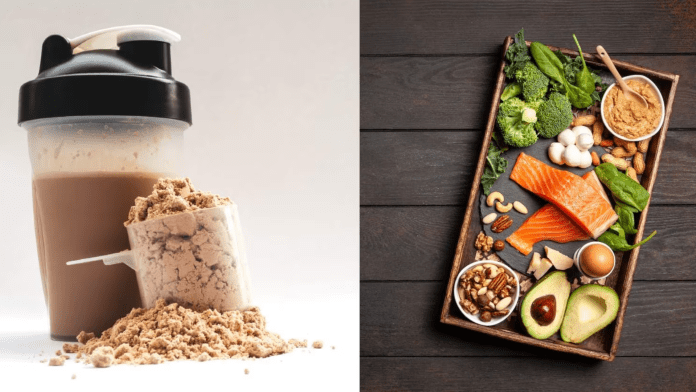
When it comes to building muscle, protein is often hailed as the holy grail of nutrients. It plays a crucial role in muscle growth and repair, making it an essential component of any fitness enthusiast’s diet. However, a debate has been brewing among fitness circles: is it better to eat protein or drink it in the form of shakes and supplements? In this article, we will delve into this shocking revelation and uncover the truth behind whether eating or drinking protein can truly transform your muscle gains forever.
Protein Sources
Animal-Based Proteins
Animal-based proteins, such as lean meats, poultry, fish, eggs, and dairy products, are considered complete protein sources as they contain all essential amino acids. These sources are highly bioavailable, meaning they are easily absorbed and utilized by the body.
Plant-Based Proteins
Plant-based proteins, such as legumes, tofu, tempeh, quinoa, nuts, and seeds, are also valuable sources of protein. While some plant-based sources may lack certain essential amino acids, consuming a varied diet can ensure all essential amino acids are obtained. Plant-based proteins offer additional benefits like fiber and phytonutrients.
Protein Supplements
Protein supplements provide a convenient and efficient way to meet your protein requirements. They come in various forms, including powders, bars, and ready-to-drink shakes.
Protein Powders
Protein powders, such as whey, casein, and plant-based options like pea, soy, and rice protein, are widely popular among fitness enthusiasts. They are easy to incorporate into your diet and can be mixed with water, milk, or blended into smoothies.
Protein Bars
Protein bars offer a portable and on-the-go protein option. They are convenient and often provide a balanced mix of protein, carbohydrates, and fats. However, it’s important to choose bars with high-quality ingredients and minimal added sugars.
Ready-to-Drink Protein Shakes
Ready-to-drink protein shakes are pre-mixed protein beverages that provide a quick and easy source of protein. They are available in various flavors and can be consumed immediately post-workout or as a snack between meals.
Protein Supplements and Convenience
Protein supplements are favored for their convenience. They can be easily carried, require minimal preparation, and provide a concentrated dose of protein. This makes them especially useful for individuals with busy lifestyles or those who struggle to meet their protein needs through whole food sources alone.
Absorption Rate and Timing
The rate at which protein is absorbed and utilized by the body can influence its effectiveness in supporting muscle growth. Different protein sources and forms have varying absorption rates. For instance, whey protein is rapidly absorbed, while casein protein is digested more slowly.
The timing of protein consumption is also crucial. Consuming protein before or after a workout can optimize muscle protein synthesis and aid in recovery. However, the overall daily protein intake and distribution across meals are more important than specific timing around workouts.
Eating Protein vs. Drinking Protein
Digestion and Absorption
When you consume protein through whole foods, it goes through the process of digestion, where it gets broken down into amino acids before absorption. On the other hand, protein supplements like powders and shakes are already in a pre-digested form, allowing for quicker absorption.
Convenience and Portability
Eating whole food sources of protein may require meal preparation and refrigeration. In contrast, protein supplements offer convenience and portability, making them easier to incorporate into a busy lifestyle or when you’re on the go.
Taste and Variety
Whole food sources provide a wide range of flavors, textures, and cooking methods, allowing for greater taste variety and culinary exploration. Protein supplements often come in a limited number of flavors, and while efforts have been made to improve taste, they may not always match the sensory experience of whole foods.
Cost
Protein supplements, especially high-quality ones, can be more expensive than whole food protein sources. Whole foods can provide essential nutrients beyond protein, making them a more cost-effective option in terms of overall nutrition.
Satiety and Fullness
Whole food sources of protein often provide more satiety and fullness due to their higher fiber and water content. This can help control appetite and prevent overeating. Protein supplements, while offering convenience, may not provide the same level of satiety as whole foods.
Maximizing Muscle Gains
Individual Preferences and Goals
Choosing between eating and drinking protein ultimately depends on individual preferences, goals, and lifestyle factors. Some individuals may find it more convenient to incorporate protein supplements into their routine, while others may prefer whole food sources for taste, variety, and overall nutrition.
Complementary Nutrition
While protein is essential, it’s important to prioritize overall nutritional balance. Whole foods provide a wide range of vitamins, minerals, and phytonutrients that contribute to optimal health. Combining protein supplements with a well-rounded diet rich in fruits, vegetables, whole grains, and healthy fats can further enhance muscle gains and overall well-being.
Training and Exercise
While protein consumption is crucial, it should be complemented by a well-designed training program that includes resistance exercise and progressive overload. Regular and challenging workouts stimulate muscle growth, and protein acts as the building block to support that growth.
Rest and Recovery
Adequate rest and recovery are vital for muscle gains. Sleep, stress management, and proper hydration contribute to optimal recovery and muscle repair. Remember that muscle growth occurs during rest, so allow sufficient time for your body to recover between workouts.
Final Thoughts:
Both eating and drinking protein can contribute to muscle gains and support your fitness goals. The key is to ensure you’re meeting your daily protein requirements through a combination of whole food sources and supplements, based on your individual preferences, lifestyle, and goals. Prioritize a well-balanced diet, choose high-quality protein sources, and complement your nutrition with an appropriate training program and adequate rest. By finding the right balance, you can transform your muscle gains and achieve long-lasting results.
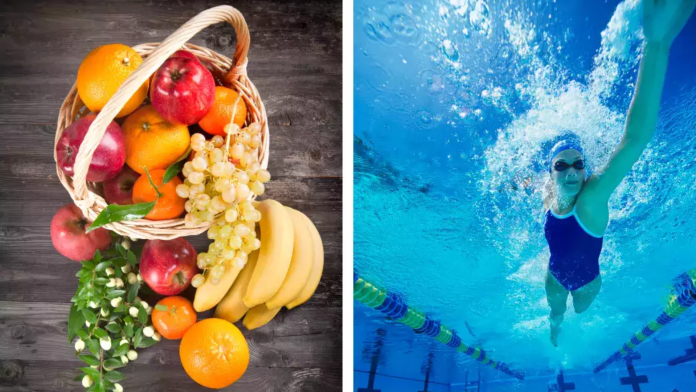
Dive into a world of culinary excellence as we unlock the secrets to enhancing your speed and endurance in the pool! If you’re a swimmer, you know that what you put into your body plays a crucial role in your performance. Whether you’re gliding through the water like a graceful dolphin or aiming to shatter your personal records, this article is your ultimate guide to crafting a diet that will take your swimming game to the next level. So grab your goggles, adjust your swim cap, and get ready to fuel up with a smorgasbord of delicious and nutritious treats. From the ocean of protein-packed meals to the pool of energy-boosting snacks, we’ve got you covered with all the tips, tricks, and mouth-watering recipes you need to propel yourself to new depths of aquatic greatness. Get ready to make waves both in and out of the water with the ultimate diet for swimmers!
Swimmer’s Diet and the Science Behind It
To excel in the pool, swimmers require a diet that maximizes energy levels, promotes muscle recovery, and optimizes performance. The swimmer’s diet emphasizes nutrient-dense foods that provide a balance of carbohydrates, proteins, and fats. These macronutrients fuel the body, aid in muscle repair, and support sustained energy during grueling swim sessions. Additionally, the diet prioritizes proper hydration to ensure optimal performance and prevent dehydration.
Decoding the Macronutrients
Carbohydrates: The Powerhouse Fuel for Swimmers
Carbohydrates are a swimmer’s best friend. They provide the primary source of energy for training and competition. Complex carbohydrates such as whole grains, fruits, and vegetables are ideal for sustained energy release. They replenish glycogen stores and help swimmers power through intense workouts.
Some examples of complex carbohydrate sources include:
• Whole-grain bread
• Brown rice
• Oats
• Whole wheat pasta
• Quinoa
• Fruits
• Vegetables
Proteins: The Building Blocks for Muscles
Proteins play a vital role in repairing and building muscles, which is crucial for swimmers looking to improve strength and endurance. Lean sources of protein like poultry, fish, beans, and legumes are essential for muscle recovery and growth.
Fats: The Essential Energy Reserve
Contrary to popular belief, healthy fats are a valuable component of the swimmer’s diet. They provide sustained energy, support brain function, and aid in the absorption of fat-soluble vitamins. Incorporating sources like avocados, nuts, seeds, and fatty fish into the diet can contribute to overall performance and endurance.
How the Swimmer’s Diet Helps with Weight Loss
The swimmer’s diet can also be effective for weight loss. Swimming itself is a calorie-burning exercise, and when combined with a well-balanced diet, it can help shed excess pounds. The diet’s focus on nutrient-dense foods and portion control ensures that swimmers maintain a calorie deficit while still receiving essential nutrients. By fueling the body with the right foods, swimmers can achieve weight loss goals without compromising performance or overall health.
Dos and Don’ts of the Swimmer’s Diet
Dos:
Do prioritize whole, unprocessed foods for optimal nutrition.
Do consume a variety of fruits and vegetables to obtain a range of vitamins and minerals.
Do hydrate adequately before, during, and after swimming sessions.
Do maintain a calorie balance that supports your activity level and goals.
Do incorporate lean proteins to aid in muscle repair and growth.
Don’ts:
Don’t rely on sugary snacks or drinks for quick energy; opt for healthier alternatives.
Don’t skip meals; consistency is key to maintaining energy levels.
Don’t overlook the importance of hydration; dehydration can impair performance.
Don’t neglect the role of rest and recovery in the overall training regime.
Don’t make drastic changes to your diet right before a competition; allow time for adjustments and experimentation.
The swimmer’s diet is a comprehensive approach to nutrition that fuels speed, endurance, and overall performance in the pool. By understanding the importance of macronutrients, swimmers can optimize their dietary choices to support their swimming goals. Whether you’re aiming to lose weight or enhance your swimming abilities, adhering to the dos and don’ts of the swimmer’s diet will set you on the path to success. So dive in, embrace the power of proper nutrition, and propel yourself to new heights in the water!
We use cookies to ensure that we give you the best experience on our website. If you continue to use this site we will assume that you are happy with it.