Wednesday, December 24, 2025
Home Blog Page 1098

Are you cooking eggs the right way? Learn the 5 best and worst techniques for maximum weight loss!

0
cooking eggs

Eggs have long been recognized as a nutritional powerhouse, packed with essential nutrients and high-quality proteins. Their versatility in cooking methods makes them a popular choice for many, but when it comes to weight loss, the way you cook your eggs can significantly impact your results.

In this article, we’ll explore the five healthiest ways to cook eggs for weight loss and the five unhealthiest techniques that you should avoid.

The Healthiest Ways to Cook Eggs for Weight Loss

When it comes to healthy egg cooking methods, less is more. These techniques require minimal added fats and flavors, allowing the eggs’ natural goodness to shine. Here are the five healthiest ways to cook eggs for weight loss:

  1. Boiling Eggs: Boiling eggs is a simple and healthy method that preserves most of their nutrients. To boil eggs, place them in a pot, cover with water, and bring it to a boil. Then, reduce the heat and let them simmer for about 4-6 minutes for soft-boiled eggs or 8-12 minutes for hard-boiled eggs, depending on your preference.
  1. Poaching Eggs: Poaching eggs involves cooking them gently in simmering water without adding any additional fat. To poach an egg, bring water to a gentle simmer, add a splash of vinegar, create a whirlpool effect in the water, and carefully drop the egg into the center. Allow it to cook for about 3-4 minutes until the white is set but the yolk is still runny.
  1. Scrambled Eggs: Scrambled eggs can be a healthy option if prepared without excessive butter or oil. Use a non-stick pan or a small amount of cooking spray to prevent sticking. Whisk the eggs with a bit of salt and pepper and cook them over low to medium heat, stirring gently until they reach your desired consistency.
  1. Omelets: Omelets can be a nutritious option when prepared with a variety of vegetables and lean proteins. Use a non-stick pan or cooking spray and cook the beaten eggs over medium heat. Add your desired fillings, such as sautéed vegetables or cooked lean meats, and fold the omelet in half to enclose the fillings.
  1. Steamed Eggs: Steaming eggs is a gentle cooking method that preserves their nutrients. Beat the eggs with a bit of salt and pour the mixture into a heatproof dish. Place the dish in a steamer basket or a pot with a few inches of water, cover, and steam for about 8-10 minutes until the eggs are set.

The Unhealthiest Ways to Cook Eggs for Weight Loss

Conversely, certain cooking methods can turn eggs into weight loss saboteurs. These techniques involve excessive amounts of unhealthy fats or high-temperature cooking, which can degrade the nutritional value of the eggs. Here are the five unhealthiest ways to cook eggs for weight loss that you should steer clear of:

  1. Frying Eggs in Butter/Oil: Frying eggs in butter or oil significantly increases the calorie content of the dish. While a small amount of cooking fat can be part of a balanced diet, using excessive amounts can lead to weight gain. Frying eggs also results in a higher intake of unhealthy saturated or trans fats, which are detrimental to both weight loss and overall health.
  1. Adding High-Fat Ingredients: Preparing egg dishes with high-fat ingredients like bacon, sausage, cheese, or heavy cream can add significant calories and unhealthy fats. While these ingredients can enhance flavor, their excessive consumption can hinder weight loss efforts.
  1. Breading and Deep-Frying Eggs: Coating eggs in breadcrumbs or batter and deep-frying them significantly increases their calorie content. Deep-frying adds unhealthy fats and can result in a calorie-dense and less nutritious dish.
  1. Overcooking Eggs at High Temperatures: Overcooking eggs at high temperatures, such as frying or scrambling them until they are browned or crispy, can result in the formation of harmful compounds and nutrient degradation. It’s best to cook eggs at lower temperatures to retain their nutritional value.
  1. Preparing High-Calorie Curries/Sauces: Preparing egg dishes with calorie-dense sauces like hollandaise sauce or creamy dressings can contribute to weight gain. These sauces often contain added fats, sugars, and other unhealthy ingredients. Similarly, cooking egg curries with a gravy loaded with ghee, butter, cream, spices, fried veggies, and onions can also lead to weight gain.

Final Thoughts:

Eggs are an excellent addition to a weight loss diet due to their nutrient density and low-calorie content. However, the way you cook eggs can make or break their effectiveness in supporting your weight loss goals. By opting for healthy cooking methods like boiling, poaching, scrambling, making omelets, or steaming, you can enjoy the benefits of eggs without sabotaging your weight loss efforts. On the other hand, frying eggs in butter or oil, adding high-fat ingredients, breading and deep-frying eggs, overcooking at high temperatures, or preparing high-calorie curries/sauces can hinder your progress. So, choose your cooking techniques wisely and maximize the weight loss potential of this incredible superfood!

Advertisement

Boost your health and transform your life with the miracle seed: Unveiling the astonishing power of methi dana!

0
methi dana

In our quest for better health and well-being, nature has provided us with numerous gifts that have the power to transform our lives. One such miracle seed that has gained significant attention in recent times is Methi Dana, also known as fenugreek seeds. 

Methi Dana, derived from the fenugreek plant (Trigonella foenum-graecum), is a small, golden-brown seed that is widely used in traditional medicine and culinary practices. It has a distinct bitter taste and a strong aroma, which adds depth and flavor to various dishes. This seed has been used for centuries in Ayurvedic and traditional Chinese medicine due to its medicinal properties.

With its rich nutritional profile and astonishing health benefits, Methi Dana has become a must-have ingredient in many households. From relieving acidity to promoting weight loss and even enhancing hair health, this humble seed packs a powerful punch. In this article, we will delve into the extraordinary qualities of Methi Dana, uncover its nutritional value, and discover the myriad ways it can be incorporated into our diet.

Nutritional Profile of Methi Dana:

Methi Dana is a nutritional powerhouse, packed with essential vitamins, minerals, and antioxidants. It is an excellent source of dietary fiber, protein, iron, magnesium, and manganese. Additionally, it contains vitamins A, C, and B-complex vitamins such as folic acid, riboflavin, and niacin. These nutrients contribute to the various health benefits associated with Methi Dana.

Health Benefits of Methi Dana:

  • Relieves acidity:

Methi Dana has been traditionally used as a natural remedy for digestive issues, including acidity and heartburn. It helps in neutralizing excess stomach acid and provides relief from discomfort. The mucilage present in Methi Dana forms a protective layer on the stomach lining, reducing the occurrence of acid reflux.

  • Encourages weight loss:

For individuals looking to shed some extra pounds, Methi Dana can be a valuable addition to their diet. The soluble fiber in Methi Dana helps in promoting feelings of fullness and reducing appetite. It also aids in regulating blood sugar levels and insulin response, which can contribute to weight management.

  • For Lactating And Pregnant Women:

Methi Dana is often recommended to lactating and pregnant women due to its galactagogue properties. It stimulates milk production in nursing mothers, ensuring an adequate supply of breast milk for the baby. Additionally, Methi Dana contains essential nutrients like iron and calcium, which are crucial for the health and development of both the mother and the baby during pregnancy.

  • Thick And Luscious Hair:

The seeds of Methi Dana are rich in proteins and amino acids, which are essential for maintaining healthy hair. Regular consumption of Methi Dana can strengthen hair follicles, reduce hair fall, and promote the growth of thick and luscious hair. It can also help in managing common hair problems like dandruff and dryness.

Culinary Uses of Methi Dana:

Methi Dana has a versatile nature and is widely used in both Indian and international cuisines. Its unique flavor adds depth and complexity to a variety of dishes. In Indian cuisine, Methi Dana is commonly used in curries, pickles, and spice blends. It is also used to make methi paratha, a popular Indian flatbread. In international cuisines, Methi Dana is used in dishes like Ethiopian injera bread and Middle Eastern spice blends.

How to Incorporate Methi Dana into Your Diet:

  • Methi Dana Water:

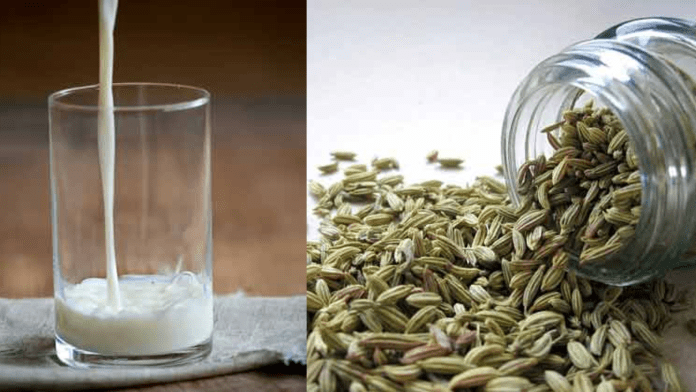
One simple way to include Methi Dana in your daily routine is by preparing Methi Dana water. Soak a tablespoon of Methi Dana in a glass of water overnight. In the morning, strain the water and consume it on an empty stomach. This helps in improving digestion, detoxification, and boosting metabolism.

  • Methi Dana Powder:

You can make Methi Dana powder by roasting the seeds and grinding them into a fine powder. This powder can be added to curries, soups, and smoothies to enhance the nutritional value and flavor of the dish.

  • Methi Dana Sprouts:

Sprouting Methi Dana increases its nutritional content and makes it easier to digest. Rinse the seeds and soak them overnight. The next morning, drain the water and place the seeds in a sprouting jar or a sieve. Rinse them every few hours until sprouts appear. These sprouts can be added to salads, sandwiches, or enjoyed as a healthy snack.

  • Methi Dana in Cooking:

Methi Dana can be directly added to curries, dals (lentil dishes), and stir-fries to impart a unique flavor. It can also be used as a seasoning for vegetables and rice preparations. Roasted Methi Dana can be ground and used as a spice blend, adding depth to various dishes.

Precautions and Side Effects:

While Methi Dana offers numerous health benefits, it is important to exercise caution and consume it in moderation. Excessive consumption may cause gastrointestinal discomfort, diarrhea, or hypoglycemia in some individuals. Pregnant women should consult their healthcare provider before incorporating Methi Dana into their diet. Additionally, individuals with allergies or taking certain medications should seek medical advice before consuming Methi Dana.

Final Thoughts:

Methi Dana, the miracle seed, is a treasure trove of health benefits and culinary delights. From its historical significance to its remarkable nutritional profile, Methi Dana has captured the attention of health enthusiasts and food lovers alike. Its ability to relieve acidity, aid weight loss, support lactation, and promote hair health makes it a valuable addition to any diet. With its versatile culinary uses and various ways of incorporation, Methi Dana allows you to explore a world of flavors while reaping its numerous health benefits. Embrace the power of Methi Dana and witness the positive transformation it brings to your health and life.

Advertisement

Escape the summer slump with nitro coffee: The secret weapon for energizing your days and savoring every sip!

0
nitro coffee

In recent years, nitro coffee has gained significant popularity among coffee enthusiasts and specialty coffee shops. It’s unique characteristics and captivating sensory experience have made it a sought-after beverage, particularly during the summer months. The rise of nitro coffee can be attributed to several factors, including its refreshing nature, creamy texture, and ability to enhance the natural flavors of coffee.

As the demand for nitro coffee continues to grow, more and more coffee shops and even larger chains are incorporating nitro coffee taps into their establishments. This allows them to serve customers with a visually stunning and indulgent coffee experience. The cascading effect and creamy head of nitro coffee create an element of theater that attracts coffee lovers and entices them to try this innovative brew.

Nitro coffee has also become a favorite among those seeking a caffeine fix without the heaviness or bitterness often associated with traditional hot brewed coffee. The nitrogen infusion helps to reduce the perceived bitterness and acidity of the coffee, resulting in a smoother and more balanced flavor profile. This makes nitro coffee an appealing option for those who prefer a milder and more approachable coffee experience.

In addition to its flavor-enhancing properties, nitro coffee offers a refreshing and cooling sensation, making it an ideal beverage for the summer season. The chilled temperature and effervescence of the nitrogen bubbles provide a welcome respite from the heat and a delightful way to energize and invigorate the body.

Creating the Perfect Nitro Coffee 

Crafting the perfect nitro coffee requires careful attention to detail and a commitment to quality. Here are some key elements to consider when preparing nitro coffee:

  • Cold Brew Base: Nitro coffee begins with a high-quality cold brew coffee concentrate. Cold brewing involves steeping coffee grounds in cold water for an extended period, typically overnight. This slow extraction process produces a smooth and less acidic coffee concentrate that serves as the foundation for nitro coffee.
  • Nitrogen Infusion: Once the cold brew coffee is ready, it is transferred to a keg or container where it is pressurized with nitrogen gas. The nitrogen gas is typically stored separately in a nitrogen generator or tank and is introduced to the cold brew coffee through a tap system. The pressure forces the nitrogen gas to dissolve into the liquid, creating the signature cascading effect and creamy texture.
  • Tap System: Nitro coffee is often served on draft using specialized tap systems similar to those used for beer. These systems regulate the flow of nitro coffee, ensuring a smooth and controlled pour. The tap handle is usually designed to create a fine, foamy head on top of the coffee, enhancing the visual appeal and overall experience.
  • Serving Temperature: Nitro coffee is best served cold, typically without ice. The chilled temperature enhances the smoothness and crispness of the coffee, allowing the flavors to shine. Some coffee shops even serve nitro coffee from refrigerated kegs to ensure optimal temperature control.
  • Glassware: Choosing the right glassware is essential for presenting nitro coffee in all its glory. Tall and narrow glasses, such as pint glasses or tulip-shaped glassware, help showcase the cascading effect and creamy head. The transparency of the glass also allows customers to fully appreciate the visual appeal of the beverage.

Make Nitro Coffee at Home:

While nitro coffee has become increasingly popular in coffee shops and cafes, it is also possible to enjoy this delightful beverage in the comfort of your own home. Here are some tips for preparing nitro coffee at home:

  • Cold Brew Preparation: Start by preparing a batch of cold brew coffee concentrate. Grind coffee beans to a coarse consistency and combine them with cold water in a container. Let the mixture steep in the refrigerator for 12 to 24 hours, then strain out the grounds using a fine mesh sieve or a coffee filter. The resulting cold brew concentrate will serve as the base for your nitro coffee.
  • Nitrogen Infusion: To achieve the desired nitrogen infusion, you can either use a nitrogen cartridge system or a nitro coffee keg. Nitrogen cartridges are small canisters that contain compressed nitrogen gas. They can be attached to a nitro coffee dispenser, which dispenses the gas into the cold brew coffee as it is poured. Nitro coffee kegs, on the other hand, require a more substantial investment but offer a more authentic nitro coffee experience. They involve pressurizing the cold brew coffee with nitrogen gas using a keg system and dispensing it through a tap.
  • Pouring Technique: When pouring nitro coffee at home, it’s important to recreate the cascading effect and creamy head that are characteristic of this beverage. Tilt the glass at a 45-degree angle and pour the nitro coffee slowly down the side of the glass. Gradually straighten the glass as you pour, allowing the nitrogen bubbles to create the cascading effect. Aim to leave some space at the top of the glass for the creamy head to form.
  • Experiment with Flavors: One of the joys of preparing nitro coffee at home is the ability to experiment with different flavors and additions. You can try adding flavored syrups, such as vanilla, caramel, or hazelnut, to enhance the taste profile of your nitro coffee. Alternatively, you can sprinkle a dash of cocoa powder or cinnamon on top of the creamy head for added aroma and visual appeal.
  • Enjoy and Share: Once you’ve poured your homemade nitro coffee, take a moment to appreciate the mesmerizing cascading effect and creamy texture. Snap a picture to share with your friends or on social media, and then savor every sip of this velvety-smooth and refreshing beverage.

Final Thoughts:

Whether you’re seeking a refreshing summer beverage, a creamy and smooth coffee experience, or simply a new way to enjoy your daily caffeine fix, nitro coffee is the answer. Its unique characteristics and captivating sensory appeal make it the perfect brew to escape the summer slump and elevate your coffee enjoyment.

Advertisement

Say goodbye to kitchen gadgets: The surprising method to steam veggies without a steamer!

steam veggies without a steamer

Kitchen gadgets are a popular addition to any cooking enthusiast’s arsenal. From blenders to air fryers, these gadgets promise to make our lives easier and our meals more delicious. However, when it comes to steaming vegetables, you may be surprised to learn that you don’t actually need a steamer. In this article, we will delve into the surprising methods of steaming vegetables without a steamer. Get ready to say goodbye to kitchen gadgets and hello to a simpler way of steaming veggies!

The Surprising Method: Steaming Vegetables Without a Steamer

Use A Colander:

One of the easiest and most accessible ways to steam vegetables without a steamer is by using a colander. Follow these simple steps:

  • Step 1: Fill a pot with an inch or two of water, ensuring that the water level doesn’t touch the bottom of the colander when placed inside the pot.
  • Step 2: Bring the water to a boil over medium heat.
  • Step 3: Place the colander on top of the pot, making sure it is stable and not touching the water.
  • Step 4: Add your vegetables to the colander, covering them with a lid or foil to trap the steam.
  • Step 5: Steam the vegetables until they reach your desired level of tenderness, typically taking around 5 to 10 minutes, depending on the vegetable.

Using a colander as a makeshift steamer is an excellent option when you don’t have access to a dedicated steamer but still want to enjoy perfectly steamed vegetables.

Use A Wire Rack:

If you have a wire rack that fits inside a pot or pan, you can use it to steam vegetables effectively. Here’s how:

  • Step 1: Pour an inch or two of water into the pot or pan, making sure it doesn’t touch the bottom of the wire rack.
  • Step 2: Bring the water to a simmer over medium heat.
  • Step 3: Place the wire rack inside the pot or pan, ensuring it sits above the water level.
  • Step 4: Arrange your vegetables on the wire rack, ensuring they are in a single layer.
  • Step 5: Cover the pot or pan with a lid and steam the vegetables until they are tender, usually taking around 5 to 10 minutes.

Using a wire rack allows the steam to circulate around the vegetables, ensuring even cooking without the need for a dedicated steamer.

Use A Microwave:

Believe it or not, your microwave can be an effective tool for steaming vegetables. Here’s how:

  • Step 1: Place your vegetables in a microwave-safe bowl.
  • Step 2: Add a tablespoon or two of water to the bowl to create steam.
  • Step 3: Cover the bowl with a microwave-safe plate or plastic wrap, leaving a small vent for steam to escape.
  • Step 4: Microwave the vegetables on high power for 2-3 minutes, checking for doneness and continuing to microwave in 30-second intervals until they reach your desired level of tenderness.

Using a microwave for steaming vegetables is a quick and convenient option, especially when you’re short on time or cooking for one.

Use A Wok:

If you have a wok in your kitchen, you can utilize its versatile shape to steam vegetables without a steamer. Here’s how:

  • Step 1: Fill the wok with an inch or two of water, ensuring it doesn’t touch the bottom of the steaming tray or plate.
  • Step 2: Place a steaming tray or heatproof plate on top of the wok, making sure it sits above the water level.
  • Step 3: Arrange your vegetables on the tray or plate, ensuring they are in a single layer.
  • Step 4: Cover the wok with a lid and steam the vegetables until they are tender, usually taking around 5 to 10 minutes.

Using a wok for steaming vegetables provides an excellent alternative to a dedicated steamer, especially if you enjoy stir-frying and other Asian cooking techniques.

Tips for Successful Vegetable Steaming

Regardless of the method you choose to steam vegetables without a steamer, here are some general tips to ensure success:

  • Choose the Right Vegetables: Select fresh, firm vegetables for steaming. Vegetables like broccoli, cauliflower, carrots, asparagus, and green beans are great options.
  • Cut Vegetables Uniformly: Cut the vegetables into similar sizes to ensure even cooking.
  • Don’t Overcrowd: Avoid overcrowding the vegetables, as this can lead to uneven cooking. If needed, steam the vegetables in batches.
  • Season Lightly: Season the vegetables with salt, pepper, or your favorite herbs and spices to enhance their flavor.
  • Check for Doneness: Test the vegetables with a fork or knife to ensure they are cooked to your desired level of tenderness.

Final Thoughts:

While kitchen gadgets can be fantastic tools, it’s essential to remember that not every cooking technique requires a specialized gadget. Steaming vegetables is a prime example of how you can achieve delicious and healthy results without the need for a steamer. Whether you choose to use a colander, wire rack, microwave, or wok, these surprising methods offer convenience and versatility, allowing you to enjoy perfectly steamed vegetables with ease. So, say goodbye to kitchen gadgets and embrace the simplicity of steaming vegetables without a steamer! Your taste buds and your health will thank you.

Advertisement

Start your mornings with a burst of Indian flavors: 6 heavenly vegan breakfast recipes that will leave you craving for more!

0
indian vegan breakfast recipes

Breakfast is often considered the most important meal of the day, and what better way to start your mornings than with a burst of Indian flavors? Indian cuisine is known for its rich and vibrant flavors, and the breakfast options are no exception. In this article, we will explore six heavenly vegan breakfast recipes that will not only tantalize your taste buds but also provide you with a nutritious and energizing start to your day.

  • Recipe 1: Poha (Flattened Rice) – A Light and Flavorful Delight

Poha, also known as flattened rice, is a popular breakfast option in many parts of India. It is light, easy to digest, and bursting with flavors. To prepare this dish, you’ll need flattened rice, mustard seeds, turmeric, onions, green chilies, and an assortment of vegetables. The spices and seasonings give poha its unique taste, while the vegetables add a refreshing crunch. Poha is often garnished with fresh coriander leaves, lemon juice, and roasted peanuts, adding an extra layer of flavor and texture.

  • Recipe 2: Chila (Savory Pancakes) – A Protein-Packed Powerhouse

Chila, also known as besan cheela, is a savory pancake made from chickpea flour. This protein-packed breakfast option is not only delicious but also easy to prepare. To make chila, mix chickpea flour with water, and add spices like cumin, turmeric, and chili powder. You can also add finely chopped vegetables like onions, tomatoes, and bell peppers for added nutrition. Cook the batter on a non-stick pan until golden brown, and serve it with chutney or a side of fresh salad.

  • Recipe 3: Upma (Semolina Porridge) – A Wholesome and Satisfying Breakfast

Upma is a traditional Indian breakfast dish made from semolina, also known as sooji or rava. It is a wholesome and satisfying option that is quick to prepare. To make upma, roast semolina in a little oil until golden brown, and then cook it with water and spices like mustard seeds, curry leaves, and turmeric. You can add vegetables like peas, carrots, and beans to make it more nutritious. Upma is a versatile dish that can be customized to suit your taste preferences.

  • Recipe 4: Idli (Steamed Rice Cakes) – A South Indian Classic

Idli is a popular South Indian breakfast dish that is enjoyed across the country. These soft and fluffy rice cakes are made by fermenting a batter of rice and lentils overnight. The fermentation process not only enhances the flavor but also makes idlis easily digestible. To prepare idlis, grind soaked rice and lentils into a smooth batter, and allow it to ferment. The fermented batter is then poured into idli molds and steamed until cooked. Idlis are typically served with chutney and sambar, a lentil-based vegetable stew.

  • Recipe 5: Namkeen Sewaiyan – A Savory Twist to Breakfast

Namkeen sewaiyan is a savory variation of the traditional sweet vermicelli dish. It is a popular breakfast option in North India and is made using roasted vermicelli, onions, tomatoes, and a blend of spices. The vermicelli is sautéed in oil with mustard seeds, curry leaves, and chopped vegetables. This savory twist adds a burst of flavors to your morning meal and can be enjoyed on its own or with a side of yogurt.

  • Recipe 6: Dalia – A Nutritious and Filling Breakfast Option

Dalia, also known as broken wheat or bulgur, is a healthy and nutritious breakfast option. It is made by milling whole wheat grains into small granules. To prepare dalia, roast the broken wheat in a little oil until golden brown, and then cook it with water and spices. You can add vegetables, such as carrots, peas, and beans, to make it more wholesome. Dalia is a fiber-rich dish that provides sustained energy and keeps you feeling full for longer.

Final Thoughts:

Exploring the diversity and richness of Indian vegan breakfast recipes can add a whole new dimension to your mornings. These six heavenly recipes, from poha to dalia, showcase the vibrant flavors and nutritious ingredients that Indian cuisine has to offer. By embracing a plant-based lifestyle and incorporating these delicious recipes into your breakfast routine, you not only enjoy a healthier and more satisfying start to your day but also contribute to a more sustainable future. So why not kickstart your mornings with a burst of Indian flavors and let these vegan breakfast recipes leave you craving for more!

Advertisement

These 7 foods could be sabotaging your Sunday rest. Find out which ones to banish!

0
foods that hinder rest

In today’s fast-paced world, where stress and responsibilities often take center stage, getting a good night’s sleep has become a precious commodity. Quality sleep is crucial for overall well-being, allowing our bodies to rest, repair, and rejuvenate. However, several factors can disrupt our sleep patterns, including diet. Surprisingly, the foods we consume can impact the quality of our sleep and even lead to disturbances and nightmares. In this article, we will explore the link between diet and sleep, identify seven foods that can sabotage your Sunday rest, and offer healthier alternatives for a restful slumber.

The Link Between Diet and Sleep

Research has shown that the food we consume can influence our sleep patterns. Certain foods and beverages can stimulate the central nervous system, increase alertness, and interfere with the body’s ability to relax and fall asleep. Additionally, some foods can trigger indigestion, heartburn, or discomfort, making it difficult to get a good night’s sleep.

Foods to Avoid for Better Sleep

  1. Coffee and Caffeinated Beverages

Caffeine is a stimulant that can have a significant impact on sleep. It blocks the action of adenosine, a neurotransmitter that promotes sleepiness. Consuming coffee, tea, energy drinks, or other caffeinated beverages in the evening can make it harder to fall asleep and reduce the overall quality of sleep.

  1. Spicy Foods and Curries

Spicy foods can cause indigestion, heartburn, and acid reflux, leading to discomfort and sleep disturbances. The capsaicin present in spicy foods can also increase body temperature, making it harder to cool down and fall asleep.

  1. Alcohol

While alcohol may initially make you feel drowsy, it can disrupt the sleep cycle. It decreases the amount of time spent in the restorative deep sleep stage and increases the likelihood of waking up during the night. Alcohol also acts as a diuretic, increasing the frequency of bathroom trips, further interrupting sleep.

  1. High-Fat and Greasy Foods

Consuming high-fat and greasy foods before bed can slow down digestion, leading to discomfort and indigestion. These foods can also increase the risk of acid reflux and heartburn, negatively impacting sleep quality.

  1. Sugary Treats and Desserts

Sugary treats and desserts cause a rapid spike in blood sugar levels, followed by a crash. This rollercoaster effect can disrupt sleep, leading to frequent awakenings during the night.

  1. Fried Foods

Fried foods are often high in unhealthy fats, which can cause gastrointestinal discomfort and disturb sleep. They require more effort to digest, putting a strain on the digestive system and interfering with the body’s ability to relax and rest.

  1. Heavy Meals

Consuming a large, heavy meal close to bedtime can lead to indigestion, acid reflux, and discomfort. The body expends energy on digestion, making it harder to transition into a relaxed state conducive to sleep.

Healthy Alternatives for Restful Sleep

  • Herbal Teas

Herbal teas like chamomile, lavender, and valerian root have calming properties that can promote relaxation and aid in falling asleep. Sipping on a warm cup of herbal tea before bed can signal to the body that it is time to wind down.

  • Light and Nutritious Dinner Options

Opt for light and nutritious dinner options that are easy to digest, such as grilled chicken or fish, steamed vegetables, and whole grains. These foods provide essential nutrients without overburdening the digestive system.

  • Sleep-Inducing Foods

Certain foods contain compounds that promote sleep. For example, bananas are a good source of magnesium and potassium, which can help relax muscles and improve sleep quality. Tart cherries contain melatonin, a hormone that regulates sleep-wake cycles. Incorporating these sleep-inducing foods into your diet can positively impact your sleep.

  • Foods Rich in Magnesium and Vitamin B6

Magnesium and vitamin B6 are essential nutrients involved in the production of serotonin, a neurotransmitter that regulates sleep. Foods like leafy greens, nuts, seeds, and fish are rich in these nutrients and can support healthy sleep patterns.

  • Complex Carbohydrates

Complex carbohydrates, found in foods like whole grains, legumes, and vegetables, promote the release of serotonin and melatonin, promoting a sense of calm and aiding in sleep.

  • Foods with Tryptophan

Tryptophan is an amino acid that helps the body produce serotonin and melatonin. Foods like turkey, chicken, nuts, seeds, and tofu contain tryptophan and can support better sleep.

  • Incorporating a Bedtime Snack

A light bedtime snack that combines protein and carbohydrates can help stabilize blood sugar levels and prevent hunger pangs during the night. Opt for options like a small handful of nuts and a piece of fruit or a slice of whole-grain toast with almond butter.

Final Thoughts:

Quality sleep is essential for overall health and well-being. By understanding the relationship between diet and sleep, we can make conscious choices to improve our sleep patterns. Avoiding foods that can disrupt sleep, such as coffee, spicy foods, alcohol, high-fat and greasy foods, sugary treats, fried foods, and heavy meals, and opting for healthier alternatives can significantly impact the quality of our sleep. By incorporating sleep-inducing foods and practicing good sleep hygiene, we can banish sleep disturbances and nightmares, ensuring a restful Sunday rest and promoting optimal sleep every night.

Advertisement

Unlock the secret recipes: Turn up the flavor with these 5 spirits and create deliciously boozy bites!

0
cook with spirits

Alcohol and food have long been companions in culinary exploration, but the trend of boozy bites takes this relationship to new heights. Imagine a world where carefully crafted dishes and delectable desserts are infused with the essence of spirits, resulting in a tantalizing fusion of flavors. From artful pairings to global inspirations, each spirit brings its unique characteristics, adding depth and complexity to the palate. Join us on a flavorful journey as we unlock the secret recipes and discover the creativity, fun, and sheer delight of cooking with these 5 spirits.

Whiskey: Unleashing the Robust and Smoky Charisma

Whiskey, with its robust and smoky character, is a versatile spirit that lends itself well to a variety of culinary applications. It adds a distinct depth of flavor to sauces, marinades, and glazes for grilled meats. Imagine indulging in whiskey-infused barbecue sauce slathered over succulent ribs or savoring the richness of whiskey-glazed salmon. For dessert lovers, whiskey-infused caramel and chocolate truffles provide a heavenly treat, perfectly balancing sweet and boozy notes.

Rum: A Tropical Symphony of Sweetness and Warmth

Rum, with its tropical origins and rich sweetness, brings a touch of paradise to any dish. Picture savoring the caramel-like flavor of rum-soaked pineapple skewers or relishing the depth it adds to sauces and syrups. The beloved rum-soaked fruitcake and moist rum-infused chocolate cake are timeless classics that embody the spirit of indulgence. And let’s not forget the iconic rum cocktails and desserts like Piña Colada or rum-infused tiramisu that transport you to a beachside getaway with every bite.

Tequila: Zesty and Vibrant Delights

Tequila, renowned for its vibrant and agave-forward taste, injects a lively kick into both savory and sweet dishes. Imagine the zesty tang of tequila-lime marinades transforming chicken or shrimp into flavor explosions. Margarita-inspired sauces take the vibrancy of this spirit to new heights, while tequila-infused lime pie offers a refreshing twist on a classic dessert. And for those hot summer days, tequila-infused sorbet provides a delightful burst of flavor that cools you down in the most delicious way.

Wine: The Epitome of Elegance and Versatility

Wine, with its multitude of varieties and styles, is a culinary staple that brings sophistication and complexity to infused dishes. Red wine reduction sauces create a luxurious accompaniment to red meats, while white wine infuses delicate flavors into seafood and creamy sauces. Wine-soaked fruits, like poached pears in red wine or white wine-infused berries, offer a delightful combination of fruity sweetness and elegant notes. And let’s not forget the art of wine pairing, where the intricate aromas and taste profiles can elevate any dining experience.

Vodka: A Clean Canvas for Infinite Creativity

Vodka, prized for its versatility and clean taste, is a blank canvas that allows
for endless culinary creativity. Its neutral flavor profile makes it an ideal spirit for infusing with a wide range of ingredients, allowing you to experiment and create unique boozy bites. Here are a few ways you can unlock the potential of vodka in your culinary adventures:

  • Infused Vodka Cocktails: Take your cocktail game to the next level by infusing vodka with various fruits, herbs, or spices. Create a refreshing cucumber and mint vodka for a twist on the classic mojito or infuse it with berries for a vibrant and fruity concoction. The possibilities are endless, and you can let your imagination run wild with different flavor combinations.
  • Vodka-Infused Sauces and Marinades: Add a kick to your savory dishes by incorporating vodka into your sauces and marinades. Vodka can enhance the flavors of tomato-based pasta sauces, creamy vodka sauces for seafood or chicken, or tangy barbecue marinades. The alcohol in the vodka helps to extract and enhance the flavors of other ingredients, resulting in a more complex and delicious sauce or marinade.
  • Vodka-Infused Desserts: Vodka can also play a delightful role in sweet treats. Create vodka-infused fruit compotes or syrups to drizzle over cakes and desserts, adding a boozy twist to your creations. You can also experiment with vodka-infused whipped cream or incorporate it into custards and ice creams for a subtle hint of alcohol.
  • Vodka-Infused Infusions: Take the concept of infusion a step further by creating vodka-infused infusions. Infuse vodka with flavors like vanilla beans, coffee beans, or even bacon to create unique and flavorful bases for cocktails or to use as a cooking ingredient. These infusions can elevate your culinary creations and bring an element of surprise to your dishes.
  • Vodka-Infused Pickles and Preserves: Give your homemade pickles or preserves a spirited twist by incorporating vodka into the brine or syrup. Vodka can help preserve the fruits or vegetables while adding an extra layer of flavor. The alcohol also helps to extract the natural flavors and aromas, resulting in pickles or preserves that are both boozy and delicious.

Final Thoughts:

Remember, when cooking with alcohol, it’s important to consider the desired flavors, the intensity of the alcohol, and the cooking process. Alcohol evaporates when heated, but the flavors remain, so adjust your recipes accordingly. Whether you’re creating vodka-infused cocktails, sauces, desserts, or pickles, let your creativity guide you as you unlock the endless possibilities that vodka brings to the culinary world. Cheers to flavorful and boozy bites!

Advertisement

Want to upgrade your kids’ lunchbox? Try these 7 delectable school time sandwich recipes for instant lunchtime bliss! 

0
school time sandwich recipes

The lunchbox is a sacred vessel of nourishment for children during their school days. It’s important to pack a meal that not only satiates their hunger but also delights their taste buds. If you’re tired of the same old sandwiches and want to bring a burst of flavor to your kids’ lunchtime, we have the perfect solution for you! 

Discover seven wholesome and delicious Indian-inspired sandwich recipes that will instantly elevate their lunchtime bliss. From Paneer Tikka to Aloo Tikki, these recipes are sure to impress even the pickiest eaters.

  1. Paneer Tikka Sandwich

Paneer, or Indian cottage cheese, takes the center stage in this flavorful sandwich. Marinated in a blend of yogurt, ginger-garlic paste, turmeric powder, garam masala, and salt, the paneer cubes are cooked to perfection. Layered between buttered bread slices along with thinly sliced onions and capsicum, this sandwich is then grilled or toasted until crispy. The result is a mouthwatering combination of textures and aromatic spices that will leave your kids craving for more.

  1. Aloo Tikki Sandwich

Aloo Tikki, or potato patties, are a popular street food in India. In this recipe, the mashed potato mixture is seasoned with red chili powder, chaat masala, cumin powder, and salt. Generously spread with green chutney and tamarind chutney on buttered bread slices, the Aloo Tikki is placed in between to create a delightful sandwich. Grilled until golden brown and crispy, this sandwich is a flavorful twist on a classic.

  1. Chicken Seekh Kebab Sandwich

For the non-vegetarian lovers, this sandwich offers a delightful combination of succulent chicken seekh kebabs and refreshing flavors. The chicken mince is mixed with chopped onions, ginger-garlic paste, coriander powder, cumin powder, red chili powder, and salt. Shaped into small cylindrical kebabs, they are cooked on a grill or pan until perfectly done. The seekh kebabs are then nestled between bread slices spread with mayonnaise and topped with crisp lettuce leaves. The result is a protein-packed sandwich that will keep your kids satisfied and energized.

  1. Veggie Masala Sandwich

If your kids prefer a vegetarian option, this veggie masala sandwich is an excellent choice. Layered with thinly sliced onions, tomatoes, cucumbers, boiled beetroot, and grated carrots, this sandwich offers a colorful medley of vegetables. Spreading green chutney on buttered bread slices adds a tangy and refreshing flavor. Grilled to perfection, this sandwich becomes a nutritious and filling meal for your little ones.

  1. Egg Bhurji Sandwich

Eggs are not only nutritious but also versatile when it comes to sandwiches. In this recipe, eggs are beaten and cooked with sautéed onions, tomatoes, green chilies, turmeric powder, cumin powder, and salt. The fluffy and flavorful egg bhurji is then sandwiched between buttered bread slices, creating a protein-rich meal option. Toasted until the bread turns crispy, this sandwich is a delectable choice for any time of the day.

  1. Chutney Cheese Sandwich

For a quick and simple yet delicious option, this chutney cheese sandwich is a winner. Spread green chutney and tomato ketchup on buttered bread slices, and sprinkle grated cheese on top. Grilled until the cheese melts and the bread turns golden brown, this sandwich offers a delightful combination of tangy chutney and gooey cheese. It’s a guaranteed crowd-pleaser among kids and adults alike.

  1. Spinach and Corn Sandwich

Finally, for a nutritious and flavorful option, the spinach and corn sandwich is an excellent choice. Blanch and chop spinach leaves, and mix them with boiled corn kernels, grated cheese, black pepper powder, and salt. Spread the mixture between buttered bread slices and toast until the cheese melts and the bread becomes crispy. This sandwich not only provides a dose of vitamins and minerals but also offers a burst of flavors that will satisfy your kids’ taste buds.

Final Thoughts:

These seven wholesome and delicious Indian-inspired sandwich recipes are perfect for upgrading your kids’ lunchbox. With a variety of flavors, textures, and nutritious ingredients, these sandwiches will ensure that your little ones are both satisfied and nourished throughout the school day. So, get creative in the kitchen and let these recipes bring excitement to lunchtime. Your kids will thank you for the delectable surprises in their lunchboxes!

Advertisement

7 lip-smacking raitas that will keep you refreshed and hydrated this Sunday!

0
raitas

As the summer heat reaches its peak, it becomes essential to find ways to beat the scorching temperatures and keep ourselves cool and hydrated. While sipping on chilled beverages and indulging in frozen desserts can provide temporary relief, incorporating cooling and refreshing elements into our meals is equally important. One such delightful addition to our summer meals is raita, a traditional Indian yogurt-based side dish. 

Raita is a popular condiment in Indian cuisine, known for its cooling and soothing properties. It is typically made by blending yogurt with various ingredients such as vegetables, fruits, herbs, and spices. The combination of yogurt’s creamy texture and tangy flavor with the freshness of the added ingredients makes raita a perfect accompaniment to spicy and hot dishes. Furthermore, the probiotics present in yogurt promote digestion and help maintain a healthy gut.

In this article, we will explore seven lip-smacking raita recipes that will not only tantalize your taste buds but also keep you refreshed and hydrated this Sunday!

  1. Mango Raita

Mango, the king of fruits, is synonymous with summer. Incorporating this tropical delight into raita takes its taste to a whole new level. To prepare mango raita, ripe mangoes are diced and added to creamy yogurt along with a touch of sweetness and a hint of spices. The tanginess of the yogurt balances the sweetness of the mangoes, creating a delectable blend of flavors. This raita is best enjoyed with spicy biryanis or as a standalone refreshing snack.

  1. Pudina Raita

Pudina, or mint, is known for its cooling properties and refreshing aroma. Pudina raita is made by finely chopping fresh mint leaves and combining them with yogurt, along with a pinch of cumin powder, black salt, and chaat masala. The minty freshness of this raita complements spicy Indian curries and rice dishes perfectly, providing a burst of flavor and a soothing effect to the palate.

  1. Kathal Raita

Kathal, also known as jackfruit, is a versatile ingredient that adds a unique texture and taste to any dish it is added to. Kathal raita is prepared by boiling tender jackfruit pieces and blending them with yogurt, chopped onions, and a tempering of mustard seeds and curry leaves. The creamy texture of the yogurt and the mild sweetness of the jackfruit make this raita a delightful addition to any meal, especially when paired with biryanis or pulao.

  1. Sannata Raita

Sannata raita is a creative twist to the traditional raita recipe. This innovative take involves combining yogurt with roasted gram flour, powdered spices, and a hint of garlic. The gram flour adds a unique nutty flavor and a velvety texture to the raita. Sannata raita pairs well with parathas, stuffed bread, or can be enjoyed as a cooling dip with crispy snacks.

  1. Bhindi Raita

Bhindi, or okra, is a popular vegetable in Indian cuisine. When added to raita, it brings a subtle crunch and earthy flavor to the dish. Bhindi raita is prepared by sautéing finely chopped okra until crisp and then combining it with yogurt, roasted cumin powder, and a dash of lemon juice. This raita not only provides a refreshing contrast to spicy curries but also offers the nutritional benefits of okra, such as fiber and antioxidants.

  1. Kheera Raita

Kheera, or cucumber, is known for its high water content and cooling properties, making it an excellent choice for a summer raita. To prepare kheera raita, cucumber is grated and mixed with yogurt, fresh coriander leaves, roasted cumin powder, and a pinch of salt. This simple yet refreshing raita pairs well with biryanis, kebabs, or can be enjoyed as a light salad on its own.

  1. Plantain Raita

Plantains, a close relative of bananas, are commonly used in Indian cooking. Plantain raita is made by boiling and mashing ripe plantains and then blending them with yogurt, tempered mustard seeds, curry leaves, and grated coconut. The natural sweetness of the plantains and the creaminess of the yogurt create a rich and indulgent raita that pairs beautifully with spicy curries or can be enjoyed with rice.

Final Thoughts:

Raita, with its myriad flavors and textures, serves as the perfect summer accompaniment. The combination of yogurt’s cooling properties and the addition of various ingredients such as fruits, vegetables, and spices create a refreshing and hydrating dish. From the delightful sweetness of mango raita to the minty freshness of pudina raita, each variation offers a unique culinary experience. So, this Sunday, beat the summer heat and tantalize your taste buds with these lip-smacking raitas that will keep you refreshed, hydrated, and satisfied!

Advertisement

Taste the essence of paradise: 8 Kashmiri desserts that will transport your taste buds to a world of pure bliss!

0
Kashmiri desserts

Nestled in the breathtaking valleys of the Himalayas, the land of Kashmir beckons with its mesmerizing beauty and captivating culture. But it is not just the majestic landscapes that leave an indelible mark on visitors; it is the exquisite cuisine that truly steals the spotlight. 

And as certified foodies, we just want to break it to you that Kashmiri cuisines is more than just Rogan Josh, so prepare to be enchanted by a symphony of flavors as we delve into the world of Kashmiri delights, where each dish is a work of art that tantalizes the taste buds and leaves you craving for more. From the fragrant saffron-infused rice to the succulent meat cooked in aromatic spices, every bite carries the essence of this enchanting region. 

Join us on a culinary adventure through the vibrant markets and charming eateries of Kashmir, where culinary traditions are lovingly preserved and served with pride. Get ready to be transported to a land of culinary bliss, where each bite is a revelation, and every dish is an invitation to savor the richness of Kashmiri cuisine.

  1. Kong Firin: 

Indulge in the heavenly flavors of Kong Firin, a Kashmiri rice dish that will transport you to the picturesque valleys of Kashmir. Each grain of fragrant basmati rice is infused with the aroma of saffron and adorned with a generous mix of chopped almonds, pistachios, and raisins, creating a symphony of textures and flavors.Cook basmati rice with saffron, cardamom, and cinnamon. Mix in a generous amount of chopped almonds, pistachios, and raisins. Serve hot and savor the nutty flavors of Kong Firin.

  1. Apple Kheer: 

Immerse yourself in the lusciousness of Apple Kheer, a creamy Kashmiri delight that showcases the sweetness of Kashmiri apples. Grated apples are simmered in sweetened milk, infused with the aroma of cardamom, and adorned with slivered almonds and pistachios, creating a velvety smooth dessert that will leave you craving for more.Grate apples and cook them in a saucepan with milk, sugar, and cardamom. Simmer until the apples are soft and the milk thickens. Garnish with slivered almonds and pistachios. Serve chilled and relish the delightful flavors of Apple Kheer.

  1. Modur Pulao: 

Dive into the flavors of Modur Pulao, a unique Kashmiri rice dish that tantalizes the taste buds with its sweet and fragrant notes. Basmati rice is cooked with ghee, saffron, cinnamon, and cloves, then sweetened with sugar or jaggery, resulting in a heavenly blend of flavors that will leave you yearning for more.Cook basmati rice with ghee, saffron, cinnamon, cloves, and a pinch of salt. In a separate pan, caramelize sugar or jaggery and mix it into the cooked rice. Allow the flavors to meld together and serve warm. Relish the sweet and fragrant notes of Modur Pulao.

  1. Shufta: 

Indulge in the decadence of Shufta, a rich and flavorful Kashmiri sweet treat that will enchant your taste buds. A delightful mix of dry fruits, nuts, and aromatic spices, coated in a syrup made from sugar and water, creates a symphony of textures and flavors that will leave you craving for more.Mix together a variety of dry fruits such as almonds, cashews, pistachios, raisins, and dried apricots. In a separate pan, prepare a syrup by boiling sugar and water until it reaches a sticky consistency. Coat the dry fruits and nuts in the syrup and allow them to cool. Serve and savor the delightful sweetness and crunchiness of Shufta.

  1. Kashmiri Basrakh: 

Experience the exquisite flavors of Kashmiri Basrakh, a spiced sweet delight that will transport you to the vibrant streets of Kashmir. These small discs of rice flour, sugar, and cardamom are deep-fried to perfection and soaked in a fragrant sugar syrup infused with rose water, creating a blissful combination of textures and flavors. Prepare a dough by combining rice flour, sugar, cardamom, and water. Shape the dough into small discs and deep-fry until golden brown. In a separate pan, make a sugar syrup with water and rose water. Soak the fried discs in the syrup and let them absorb the flavors. Indulge in the heavenly taste of Kashmiri Basrakh.

  1. Seemni: 

Get ready to surrender to the irresistible allure of Seemni, a Kashmiri delicacy that is sure to leave you craving for more. Although I don’t have specific details about Seemni, its mere mention evokes images of tantalizing aromas and exquisite flavors. Imagine a dish that combines the richness of Kashmiri spices with tender meats or vegetables, perfectly cooked to create a symphony of textures and tastes. The flavors of Seemni are said to be a celebration of the unique culinary heritage of Kashmir, promising an unforgettable experience that will tantalize your senses and leave you longing for another bite.

  1. Kashmiri Tosha: 

Prepare yourself for a flavor-packed journey as you explore the enigmatic world of Kashmiri Tosha. This traditional Kashmiri delight is shrouded in mystery, with its unique blend of spices and ingredients capturing the essence of the region’s culinary traditions. The exact details of Kashmiri Tosha remain elusive, but tales of its exceptional taste and aromatic appeal continue to tantalize the taste buds of those fortunate enough to sample it. Each bite is said to be an exquisite fusion of flavors, marrying the warmth of spices with the richness of Kashmiri ingredients, creating a symphony of taste that will leave you yearning for more.

  1. Kashmiri Lyde:

Unlock the secrets of Kashmiri cuisine as you dive into the captivating world of Kashmiri Lyde. While specific details about this dish may be scarce, its name alone evokes a sense of mystique and culinary excellence. Imagine succulent meats or vegetables steeped in a medley of aromatic spices, slow-cooked to perfection to create a harmonious blend of flavors. Each bite promises a tantalizing explosion of taste, a reflection of the deep-rooted culinary traditions of Kashmir. Embark on a culinary adventure, savoring the complexity of Kashmiri Lyde, and allow your taste buds to be captivated by the essence of this remarkable dish.

Advertisement