BigBasket, the online grocery delivery firm operating under the name Innovative Retail Concepts, has recently disclosed its financial performance for the fiscal year 2022-23. According to details shared by Tofler, the company experienced a widening of losses, with a staggering amount of INR 1,535 crore reported.
According to Tofler, BigBasket witnessed a significant 89 percent increase in losses, suggesting that the company recorded a loss of approximately INR 812 crore during the previous fiscal year, 2021-22.
“The company further reported a net loss of INR 1,535 cr during the same fiscal. This is 89 per cent increase from the last financial year. The company’s total expenses for the fiscal were reported as INR 8,998 crore,” the report said.
BigBasket refrained from providing any comments regarding the report.
When it comes to health, we really just want to give our kids the best! But that doesn’t mean that they should be deprived of the taste, especially if it can be easily made at home with minimal effort.
One such delicious food is KFC’s fried chicken recipe!
So, prepare to succumb to the irresistible temptation of KFC’s legendary fried chicken. With its golden, crispy exterior that shatters with each bite, revealing tender, juicy meat that melts in your mouth, this iconic creation is a symphony of flavors. The secret blend of herbs and spices, carefully guarded for generations, infuses every morsel with a tantalizing explosion of savory goodness. Get ready to indulge in a feast that will leave you craving more of that unmistakable KFC fried chicken magic.
So this weekend, give your kids a Finger likin’ good experience at home!
Here’s a kid-friendly version of a homemade KFC-style fried chicken recipe:
Ingredients:
4 chicken drumsticks or chicken pieces of your choice
1 cup all-purpose flour
1 teaspoon paprika
1/2 teaspoon garlic powder
1/2 teaspoon onion powder
1/2 teaspoon dried thyme
1/2 teaspoon dried basil
1/2 teaspoon salt
1/4 teaspoon black pepper
1/2 cup buttermilk
Vegetable oil for frying
Instructions:
In a bowl, combine the all-purpose flour, paprika, garlic powder, onion powder, dried thyme, dried basil, salt, and black pepper. Mix well to create the breading mixture.
Pour the buttermilk into a separate bowl.
Dip each chicken piece into the buttermilk, allowing any excess to drip off.
Roll the chicken piece in the breading mixture, making sure it is well coated.
Place the coated chicken pieces on a plate or tray and let them rest for about 10 minutes to allow the coating to adhere.
Meanwhile, heat vegetable oil in a deep skillet or pot to a temperature of around 350°F (175°C).
Carefully place the coated chicken pieces into the hot oil, a few at a time, without overcrowding the pan.
Fry the chicken for about 10-12 minutes, turning occasionally, until it turns golden brown and reaches an internal temperature of 165°F (74°C).
Use tongs to transfer the fried chicken to a paper towel-lined plate to drain excess oil.
Allow the chicken to cool slightly before serving to kids, ensuring it’s at a safe temperature to eat.
Hold onto your glasses, folks, because the star-studded world of spirits just got a little more glamorous! Brace yourselves as Sanjay Dutt, the dashing Bollywood actor, takes center stage with the launch of his very own scotch whiskey. But wait, he’s not the only one to tantalize our taste buds with a touch of celebrity charm. Join us on a spirited journey as we raise our glasses to explore the glitzy realm of famous liquor brands owned by other beloved celebrities. From rock stars to Hollywood icons, these A-listers have proven that their talents extend beyond the silver screen. So, grab a drink and get ready to clink as we unveil the captivating stories behind these star-powered libations. Cheers to the blend of fame and flavor!
Get ready to dive into a star-studded drinks extravaganza! We have a lineup of celebrities who have shaken and stirred the liquor industry with their own signature libations. Let’s raise our glasses and toast to their entrepreneurial spirits:
Danny Denzongpa’s Dansberg Beer: When it comes to Bollywood legends, Danny Denzongpa knows how to quench our thirst for excitement. With Dansberg Beer, he brings his charisma from the silver screen to the beer aisle, offering a taste that’s as bold and captivating as his performance.
Travis Scott’s Cacti Seltzer: Prepare to enter a world of flavor and rhythm as Travis Scott introduces Cacti Seltzer. This multi-talented artist brings his creative prowess to the beverage industry, crafting a refreshing and electrifying seltzer that’s guaranteed to make your taste buds dance to the beat.
Drew Barrymore’s Barrymore Wine: Drew Barrymore, the queen of charm and charisma, invites us to indulge in the world of Barrymore Wine. With each sip, you’ll feel like you’re stepping onto a Hollywood red carpet, as the flavors unfold with elegance and grace, leaving a lasting impression.
Kendall’s 818: When Kendall Jenner puts her name on a bottle, you know it’s going to be a stylish affair. 818, her venture into the world of tequila, captures the essence of celebration and luxury. Sip it like a true fashionista and let the spirit of 818 transport you to a world of glamour and sophistication.
Dwayne “The Rock” Johnson’s Teremana Tequila: It’s time to raise a glass to the People’s Champion himself! Dwayne Johnson brings his larger-than-life persona to the tequila scene with Teremana. This smooth and robust tequila is crafted with passion and dedication, embodying the spirit of success and resilience.
Casamigos Tequila, Virginia Black Whisky – Drake: Hip-hop superstar Drake knows how to set the mood, and he does it with his ventures into the world of spirits. Whether it’s the smooth Casamigos Tequila or the rich Virginia Black Whisky, his brands offer a taste of luxury and refinement that resonates with his music.
Ryan Reynolds’ Aviation Gin: Get ready for a comedic twist as Ryan Reynolds introduces Aviation Gin. With his trademark wit and charm, Reynolds brings a sense of humor to the gin world. Sip on this spirit and let the flavors take you on a delightful journey filled with laughter and good times.
George Clooney’s Tequila – Casamigos: When George Clooney enters the liquor industry, you know it’s going to be a suave affair. Casamigos Tequila, co-founded by Clooney, offers a taste of sophistication and relaxation, transporting you to the sun-soaked beaches of Mexico with each sip.
Nick Jonas’ Villa One: Pop sensation Nick Jonas adds a musical touch to the liquor scene with Villa One. This premium tequila captures the essence of celebration and harmony, inviting you to savor the moment and embrace the rhythm of life.
Bethenny Frankel’s Skinnygirl: Bethenny Frankel, the epitome of style and wellness, presents Skinnygirl, a brand that caters to those seeking a lighter and healthier libation. With Skinnygirl, you can sip guilt-free and enjoy the flavors of indulgence without compromising your lifestyle.
Justin Timberlake’s Tequila Sauza 901: Justin Timberlake’s foray into the tequila world with Sauza 901 showcases his passion for quality and craftsmanship. Each sip tells a story of dedication and artistry, embodying the rhythm and soul of Timberlake’s music.
So, grab a bottle from your favorite celebrity’s liquor brand and let their star power infuse your drinking experience. Cheers to these iconic personalities for adding a dash of celebrity glamour to our glasses!
For many bachelors, cooking can be a daunting task. Limited experience in the kitchen, lack of knowledge about ingredients and techniques, and the absence of guidance can make meal preparation a challenging endeavor. However, there is a treasure trove of culinary wisdom that can be tapped into for those willing to learn. Mothers, with their years of experience nourishing their families, possess invaluable cooking tips that can transform any bachelor’s meals. In this article, we will explore some life-changing cooking tips from mothers that can help bachelors enhance their culinary skills and create delicious and satisfying meals.
Cooking Tips from Mothers
Altering Recipes For Personal Tastes
Recipes are not written in stone; they are meant to be adapted and personalized. Mothers have a knack for modifying recipes to suit their family’s preferences, and bachelors can benefit from this wisdom. Don’t hesitate to experiment with different ingredients, spice levels, and cooking techniques to create a dish that aligns with your taste buds. Whether it’s adding a touch of spice, incorporating more vegetables, or swapping ingredients to accommodate dietary restrictions, feel free to make adjustments that enhance the flavors to your liking.
Under-seasoning Food Versus Over-seasoning
One common mistake made by beginner cooks is being afraid to season their dishes adequately. Mothers often stress the importance of tasting and adjusting seasonings as you go along. While it’s crucial not to over-season and overpower the natural flavors, it’s equally important not to under-season, resulting in bland and unappetizing meals. Gradually add seasonings and taste as you cook, making necessary adjustments to achieve a well-balanced dish.
Clean As You Go
Mothers are known for their multitasking skills, and one invaluable tip they impart is to clean as you go. This practice not only helps maintain a tidy kitchen but also saves time and minimizes stress after the meal is prepared. By washing utensils, cutting boards, and other tools while cooking, you’ll have fewer dishes to tackle at the end. Embrace this habit, and you’ll find that the cooking process becomes more efficient and enjoyable.
One Pinch of Sugar/Salt
In the realm of cooking, a pinch of sugar or salt can make a world of difference. Adding a small amount of sugar can balance the acidity in tomato-based sauces, while a pinch of salt can enhance the overall flavors of a dish. Mothers often use this technique to bring out the best in their recipes, and bachelors can follow suit to elevate their culinary creations.
Simple Food For Sickness
Mothers possess a treasure trove of knowledge when it comes to providing comfort through food, particularly during times of sickness. They understand that simple, nourishing meals can aid in recovery and soothe the soul. When feeling under the weather, bachelors can turn to easy-to-digest dishes like homemade chicken soup, warm porridge, or steamed vegetables. These gentle yet nutritious options can help restore strength and promote well-being.
Invest In Quality Cookware
The tools you use in the kitchen can significantly impact the outcome of your cooking endeavors. Mothers often stress the importance of investing in quality cookware, as it ensures even heat distribution, prevents sticking, and enhances the cooking process. Consider purchasing a sturdy set of pots and pans, along with essential kitchen utensils, to make your cooking experience more enjoyable and efficient.
Taste While You Cook
One of the golden rules of cooking passed down from mothers is to taste as you cook. This allows you to adjust seasonings, flavors, and textures throughout the cooking process, ensuring a delicious end result. Don’t be afraid to use your palate as your guide and trust your instincts when it comes to seasoning and adding ingredients.
Final Thoughts:
Mastering the art of cooking may seem like a daunting task for bachelors, but with the guidance of mothers and their invaluable cooking tips, it becomes an attainable goal. By altering recipes to suit personal tastes, learning the delicate balance between under-seasoning and over-seasoning, adopting the habit of cleaning as you go, utilizing a pinch of sugar or salt to enhance flavors, preparing simple meals for sickness, investing in quality cookware, and tasting while you cook, bachelors can transform their meals from ordinary to extraordinary. Embrace these life-changing cooking tips, and watch as your culinary skills flourish, allowing you to enjoy delicious and nourishing meals in the comfort of your own home.
Achieving a fit and toned physique is a goal that many people strive for. Whether you’re looking to build muscle, lose weight, or simply improve your overall fitness, nutrition plays a crucial role in your success. The foods you consume can either support your goals or hinder your progress. But fear not, as we’re about to reveal the shocking secrets of a grocery list that will help you get ripped in no time.
This list is designed to provide a variety of nutrient-dense foods that support muscle growth, fat loss, and overall fitness. Remember, consistency is key, so make these items a regular part of your shopping routine.
Now, without further ado, let’s explore the shocking secrets of the one grocery list that will help you get ripped in no time.
Lean Protein Sources: Protein is the building block of muscles, and including ample amounts in your diet is crucial for achieving a ripped physique. Opt for lean protein sources such as skinless chicken breast, turkey breast, lean cuts of beef, fish (such as salmon, tuna, and cod), eggs, and plant-based options like tofu and tempeh. These protein-rich foods provide essential amino acids, promote muscle synthesis, and keep you feeling satiated.
Colorful Fruits and Vegetables: Fruits and vegetables are packed with vitamins, minerals, antioxidants, and fiber, making them essential for overall health and supporting your fitness goals. Include a variety of colorful options such as berries, leafy greens, bell peppers, broccoli, tomatoes, and sweet potatoes. These nutrient powerhouses provide essential micronutrients, aid in digestion, and contribute to a strong immune system.
Whole Grains: Contrary to popular belief, carbohydrates are not the enemy when it comes to getting ripped. However, it’s crucial to choose the right kind of carbohydrates—whole grains. Opt for options like quinoa, brown rice, whole wheat bread, oats, and whole grain pasta. These complex carbohydrates provide sustained energy, fiber, and essential nutrients, supporting your workouts and aiding in muscle recovery.
Healthy Fats: While fats should be consumed in moderation, they are an essential part of a balanced diet. Include healthy fat sources like avocados, nuts (such as almonds, walnuts, and cashews), seeds (such as chia seeds and flaxseeds), olive oil, and fatty fish (such as salmon and mackerel). These fats provide omega-3 fatty acids, support brain health, and help regulate hormone production.
Dairy or Dairy Alternatives: Dairy products and their alternatives can be excellent sources of protein, calcium, and other essential nutrients. Choose options like Greek yogurt, cottage cheese, low-fat milk, or plant-based alternatives like almond milk or soy milk. These options provide calcium for bone health and protein for muscle recovery.
Legumes and Pulses: Legumes and pulses, such as lentils, chickpeas, black beans, and kidney beans, are fantastic plant-based sources of protein and fiber. They are also rich in essential vitamins and minerals. Incorporate them into your diet through soups, salads, or as a side dish to reap their benefits.
Hydration is Key: While not a grocery item, water is an essential component of any fitness journey. Staying properly hydrated supports digestion, nutrient absorption, and overall performance. Aim to drink at least 8 cups of water per day, or more if you engage in intense workouts or live in a hot climate.
Smart Snacks: Snacking can be a pitfall when it comes to reaching your fitness goals. Instead of reaching for processed and sugary snacks, opt for smart choices such as mixed nuts, Greek yogurt, protein bars, fruit, or vegetable sticks with hummus. These options provide sustained energy and essential nutrients without derailing your progress.
Spices and Herbs: Enhancing the flavor of your meals with spices and herbs can make your food more enjoyable without adding unnecessary calories or sodium. Experiment with options like turmeric, cayenne pepper, cinnamon, basil, oregano, and ginger to add a delicious twist to your dishes.
Supplements: While not mandatory, certain supplements can complement your diet and provide additional support for your fitness goals. Consult with a healthcare professional or a registered dietitian to determine if supplements like protein powder, omega-3 fatty acids, or multivitamins are suitable for your needs.
The Power of Meal Prepping: To ensure you stay on track with your nutrition goals, consider incorporating meal prepping into your routine. Spend some time each week planning and preparing your meals in advance. This practice saves time, reduces the chances of making unhealthy food choices, and keeps you consistent in consuming the right foods to support your fitness journey.
Remember, Balance is Key: While this grocery list provides a solid foundation for achieving a ripped physique, it’s important to remember that balance is key. Allow yourself occasional treats and indulge in moderation to maintain a healthy relationship with food. Sustainable and long-term progress comes from finding a balance that works for you and enjoying the journey towards your fitness goals.
Seek Professional Guidance: It’s worth mentioning that individual nutritional needs and goals can vary significantly. If you have specific dietary requirements or medical conditions, it’s advisable to seek guidance from a registered dietitian or nutritionist. They can provide personalized recommendations and ensure you’re on the right track to achieving your desired results.
Final Thoughts:
Achieving a ripped physique requires a combination of dedicated workouts and proper nutrition. By incorporating the shocking secrets of the grocery list outlined above, you can fuel your body with the right nutrients to support muscle growth, fat loss, and overall fitness. Remember to prioritize lean protein sources, colorful fruits and vegetables, whole grains, healthy fats, and hydration. Experiment with different flavor combinations and smart snacking options. Embrace the power of meal prepping and seek professional guidance when needed. With consistency, determination, and the right nutrition, you’ll be well on your way to achieving your desired ripped physique. Get ready to unveil the best version of yourself!
Delhi is a food lover’s paradise, captivating locals and tourists alike with its wide range of culinary delights. From the humble chole bhature to extravagant feasts, the city has something for everyone. It serves as a melting pot of diverse cultures, encompassing the culinary traditions of all states and union territories of India. Surprisingly, there are State Bhavans in Delhi that showcase the essence of different regions through their authentic cuisine. The best part is that most of these bhavans have canteens that are open to the public and offer budget-friendly meals. So, if you’re craving an affordable and authentic regional dining experience, here are the 10 State Bhavans you must visit:
Bijoli Grill, Banga Bhavan: If you’re a fan of authentic Bengali cuisine, a visit to Bijoli Grill at Banga Bhavan is a must. This establishment serves a wide array of Bengali delicacies such as mutton kosha, daab chingri, kosha mangsho, and scrumptious Bengali fish. Don’t forget to indulge in their famous Mishti Doi, a traditional Bengali sweet yogurt.
Timings: 1 pm – 4 pm & 6 pm – 10 pm
Location: 3, Hailey Road, Barakhamba Road
Cost for two: INR 800 (approx.)
Viva O’ Viva, Goa Niwas: Goan cuisine has garnered a strong fan base both in India and internationally. For pocket-friendly authentic Goan food in Delhi, head to Viva O’ Viva at Goa Niwas. This casual dining restaurant serves delectable dishes like peri prawn, chicken xacuti, prawn rava fry, pork vindaloo, and prawn curry. The live music adds to the vibrant ambiance, making it an unforgettable experience.
Timings: 12:30 pm – 3:30 pm & 7:30 pm – 10:30 pm
Location: 14, Bir Tikendrajit Marg, Chanakyapuri
Cost for two: INR 1000 (approx.)
Maharashtra Sadan: If you’re a fan of Maharashtrian cuisine and crave dishes like misal pav, poha Kolhapur, mutton, and puran poli, look no further than Maharashtra Sadan. This establishment is renowned for serving authentic Maharashtrian food that is both delicious and pocket-friendly.
Timings: 7 am – 3 pm & 7 pm – 10 pm
Location: Behind Baroda House, Kasturba Gandhi Marg, India Gate
Cost for two: INR 300 (approx.)
Andhra Bhavan: Andhra Bhavan is one of the most popular canteens in Delhi, known for its authentic Andhra cuisine. This place is often bustling with crowds, especially during breakfast houINR Here, you can relish perfectly puffed idlis, dosas, vadas, and the much-loved filter coffee. Additionally, their scrumptious Biryani is a must-try. Don’t miss out on this culinary gem during your time in Delhi.
Location: 1, Ashoka Road, Near Feroze Shah Road, New Delhi
Cost for two: INR 300 (approx.)
Baankaahi, Assam Bhavan: For an authentic taste of Assamese cuisine in Delhi, Baankaahi is the place to be. This establishment offers a wide range of Assamese delicacies, including Khar, mati dal, and fish tenga. Be sure to try their pork fry and fish thali for a truly satisfying experience.
Timings: 12noon to 10:30 pm.
Location: 1, Assam Bhavan, Sardar Patel Marg
Cost for two: INR 550 (approx.)
The Potbelly, Bihar Niwas: The Potbelly restaurant, located in Bihar Niwas, serves an extensive selection of authentic Bihari food. In addition to traditional dishes like scrumptious little chokha and sattu drinks, they also offer fusion creations that have become favorites among visitors. The restaurant is known for its prompt service, friendly staff, and courteous atmosphere.
Tamil Nadu House: If you’re enticed by the flavors of Chettinad cuisine, Tamil Nadu House is your go-to destination. This establishment serves the best pooriyal, kootu, karakuzhambu, sambhar, payasam, and rasam. Their chicken Chettinad, chicken biryani, parotta, and chicken 65 have also garnered a loyal following.
Karnataka Food Center: If you’re a fan of Mysore masala dosa, vada, uttapam, and other popular Karnataka dishes, a visit to Karnataka Food Center is a must. Despite the crowd, the experience of savoring their delectable offerings will make it all worthwhile.
Timings: 8 am – 11 pm
Location: Delhi Karnataka Sangh Building, R K Puram
Cost for two: INR 450 (approx.)
Gujarat Bhavan: If you can’t resist khichda, Gujarati thali, kadhi, dhokla, and undhiyo, you’re a true Gujarati food enthusiast. To savor an authentic Gujarati meal in Delhi within your budget, head to Gujarat Bhavan. This establishment offers delicious Gujarati cuisine and provides a glimpse into the rich culinary heritage of Gujarat.
Jammu And Kashmir House: Indulge in mouth-watering Kashmiri delicacies like Nadu, rogan josh, and waazwan at Jammu and Kashmir House in Delhi. This establishment caters to both vegetarians and non-vegetarians, making it a paradise for lovers of rich Kashmiri cuisine. If you can’t make it to Jammu and Kashmir, this is the place to experience their flavoINR
Timings: 12:30 pm – 2 pm & 7:30 pm – 9 pm
Location: 9, Kautilya Marg, Chanakyapuri
Cost for two: INR 500 (approx.)
These State Bhavans in Delhi offer a delightful culinary journey, allowing you to explore the authentic flavors of various Indian states without breaking the bank. Have you had the pleasure of visiting any of these establishments? Let us know about your experience and savor the diverse regional cuisines that Delhi has to offer.
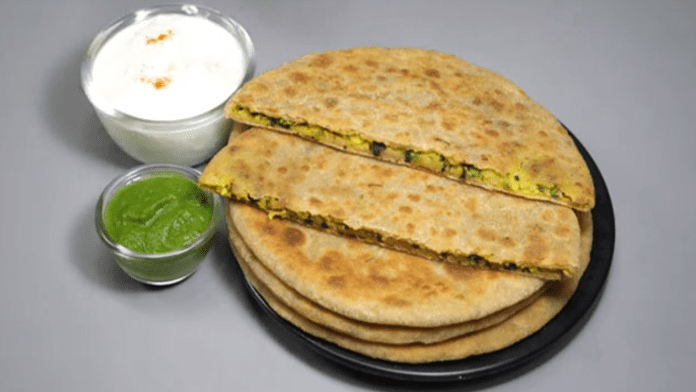
Paratha. Just the mention of this unleavened flatbread is enough to make your mouth water. Originating in the vibrant Indian subcontinent, parathas have captured the hearts and palates of people far and wide. But let’s admit it, making the perfect stuffed parathas can be a daunting task. The frustration of watching your carefully crafted paratha fall apart during the cooking process is enough to make anyone want to throw in the towel. But fear not, fellow Paratha enthusiasts! We have secret techniques and foolproof tips that will elevate your paratha-making skills to new heights and ensure flawless, intact parathas every time.
Prepare yourself for a culinary adventure as we delve into the art of paratha making. From choosing the ideal filling consistency to mastering the rolling technique, we will guide you through the mesmerizing world of stuffed parathas. Get ready to impress your family and friends with beautifully crafted parathas that not only look divine but taste like a slice of heaven. So, let’s embark on this epicurean journey together and unlock the secrets to Paratha perfection.
Kneading The Dough Softly: A Foundation for Paratha Success
The foundation of any great paratha lies in its dough. The texture and consistency of the dough play a significant role in achieving perfection. Kneading the dough to a soft, supple consistency is crucial for flawless results. A soft dough possesses a magical quality that makes it more elastic and malleable, allowing you to roll it out smoothly and evenly.
When the dough is soft, it becomes a joy to handle, effortlessly shaping it without any fears of tearing or breaking. This is particularly vital when creating stuffed parathas, as you need to encase the filling within the dough securely, ensuring no leakage or breakage during the cooking process. The pliability of the dough allows for gentle stretching and effective sealing, guaranteeing the filling remains intact, creating parathas that are both visually appealing and delectable.
Not only does a soft dough aid in the handling process, but it also contributes to the ethereal texture of the parathas. A well-kneaded, soft dough creates delicate layers within the paratha, resulting in a flaky and heavenly texture that lures you in. Conversely, a stiff or tough dough may hinder the formation of these coveted layers, yielding a dense and less enjoyable paratha. So, remember the secret lies in the gentle art of kneading, where tenderness and pliability reign supreme.
Allowing the Dough to Rest: Unleashing the Hidden Potential
Now that we have achieved the perfect soft dough, it’s time to unlock its hidden potential through the art of resting. Allowing the dough to rest is a crucial step that greatly influences the texture and flavor of the final product. This period of rest, ranging from 15 minutes to an hour, depending on the recipe and desired outcome, bestows upon the dough a new lease of life.
During the resting period, the gluten strands within the dough have the opportunity to relax. Kneading activates the gluten, resulting in a slightly elastic and challenging dough. By allowing the dough to rest, the gluten relaxes and redistributes, making the dough more pliable, and easier to roll, and shape without the risk of it shrinking back or becoming overly elastic. The relaxation of gluten also imparts a softer and more forgiving texture, ensuring that the parathas are tender and easy to handle throughout the cooking process.
But that’s not all. The benefits of resting the dough extend beyond ease of handling. Resting also contributes to a smoother rolling process. The rest period allows the dough to become more cohesive and less sticky, preventing it from adhering to the rolling pin or work surface. This enhanced cohesiveness reduces the likelihood of tears or breaks during the rolling process, resulting in flawlessly rolled parathas that are a visual delight.
The Art of Potato Handling: A Delicate Balance
Potatoes, the beloved filling for many parathas, require delicate handling to avoid any mishaps during the paratha-making process. One common pitfall to avoid is overcooking the potatoes. Overcooked potatoes can result in a mushy texture and excess moisture, leading to challenges when stuffing and encasing them within the dough.
To maintain the integrity of the potatoes, it’s essential to cook them until they are just tender but still firm. Overcooked potatoes can crumble and break apart when mashed or stuffed, making it difficult to encase them within the dough without causing breakage. Achieving the perfect balance is key, to ensuring that the potatoes are cooked enough to be easily mashed or grated for the filling while maintaining their structure and texture.
Additionally, it’s crucial to handle the cooked potatoes with care, especially when cooling them down. Rinsing the potatoes under water to cool them quickly can result in waterlogged potatoes, as they tend to absorb moisture while boiling or steaming. This excess moisture can make it challenging to stuff the potatoes into the paratha dough without causing the dough to become sticky and prone to tearing. The best approach is to allow the potatoes to cool naturally at room temperature or use a dry kitchen towel to absorb any surface moisture.
By delicately handling and maintaining the texture and moisture content of the potatoes, you ensure a smooth and cohesive filling that can be effortlessly spread or stuffed into the parathas. The result? Parathas hold their shape during cooking, providing a delightful contrast to the flaky exterior.
Temperature Matters: The Goldilocks Zone
Temperature control is a vital aspect when it comes to making stuffed parathas. The temperature of the stuffing can significantly impact the consistency and handling of the paratha dough. Striking the perfect balance is crucial to avoid any breakage and ensure a successful paratha-making experience.
Maintaining room temperature for the stuffing is key. Hot stuffing can transfer heat to the surrounding dough, making it prone to tearing or breaking. The temperature difference between the hot filling and the dough can cause the dough to become soft and delicate, making it challenging to handle and shape without encountering breakage. By using room-temperature stuffing, you ensure that the dough maintains its structure and remains resilient throughout the rolling and cooking process.
Room-temperature stuffing also simplifies the rolling and shaping of the paratha. Hot stuffing releases steam and moisture, which can make the dough wet and sticky. This stickiness hinders the rolling process and may cause the dough to stick to the rolling surface, resulting in uneven rolling and potentially leading to tears or stretched areas in the dough. By using room-temperature stuffing, you maintain control over the dough’s consistency, ensuring a smooth and hassle-free rolling experience.
Moderation is Key: Avoid Overstuffing
The temptation to overstuff can be strong, but exercising restraint is paramount for achieving paratha perfection. Overstuffing can strain the paratha dough, making it susceptible to tearing and breaking during the rolling and cooking process. To maintain the integrity of the dough, ensure there is enough space to envelop the filling without stretching it too thin.
By avoiding overstuffing, you create a harmonious balance between the dough and the filling. Each component can shine, enhancing the overall taste experience. The delicate flavors of the dough and the filling are allowed to complement each other, resulting in a well-rounded and satisfying bite.
Moreover, by not overwhelming the paratha with an excessive amount of filling, you ensure a structurally sound paratha that can withstand rolling, flipping, and cooking without any mishaps. The filling is evenly distributed within the dough, contributing to a uniform and visually appealing final product.
The Gentle Art of Rolling: Patience and Precision
Now that we have taken care of all the prepping, it’s time to put the rolling pin to work. But remember the key to successful rolling lies in a gentle touch. The dough’s elasticity demands patience and precision to achieve the desired results.
First and foremost, applying excessive pressure or force during rolling can overwork the gluten strands in the dough, causing them to become overly stretchy and prone to tearing. By rolling the dough gently, you allow the gluten to relax and stretch gradually, resulting in a smoother and more elastic dough that is less likely to break.
Consistency is key when it comes to rolling parathas. Uneven pressure can lead to areas of the dough being thinner or thicker than others. Thinner sections are particularly vulnerable to tearing, while thicker sections may not cook evenly. By rolling gently and applying consistent pressure, you ensure that the dough maintains a uniform thickness throughout, minimizing the risk of breakage during cooking.
So, as you embark on your paratha-making journey, remember to approach the rolling process with patience and a gentle touch. Take your time, enjoy the rhythmic motion of rolling, and witness the transformation of the dough into a perfectly shaped canvas ready to embrace the filling.
The Perfect Cook: Mastering the Art of Temperature Control
Cooking parathas requires finesse and attention to temperature control. Achieving the perfect balance between heat and timing is the key to achieving paratha perfection. Here are some essential tips for mastering the art of cooking parathas:
Preheat the pan or tawa: Before you start cooking the parathas, ensure that the pan or tawa is adequately preheated. A hot cooking surface helps in creating a beautiful golden-brown crust on the parathas and ensures even cooking.
Moderate heat: Cooking parathas over moderate heat is crucial. High heat can cause the parathas to cook too quickly, resulting in an undercooked interior and a burnt exterior. Moderate heat allows for even cooking, ensuring that the parathas are cooked through while maintaining a desirable golden color.
Flip at the right time: Timing is crucial when it comes to flipping the parathas. Wait for small bubbles to appear on the surface of the paratha before flipping it. This indicates that the bottom side is sufficiently cooked and ready to be flipped. Flipping too early can cause the paratha to break or lose its shape.
Gentle pressing: Gently press the parathas with a spatula or a clean cloth while cooking. This helps in evenly distributing heat and encourages the parathas to puff up. Be careful not to press too hard, as it can cause the parathas to lose their flaky layers or break apart.
Brushing with oil or ghee: Brushing the parathas with oil or ghee while cooking adds flavor, enhances browning, and helps in creating a crisp exterior. It also keeps the parathas moist and prevents them from becoming dry or hard.
By mastering the art of temperature control and following these cooking tips, you ensure that your parathas are cooked to perfection, with a delightful balance of textures and flavors.
Food has always been a source of delight and discovery for adventurous eaters. While traditional culinary combinations have their charm, there’s a whole world of quirky food pairings waiting to be explored. These unconventional unions can challenge our taste buds, offering surprising and exciting flavor profiles. One such realm of culinary experimentation is the fusion of different cuisines, ingredients, and techniques. In this article, we will delve into the fascinating world of quirky food pairings and explore some unique combinations that push the boundaries of culinary norms.
Dosa Nutella: A Fusion of Cultures
Let’s start our culinary adventure with a combination that beautifully merges the flavors of India and Italy – Dosa Nutella. Dosa, a popular South Indian dish made from fermented rice and lentil batter, is typically enjoyed with savory accompaniments such as chutney and sambar. However, when paired with Nutella, a creamy hazelnut chocolate spread, it takes on a whole new dimension. The crispiness of the dosa complements the smooth and sweet Nutella, creating a delightful fusion of textures and tastes.
Chocolate Samosa: A Sweet and Savory Delight
Who would have thought that the humble samosa, a savory pastry filled with spiced potatoes or meat, could be transformed into a dessert? Enter the chocolate samosa, a quirky twist on the traditional recipe. By replacing the savory filling with a generous amount of melted chocolate and adding a sprinkle of powdered sugar, this unexpected creation emerges. The contrast between the crispy, flaky exterior and the gooey, rich chocolate filling is a true indulgence for the senses.
Jalebi Cheese: A Twist on Tradition
Jalebi, a popular Indian sweet made from deep-fried batter soaked in sugar syrup, is a beloved treat across the country. But have you ever considered pairing it with cheese? This unconventional combination brings together the sweetness of jalebi with the creamy, salty flavors of cheese. The softness of the cheese contrasts with the crispy texture of the jalebi, resulting in a unique and intriguing taste experience.
Pani Puri Ice Cream: A Spicy-Sweet Treat
Pani Puri, a popular street food in India, is a delightful burst of flavors and textures. It consists of hollow puri shells filled with spicy and tangy water, tamarind chutney, and a mixture of potatoes and chickpeas. Now, imagine transforming this beloved snack into an ice cream flavor. Pani Puri ice cream takes the familiar elements of the dish and combines them with the creamy sweetness of ice cream. The result is a playful and unexpected blend of spicy, tangy, and sweet sensations that will keep you coming back for more.
Gulab Jamun Pancakes: A Breakfast Twist
Gulab Jamun, a beloved Indian dessert made from deep-fried milk solids soaked in sugar syrup, is a staple at celebrations and festivals. But why limit its enjoyment to after-dinner indulgence? Gulab Jamun pancakes infuse the familiar flavors of the dessert into a breakfast favorite. Soft, fluffy pancakes are infused with cardamom and rosewater, and topped with a drizzle of gulab jamun syrup. This unique twist on traditional pancakes adds a touch of indulgence and a burst of exotic flavors to your morning routine.
Bhel Puri Nachos: An Indo-Mexican Fusion
Nachos, a popular Mexican snack, are typically topped with ingredients like cheese, salsa, and guacamole. But what happens when you introduce the vibrant flavors of Indian street food to this classic dish? Bhel puri nachos are born! Bhel puri, a tangy and crunchy Indian snack made with puffed rice, sev (fried noodles), chutney, and a variety of spices, brings a whole new dimension to the world of nachos. The combination of the crispy nacho chips, the zingy chutney, and the aromatic spices creates a fusion of flavors that is sure to impress your taste buds.
Rasgulla Cheesecake: A Sweet Symphony
Rasgulla, a popular Bengali sweet made from cottage cheese balls cooked in sugar syrup, is a delight for those with a sweet tooth. But have you ever imagined combining this traditional dessert with a classic cheesecake? Rasgulla cheesecake is a heavenly marriage of creamy cheesecake and the syrupy goodness of rasgullas. The smooth, velvety texture of the cheesecake is beautifully complemented by the juicy, spongy rasgullas, resulting in a dessert that is both decadent and refreshing.
Tandoori Pineapple: Grilled Sweetness with a Spicy Kick
Tandoori cuisine is known for its rich flavors and aromatic spices. Traditionally, it involves marinating meat and vegetables in a blend of spices and grilling them in a tandoor, a traditional clay oven. But why limit tandoori techniques to savory dishes? Tandoori pineapple offers a unique twist on a tropical fruit favorite. By marinating pineapple slices in a blend of spices and grilling them to perfection, the natural sweetness of the fruit is enhanced while acquiring a hint of smoky spiciness. This unusual combination of flavors is a true treat for the palate.
Final Thoughts:
In a world filled with culinary possibilities, it’s important to embrace the unconventional and open ourselves up to new taste experiences. Quirky food pairings offer a gateway to a realm of flavors beyond the familiar, allowing us to discover unexpected combinations that surprise and delight our senses. From Dosa Nutella to Tandoori Pineapple, the examples explored in this article are just a glimpse into the vast landscape of quirky food pairings waiting to be explored.
By stepping outside of our culinary comfort zones and embracing the unusual, we open ourselves up to a world of creativity and innovation in the kitchen. So, the next time you come across a seemingly odd food pairing, don’t be afraid to give it a try. You might just stumble upon a new favorite flavor combination that challenges your preconceived notions and takes your taste buds on an unforgettable journey.
Aging is an inevitable part of life, but did you know that certain eating habits can accelerate the aging process? The food we consume plays a crucial role in how we age both internally and externally. While genetics and lifestyle factors also contribute to aging, our diet can have a profound impact on the aging process. In this article, we will explore the shocking eating habits that age you beyond your years and discover the science behind their detrimental effects.
The Impact of Diet on Aging
The food we eat provides the necessary nutrients for our body’s functions, but it also influences our overall health and well-being. Poor dietary choices can lead to inflammation, oxidative stress, and cellular damage, all of which contribute to aging. By understanding the impact of diet on aging, we can make informed choices and adopt healthier eating habits.
Sugar: The Silent Culprit
Sugar has become a ubiquitous ingredient in our modern diet, and its overconsumption has serious consequences for our health and appearance. Not only does added sugar contribute to weight gain and obesity, but it also accelerates the aging process. By delving into the role of added sugar and exploring the effects of sugar on aging, we can uncover the hidden dangers lurking in our favorite sweet treats.
Processed Foods: Aging in a Box
The convenience of processed foods often comes at a cost to our health. Packed with artificial additives, preservatives, and unhealthy fats, these foods not only lack essential nutrients but also promote aging at an alarming rate. By understanding the dangers of processed foods and the effects they have on aging, we can make conscious choices to prioritize whole, unprocessed foods for a youthful glow.
Trans Fats: The Hidden Threat
Trans fats are artificial fats that can be found in many processed and fried foods. These fats not only increase the risk of heart disease but also contribute to premature aging. By unraveling the science behind trans fats and exploring their effects on aging, we can better understand the importance of avoiding these hidden threats in our diet.
Excessive Salt: Aging in Overdrive
Salt is a staple in many cuisines, but excessive consumption can wreak havoc on our health and appearance. The connection between salt and aging may come as a surprise to many, but the evidence is clear. By delving into the salt-aging connection and understanding the effects of excessive salt on aging, we can take steps to reduce our salt intake and slow down the aging process.
Alcohol: Cheers or Tears for Aging?
Alcohol is often enjoyed in social settings, but excessive alcohol consumption can have detrimental effects on our health and accelerate the aging process. By exploring the relationship between alcohol and aging and uncovering the effects of alcohol on our appearance and well-being, we can make informed decisions about our alcohol intake and prioritize our long-term health.
Lack of Antioxidants: The Free Radical Menace
Antioxidants play a crucial role in protecting our cells from damage caused by free radicals. However, a lack of antioxidants in our diet can leave us vulnerable to accelerated aging. By understanding the importance of antioxidants and the effects of a deficiency on the aging process, we can make conscious choices to incorporate antioxidant-rich foods into our daily meals.
The Power of Healthy Fats
Not all fats are created equal. Healthy fats, such as omega-3 fatty acids, are essential for maintaining youthful skin, a healthy heart, and overall well-being. By exploring the benefits of healthy fats and learning how to incorporate them into our diet, we can harness their power to slow down the aging process and improve our overall health.
Whole Foods: The Fountain of Youth
Whole foods are the foundation of a healthy diet. They provide essential nutrients, fiber, and antioxidants that nourish our bodies and promote longevity. By understanding the significance of whole foods and the benefits they offer for aging, we can make informed choices and prioritize these nutrient-dense options for a youthful and vibrant life.
The Role of Nutrients in Anti-Aging
Certain nutrients have been shown to have anti-aging properties and can help us maintain a youthful appearance and optimal health. By identifying key nutrients for youthful aging and exploring the food sources that provide them, we can create a well-rounded diet that supports our anti-aging goals.
The Mediterranean Diet: An Anti-Aging Gem
The Mediterranean diet has gained popularity for its numerous health benefits, including its anti-aging properties. By delving into the components of the Mediterranean diet and uncovering its potential for promoting longevity and vitality, we can adopt this dietary pattern and experience the health benefits it offers.
Final Thoughts:
The shocking eating habits that age you beyond your years are often hiding in plain sight. From excessive sugar and processed foods to trans fats and excessive salt, these dietary culprits can accelerate the aging process and compromise our overall health. By understanding the detrimental effects of these eating habits and embracing a diet rich in whole foods, healthy fats, and anti-aging nutrients, we can slow down the aging process and promote a vibrant and youthful life. Remember, the choices we make in the kitchen have a profound impact on our journey through aging, so choose wisely and eat for longevity and vitality.
Delhi, the vibrant capital city of India, is known for its bustling markets and diveINRe culinary scene. In recent years, a new trend has emerged in the city’s retail landscape – concept stores that seamlessly blend shopping with dining experiences. These unique establishments offer a perfect combination of retail therapy and mouthwatering culinary delights, catering to the desires of hungry shopaholics. By combining the joys of shopping with delectable food and beverages, concept stores have become go-to destinations for those seeking a multi-sensory experience.
In this article, we will explore the top 10 concept stores in Delhi that have captured the hearts and palates of locals and visitors alike.
Top 10 Concept Stores in Delhi
Cafe Dori
Cafe Dori, located in the Dhan Mill Compound, is a delightful studio-cum-cafe that belongs to Nappa Dori, one of the city’s renowned brands for leather products. Here, visitors can peruse through Indie magazines, sip on delicious coffee, and lounge about in a cozy atmosphere. With its excellent range of leather products and a charming cafe, Cafe Dori offers the perfect combination of style, relaxation, and culinary satisfaction.
Where | Cafe Dori – Dhan Mill Compound, 100 Feet Road, SSN Marg, Chhatarpur
Meal For Two | INR 800
NicoCaara
NicoCaara, a collaboration between popular clothing line Nicobar and the RAD cafe Caara, has created a remarkable cafe-cum-store in DLF Chanakya. This trendy establishment entices visitors with its scrumptious Indian and Asian delicacies, live kitchen, and Instagram-worthy decor. Nicobar’s contemporary Indian clothing collection, combined with Caara’s culinary expertise, make NicoCaara a must-visit destination for fashion-forward foodies.
Where | NicoCaara – DLF Chanakya, Chanakyapuri
Meal For Two | INR 1,000
Beyond Designs
Beyond Designs, an esteemed Delhi-based interior accessories and furniture brand, houses a captivating flagship store in Mehrauli, which also features a cafe called Cafe We. Situated on the Mehrauli-Gurgaon road, this space offeINR a remarkable fusion of elegant designs and delectable food. Visitors can indulge in a visual treat of classy furniture and interior accessories while savoring scrumptious dishes at Cafe We.
Where | Beyond Designs – Beyond Designs, Sultanpur, MG Road
Meal For Two | INR 1,000
Serendipity
Serendipity, housed in a lovingly-restored haveli, is a travel-inspired concept store that offers a feast for the senses. The store, curated by Kuldeep Kaur, showcases the finest textiles, exquisite furniture, and vintage finds from international markets. From princely cushion coveINR to hand-woven sarees and graceful jewelry, Serendipity has it all. Additionally, it boasts a stunning rooftop cafe with a panoramic view of historic Mehrauli, making it a truly enchanting destination.
Meal For Two | INR 1,000
Timings | 11 AM – 7 PM
Where | Serendipity – 238/4, Jonapur Village, Mandi Road
Basanti – Kapde Aur Coffee
Basanti – Kapde Aur Coffee offers a unique concept where minimalistic yet charming clothing is combined with rich coffee. This store showcases ethnic wear and jewelry in subtle pastel shades, allowing shoppeINR to channel their inner ethnic goddess. Before leaving with some gorgeous clothes, visitors can relax and sip on coffee while soaking in the lovely ambiance of this store.
Where | Basanti – Kapde Aur Coffee – 84-85, The Meharchand Market, Lodhi Road
The Mad Teapot – The Wishing Chair
The Mad Teapot – The Wishing Chair is a beautiful lifestyle retail brand that takes inspiration from childhood memories and combines it with adult ingenuity. This store offeINR whimsical designs and products, including mannequin jewelry stands, quirky mugs, and hanging shelves for planters. Visitors can engage in long conversations while enjoying the store’s cutesy cafe, creating a perfect environment for relaxation and rejuvenation.
Meal For Two | INR 1,000
Where | The Mad Teapot – The Wishing Chair – 86 A, Near UCO Bank, Shahpur Jat
Threads Cafe
Threads Cafe, run by a mother-son duo, seamlessly blends a boutique and a cafe into one extraordinary space. Visitors can enjoy beautiful clothes, delectable food, and a charming ambiance, all under one roof. Whether it’s a relaxing lunch with friends or admiring designer wear, Threads Cafe offers 100% satisfaction with its unique concept.
Meal For Two | INR 700
Where | Threads Cafe – 253, Shahpur Jat
Good Earth
Good Earth, a stylish luxury retail brand, presents a concept rooted in storytelling and cultural traditions. Located on the second floor of the store is Latitude 28, a cafe that cateINR to food loveINR with a passion for classic dishes from around the world. Good Earth offers an impeccable design aesthetic in its store, while the cafe adds a classic vibe to both the food and the mood of visitors.
Meal For Two | INR 2,000
Where | Good Earth – Shop No.9 A.B.C., Khan Market
GREENR
GREENR emanates subtle hipster vibes, housing underrated gems in accessories like Nimai and Dhora, along with furniture, merchandise, and fashion wear. However, what sets this store apart is its commitment to conscious consumption and value-oriented products in harmony with the planet. The accompanying cafe offers a vegetarian and vegan menu, creating a space for visitors to enjoy great veggie food while engaging in co-working or surfing the net.
Meal For Two | INR 1,100
Where | GREENR – 416, Gora Street, Behind Dada Jungi House, Shahpur Jat
Fab Cafe
Fab Cafe, located inside the expansive Fabindia store in Vasant Kunj, is a health-conscious cafe that caters to various dietary preferences. With a menu offering light yet fulfilling options and a play area for children, this cafe provides a space for people to connect and engage in activities while enjoying nutritious meals. The integration of digital fabrications like 3D printers and laser cutters further enhances the innovative concept of this cafe.
Meal For Two | INR 1,200
Where | Fab Cafe – Shop 10, Local Shopping Centre, Nelson Mandela Marg, Vasant Kunj
Final Thoughts:
The concept of combining retail therapy with mouthwatering culinary delights has gained immense popularity in Delhi. These top 10 concept stores offer a unique and enjoyable experience for shopaholics and food enthusiasts alike. From cafes nestled within designer boutiques to havelis restored into lifestyle stores, each concept store has its own distinctive charm.
Delhi’s concept stores provide a seamless blend of shopping and dining, allowing visitors to indulge in their passions and explore new horizons. Whether it’s sipping coffee while browsing leather products, relishing Indian and Asian delicacies in a contemporary setting, or discovering elegant designs while savoring scrumptious food, these concept stores offer something for everyone.
So, if you’re a hungry shopaholic seeking a delightful experience, these top 10 concept stores in Delhi are waiting to fulfill your desires. Step into a world where retail therapy meets culinary delights, and let your senses be captivated by the unique offerings of these extraordinary establishments.
We use cookies to ensure that we give you the best experience on our website. If you continue to use this site we will assume that you are happy with it.