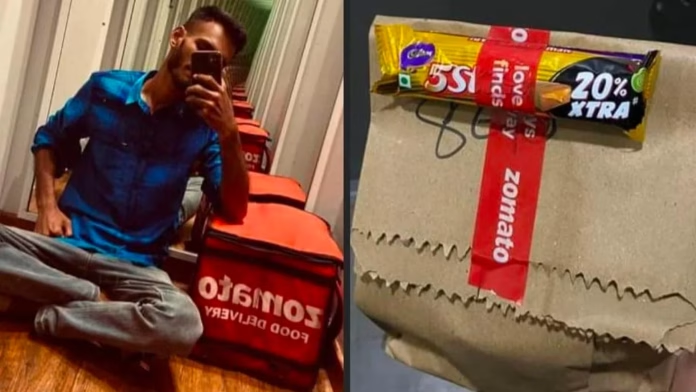
Social media presents us with a myriad of problems and causes for concern. Sometimes, even a brief stint on these platforms can leave us feeling anxious or filled with anger. Nevertheless, amidst the drawbacks, social media also has the power to provide moments of joy and allow us to appreciate the kindness of our fellow human beings. One recent incident that is warming hearts online revolves around a Zomato food delivery executive. Karan Apte shared a screenshot on Facebook that is capturing attention and spreading smiles. In his heartfelt post, he announced, “Today’s my birthday. Bought a new shirt and distributed chocolates with every order I delivered in Zomato.”
The post gained traction on the Facebook page ‘Indians on Internet 2.0,’ accompanied by a tag to the food delivery platform. The caption of the post read, “Zomato send him bday gift.”
Karan’s heartfelt gesture quickly went viral, touching the hearts of many. Numerous Facebook users were deeply moved by his act of kindness and made sure to tag the company to bring it to their attention. Here are a few of the reactions expressed by these individuals:
“Great work, bro!”
“Zomato, do something for him.”
“Zomato, he surely deserves a gift.”
“May god bless you with everything, brother. Happy birthday to you.”
“Zomato, I hope you encourage him.”
“Zomato, please treat him.. he has done the best.. please do it … he will be happy; please check.”
As fate would have it, Zomato did indeed pay heed to these appeals. Just a few days later, Karan took to his personal Facebook page to share a delightful photo of a mouthwatering cake. In his post, he expressed his gratitude and revealed that it was a special gift sent by his employers. Feast your eyes on the delightful image below:
But wait, there’s more! Karan’s team didn’t stop at the cake surprise. They also treated him to a birthday lunch, making the day even more memorable. Karan took to social media once again, this time in a separate post, to express his gratitude. He extended his thanks to his team members and expressed his appreciation to “everyone who tagged Zomato.” It was a heartwarming display of camaraderie and recognition of the viral moment that brought smiles to many faces.
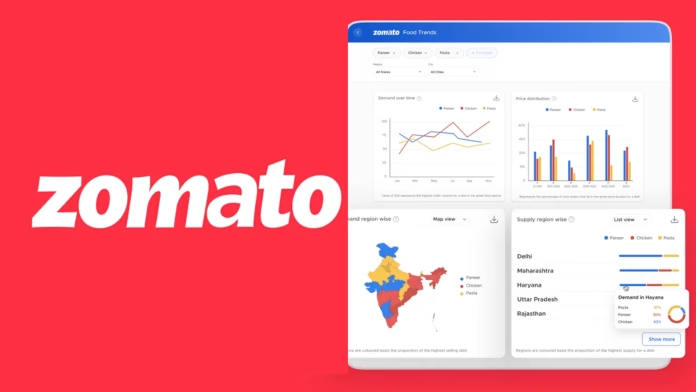
Zomato Ltd, an online food delivery company, unveiled a new data analysis platform on Friday. This platform is designed to provide valuable insights into food trends, empowering Zomato’s restaurant partners to make informed decisions regarding pricing, menu offerings, and location strategies based on data-driven approaches.
According to a statement by the company, Zomato Food Trends is a freely accessible open platform that aims to provide insights by analyzing data from millions of transactions across numerous cities in India. Users can access this platform without any cost, and it is available to the general public.
“Restaurant partners can use these insights to customise their strategies and undertake data-driven decisions to accelerate and amplify their success,” it added.
The company stated that Zomato Food Trends has been introduced with the purpose of supporting both existing and emerging restaurant partners in making data-driven decisions.
The food trends platform enables restaurant partners to access detailed information on demand and supply gaps at a localized level. They can also analyze price distribution, demand trends for various dishes or cuisines, and compare the demand and supply for multiple dishes or cuisines.
“Restaurants can use these insights to make decisions on prices, dishes, locations, etc,” it added.
In a blog post, the company said, “Our aim is to democratise aggregated data insights – levelling the playing field, particularly for smaller restaurants, to ensure they can make informed and evidence-based decisions.”
According to the company, the restaurant industry in India has undergone a remarkable transformation in recent years in order to cater to the ever-changing demands of the market and the evolving preferences of consumers. They further mentioned that food entrepreneurs in the country possess a robust ability to identify trends, recognize gaps in the market, and introduce innovative solutions to address those gaps.
“Zomato Food Trends is a way to support both current and budding restaurant partners in their endeavours,” it added.
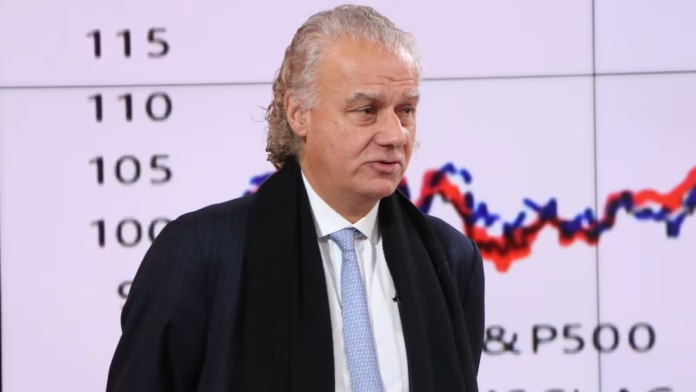
According to reports, Christopher Wood, the global head of equity strategy at Jefferies brokerage firm, is said to be planning to further increase his investment in Zomato, the Indian foodtech giant, by an additional percentage point.
The recent development follows Christopher Wood’s inclusion of Zomato in his portfolios approximately a month ago. As per a CNBC-TV18 report, Wood’s decision to invest in Zomato will be preceded by a reduction in his stake in the state-run petroleum giant ONGC.
In May, Wood’s Greed & Fear made an investment in Zomato, allocating a 4% weightage in the India long-only portfolio. This investment replaced HDFC Life, which was subsequently removed from the portfolio.
By reallocating investments from Chinese stakes Alibaba and JD.com, Greed & Fear’s global long-only portfolio assigned a 4% weightage to Zomato.
Zomato’s share price has attracted attention due to its recent rally. On June 30th, Friday, the company’s shares opened at INR 75 each, slightly below its IPO price of INR 76.
For the first time since April 2022, Zomato’s shares have surpassed their IPO price, reaching a 52-week high of INR 80.30. Since June 30th, 2022, the foodtech giant’s shares have experienced a remarkable rally, with an increase of over 39%. As a result, brokerage firms have expressed optimism regarding Zomato’s shares.
In a recent report, Kotak Institutional Equities suggested that Zomato has a higher market share in terms of Gross Merchandise Value (GMV), with a split of 55-45 in its favor. This indicates strong operational performance and customer loyalty, despite a reduction in discounts offered on the platform. Additionally, Citi acknowledged that Zomato is currently more profitable than Swiggy, positioning it ahead in terms of financial sustainability.
Citi continues to advocate a ‘Buy’ recommendation on Zomato, setting a price target of INR 84 per share. Similarly, Kotak has reaffirmed its ‘Buy’ rating on Zomato, with a price target of INR 95.
According to JM Financial, a brokerage firm, Zomato and Swiggy were described as crucial entities for the restaurant industry. The firm stated that Indian restaurants can attribute approximately 33% of their revenue to these food delivery aggregators.
“With no meaningful competition in sight, we believe both incumbent aggregators are becoming indispensable to the ecosystem,” the report said.
Zomato recently launched a new feature called the multi-restaurant cart, which allows users to add items from multiple restaurants simultaneously. Previously, users were limited to adding items from only one restaurant at a time. In the fourth quarter of the fiscal year 2022-2023, Zomato’s net loss decreased by 48% year-on-year (YoY) to INR 187.6 Crores.
Zomato also stated that its business achieved positive adjusted EBITDA (Earnings Before Interest, Taxes, Depreciation, and Amortization) when excluding its quick-commerce vertical, Blinkit.
Nourish You, the leading superfood brand in India, has exciting news to share. Divya Gursahani has joined the company as its first Chief Marketing and Communications Officer, reinforcing the strength of Nourish You’s leadership team as they strive to become India’s most beloved superfood brand.
With Divya’s appointment, Nourish You is poised to elevate its marketing and communication initiatives, with a clear focus on deepening awareness about the remarkable benefits of superfoods. The company aims to position itself as the pioneer in introducing the concept of superfoods to Indian consumers, setting it apart from other startups.
Nourish You’s success in India can be attributed to its range of high-quality, category-disruptive offerings, including millet milk, breakfast and meal mixes, speciality flours, and superseeds. These products have been instrumental in establishing the brand as a frontrunner in the market and have been embraced by health-conscious consumers across the country. With Divya’s expertise on board, Nourish You is all set to continue its journey towards becoming the ultimate choice for health-conscious individuals seeking nutritious and delicious superfood options.
Divya brings a wealth of experience to Nourish You, having previously worked at esteemed organizations such as the content studio By the Gram, as well as media houses like ELLE and DNA. Her contributions were instrumental in developing impactful campaigns for renowned brands such as Netflix, Amazon, Apollo, Bumble, Tata CLiQ, and Nykaa, showcasing her versatility and expertise across various industries.
In her role as Chief Marketing and Communications Officer at Nourish You, Divya will take charge of shaping and executing comprehensive marketing strategies that cover all of the brand’s product categories and consumer communication channels. Her leadership will be pivotal in creating a distinctive consumer experience, enhancing creative communication and design, and driving strategic market expansion for Nourish You.
With Divya’s guidance, Nourish You is poised to deliver a unique and compelling marketing approach that resonates with its target audience. The company aims to strengthen its position as a leader in the superfood industry by leveraging her expertise and implementing innovative marketing strategies that capture the attention and loyalty of consumers.
Speaking on the appointment and bolstering the leadership team at Nourish You, Krishna Reddy Co-Founder, said, “We welcome Divya as the chief marketing and communications officer to our growing team at Nourish You. Nourish You has played a pivotal role in India’s superfood story and we are sure that with her appointment we will be able to amplify our brand’s promise and drive consumer engagement, setting new industry benchmarks. We are certain that with her deep understanding of new age consumer insights and innovative approach to building digital and physical brand experiences, Nourish You will lead India’s superfood growth story through interesting and relevant storytelling.”
Speaking on joining Nourish You, Divya Gursahani said, “Nourish You has a powerful vision for the future of health and wellness in India. I am honoured to contribute to a brand that embodies such strong values and has established itself as a frontrunner in the superfood industry, with an exceptional growth trajectory. I look forward to working closely with the founding team as we march towards creating a positive impact for consumers, stakeholders including farmers and the industry at large.”
With her appointment as Chief Marketing and Communications Officer, Divya Gursahani will be stationed in Mumbai and will directly report to the founders’ office at Nourish You. Her joining the company is effective immediately, allowing her to swiftly contribute her expertise and leadership to the brand’s marketing and communication efforts.
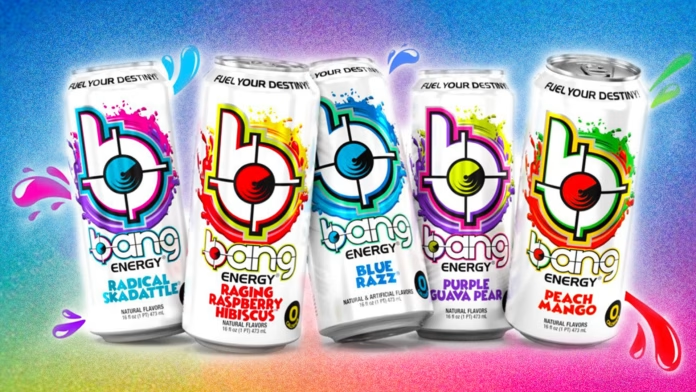
The auction scheduled for the sale of VX Pharmaceuticals (VPX), the owner of Bang Energy, has been called off as Monster Beverage Corp., a US-based peer, is now poised to finalize the acquisition of the Florida-based company.
Based on a leaked court document on Thursday, June 29th, it has been revealed that Blast Asset Acquisition, a subsidiary of Monster Beverage Corp., emerged as the sole successful bidder for VPX’s assets. The assets, originally scheduled for auction on June 30th, were secured by Blast Asset Acquisition according to the document.
According to a document submitted to the US Bankruptcy Court for the Southern District of Florida, it was revealed that both parties had entered into an “asset purchase agreement” that assessed the total value of “all or substantially all” of the assets at $362 million. This valuation encompasses a $25 million deposit along with the assumption of assumed liabilities.
Bloomberg has reported that there is a possibility of the deal being hindered by a review from the US Federal Trade Commission. The review process could potentially jeopardize VPX’s future as it faces financial instability, putting the company at risk of liquidation, as stated by the publication.
The anticipated acquisition of VPX’s Bang Energy by its rival, Monster, would mark the end of a protracted and acrimonious legal dispute between the two companies. VPX had filed for bankruptcy in October following a $293 million false advertising lawsuit defeat against Monster, with the latter being VPX’s largest unsecured creditor. The resolution of this legal battle would be brought about by the sale of VPX’s assets to Monster.
In April, Monster emerged victorious once again in its legal battle against VPX when it secured a permanent injunction. This injunction effectively prohibited Bang Energy from advertising its beverages as containing “Super Creatine.” The court’s ruling favored Monster, reinforcing its position and limiting the marketing claims made by VPX regarding their drinks.
In November, the Vital Pharmaceuticals brand, VPX, made a temporary agreement to remove all references to “Super Creatine.” As a result, the message on the Bang Energy cans was replaced with the phrase “Fuel your destiny.” This adjustment was made in response to the ongoing legal disputes and aimed to comply with the terms set forth during that period.
The challenges faced by Bang Energy trace back to the contentious split between the company and its distributor, PepsiCo, in 2020. Following the separation, the outspoken CEO of Bang Energy, Jack Owoc, openly accused the owner of the Gatorade brand of deliberately orchestrating a plan to undermine and dismantle the energy drink company. Owoc claimed that PepsiCo engaged in premeditated actions aimed at destroying Bang Energy.
According to Owoc, Bang Energy’s underperformance during its distribution by PepsiCo was attributed to the lack of commitment from the carbonated soft drink (CSD) giant towards the brand. He believed that the owner of the Rockstar brand refrained from acquiring a stake in Bang Energy due to its ulterior motive of ultimately wanting to dismantle the energy drink company. Owoc expressed his belief that PepsiCo’s reluctance to support and invest in Bang Energy stemmed from their intention to destroy the brand.
Owoc was himself later ousted as CEO of the company, and forced to delete comments made on social media posts by the Bang Energy brand.
Coffee; it has become such an indispensable part of life that people in this fast paced world cannot imagine their life without it, and can’t really blame them! Afterall, who can resist exquisite medley of flavors ranging from robust and earthy to delicately nuanced. Coffee’s charm is indeed irresistible by anyone and everyone and that’s the reason we have so many coffee lovers across the world!
After the suffering of the pandemic, coffee was another thing that binded everyone together and that is why the sales of coffee skyrocketed during the covid time. As individuals sought solace within the confines of their homes, a steaming cup of coffee offered warmth, familiarity, and a much-needed respite. Its rich aroma and ritualistic preparation became a daily indulgence, a grounding routine that provided a semblance of normalcy during times of uncertainty.
But we know how the real world works, the more demand for a thing is, the more adulterated it is and unfortunately, coffee is yet another victim of this modern day tradition. The crazy obsession of coffee lovers came with artificial preservatives and high sugar content, which started to become a health concern. And that’s when Bevzilla became the messiah for all the coffee addicts out there!
With their idea to come up with instant and healthier options for a cup of coffee, Bevzilla came up with an idea of making 100% vegan coffee cubes with organic date palm jaggery. As people are leaning towards a healthier lifestyle that is also easy to make and less time-consuming, we find our product, Instant Coffee Cubes, to be the perfect solution.
Challenges that Bevzilla had to go through:
Although the idea was a hit, the execution to this plan was not the easiest one as establishing a D2C beverage brand in the beverage industry comes with its fair share of challenges, like:
Market Competition: The beverage industry is highly competitive, making it difficult for young entrepreneurs to differentiate and gain market share.
Supply Chain Management: Establishing reliable supplier relationships, maintaining quality, and managing inventory and logistics pose challenges for young entrepreneurs.
Brand Building and Marketing: Creating a compelling brand story, identifying effective marketing channels, and establishing a strong online presence require strategic planning and creativity.
Regulatory Compliance: Navigating product labelling, health and safety standards, and licensing regulations can be complex and time-consuming.
Scaling Production: Scaling to meet demand involves securing additional facilities, managing operational complexity, and maintaining product consistency and quality.
Funding and Financial Management: Obtaining sufficient funding, attracting investors, and managing cash flow are common hurdles for young entrepreneurs.
Consumer Education: Educating consumers about unique beverage products and driving awareness require dedicated resources and effort.
Evolving Consumer Preferences: Staying updated on trends, conducting market research, and innovating to meet changing demands are critical for success.
Overcoming these challenges requires perseverance, strategic planning, a strong value proposition, effective marketing, and a customer-centric approach.
TheBevzilla Strategy to Win for the Masses in this Competitive Market
But, as they say, when you try to create something good, the universe helps you achieve it and the same happened for Divisha Chaudhary and Anurag Chhabra, the Co-Founders of Bevzilla. Initially, things were tough, but within a year of establishment, Bevzilla’s strategy to replace sugar with pure Date Palm Jaggery considering various health benefits has helped the brand receive positive feedback.
In order to thrive in a complex and competitive market, establishing trust among consumers and stakeholders is paramount for Bevzilla. Recognizing the evolving needs of consumers, Bevzilla has curated a range of convenient and affordable coffee options that cater to the “on the go” lifestyle. With the availability of coffee cubes and powder that can be prepared within a mere 30 seconds, Bevzilla ensures a delightful and efficient coffee experience.
Firstly, transparency and authenticity are upheld as the cornerstones of the brand. By openly communicating brand values, ingredients, and production processes, Bevzilla establishes credibility and instills trust in its customers.
Secondly, Bevzilla places great emphasis on maintaining exceptional quality and consistency. By consistently surpassing customer expectations, Bevzilla ensures that every interaction with the brand is a positive one. This dedication to excellence helps foster a strong bond between consumers and the brand.
Apart from that, Bevzilla actively engages with its audience through various channels, such as social media, personalized experiences, and outstanding customer service. By demonstrating genuine care and responsiveness, Bevzilla forges lasting connections with its customers, building trust and loyalty. Bevzilla also recognizes the value of partnerships and collaborations that align with its core brand values. By joining forces with like-minded entities, Bevzilla enhances its credibility while expanding its reach in the market.
Mission and Vision
Bevzilla has achieved 10X growth by now and is expecting to reach 15X growth by 2024. This extraordinary growth trajectory is a testament to the dedication and hard work of the entire team, as well as the unwavering loyalty of our valued customers. Bevzilla is committed to capitalising on this momentum and driving our brand to new heights.
To further enhance the brand’s appeal, Bevzilla has recently launched a couple of new coffee flavours, that have been well-received by the customers. Bevzilla has carefully curated these flavours to ensure an exceptional taste experience that aligns with our brand’s quality standards.
Bevzilla has made it their strategic decision to focus on their existing coffee flavours before venturing into a new product line. By doing so, they concentrate our efforts on perfecting these flavours, refining our production processes, and ensuring consistent excellence. This approach allows us to provide our customers with a robust and dependable coffee experience that aligns with our brand identity.
Lessons that Founders Learned on the Way
Instead of being unhealthily competitive and secretive about their learnings and strategies, the founders of Bevzilla, true to the claim of transparency, shared the hardships, lessons and strategies they learned on the way to make the Bevzilla journey a success.
Speaking to SnackFax, Anurag Chhabra, Founder of Bevzilla, said, “I believe in the power of sharing knowledge and experiences with others and sharing these lessons with upcoming entrepreneurs and founders could guide them on their entrepreneurial journey. One of the most important leadership lessons I’ve learned is the value of perseverance. Starting a business is not easy, and setbacks are inevitable. But it’s important to keep pushing forward, learning from failures, and adapting strategies.”
“Another crucial lesson is the significance of building a strong team. Surrounding yourself with talented individuals who share your vision and complement your skills is key to success. I have learned the importance of customer-centricity. By truly understanding and meeting the needs of our customers, we can create a loyal and satisfied customer base,” he added.
One of the world’s most commonly utilized artificial sweeteners is on the brink of being labeled as a potential carcinogen by a prominent global health organization.
According to Reuters, two sources have reported that in July, aspartame is expected to be classified as “possibly carcinogenic to humans” by the International Agency for Research on Cancer (IARC), the cancer research division of the World Health Organization (WHO).
Aspartame can be found in a range of products, spanning from diet sodas manufactured by Coca-Cola to Mars’ Extra chewing gum and certain drinks offered by Snapple.
The decision to classify aspartame as a potential carcinogen comes after a recent gathering of external experts from the IARC. During the meeting, these experts thoroughly examined all the existing evidence to assess the potential hazards associated with aspartame.
The focus of IARC’s ruling is to determine the potential risk posed by a substance, without considering the safe consumption limits for individuals. This year, the World Health Organization’s Joint Expert Committee on Food Additives (JECFA) will also be conducting an evaluation of aspartame to provide guidance on safe consumption levels. The findings of both IARC and JECFA regarding aspartame will be announced on July 14.
As of now, the International Agency for Research on Cancer (IARC) has stated that the results of their assessment, as well as those of the Joint FAO/WHO Expert Committee on Food Additives (JECFA), regarding aspartame, are considered confidential and will be made public in July. Emphasizing their complementary nature, the spokesperson underlined that the conclusions reached by both committees will be disclosed at that time.
The IARC’s determination serves as a fundamental first step in comprehending the potential carcinogenicity of aspartame. Conversely, the additives committee, JECFA, focuses on conducting a risk assessment that specifically evaluates the likelihood of specific harm, such as cancer, occurring under certain conditions and levels of exposure.
Since 1981, JECFA has consistently affirmed the safety of aspartame within approved daily limits. This perspective has garnered extensive backing from national regulatory bodies, including those in the United States and Europe. The assessment is founded on determining the quantity of aspartame that an individual can safely consume.
The previous determinations made by the IARC regarding various substances have sparked consumer concerns, leading to lawsuits and prompting manufacturers to reformulate their products and explore alternative options. Critics contend that the assessments conducted by the IARC can be confusing and perplexing for the general public.
The simultaneous evaluation of the IARC and JECFA has raised concerns among industry and regulators, who fear potential confusion. In a letter dated March 27, which was reviewed by Reuters, an official from Japan’s Ministry of Health, Labour and Welfare urged both organizations to synchronize their efforts and release their conclusions concurrently. The aim is to prevent any public confusion or concerns that may arise from disparate or conflicting information.
“We kindly ask both bodies to coordinate their efforts in reviewing Aspartame to avoid any confusion or concerns among the public,” Nozomi Tomita, an official from Japan’s Ministry of Health, Labour and Welfare, wrote in a letter dated March 27 to WHO’s deputy director general, Zsuzsanna Jakab.
The decisions made by the IARC carry substantial significance and can have profound implications. A notable example occurred in 2015 when the IARC classified glyphosate, a herbicide, as “probably carcinogenic,” despite differing viewpoints from other organizations such as the European Food Safety Authority. This determination triggered ongoing repercussions for companies like Germany’s Bayer, as they faced lawsuits from customers attributing their cancer diagnoses to glyphosate-based weedkillers.
The IARC has faced criticism for potentially generating unwarranted alarm by classifying specific substances or circumstances as potentially cancer-causing. Examples of such classifications include working overnight, consuming red meat, and using mobile phones. Critics argue that these categorizations may lead to unnecessary concerns among the public.
Frances Hunt-Wood, the secretary general of the International Sweeteners Association (ISA), highlighted that the IARC is not a food safety authority and expressed apprehensions regarding the evaluation of aspartame. She deemed the review scientifically incomplete and heavily dependent on discredited research. The ISA, representing major members such as Mars Wrigley, Coca-Cola, and Cargill, raises significant concerns about the IARC review, fearing potential consumer misinterpretation and misinformation.
Aspartame has been the subject of extensive research throughout the years. In a recent observational study conducted in France involving 100,000 adults, a slightly elevated cancer risk was observed among individuals who consumed larger quantities of artificial sweeteners, including aspartame.
However, it is important to note that this study did not establish a causal relationship between aspartame consumption and an increased risk of cancer.
Doubts have been raised regarding the methodology employed in a previous study conducted by the Ramazzini Institute in Italy, which suggested a connection between aspartame and certain cancers in mice and rats. The European Food Safety Authority (EFSA) carefully examined this study and expressed concerns about its methodology.
Based on a comprehensive review of the existing evidence, regulators worldwide have granted authorization for the use of aspartame. Major food and beverage companies have also supported its use for numerous decades, emphasizing its safety and efficacy.
According to reports, the June review conducted by the IARC encompassed an analysis of 1,300 studies. The classification of aspartame as a potential carcinogen is intended to stimulate additional research, with the goal of reaching more definitive conclusions for agencies, consumers, and manufacturers. However, this classification is likely to spark renewed debates regarding the role of the IARC and the overall safety of sweeteners.
In recent weeks, the World Health Organization (WHO) published guidelines that discourage the utilization of non-sugar sweeteners for weight management, generating controversy within the food industry. Representatives from the industry contend that these sweeteners can be advantageous for individuals aiming to reduce their sugar consumption.
Prag Distillery, a subsidiary of Tilaknagar Industries engaged in the production of alcoholic beverages, has successfully obtained approval from the National Company Law Tribunal (NCLT) to withdraw the ongoing liquidation proceedings. This favorable outcome is a direct result of the company reaching a settlement with its financial creditors, namely Standard Chartered Bank and DCB Bank. Consequently, the board of directors of Prag Distillery, which is situated in Andhra Pradesh, has been reinstated as a significant outcome of this development.
The Mumbai bench of the NCLT has granted approval for the section 12A plea filed by the liquidator, accepting the proposal to withdraw the petition against Prag Distillery. This decision comes after the Committee of Creditors (CoC) unanimously voted in favor of the withdrawal, with 100 percent of the votes supporting the proposal.
After receiving a payment of USD 22,50,000 as a full and final settlement, the financial creditors have issued a no-dues certificate as well.
“We allow the withdrawal of the company petition and consequent closure of the liquidation process,” NCLT said in its nine-page order passed on June 23.
The Insolvency & Bankruptcy Code provides the provision of Section 12A, which permits the withdrawal of applications filed by both financial and operational creditors.
Prag Distillery underwent the initiation of the Corporate Insolvency Resolution Process (CIRP) on June 27, 2017. Following its inability to secure a buyer, the Committee of Creditors (CoC) unanimously resolved on March 23, 2018, to proceed with the liquidation of the company.
Previously, Tilaknagar Industries and Standard Chartered Bank, the financial creditor of Prag Distillery, reached an agreement to resolve and settle all outstanding dues of the entity.
In accordance with the agreement, Tilaknagar Industries made a payment of USD 22,50,000 to Standard Chartered Bank on behalf of Prag Distillery.
Tilaknagar Industries had reached a settlement agreement with DCB Bank Ltd., the sole remaining financial creditor of Prag Distillery.
Furthermore, Tilaknagar Industries made a payment of approximately INR 14 crore to fully settle all the operational creditors of Prag Distillery.
In the financial year ending March 2023, Tilaknagar Industries, the owner of multiple brands such as Mansion House Brandy, Courrier Napoleon Brandy, Mansion House Gold Whisky, and Blue Lagoon Gin, recorded a consolidated revenue from operations amounting to INR 2,469.27 crore.
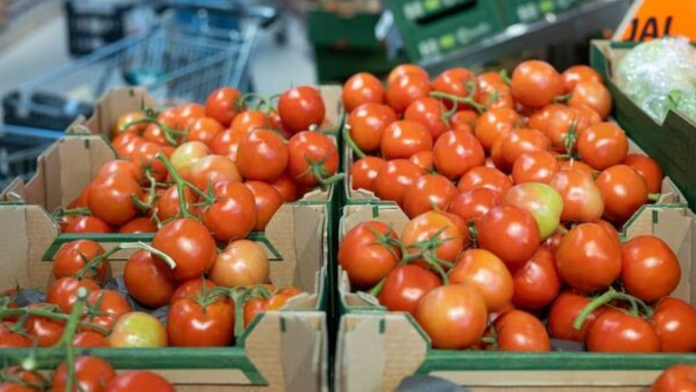
Over the course of the past week, the prices of tomatoes at Mother Dairy’s Safal outlets have witnessed a significant surge, reaching nearly twice their previous rates.
The surge in prices can be attributed to disruptions in tomato supplies caused by heavy rainfall in major tomato-producing states.
On Tuesday, the highest quality tomatoes at Safal stores were priced at INR 78 per kilogram, while some other varieties were also available at relatively lower rates.
The Delhi-NCR market is home to a network of more than 300 Safal stores.
A Mother Dairy spokesperson said, “With the onset of monsoon, the tomato crop is currently going through a seasonal transition. Rainfall in areas such as Himachal Pradesh and Uttarakhand have impacted the crop and also restricted its supply, resulting in a demand-supply gap.”
According to a report from news agency PTI, vegetable vendors in the national capital are retailing tomatoes at prices ranging from INR 80 to INR 120 per kilogram, varying based on the location and quality.
In the realm of online retail, Otipy, an agritech startup, is offering tomatoes at a rate of INR 86 per kilogram. On the e-commerce platform Big Basket, prices for tomatoes range from INR 80 to INR 85 per kilogram.
Around June 15, the prices of tomatoes were relatively low, ranging from INR 25 to INR 30 per kilogram. However, they started gradually increasing to INR 40, then INR 60, and have now reached the current high rates.
According to a vendor quoted by PTI, the prices at Azadpur, India’s largest wholesale market for fruits and vegetables, have experienced a significant surge.
Government data indicates a slight decline in tomato production, from 20.69 million tonnes in the previous year to an estimated 20.62 million tonnes in 2022-23.
According to a recent report from Kotak Institutional Equities, Zomato, the online food delivery platform, retained its dominant position in the food delivery market by capturing 55 percent of the market share in the calendar year ending on December 31, 2022 (CY22). In comparison, its competitor Swiggy accounted for 45 percent of the market share. This data indicates Zomato’s continued success and its ability to maintain its lead over Swiggy. The report was released on Thursday.
Zomato witnessed a significant growth in its gross merchandise value (GMV) for its food delivery business, reaching $3.2 billion. This represents a YoY increase of 26 percent, highlighting the company’s continued expansion and success in the food delivery sector.
Zomato’s food delivery business has witnessed substantial growth in its gross merchandise value (GMV), reaching an impressive $3.2 billion. This represents a noteworthy year-on-year increase of 26 percent, showcasing the company’s continued expansion and success within the food delivery sector.
Additionally, Zomato experienced a remarkable 30 percent year-on-year growth in food delivery orders, surpassing its 26 percent GMV growth. This indicates that there was no decline in either the average order value (AOV) or take rates, which refers to the commission charged by the platform (such as Swiggy or Zomato) for facilitating transactions.
“This suggests a GMV share of 55:45 in favour of Zomato, reflecting strong execution and customer stickiness, despite discounts coming off on the platform. Further, Zomato seems to have maintained its market share lead in CY2022, which is an added positive,” analysts at Kotak said.
During the release of its annual report this week, Prosus, the largest investor in Swiggy holding approximately 33 percent stake in the company, revealed that Swiggy’s losses surged by 80 percent year-on-year from January 1 to December 31, 2022. However, during the same period, the gross merchandise value (GMV) for Swiggy’s food delivery business witnessed a growth of 26 percent.
“Our share of Swiggy’s trading loss increased to $180m (FY22: $100m), driven by investment in Instamart, which peaked during the year,” Prosus had said.
This translates to an overall loss of approximately $545 million for the food aggregator during the year.
“We believe both Zomato and Swiggy are currently annualising GMV of over $1 bn. Swiggy posted YoY growth of 459 per cent in quick commerce GMV, and we believe future growth in it would be more calibrated, given a higher profitability focus. Zomato’s losses appear lower over the same period. However, we note that the Blinkit acquisition was completed only in August 2022, and hence the comparison is not like-for-like,” said Kotak analysts.
According to Kotak analysts, the recent announcement by Swiggy CEO Sriharsha Majety regarding the achievement of Ebitda profitability in the food delivery business is seen as a positive development. The analysts also noted that the competitive intensity in the sector has become more rational compared to the past.
We use cookies to ensure that we give you the best experience on our website. If you continue to use this site we will assume that you are happy with it.