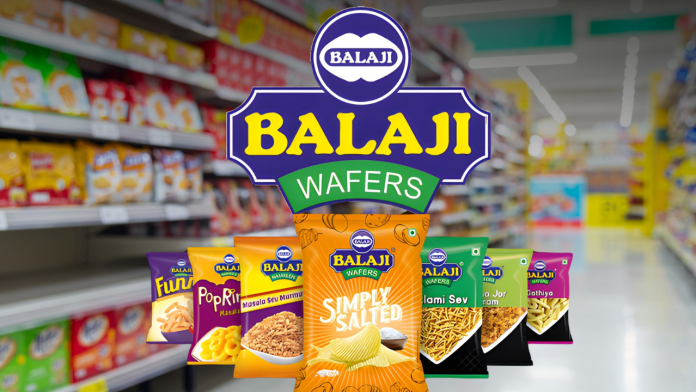
Regional FMCG companies are shaking up India’s consumer goods market, forcing legacy giants to rethink strategy. One of the biggest names at the center of this shift is Rajkot-based Balaji Wafers, which has attracted fresh takeover interest from ITC, PepsiCo and global private equity firms including TPG and Temasek. According to people familiar with the matter, discussions are underway for a 10 percent stake that could value Balaji at nearly Rs 40,000 crore.
Founded in 1982 by Chandubhai Virani and his brothers Bhikubhai and Kanubhai, Balaji has grown from a small theatre snack supplier to a regional powerhouse. The company operates four factories, keeps advertising spends negligible and competes by pricing products 20–30 percent lower than national rivals. Its strategy has paid off. Annual revenue crossed Rs 5,453.7 crore in FY24, up 11 percent from the previous year, while profit after tax jumped 41 percent to Rs 578.8 crore.
This is not PepsiCo’s first attempt to enter Balaji. In 2013, then-CEO Indra Nooyi explored a larger stake, but the Virani family resisted ceding control. Today, global majors see even a minority partnership as a way to tap into Balaji’s stronghold across western and central India and to strengthen supply chain capabilities.
Balaji’s success mirrors a broader trend. From noodles and tea to spices and soft drinks, smaller regional brands are winning consumers by tailoring products to local preferences and undercutting national labels on price. Quick commerce platforms like Blinkit and e-commerce players such as Amazon and BigBasket have accelerated their reach, while investors are pouring money into upcoming brands like Iscon Balaji, Zoff Spices, and Lahori Zeera.
As demand growth slows in metros, regional challengers are becoming the new battleground for India’s FMCG industry.