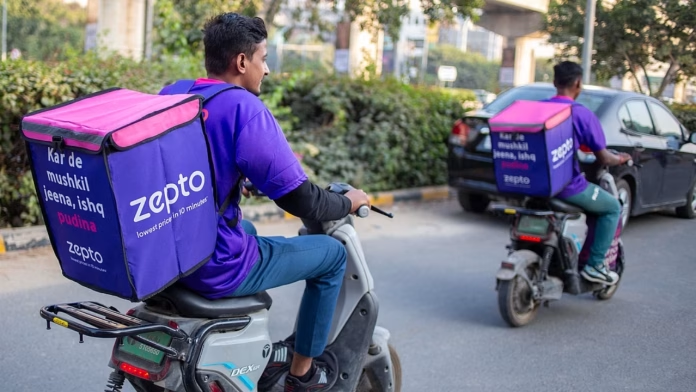
Quick commerce platform Zepto says 2025 marked a turning point in how Indians shop for everyday needs, with consumers ordering more frequently, spending more per transaction, and increasingly depending on ultra-fast deliveries for both essentials and impulse purchases.
According to the company’s year-end trends report, Zepto users collectively saved an estimated ₹17,000 crore over the year through what the company describes as sharper pricing and quicker access to daily items. While the firm did not detail the methodology behind the savings estimate, the figure highlights the growing scale at which quick commerce is influencing household spending.
Speed remained central to the platform’s pitch. Zepto reported its fastest delivery in 2025 was completed in just 48 seconds. Over the year, delivery partners travelled more than 2.45 billion kilometres, underscoring the operational intensity behind the promise of near-instant fulfilment. The app itself was opened over 34.6 billion times, reflecting how deeply embedded quick commerce has become in routine consumption.
User behaviour data also points to rising order values and frequency. One Mumbai-based customer placed a single order worth ₹1.89 lakh, while another user completed close to 5,900 orders in a year, averaging nearly 16 orders a day. Tipping trends showed a similar uptick, with a Gurugram customer tipping delivery partners a cumulative ₹54,000 across multiple orders.
City-level insights reveal both common staples and local quirks. Milk, vegetables and packaged snacks dominated carts in Bengaluru, alongside unexpected tech purchases such as over 69,000 Type-C charging cables. Mumbai logged heavy demand for bottled water and energy drinks, consuming over 7.8 lakh litres during the year. In Delhi NCR, everyday essentials topped orders, though preferences varied, with guavas favoured in North Delhi and avocados more popular in the south.
Hyderabad showed a mix of modern and traditional tastes, with strong demand for carbonated drinks alongside over 65,000 kilograms of Osmania biscuits. The report also noted a growing pattern of mixed baskets, where health-focused products often sit alongside indulgent food items, reflecting evolving consumer behaviour rather than rigid shopping categories.