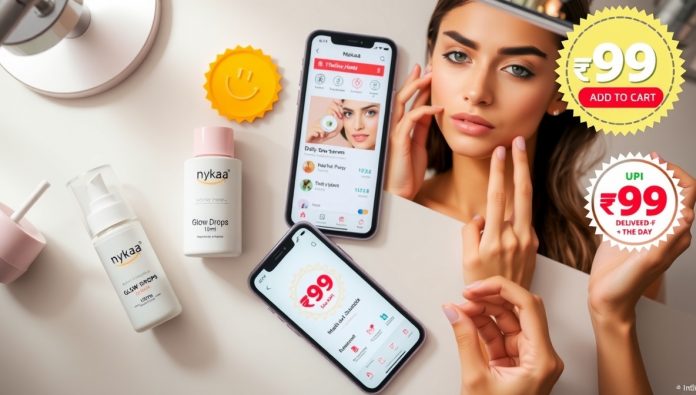
A subtle skincare shift is taking place before your very eyes-and no, it’s not luxury brands or celebrity-laden launches, but the emergence of ₹99 serums, ₹129 lip balms, and everyday glow-up routines that leave teen wallets intact.
E-commerce solutions like Amazon, Purplle, and Flipkart now have a suffocating amount of micro-priced, trend-forward beauty products from an abundance of new-age Indian brands you never heard of, but keep adding to cart anyways. The sweet spot? Aesthetically pleasing skincare products under ₹150 that seem premium enough and deliver just enough to be part of one’s everyday routine.
So what’s fueling it all? Gen Z demand, TikTok beauty hauls, and general thought that skincare is no longer a luxury product, it is a lifestyle. Brands are catching wind of this very quickly, for example, niacinamide serums and sunscreen sticks are small in size but bursting with viral potential. Oh, and most items come in travel minis, sachets or as combo kits to make trial easier!
Platforms are now adding on to the growing movement by bundling these types of products during flash sales and creator driven deals. “Under ₹199 Deals” is now a language and a category not a compromise.
This isn’t just about the price point either. These products are speaking a language that is memeable, skimmable and overly online. They’re putting ingredients front and center like keyword titles – coffee, hyaluronic, berry, clay – and packaging looks like it came out of a GRWM reel.
For traditional players, this is a major inflection point. The next generation of beauty buyers don’t want aspirational-price points, they want accessible and subpar prices. They’re less committed to brands and more committed to the feels. And as a result, we’re seeing a new skincare economy that is all powered off dopamine-carts and ₹99 checkouts. The luxury is accessibility.
Beauty is no longer just an item on a shelf, it’s a flash deal, one-tap away.