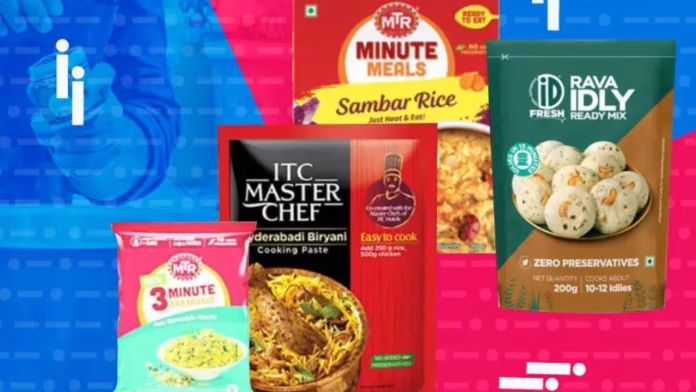
India’s ready to cook and heat and eat food segment is moving into a high growth phase as large FMCG companies and consumer focused startups intensify competition for a bigger share of household kitchens. The market, estimated at about $6.7 billion in 2024, is gaining momentum as urban consumers seek faster meal options without compromising on taste, familiarity or ingredient quality.
Industry estimates suggest the category will expand at a compound annual growth rate of 6 to 8 percent through 2029. Growth is being driven by rising disposable incomes, smaller family sizes and longer working hours, particularly in metro and Tier 1 cities. Consumers are also showing a clear shift toward cleaner labels, regional flavours and products positioned as closer to home cooked food rather than heavily processed meals.
Large FMCG players are scaling up investments to capture this demand. ITC has strengthened its presence in frozen and premium ready meals through brand expansion and acquisitions, while integrating culinary expertise from its hospitality business into packaged offerings. Tata Consumer Products is focusing on shelf stable ready meals that do not require freezing, addressing distribution challenges beyond major cities. MTR continues to defend its leadership in breakfast mixes by launching faster cooking formats targeted at younger consumers, while Godrej Tyson Foods is expanding its ready to cook portfolio across vegetarian and non vegetarian segments to compete directly with quick service restaurants.
Startups are also reshaping the category by pushing freshness and transparency. iD Fresh Food has moved beyond batters into ready to heat accompaniments such as sambar and chutneys. Licious is shifting emphasis toward marinated and quick cook products to improve margins and encourage premium consumption. Brands such as Slurrp Farm are carving out niches with clean label, millet based mixes aimed at children.
Regional cuisine is emerging as a key differentiator, with companies launching products inspired by local gravies and spice blends. At the same time, advances in preservation technology are allowing room temperature storage, reducing logistics costs and expanding reach.
As competition sharpens, the next phase of growth is expected to be driven by consolidation, private labels and continued innovation around shelf life, taste and trust. For Indian consumers, convenience is no longer about speed alone but about familiarity and confidence in what reaches the plate.