Food has always been a reflection of culture, traditions, and taste preferences, but did you know that certain culinary delights have been banned in various parts of the world? These forbidden foods, often deemed too controversial or potentially harmful, have piqued curiosity and left adventurous food enthusiasts craving for a taste of the forbidden.
In this captivating article, we embark on a tantalizing journey to uncover six banned foods from around the world. From exotic delicacies to peculiar ingredients, these forbidden flavors will both intrigue and challenge your culinary imagination. So, fasten your seatbelts as we delve into the mysterious realm of forbidden food and explore the stories behind these captivating culinary controversies. Get ready to discover the fascinating world of gastronomic prohibition and the alluring flavors that await those brave enough to seek them out!
- Japanese Puffer Fish:
Japanese puffer fish, also known as fugu, is a delicacy renowned for its unique flavor. However, it is banned or highly regulated in several countries. The liver and ovaries of the fish contain tetrodotoxin, a potent neurotoxin that can be lethal if consumed in high amounts. The preparation of fugu requires highly skilled and licensed chefs who can meticulously remove the toxic parts while preserving the delicious meat. Japan is one of the few countries where fugu is consumed, but strict regulations are in place to ensure safety.
- Absinthe:
Absinthe is a distilled alcoholic beverage famous for its green color and association with artistic movements in the 19th and early 20th centuries. It contains a compound called thujone, which was believed to cause hallucinations and lead to madness. Due to concerns about its psychoactive effects, absinthe was banned in several countries, including the United States and some European countries, in the early 1900s. However, modern scientific research has debunked many of the myths surrounding absinthe, leading to the lifting of the ban in many places.
- Unpasteurized Milk:
Unpasteurized or raw milk, which hasn’t undergone the process of pasteurization to kill harmful bacteria, is banned or regulated in various countries. The pasteurization process helps eliminate pathogens, such as Salmonella, E. coli, and Listeria, which can cause foodborne illnesses. Raw milk enthusiasts argue that it contains beneficial enzymes and bacteria, but health authorities raise concerns about the potential risks, particularly for vulnerable populations like children, pregnant women, and the elderly. Regulations vary worldwide, with some countries allowing the sale of raw milk under specific conditions.
- Haggis:
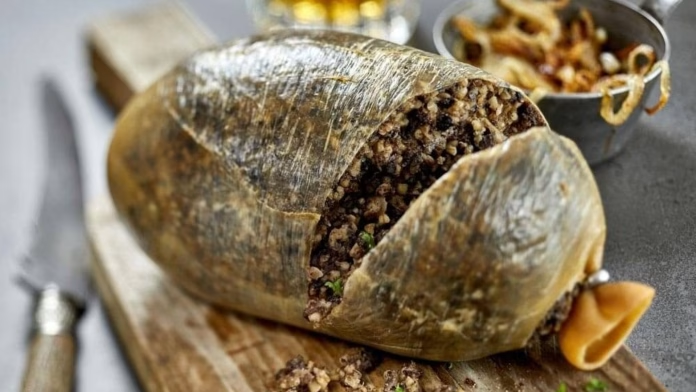
Haggis is a traditional Scottish dish made from sheep’s offal (heart, liver, and lungs) mixed with oats, onions, and spices, all encased in a sheep’s stomach. While not universally banned, haggis made with sheep lungs is prohibited in the United States due to concerns about food safety. The U.S. Food and Drug Administration (FDA) prohibits the importation of food containing lungs due to the potential risk of transmitting diseases. However, variations of haggis made without lungs can still be enjoyed.
- Tomato Ketchup Stevia:
Stevia, a natural sweetener extracted from the leaves of the Stevia rebaudiana plant, is widely used as a sugar substitute. However, the combination of tomato ketchup and stevia has faced restrictions in some countries. These regulations often stem from labeling requirements and concerns about the safety and purity of stevia extracts used in processed foods. While stevia itself is generally recognized as safe, specific formulations or combinations may be subject to scrutiny and restrictions depending on local regulations.
It’s important to note that regulations regarding banned foods can vary from country to country due to differences in cultural practices, food safety standards, and perceptions of risk. While some foods are completely banned, others may face restrictions or require specific certifications for safe consumption.