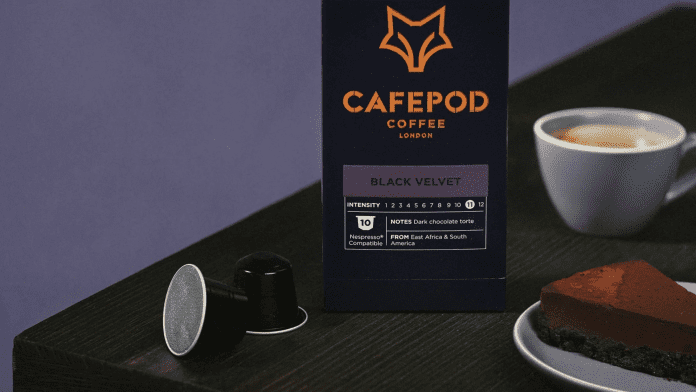
CafePod, an independent coffee company headquartered in London, United Kingdom, is introducing “Black Velvet,” a new addition to its range of Nespresso-compatible pods that offers a rich, dark, and incredibly smooth experience.
Crafted by blending elements from CafePod’s renowned blends like Supercharger Espresso and Brunch Blend, the new pod variant encapsulates the essence of dark chocolate torte with its profound and luxurious flavor profile.
With a foundation of dark chocolate, the pod unveils subtle roasted hazelnut undertones, a result of skillful blending using meticulously sourced Ethiopian and Colombian Arabica coffee beans grown at higher altitudes. The addition of Brazilian Arabica imparts a lusciously caramel note to the bold amalgamation.
Peter Grainger, Co-Founder at CafePod, commented, “The name Black Velvet says it all. This dark, strong, rich blend is set to delight coffee lovers and perfectly complements an indulgent chocolatey dessert. Our customers continuously request more strong coffee options, so we think we’ve found the ultimate pleasure blend that will satisfy their coffee needs.”
Crafted using 80% recycled aluminum, these pods will be conveniently accessible for purchase via cafepod.com, Amazon, and Ocado. Priced at an RRP of £3.80, you can obtain a set of 10 Nespresso-compatible pods.
As per a report from CNN, Domino’s Pizza is preparing to shut down its entire network of 142 restaurants in Russia. These establishments are under the ownership of the franchise entity DP Eurasia, and they are set to initiate bankruptcy proceedings for their Russian branch known as DPRussia.
CNN reported that this decision represents one of the initial instances of Western chains exiting the country, following the departures of McDonald’s and Starbucks last year.
“With the increasingly challenging environment, DPRussia’s immediate holding company is now compelled to take this step, which will bring about the termination of the attempted sale process of DPRussia as a going concern and, inevitably, the group’s presence in Russia,” DP Eurasia said in a statement.
If acquired by a different franchisee, the pizza chain might still have a chance to maintain its presence in Russia. A similar strategy was adopted for McDonald’s and Starbucks in the country; they are presently managed by local entities that acquired the franchises and rebranded them with local names.
Since the beginning of 2022, Domino’s has refrained from extending any form of support to the Russian market.
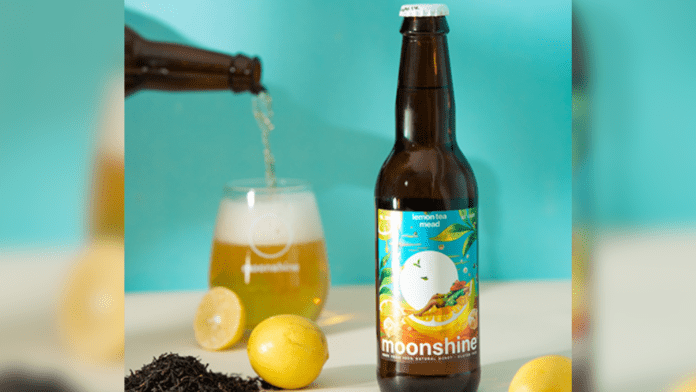
Moonshine, renowned as Asia and India’s trailblazing meadery, unveils a revitalizing extension to their esteemed lineup: Lemon Tea Mead. Meticulously concocted using the essence of lemons and VAHDAM India’s Earl Grey tea, Moonshine remains steadfast in its endeavor to lead the charge for bee preservation and advocate for ecologically sound beekeeping methods, all through the simple act of enjoying a sip.
Crafted to transcend seasonal boundaries, Lemon Tea Mead presents a charming amalgamation of tastes – the lively, citrusy kick of lemon intermingled with the profound aroma of VAHDAM India’s Earl Grey tea. Its journey commences with a soft introduction of citrusy undertones that seamlessly surrender to the complex personality of Earl Grey tea, ultimately culminating in a gentle astringency bestowed by the tea’s tannins. This harmonious composition of flavors finds its foundation in the tender sweetness drawn from Moonshine’s diverse floral honey selection.
Available at an alluring price of INR 150 in Maharashtra, regardless of the season, this offering extends a welcoming gesture to novices, enhancing their understanding of meads. Moonshine has additionally partnered with Malaka Spice to creatively utilize their lemon zest, advocating for waste-reduction methods. The company has intentions to forge akin collaborations with other eateries in Pune as well.
Rohan Rehani, Co-Founder of Moonshine Meadery and Moonshine Honey Project remarked, “In the previous year 2022-2023, Moonshine accomplished a remarkable feat, utilizing over 55 MT of honey for crafting both mead and retail honey sales. It’s fascinating to note that it takes approximately 4 million flower visits by bees to produce just 1 kg of honey. Therefore, with our consumption of 55 MT of honey, we’ve effectively contributed to the pollination of a staggering 220 billion flowers. We’re taking one pint at a time and promoting more mead at a lower price point. Our objective is to consistently weave a narrative that underscores Moonshine’s commitment to ecological balance through bee preservation and dedicated beekeeping practices.”
Within the alcoholic beverage sector, Moonshine Meadery holds a unique position as the sole brand that prioritizes beekeeping methods. Every glass of Moonshine consumed results in the pollination of around 4 million flowers. In an arena where only a handful of alcohol brands place emphasis on societal and environmental matters, Moonshine’s mindful commitment radiates brilliantly, reshaping the industry’s responsibility in driving positive global progress.
Dabur India has enlisted Kartik Aaryan to serve as the brand ambassador for the introduction of the new Dabur Red Bae Fresh Gel toothpaste variant.
Devised by Ogilvy India, the launch campaign has its sights set on engaging Generation Z and Millennials, underlining the significance of both personal and oral hygiene.
Abhishek Jugran, Vice-President – Marketing, Dabur India, said, “I’m incredibly proud to announce the launch of Dabur Red Bae Fresh Gel. Embracing innovation and customer-centricity, our new launch represents a leap towards redefining excellence in the freshness segment in toothpaste. Infused with 5 Natural Activs like wintergreen oil and mint, the product delivers a unique taste of being mild sweet and spicy, with a burst of minty deep freshness. It is clinically proven to deliver 4 times better freshness compared to ordinary toothpaste.With Dabur Red Bae Fresh Gel, one can imagine a refreshing breeze sweeping through your mouth with every brush, awakening your senses and leaving you with an invigorating chill. We have the most dynamic and vibrant youth icon, Kartik Aaryan who perfectly embodies the values of our brand to make this launch a roaring success. The launch of Red Bae Fresh Gel Toothpaste marks a new milestone in Dabur’s commitment to providing innovative and effective oral care products”.
Aaryan said, “I am delighted to be part of the Dabur family. Dabur Red is an iconic and trusted brand from the House of Dabur. I am very excited to launch their latest Gel toothpaste offering “Dabur Red Bae Fresh Gel” which represents youthfulness, attraction, energy and confidence with a tinge of desi factor which is completely in sync with my personality. I’m excited with this association and look forward to reaching the audiences with our launch creative communicating the brand’s “irresistible freshness” message very effectively.
Ritu Sharda, CCO, Ogilvy India (North), said, “Dabur is constantly innovating products that appeal to today’s youth. Dabur Red BAE Fresh Gel achieves this with a lively and fun campaign that perfectly highlights our clutter-breaking ‘Saason ka Perfume’ concept, which is inspired by Gen Z’s desire to create an everlasting impression by always looking, smelling and feeling good. Dabur’s 12-hour freshness promise with this product further solidifies our concept. The campaign is brought to life by the effervescent Kartik Aaryan.”
Augustus Daniel, Head of Marketing-Oral Care, said, “Gels is the second largest sub-segment in toothpaste category. Our new launch, Dabur Red Bae Fresh Gel, is meticulously crafted with Gen Z and Millennials in mind – from the brand name to the product and proposition. ‘BAE – Before Anyone Else’ captures the essence of a close friend or partner, while ‘irresistible freshness’ appeals to youth aiming to leave a lasting impact in every interaction. Backed by youth icon Kartik Aaryan’s endorsement, our 360-degree campaign across TV, print, and digital platforms aims to win hearts of India’s youth”
A day dedicated to celebrating the cherished bond between brothers and sisters is just on the horizon. If you’re still unsure about how to go the extra mile in pampering your sibling, here’s some exciting news for you. The beloved Chinese restaurant chain that has won the hearts of Kolkata, Bangalore, and now Delhi, has meticulously designed an array of special offers to elevate your plans. Whether you choose to visit the nearest Chowman outlet and enjoy a generous 20% discount on dine-in experiences, or you decide to opt for convenience by ordering through the Chowman App, which comes with an exclusive INR 250 off, you’re all set for treating your sibling to an opulent Chinese feast that will undoubtedly warm their heart.
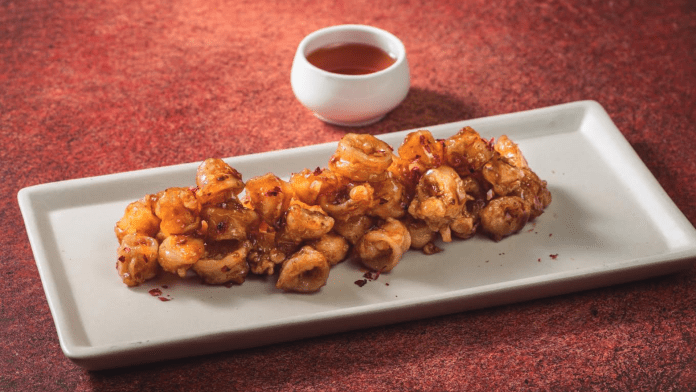
Renowned for their extensive selection of more than 600 menu items, Chowman is poised to enhance the festive ambiance with their exotic culinary offerings. On this occasion, you have the delightful opportunity to explore a diverse array of choices. Ranging from the delectable Four Treasured Mushrooms and the enticing Honey Glazed Chilli Squid to the flavorful Hong Kong Chicken, and not forgetting the appetizing Veg/Non-Veg Bao, an array of seafood dishes, a variety of Rice and Noodles preparations, a rich assortment of main course options, and an abundance of other tantalizing selections await your indulgence.
Chowman promises to take you and your foodie sibling on a flavourful culinary journey!
Dine-in Offer: Up to 20% off on Chowman Pay for dine-in customers.
Timing: 12 Noon – 10:30 PM
Helpline: 18008902150
Conceived as the aspiration of a young artist, Chowman emerged with the vision of presenting authentic and traditional Chinese delicacies to the people of Bengal. Crafted with meticulous attention, adorned with warm lighting, and exuding a cozy ambiance, Chowman encapsulates the essence of Chinese ethos, cuisine, and culture. The journey of Chowman has been remarkable, having now expanded significantly to encompass 19 outlets in Kolkata, 6 in Bangalore, and an additional 2 in Delhi, with a promising lineup of more to come.
Gathering numerous national accolades, Chowman has forged partnerships with renowned delivery platforms such as Swiggy and Zomato, in addition to establishing its own dedicated delivery service through the exclusive Chowman app. Supported by a proficient team known for their managerial prowess and master chefs well-versed in the intricacies of traditional Asian cooking, Chowman eagerly anticipates unveiling a multitude of exciting ventures in the upcoming years.
“Food startups are not really built by people who know the business but by people who are passionate about food,” said Mr. Moksh Eshpuniyani, Founder of Delna Foods in exclusive conversation with SnackFax. And we can’t agree more! We often see that people who are passionate about a certain thing end up dedicating their life towards it. Well, that is what this story is about as well—a story where passion to create something that we love, better for others and ourselves.
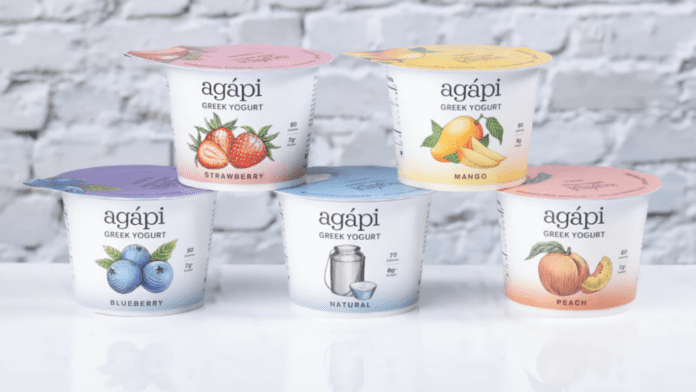
Moksha, through his brand Delna Foods, embarked on a mission to introduce Greek yogurt, a traditional delight with roots tracing back to ancient Greece, to modern consumers. Recognizing the growing demand for healthier snack options that don’t compromise on taste or quality, Delna Foods set out to create Agapi Greek Yogurt.
Agapi: Love in Every Spoonful
Agapi, meaning “love” in Greek, perfectly encapsulates the brand’s commitment to delivering not only a product but also a sentiment of love for well-being. The brand envisions making Greek yogurt accessible to everyone, ensuring that affordability does not come at the cost of quality.
At the heart of Agapi Greek Yogurt lies the belief that great taste begins with great ingredients. Delna Foods sources high-quality milk from local farms, prioritizing partnerships with ethical and sustainable producers. The result? A yogurt that boasts the richness of Greek tradition while adhering to modern expectations of quality and transparency.
The yogurt-making process at Delna Foods is a harmonious blend of tradition and innovation. Using age-old techniques combined with modern technologies, the brand ensures that each spoonful of Agapi Greek Yogurt is a testament to its commitment to excellence.
Affordability without Any Compromise:
One of the standout features of Agapi Greek Yogurt is its remarkable affordability. Delna Foods believes that health should be accessible to everyone, regardless of their budget. By streamlining production processes and forging efficient supply chains, the brand successfully delivers a premium product without inflating the price tag.
Agapi Greek Yogurt demonstrates that affordability doesn’t equate to compromise. Consumers can indulge in the velvety texture and rich taste of traditional Greek yogurt without straining their wallets.
Fueling Body and Mind: Nutritional Powerhouse
Greek yogurt is celebrated for its numerous health benefits, and Agapi takes this to the next level. Packed with protein, probiotics, and essential nutrients, Agapi Greek Yogurt supports digestion, promotes muscle recovery, and contributes to overall well-being. Delna Foods proudly highlights the nutritional content of their yogurt, positioning it as a wholesome snack that fuels both body and mind.
Agapi Greek Yogurt isn’t just a snack; it’s a culinary canvas waiting to be explored. Delna Foods encourages consumers to get creative with their yogurt, showcasing recipes ranging from savory dips and dressings to indulgent desserts. This culinary versatility adds an element of excitement to the product, inspiring consumers to reimagine traditional yogurt in innovative ways.
More Than a Yogurt Brand:
Delna Foods doesn’t just want to be a yogurt brand; they want to be a part of their consumers’ lives. The brand fosters a sense of community by sharing stories, recipes, and wellness tips on its platforms. Through engaging with consumers, Agapi Greek Yogurt becomes more than a product—it becomes a lifestyle choice that encourages health, happiness, and togetherness.
In a world where passion drives innovation, Moksha Eshpuniyani and Delna Foods have proved that following one’s heart can lead to the creation of products that not only nourish the body but also nurture the soul. Agapi Greek Yogurt is a delicious embodiment of this passion-driven journey to health and happiness, inviting us all to indulge in a little more love with every spoonful.
Watch our exclusive conversation with Moksh Eshpuniyani here:
As the negotiations for a free-trade agreement (FTA) between India and Rishi Sunak’s government progress, talks have commenced regarding measures to combat the issue of under-invoicing of alcohol. One approach being considered involves the establishment of ‘place valuation rules.’ These rules would necessitate importers to remit customs duty according to a value determined by customs authorities, serving as a benchmark price. This initiative aims to address the concern of underreported prices and ensure fair valuation.
The practice of under-invoicing alcohol for importing liquor into India has become a prevalent strategy adopted by foreign brands. This tactic allows them to evade substantial taxes, even though regulations exist for transfer pricing and transactions involving related parties.
In a recent development, the multinational corporation Pernod Ricard encountered a tax claim of approximately INR 2,000 crore. This claim was based on allegations of intentionally undervaluing concentrate imports over multiple years, a practice commonly referred to as “under-invoicing.”
According to an insider, the Indian government’s strategy to combat under-invoicing involves entrusting DG Valuations within the Central Board of Indirect Taxes and Customs with the responsibility of conducting a valuation assessment and establishing a specified price.
Once the reference price is established, all incoming shipments to the nation would be obligated to pay taxes according to the value determined by customs authorities, regardless of their stance on the taxation matter.
Nevertheless, importers are afforded an opportunity to contest the established price. The source mentioned that if they provide valid justifications, the authorities retain the authority to make a decision and allocate a reduced value for the imported goods.
One approach to address this concern involves having the Directorate General of Foreign Trade establish a minimum import price (MIP). However, this course of action would have led to only commodities surpassing the set price threshold being permitted for entry into India.
The matter of under-invoicing was raised during internal deliberations precisely at a juncture when the country is engaged in negotiations for a free trade agreement (FTA) aimed at securing reduced tariffs for imported Scotch whisky.
Indian officials are in discussions to secure reductions in tariffs, with the objective of safeguarding the segment of bottles priced below INR 750 from any adverse effects stemming from this initiative.
In their efforts to advocate for domestic brands, the Confederation of Indian Alcoholic Beverage Companies (CIABC) proposed the implementation of a minimum import price.
The organization has highlighted that certain alcohol-importing brands in India provided excise authorities with quotations that were one-third of the cost, insurance, and freight (CIF) price they had presented to duty-free outlets. Consequently, the consumer prices of certain brands in India have been lower than the expenses incurred in the UK.
According to CIABC, free trade agreements (FTAs) and under-invoicing could potentially have a negative effect on domestic industry participants.
Up until now, the deliberations within the Indian government have centered solely on bottled whisky. Conversations regarding other varieties of alcohol are still pending.
For years, foreign players have been lobbying to get the Indian government to lower the duty on imported spirits, which is currently fixed at 150 per cent.
Zomato and Swiggy, the popular food delivery platforms, recently took to social media to show their support by expressing their endorsement for the upcoming Chandrayaan-3 mission. In a particularly creative gesture, Zomato shared an image featuring the delectable “dahi cheeni,” a traditional Indian dessert blending yogurt and sugar, coupled with their best wishes for the mission’s resounding success.
With a significant online footprint, both Zomato and Swiggy boast millions of followers across diverse social media channels. Through these shared posts, they not only showcased their solidarity with the Indian Space Research Organization (ISRO) but also ignited a surge of exhilaration and eagerness among their vast array of followers.
Swiggy, on the other hand, shared a heartfelt wish. “1 delivery, 1.4 billion smiles! wishing #Chandrayaan3 a happy touchdown on the moon,” read the post.
1 delivery, 1.4 billion smiles! wishing #Chandrayaan3 a happy touchdown on the moon ?
— Indian Scientist | भारतीय वैज्ञानिक ?? (@deshivaigyanik) August 23, 2023
As the countdown to the Chandrayaan-3 launch commences, the support garnered from diverse corners of society, including these influential figures in the food delivery sector, acts as a poignant reminder of the shared spirit propelling our nation’s holistic progress.
Chandrayaan-3, the eagerly awaited third lunar exploration expedition led by ISRO, follows the success of the Chandrayaan-2 initiative, which garnered global attention due to its impressive advancements in space exploration. The forthcoming mission has the objective of deepening our comprehension of the lunar landscape and its multifaceted characteristics.
The India Club in London, renowned as a cherished haven for many Indians residing in the UK, is set to close its doors permanently next month due to an unfavorable outcome in a demolition lawsuit.
The delightfully unique India Club located at 143 Strand has retained much of its original charm since its establishment over half a century ago.
Nestled atop a staircase, the India Club holds a place within London’s historical fabric. Initially founded by the India League to foster Indo-British camaraderie in the aftermath of independence, it swiftly evolved into a hub for organizations catering to the Asian community. The India Club situated at 143 Strand soon gained renown as a hospitable haven, offering a platform for seeking guidance, cultural bonding, and the freedom to converse in one’s native language.
Yadgar Marker and his daughter Phiroza, the proprietors, initiated a “Save India Club” campaign in a valiant effort to sustain its existence. However, despite their endeavors, the group has regrettably declared the closure of the establishment.
“It is with a very heavy heart that we announce the closure of the India Club, with our last day open to the public on September 17,” they shared.
During a period when the everyday lives and encounters of Asians in Britain might have posed challenges, 143 Strand emerged as a crucial gathering place for diaspora communities from the subcontinent. For a generation of trailblazing immigrants, it served as a comforting refuge, akin to a second home.
The interior of 143 Strand, with its uniquely charming features including the distinctive entrance, stairwells, reception area, first-floor bar, and second-floor restaurant, has retained its original state from the time of the India League’s occupancy.
Sharing a post on X, MP and politician Shashi Tharoor shared, “I am sorry to hear that the India Club, London, is to close permanently in September. As the son of one of its founders, I lament the passing of an institution that served so many Indians (and not only Indians) for nearly three-quarters of a century. For many students, journalists and travellers, it was a home away from home, offering simple and good quality Indian food at affordable prices as well as a convivial atmosphere to meet and maintain friendships.”
I am sorry to hear that the India Club, London, is to close permanently in September. As the son of one of its founders, I lament the passing of an institution that served so many Indians (and not only Indians) for nearly three-quarters of a century. For many students,… pic.twitter.com/bwyOB1zqIu
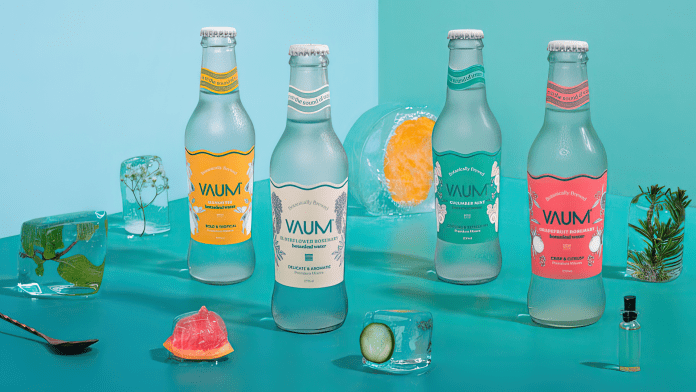
Vaum, a remarkable beverage enterprise operating within the retail domain, is committed to encapsulating the tranquil melodies of nature in each of its bottles. Established by Siddharth Saraf and Aakash Khaunte, Cousins and Co-Founders, Vaum derives its inspiration from the Sanskrit term “Vaum/Vahmn,” representing the serene echoes of water. With this ideology as their compass, the entrepreneurial pair took the lead in introducing India’s first collection of quinine-free botanical beverages.
Frustrated by the common issue of mixers overpowering the flavors of top-shelf spirits, Siddharth and Aakash set out to redefine the drinking experience. Siddharth acknowledges that the right mixer can elevate the enjoyment of spirits but notes the challenge of finding one that enhances rather than detracts from the spirit’s essence. He emphasizes, “We were frustrated with mixers that failed to enhance the taste of high-quality spirits, instead detracting from their flavor. With Vaum Tonics’ range of sophisticated soft drinks, you can enjoy a refreshing and satisfying drink without compromising your health or your taste buds.”
Vaum finds its pride in the artful concoctions of natural components, carefully balanced to present a delicate and intricate range of flavors. These are thoughtfully crafted to harmonize with, rather than overpower, your chosen spirits. Whether you’re indulging in a classic gin and tonic, a refined glass of rum, or a smooth sip of vodka, Vaum assures an unparalleled enhancement of your drinking journey.
Vaum distinguishes itself with an unwavering commitment to using only the finest ingredients sourced from top European flavor houses, ensuring that every sip bursts with authentic, high-quality taste. Siddharth, the co-founder of Vaum Tonics, proudly states, “We’ve partnered with Hayley Troup and Ed Swete, two of the world’s leading beverage innovators, to create seven distinct and memorable flavors that are produced in India with botanicals imported from Europe, blended and bottled with champagne-esque carbonation in Goa.”
Drawing upon the technical mastery and vast know-how of Liquid Fusions, Vaum has meticulously formulated distinctive recipes that belong solely to the company. The outcome is an assemblage of exquisite, naturally infused, and refined non-alcoholic beverages that boast an impressively low caloric content.
Akash Khaunte observes that India is currently undergoing a beverage revolution, reminiscent of the early 2000s in the United States. He said, “With consumers becoming increasingly adventurous in their taste preferences and seeking out high-quality international drinks, we have developed exceptional beverages in India that can be enjoyed by people all over the country.”
Vaum presents a duo of product lineups tailored to a wide array of preferences. The initial selection encompasses Traditional Tonic Waters, featuring variants like Classic Indian, Lite Indian (with zero calories), and Limone. These options are meticulously infused with quinine, embracing a more conventional flavor spectrum.
In its second array, Quinine-Free Botanical Sparklers emerge as a pioneering notion within India. These dual-infused botanical beverages offer the versatility of being enjoyed either as prepared sodas or as enhancers for any alcoholic libation. With each flavor boasting fewer than 30 calories per serving, they exhibit approximately one-third of the sugar content commonly encountered in conventional sodas. Among the prominent selections within this range are the well-received ‘Grapefruit-Rosemary’ and ‘Mango-Fig’ Botanicals, accompanied by other distinctive choices such as ‘Elderflower-Rosemary’ and ‘Cucumber-Mint.’
With a steadfast commitment to quality and innovation, Vaum has rapidly earned a reputation for excellence since commencing full-scale operations just 14 months ago. Notable milestones include partnering with Hosa Siolim, a subsidiary of the Indian Accent group in Goa, to produce bottled cocktails. In March 2023, Vaum established a collaboration with Impressario, the company behind all the Socials in Mumbai, further solidifying its position as an industry leader. Additionally, Vaum has joined forces with the Campari group to participate in the January 2023 edition of the Gin Explorers Club in Mumbai. Siddharth adds, “These partnerships have led to other successful events across Mumbai, Delhi, and Bangalore, featuring Campari/Bulldog Gin.”
Vaum is poised to redefine the landscape of the Indian retail beverage industry by harmoniously blending natural ingredients with the tranquil melodies of nature. This marks a refreshing departure from conventional beverages, offering a sensory experience that seamlessly combines serenity and invigoration. Embark on the voyage with Vaum today, immersing yourself in the soothing symphonies of nature with every delightful sip.
We use cookies to ensure that we give you the best experience on our website. If you continue to use this site we will assume that you are happy with it.