Blue Tokai Coffee Roasters, India’s foremost specialty coffee brand, announced the launch of their much-anticipated special coffee collection, the Producer Series, marking its fourth installment.
True to its name, the Producer Series pays homage to the innovative efforts of India’s visionary coffee producers, as they explore creative processing techniques to create unique coffee varieties.
These exceptional coffees are grown in limited quantities, undergo various experiments at the farm level, and are carefully roasted by Blue Tokai’s in-house experts to enhance their extraordinary fruity and floral qualities, all before they are delivered to customers’ hands.
Over the past decade, Blue Tokai has been engaged in extensive collaborations with over 70 coffee producers in India, with the aim of showcasing the country’s finest coffees to a worldwide audience.
The Producer Series acts as a platform that not only highlights these enduring partnerships but also symbolizes the growing fascination with coffee experimentation and the ever-expanding community of specialty coffee enthusiasts in India.
Similar to Blue Tokai’s other roasted coffee offerings, ‘Producer Series 2023’ will be available in a range of grind options, ensuring their compatibility with any preferred brewing method that consumers may choose.
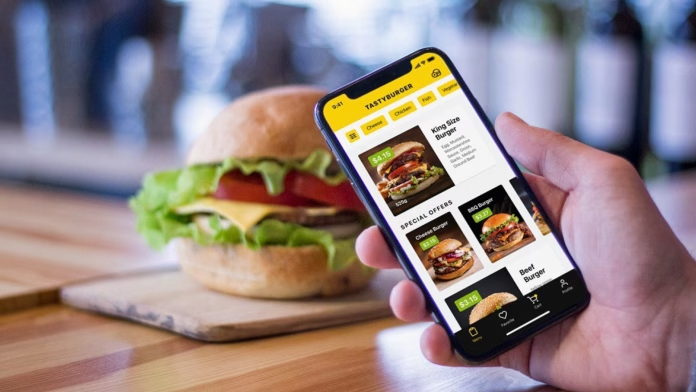
Estimates from CLSA suggest that the number of monthly active users on food delivery platforms like Zomato and Swiggy is poised to increase by over two-fold by the fiscal year 2030.
According to a note from the brokerage dated August 31, despite adopting conservative estimates and limiting the target audience to households with a disposable income exceeding $10,000 (approximately INR 8.2 lakh), the number of users is expected to more than double.
“We believe profitability of the online food delivery industry has well and truly been established, and its current duopoly nature is likely to help sustain take-rates,” it said.
It noted the concerns around user growth, specifically the volatility in Zomato’s monthly transacting users over the past four quarters. “In our view, these concerns were largely due to a reduced presence in cities, some slowdown in discretionary demand and clear prioritisation of profitability over growth.”
CLSA stated that if online food delivery platforms maintain consistent penetration across income brackets and increase their market coverage from 85% to 90% of the target audience, this would result in an 11% compound annual growth rate (CAGR) in user numbers over the next six years.
Further, a major tailwind for the sector in the second half of the current fiscal would be the Cricket World Cup set to be held in India. “It should aid demand for online food delivery, as seen in other developed nations during sporting events. We remain positive on the online food delivery space,” it said.
The brokerage has issued a ‘buy’ recommendation for Zomato Ltd., setting a target price of INR 99.6 per share, offering a minimal upside compared to its current market price.
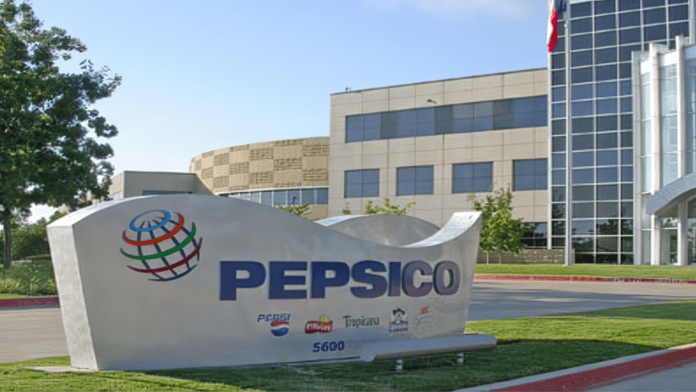
PepsiCo, the prominent American company known for snacks and beverages, is preparing to resume snack manufacturing operations in Indonesia. This move comes two years after the company concluded a previous joint venture in the region.
PepsiCo has initiated the construction of a new production facility in the locality of Cikarang, situated in West Java. With a projected long-term investment of approximately $200 million, the company aims to foster the growth of the Indonesian market.
PepsiCo’s choice to re-enter the snack market in Indonesia was facilitated by investment incentives offered by the Indonesian government.
In early 2021, PepsiCo exited its snacks joint venture in Indonesia, selling its minority stake to local partner PT Indofood CBP Sukses Makmur. PepsiCo did not disclose the reason behind its decision to withdraw from the venture.
During their partnership, the collaboration yielded popular snack brands such as Lay’s, Cheetos, and Doritos for the domestic market. However, as per the conditions outlined in the sales agreement with their joint venture partner, PepsiCo and its affiliated entities committed to refraining from producing, packaging, selling, promoting, or distributing any rivaling snack food items in Indonesia for a duration of three years.
PepsiCo expects to commence snack production at the newly established facility by early 2025, marking the commencement of manufacturing activities a year after the agreed-upon period of inactivity.
The new facility established by the US company highlights a more comprehensive vision, emphasizing the importance of local talent, leveraging indigenous raw materials, and reinforcing the domestic value chain.
It added, “With its rapidly expanding economy, dynamic demographic profile and evolving consumer needs, Indonesia presents unparalleled opportunities, particularly in the F&B sector.
“Recognising this potential, the Indonesian government has shaped policies to cultivate a vibrant investment climate. Aligning with this favourable landscape, PepsiCo Indonesia has reaffirmed its long-term investment commitment to the country.”
PepsiCo has pledged to source most raw materials for its snacks, including corn and palm oil, from sustainable sources and to use renewable power sources.
Once ready, the new West Java manufacturing plant will span 60,000 sq m, dedicated to the production of snacks.
Asif Mobin, CEO of PepsiCo Indonesia, said, “In Indonesia, our expansion signifies more than growth – it represents our commitment to the country, its sustainability objectives, and the communities we serve.”
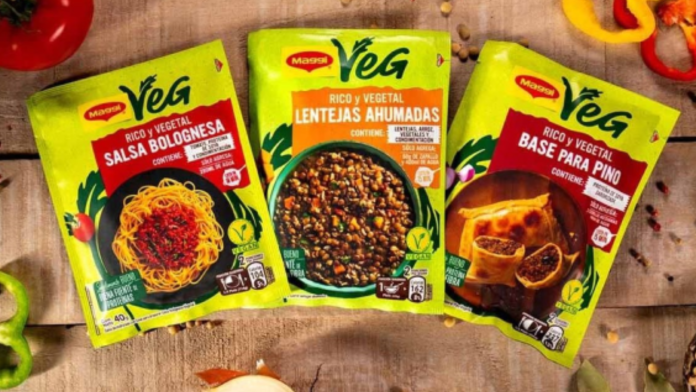
Nestlé has broadened its selection of plant-based items by introducing shelf-stable products in Chile under the Maggi Veg label.
Included in this lineup is Nestlé’s inaugural shelf-stable plant-based minced meat option.
Nestlé’s recent offerings feature options that blend vegan “mincemeat” with flavorful seasonings, suitable for creating dishes such as tacos, empanadas, or spaghetti bolognese, along with a lentil-based soup.
These plant-based meat alternatives are crafted from soy and bear the “certified vegan” label.
“We continue launching plant-based products in many regions of the world to offer people tasty, nutritious alternatives to meat that they can enjoy with family and friends,” Torsten Pohl, Nestlé’s global head of R&D, said.
“Our new shelf-stable range also makes plant-based alternatives more accessible to a wider range of consumers in Chile. This makes them a delicious, excellent source of protein in many favourite recipes, for breakfast, lunch, or dinner.”
Nestlé currently offers refrigerated and frozen meat substitutes. Nonetheless, earlier this year, the company withdrew its Garden Gourmet meatless and Wunda alternative dairy brands from the retail market in the UK and Ireland. This strategic move aimed to prioritize its essential product range.
The brands were introduced in 2021. Garden Gourmet featured plant-based burgers, minced meat, and sausages, whereas Wunda offered a milk alternative derived from peas.
Nestlé has kept Garden Gourmet available for the UK’s foodservice sector and for distribution in various other European nations. Additionally, the company provides plant-based choices in the realms of beverages and confectionery.
In June of this year, Nestlé’s Israeli food division, Tivall, joined forces with More Foods, a vegan meat analogues producer based in Tel Aviv.
The exact nature of the partnership is unclear, although, in a joint statement, Tivall and More Foods said they would “create a portfolio of innovative, pumpkin seed, meaty products for main meals”.
The Swiss enterprise has also recently piloted ready-to-heat, shelf-stable plant-based meal kits in China that feature local recipes like Mala Xiang Guo and Curry Chicken.
Diageo has introduced a non-alcoholic option for its Captain Morgan Spiced Gold rum, marking the inaugural addition of a dark spirit to the company’s collection of alcohol-free products.
Over the course of two years, Diageo’s innovation team has meticulously developed Captain Morgan Spiced Gold 0.0%, skillfully layering flavors that commence with indulgent hints of caramel, molasses, vanilla, and comforting brown spices.
Samori Gambrah, global brand director at Captain Morgan, commented, “With a resurgence of rum as a drink of choice and the global alcohol-free spirit market set to increase, Captain Morgan 0.0% is perfectly placed to not only meet growing demand but also give those looking to moderate their consumption a new alternative”.
Amanda Brown, liquid scientist at Diageo, added, “It’s been an exciting journey working on Diageo’s first alcohol-free dark spirit. When creating Captain Morgan 0.0%, we went through more than 400 recipes before we were able to capture the iconic rum and spice flavour of Captain Morgan Original Spiced Gold, but without the alcohol. Captain Morgan 0.0% has been created by layering flavours that deliver the complexity and depth that consumers know and love.”
The debut release is scheduled for September in the United Kingdom, followed by Estonia, Lithuania, and Latvia later this year. The expansion will continue across Europe in 2024. In the UK, Captain Morgan Spiced Gold 0.0% will soon grace the shelves of Waitrose, Morrisons, Sainsbury’s, Tesco, and other stores, priced at £15 as the recommended retail price.
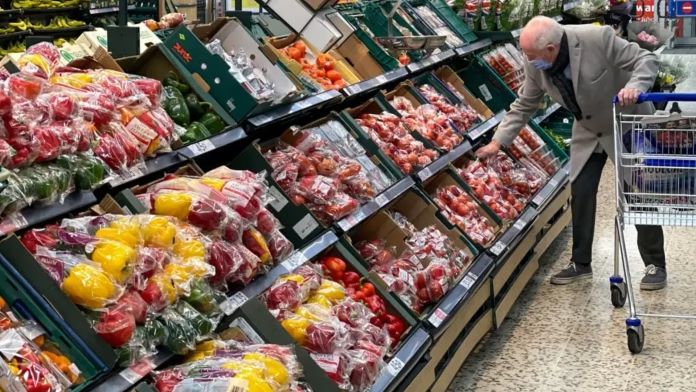
The CEO of the supermarket chain Les Mousquetaires indicated on Wednesday that retail prices in France are unlikely to experience a significant decline until March. This statement aligns with a cautionary message from a competing group, which pointed out that French consumers are reducing their spending due to the elevated cost of living.
Thierry Cotillard, leading a group with over 3,000 stores in France, is one of the retail executives scheduled to meet with Finance Minister Bruno Le Maire on Wednesday. The agenda of the meeting revolves around deliberations on strategies to reduce prices.
Prior to the scheduled meeting, Cotillard conveyed to RTL radio that French shoppers had curtailed their supermarket purchases by approximately 5% in terms of quantities. They were also showing reduced interest in purchasing fresh items such as fish and meat. Cotillard further remarked that he foresees no positive changes in the overall pricing scenario until March.
“We are seeing more falls in the prices of raw materials than rises, we had oil and wheat and now paper. Retailers are passing on those falls to consumers with their own private label brands, but the law does not force national brands to renegotiate their prices. Some are playing ball but others don’t.”
The CEO of the French retail giant Carrefour issued a cautionary statement on Tuesday, highlighting that elevated prices have compelled consumers to make substantial reductions in their expenditures on essential commodities. The CEO also advocated for a postponement of a proposed law that seeks to limit the extent of promotional offers retailers can provide.
While Europe’s inflationary impact is subsiding, France is experiencing a milder decline in prices compared to numerous other countries. This divergence can be attributed to a notable rise in food-related inflation since March, following the annual price negotiations between retailers and producers.
The government is keen to steer food inflation, which surpassed the overall French inflation rate of 5.1% in July, toward a downward trajectory. There’s a sense of caution, as these elevated levels could potentially weaken the delicate state of consumer confidence.
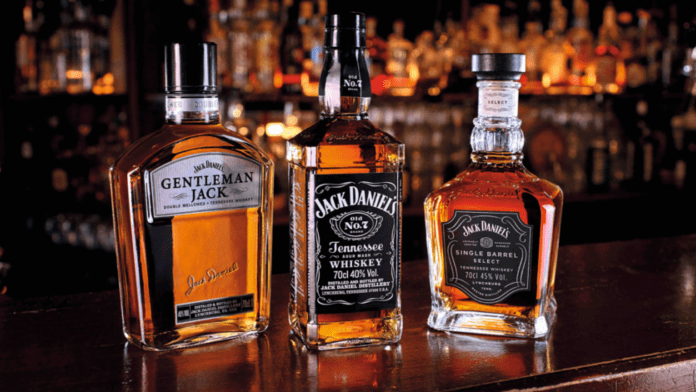
Brown-Forman, the maker of Jack Daniel’s, experienced a quarterly earnings disappointment on Wednesday. This was primarily due to elevated input costs and lackluster demand for their more premium whiskey offerings like Woodford Reserve and Gentleman Jack in the U.S.
The company’s shares dipped by up to 6%, hitting a two-month nadir, because its first-quarter net sales also slightly missed the predictions set by analysts.
The spirits manufacturer faced the impact of elevated input expenses, encompassing agave, grains, and wood, all while shipment volumes in the United States dropped due to wholesalers reducing their inventories.
Not accounting for exceptional items, Brown-Forman generated earnings of 48 cents per share, falling short of the projected profit of 53 cents per share, according to data from Refinitiv.
During the quarter, advertising expenditures witnessed a 19% increase, and overall costs rose by 14%, compounded by the challenges posed by a challenging labor market.
Confronted with supply chain disruptions and elevated input costs that reached their pinnacle in the previous fiscal year, the company implemented a year-on-year price hike of 2% to 3% on its spirits.
During a post-earnings call, Brown-Forman attributed a 90-basis-point increase in gross margin for the quarter to a 250-basis-point advantage resulting from increased pricing, along with a reduction in supply-chain expenses.
In the quarter under review, distributor inventories, which represent the stock held by wholesalers, witnessed an 11% decrease in the United States. This reduction played a role in the company’s net sales in the country declining by 8%.
In the quarter, its net sales experienced a 3% increase, reaching $1.04 billion, slightly below the average estimate of analysts at $1.05 billion.
However, Brown-Forman restated its yearly objective of achieving organic net sales growth within the range of 5% to 7%. The company also expressed anticipation that demand patterns will return to a more balanced state following two years of robust expansion.
Swiggy, a major player in the food tech industry, is partnering with banking and telecom firms to introduce bundled plans incorporating Swiggy One subscriptions. Under this initiative, Swiggy has launched Swiggy One Lite, a B2B solution, through which customers purchasing telecom subscriptions and banking products such as credit cards will now receive Swiggy One as an added benefit within their package.
Swiggy One extends a range of advantages to its users, including the exemption of delivery charges across its services like the food app, the quick commerce vertical Swiggy Instamart, the restaurant reservation feature DineOut, and the hyperlocal porter service Genie. The subscription for Swiggy One is priced at INR 1,299 for a three-month duration.
Sources indicate that the ‘Swiggy One Lite’ promotion is presently active in partnership with Axis Bank.
“We are constantly looking for ways in which consumers can experience the unparalleled benefits of Swiggy. Swiggy One is the country’s only membership program offering benefits across food, grocery, dining out and pick-up and drop services. We have now launched Swiggy One Lite, a B2B offering where we are working with several large brand partners in telecom, banking among others so that their customers can experience Swiggy with Swiggy One Lite,” said a Swiggy spokesperson.
“This will include benefits such as free deliveries on food and grocery orders and exciting offers across Swiggy’s many services. Brands can bundle the Swiggy One Lite membership with their own products delighting their customers with a valuable membership program,” the spokesperson added.
Furthermore, the company has introduced a jointly branded credit card in collaboration with HDFC Bank.
This comes at a time when Baron Capital, a US asset management company, has raised the value of its stake in Swiggy by 33.9 percent to $8.54 billion from the previous quarter.
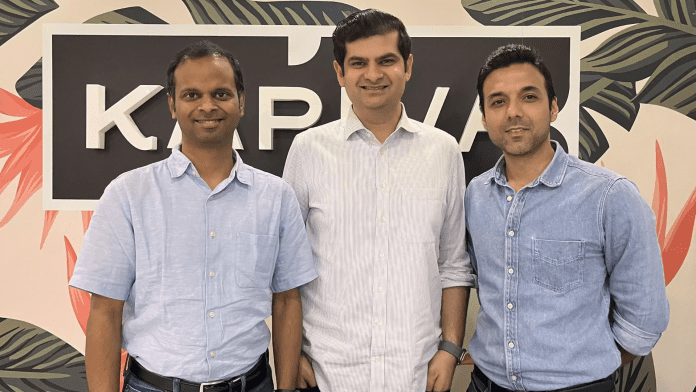
Kapiva, the D2C ayurveda brand, has announced the elevation of its Chief Operating Officer (COO) Shantanu and Chief Revenue Officer (CRO) Anuj Sharma to the status of Co-Founders, according to a press release issued on Thursday.
Assuming their new positions, Shantanu will concentrate on evolving the brand into a strategic asset and crafting scientifically supported products, while Anuj’s responsibility will involve incorporating technology to ensure the seamless delivery of comprehensive health results.
Shantanu’s rich expertise encompasses marketing and e-commerce across India, Southeast Asia, and China, gained through roles at companies like Uniqlo and P&G. In a parallel vein, Anuj, an adept leader in driving growth, has applied his skills to notable brands like Myntra and Disney+ Hotstar.
“Shantanu and Anuj have contributed enormously to Kapiva’s journey in the past 2 years. Their expertise and experience have shaped the brand’s growth trajectory quadrupling the brand’s sales in the last 2 years,” commented Ameve Sharma, Co-Founder, Kapiva.
Shantanu, Co-Founder of Kapiva (Formerly COO), expressed, “Kapiva is one of the fastest-growing startups in the country. I am thrilled to be part of its journey and contribute to its success. I believe Ayurveda has the potential to positively impact lives, similar to the way Yoga has worldwide. We are gearing up to reshape the narrative of Ayurveda.”
“We are entering an exciting phase in an industry that is shaping the future. I am immensely thrilled to join visionaries Ameve and Shantanu on this journey. Together, we can empower global consumers with holistic and contemporary solutions, and align with the government’s vision to position India on the global stage by elevating Ayurveda as a significant export,” added Anuj Sharma, Co-Founder, Kapiva (Formerly CRO).
Kapiva was founded in 2016 by Ameve and Shrey Badhani. In 2021, the brand forged a partnership with Bollywood actress Malaika Arora, who became both an investor and a brand ambassador.
As per industry reports, the Ayurveda market is anticipated to undergo a USD 6.81 billion expansion from 2021 to 2026, showcasing a Compound Annual Growth Rate (CAGR) of 15.32 percent.
In today’s digitally-driven world, understanding and decoding the consumer pathway has become more complex and crucial than ever before. As consumers navigate a myriad of touchpoints, both online and offline, businesses must adapt to these changing landscapes to stay competitive. Mapping the consumer journey has become a fundamental aspect of marketing and business strategy, allowing companies to identify key touchpoints and optimize their interactions with consumers.
The consumer pathway is not a linear process; it’s a dynamic journey influenced by various factors, including personal preferences, technological advancements, and market trends. To effectively track and decode this pathway, businesses need to employ a strategic approach that involves mapping out the various touchpoints consumers encounter during their journey.
1. Awareness Stage:
At the outset of their journey, consumers often become aware of a product or service through various channels. This could include social media, search engines, word-of-mouth recommendations, or traditional advertising. Understanding which touchpoints are most effective in raising awareness is crucial. Businesses can use data analytics and social listening tools to identify which channels are driving awareness and adjust their marketing strategies accordingly.
2. Research Stage:
Once consumers are aware of a product or service, they typically move on to the research stage. Here, they gather information and evaluate options. This stage often involves online research, reading reviews, watching video demonstrations, and engaging with brand content. Businesses can track these touchpoints through website analytics, social media engagement metrics, and customer surveys to understand what information consumers are seeking and how they are accessing it.
3. Consideration Stage:
During the consideration stage, consumers narrow down their options and decide which product or service aligns best with their needs and preferences. This stage often involves comparing prices, features, and user experiences. Businesses can track touchpoints in this stage through shopping cart activity, email interactions, and customer service inquiries. Personalized recommendations and incentives can help guide consumers towards making a decision.
4. Purchase Stage:
The purchase stage is where consumers convert from prospects to customers. Tracking this touchpoint is relatively straightforward through sales data. However, it’s essential to analyze the journey leading up to the purchase to identify any obstacles or friction points that might hinder conversions. Streamlining the purchase process, offering secure payment options, and providing excellent customer support can improve this touchpoint.
5. Post-Purchase Stage:
The journey doesn’t end with a purchase; it continues into the post-purchase stage, which includes product delivery, usage, and after-sales support. Tracking touchpoints here involves monitoring customer feedback, reviews, and post-purchase inquiries. Positive post-purchase experiences can lead to repeat business and referrals, making this stage critical for building brand loyalty.
6. Advocacy Stage:
Satisfied customers often become advocates for a brand. They share their positive experiences through word-of-mouth, social media, and online reviews. Tracking advocacy touchpoints involves monitoring social media mentions, referral programs, and customer testimonials. Encouraging and rewarding advocacy can amplify a brand’s reach and credibility.
7. Re-engagement Stage:
Even after advocacy, the consumer journey can loop back to previous stages. Customers may return for repeat purchases, seek out new products or services, or explore upgrades. Tracking re-engagement touchpoints is essential for retaining and expanding the customer base. Email marketing, personalized recommendations, and loyalty programs are effective tools for re-engagement.
Effective mapping and tracking of touchpoints along the consumer journey provide valuable insights into consumer behavior, preferences, and pain points. To accomplish this, businesses need to leverage technology and data analytics. Here are some key considerations:
-Data Integration: Integrating data from various touchpoints into a unified customer database allows for a holistic view of the consumer journey. Customer relationship management (CRM) systems play a crucial role in this process.
-Predictive Analytics: Using predictive analytics can help businesses anticipate consumer behavior, allowing for proactive engagement and personalized experiences.
-Feedback Mechanisms: Implementing feedback mechanisms, such as surveys and customer support channels, allows businesses to gather real-time insights and make necessary improvements.
-Automation: Automation tools can streamline processes, such as email marketing and customer support, to ensure consistent and timely interactions at each touchpoint.
-Personalization: Tailoring interactions based on consumer data and preferences enhances the consumer experience and fosters loyalty.
Final Thoughts:
Tracking and decoding the consumer pathway through effective touchpoint mapping is essential for businesses seeking to thrive in today’s competitive landscape. By understanding each stage of the journey and optimizing interactions at key touchpoints, businesses can build stronger relationships with their customers, drive conversions, and foster brand loyalty. The dynamic nature of the consumer pathway requires ongoing monitoring and adaptation, making it a continuous journey of its own for businesses. Those that embrace this journey and prioritize consumer-centric strategies will undoubtedly find success in the ever-evolving marketplace.
We use cookies to ensure that we give you the best experience on our website. If you continue to use this site we will assume that you are happy with it.