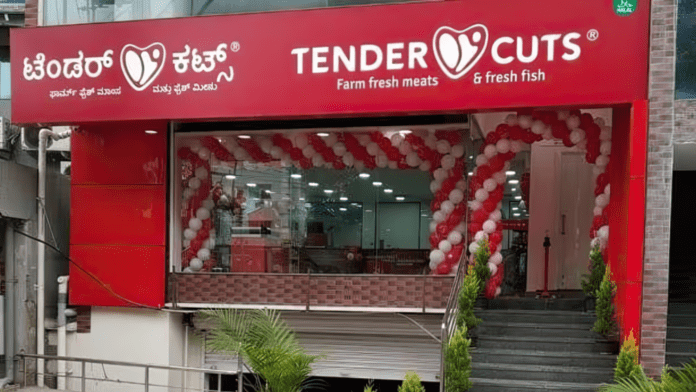
Good To Go, an omnichannel meat brand, is currently in the process of finalizing the acquisition of TenderCuts, an online meat seller primarily catering to the South Indian market, with a strong focus on Chennai. This strategic maneuver is designed to synergize Good To Go’s extensive offline experience and operations in Northern India with TenderCuts’ robust omnichannel footprint and well-recognized brand identity in Southern India. The amalgamation is poised to deliver an enhanced range of hygienically packaged fresh meats and seafood, delivering substantial benefits to customers across both Northern and Southern India.
Angad Singh, the Founder & CEO of Good To Go, expressed enthusiasm about the acquisition, stating, “We are excited to welcome TenderCuts into the Good To Go family. This will enable us to become the leading brand in South India, offering a remarkable variety of fresh meats to a broader customer base while also supporting the growth of local businesses.”
The acquisition also encompasses Happy Chops, a technological platform that empowers neighborhood butcher shops by providing them with an online presence and procurement assistance. Currently, Good To Go operates 11 stores in the Delhi-NCR region, while TenderCuts maintains a network of 16 stores in Chennai.
Good To Go is acknowledged as an innovative omnichannel meat brand that offers a wide range of fresh raw chicken, mutton, and seafood through a combination of brick-and-mortar stores and online delivery services.
In contrast, TenderCuts is an online meat retail platform renowned for its premium, tender, and flavorful meat products.
Pa Pa Ya's mission is to establish a timeless and genuine environment that harmonizes the Zen philosophy with the city's enthusiastic pursuit of enjoyment.
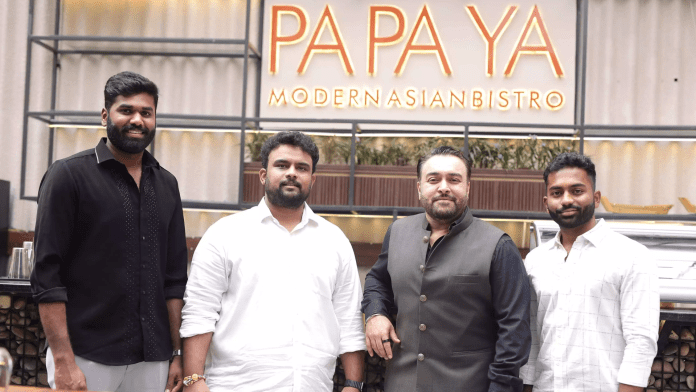
Pa Pa Ya, the contemporary Asian bistro, has recently debuted in the vibrant city of Hyderabad. Pa Pa Ya’s mission is to establish a timeless and genuine environment that harmonizes the Zen philosophy with the city’s enthusiastic pursuit of enjoyment.
Pa Pa Ya introduces a distinctive dining concept that transcends boundaries and embraces innovation, delivering an extraordinary fusion of time-honored Asian recipes and cutting-edge culinary methods. Combining bold flavors, contemporary aesthetics, and an unparalleled dining adventure, Pa Pa Ya is set to revolutionize the culinary scene of the city. Their approach to traditional Asian recipes yields a multitude of culinary marvels that beautifully showcase the region’s rich gastronomic heritage.
The restaurant’s design is inspired by the aspiration to provide a tranquil haven amid the urban commotion. Conceived as an expression of mindful living, the “Taste and Earth” concept effortlessly forges a sensory link between diners and the natural environment. With earthy tones, muted greens, and comforting neutrals, it crafts an inviting and soothing ambiance. The gentle ambient lighting instills a sense of serenity, transitioning seamlessly to focused illumination that accentuates design elements and culinary presentations.
Speaking about the outlet, Zorawar Kalra, Founder and Managing Director, Massive Restaurants Pvt. Ltd said, “We are thrilled to introduce Pa Pa Ya to the discerning diners of Hyderabad. Pa Pa Ya is a ground-breaking concept that marries traditional Asian recipes with avant-garde culinary techniques. We have meticulously crafted a menu that celebrates the rich culinary heritage of Asia while incorporating cutting-edge cooking methods to create something truly extraordinary.”
Jinx's product lineup is currently accessible in over 5,000 retail outlets across the United States
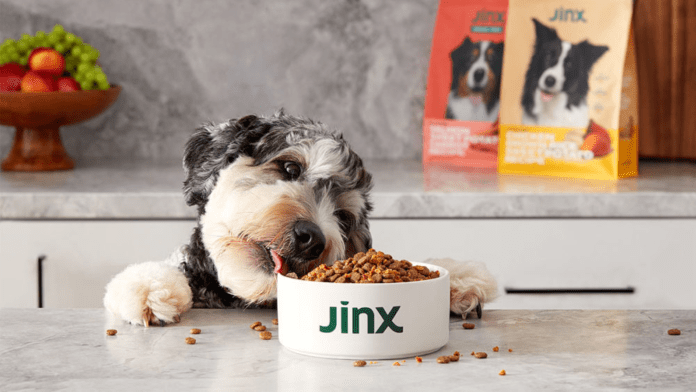
Dog food startup Jinx has recently completed its Series B funding round, amassing an impressive $17.85 million in investment. This substantial financial boost will serve to fuel the company’s ongoing growth and facilitate its expansion across essential retail channels.
Established in 2019 by Terri Rockovich, Sameer Mehta, and Michael Kim, Jinx is dedicated to transforming the way pet owners nurture and bond with their furry friends through superior nutrition. Over the course of its journey, Jinx has transitioned from a direct-to-consumer (DTC) model to a strong emphasis on forging strategic retail partnerships. This shift has catapulted the company to become the fastest-growing entity in the retail sector, with projected revenues expected to surpass $45 million this year, as per Jinx’s reports.
Furthermore, Jinx has garnered investments from a roster of notable celebrities, including Chris Evans, Halsey, Trevor Noah, Lily Singh, Zachary Quinto, Nas, and Michael Strahan.
“We launched Jinx with a mission to better every dog’s bowl because a healthy diet can add up to 2.5 years to a dog’s lifespan,” Ms. Rockovich said. “This round of financing not only allows us to strategically expand our retail footprint and penetrate more households, but also to make significant investments in innovation, marketing, merchandising and people. If there’s one data point we feel most proud of, it’s that Jinx is driving category growth via incremental customers, and if we get the chance to compete in the dog’s bowl — we’re the clear favorite.”
The funding round was spearheaded by The Merchant Club and Align Ventures, and it saw active participation from AF Ventures, Era Ventures, and Range Group.
“After leading the series A, The Merchant Club is pleased to announce a subsequent strategic investment in Jinx as the lead investor of this Series B,” said Laurent Ghouzi, founding partner at The Merchant Club. “We are thrilled to continue to support an outstanding team and brand in the continuously growing pet food sector. This further capital infusion will continue to fuel Jinx’s exceptional growth as a leading brand.”
Jinx’s product lineup is currently accessible in over 5,000 retail outlets across the United States, including prominent names such as Walmart, Target, Petsmart, Albertsons, Safeway, Shoprite, and Giant. With this recent infusion of funding, the company is poised to embark on an ambitious expansion strategy, targeting growth in mass retail, grocery, and e-commerce sales channels. Additionally, Jinx is committed to intensifying its efforts in product innovation.
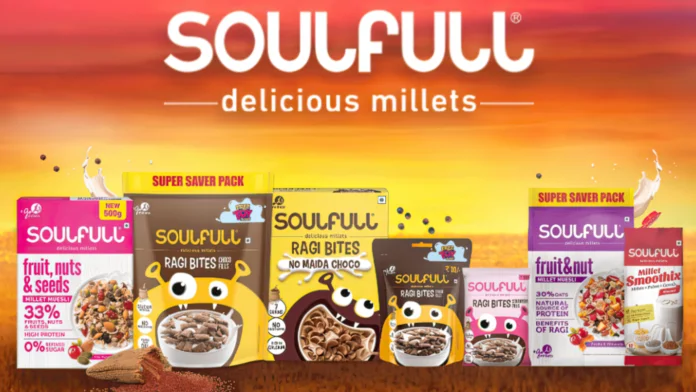
Tata Soulfull, a division of the renowned FMCG conglomerate Tata Consumer Products, is gearing up to unveil a fresh offering named “Oats Plus” in Tamil Nadu later this month. This strategic decision comes on the heels of its triumphant debut in Kerala about three months ago, as confirmed by a high-ranking company executive.
“We have launched oats plus which are plain oats, in Kerala. This gave entry us into the INR 250–300 crore category. In fact, even though it is early days, the responses have been good,” said Prashant Parameswaran, MD and CEO.
As to initiating the launch of the product in these two States, he said, “This is primarily because it is a large market where the consumption of oats is high.”
Furthermore, the key objective is not to encourage consumers to entirely replace their current dietary choices but rather to encourage them to include millets as part of their diets, he emphasized.
The product will undergo a gradual rollout, and the company is actively exploring potential markets for its introduction. Parameswaran highlighted the significance of these two markets, emphasizing their substantial consumption levels within the category. Additionally, it’s worth noting that around 40% of Soulfull’s business originates from the southern states.
Prior to this, the company had notched a successful launch of masala oats approximately a year ago. In the context of India, oat consumption is forecasted to hit 50,000 tonnes in 2023, as reported by Indexmundi. Furthermore, on a global scale, the oats market is expected to reach a substantial $10.8 billion by 2032, with a compound annual growth rate (CAGR) of 5.9 percent from 2022 to 2032.
Furthermore, the company has set forth ambitious goals to unveil six to eight additional product categories, catering to both children and adults. Presently, the brand already offers products spanning across 5–6 categories, encompassing breakfast cereals, kids’ snacks, muesli, granola, masala oats, plain oats, and wafers.
Commenting on Soulfull’s contribution to Tata Consumer Products’ revenue, the CEO said, “Over the next two to three years, we can expect to see some sizable contribution to the overall performance.”
The brand is actively engaged in increasing its production capacity, including the recent inauguration of a new facility in Indore with an annualized capacity of approximately 2,000 tonnes. Additionally, they manage another production plant in Bidadi, boasting a capacity ranging from 3,000 to 4,000 tonnes.
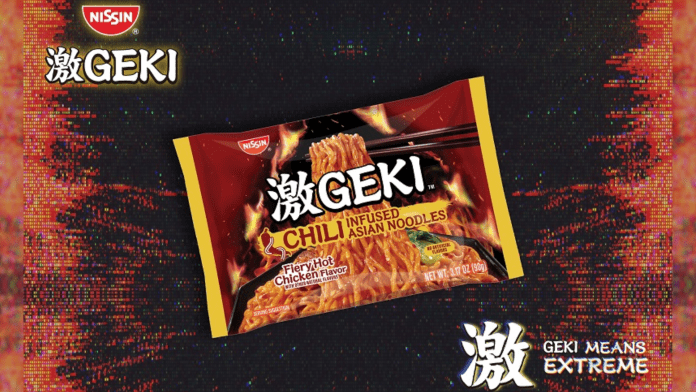
Nissin Foods USA is unveiling an exciting addition to its instant noodle lineup, debuting the Geki brand alongside a groundbreaking innovation: chili-infused noodles.
Geki, derived from the Japanese word for ‘extreme,’ has been meticulously crafted to cater to aficionados of fiery flavors seeking an authentic Asian dining experience within the comfort of their own homes.
Nissin’s inaugural consumer product, Geki Fiery Hot Chicken, showcases an innovative manufacturing technique developed in-house. This process involves incorporating genuine chili flakes directly into the circular noodles, resulting in a vibrant red color and an intense spiciness. To complement this fiery flavor, a hot chicken seasoning packet is included to strike the perfect balance of heat and taste.
Priscila Stanton, senior vice president of marketing at Nissin Foods USA, said, “We know that spicy food experiences are embedded in American culture and a recent food industry study found that 65% of consumers are choosing spicy meals when cooking at home”.
“We wanted to find an innovative solution that not only satisfies consumer cravings for heat, but also delivers on our mission to provide meals of value that are both convenient and delicious, while providing a spicy foundation for culinary creativity in American kitchen.”
Geki is available for SRP $1.39 at Sam’s Club online and in its locations across the US, as well as launching on Amazon this month. It will soon roll out at grocery stores.
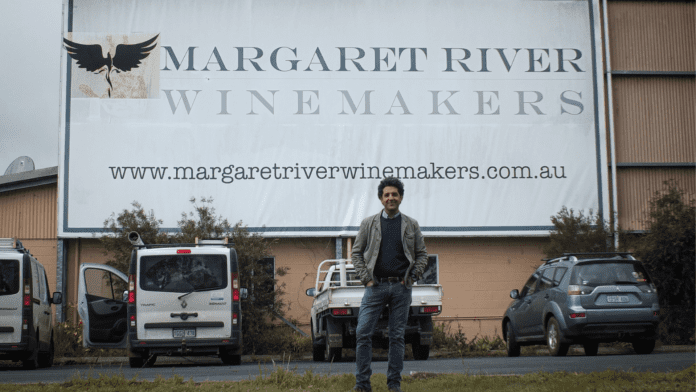
Cherubino Wines is thrilled to reveal its recent acquisition of Margaret River Winemakers, a renowned Australian wine and spirits brand. This acquisition encompasses a state-of-the-art 2,000-tonne facility complete with warehousing capabilities, distillation capacity, and a welcoming cellar door experience.
As part of the acquisition, Cherubino is set to rebrand the spirits brand, with a primary focus on leveraging Cherubino’s vineyards and fruit resources to create regional, estate-to-bottle spirits and establish a dedicated produce farm shop. This strategic endeavor will seamlessly complement Cherubino’s existing portfolio, which includes its renowned cellar door and the acclaimed Frui Momento restaurant and Enoteca, all located in the picturesque setting of Wilyabrup, Australia.
Cherubino’s Founders, Larry and Edwina Cherubino, revealed that they have been planning an acquisition for over 20 years.
Founder, Larry Cherubino, said, “We are committed to a long-term approach to winemaking, and this acquisition represents an incredible opportunity for us to establish the brand not only in terms of supply but will greatly support our production and marketing capabilities”.
“Cherubino’s newly appointed distribution partner in the UK, Hatch Mansfield, Oatley Fine Wine Merchants in Australia and our many partners and customers around the world have allowed us to make this important step with confidence and we look forward to sharing more details of the project soon.”
The current wine facility and equipment will be moved to the new facility over the next 12 months. The new cellar door is slated to reopen in December 2023.
In the digital age, mobile engagement has become a cornerstone for the growth of food brands. With consumers increasingly relying on their smartphones for everything from recipe searches to food delivery orders, establishing a strong mobile presence is crucial. This article will provide valuable tips on maximizing mobile engagement for food brand growth, helping you connect with your audience and drive success.
1. Mobile-Friendly Website Design:
The foundation of mobile engagement for food brands starts with a mobile-friendly website. Ensure that your website is responsive, meaning it adapts seamlessly to different screen sizes and orientations. Mobile users should have a smooth and enjoyable browsing experience, with easy navigation, quick loading times, and a visually appealing layout. A well-designed mobile website not only enhances user satisfaction but also positively impacts search engine rankings, making it easier for potential customers to find your brand.
2. Optimize for Local SEO:
Local search engine optimization (SEO) is a game-changer for food brands. Many mobile users search for nearby restaurants or food delivery options. Ensure that your business appears in local search results by optimizing your website for local keywords, such as “best pizza near me” or “Mexican restaurant in [your location].” Accurate and up-to-date business information, including your address, phone number, and hours of operation, should be readily available on your mobile website and across all online directories and platforms.
3. High-Quality Visual Content:
In the food industry, visual appeal is paramount. Use high-quality images and videos to showcase your food offerings on your mobile website and social media profiles. Mouthwatering visuals can entice users to engage with your brand, share your content, and even visit your physical location or order online. Make sure your food looks as good on a mobile screen as it does in person.
4. Social Media Presence:
Social media platforms are a goldmine for mobile engagement. Maintain an active presence on popular platforms like Instagram, Facebook, and TikTok, where food-related content thrives. Share visually appealing posts, stories, and videos of your dishes, engage with your followers through comments and direct messages, and run targeted ad campaigns to reach a broader audience. Collaborate with food influencers to amplify your brand’s reach and credibility among mobile-savvy consumers.
5. Mobile Apps:
Consider developing a mobile app for your food brand if your budget allows. Apps can provide a seamless ordering and loyalty program experience, making it convenient for customers to place orders and earn rewards. Ensure that your app is user-friendly, offers exclusive deals, and sends push notifications to keep users engaged and informed about promotions or new menu items. A well-designed app can enhance customer loyalty and drive repeat business.
6. Personalized Experiences:
Leverage data and technology to offer personalized experiences to mobile users. Implement user profiles, preferences, and order history features on your website or app to tailor recommendations and promotions to individual customers. Personalization fosters a sense of loyalty and encourages users to return for more personalized food experiences.
7. Mobile-Friendly Payment Options:
Streamline the checkout process for mobile users by offering various payment options, including mobile wallets like Apple Pay and Google Wallet. Make sure the payment process is secure and user-friendly, reducing friction and increasing conversion rates. Additionally, consider offering contactless delivery and pickup options for safety and convenience.
8. Customer Reviews and Ratings:
Positive reviews and ratings play a significant role in mobile engagement. Encourage satisfied customers to leave reviews on popular review platforms like Yelp and Google. Respond to both positive and negative feedback professionally and promptly. High ratings and positive reviews build trust among potential customers and drive mobile users to choose your brand over competitors.
9. Gamify the Experience:
Gamification can boost mobile engagement significantly. Consider adding gamified elements to your mobile app or website, such as loyalty point challenges, interactive quizzes, or virtual scratch cards with discounts. Gamification not only keeps users entertained but also incentivizes them to interact with your brand regularly.
10. Analyze and Iterate:
Finally, regularly analyze mobile engagement metrics like website traffic, app downloads, click-through rates, and conversion rates. Use the insights gained to refine your mobile strategy continuously. A data-driven approach allows you to identify areas for improvement and adapt to changing consumer preferences and trends.
Final Thoughts:
Maximizing mobile engagement for food brand growth is essential in today’s digital landscape. By prioritizing mobile-friendly design, local SEO, visual content, social media, apps, personalization, seamless payments, customer reviews, gamification, and data-driven optimization, you can create a compelling mobile experience that not only attracts new customers but also retains loyal ones. Embrace the power of mobile engagement, and your food brand is sure to thrive in the mobile-first world.
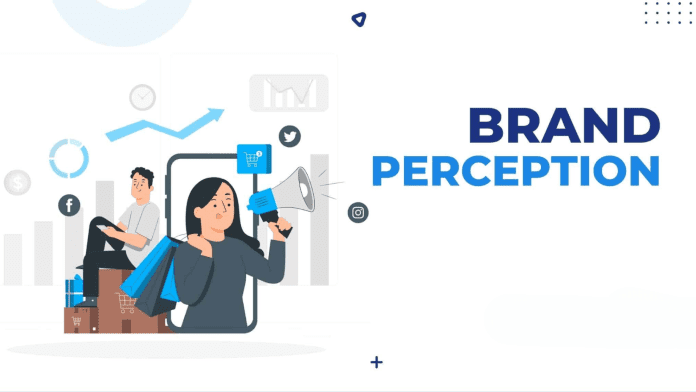
In the world of business and marketing, perception is everything. How consumers perceive a brand can make or break its success. Understanding the psychology of brand perception is crucial for companies looking to shape the right image and achieve lasting success in today’s competitive marketplace.
Brand perception refers to the way consumers perceive and interpret a brand. It encompasses a wide range of elements, including a brand’s reputation, values, personality, and visual identity. Successful brands are those that can consistently shape and manage these perceptions to align with their desired image.
One fundamental aspect of brand perception is the concept of brand equity. Brand equity represents the intangible value a brand possesses beyond its tangible assets. It is built over time through a combination of factors, such as brand recognition, reputation, and customer loyalty. The psychology behind brand equity lies in the emotional connections and associations consumers have with a brand.
Emotions play a significant role in brand perception. People make decisions based on their emotions more often than they realize. When consumers have positive emotions associated with a brand, they are more likely to choose that brand over competitors. This is why companies invest heavily in creating emotional connections with their customers through storytelling, brand messaging, and advertising.
One way to shape brand perception is through the use of storytelling. Effective storytelling helps humanize a brand by providing a narrative that consumers can relate to. It can highlight the brand’s origins, values, and mission, making it more relatable and appealing. Brands like Apple, Nike, and Coca-Cola have successfully used storytelling to create strong emotional connections with their customers.
Consistency is another critical factor in brand perception. Brands that maintain a consistent image across all touchpoints—such as advertisements, packaging, and customer interactions—build trust and reliability with consumers. When people encounter a consistent brand, it reinforces their existing perceptions and strengthens the brand’s identity in their minds.
Moreover, the psychology of color plays a significant role in brand perception. Colors have the power to evoke specific emotions and associations. For example, red can symbolize excitement and energy, while blue often represents trust and reliability. Companies carefully select colors for their logos and branding to elicit the desired emotional response from consumers.
In addition to emotions and consistency, trust is a cornerstone of brand perception. Trust is built over time through a brand’s ability to deliver on its promises. When consumers trust a brand, they are more likely to forgive occasional missteps and remain loyal. Building trust requires transparency, reliability, and a commitment to customer satisfaction.
Social proof is another psychological factor that influences brand perception. People tend to follow the crowd, and they often rely on the opinions and behaviors of others to make decisions. Positive reviews, endorsements from influencers, and user-generated content can all contribute to a brand’s social proof, making it more appealing to potential customers.
To shape the right brand image, companies must understand their target audience’s psychology. Different demographics have varying preferences, values, and motivations. Conducting market research and understanding consumer behaviors and preferences can help tailor brand messaging and strategies to resonate with specific customer segments.
Furthermore, adapting to changing consumer preferences and societal trends is crucial for brand longevity. Brands that remain stagnant and resistant to change risk becoming outdated and irrelevant. Adapting to new technologies, cultural shifts, and consumer demands can help a brand stay relevant and maintain a positive perception.
Final Thoughts:
The psychology of brand perception is a complex but essential aspect of modern marketing. Successful brands are those that understand the emotional connections, consistency, trust, and social proof that shape how consumers perceive them. By strategically using storytelling, color psychology, and adapting to changing trends, companies can shape the right image for success in a competitive marketplace. Brand perception is not static; it requires ongoing effort and attention to maintain and evolve, but the rewards in terms of customer loyalty and market leadership are well worth the investment.
In today’s rapidly changing business landscape, sustainability has become a focal point for both consumers and companies. As concerns about climate change, resource depletion, and social responsibility continue to grow, businesses are increasingly recognizing the importance of aligning their profit-driven goals with a broader sense of purpose. This transformation from profit-first to profit with purpose not only benefits the planet and society but also yields significant advantages in terms of consumer conversions and brand loyalty.
The Shift Towards Sustainability:
The shift towards sustainability in business is not merely a trend; it’s a response to the urgent need for environmental and social responsibility. Consumers are becoming more conscious of the environmental and social impacts of their choices, and they expect the same from the companies they support. This shift in consumer behavior has forced businesses to reassess their values and practices.
Sustainability initiatives, such as reducing carbon emissions, minimizing waste, and promoting fair labor practices, are now integral to corporate strategies. Companies that prioritize sustainability are not just viewed as responsible; they are seen as forward-thinking and innovative. This perception can translate into tangible benefits, including increased market share and higher profit margins.
Consumer-Conscious Decision Making:
Consumers today are more informed and empowered than ever before. They research products, scrutinize company practices, and consider the broader implications of their purchasing decisions. Sustainability is often a key factor influencing these decisions. In fact, a 2020 survey by Nielsen found that 73% of global consumers say they would definitely or probably change their consumption habits to reduce their impact on the environment.
This shift in consumer consciousness presents a tremendous opportunity for businesses to connect with their target audience by aligning their values with those of their customers. Companies that embrace sustainability can not only attract new customers but also foster brand loyalty among existing ones.
Building Trust and Loyalty:
Trust is a fundamental element of any successful business relationship, and it’s particularly crucial in the context of sustainability. When a company commits to sustainable practices, it signals a commitment to transparency and accountability. This transparency builds trust, as consumers can see that the company is walking the talk.
When customers trust a brand, they are more likely to become loyal customers. They not only make repeat purchases but also advocate for the brand, leading to organic growth through word-of-mouth marketing. In a survey conducted by IBM, 70% of consumers said they were willing to spend more on brands that are committed to sustainability.
Sustainable Initiatives as Marketing Tools:
Sustainability initiatives can be powerful marketing tools. Companies that invest in sustainability can create compelling narratives around their efforts to make a positive impact on the environment and society. These stories resonate with consumers on a deeper level, evoking emotions and building a sense of shared purpose.
Effective storytelling can turn sustainability initiatives into compelling marketing campaigns. From highlighting the use of renewable energy sources to showcasing eco-friendly product packaging, businesses can leverage their sustainable practices to differentiate themselves in a crowded marketplace. This not only attracts new customers but also strengthens the connection with existing ones.
Final Thoughts:
The shift towards profit with purpose is not only a response to the growing concern for sustainability but also a strategic move for businesses looking to thrive in a changing market. By aligning their values with those of consumers, companies can build trust, foster loyalty, and turn sustainability initiatives into powerful drivers of consumer conversions. In doing so, they not only contribute to a better future for the planet and society but also secure their own long-term success in a socially conscious marketplace. Profit with purpose is not just a philosophy; it’s a winning strategy in the modern business world.
Nissin Foods Holdings Co Ltd., a Japanese packaged food company, has recently undergone a senior leadership reorganization in preparation for its upcoming phase of business expansion. In an announcement made on Friday, the company revealed that Sandeep Bakhshi, who previously held the position of Chief Business Officer, has been promoted to the role of Managing Director for its Indian subsidiary, Indo Nissin Foods Private Ltd. This change in leadership marks the succession of Gautam Sharma, who had served as CEO since 2014.
Established in 1991, Indo Nissin Foods Pvt Ltd, a subsidiary of Japan’s Nissin Foods Holdings Co., Ltd., has gained recognition for its renowned instant noodle brands, including Top Ramen, Cup Noodles, and Geki Korean Noodles. Moreover, the company has forged distribution agreements with prominent international and domestic consumer packaged goods brands, while also engaging in contract noodle manufacturing for numerous modern trade retailers, producing noodles for their private label offerings.
“With an extensive background spanning over 25 years in sales, Sandeep Bakhshi brings a wealth of experience to his new role. He has held positions at reputable companies such as SC Johnson (now Brillon), Mars-Wrigley, Pidilite, AkzoNobel, and Asian Paints. His proficiency lies in fostering growth through capacity enhancement and seamless digital integration,” the company said.
Hiroyuki Yoshida, Chairman of Indo Nissin, said, “We are really pleased to announce the appointment of Sandeep Bakhshi to the Managing Director position. He has been instrumental in growing the Indo Nissin business in the last eight years and we are confident of his ability to lead the company in its next phase of transformational growth.”
“We take this opportunity to thank Gautam Sharma for his years of service to Indo Nissin and his outstanding contribution to the India business. He leaves behind a strong legacy, a high-performing team and a business that has been consistently growing.”
Founded in Japan in 1948, Nissin Food Products Co., Ltd. holds the distinction of being the originator of instant noodles.
We use cookies to ensure that we give you the best experience on our website. If you continue to use this site we will assume that you are happy with it.