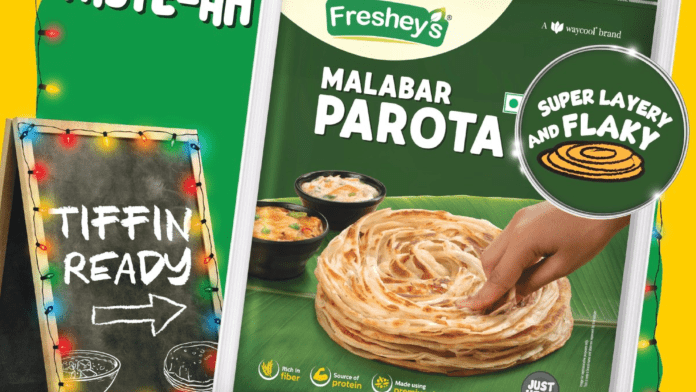
Freshey’s, the ready-to-cook (RTC) label operating within the BrandsNext conglomerate, WayCool’s flourishing FMCG division, has made an exciting debut in the Indian bread market by introducing Malabar Parota and Whole Wheat Chapati. BrandsNext’s strategic maneuver is geared toward enhancing its RTC range, enriching consumers’ choices, and providing added convenience.
Building on its success in the batter, value-added dairy, and bread sectors, this fresh product line aims to meet the changing culinary preferences of consumers, striving to recreate a restaurant-quality dining experience within the confines of their homes. As it extends its reach into the thriving functional market sector, these innovative products deliver convenience while upholding exceptional quality and flavor.
BP Ravindran, CEO of BrandsNext, commented, “As consumers increasingly embrace convenience and seek relief from their daily routines, the ready-to-eat/ready-to-cook sector is witnessing remarkable growth at a rate of 16 percent. These trends signify a significant shift towards accessible and delightful dining experiences, reflecting the changing tastes and preferences of our society. At Freshey’s, we are at the forefront of this transformation, redefining the way people savor quick and delicious meals. With the launch of Parota and Chapati, we aim to meet the specific requirements of our customers, who are in search of options that offer restaurant-like taste and quality. For those seeking a speedy and hassle-free meal or a tasty and convenient quick bite, Freshey’s Chapati and Parotta are the ideal choices. We believe that with this milestone, we will further solidify our presence in the RTC category.”
Adhering to the product strategy of “Restaurant-like Fun, Fresh at Home,” Freshey’s Malabar Parota features an irresistible flakiness and distinctive layers that rival the best restaurants. Additionally, the Whole Wheat Chapati offers enduring softness that complements any meal of the day, crafted from the finest Chakki Fresh Atta Each Chapati and Parota pack is a rich source of fiber and protein, thanks to natural ingredients like soy flour. These products are available in 400g and 550g SKUs, accessible at over 2000+ retail outlets in Chennai.
Every package of these vitamin gummies will now feature a Peppa Pig-themed puzzle, thoughtfully crafted for children aged 3-8 years.
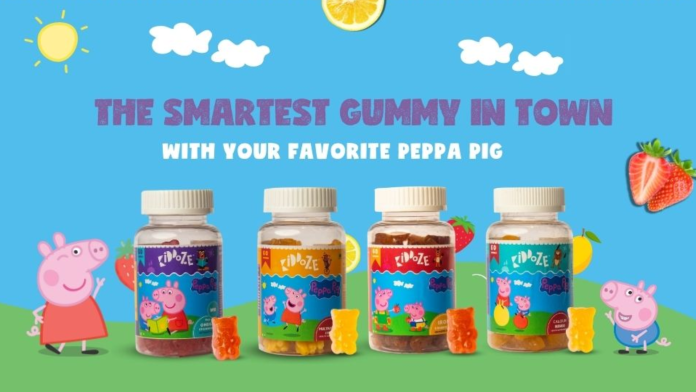
Fundoze, a company with a profound dedication to fostering joy, well-being, and an energetic way of life, is excited to unveil an enchanting collaboration between their esteemed brand, Kiddoze, and the cherished personality Peppa Pig.
Kiddoze emerges as a prominent figure in the Indian retail industry, specializing in delivering a wholesome and delightful alternative to conventional supplements for fulfilling a child’s daily nutritional needs. With this partnership alongside Peppa Pig, the objective is to inject happiness into children’s dietary choices, all the while ensuring parents of the utmost quality and nutrient-packed vitamin supplements for their young ones.
Every package of these vitamin gummies will now feature a Peppa Pig-themed puzzle, thoughtfully crafted for children aged 3-8 years. This puzzle not only enhances their snack time with an extra dose of happiness but also serves as a captivating playtime activity and an educational aid, fostering the development of their cognitive and problem-solving abilities. What’s even more delightful is that this complete collection of all-natural vitamin gummies, which includes the Omega and DHA gummies, is entirely vegan. They are free from artificial sugars and preservatives, crafted with natural colors and flavors.
“We’re incredibly excited to announce our fantastic collaboration with Peppa Pig!” exclaimed Nonita Mehta, the visionary Founder of Kiddoze. “Our dedication lies in helping parents raise their children stress-free while instilling good eating habits from an early age, and our high-quality gummies range is here to make it a reality!”
These outstanding gummies offer both health benefits and affordability, accessible for purchase on a range of e-commerce platforms and through an expansive network of more than 800 respected retail outlets across India. They can be found on well-known platforms such as Amazon, FirstCry, Nature’s Basket, and more. Don’t let this fantastic chance slip by to offer your child nourishing nutrition in a delightful and tasty form! Come join Kiddoze and Peppa Pig on this enjoyable path toward a healthier future.
Due to the weekend travel restrictions imposed in the capital for the G20 Summit, restaurants in Noida and Gurgaon are experiencing a surge in reservations between September 7th and 11th.
A notable portion of weekend getaways and special celebrations that individuals are eager to enjoy will now gravitate towards the NCR cities. This influx promises a lucrative weekend ahead, marking the beginning of a bustling September for Noida, which is set to host both the MotoGP and an international trade fair this month.
Surabhi Singh, originally planning to host her mother’s 60th birthday celebration with 40 family members at a Delhi restaurant, has now relocated the event to Noida. She mentioned that due to the anticipated restrictions, several of her friends have opted to spend the weekend with their families in the NCR region.
“We would rather explore Gardens Galleria at ease than be stuck in long queues or jams in Delhi,” she says.
According to Zorawar Kalra, the Founder of Massive Restaurants, the majority of their establishments in the NCR region, including Made in Punjab and Farzi Cafe, are currently experiencing a surge in reservations for this weekend.
Restaurateur Akash Kalra, the Founder and Director of United Coffee House Rewind, views the G20 traffic restrictions as a chance to introduce their NCR establishments to guests who typically dine in Delhi. He mentioned that the Noida and Gurgaon branches have already seen a surge in table reservations and are anticipating a full house over the weekend.
Anticipating a significant influx of customers, Sahil Sambhi, Co-Founder and director of Yuvi Hospitality, the parent company of Molecule, has planned special events for their NCR locations.
“We have already got advance bookings for our Gurgaon and Noida outlets from Delhi. These numbers will certainly increase. We are taking this as an opportunity to showcase to our customers that NCR cities have the same, if not better, party vibe like Delhi,” Sambhi says.
As the Shah Rukh Khan-starrer ‘Jawan’ makes its debut in theaters on Thursday, it is also expected that most multiplexes and the eateries in close proximity to them in Noida and Gurgaon will have a bustling weekend ahead.
According to Varun Khera, the head of the Noida chapter of the National Restaurant Association of India, numerous pubs in Noida are expected to be completely booked.
“Outlets across NCR including my Desi Vibes and Kaffiiaa, are seeing good traction and will be fully sold out,” he said.
Spanning across 37,000 square feet, Ohana Cocktail Bar & Kitchen has recently unveiled its grand opening in Jaipur. Embracing the essence of its namesake, “Ohana,” signifying ‘family’ in Hawaiian, this enchanting two-tier rooftop establishment has been meticulously crafted to exude a profound sense of unity and camaraderie.
Nestled within the vibrant heart of Malviya Nagar, Ohana presents an effortless fusion of indoor and outdoor settings, crafting an atmosphere that is unparalleled in its allure. This expansive establishment comprises five distinct areas, namely the Sky Bar, Alfresco Bar, Shots Room (Tipsy), the Club (an indoor nightclub), and a dedicated indoor family dining area, each possessing its own distinctive allure and ambiance.
“We are excited to unveil Ohana Cocktail Bar & Kitchen to the vibrant city of Jaipur,” said Sunny Singh, Co-Founder of the venue. “Ohana is more than a venue — it’s a haven where friends and families can gather, celebrate life, and weave precious memories that will linger forever. It’s all about immersing yourself in the infectious spirit of togetherness that Ohana exudes, and surrendering to an extraordinary sensory experience where every bite, every sip, and every moment transcend the ordinary.”
The company is showcasing its remarkable HoReCa product selection, encompassing a wide range of sauces, condiments, ready-to-eat (RTE) meals and frozen food options.
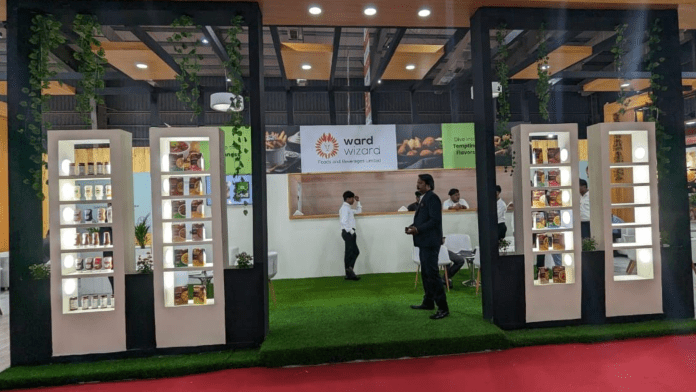
Wardwizard Foods and Beverages Limited, a leading figure in the contemporary food industry, is delighted to declare its active involvement in AnuFood India 2023, a distinguished B2B and Export Event. The event commenced on September 7th, 2023, and is set to continue until September 9th, 2023, taking place at the renowned Bombay Exhibition Centre in Mumbai.
At present, the company is showcasing its remarkable HoReCa (Hotels, Restaurants, and Catering) product selection, encompassing a wide range of sauces, condiments, ready-to-eat (RTE) meals, and frozen food options. AnuFood India 2023 serves as an outstanding platform for industry experts to delve into the most recent trends and groundbreaking innovations within the food and beverage sector.
Mrs. Sheetal Bhalerao, Chairperson and Managing Director of Wardwizard Foods and Beverages Limited., expresses her excitement for the event, stating, “We are truly excited to participate in AnuFood India 2023 and present our HoReCa range to industry professionals. The food industry is a dynamic and ever-evolving landscape, and our participation in AnuFood India 2023 plays a pivotal role in catering to a broader audience present in the domestic and international markets. We are looking forward to connecting with our stakeholders and mutually driving the food industry to new heights. Our commitment to quality and customer satisfaction is at the core of everything we do, and we are excited to share our latest offerings with the world.”
Wardwizard Foods and Beverages acknowledges the importance of AnuFood India, renowned for its emphasis on fostering business-to-business (B2B) relationships and export prospects. The company is eager to introduce its impressive HoReCa product lineup, featuring premium sauces, condiments, convenient ready-to-eat (RTE) meals, and delectable frozen offerings. Wardwizard Foods and Beverages is thrilled to engage with industry experts, explore potential partnerships, and showcase its unwavering commitment to culinary excellence at AnuFood India 2023. You can locate the company at Hall 4, Booth No: D02.
Wardwizard Foods and Beverages Limited, a publicly-listed company headquartered in Village-Por, Vadodara, Gujarat, embodies a distinctive fusion of entrepreneurial spirit and traditional Indian flavors in the food industry. With a diverse product portfolio, the company offers an extensive array of items, including frozen foods, ready-to-eat meals, beverages, and a variety of sauces and condiments. The company’s flagship brand, QuikShef, specializes in ready-to-eat products, serving both the retail and HORECA sectors. Furthermore, the company operates Quick Service Restaurant outlets in Gujarat and Maharashtra.
Wardwizard Foods and Beverages Limited’s frozen food segment primarily caters to the HORECA industry and has plans to expand into retail and export markets shortly. The acquisition of Snack Buddy has bolstered the company’s offerings, providing a broad selection of sauces and condiments for both retail and HORECA customers. With its diversified product range and strategic market presence, Wardwizard Foods and Beverages Limited is steadfast in its commitment to delivering high-quality and innovative food solutions.
information is king in the wide digital world, but even the most useful and intelligent information can fade into obscurity without the correct distribution strategy. Creating compelling and useful content is just half the fight; putting that information in front of your target audience is the other half. In this in-depth post, we’ll dig into the art and science of content distribution approaches, looking at ways for maximizing the reach and effect of your carefully created material.
Content distribution is the process of ensuring your content reaches its intended audience through various channels and platforms. It’s the bridge that connects your content to your audience, and it plays a pivotal role in achieving your content marketing goals.
Effective content distribution can:
Extend Your Reach: Reach a wider audience by pushing your content through diverse channels.
Boost Engagement: Increase audience engagement by delivering content where your audience is most active.
Drive Conversions: Increase the chances of converting prospects into customers by providing valuable content at the right moment.
Build Brand Authority: Establish your brand as a trusted source of information within your niche or industry.
Understanding Your Audience and Their Preferred Channels
Before diving into content distribution tactics, it’s crucial to understand your target audience and their content consumption habits. Consider these questions:
Where does your audience spend their time online?
What social media platforms do they use?
Do they prefer long-form blog posts, videos, infographics, or podcasts?
What are their pain points, interests, and challenges?
Once you’ve identified your audience’s preferences and habits, you can tailor your content distribution strategy to meet their needs effectively.
Content Distribution Tactics for Maximum Impact
Leverage Social Media: Social media platforms are treasure troves for content distribution. Share your content on platforms such as Facebook, Twitter, LinkedIn, Instagram, and Pinterest. Use eye-catching visuals, engaging captions, and relevant hashtags to reach a broader audience. Consider utilizing paid advertising to boost your content’s visibility.
Email Marketing: Email remains a powerful channel for content distribution. Segment your email list to send targeted content to specific audience segments. Craft compelling subject lines to entice recipients to open your emails.
Content Syndication: Republish your content on reputable third-party platforms, such as Medium, LinkedIn Pulse, or industry-specific websites. This exposes your content to a new audience and can drive traffic back to your website.
Influencer Collaboration: Partner with influencers or thought leaders in your industry to amplify your content. They can help you reach a broader and more engaged audience. Influencers can share your content, provide guest posts, or participate in collaborative projects.
Guest Posting: Write guest posts for relevant websites and blogs within your niche. Include a bio with a link to your website to drive traffic and establish authority.
Content Promotion Tools: Utilize content promotion tools and platforms like Outbrain, Taboola, or Zemanta to promote your content across various websites and platforms.
SEO and Organic Search: Optimize your content for search engines by conducting keyword research and ensuring your content is well-structured and valuable. High-ranking content can attract organic traffic over time.
Community Engagement: Engage with online communities and forums relevant to your industry. Share your expertise and include links to your content when it’s relevant to the conversation.
Paid Advertising: Consider running paid advertising campaigns on platforms like Google Ads, Facebook Ads, or LinkedIn Ads. Use targeted keywords and audience demographics to reach the right people.
Repurposing Content: Repurpose your content into different formats like videos, infographics, or podcasts to reach audiences with different preferences.
Continuous Monitoring and Optimization
Once you’ve implemented your content distribution tactics, it’s essential to monitor their performance. Use analytics tools to track metrics such as website traffic, engagement, conversion rates, and social shares. Analyze the data to determine which distribution channels and tactics are most effective. Continuously refine and optimize your strategy based on these insights.
The lifeblood of content marketing is content dissemination. Even the most remarkable material can be concealed from its target audience without a well-executed distribution plan. You may maximize the reach and effect of your information by analysing your audience, selecting the appropriate distribution channels, and implementing a number of distribution techniques. Keep in mind that content distribution is an ongoing process that needs regular monitoring and adaptation to be effective in the ever-changing digital ecosystem. Your content can shine and connect with your target audience with the appropriate strategy, boosting engagement, conversions, and brand success.
Understanding the detailed route that takes potential clients from curiosity to conversion is equivalent to holding a treasure map to the hearts and minds of your audience in the broad and ever-changing environment of modern marketing. The buyer’s journey is a tour of discovery, contemplation, and decision-making that every customer does when looking for a solution to their requirements or issues. The buyer’s journey progresses in several phases, each needing a perfect balance of information that connects with the growing thinking of the customer, much like a well-orchestrated symphony. This symphony is the apex of the skill of painstakingly tailoring material for each level of the sales funnel.
We will go on our own adventure, navigating the twists and turns of the buyer’s journey and digging deeply into the art and science of generating content that guides, informs, persuades, and finally converts. We’ll reveal the keys of designing content that precisely matches with your audience’s fluctuating wants and desires, from the first spark of awareness through the decisive moment of purchase. So buckle up and join us on this illuminating journey through the buyer’s journey, one stage at a time.
The Buyer’s Journey Unveiled:
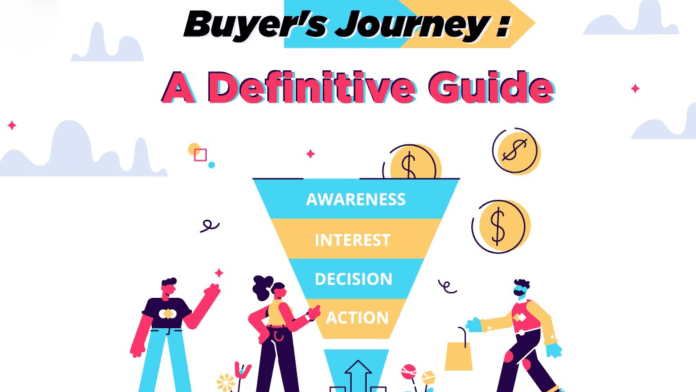
At its core, the buyer’s journey is a roadmap that individuals follow as they progress from identifying a problem or need to making an informed purchasing decision. The journey unfolds across three pivotal stages:
1. Awareness Stage: This is where the expedition commences. Prospective buyers realize they have an issue or desire that needs attention. They embark on a quest for information, guidance, and solutions. In this phase, your objective is to provide valuable, educational content.
2. Consideration Stage: As travelers advance, they begin to evaluate the available options. They scrutinize potential solutions, weighing pros and cons. Your role now is to guide them further, offer insights, and nurture their trust in your brand.
3. Decision Stage: The journey culminates in the decision stage, where travelers make their final choice. Your content should provide the assurance, information, and incentives needed to lead them towards selecting your product or service.
Crafting Content for the Awareness Stage:
In the awareness stage, your audience is grappling with the realization of a problem or need. They’re seeking knowledge and information. Content designed for this stage should be educational, informative, and non-promotional. Consider the following content types:
1. Blog Posts: Craft blog articles that address common pain points or challenges your audience faces. Provide tips, insights, and valuable information.
2. Infographics: Visual content like infographics can simplify complex concepts and attract attention swiftly.
3. How-to Guides: Offer comprehensive guides or tutorials that showcase your expertise and help your audience tackle problems.
4. White Papers and Ebooks: Produce in-depth reports or ebooks that provide valuable industry insights and highlight your authority in your field.
Crafting Content for the Consideration Stage:
In the consideration stage, your audience is actively evaluating their options. They’re comparing various solutions and are looking for detailed information. Your content should assist them in making informed decisions. Consider these content strategies:
1. Comparison Guides: Develop content that compares different products or services, including your own. Be transparent about strengths and weaknesses.
2. Case Studies: Share success stories and real-world case studies that demonstrate how your offering has positively impacted others.
3. Webinars and Podcasts: Host webinars or podcasts featuring industry experts, discussing relevant topics and potential solutions.
4. Product Demonstrations: Create video demonstrations or in-depth product guides that showcase the features and benefits of your offering.
Crafting Content for the Decision Stage:
The decision stage is the point of culmination, where potential buyers are poised to make a choice. Your content should serve to reassure them, highlight your unique value proposition, and ideally, influence them to choose your product or service. Content strategies for this stage include:
1. Testimonials and Reviews: Showcase customer testimonials and reviews that underscore the positive experiences others have had with your brand.
2. Free Trials or Samples: Offer free trials, samples, or demos to allow potential customers to experience your product firsthand.
3. Pricing and Comparison Charts: Create content that transparently outlines your pricing structure and compares it to competitors.
4. FAQ Pages: Compile a comprehensive FAQ page that addresses common questions and concerns potential customers might have.
Tailoring Content for Different Channels:
Consider where your audience is most active online and tailor your content accordingly:
Social Media: Share bite-sized, engaging content on social platforms to boost engagement and direct users to more in-depth content on your website.
Email Marketing: Utilize segmented email lists to send targeted content to subscribers at each stage of the buyer’s journey.
Paid Advertising: Develop ad copy that aligns with the specific stage of the sales funnel to maximize click-through rates and conversions.
Continuous Optimization and Measurement:
Creating content for each stage of the buyer’s journey is just the initial stride. Regularly assess your content’s performance using metrics like click-through rates, conversion rates, and sales data. Employ these insights to fine-tune your content strategy, ensuring your content effectively guides potential customers through the sales funnel.
Navigating the buyer’s journey through meticulously tailored content is an art form in modern marketing. By comprehending your audience’s evolving needs at each stage and offering pertinent, informative, and captivating content, you can establish trust, fortify your brand’s authority, and ultimately drive conversions. Remember, the journey doesn’t cease with a purchase; it extends into post-sale content, nurturing customer relationships and fostering brand loyalty. In the dynamic domain of digital marketing, crafting content that meticulously guides your audience every step of the way is key to sustained success.
In today’s digital age, content marketing has become a cornerstone of successful marketing strategies for businesses of all sizes and industries. It’s not just about creating content for the sake of it; it’s about building a strong content foundation that aligns with your business goals and engages your target audience. To achieve this, it’s essential to understand and implement the essential elements of a content marketing strategy. In this article, we’ll explore these key components and discuss how they can help you create a robust content marketing plan.
1. Clear Objectives and Goals:
A successful content marketing strategy begins with a clear understanding of what you aim to achieve. Your objectives should align with your overall business goals. Whether it’s increasing brand awareness, generating leads, boosting sales, or improving customer retention, defining your goals provides direction and purpose to your content efforts.
2. Audience Research and Persona Development:
Your audience is at the heart of your content strategy. To create content that resonates, you must understand your target audience inside out. Conduct thorough audience research to uncover their needs, pain points, preferences, and behaviors. Develop detailed audience personas to humanize your target demographic and guide content creation.
3. Content Planning and Strategy:
Once you have a clear understanding of your goals and audience, it’s time to plan your content strategy. This involves:
Content Calendar: Create a content calendar outlining what content will be produced and when. A well-structured calendar ensures consistency and helps you stay organized.
Content Types: Determine the types of content that will best serve your audience, such as blog posts, videos, infographics, podcasts, or eBooks.
Content Themes: Identify key themes and topics that align with your brand and resonate with your audience’s interests and pain points.
4. High-Quality Content Creation
Quality is paramount in content marketing. Your content should be informative, engaging, and well-crafted. Prioritize quality over quantity. Consistently delivering valuable content builds trust and authority with your audience.
Keyword Research: Incorporate keyword research to optimize your content for search engines and improve discoverability.
Storytelling: Craft compelling narratives that connect with your audience on a personal level. Stories are powerful tools for conveying your brand’s values and messages.
Visual Elements: Enhance your content with visually appealing elements, such as images, graphics, and videos. Visual content often garners higher engagement.
5. Content Distribution and Promotion
Creating great content is just the beginning; you must also ensure it reaches your target audience. Develop a distribution strategy that includes:
Social Media Promotion: Share your content across relevant social media platforms to maximize its reach.
Email Marketing: Utilize email campaigns to share content with your subscribers and nurture leads.
Search Engine Optimization (SEO): Optimize your content for search engines to improve its visibility in search results.
Paid Advertising: Consider using paid advertising to boost the reach of your content, especially when launching new campaigns or products.
6. Performance Tracking and Analytics
To gauge the effectiveness of your content marketing efforts, you need to measure and analyze performance metrics. Key performance indicators (KPIs) may include:
Website Traffic: Monitor the number of visitors to your website and specific content pages.
Conversion Rates: Track how many visitors take desired actions, such as signing up for a newsletter or making a purchase.
Engagement Metrics: Analyze user engagement with your content, including likes, shares, comments, and time spent on-page.
Return on Investment (ROI): Calculate the ROI of your content marketing efforts by comparing the costs of content creation and promotion to the revenue generated.
7. Iterate and Improve
A strong content marketing strategy is a dynamic one. Continuously evaluate your performance data to identify what’s working and what needs improvement. Adjust your strategy accordingly, and be open to experimenting with new content formats and distribution channels.
Building a strong content foundation is essential for success in the digital age. A well-thought-out content marketing strategy that aligns with your business goals, resonates with your audience, and provides high-quality content can be a powerful asset in achieving sustainable growth and building a strong brand presence. Remember that consistency, adaptability, and a commitment to delivering value to your audience are the keys to a successful content marketing strategy that stands the test of time.
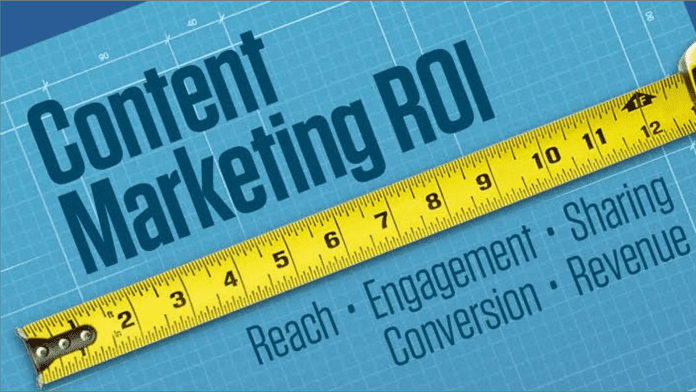
In the era of digital marketing, where various techniques compete for attention, content marketing stands tall as a powerful competitor. What genuinely distinguishes it is its potential for demonstrable returns on investment (ROI). In this post, we’ll go into the intriguing realm of content marketing ROI, diving into its relevance, important indicators to monitor, and tactics for maximizing the effect of your content strategy.
The Significance of Measuring Content Marketing ROI:
Why is measuring content marketing ROI so crucial in today’s digital landscape? Simply put, it’s about ensuring that your efforts yield meaningful results. Content marketing, although widely celebrated for its ability to engage, educate, and entertain, should also be accountable for its contributions to your bottom line.
Understanding the ROI of your content marketing efforts allows you to:
Allocate Resources Wisely: By knowing which content initiatives provide the best returns, you can allocate your resources more effectively. This means investing in strategies that work and optimizing or discontinuing those that don’t.
Demonstrate Value: Demonstrating the impact of your content strategy enables you to convey its value to stakeholders, clients, or your own team. It solidifies content marketing as a measurable and results-oriented practice.
Improve Strategy: Armed with data-driven insights, you can refine your content strategy continuously. Identifying what resonates with your audience helps you create more engaging and conversion-focused content.
Key Metrics for Measuring Content Marketing ROI:
To gauge the ROI of your content marketing efforts, you need to identify and track key performance indicators (KPIs) that align with your goals. Here are some essential metrics to consider:
Conversion Rate: This metric tracks the percentage of visitors who take a desired action, such as signing up for a newsletter, making a purchase, or filling out a contact form after engaging with your content.
Customer Acquisition Cost (CAC): CAC measures how much it costs to acquire a new customer through your content marketing efforts. Divide your content marketing spend by the number of new customers acquired within a specific timeframe.
Customer Lifetime Value (CLV): CLV quantifies the long-term value a customer brings to your business. Calculate it by estimating how much revenue a customer will generate over their entire relationship with your brand.
Lead Generation Metrics: Track metrics like the number of leads generated, lead quality, and lead-to-customer conversion rates. This helps you assess the effectiveness of your content in the sales funnel.
Traffic Sources: Analyze where your website traffic is coming from. Are your content marketing efforts driving organic search traffic, social media referrals, or direct visits?
Content Engagement Metrics: Monitor metrics like time on page, bounce rate, and social shares. These indicators offer insights into how engaging and relevant your content is to your audience.
Return on Investment (ROI): Calculate the ROI by subtracting your content marketing costs from the revenue generated from content-related activities. Divide this result by your content marketing costs.
Customer Retention Rate: Assess the ability of your content to retain existing customers. High-quality, valuable content can enhance customer loyalty.
Strategies for Maximizing Content Marketing ROI:
Set Clear Goals: Establish specific, measurable, achievable, relevant, and time-bound (SMART) goals for your content marketing campaigns. Having clear objectives from the outset helps in accurate measurement.
Content Mapping: Map your content to different stages of the buyer’s journey. Create content that caters to each stage, from awareness and consideration to decision-making.
A/B Testing: Continuously test different elements of your content, such as headlines, images, and calls to action, to identify what resonates best with your audience.
Personalization: Use data-driven insights to tailor content to individual preferences and behaviors. Personalized content often leads to higher engagement and conversion rates.
Content Repurposing: Maximize the value of your content by repurposing it into different formats (e.g., blog posts into videos or infographics). This extends the content’s reach and ROI potential.
Data Analysis Tools: Invest in analytics tools to track and analyze your content performance. Tools like Google Analytics, social media insights, and marketing automation platforms provide valuable data.
Continuous Improvement: Regularly review your content marketing strategy based on ROI data. Adjust your approach, allocate resources efficiently, and optimize content accordingly.
Measuring content marketing ROI is both an accountability exercise and a road to development and success. It gives you the ability to make data-driven decisions, improve your strategy, and guarantee that your content initiatives contribute significantly to your business goals.
Remember that measuring and optimising content marketing ROI is a dynamic process as you begin on it. To realise the full potential of your content marketing strategy, stay nimble, adapt to shifting trends, and experiment. Finally, you can take your business to new heights in the digital realm by understanding and exploiting the ROI of your content.
In the ever-evolving landscape of content marketing, one timeless element stands out as an irreplaceable tool in the marketer’s toolkit: storytelling. The art of storytelling transcends mere words on a page; it weaves emotions, experiences, and authenticity into the fabric of your brand but before we embark on our journey into the world of storytelling, it’s essential to recognize the inherent power it possesses. Human beings are, at their core, natural storytellers and listeners. From ancient cave paintings to contemporary films and novels, stories have been the vessels through which we communicate, empathize, and connect.
In the realm of content marketing, stories serve as the bridge that connects your brand with your audience. They humanize your products or services, making them relatable and relevant. Storytelling adds depth and resonance to your content, transforming it from a mere sales pitch into a memorable experience.
Understanding Your Audience:
The foundation of every compelling narrative in content marketing is a deep understanding of your audience. Who are they? What are their pain points, aspirations, and values? The more intimately you know your audience, the more effectively you can tailor your stories to resonate with them.
Consider conducting thorough audience research, including surveys, interviews, and social media analysis. Listen to their feedback and pay attention to their conversations. What stories resonate with them? What emotions do they connect with? Armed with this knowledge, you can create narratives that strike a chord with your target audience.
Crafting the Narrative Arc:
A compelling narrative often follows the classic storytelling arc, which includes exposition, rising action, climax, falling action, and resolution. Apply this structure to your content marketing strategy to create a captivating journey for your audience.
Exposition: Begin by setting the stage. Introduce your audience to the characters, the setting, and the problem or opportunity at hand. Create relatable scenarios to draw your audience into the story.
Rising Action: This is where you build tension and anticipation. Highlight the challenges and obstacles your audience might face, creating a sense of empathy and engagement.
Climax: The climax is the emotional apex of your narrative. It’s where the turning point occurs, and your brand’s solution or value proposition comes into focus. Make it impactful and memorable.
Falling Action: After the climax, provide a clear path forward. Show how your product or service can resolve the challenges introduced earlier.
Resolution: End your narrative with a satisfying conclusion. Illustrate the transformation or benefits your audience can expect after engaging with your brand.
One of the most crucial elements of compelling storytelling in content marketing is authenticity. Your audience can smell inauthenticity from a mile away. Be transparent about your brand’s values, mission, and challenges. Share real stories about your team, your customers, and your journey. Authenticity fosters trust and credibility, two cornerstones of effective marketing.
Visual Storytelling: A Multisensory Experience
Words are powerful, but visual elements can take your storytelling to new heights. Incorporate compelling visuals, such as images, videos, infographics, and interactive content, to enhance your narratives. Visual storytelling creates a multisensory experience that resonates with your audience on a deeper level.
The art of storytelling is not static; it’s a dynamic process that evolves over time. Consistency is essential in maintaining a strong brand narrative, but it’s also important to adapt and refine your stories based on audience feedback and changing market conditions. Keep experimenting, testing, and optimizing your content to ensure it remains relevant and engaging.
The art of storytelling is a potent force in content marketing, capable of transforming your brand from a faceless entity into a relatable and unforgettable presence in the lives of your audience. Craft your narratives with a deep understanding of your audience, a compelling narrative structure, authenticity, and an eye for visual storytelling. Embrace the power of storytelling, and you’ll find that your content marketing efforts are not just about selling products or services but about forging meaningful connections and leaving a lasting impact. As you embark on your storytelling journey, remember that every word you write is an opportunity to create a story worth sharing.
We use cookies to ensure that we give you the best experience on our website. If you continue to use this site we will assume that you are happy with it.