Newsprints used for food packaging (Representative Image)
The Kerala High Court has issued a request to the Commissioner of Food Safety for a response regarding a petition that seeks measures to address the use of uncoated papers and newsprints for food packaging in restaurants.
Justice Devan Ramachandran emphasized that the Food Commissioner must consider various pertinent factors, including the imperative of safeguarding public health and safety in all restaurants, irrespective of their prestige or status.
“I am of the view, that the Commissioner of Food Safety has a very important role to play in this regard. The life of citizens is in peril if materials used for packing are not properly monitored and supervised,” the Court said in its interim order.
The Court noted that there has been an uptick in the distribution of food parcels following the COVID-19 pandemic.
“The distribution of food in packed containers has risen to great numbers; and there is hardly any specific instructions available, at least prima facie, with respect to the manner in which it is to be done,” the order stated.
The judge expressed the view that this matter presents a significant public concern, necessitating prompt action by the relevant authorities.
The order was issued in response to a petition filed by Nebu Thomas Cherian, who is the proprietor of Anna Polymers, a company specializing in the production of compostable paper plates.
The petitioner asserted that Anna Polymers had obtained certification from the Central Pollution Control Board (CPCB) and had undergone rigorous testing for factors such as food migration, food-grade quality, and grease-resistant properties.
The petitioner emphasized that the lack of enforcement of food safety standards enables dishonest manufacturers to persist in using uncoated papers and newsprints for food packaging, potentially endangering both public health and the environment.
Therefore, the petitioner requested a directive to the State Government for the strict enforcement of the Food Safety and Standards Act, 2006, and the Food Safety and Standards (Packaging) Regulations, 2018.
The case is scheduled for a hearing on September 25, during which the Commissioner of Food Safety will present his findings.
In the vast ocean of information available online, being a curator of knowledge is a powerful skill. Content curation is like being a museum curator for the digital age, carefully selecting and showcasing the best pieces of information in your industry. In this article, we’ll explore content curation strategies that can help you add value and demonstrate your expertise to your business audience.
Understanding Content Curation
Content curation is the art of finding, organizing, and sharing valuable information from various sources. It’s like creating a well-curated playlist of your favorite songs, but instead of music, it’s about information and knowledge. Here’s why it’s important for business people:
1. Filter the Noise: There’s a lot of noise on the internet. Curation helps you filter out the irrelevant and bring forward what truly matters.
2. Showcase Your Expertise: By curating the best content in your industry, you show that you understand the field and can be trusted for valuable insights.
3. Save Time: Instead of spending hours searching for information, curated content saves you time and delivers high-quality resources.
Content Curation Strategies for Business People
Now, let’s dive into some content curation strategies that can help you shine as an industry expert:
1. Define Your Niche: Focus on a specific niche or area of your industry. This narrows down your content choices and ensures that your curation is targeted and relevant.
2. Choose Reliable Sources: Select trustworthy sources of information. Look for reputable websites, industry experts, and reliable publications to curate from.
3. Stay Consistent: Regularity is key. Create a content curation schedule so your audience knows when to expect new insights and resources.
4. Add Your Perspective: Don’t just share content; provide your perspective. Explain why you find a particular piece of information valuable or how it relates to current industry trends.
5. Organize and Categorize: Structure your curated content into categories or topics. This makes it easier for your audience to navigate and find what they’re interested in.
6. Engage with Your Audience: Encourage discussions and engagement around the curated content. Ask questions or seek opinions to foster meaningful interactions.
Tools for Content Curation
Here are some tools that can help you curate content effectively:
Feedly: Use it to follow and organize content from your favorite websites and blogs.
Pocket: Save articles, videos, and web pages to revisit and curate later.
Flipboard: Create digital magazines filled with curated content from around the web.
Buffer: Schedule and share your curated content on social media platforms.
Examples of Effective Content Curation
LinkedIn Sharing: Share industry-related articles and add your insights in your LinkedIn feed.
Weekly Newsletter: Curate a weekly newsletter featuring the top news and trends in your industry.
Social Media Posts: Share interesting facts, statistics, or quotes related to your niche on platforms like Twitter and Instagram.
Blog Posts: Write blog posts that summarize and analyze important industry reports or studies.
Final Thoughts:
Content curation is a valuable tool for business people who want to establish themselves as industry experts. By carefully selecting, organizing, and sharing relevant information, you can add value to your audience’s lives and position yourself as a knowledgeable source in your field. Remember to stay consistent, engage with your audience, and provide your unique perspective to truly stand out as a content curator with industry expertise.
In today’s digital world, where information flows like a river, creating content that stands the test of time is like building a sturdy bridge. Evergreen content is the secret sauce that can help your business thrive in the fast-paced online landscape. In this article, we’ll explore the concept of evergreen content and how it can make a lasting impact on your audience.
Understanding Evergreen Content
Evergreen content is like a timeless classic that never goes out of style. It’s the kind of content that remains relevant and valuable to your audience long after it’s created. Unlike news updates or trendy topics that quickly fade away, evergreen content retains its appeal.
Why Evergreen Content Matters
Imagine you create a visually engaging infographic or video that continues to attract viewers and engagement months or even years after you published it. That’s the magic of evergreen content. Here’s why it’s essential:
Consistent Traffic: Evergreen content keeps bringing in visitors over time, boosting your website’s traffic steadily.
Builds Authority: When your content remains relevant, it positions you as an expert in your field, earning trust from your audience.
SEO Benefits: Search engines love evergreen content because it provides ongoing value. This can lead to higher search rankings.
Efficient Use of Resources: Evergreen content requires an initial investment but keeps delivering returns without constant updates.
Creating Evergreen Visual Content
Now, let’s dive into creating evergreen visual content:
1. Choose Timeless Topics: Focus on subjects that don’t expire quickly. How-to guides, industry insights, and educational content often have lasting appeal.
2. Solve Common Problems: Address common pain points your audience faces. Visual content that provides solutions is always in demand.
3. Make It Informative: Ensure your content is rich in valuable information. Whether it’s an infographic or a video, aim to educate your audience.
4. Update When Necessary: While evergreen content is timeless, it’s not immune to change. Periodically review and update it to ensure accuracy.
5. Use High-Quality Visuals: Invest in high-quality visuals that are appealing and easy to understand. Professional design and clear messaging are key.
Examples of Evergreen Visual Content:
“How-To” Tutorials: Visual guides that teach a skill or solve a problem.
Educational Videos: Videos that explain complex concepts or provide valuable insights.
Infographics: Visual representations of data or information that remain relevant over time.
Product Demonstrations: Videos showcasing the features and benefits of your products.
Historical Insights: Visual content that explores historical events or trends in your industry.
Promoting Evergreen Visual Content
Once you’ve created evergreen visual content, don’t forget to promote it:
Share it on social media regularly to keep it in front of your audience.
Include it in your email newsletters.
Consider paid promotion to extend its reach to a broader audience.
In the fast-moving digital age, evergreen content is your ticket to long-lasting impact. By creating visual content that remains relevant and valuable over time, you can attract consistent traffic, build authority, and make your mark in the digital landscape. So, invest in evergreen visual content that stands the test of time, and watch it continue to deliver value to your business for years to come.
The way we interact and share information has changed tremendously in today’s fast-paced digital world, when every second matters. Visual content, which includes eye-catching components such as infographics, videos, and photographs, has emerged as a powerful tool for organizations seeking to engage and connect with their target audience. So, let’s go further into the remarkable potential of these visual tools and how they may help your business.
Visual material stands out like a brilliant light in a world flooded with information. It’s a quick method to express your company’s narrative, making it simple for others to comprehend and remember what you’re saying. Here are some major players in visual content:
1. Infographics:
Imagine a one-page visual summary of complex data or ideas. Infographics use eye-catching designs and charts to convey information in a simple and engaging way. They’re like a shortcut to understanding.
2. Videos:
Videos are like windows into your world. They let you show and tell at the same time. With videos, you can share your message, demonstrate products, or even take your audience behind the scenes.
3. Images:
A picture is worth a thousand words, they say. Images capture the essence of your message instantly. They can be photos, illustrations, or even memes – all designed to leave a lasting impression.
The Benefits of Visual Content for Business
Visual content isn’t just a fancy addition to your marketing toolkit. It’s a powerful tool that can help your business in many ways:
1. Grabs Attention: In a sea of text, visuals are like a lighthouse, guiding people to your message. They catch the eye and make people stop scrolling.
2. Simplifies Complex Ideas: Infographics, in particular, are masters at breaking down complex information into digestible bits. This helps people understand your message quicker and better.
3. Boosts Engagement: Videos are kings of engagement. They keep people watching and interacting with your content longer, which is a big plus for social media algorithms.
4. Builds Brand Identity: Images and visuals can help solidify your brand identity. Think of iconic logos like Apple’s apple or McDonald’s golden arches – they’re instantly recognizable.
5. Tells a Story: Visuals have a storytelling superpower. They can take your audience on a journey, from problem to solution, all in a matter of seconds.
How to Make Visual Content Work for Your Business
Now that you know the whys, let’s talk about the hows:
1. Know Your Audience: Understand who you’re trying to reach. What visuals resonate with them? What do they like to watch or see? Tailor your visual content to match their tastes.
2. Quality Over Quantity: Don’t rush to create lots of visuals. Focus on creating high-quality, meaningful content that truly represents your business.
3. Keep it Simple: Avoid clutter. Whether it’s an infographic, video, or image, simplicity often works best. A clutter-free design is more visually appealing and easier to understand.
4. Consistency Matters: Use consistent colors, fonts, and styles across your visuals. This builds a strong brand identity that people will remember.
5. Tell a Story: Use visuals to tell a story that resonates with your audience. People connect with stories, so make yours compelling.
6. Measure and Adapt: Keep an eye on how your visual content performs. Use analytics tools to see what’s working and what isn’t. Don’t be afraid to tweak your approach based on what you learn.
Visual material is a secret weapon for organisations in the digital era. It enables you to connect, interact, and stand out in an information-overloaded environment. Infographics, films, and photos may help you communicate your narrative, clarify complicated ideas, and establish a powerful brand identity. Don’t simply tell people about your company; show them with intriguing visual material that will create an impact. It’s the language of the digital era, and it’s time to learn how to speak it well.
At its core, content personalization is about treating each interaction with your audience as a unique conversation. It is the art of conveying the appropriate message to the appropriate person at the appropriate moment. In essence, it is the antithesis to the one-size-fits-all strategy, which may frequently leave your audience feeling like just another name on a mailing list. The beauty of content personalization lies in its versatility. It can be applied across various touchpoints of your business, including emails, website content, social media, and even face-to-face meetings. For businesspersons seeking to foster stronger relationships and boost engagement, here are key facets to consider:
1. The Power of Data
The foundation of content personalization is data—collecting, analyzing, and leveraging it to understand your audience’s preferences, behavior, and needs. Start by employing data analytics tools to gain insights into what makes your audience tick. What are their pain points? What are their preferences? What content do they engage with the most?
By harnessing the power of data, you can segment your audience into distinct groups based on common traits, allowing you to deliver highly relevant content tailored to each group’s unique needs and preferences.
2. The Art of Segmentation
Segmentation is at the heart of content personalization. It’s the process of categorizing your audience into smaller, homogenous groups. These segments can be based on factors such as demographics, buying behavior, geographic location, or engagement history.
For instance, you might create segments like “New Customers,” “Returning Customers,” or “VIP Clients.” Each segment can then receive content specifically designed to cater to their stage in the customer journey or their particular interests.
3. Tailoring Content for Each Segment
Once you’ve segmented your audience, it’s time to craft content that speaks directly to each group. Here are some content personalization ideas:
Email Marketing: Send personalized email campaigns that address each segment’s unique needs. For example, you can send product recommendations based on past purchases or offer exclusive discounts to loyal customers.
Website Content: Tailor your website experience for each visitor. Display content and products related to their previous interactions or preferences, making their journey more relevant and engaging.
Social Media: Create targeted social media ads and content that resonate with specific segments of your audience. Use demographic and behavioral data to refine your social media strategy.
Content Recommendations: Implement content recommendation engines on your website to suggest articles, products, or services based on each visitor’s browsing history.
4. The Personal Touch
Personalization goes beyond just using a person’s name in an email. It’s about creating a connection that makes your audience feel valued. Address their pain points, offer solutions, and be genuinely helpful. Encourage feedback and use it to refine your personalization efforts.
5. Continuous Optimization
The key to successful content personalization is ongoing optimization. Monitor the performance of your personalized content and adapt your strategy based on what works best. A/B testing, analyzing conversion rates, and tracking customer feedback are valuable tools for refinement.
Final Thoughts:
Content personalisation emerges as the ace under your sleeve in the fast-paced world of business, where meaningful connection may make all the difference. You may develop a relationship of understanding and relevance with your audience that surpasses the ordinary by leveraging the power of data, segmentation, and personalised communications. Investing in content personalisation as a businessperson is about more than simply increasing sales—it’s about developing connections, winning trust, and consolidating your position as a brand that actually knows and cares about its customers. It is a road that leads not just to involvement, but also to long-term partnerships and success.
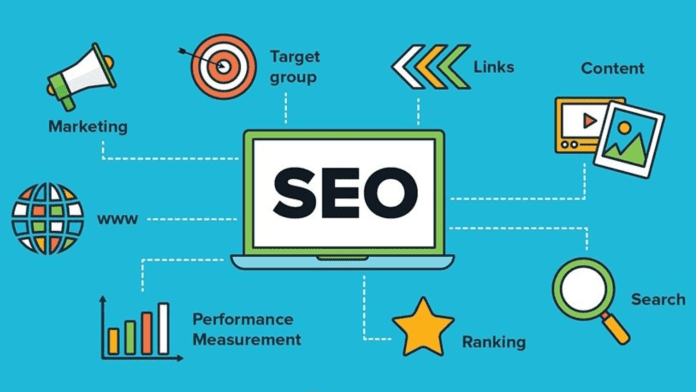
Organic search success remains the Holy Grail for firms looking to catch the attention of their target audience in the ever-changing world of digital marketing. Among the many methods and techniques available, two standouts remain: Search Engine Optimisation (SEO) and high-quality content. They work well together to propel your website to the top of search engine results while also keeping your audience interested and informed. In this in-depth post, we’ll explore the symbiotic link between SEO and content, and how their synergy may promote organic search success.
At first glance however, SEO and content may seem like two distinct components of your digital strategy. However, upon closer examination, it becomes clear that they are intrinsically linked. Here’s why they are the dynamic duo of organic search success:
1. Keywords and Content Integration:
At the heart of SEO lies the strategic use of keywords — those elusive terms and phrases that users type into search engines. These keywords guide search engine algorithms to understand the relevance of your content. High-quality content naturally incorporates these keywords, providing valuable information while optimizing for search engine visibility.
2. Content Authority and Backlinks:
Quality content establishes your authority within your niche or industry. When your content is deemed valuable and informative, other websites are more likely to link back to it. These backlinks are a crucial component of SEO, signaling to search engines that your content is trustworthy and deserves a higher ranking.
3. User Experience and Engagement:
Content isn’t just about keywords and rankings; it’s also about providing value to your audience. Engaging, informative content keeps visitors on your site longer, reduces bounce rates, and encourages them to explore more pages. These metrics are essential for SEO, as search engines consider user experience when ranking websites.
4. Mobile Optimization:
As more users access content on mobile devices, mobile optimization has become a critical aspect of SEO. Creating responsive, mobile-friendly content ensures that your website ranks well in mobile search results.
Content Strategies for SEO Success
Now that we understand the symbiotic relationship between SEO and content, let’s delve into practical strategies for harnessing their combined power:
1. Keyword Research:
Begin your journey with thorough keyword research. Identify relevant keywords and phrases that align with your business, industry, and target audience. Tools like Google Keyword Planner and SEMrush can help you discover high-impact keywords to target.
2. Content Planning:
With your keywords in hand, plan your content strategy. Develop a content calendar that includes blog posts, articles, videos, infographics, and other content formats. Each piece of content should focus on addressing the needs, questions, and pain points of your target audience.
3. High-Quality Content Creation:
Content quality is paramount. Craft well-researched, informative, and engaging content that provides real value to your readers. Avoid keyword stuffing, as search engines favor content that reads naturally.
4. On-Page SEO:
Optimize your content for on-page SEO by including relevant keywords in your titles, headings, meta descriptions, and alt tags for images. Ensure your content is well-structured and easy to read.
5. Internal Linking:
Link internally to other relevant pages on your website. This not only guides users to more valuable content but also helps search engines crawl and index your site.
6. Backlink Building:
Develop a backlink-building strategy by promoting your content to industry influencers and websites in your niche. Quality backlinks from authoritative sources can significantly boost your SEO.
7. User Experience and Engagement:
Create content that keeps users engaged. Use compelling headlines, break up content with subheadings, and include multimedia elements like images and videos. Encourage social sharing and comments to foster a sense of community around your content.
8. Mobile Optimization:
Ensure that your website and content are fully responsive and optimized for mobile devices. Google’s mobile-first indexing means that mobile optimization is no longer optional.
9.Monitoring and Adaptation:
SEO and content are not static; they require continuous monitoring and adaptation. Use analytics tools like Google Analytics and Google Search Console to track your website’s performance, identify areas for improvement, and refine your content strategy accordingly.
Final Thoughts:
Organic search success is driven by the synergy between SEO and content. You can unlock the full potential of this dynamic combination by understanding the connection between keyword optimisation, content production, user experience, and backlink building. Remember that success in organic search is a journey, not a destination. Assess your approach on a regular basis, adjust to algorithm changes, and continually give high-quality, valuable material to your audience. With SEO and content working in tandem, your website may climb the search engine rankings, attract more users, and finally achieve long-term organic search success.
Renowned for its opulence and commitment to excellence, The Leela Ambience Gurugram proudly introduces its newest culinary establishment, “Le Rêve.” This exquisite destination embodies a realm of sophistication and taste, where each detail orchestrates an authentic symphony, whisking you away to a lavish realm replete with timeless recipes and delightful revelations.
Le Rêve assures unparalleled artistry using the finest ingredients right in the heart of Gurugram, where they unveil the art and repertoire of luxury patisserie. Their menu is thoughtfully curated, blending time-honored techniques with fresh, seasonal ingredients, offering a diverse array of classic flavors, all meticulously handcrafted. Embark on a journey to the enchanting culinary worlds of Paris and Vienna through Le Rêve’s exceptional offerings. Delight in an assortment of exquisite pastries, delectable macarons, buttery croissants, indulgent éclairs, custom-crafted cakes, and more, each crafted with utmost precision. Additionally, savor the flavors of France with their freshly baked breads. Complement your delectable voyage with a cup of freshly brewed aromatic coffee or a pot of perfectly steeped loose-leaf tea.
Jaideep Anand, vice-president and general manager at The Leela Ambience Gurugram said, “Each recipe is meticulously researched and crafted at Le Rêve, with a promise to stay true to the masters of yesteryear offering a true manifestation of Parisian and Viennese pastry, be it its hand-crafted macaroons or its exquisite pastries and bespoke cakes. Le Reve’s freshly baked croissants and breakfast rolls, complimented with our signature coffee blends or teas, promise to transport you to the by lanes of Champs-Élysées.”
Abhishek Gupta, executive chef at The Leela Ambience Gurugram said, “We are extremely excited to launch this masterpiece and showcase the perfection by using the finest ingredients be it single-origin chocolate ‘Callebaut’ from Belgium or Valrhona from France, Elle & Vire Professional for the best quality cream and butter, and French-type 45 style flour, only the absolute best in the world for our baking and confectionery.”
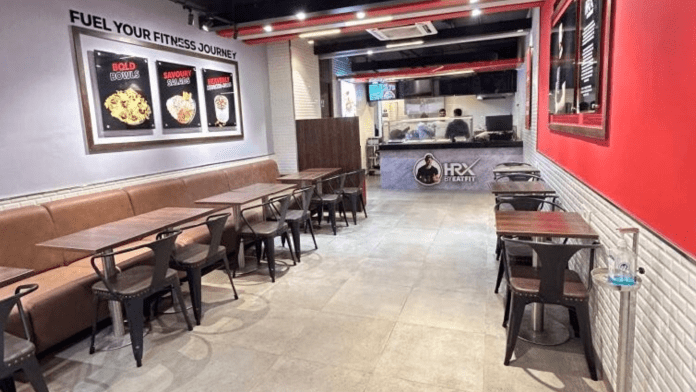
HRX, India’s pioneering fitness brand, Co-Founded by Hrithik Roshan and Exceed Entertainment, is delighted to introduce its newest creation. HRX’s Founder, Hrithik Roshan, proudly revealed the HRX Cafe, located in the vibrant HSR Layout neighborhood at the center of Bengaluru city. The grand opening event was marked by an excited gathering of individuals eager to witness the launch of this innovative enterprise, which is set to revolutionize the concept of wholesome dining within the city.
The HRX Cafe introduces a revitalizing shift to the culinary landscape by offering a menu that goes beyond the conventional choices found at cafes, serving as a beacon for health-conscious individuals and everyday athletes alike. With meticulous attention to detail, the menu is designed to accommodate the dietary requirements of those in search of high-protein, well-balanced meals to support their active lifestyles, as well as those who simply crave wholesome and clean dining choices.
The cafe proudly presents an enticing array of choices, spanning from protein-rich breakfast selections to personalized salads, nourishing super bowls, and an assorted range of wholesome on-the-go snacks. HRX Cafe is dedicated to providing a variety of offerings that feature superfoods such as Quinoa, Millet, and Black Rice, empowering customers to make mindful dietary decisions that harmonize with their fitness objectives.
The HRX Cafe offers a fusion of culinary creativity and nutritional wisdom. Every item on the menu is meticulously designed to provide the perfect balance of satisfaction and essential nutrients necessary for the everyday athlete. Prioritizing protein-rich choices, the cafe aims to motivate and assist individuals in maintaining a well-rounded and active way of life.
In a thrilling development, the HRX brand has set its sights on extending the HRX Cafe experience to a wider audience. The launch of the HSR Bangalore branch signifies the commencement of a mission with the goal of opening HRX Cafes in ten distinct locations by the year’s end. This expansion underscores the brand’s dedication to cultivating a community of health-conscious individuals who seek nourishment and vitality with every bite.
Hrithik Roshan, Founder of HRX, said,”I am thrilled to introduce and announce the HRX café. Our café is an extension to the HRX philosophy of providing holistic wellbeing solutions; that would serve to be a healthy dining option with a menu focused towards protein rich food. It’s an initiative to empower people with choices that align with their fitness aspiration and goals.”
Ankit Nagori, Founder & CEO of Curefoods, said, “I am thrilled to collaboratively introduce HRX Cafe in HSR Bangalore. This partnership between Curefoods and HRX represents a fusion of fitness, wellness, and culinary excellence, reflecting our commitment to providing a holistic experience for our community. At HRX Cafe, we aim to nourish both body and soul, bringing together the energy of fitness with the delight of great food. It’s a step towards redefining wellness, and we can’t wait to share this exciting journey with everyone in Bangalore.”
The launch of the first standalone HRX Cafe in Bangalore signifies a significant leap forward in revolutionizing the culinary landscape by seamlessly blending taste and nutrition.
According to an official order, the Finance Ministry has reduced the basic customs duty on specific items, including apples, almonds, lentils, and chickpeas imported from the United States.
According to the directive, lentils imported from the US are now completely exempt from customs duty, whereas previously, it stood at 20%. Similarly, the import duty on almonds has been reduced to 35%, down from the previous 41%. In the case of apples, the duty has been decreased to 15%, compared to the earlier rate of 35%, as explained by tax experts. Additionally, for chickpeas, an import duty of 10% will now apply, aligning it with imports from other countries.
This action is a component of the elimination of retaliatory duties imposed on US exports in 2019, which were implemented in response to the US raising import duties on specific items. According to the finance ministry order, this duty adjustment has been carried out in the public interest and has been in effect since September 6th.
This development precedes the upcoming G20 meeting and the anticipated bilateral discussions between Prime Minister Narendra Modi and US President Joe Biden, both scheduled to take place in the capital this week.
“India has revised its customs tariff system for imports from the United States. Import tariffs on apples, almonds, lentils, and chickpeas from the US have been drastically reduced in the backdrop of the G20 summit.
Because India is a large importer of high-quality food products such as apples, lentils, and almonds, lowering tariffs ahead of a bilateral visit with US Vice President Joe Biden might offer an impetus for the two countries,” explained explained Rajat Mohan, senior partner at accounting firm AMRG & Associates.
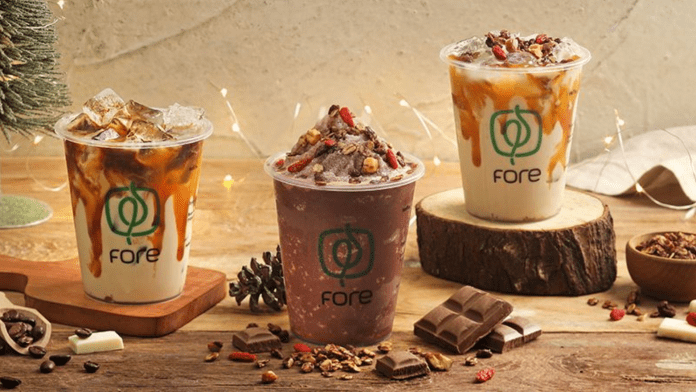
Indonesian coffee brand, Fore Coffee, is set to open its first store in Singapore at Bugis Junction on November 9th.
This launch signifies the brand’s first entry into an international market.
The coffee shop located in Bugis Junction will feature a menu with their signature coffees, starting at S$4.5. Fore Coffee’s offerings will include their distinctive blends, such as the Gula Aren Latte, Pandan Latte, and Butterscotch Sea-Salt Latte.
Fore Coffee intends to tap into Singapore’s robust coffee culture. According to a collaborative research effort with Redseer conducted in June 2023, Singapore’s coffee market is forecasted to achieve a Compound Annual Growth Rate (CAGR) of 5%, potentially reaching $1.2 billion by 2027.
“Singaporeans’ strong affinity for coffee, averaging 6-7 cups per week, aligns perfectly with Fore Coffee’s mission. The brand recognizes the mature coffee market in Singapore, combined with a love for Indonesian beans, particularly Arabica. With an understanding of local preferences and a commitment to innovation, Fore Coffee is poised to flourish in Singapore’s coffee landscape,” Vico Lomar, Co-Founder & CEO of Fore Coffee said.
Established in 2018, Fore Coffee operates a network of more than 150 coffee shops across Indonesia. The company’s unwavering dedication lies in procuring carefully selected coffee beans directly from Indonesian farmers in regions such as Aceh Gayo, Toraja, West Java, and Bali. These beans undergo a rigorous roasting and preparation process before being skillfully crafted by their expert baristas.
We use cookies to ensure that we give you the best experience on our website. If you continue to use this site we will assume that you are happy with it.