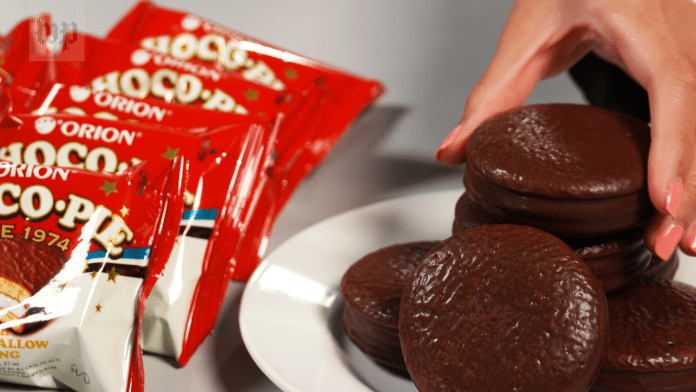
Orion Corp., a South Korean confectionery and snack manufacturer, recently received dividends from its Vietnamese subsidiary for the very first time, reflecting the company’s strong performance in the Southeast Asian market.
According to sources within the industry in Seoul, the renowned producer of Choco Pie snack cakes had already received a 50 billion won ($37.4 million) dividend from its wholly-owned subsidiary, Orion Food Vina Co., in the previous month. Additionally, the South Korean company is poised to receive an extra 60 billion won in the upcoming month.
“We will use the dividends of 110 billion won to buy sites in Jincheon, expand facilities, build logistics centers and repay loans,” said a company official, referring to the county about 100 kilometers (62 miles) south of Seoul.
In 2022, Orion recorded its highest-ever earnings, primarily attributable to robust sales in emerging markets like Vietnam. As part of its growth strategy, the company intends to construct a third factory within the Vietnamese market.
The export of Choco Pie to the country commenced in 1995, and Orion Food Vina was founded in 2005 as a result.
Last year, the subsidiary achieved sales surpassing 400 billion won, marking significant growth from the 300 billion won in 2021 and the 200 billion won in 2016.
TreeHouse Foods has finalized a firm agreement to sell its manufacturing facility and snack bars business situated in Lakeville, Minnesota, USA, to John B. Sanfilippo & Son for an approximate sum of $63 million.
Headquartered in Elgin, Illinois, John B. Sanfilippo & Son operates as a processor, packager, marketer, and distributor of snack bars, dried cheese, nut-based, and dried-fruit-based products.
This facility, which has been a part of TreeHouse Foods since 2016, manages the manufacturing of a range of private-label snack bar products, encompassing protein bars and fruit and grain bars.
As per the company’s statement, the snack bars business was not projected to generate a positive adjusted EBITDA in fiscal year 2023.
Steve Oakland, Chairman, President and CEO of TreeHouse Foods, said, “The sale of our Lakeville facility and snack bars business is another example of our strategy in action to be a focused private label leader in high-growth and high-margin categories. Importantly, we believe the business and its talented colleagues will be well positioned under John B. Sanfilippo & Son’s ownership. We remain focused on deploying our capital in a manner that supports our long-term growth targets and enhances value creation for our shareholders.”
Upon the conclusion of the transaction, the existing private-label snack bars business, customer relationships, and the workforce based in Lakeville will transfer to John B. Sanfilippo & Son.
The transaction, contingent on standard closing conditions, is anticipated to be finalized within a 30-day window.
Kroger Co and Albertsons Cos Inc are edging closer to finalizing an agreement aimed at obtaining approval from U.S. regulatory authorities for their planned $24.5 billion merger. This arrangement entails the sale of over 400 grocery stores to C&S Wholesale Grocers for approximately $2 billion, as reported by individuals familiar with the situation.
This agreement would significantly expand the presence of privately-owned C&S Wholesale Grocers, which primarily functions as a supplier rather than an operator of grocery stores. Currently, C&S operates roughly two dozen stores under the Grand Union and Piggly Wiggly brands.
According to one of the sources, SoftBank Group Corp, the Japanese investment conglomerate, is engaging in discussions with C&S to potentially provide financing for a portion of the deal.
Although SoftBank typically leans toward technology-related transactions, it has a connection to C&S’s executive chairman, Rick Cohen. This link stems from its joint venture with the warehouse automation firm Symbotic Inc, where Cohen holds the position of CEO.
According to the sources, the stores that Kroger and Albertsons intend to divest are primarily located in the Pacific Northwest and the Mountain states, with additional locations in California, Texas, Illinois, and along the East Coast.
They mentioned that an agreement could potentially be reached as soon as this week. However, it remains uncertain whether such an agreement will address regulators’ concerns regarding the potential for a merged Kroger and Albertsons to exert excessive control over grocery prices.
The sources asked to remain anonymous due to the confidential nature of the negotiations. Kroger and Albertsons chose not to provide any comments on the matter. C&S and SoftBank did not respond to requests for comment. Bloomberg News reported on the discussions involving C&S, Kroger, and Albertsons on Monday, as well as SoftBank’s participation, but did not provide any details regarding the terms of the deal.
Earlier, Kroger and Albertsons had indicated the possibility of divesting anywhere from 100 to 375 stores by establishing a new company that would be owned by Albertsons shareholders. In a regulatory filing, Kroger stated that the maximum number of stores that could be divested was raised to 650.
C&S has been actively seeking to establish its own retail presence in a highly competitive grocery supply market. It faced a significant setback when one of its major customers, Ahold Delhaize, opted for self-distribution in 2019, resulting in the loss of a significant business relationship.
McDonald’s is in the process of transitioning away from self-serve beverage stations in dining rooms across the U.S. by 2032, as conveyed by a company spokesperson in an email. The rationale behind this change is to ensure a consistent experience for both customers and crew members across all ordering points, whether it’s through McDelivery, the mobile app, kiosks, the drive-thru, or in-restaurant dining.
The goal is to streamline and establish uniformity in the beverage preparation procedures for both restaurant staff and customers, given the current disparity in pouring experiences across different ordering points. Presently, drive-thru beverages are prepared by the crew, while in-restaurant orders involve customers pouring their own drinks.
According to a report in The State Journal-Register, McDonald’s franchisees have stated that the transition has already commenced in Illinois stores.
The newspaper report indicates that this shift was prompted by concerns about public space cleanliness amidst the pandemic.
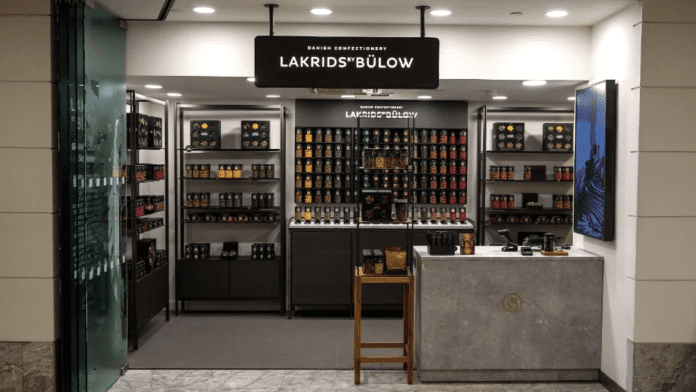
Gourmet Danish confectionery brand Lakrids by Bülow is excited to announce the grand opening of its first permanent stores in the United Kingdom. These new locations can be found in the bustling areas of Canary Wharf and Monmouth Street, situated within the vibrant Seven Dials district of London. Liquorice enthusiasts can now indulge in the complete range of delectable offerings, including the exclusive LAKRIDS LOVERS flavors, at the recently inaugurated store in Cabot Place, Canary Wharf Shopping Centre, which is now open to the public. Meanwhile, the Lakrids by Bülow store on Monmouth Street, Seven Dials, is set to welcome customers starting on the 28th of September. These store openings come as a natural progression following the brand’s successful pop-up shop in London’s St Pancras earlier this year, as well as its presence in renowned retailers like Selfridges, Harvey Nichols, and most recently, John Lewis.
Lakrids by Bülow is embarking on a mission to foster a worldwide appreciation for liquorice, and the United Kingdom is its latest destination, building upon its robust online sales growth in the UK market. These new stores will feature the brand’s complete lineup, showcasing gourmet pure liquorice in an array of enticing flavors, ranging from sweet and salty to spicy. Additionally, they will offer the beloved chocolate-coated liquorice, a confectionery treat known for winning over even the most skeptical taste buds. Shoppers will also have the opportunity to purchase the upcoming WINTER collection, tailor-made for creating memorable festive moments with family and friends.
Furthermore, visitors to the new Canary Wharf store will enjoy a special offer: with the purchase of at least 2 REGULAR jars, they will receive a selected complimentary SMALL jar until Friday, 8th of September, while supplies last. This sweet deal is a delightful bonus for early patrons of the store.
Fredrik Nilsson, CEO of Lakrids by Bülow, said, “We couldn’t be more excited to reignite the British love of liquorice with the opening of our first permanent UK stores, following the fast track success of our chocolate coated liquorice range in the UK. Since 2007, we have been changing the way Danes and Nordics view liquorice, and now we look forward to showcase the full Lakrids by Bülow experience to UK consumers in our very own stores and convert more British sceptics!”
Prioritizing sustainability throughout its production process, Lakrids by Bülow employs recyclable packaging for its entire product range. The most recent advancement in this regard is the introduction of recycled and reusable glass jars. Remarkably, Lakrids by Bülow holds the distinction of being the world’s inaugural confectionery manufacturer to craft jars exclusively from 100% recycled and recyclable plastic, while the glass jars are intentionally designed for repeated use. Furthermore, since 2020, the factory has operated entirely on 100% green energy, solidifying its commitment to environmentally responsible practices.
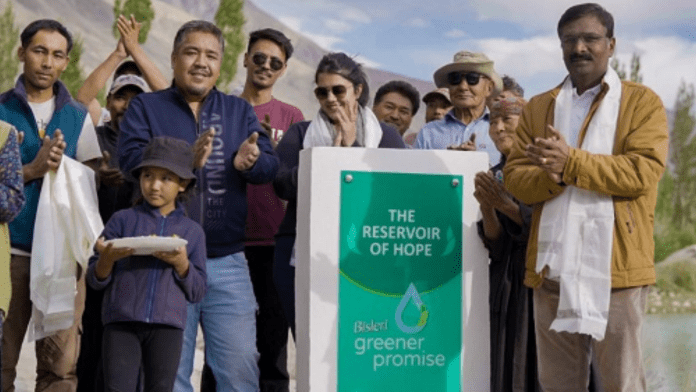
Inauguration of Bisleri Reservoir of Hope in Ladakh
Bisleri International, the foremost company in packaged drinking water in India, has proudly announced the successful restoration of the Ladakh Reservoir located in the Kyagar region of Tegar Village, Nubra Valley, Leh. This ambitious initiative, spearheaded by Bisleri, is dedicated to fortifying the resilience of the local community and mitigating the looming threats of water scarcity. The primary aim of this endeavor is to breathe new life into the Kyagar Panchayat Reservoir, thereby fortifying the region’s water infrastructure and addressing its agricultural requirements.
This comprehensive restoration involved the meticulous desilting and refurbishment of the reservoir, measuring an impressive 135 meters in length, 90 meters in width, and 2 meters in depth, with the goal of optimizing its storage capacity and operational efficiency. Additionally, the project encompassed critical repairs to the extensive water canals, which span over a distance of 3 kilometers.
Bisleri Reservoir of Hope in Ladakh
Bisleri International’s endeavor to repair and rejuvenate the reservoir serves a multifaceted purpose. This effort has substantially augmented the storage capacity to an impressive 24.3 million liters, providing a reliable water source that is indispensable for meeting the agricultural needs of 210 families and approximately 1,050 households. It plays a vital role in supporting crop irrigation, including a diverse range of crops such as wheat, barley, apples, apricots, cherries, as well as a variety of vegetables like potatoes, onions, tomatoes, mustard seeds, beans, peas, carrots, cabbage, and various leafy greens.
This initiative guarantees the continuity of agricultural activities throughout the year, extending beyond the monsoon season, thereby enhancing crop productivity. Moreover, it contributes to the maintenance of livestock and improves sanitation facilities within the community.
Commenting on the company’s vision to foster sustainable development in the Himalayan valleys, Angelo George, CEO, Bisleri International Pvt. Ltd., said, “We are in constant pursuit of creating a greener future by implementing initiatives that emphasize the well-being of people and the planet. Our goal is to empower communities through comprehensive programs that address various facets of life. Through the repair & restoration of the Ladakh reservoir, we take pride in our contribution to fostering stability and sustainable development in the region.”
Rigzin Wangdus, Sarpanch, Kyagar Panchayat, stated, “We are grateful for Bisleri to come forward and help to repair & restore the reservoir in our area which got damaged due to the flash flood in July. Their tireless efforts and vision will help shape a brighter future for this magnificent land, bringing prosperity and sustenance for generations to come.”
This latest initiative aligns seamlessly with Bisleri’s overarching ‘Greener Promise’ philosophy, which is fervently dedicated to intensifying the company’s endeavors in addressing climate change, ensuring universal access to safe and clean water, and establishing a resilient circular economy. Under the banner of this commitment to a more sustainable future, Bisleri has undertaken an impactful water stewardship initiative known as Project Nayi Umeed. This ambitious project has achieved remarkable success in restoring more than 200 check dams in the regions of Gujarat and Maharashtra, resulting in the impressive collection of 22 billion liters of water. These conscientious efforts have brought far-reaching benefits, extending their positive impact to over 124 villages and touching the lives of nearly 40,000 farming families.
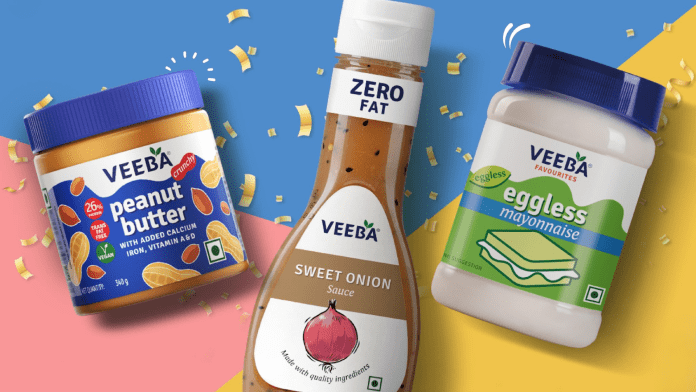
Veeba, the premier food brand in India, celebrates a decade of remarkable progress marked by extraordinary growth, unwavering innovation, and undeniable success. With a strong presence spanning more than 700 cities nationwide and an extensive product range of over 330 items, Veeba is on the cusp of achieving the remarkable milestone of becoming a 1000 crore~ brand.
Guided by the visionary leadership of Mr. Viraj Bahl, Founder and Managing Director of Veeba, the brand’s journey has been nothing short of extraordinary. Reflecting on this milestone, Viraj Bahl stated, “As we celebrate a remarkable decade of Veeba’s journey, we reflect upon the incredible milestones that have paved our path to success. From humble beginnings to becoming an almost 1000+ crore company, this journey has been nothing short of extraordinary. “
He further added, “Our commitment to innovation and excellence has been the driving force behind our growth, and as we introduce new packaging designed to enhance the product experience, we’re adding yet another layer of value to our offerings. This milestone isn’t just about numbers but the passion, dedication, and collective effort of our 2000+ member team and partners and their unwavering support.”
Veeba has solidified its position as a leading player in the food industry, boasting an impressive network of more than 150,000 sales points. The brand’s unwavering commitment to maintaining top-notch quality is exemplified by its cutting-edge manufacturing facilities, sprawling across an expansive 500,000+ square feet, spread across two plants in Neemrana and Keshwana, Rajasthan. A dedicated team of over 80 food technologists ensures Veeba’s reputation for excellence is upheld. Additionally, the brand’s Research and Development center in Gurgaon, staffed by a team of 30+ talented chefs and numerous food scientists, plays a pivotal role in driving culinary innovation.
Veeba’s remarkable success over the past decade is founded on its ability to create innovative products tailored specifically to the Indian taste buds. This approach has not only led to unprecedented growth but has also allowed Veeba to command a significant market share across various categories, including salad dressings, mayonnaise, spreads, and culinary sauces. With a firm commitment to meeting ever-changing consumer preferences, Veeba consistently delivers high-quality offerings.
To commemorate this significant milestone, Veeba is unveiling a redesigned packaging that simplifies product categorization and serves as a source of culinary inspiration. This fresh packaging marks the beginning of a new era characterized by increased ingredient transparency, offering consumers creative recipes and ideas. By scanning the QR code, customers gain access to a wealth of recipes that enhance their culinary experiences. The packaging prominently displays ingredients, empowering consumers to make informed choices.
In yet another testament to its esteemed reputation, Veeba has earned the prestigious AmbitionBox #BestPlacesToWork in India Award for 2022. This recognition stands as a testament to Veeba’s steadfast commitment to innovation, stringent quality assurance, and remarkable growth. Veeba’s captivating product range encompasses a wide array of offerings, including ketchup, mayonnaise, dressings, sauces, spreads, dips, nut butter, sweet toppings, and ready-to-cook sauces. These products are readily available through General Trade, Modern Trade, and E-commerce channels, solidifying Veeba’s influential presence within the ever-evolving landscape of the food industry.
An insolvency petition has been submitted against Coffee Day Enterprises in accordance with Section 7 of the Insolvency and Bankruptcy Code of 2016, seeking initiation of insolvency proceedings.
IDBI Trusteeship Services Limited has lodged the application before the National Company Law Tribunal in Bengaluru, asserting an alleged default of INR 228.45 crore by Coffee Day Enterprises.
“The Company is seeking appropriate legal advice and will take all appropriate steps to protect its interest in the aforesaid matter,” Coffee Day Enterprises said in a filing.
This application has been submitted nearly one month following a stay order issued by the National Company Law Appellate Tribunal (NCLAT), which had previously halted a National Company Law Tribunal (NCLT) directive to commence insolvency proceedings against the company.
“This is to inform you that an application has been filed against the Company under Section 7 of the Insolvency and Bankruptcy Code, 2016 read with Rule 4 of the Insolvency and Bankruptcy Rules, 2019 by IDBI Trusteeship Services Limited before the National Company Law Tribunal, Bengaluru for alleged default of INR 228,45,74,180.
“The Company is seeking appropriate legal advice and will take all appropriate steps to protect its interest in the aforesaid matter,” the company said in the filing.
Cash-strapped quick-commerce startup Dunzo has once again postponed the disbursement of August salaries to several employees, despite their prior commitment to settle them by the week’s end.
During an impromptu video conference with employees on Friday, Kabeer Biswas, the Founder and CEO, announced that the overdue August salaries will be processed and disbursed next Tuesday or Wednesday.
Biswas indicated that the company had received “certain funds,” enabling the settlement of August salaries for a portion of the employees. However, the delay in disbursing payments to the remaining staff was attributed to “procedural requirements,” as informed by individuals familiar with the situation.
He refrained from specifying whether Dunzo had secured new funding but expressed optimism about finalizing fresh investments in the coming weeks.
It was reported that the company backed by Reliance Retail had committed to settling all employee salaries for August by the end of this week, originally scheduled for clearance by September 4.
Furthermore, the company had announced that the outstanding salaries for June and July would experience additional delays, with no specific date provided for their future disbursement.
Dunzo has encountered challenges in securing funding due to a cash shortage, with investors at odds over a valuation mismatch, as reported by SnackFax on August 22.
In the past eight months, the company has terminated nearly 400 employees. Additionally, Dunzo is grappling with legal notices from companies such as Google India, Koo, and Glance regarding outstanding vendor payments.
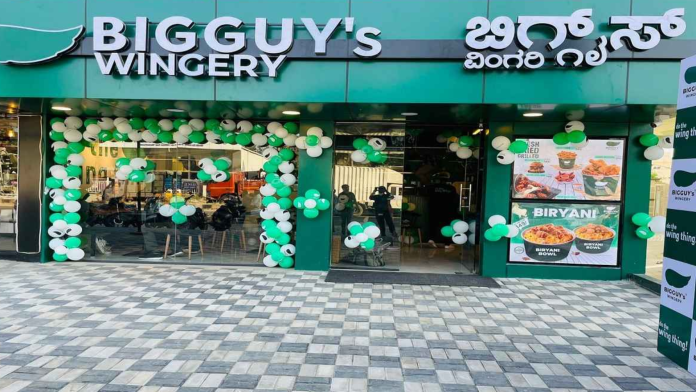
Bengaluru-based Biggies Burgers, which also manages Bigguy’s Wingery, is currently on an expansion spree and has set its sights on opening 50 brand-new stores for their franchise by the end of December.
“As a home-grown QSR brand for chicken wings, we recognized a gap in the market for a high-quality chicken wings brand in India. While international giants like KFC and Nando’s were prominent, we saw an opportunity to bring a unique and localized twist to this beloved food item as an Indian homegrown brand,” shared Biraja Prasad Rout, Founder at Bigguy’s Wingery.
The group is in the initial phases of its expansion endeavor, with a primary focus on the southern markets, encompassing cities such as Bangalore, Hyderabad, Chennai, and Coimbatore.
“We have ambitious plans to launch 50 stores this year in these cities, aiming to acquire a significant market share in the chicken wings segment. Our franchise model will play a crucial role in empowering local entrepreneurs and ensuring the brand’s growth in these markets,” he added.
Conversely, when it comes to Biggies Burger, their emphasis is on extending their reach to tier two and tier three cities.
“Our vision is to position Biggies Burger as a prominent home-grown burger chain in India with a revenue target of 500 crore and a market share of 15 to 20 percent of the burger market within the next three to four years,” added Rout.
We use cookies to ensure that we give you the best experience on our website. If you continue to use this site we will assume that you are happy with it.