Honasa Consumer, the parent company of Mamaearth, has entered into a significant collaboration with Apollo Pharmacy. As per an official announcement made on Tuesday, this partnership aims to offer Honasa Consumer’s range of personal care and baby care products at various Apollo Pharmacy stores.
Varun Alagh, Co-Founder and CEO, Honasa Consumer, said, “This agreement is an extension of our endeavor to make safe and natural products accessible to consumers across India. With Apollo Pharmacy’s extensive retail network, we can now reach even more consumers who prioritize clean and sustainable beauty and personal care products.”
According to the release, the brand’s products were made available in over 5,000 Apollo Pharmacy stores in August 2023, significantly broadening the brand’s presence and accessibility to consumers across the nation.
Madhava Krishna, Business Head, Apollo Pharmacy commented, “We saw demand for Mamaearth at our stores and since the launch, we have seen an increase in the uptake of the brand across all locations. We see potential in the partnership and we believe that the business will continue to grow.”
Global food prices have once again fallen to their lowest levels in over two years, thanks to abundant stocks of cooking oils and dairy products, despite ongoing concerns about the availability of essential staples from certain regions.
The Food and Agriculture Organization of the United Nations reported that a food-commodity cost index dropped by 2.1% last month due to lower demand and increased production of vegetable oils and milk. This index has declined by 24% since reaching its peak in March 2022 when grain exports were disrupted due to Russia’s invasion of Ukraine.
The decline in food prices has been significantly influenced by grains over the past year. The second consecutive robust wheat harvest in Russia has played a role in stabilizing prices, and Ukrainian grain exports have persisted despite the termination of a Black Sea grain agreement and multiple attacks on its ports. Additionally, the United States is expected to harvest nearly record-breaking corn crops, although there is concern that exceptionally high temperatures towards the end of the growing season could impact yields.
Additionally, there are other concerns regarding the supply of essential food items. India has imposed export restrictions on rice, which is a crucial dietary staple for billions worldwide. This action has led to the rice index of the FAO reaching its highest nominal level in 15 years last month.
Severe weather patterns are impacting a range of crops, while food inflation continues to stay elevated in several countries due to increased energy and labor expenses. It’s important to note that the UN’s food price index represents the costs of globally-traded commodities, not retail prices.
The FAO reported that prices for dairy, vegetable oil, and meat all experienced declines of at least 3% last month. Additionally, the FAO’s measurement of grain prices also decreased, mainly due to a record corn harvest in Brazil. On the other hand, sugar prices saw an increase.
Starbucks has announced that it has recently achieved a significant milestone by crossing the 20,000 mark in international stores, further cementing its dominance in the beverage sector.
The store made its debut in the United Kingdom, a market Starbucks initially entered in 1998. With over 1,100 stores, the U.K. has become Starbucks’ largest international trading region. Throughout Europe, the Middle East, and Africa (EMEA), the brand has established a presence with over 4,000 outlets. In the current fiscal year, the company anticipates opening 100 new locations in the U.K. and 300 in the EMEA region.
The latest restaurant features a drive-thru, a store format first introduced in the country in 2008. Furthermore, it has obtained certification as a Greener Store, signifying that it meets specific environmental standards in areas such as energy efficiency, water stewardship, and waste diversion. This prototype now constitutes 25 percent of nationwide locations.
“We are thrilled to welcome the Oldham community to our new store and our first in Oldham,” Alex Rayner, Starbucks U.K. vice president and general manager, said in a statement. “Celebrating 25 years in the UK is a real privilege, and to mark this special anniversary we’ve just launched our first UK-exclusive beverage, Starbucks Clotted Cream Fudge Cold Brew, which is available now in all UK stores. We look forward to continue building on our legacy of coffee craft innovation and our long-standing partnerships with organisations such as Hubbub and NHS Charities Together. Looking ahead, we are fully invested in the U.K. and giving back to the local communities we serve each day.”
In Q3, Starbucks’ international division experienced a remarkable surge in same-store sales, surging by 24 percent, a remarkable turnaround from the 18 percent decline observed in the same period last year. Transactions increased by a noteworthy 21 percent, and the average ticket size also saw a 2 percent rise. The third quarter brought in net revenues of $2 billion, marking a robust 24 percent growth, while operating income soared to $374.5 million. This segment achieved record-breaking system sales for the second consecutive quarter and attained its highest revenue and operating margin since Q4 2021.
As of July 2, Starbucks boasted a total of 19,630 international shops, with an impressive addition of 478 net new stores during Q3 alone. If we exclude China, approximately 35 percent of the new stores opened year-to-date featured drive-thru facilities, contributing to around 15 percent of the overall store count now offering this service channel.
On a global scale, Starbucks concluded Q3 with a total of 37,222 stores, solidifying its position as the second-largest restaurant chain worldwide, trailing only behind McDonald’s.“I’m proud to celebrate Starbucks 20,000th store milestone internationally,” Michael Conway, group president of international and channel development, said in a statement. “This achievement reflects the success of the unparalleled Starbucks Experience around the world, and how in the UK market and across our EMEA region, our partners uplift the everyday and foster human connection in our stores. As we look to the future, I am excited by the growth opportunities in front of us in both the UK and the EMEA region as we deepen our engagement with customers.”
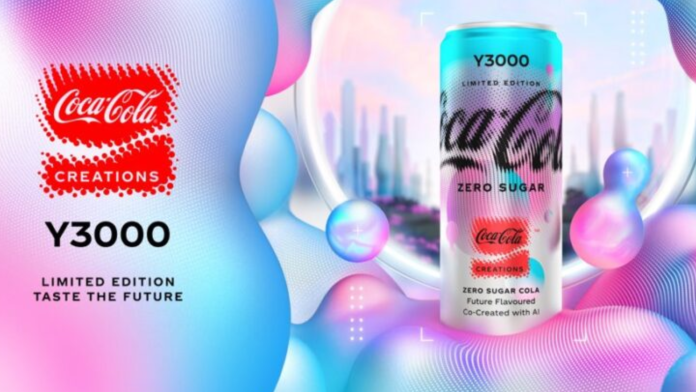
The Coca-Cola Company has unveiled Coca-Cola Y3000, a brand that the beverage giant asserts was collaboratively developed with the assistance of artificial intelligence. Coca-Cola stated that Y3000 was crafted by leveraging insights derived from consumer interactions with the company’s media applications. Furthermore, AI-driven processes were employed in the creation of visual branding elements for Y3000, generating striking imagery.
For a limited period, a Coca-Cola Y3000 Zero Sugar variation will be offered in the United States, Canada, Europe, China, and Africa.
Consumers in the United States, Canada, and Mexico will also have the option to purchase a regular version of the product.
“We intentionally brought human intelligence and AI together for an uplifting expression of what Coca‑Cola believes tomorrow will bring,” Oana Vlad, senior director of global strategy at The Coca‑Cola Co. said.
As part of the promotional campaign for the Coca-Cola Y3000 brand, there is an innovative camera filter experience available through the Coca-Cola Creations Hub. Users can access this feature by scanning a QR code found on the product packaging. This camera filter enables users to overlay the brand’s futuristic vision onto any photos they capture.
An earlier instance of limited-edition Coca-Cola flavors from its “creations” range was the Starlight CSD, which also incorporated QR code marketing. This QR code provided scanning users with access to an augmented reality experience featuring singer Ava Max performing songs from her albums amidst a cosmic backdrop.
In February, Coca-Cola entered into a partnership with the management consultancy firm Bain & Co. to investigate the utilization of OpenAI tools such as ChatGPT, DALL·E, and Codex. The company behind the Sprite brand mentioned that it recognized potential avenues for improving its marketing initiatives with the help of AI and was also exploring methods to enhance its overall business operations and capabilities.
Last month, the soft-drinks giant made headlines by selling 80,000 digital assets for $500,000 through a NFT (non-fungible token) auction featuring its ‘Masterpiece’ collection. In the span of a 72-hour sale, approximately 80,000 of these NFTs found buyers among collectors and cryptocurrency speculators.
Ingka Centres and Le Marche have formally sealed a deal, signaling the start of an innovative collaboration in the retail industry. This partnership will result in the creation of a state-of-the-art supermarket on the first floor of the eagerly awaited Lykli gathering hub in Gurugram. This fresh retail concept is poised to revolutionize the customer experience with its unique, city-exclusive design, spanning an impressive 2,676 square meters of space.
Le Marche, known for its unique approach to grocery retail, is gearing up to unveil an innovative concept exclusively designed for Ingka Centres’ Lykli Gurugram meeting place in India. This supermarket will feature a wide selection of food products across different price ranges, placing a special focus on procuring fresh produce from various regions. To enrich customer interaction, live counters will be incorporated, allowing visitors to sample products sourced from India and beyond, while also providing educational insights about the ingredients used.
The in-store experience will be taken to the next level with the incorporation of digital tools, which will not only boost customer awareness of products but also assist with in-store navigation and convey product stories. Numerous options will be accessible to streamline the entire customer journey, from entry to the checkout process.
Amit Dutta, CEO of Le Marche India expressed, “Le Marche is both honored and excited to be selected as Ingka Centres’ inaugural partner for their debut venture in India. We recognize the significance of this opportunity and the responsibility it carries as we collaborate with Ingka Centres to establish this enduring legacy. In our commitment to providing an exceptional customer experience, we have developed a unique ‘one in a city concept,’ tailored specifically for Lykli Gurugram meeting place, ensuring an unparalleled experience for our visitors. Together with Ingka Centres, we are confident in creating a benchmark offering that will exemplify the future of grocery retailing, both in the physical and digital realms.”
Vasco Santos, Global Sales and Leasing Director at Ingka Centres shared, “I am pleased to extend a warm welcome to Le Marche at our forthcoming Lykli Gurugram meeting place. This supermarket will introduce a distinctive grocery store concept and experience, exclusive to our meeting place. In collaboration with our partners, we are committed to delivering unique experiences to the people of Delhi NCR, solidifying Lykli Gurugram as the go-to destination for building emotional connections, dining, working, playing, and rejuvenating.”
Lykli Gurugram is scheduled for its grand opening in late 2025, with IKEA as its anchor tenant. It has been thoughtfully designed to meet the specific needs of the local community, seamlessly blending dining and entertainment choices with a varied retail assortment, encompassing both global and local brands. Additionally, the space will offer cutting-edge office facilities and areas for community gatherings. Ingka Centres’ Meeting Place concept sets itself apart from conventional malls by presenting a mixed-use destination that brings people together, offering a place for work, recreation, meetings, shopping, and leisure.
Backed by a significant investment of around INR 3,500 crore, this ambitious venture envisions an annual footfall of 20 million visitors. It has been carefully designed to foster relaxation, mental well-being, and physical fitness, addressing the needs of the more than two million residents in Gurugram and Delhi-NCR.
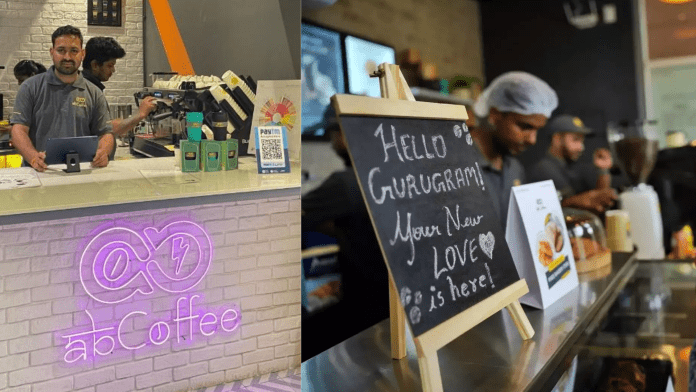
abCoffee, India’s tech-enabled and affordable specialty coffee chain, has announced its foray into Gurugram. Nestled within the bustling locale of DLF Cyber Greens in Cyber City Gurugram, this expansion marks a significant milestone in bolstering the brand’s presence in North India. It aims to provide a wide array of freshly brewed specialty coffees at remarkably competitive prices.
abCoffee’s distinctive grab-and-go concept empowers patrons to swiftly and effortlessly procure a steaming cup of freshly brewed coffee. Priced starting at a mere INR 77, which is a fraction of what other upscale specialty coffee chains charge, abCoffee is on a mission to democratize high-quality coffee, ensuring its accessibility to every Indian.
The upcoming Gurugram establishment will boast a comprehensive menu brimming with freshly prepared coffee delights, encompassing beloved classics such as espresso, cappuccino, cortado, mocha, iced Americano, and Frappuccino. To enhance their coffee journey, patrons can also peruse a curated assortment of pastries and snacks, crafting a well-rounded and delightful coffee experience.
Abhijeet Anand, the Founder of abCoffee, said, “We’re pleased to open our first deck (outlet) in Gurugram. It’s an important step as we expand across India. Our goal is simple: to offer customers a great coffee experience at honest prices.”
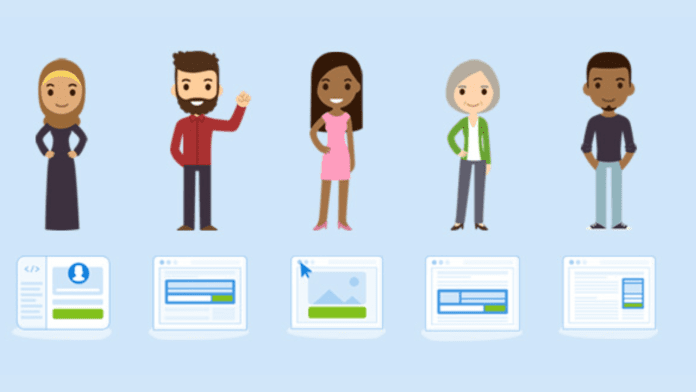
Personalization is no longer a trend in the ever-changing corporate landscape; it is now the lifeblood of effective marketing. It is no longer enough to just personalize your communications; precise customisation is required to resonate with each audience segment.
The Evolution of Personalization
Personalization isn’t just a buzzword; it’s a transformative strategy that’s reshaping the way businesses engage with their audience. Here’s why it’s crucial:
1. Segmented Understanding:
Personalization precision involves diving deep into the specifics of each audience segment, allowing you to understand their distinct characteristics.
2. Tailored Experiences:
Crafting content that resonates with each segment means that you’re offering tailored experiences that make every customer feel valued and understood.
3. Higher Engagement:
Content that precisely speaks to each segment captures attention and encourages interaction, leading to higher conversion rates.
4. Building Loyalty:
When customers believe that you’re speaking directly to them, they’re more likely to become loyal brand advocates, fostering lasting relationships.
Crafting Content for Each Audience Segment
Let’s explore the steps to achieve personalization precision and create content that resonates with every audience segment:
1. Segmentation:
Begin by segmenting your audience based on common characteristics, behaviors, or preferences. This step lays the foundation for personalized content.
2. Persona Development:
Create detailed customer personas for each segment. These personas represent different facets of your audience, helping you grasp their unique needs and preferences.
3. Content Mapping:
Craft a content map that aligns with each persona’s journey. This should include blog articles, email campaigns, social media content, and product recommendations.
4. Customized Messaging:
Tailor your messaging to match the specific interests, challenges, and goals of each persona. Ensure that your content addresses their pain points directly.
5. Behavioral Triggers:
Implement behavioral triggers that respond to customer actions. For instance, send a follow-up email with personalized recommendations after a purchase.
6. Dynamic Website Content:
Use insights to customize the content and offers displayed on your website in real time, ensuring that visitors find information relevant to their interests.
7. AI-Powered Chatbots:
Leverage AI-driven chatbots capable of engaging customers in personalized conversations, offering assistance, recommendations, and answers to specific queries.
8. Feedback and Iteration:
Continually collect feedback from customers through surveys and interactions to refine your personalization efforts. Keep evolving to meet changing needs.
9. Mobile Personalization:
Extend personalization to mobile experiences, including mobile apps and mobile-optimized content, to cater to customers on their preferred devices.
The Impact of Personalization Precision
Mastering personalization precision can have a significant impact on your business:
Deep Understanding: Gain a profound understanding of each audience segment, guiding not only marketing but also product development and business strategy.
Elevated Engagement: Personalized content that precisely speaks to each segment leads to higher engagement and conversion rates.
Brand Advocacy: When customers feel understood and valued, they’re more likely to become vocal advocates for your brand.
Data-Driven Decision-Making: Personalization precision offers data-driven guidance for marketing strategies and product development.
In the era of personalization, precision is the key to crafting content that resonates with every audience segment. By delving into the specifics of each group, you can create messages that not only capture attention but also inspire meaningful engagement. Remember, personalization is not a one-size-fits-all approach; it’s a journey toward precision that leads to remarkable success in today’s diverse and dynamic marketplace.
Data isn’t just a term in today’s fast-paced corporate scene; it’s the driving force behind personalized marketing success. The capacity to translate data into customer-pleasing insights is a game changer for organizations of all sizes.
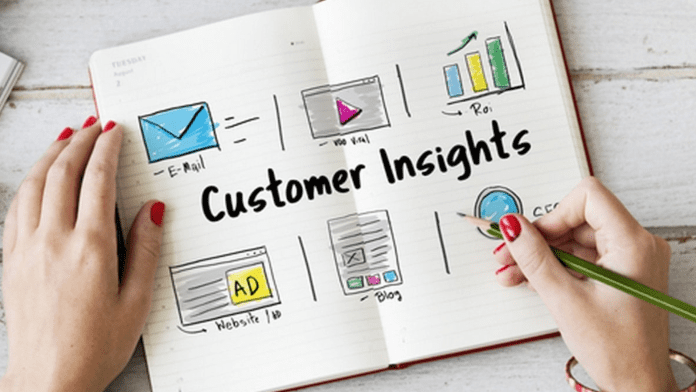
The Power of Customer Insights
Customer insights are the golden nuggets buried within your data. They’re the key to understanding your audience on a profound level and crafting personalized experiences that resonate. Here’s why they’re crucial:
1. Deep Understanding:
Customer insights provide a 360-degree view of your audience, revealing their preferences, behaviors, pain points, and aspirations.
2. Tailored Experiences:
Armed with insights, you can create content and offers that speak directly to individual customers, making them feel valued and understood.
3. Enhanced Engagement:
Personalized experiences based on insights capture attention, inspire interaction, and drive conversion.
4. Brand Loyalty:
When customers feel like you “get” them, they’re more likely to become loyal brand advocates, fostering enduring relationships.
The Journey from Data to Delight
Now, let’s dive into how you can leverage customer insights to craft personalized marketing that truly delights:
1. Data Collection and Analysis:
Start by collecting data from various touchpoints, such as your website, social media, email campaigns, and sales interactions. Then, analyze this data to identify patterns and trends.
2. Segmentation:
Divide your audience into segments based on common characteristics or behaviors. This segmentation allows you to target your marketing efforts effectively.
3. Persona Development:
Create detailed customer personas based on insights. These personas represent different segments of your audience and provide a deeper understanding of their needs and preferences.
4. Personalized Content:
Craft content tailored to each persona’s preferences and pain points. This might include personalized emails, blog articles, or product recommendations.
5. Behavioral Triggers:
Implement behavioral triggers that respond to customer actions. For example, sending a discount code when a customer abandons their shopping cart.
6. Dynamic Website Content:
Utilize insights to customize the content and offers displayed on your website in real time, providing visitors with relevant information.
7. AI-Powered Chatbots:
Employ AI-driven chatbots that can engage customers in personalized conversations, offering assistance, recommendations, and answers to specific queries.
8. Feedback Loops:
Continually gather feedback from customers through surveys and interactions to refine your insights and improve personalization efforts.
9. Mobile Personalization:
Create personalized mobile experiences, including mobile apps and mobile-optimized content, to cater to customers on their preferred devices.
The Impact of Customer Insights
Leveraging customer insights can have a profound impact on your business:
Deeper Understanding: Gain a profound understanding of your audience that informs not only marketing but also product development and business strategy.
Enhanced Engagement: Personalized experiences based on insights lead to higher engagement rates and conversion rates.
Brand Advocacy: Customers who feel understood and valued are more likely to become vocal advocates for your brand.
Informed Decision-Making: Insights provide data-driven guidance for marketing strategies and product development.
In the age of data-driven marketing, customer insights are the compass guiding you towards personalized marketing success. By collecting, analyzing, and leveraging these insights, you can craft marketing experiences that truly delight your audience. Remember, it’s not just about data; it’s about the transformational power of turning data into delightful, personalized experiences that create lasting connections. In the journey from data to delight, businesses find the secret to achieving remarkable success in the modern marketplace.
Personalization has progressed from a creative approach to a marketing need in the fast-paced world of modern business. While fundamental personalisation strategies have created a name for themselves, today’s firms are pushing the edge, embracing sophisticated approaches that enhance client experiences to new heights.
The Evolution of Personalization
Personalization isn’t just a buzzword; it’s a fundamental shift in how businesses connect with their audience. Here’s why it’s essential and why advanced techniques are now at the forefront:
1. Hyper-Relevance:
Advanced personalization doesn’t just tailor content to a general audience; it customizes every interaction to individual preferences and behaviors, creating hyper-relevant experiences.
2. Exceptional Engagement:
Personalization at an advanced level resonates deeply with customers, captivating their attention and fostering interaction that drives conversions.
3. Enduring Loyalty:
When customers feel genuinely understood and valued, they become not just loyal but vocal advocates for your brand, nurturing long-lasting relationships.
4. Data-Driven Precision:
Advanced personalization leverages cutting-edge analytics and AI, providing businesses with unparalleled insights into customer behavior and emerging trends.
Mastering Advanced Personalization Techniques
Now, let’s explore the techniques that businesses can embrace to master advanced personalization and deliver extraordinary customer experiences:
1. Predictive Analytics:
Employ predictive analytics to anticipate customer needs and preferences. Predictive models can forecast future behaviors, allowing you to proactively tailor content and offers.
2. Real-Time Personalization:
Use real-time data to customize website content, product recommendations, and email campaigns as customers interact with your brand.
3. Personalized Video Marketing:
Create personalized video content that addresses individual customers by name and offers tailored messages and recommendations.
4. Chatbots with Natural Language Processing (NLP):
Implement chatbots equipped with NLP to engage customers in natural conversations and offer highly personalized assistance and recommendations.
5. Personalization at Scale:
Leverage marketing automation tools to scale your personalization efforts, ensuring that even as your audience grows, each customer receives a personalized experience.
6. Voice Search Optimization:
Optimize your content and online presence for voice search, which often yields more conversational and personalized results.
7. Dynamic Pricing and Offers:
Use dynamic pricing algorithms to offer personalized discounts and promotions based on a customer’s behavior and purchase history.
8. AI-Driven Content Creation:
Employ AI-powered tools to generate personalized content, such as product descriptions, blog articles, and social media posts.
9. Segment-of-One Marketing:
Go beyond segments and treat each customer as a unique “segment of one.” This approach tailors every aspect of the customer journey.
The Impact of Advanced Personalization
Mastering advanced personalization can have a profound impact on your business:
Exceptional Customer Experiences: Advanced personalization creates unparalleled customer journeys that set your brand apart.
Enduring Brand Advocacy: Customers who receive advanced personalization are more likely to become vocal advocates, spreading the word about your brand.
Precise Data Insights: Advanced personalization generates precise data that informs future marketing strategies and product development.
In the era of advanced personalization, businesses are redefining the customer experience. By embracing advanced techniques that go beyond the basics, you can create extraordinary, tailored marketing journeys that resonate deeply with your audience. Remember, the future of marketing isn’t just personalized—it’s hyper-relevant, data-driven, and custom-tailored to the individual. Advanced personalization is the key to unlocking lasting customer relationships and achieving unparalleled success in the modern business landscape.
In the ever-evolving world of business, the adage “one size fits all” no longer holds true, especially in marketing. Today, successful businesses understand the transformative power of personalized marketing. It’s not just a strategy; it’s a philosophy that tailors every customer interaction to individual preferences and behaviors.
The Personalization Revolution
Personalized marketing is more than just a trend; it’s a paradigm shift that’s reshaping how businesses connect with their audience. Here’s why it’s leading the charge in modern marketing:
1. Individualized Attention:
Personalization treats customers as unique individuals, not faceless masses. It acknowledges their preferences and acknowledges their importance.
2. Heightened Engagement:
Personalized messages resonate on a deeper level, capturing the audience’s attention, inspiring interaction, and driving conversion.
3. Cultivating Brand Loyalty:
When customers feel understood and valued, they’re more likely to become loyal brand advocates, fostering lasting relationships.
4. Data-Driven Insights:
Personalization relies on data analytics, offering businesses profound insights into customer behavior, preferences, and emerging trends.
Crafting Customized Experiences
Now, let’s explore how businesses can master the art of personalized marketing to create unique customer experiences:
1. Audience Segmentation:
Divide your customer base into segments based on demographics, behavior, and preferences. Tailor your marketing messages to address the unique characteristics of each segment.
2. Tailored Content:
Create content that speaks directly to individual customers. Personalized emails, product recommendations, and content suggestions can significantly boost engagement.
3. Dynamic Website Experiences:
Utilize personalization to customize the content and offers displayed on your website in real time, providing visitors with relevant information.
4. Email Marketing:
Craft personalized email campaigns based on customer behavior and preferences. Address recipients by name and recommend products or content aligned with their interests.
5. Personalized Product Recommendations:
Implement recommendation engines that suggest products or services based on a customer’s browsing and purchase history.
6. AI-Driven Chatbots:
Leverage AI-powered chatbots capable of engaging customers in personalized conversations, answering questions, and offering assistance.
7. Behavioral Retargeting:
Utilize data on user behavior to retarget customers with relevant ads and content across various platforms.
8. Location-Based Marketing:
Send location-based offers and recommendations to customers’ mobile devices when they are near your physical store.
9. Feedback and Surveys:
Collect feedback from customers to continually refine your personalization efforts. Understand what works and what doesn’t.
The Impact of Personalized Marketing
Effective personalized marketing can have a profound impact on your business:
Elevated Engagement: Personalized content leads to higher engagement rates, from click-throughs to conversion rates.
Enhanced ROI: Targeted marketing efforts are more efficient and cost-effective, resulting in a higher return on investment.
Fostered Brand Loyalty: Customers who feel understood and valued are more likely to become loyal advocates for your brand.
Invaluable Data: Personalization generates data that can inform future marketing strategies and product development.
In today’s business landscape, personalization is no longer optional; it’s essential. By adopting personalized marketing strategies across various touchpoints, businesses can elevate engagement levels, nurture brand loyalty, and unlock new possibilities. It’s a shift from mass communication to meaningful connections. Remember, when it comes to marketing, one size doesn’t fit all. Personalized marketing is rewriting the rules, allowing businesses to craft unforgettable customer experiences that set them apart in a crowded marketplace.
We use cookies to ensure that we give you the best experience on our website. If you continue to use this site we will assume that you are happy with it.