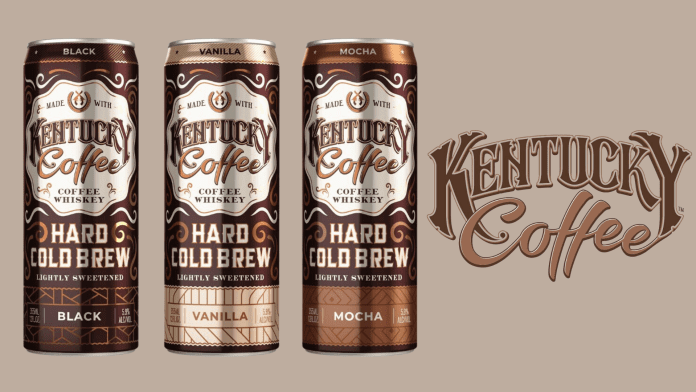
Kentucky Coffee, known for its delightful coffee-infused whiskey, has ventured into the ready-to-drink (RTD) sector by introducing its latest offering: the Hard Cold Brew collection.
This lineup features three delectable flavors – black, vanilla, and mocha – crafted using premium whiskey and cold brew.
Don Deubler, CEO of Kentucky Coffee’s parent company, Atomic Brands, said, “Coffee and whiskey are beloved in their own rights and come together naturally when blended. It’s a timeless pair that’s been largely overlooked within the RTD space – we’re excited to fill that gap for consumers.”
“Lemonades, teas and sparkling water have made their way from the non-alcoholic RTD category, but we’ve been missing coffee. Kentucky Coffee Hard Cold Brews answer that,” he added.
The mixed cocktails will roll out nationwide in 12oz cans at 5.9% ABV this autumn.
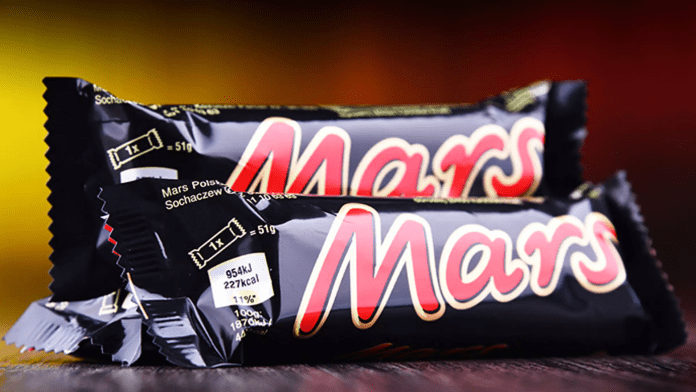
Mars has unveiled ‘The Mars Net Zero Roadmap,’ a comprehensive strategy aimed at attaining carbon neutrality throughout its entire supply chain by 2050.
Within the roadmap, a fresh objective has been incorporated, seeking a 50% reduction in emissions by 2030 compared to the 2015 baseline, along with a clear trajectory leading to complete carbon neutrality by 2050.
Despite reaching its peak emissions in 2018, the company has successfully curtailed its greenhouse gas emissions by 8%, equivalent to a reduction of 2.6 million metric tons, when compared to its 2015 baseline. Remarkably, the company has achieved this while simultaneously expanding its business by 60% during the same period.
As an integral component of the action plan, Mars has committed to investing more than $1 billion over the next three years and will remain dedicated to allocating financial resources as necessary until it attains its goal of net-zero emissions.
A recent Ipsos survey, commissioned by Mars, has revealed that even amidst challenging economic conditions, an average of 69% of adults in the world’s seven largest economies believe that businesses should maintain or increase their efforts in addressing climate change rather than prioritizing economic challenges. This comprehensive research involved 14,468 individuals across the USA, UK, China, Japan, Germany, France, and India.
The survey also highlighted that close to half of the population in the world’s seven largest economies assign “significant” responsibility to multinational corporations and governments for implementing measures to combat climate change.
Poul Weihrauch, Mars CEO said, “We cannot wait for the economy to improve; we must push forward with investments that protect our business today and in the future…Investment in climate is not a trade-off between planet and productivity, or between environment and employment. Consumers and our associates clearly want both – and so do we. Investing in emissions reductions is sound business policy, it is achievable, affordable, and it is absolutely necessary.”
In pursuit of net-zero emissions, Mars intends to intensify its efforts by transitioning to 100% renewable energy sources, overhauling supply chain practices to halt deforestation, expanding climate-smart agriculture initiatives, refining recipes, enhancing logistics efficiency, and deeply integrating climate action into its core business operations.
Weihrauch emphasized that companies should be evaluated based on the tangible outcomes they achieve in alignment with their climate strategies, rather than solely on the magnitude of their commitments. He drew a parallel, stating that similar to how boards and investors assess performance based on financial results, the focus should be on the delivery of climate goals rather than the caliber of climate projections.
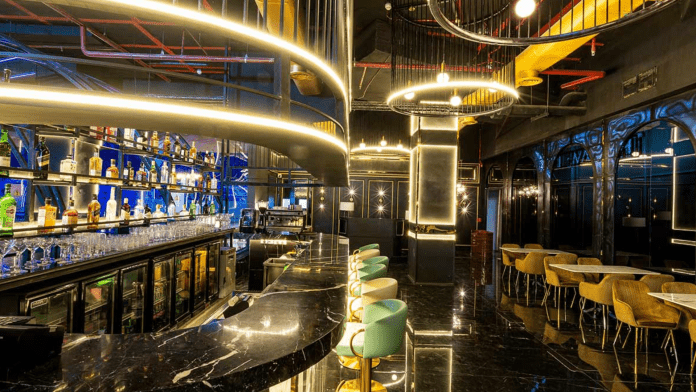
Prasuk Jain Hospitality is thrilled to unveil The Game Luxe, an exclusive boutique bowling and entertainment bar, in a grand launch event. This prestigious establishment will make its inaugural appearance at the renowned Phoenix MarketCity in Mumbai, India.
“The Game Luxe stands as a testament to my long-held vision, a place where opulence and entertainment seamlessly intertwine, creating an unforgettable, immersive, and experiential journey. We aimed to create an unparalleled destination where indulgence leads to lasting memories. And as I always say, until we know we are spreading smiles and happiness amongst people, we know we are doing the right thing. The Game Luxe is set to bring a new era of entertainment and hospitality of international designs and standards in India,” shared Prasuk Jain.
Following the immense popularity of The Game, The Game Palacio, The Game Ranch, and The Game Garden, all cherished indoor destinations celebrated for providing top-tier entertainment and sports activities, The Game Luxe is set to elevate this experience to unprecedented levels, turning it into a lavish and opulent escapade.
Furthermore, the resto-bar boasts a diverse menu, tempting desserts, and carefully crafted cocktails.
The Game Luxe transcends being merely a gaming and entertainment destination; it serves as a lively and dynamic hub of experiences. Here, live music, themed nights, and interactive DJ sessions introduce an entirely new realm of excitement within the mall.
“We are very excited to launch and expand The Game Luxe locations around the nation. Soon Mumbai, Bangalore, Hyderabad and Delhi will also host their own The Game Luxe by the end of this year,” he added.
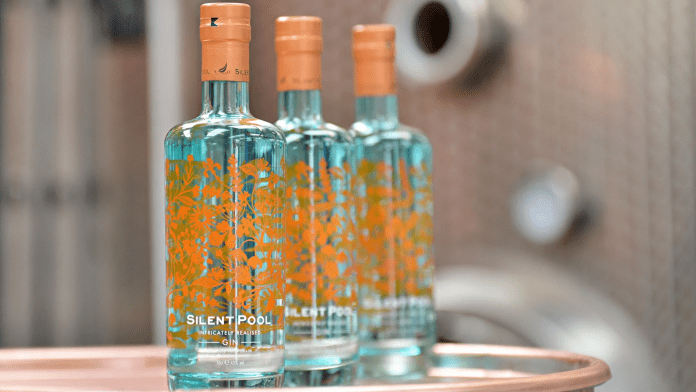
William Grant & Sons has expanded its portfolio by acquiring Silent Pool Distillers, welcoming the renowned UK gin producer into its family of brands, which already features Hendrick’s gin.
The family-owned spirits conglomerate stated that Silent Pool’s gin production will continue to take place at the distillery located in the Surrey Hills, which is now part of their new asset.
William Grant intends to enhance the visibility of what a representative from the company referred to as Silent Pool’s “artisanal craft spirit” across Europe, North America, and the Asia-Pacific region.
Established in 2014 by Ian McCulloch and James Shelbourne, this “ultra-premium” gin is currently available in over 30 countries.
McCulloch, Silent Pool’s MD, said, “With William Grant & Sons’ global reach and brand-building expertise, there is no better partner to help drive the next chapter of Silent Pool Gin’s history.”
The product range of Silent Pool encompasses their signature gin, boasting a 43% alcohol by volume (abv), as well as Wry vodka. Additionally, the company markets gin and vodka under the Green Man Wildwood label, with these spirits packaged in eco-friendly cardboard bottles.
In 2022, William Grant disclosed annual revenues totaling £1.4 billion ($1.55 billion), reflecting a year-on-year growth of 12%. Approximately one-third of this revenue was generated in the United States.
In 2022, Paul Basford, the President of William Grant & Sons in the United States, remarked, “Gin in the US is significantly less developed compared to other markets. It is continuing to nip away at vodka, targeting those drinkers at the premium-plus end of the segment. That is where the growth is and that is where we will continue to play. In the US you also have the famous Martini culture, which drives a lot of gin consumption.”
Nestlé has claimed the top spot for coffee sustainability in the recently released 2023 Coffee Brew Index featured within the Coffee Barometer report. This accolade underscores Nestlé’s robust and all-encompassing approach to coffee sustainability. The report commends Nestlé for its integrated strategy, which harmoniously integrates social, environmental, and economic considerations into its coffee production policies, objectives, and initiatives. Additionally, Nestlé’s commendable commitment to investing in sustainable coffee practices is duly recognized within the report.
David Rennie, Nestlé’s head of Coffee Brands, said, “This is recognition for our long-term commitment to coffee sustainability. Through our flagship programs, the Nescafé Plan and the Nespresso AAA Sustainable Quality program, we are working every day with coffee farmers to help ensure that the farming and production of coffee is sustainable and socially and economically inclusive. We are committed to continuously progress and bring new approaches to sustainable coffee farming.”
The 2023 Coffee Brew Index, with support from Solidaridad and Conservation International and under the coordination of Ethos Agriculture, marks its debut publication within the Coffee Barometer’s biennial report. This index offers a thorough evaluation of the sustainability approaches adopted by the world’s foremost 11 coffee roasters.
Sugar stocks, represented by companies like Dalmia Bharat Sugar, Balrampur Chini Mills, Triveni Engineering, Dwarikesh Sugar, and Shree Renuka, saw a significant uptick in their values on Thursday. This surge was attributed to a noteworthy development in the market. Authorities had just revised their projections for Maharashtra’s crop output in the 2023–2024 season, slashing it by 14%. This reduction marked the lowest production forecast for the region in four years, according to insights shared by a market research analyst.
Additionally, it’s worth noting that Maharashtra, responsible for a significant one-third of India’s sugar production, is anticipated to generate only 9 million metric tonnes of sugar in the upcoming 2023/24 season, a reduction from the 10.5 million tonnes produced in the previous year, 2022-23. This decrease has the potential to drive up sugar prices in both the domestic and international markets, which has ignited optimism among investors in sugar-related stocks, as observed by Vaibhav Vidwani, a Research Analyst at Bonanza Portfolio.
As the closing bell rang, the majority of sectoral indices showed positive performance, with Nifty PSU Bank and Nifty Metal leading the pack with gains of 1.64% and 1.49%, respectively.
UPL, Hindalco, Mahindra and Mahindra, ONGC, and Divis Lab emerged as the top gainers on the Nifty index, while Asian Paints, HDFC Life, Coal India, Britannia, and LTI Mindtree were among the notable losers.
India has no immediate plans to abolish the import duty on wheat; however, it is poised to reduce the limit on the quantity of wheat stocks that traders and millers can retain, as indicated by Food Secretary Sanjeev Chopra in his recent announcement to reporters on Thursday.
Last month, a government official stated that New Delhi was contemplating a reduction or potentially the complete elimination of the existing 40% import tax on wheat as a measure to increase wheat supplies.
Chopra announced that India is prepared to release additional wheat stocks into the open market if necessary to control prices during the upcoming festive season.
“There’s adequate availability of wheat, rice and sugar in the country but some unscrupulous elements are trying to take advantage of rumours about supplies,” he added.
Wheat prices are currently hovering close to their highest point in seven months, and on Thursday, sugar prices reached their highest level in six years.
Chopra stated that the country currently holds 8.5 million tonnes of sugar, which is adequate to meet demand for more than three and a half months.
“Despite sufficient stocks, a sense of artificial shortage is being created in the country,” he said.
“The government is fully prepared to meet festival demands for rice, wheat and sugar,” he stated.
India ranks as the second-largest producer of both sugar and wheat globally.
He mentioned that edible oil prices have decreased in recent weeks, following trends in international markets. However, there are no plans to increase the import duty on edible oil.
Dunzo, the beleaguered hyperlocal delivery firm, announced on Wednesday that it will be using the payroll financing app OneTap to make salary payments for August, according to individuals with knowledge of the matter.
In an internal communication, employees were instructed to download and register on the app, and complete a Know Your Customer (KYC) form to facilitate the receipt of their payments. The financially constrained company mentioned that employees can anticipate receiving their salaries either on Thursday or Friday. However, there was no information provided regarding the outstanding salaries for June and July.
Requests for comments on the salary payments via OneTap went unanswered by Dunzo.
“Please be assured that this partnership is between Dunzo and OneTap, and hence, all repayment liability rests solely with Dunzo. For team members, this will be treated as a regular salary credit with no interest or repayment obligations.” the firm said in an email to employees on Wednesday.
SnackFax reported on Saturday that Dunzo had once again postponed the disbursement of August salaries to several employees, despite their earlier commitment to settle them by the end of the preceding week.
Over the last eight months, the Reliance-backed company has terminated nearly 400 employees. Additionally, Dunzo is currently entangled in legal disputes with prominent entities such as Google India, Koo, and Glance, all related to pending vendor payments.
On August 22, SnackFax reported that Dunzo has been facing difficulties in securing funding due to a cash shortage. The discord among stakeholders over valuation disparities has emerged as a major point of contention among investors.
The Food Safety and Standards Authority of India (FSSAI) said on Thursday that it has initiated 1,411 prosecution cases against food business operators (FBOs) who have been found to be in breach of food safety regulations since April. In a statement, FSSAI emphasized its strong commitment to enforcing food safety laws and taking decisive measures against violators.
“According to the records, 1,411 prosecution cases have been initiated against FBOs found violating the provisions of the Food Safety and Standards (FSS) Act, 2006, since April 1, 2023,” it said.
The prosecution launched against the FBOs encompasses various violations, such as conducting food-related activities without a valid license and producing or selling food that is deemed unsafe.
Since the start of this fiscal year, a multitude of food items spanning diverse categories, including milk and dairy products, spices, packaged drinking water, nutraceuticals, sauces, pickles, chips, jaggery, and more, have undergone rigorous testing to verify their adherence to product standards and safety protocols.
In collaboration with state and union territory food authorities, the Food Safety and Standards Authority of India (FSSAI) maintains an ongoing vigilance over the quality and safety of food products, ensuring the well-being of consumers across the nation through the collection and analysis of samples.
Food business operators (FBOs) who are found to be in breach of the regulations are subject to penalties and legal consequences as stipulated in the Food Safety and Standards Act of 2006.
The regulatory authority has recommended that all food business operators adhere to the food product standards set by FSSAI and maintain safe and hygienic manufacturing practices for food products.
“Any non-compliance may result in strict action against the violating FBOs,” FSSAI said.
MiniKlub, the leading babywear brand in India, celebrated the opening of its latest retail store in Trivandrum, Kerala. This freshly unveiled establishment boasts a wide array of meticulously designed clothing and baby care essentials, specially curated for infants and children up to eight years old, ensuring their safety and comfort.
MiniKlub provides a comprehensive range of products, including newborn essentials, baby clothing, kids’ fashion, footwear, toys, travel accessories, baby care necessities, and more, all conveniently accessible in one location. This extensive selection makes it the top choice for city parents looking for quality and convenience.
Founded in 2013, MiniKlub, a member of the First Steps Babywear family, has swiftly emerged as a dynamic omni-channel brand. It has forged a robust presence in over 450 multi-brand stores, prominent e-commerce platforms, and a network of exclusive brand outlets, both physical and digital. Operating across 26 cities and boasting 45 exclusive brand stores, MiniKlub dedicates meticulous attention to designing its products, with a paramount focus on the comfort and safety of infants and children. The brand also takes pride in its unwavering commitment to sustainable manufacturing processes, ensuring that only the highest-quality items find their way to the market. Moreover, MiniKlub’s offerings are readily accessible through various multi-brand retailers and major e-commerce platforms, including Amazon, Myntra, Flipkart, and Ajio.
MiniKlub expands its presence throughout India via its dedicated e-commerce platform, miniklub.in, offering customers convenient access to its wide array of babywear and childcare products.
We use cookies to ensure that we give you the best experience on our website. If you continue to use this site we will assume that you are happy with it.