The American pork industry is currently making strides towards its first-ever pork exports to India, as shared by an industry leader with lawmakers.
During a Congressional hearing, Randy Spronk, a pork producer from Minnesota, represented the National Pork Producers Council in his address.
“Currently, the US pork industry is working on exporting its first shipments of pork to India. While the threat of removing GSP benefits can induce countries to improve market access conditions for US pork, the possibility of being added to the eligibility list is another mechanism for countries to remove long-standing barriers,” he said.
GSP was successfully used as leverage to obtain market access for US pork producers in India, he said.
Earlier, Spronk said, India was the number one recipient of preferential trade benefits under the US GSP programme but restricted the import of many US agricultural products including pork.
“The list of restrictions was quite extensive but through the leverage created by GSP, the US government was able to successfully negotiate away a long list of issues,” he said.
In today’s digital age, social media has become an integral part of any business’s marketing strategy. It’s not just about having a presence on popular platforms like Facebook, Instagram, Twitter, and LinkedIn; it’s about using these platforms strategically to achieve your business goals and maximize your return on investment (ROI).
Here are some of the strategies with business objectives that provide actionable tips to help you do just that:
1. Define Your Business Goals
Before diving into the world of social media, it’s crucial to have a clear understanding of your overall business objectives. Are you looking to increase brand awareness, drive website traffic, generate leads, boost sales, or enhance customer engagement? Your social media strategy should align with these specific goals.
2. Choose the Right Platforms
Not all social media platforms are created equal, and they cater to different demographics and interests. Research and identify which platforms are most relevant to your target audience. For instance, if you’re in the B2B space, LinkedIn might be more effective, while visually appealing products could shine on Instagram.
3. Craft a Consistent Brand Image
Your social media profiles should reflect your brand’s identity consistently. Use the same logo, colors, and messaging across all platforms to create a cohesive brand image. Consistency not only reinforces brand recognition but also builds trust with your audience.
4. Content is King
High-quality, relevant content is the backbone of any successful social media strategy. Create content that resonates with your audience and provides value. Use a mix of visuals, videos, infographics, and blog posts to keep your content fresh and engaging.
5. Engage and Interact
Social media is a two-way street. Engage with your audience by responding to comments, messages, and mentions promptly. Building meaningful relationships with your followers fosters brand loyalty and customer satisfaction.
6. Set Measurable KPIs
Key Performance Indicators (KPIs) are essential for tracking your social media ROI. Define metrics that align with your business goals, such as website traffic, conversion rates, click-through rates, or social shares. Regularly analyze these metrics to evaluate your strategy’s effectiveness.
7. Paid Advertising
Consider allocating a portion of your budget to paid social media advertising. Platforms like Facebook and Instagram offer highly targeted ad options that can help you reach a specific audience and drive desired actions.
8. Monitor and Adjust
Social media trends and algorithms are constantly evolving. Regularly monitor your analytics and stay updated on industry trends. Be willing to adapt your strategy as needed to stay ahead of the curve.
9. ROI Analysis
The ultimate goal is to see a positive ROI. Calculate the cost of your social media efforts, including content creation, advertising spend, and manpower. Compare this to the revenue generated through social media channels. If the ROI is favorable, it’s a clear indication that your strategy is on the right track.
A well-aligned social media strategy can be a powerful tool for achieving your business objectives and maximizing ROI. By setting clear goals, choosing the right platforms, creating valuable content, engaging with your audience, and continually analyzing and adapting your approach, you can harness the full potential of social media to drive success for your business. Remember, it’s not just about being on social media; it’s about using it strategically to make a meaningful impact on your bottom line.
When it comes to making strategic investment decisions, savvy investors understand that there’s more to consider than just revenue figures. While a healthy top line is undoubtedly important, it’s just one piece of the puzzle. So, let’s explore the key sales metrics that investors analyze to make informed investment decisions, with a focus on maximizing return on investment (ROI).
1. Gross Profit Margin
Investors often look at a company’s gross profit margin to assess its profitability. This metric measures how efficiently a company generates profit from its direct costs of production or goods sold. A higher gross profit margin indicates better cost management and pricing strategies, which can translate to a more attractive investment opportunity.
2. Customer Acquisition Cost (CAC)
Understanding how much it costs to acquire a new customer is vital for investors. A lower CAC suggests that a company can acquire customers efficiently, which is a positive sign for scalability and profitability. It’s also important to compare the CAC to the Customer Lifetime Value (CLTV) to ensure the investment in customer acquisition is worthwhile over the long term.
3. Churn Rate
Investors pay close attention to a company’s churn rate, especially in subscription-based or recurring revenue business models. A high churn rate can erode revenue gains, making it crucial to assess customer retention strategies and the quality of the customer base.
4. Sales Growth Rate
Investors seek companies with sustainable and consistent sales growth. Rapid, exponential growth may be appealing, but it’s essential to evaluate whether it’s achievable in the long run. Sustainable growth indicates market demand and a scalable business model.
5. Average Revenue Per User (ARPU) or Average Order Value (AOV)
ARPU or AOV metrics help investors understand the value generated from each customer or transaction. Increasing ARPU or AOV can boost revenue without significantly increasing customer acquisition costs, leading to improved ROI potential.
6. Sales Efficiency Metrics
Metrics like the Sales-to-Expense Ratio or Sales Efficiency Score assess how efficiently a company converts sales efforts into revenue. Lowering sales expenses while maintaining or increasing revenue is a positive signal for investors.
7. Customer Lifetime Value (CLTV)
Investors want to know the long-term value of a customer to assess the sustainability of revenue streams. A high CLTV indicates strong customer loyalty and potential for recurring revenue, which can enhance ROI over time.
8. Sales Pipeline and Conversion Rates
Understanding the health of the sales pipeline and conversion rates helps investors gauge the scalability and efficiency of the sales process. A well-managed pipeline with high conversion rates suggests a more predictable and profitable future.
9. Market Segmentation and Expansion
Investors analyze a company’s market segmentation strategy and potential for market expansion. A diverse customer base and opportunities for entering new markets can contribute to revenue diversification and reduce risk.
10. Competitive Positioning
Lastly, investors consider a company’s competitive position in its industry. Market share, brand strength, and the ability to differentiate from competitors all play a role in assessing revenue potential and ROI.
While revenue is a critical factor in investment decisions, investors look beyond the top line to evaluate a company’s profitability, scalability, and long-term potential. By understanding and optimizing these key sales metrics, businesses can not only attract investors but also maximize their ROI and long-term success. Ultimately, a holistic approach to sales metrics can lead to more informed investment decisions and greater confidence from investors.
In today’s fast-paced business environment, monitoring sales performance is more than just a checkbox; it’s a key component of assuring your company’s development and success. Effective measurement yields useful information that may be used to influence strategic decisions, increase revenue, and improve the overall health of your sales activities.
Hence, we will use all our brain cells to analyze the art and science of measuring sales performance effectively, helping you unlock the metrics that truly matter:
1. Sales Revenue
Let’s start with the most apparent metric: sales revenue. It’s the lifeblood of your business, and tracking it over time is essential. But, remember, sales revenue alone doesn’t tell the whole story. You need to dive deeper to understand the factors driving your revenue growth or decline.
2. Conversion Rates
Conversion rates reveal how effectively your team turns leads into paying customers. Whether it’s converting website visitors to purchasers or leads into clients, tracking conversion rates is crucial for optimizing your sales funnel. Identifying where prospects drop off helps pinpoint areas for improvement.
3. Customer Acquisition Cost (CAC)
Understanding how much it costs to acquire a new customer is vital. Calculate your CAC by dividing your sales and marketing expenses by the number of new customers gained during a specific period. Keeping your CAC in check ensures that your revenue gains are sustainable.
4. Sales Growth Rate
Measuring sales growth helps you gauge the trajectory of your business. Whether you’re experiencing steady growth or periods of stagnation, this metric provides a clear picture of your sales team’s performance and market demand.
5. Customer Lifetime Value (CLTV)
CLTV assesses the long-term value of a customer relationship. It considers not just the initial sale but also ongoing purchases and engagement. A high CLTV suggests that you’re not just acquiring customers; you’re retaining and nurturing valuable relationships.
6. Sales Cycle Length
Understanding how long it takes to close a deal is essential for efficient resource allocation. Reducing your sales cycle can lead to quicker revenue generation and improved ROI.
7. Lead Response Time
How quickly your sales team responds to leads can significantly impact conversion rates. Studies have shown that prompt responses lead to higher conversion rates. Measure and optimize your lead response time to capitalize on opportunities.
8. Upsell and Cross-sell Rates
Existing customers are often a goldmine of revenue opportunities. Monitor your success in upselling and cross-selling additional products or services to your customer base. A higher rate indicates effective account management and revenue expansion.
9. Sales Team Performance
Evaluate individual and team performance metrics such as quota attainment, win rates, and deal size. These insights help identify top performers, areas for improvement, and training needs.
10. Sales Pipeline Health
Assess the health of your sales pipeline by monitoring metrics like the number of deals at each stage, the average deal value, and the velocity at which deals move through the pipeline. This provides visibility into future revenue potential.
Hence, measuring sales performance effectively goes beyond just tracking revenue figures. It involves a comprehensive analysis of various metrics that offer insights into your team’s efficiency, customer relationships, and overall business health. By regularly reviewing and optimizing these metrics, you can not only drive revenue growth but also make informed decisions that contribute to long-term success. Remember, in the world of sales, what gets measured gets managed, and what gets managed gets improved.
In the ever-changing business world, being ahead of the curve is not just a competitive advantage; it is frequently the key to survival and development. Understanding and managing market changes is critical for growing companies.
So, let’s look at the importance of market trends and how they might move your brand ahead to success!
The Significance of Market Trends
Market trends are like the compass that guides a ship through uncharted waters. They provide invaluable insights into consumer behavior, preferences, and the direction in which industries are heading. Here’s why they matter:
1. Meeting Customer Expectations
Consumer preferences are constantly shifting. Market trends reveal these changes, allowing brands to tailor their products, services, and messaging to meet evolving customer expectations. This customer-centric approach is the bedrock of success for growing brands.
2. Staying Competitive
In a crowded marketplace, staying ahead of the competition is crucial. Market trends can help brands identify gaps in the market or new opportunities to differentiate themselves. By aligning with trends, brands can gain a competitive edge.
3. Anticipating Challenges
Market trends aren’t just about opportunities; they also signal potential challenges. Being aware of emerging trends can help brands anticipate and mitigate risks, ensuring they’re better prepared to navigate disruptions.
4. Fueling Innovation
Innovation is the lifeblood of growth. Market trends often revolve around emerging technologies and consumer demands for innovation. Brands that innovate in response to these trends can capture new markets and solidify their positions.
5. Building Brand Reputation
Consumers today are discerning. They prefer brands that align with their values and social causes. Market trends often highlight sustainability, ethical practices, and social responsibility, and brands that embrace these trends build a positive brand reputation.
6. Expanding Market Share
Market trends can unveil untapped markets or niches. By identifying trends that align with their strengths, brands can strategically expand their market share.
Navigating Market Trends: Strategies for Success
Understanding market trends is one thing; leveraging them for growth is another. Here are strategies for growing brands to navigate market trends effectively:
1. Stay Informed: Regularly invest time and resources in market research to stay updated on industry trends, consumer behavior, and emerging technologies.
2. Embrace Innovation: Foster a culture of innovation within your organization. Be open to change and encourage your team to explore creative solutions to challenges.
3. Customer-Centric Approach: Prioritize the customer experience. Use market trend insights to align your brand with customer expectations and preferences.
4. Data-Driven Decisions: Leverage data analytics to make informed decisions. Data can provide actionable insights into consumer behavior and help you spot emerging trends.
5. Sustainability: Consider sustainable practices and highlight them in your brand messaging. Sustainability is a trend with lasting impact.
6. Online Presence: Establish a robust online presence. E-commerce and digital engagement have become vital channels for reaching consumers in today’s world.
7. Agility: Develop an agile mindset in your organization. Be ready to pivot when necessary to respond to changing market dynamics.
8. Continuous Improvement: Always seek ways to improve your products, services, and processes. Innovation should be an ongoing process.
The Bottom Line
Market trends are the currents that can either propel your brand forward or leave you adrift. For growing brands, understanding the significance of these trends and having a strategy in place to navigate them is essential. By staying informed, embracing change, and aligning your brand with consumer preferences and emerging technologies, you can harness the power of market trends to achieve sustainable growth and success. In the ever-evolving world of business, it’s those who not only recognize the trends but also act on them who ultimately chart a course toward lasting success.
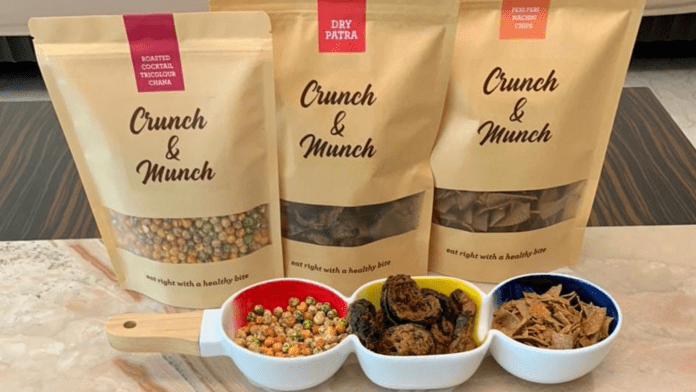
When it comes to snacking, most of us envision bags of chips, candy bars, and indulgent treats that often leave us feeling guilty and unsatisfied. But what if there was a brand that could change the way we think about snacks? Meet Crunch & Munch, a trailblazing snack brand hailing from the vibrant city of Kolkata, on a mission to revolutionize the world of snacking by making it healthier, more inclusive, and undeniably delicious.
Snacking Redefined: A Healthier Joy
Crunch & Munch is more than just a snack brand; it’s a philosophy. It’s the belief that snacking should be a joyful experience, a moment of pure delight, and a chance to savor the flavors of life. But it’s also a belief that health-conscious choices shouldn’t mean sacrificing flavor or settling for bland options. Founded by Siddhant Digvijay Jaitha, a man who knows a thing or two about taking on challenges given his background as one of India’s largest importers in Aircraft & Aircraft Spares, this brand was born out of a personal journey to reverse Type 2 Diabetes and to offer an enticing alternative to junk snacks.
Siddhant Digvijay Jaitha, Founder, Crunch & Munch
What sets Crunch & Munch apart is its commitment to inclusivity. It caters to everyone, from school children in need of a nutritious treat to adults seeking convenient and health-conscious snacks. Expectant mothers, elderly individuals, and even travellers looking for a flavorful companion on their journeys can find solace in Crunch & Munch’s diverse product range.
A Snack for Every Palate: Roasted Range and Pure Pleasure
At Crunch & Munch, they offer two exciting ranges of snacks: the Roasted Range and a range designed purely for enjoyment. These options cater to diverse taste preferences and dietary needs, ensuring there’s something for everyone. If you savor the satisfying crunch of roasted snacks, they have you covered. And if you prefer the delightful indulgence of their pleasure range, there’s something to tempt your taste buds too.
Take their Quinoas, for example. Available in flavors like Chilli Lime, Wasabi, and Peri Peri, these vibrant snacks are perfect for those seeking a zesty and invigorating experience. If you’re in the mood for something that celebrates the goodness of vegetables, their Veggie Chips are a must-try, crafted from a medley of three different vegetables.
Chilli LimeWasabiVeggie Chips
For those who relish diverse flavors, Crunch & Munch’s Bhujia stands out. It’s a harmonious fusion of five distinct flavors in one delectable snack, promising a taste journey like no other. With approximately 30 unique SKUs, each Crunch & Munch product offers a unique snacking experience, ensuring that every time you reach for a snack, you’re in for a delightful surprise.
A Vision for a Healthier Tomorrow
Crunch & Munch isn’t just a snack brand; it’s a testament to the belief that health-conscious snacking should never be bland or uninspiring. It’s about savoring the deliciousness of life while making informed choices. The brand’s mission is clear: to transform the way people perceive and consume snacks, promoting a healthier and more wholesome lifestyle. So, the next time you reach for a snack, consider making it a Crunch & Munch experience, where health and flavor coexist in perfect harmony. After all, snacking should be a delightful journey, and Crunch & Munch is your ticket to that wholesome adventure.
One aspect that truly sets Crunch & Munch apart is its love for local flavors. They carefully blend Indian spices to create snacks that celebrate the rich tapestry of our culinary heritage. Crunch & Munch reminds us that health and taste should always go hand in hand.
A Journey of Growth and Resilience
Crunch & Munch’s Founder, Siddhant Digvijay Jaitha, started this journey with a belief in the power of healthy snacking to combat lifestyle-related diseases. With determination, they have grown from a modest beginning to an online presence spanning six cities. Their products are accessible through platforms like Amazon, Kurabels, ModernBazaar, and their own website.
Their success story is a testament to their commitment to steady expansion, embracing opportunities as they arise, and staying ahead of the curve. Even the challenges posed by the Covid-19 pandemic led them to innovate and adapt, transitioning from an offline model to building a robust online presence.
A Vision for a Healthier World
Crunch & Munch’s vision goes beyond business growth. They aspire to be leaders in the healthy snacking segment, inspiring customers to swap out unhealthy snacking habits for nourishing ones. It’s a vision that resonates with consumers looking for healthier alternatives and a more wholesome lifestyle.
In a world where health-consciousness is on the rise, Crunch & Munch stands as a shining example of how snacking can be both a pleasure and a positive choice for your well-being. So, the next time someone says that ‘healthy food is boring,’ share a Crunch & Munch snack with them and prove that health and taste can always go hand in hand.
Starbucks has joined forces with The Walt Disney Company Southeast Asia to create a unique Starbucks Experience. This collaboration brings forth an exciting assortment of Disney-inspired merchandise, carefully designed to stir up cherished memories and evoke universal nostalgia across all generations.
The “Relive the Magic Together” series by Starbucks showcases adored Disney characters such as Mickey and Friends, Chip ‘n Dale, and Dumbo.
This Starbucks exclusive merchandise line displays delightful character artwork with a hint of nostalgic charm.
Starting from September 19th and for a limited time, this nostalgic collection will be accessible in select Indian stores.
“Starbucks carries a global legacy of celebrating humanity, nurturing creativity, and spreading joy. Over a decade ago, Tata Starbucks ventured into the Indian market with the commitment to curate unique experiences that transcend the simple act of enjoying a cup of coffee, fostering connections that last a lifetime.” said, Sushant Dash, CEO, TATA Starbucks.
The “Relive the Magic Together” merchandise collection by Starbucks encompasses a wide array of 12 unique drinkware designs.
This lineup includes a variety of mugs, cold cups, and tumblers, designed for those who want to enjoy their favorite Starbucks beverages, whether it’s at the office or the coziness of their own home.
Every piece in this collection displays charming Disney-inspired artwork infused with the distinctive Starbucks flair.
This themed collection, with prices starting at INR 2050, will be available at select Starbucks® stores across India.
Agritech startup Ergos secured $10 million in its Series B funding round, raising capital through a combination of equity and debt. The round was spearheaded by Abler Nordic, a Norway-based firm, and featured participation from previous backers like Aavishkaar Capital, Chiratae Ventures, and the Trifecta Venture Debt Fund.
Established in 2012 by Kishor Kumar Jha and Praveen Kumar, Ergos has pioneered a transformation in grain storage. The company empowers farmers to convert their agricultural produce into digital assets that can be readily traded. This innovative approach enables farmers to leverage optimal selling opportunities following the harvest season.
Praveen Kumar & Kishor Kumar Jha
Furthermore, the agritech startup links farmers with potential buyers, offers secure warehousing for grains, and collaborates with lenders to provide cost-effective financial solutions.
It provides farmers with a nine-month storage option for their harvest and extends credit for as much as 70% of the stored grains.
Presently, Ergos aids more than 160,000 farmers through its platform, boasting a vast Grainbank network of farm-gate warehouses in over 200 locations across Bihar, Karnataka, and Maharashtra. Over the years, the firm has assisted farmers in boosting their annual income by 30-35%.
In 2021, Ergos raised INR 81 crore in its Series A funding round with participation from CDC Group, Aavishkaar Capital, and Chiratae Ventures.
India boasts a thriving agritech ecosystem with more than 1,000 startups, amassing a total funding of over $2 billion since 2014. A MarketsAndMarkets study projects that the agritech market is poised to reach $25.4 billion by 2028, growing at a compound annual growth rate (CAGR) of 9.4%.
Recently, another agritech startup, Leads Connect, secured INR 500 crore in funding from BL Agro Industries. This substantial investment aims to bolster its technological infrastructure and expand research efforts in deep technology and artificial intelligence/machine learning domains.
In June, NABVENTURES, an agritech investor backed by NABARD, allocated INR 10 crore in funding to Satyukt Analytics. This investment is aimed at enhancing Satyukt’s Sat2farm app, which provides farmers with data-driven insights, empowering them with valuable information.
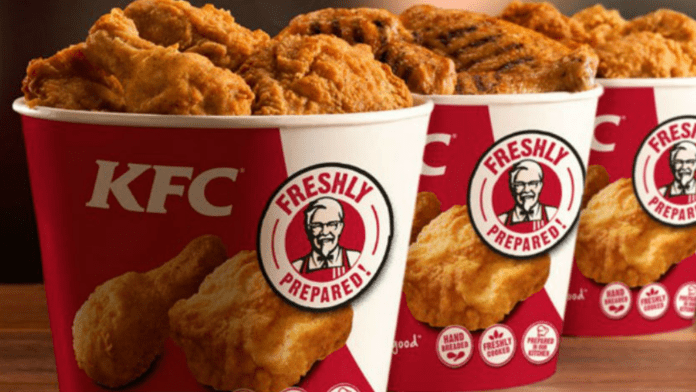
KFC India, the renowned quick-service restaurant chain, is embarking on a transformation of its iconic buckets by incorporating sign language designs in all of its Indian restaurants, commencing this week. This initiative is in anticipation of the International Day of Sign Languages and aims to foster awareness for the Indian sign language.
The bucket showcases easy-to-follow visual tutorials of frequently used words and phrases, empowering customers to acquire proficiency in Indian sign language.
In a statement, the quick-service restaurant (QSR) chain announced that the buckets will incorporate Indian Sign Language (ISL). They will include commonly used words and phrases like ‘hello,’ ‘please,’ ‘what’s up?,’ as well as numbers and sizes. These specially designed buckets will be available in stores for a duration of one month.
The sign language bucket and the #SpeakSign campaign are integral components of KFC India’s Kshamata initiative, which is designed to address gender and ability disparities, as stated by the company.
Aparna Bhawal, chief marketing officer at KFC India and partner countries, said, “We are committed to enhancing inclusivity for the hearing and speech impaired. We took sign language to our most distinctive brand asset – the bucket.”
KFC, a brand under Yum! Brands, has announced the introduction of a sign language menu in select KFC restaurants where employees are speech and hearing-impaired. On September 23, all these unique establishments throughout India will embrace a silent atmosphere, with instructional videos available on KFC India’s Instagram account, the restaurant chain has confirmed.
“Efforts are under way to double the footprint of Special KFCs in India by 2024,” the company added.
Blah!, a renowned brunch cafe and bar nestled in the heart of Bandra Kurla Complex (BKC), is excited to celebrate its two-year anniversary this weekend. A brainchild of the visionary entrepreneur Niketa P. Sharma, Blah! has redefined casual dining and brunch culture in Mumbai, offering a unique blend of art, food, and ambiance.
Bringing alive the idea of joyful conversations, endless mimosas, and juicy gossip, Blah! has transformed into a sanctuary where meaningful memories are crafted. This all-day eatery offers a tantalizing selection of brunch-inspired dishes that seamlessly merge the worlds of culinary art and delectable cuisine. It’s all done with the intention of capturing the essence of the cuisine and the vibrant spirit of the area. Founded by visionary entrepreneur Niketa P. Sharma, Blah! has truly redefined the brunch culture in Mumbai.
Located amidst the striking glass architecture and skyscrapers of BKC, Blah! offers a tranquil retreat amid the sprawling, meticulously landscaped grounds of Jio Garden. This venue boasts an inviting, botanically-inspired atmosphere, complete with abundant greenery, artful foliage, and thoughtfully crafted furniture featuring exquisite cane weaving and warm wooden elements. Bathed in natural sunlight, the restaurant’s white-washed interior creates a vibrant and welcoming environment.
Niketa Sharma, Founder of Blah!, said, “Blah! is an amalgamation of a casual and classic mood. You can start your day on a leisurely note, set up your own work and wine mood, enjoy the community tables, and end with some fantastic cocktails by night. We are here to change the concept of brunch and casual dining, and give it our own classic twist.” Blah!’s sprawling 3000-square-foot area is divided into multiple pockets for group and private dining, with surprising additions of flirty swings that promise a laid-back mood. It also houses an artisanal cocktail bar, adhering to the philosophy of “Garden To Glass.”
Niketa Sharma, Founder, Blah!
Blah! in BKC is gearing up to celebrate its two-year anniversary this weekend, perfectly timed with the recent introduction of an inventive new menu. This dynamic menu has pushed culinary boundaries with its innovative fusions, such as the Mexican Mango Avocado Sushi Roll and the Smoke Chicken Dimsum in Ramen Broth. Additionally, they’ve curated a diverse selection of croissants, encompassing both sweet and savory choices like Baklava and Black Forest.
Moreover, Blah! went the extra mile to cater to health-conscious patrons by introducing a lineup of sugar-free cocktails. These include the “Harvest Moon,” featuring vetiver-infused gin and eco-conscious ingredients, the “Italian Affair” which combines coconut oil fat-washed vodka, and the “Ruby Roots,” a unique creation infused with beetroot and rose petals. This blend of culinary and mixology innovation truly distinguishes Blah! and ensures a delightful and diverse dining experience for its guests during the anniversary celebrations.
As part of her expansion strategy for Blah!, she envisions the launch of new branches in prominent cities like Mumbai, Gurugram, and Bangalore in the near future. Alongside expanding Blah!, she has ambitious plans for the growth of her business through Magna and Vivi Italian Bar & Kitchen, aiming to reach a broader audience. Additionally, she’s gearing up to introduce a fresh culinary venture, a South Indian restaurant, which will add a distinctive flavor and experience to her expanding portfolio. With these strategic initiatives, her goal is to tap into diverse markets and provide exceptional dining options to discerning customers in various locations.
Niketa’s steadfast passion for the hospitality industry has been the driving force behind her vision to establish a plethora of restaurants and cafes on a national scale. Her ultimate aspiration is to propel her brand onto the international stage, crafting a distinguished fine dining restaurant that achieves global acclaim.
We use cookies to ensure that we give you the best experience on our website. If you continue to use this site we will assume that you are happy with it.