Punjab Grill is excited to unveil its first-ever restaurant in the lively city of Hyderabad. This marks the beginning of an exciting culinary adventure as Punjab Grill, renowned for its heritage and legendary cuisine, makes its debut in the city’s dining landscape.
As Punjab Grill celebrates its 38th venture in India, the brand is determined to continue its expansion, aiming to surpass 40 locations nationwide by the close of this quarter. The excitement surrounding this remarkable debut is tangible, and Hyderabad is eagerly anticipating the opportunity to savor the very best flavors India has to offer.
Punjab Grill’s debut in Hyderabad marks a significant milestone for both the brand and the city’s culinary connoisseurs. With its steadfast dedication to genuine flavors, meticulous artistry, and warm hospitality, Punjab Grill has earned a distinct and cherished position in the realm of fine dining.
Nestled within Inorbit Mall, the recently unveiled Punjab Grill outlet seamlessly harmonizes traditional charm and modern allure, assuring patrons an atmosphere as enchanting as the delectable cuisine it presents. Hyderabad’s food enthusiasts can now indulge in a luxurious yet laid-back dining experience that beautifully complements Punjab Grill’s culinary delights.
The Punjab Grill branch in Hyderabad will feature the same signature menu that has garnered accolades across the nation.
Rohit Aggarwal, Co-Founder and managing director of Lite Bite Foods, expressed his unwavering excitement about this expansion, saying, “We are overjoyed to bring the essence of Punjab Grill to the dynamic city of Hyderabad. Our dedicated team has painstakingly recreated the exceptional dining experience that our patrons have cherished over the years. We are confident that the people of Hyderabad will embrace the authenticity and passion that infuses every dish we serve.”
Businesses in today’s fast-paced digital market are continuously looking for new methods to attract their audience’s attention and generate development. Video marketing is one of their most effective weapons. Video content has become the go-to medium for organizations aiming to connect, enlighten, and excite their audience, from social media to websites and email marketing.
The Rise of Video Marketing
Video marketing has witnessed explosive growth in recent years, and for good reason. Consider these compelling statistics:
According to Cisco, video content is projected to account for 82% of all internet traffic by 2022.
Social Media Today reports that viewers retain 95% of a message when they watch it in a video, compared to 10% when reading it in text.
HubSpot reveals that 81% of businesses now use video as a marketing tool, up from 63% in the previous year.
Wyzowl’s State of Video Marketing Survey found that 87% of video marketers say video has increased their website traffic, and 80% claim it has directly helped increase sales.
The Power of Visual Communication
Why has video marketing become so dominant in the digital landscape? Here are some key factors:
Engagement: Videos captivate audiences like no other medium. The combination of visuals, audio, and storytelling creates a powerful emotional connection.
Accessibility: With the proliferation of smartphones, people have easy access to video content anytime, anywhere. This accessibility increases the reach of your message.
Versatility: Videos can take many forms, from explainer videos and product demos to behind-the-scenes glimpses and customer testimonials. This versatility allows you to tailor your content to different marketing goals.
Search Engine Optimization (SEO): Search engines, especially Google, prioritize video content. Including videos on your website can improve your search rankings and visibility.
Social Media Dominance: Social media platforms heavily promote video content, making it easier for your videos to reach a broader audience.
Strategies for Successful Video Marketing
Creating impactful video content requires careful planning and execution. Here are some strategies to consider:
Know Your Audience: Understand your target audience’s preferences, pain points, and interests. Tailor your video content to resonate with them.
Storytelling: Effective videos often tell a story. Craft narratives that engage and connect with your audience on a personal level.
Quality Matters: Invest in good video production quality. High-quality visuals and audio reflect positively on your brand.
Consistency: Consistency is key. Develop a content calendar and regularly release videos to keep your audience engaged.
Mobile Optimization: Ensure your videos are mobile-friendly. Most viewers watch videos on their smartphones.
Call to Action (CTA): Don’t forget to include a clear CTA in your videos, guiding viewers on what to do next, whether it’s visiting your website or making a purchase.
Real-World Success Stories
Numerous brands have harnessed the visual advantage of video marketing:
Dollar Shave Club: The viral video “Our Blades Are F***ing Great!” catapulted this startup to success, thanks to its humorous and relatable messaging.
Nike: Nike’s inspirational and motivational video campaigns, such as “Dream Crazy” featuring Colin Kaepernick, resonate deeply with audiences.
Blendtec: Blendtec’s “Will It Blend?” video series showcased the power of their blenders by blending everything from iPhones to golf balls.
The Future of Video Marketing
Video marketing isn’t just a trend; it’s the future of digital marketing. As technology continues to evolve, businesses that embrace video as a core part of their strategy will have a competitive edge. From live streaming to interactive videos, the possibilities are endless.
In a digital world filled with noise, video marketing provides a way to break through and connect with your audience on a personal and emotional level. It’s a dynamic and versatile tool that can transform your brand’s growth trajectory. Whether you’re a startup looking to make a splash or an established business aiming to stay ahead, video marketing offers the visual advantage that can take your brand to new heights. Don’t just tell your story; show it through the power of video marketing.
Sustainable marketing has developed as a significant force in an age where customers are purchasing more than just things but also beliefs. Businesses are being examined on their adherence to ethical practices, environmental responsibility, and social effect, in addition to profit margins.
The Shift Towards Sustainable Marketing
Consumers today are more conscious than ever about the ethical and environmental footprint of the products and services they choose. They seek out brands that share their values, and they’re willing to reward those brands with their loyalty. Sustainable marketing is a response to this shift, emphasizing transparency, responsibility, and ethical practices.
Why Sustainable Marketing Matters
Consumer Trust: Sustainable marketing builds trust. When businesses openly communicate their ethical practices and commitment to sustainability, consumers are more likely to trust and support them.
Brand Loyalty: Ethical and sustainable brands tend to have more loyal customer bases. Consumers who align with a brand’s values are more likely to become repeat customers.
Competitive Advantage: In crowded markets, sustainability can be a key differentiator. It sets brands apart and attracts consumers looking for ethical alternatives.
Long-Term Viability: Businesses that prioritize sustainability are better positioned for long-term success. They tend to adapt more effectively to changing consumer expectations and regulations.
Positive Impact: Beyond profit, sustainable marketing allows businesses to make a positive impact on society and the environment, contributing to a better future.
Strategies for Effective Sustainable Marketing
Authenticity: Authenticity is crucial. Don’t greenwash or make false claims about sustainability. Consumers can spot insincerity a mile away.
Transparency: Be transparent about your practices, sourcing, and environmental impact. Share your journey towards sustainability, including challenges and improvements.
Education: Educate consumers about the environmental and social benefits of choosing sustainable products or services. Show them the positive impact their choices can make.
Collaboration: Collaborate with NGOs, sustainability organizations, or local communities to support initiatives that align with your brand’s values.
Green Packaging: Consider eco-friendly packaging options. Reducing waste and using recycled or biodegradable materials can be a powerful message.
Storytelling: Tell the story of your brand’s commitment to sustainability. Use storytelling to connect with consumers on an emotional level.
Case Studies: Brands Leading the Way
Patagonia: This outdoor clothing company is renowned for its commitment to environmental activism. Patagonia doesn’t just sell outdoor gear; it actively advocates for environmental protection and sustainability.
TOMS: For every pair of shoes sold, TOMS donates a pair to a child in need. This one-for-one model demonstrates a commitment to social responsibility.
IKEA: IKEA has committed to using 100% renewable and recycled materials in its products by 2030. It also invests heavily in sustainability initiatives and renewable energy.
The Future of Sustainable Marketing
As consumer awareness continues to grow, sustainable marketing will only become more critical. Businesses that prioritize ethics, sustainability, and social responsibility will not only win over the hearts and minds of consumers but also contribute to a more sustainable and ethical future. Sustainable marketing isn’t just about selling products; it’s about creating a better world, one purchase at a time.
Sustainable marketing is more than a buzzword; it’s a transformative approach to business that aligns profit with purpose. By prioritizing ethical practices, environmental responsibility, and social impact, businesses can not only influence consumer behavior but also create a lasting legacy of positive change. In the end, ethical influence through sustainable marketing is not just good for business; it’s good for our planet and society as a whole. It’s a win-win that’s reshaping the way we do business in the 21st century.
With each click, swipe, and buy in the digital era, users leave a treasure mine of data behind. When correctly analyzed, this data can reveal important insights into customer behavior patterns. Understanding these patterns is like having the key to a treasure box full with chances for businesses.
The Power of Consumer Behavior Analysis
Consumer behavior analysis is the process of examining how and why consumers make purchasing decisions. It goes beyond demographics and explores the psychological, emotional, and social factors that influence choices. Here’s why it’s so essential for businesses:
1. Informed Decision-Making: Understanding consumer behavior empowers businesses to make data-driven decisions. It helps in product development, marketing strategy, pricing, and customer service improvements.
2. Personalization: Consumer behavior analysis enables businesses to tailor their products, services, and marketing campaigns to individual preferences, creating a more personalized customer experience.
3. Competitive Advantage: Companies that can anticipate and adapt to changing consumer behavior patterns gain a competitive edge. They can spot trends early and pivot their strategies accordingly.
4. Improved Customer Engagement: Businesses can engage with their customers more effectively when they understand their behavior. This can lead to better customer retention and loyalty.
5. Targeted Marketing: By decoding consumer behavior, businesses can target their marketing efforts more precisely, increasing the likelihood of reaching the right audience with the right message.
Analyzing Consumer Behavior Patterns
So, how can businesses effectively analyze and decode consumer behavior patterns? Here are some key steps:
1. Data Collection: Start by gathering data from various sources, including website analytics, social media insights, surveys, and customer feedback. The more data, the better the analysis.
2. Data Segmentation: Segment your audience based on various criteria such as demographics, psychographics, and purchase history. This helps in understanding different consumer groups.
3. Identify Patterns: Use data analytics tools to identify trends and patterns within your consumer data. Look for common behaviors, preferences, and pain points.
4. Predictive Modeling: Utilize predictive modeling techniques to forecast future consumer behavior. This can help in making proactive business decisions.
5. Customer Journey Mapping: Map out the customer journey from awareness to purchase and beyond. Identify touchpoints and interactions that influence behavior.
6. A/B Testing: Conduct A/B tests to experiment with different approaches and measure their impact on consumer behavior.
7. Feedback Loop: Encourage and collect customer feedback. This direct input can provide valuable insights into consumer motivations and expectations.
Turning Insights into Action
Once you’ve analyzed consumer behavior patterns, it’s time to put those insights into action:
1. Product Development: Use consumer insights to refine existing products or develop new ones that better meet customer needs and preferences.
2. Marketing Strategy: Tailor your marketing messages to resonate with different consumer segments. Personalization can significantly boost engagement.
3. Pricing and Promotions: Adjust pricing and promotional strategies based on consumer behavior. Offer discounts or bundles when customers are most likely to buy.
4. Customer Experience: Enhance the customer experience by addressing pain points and improving interactions at various touchpoints.
5. Content Creation: Create content that aligns with consumer interests and behaviors. This can include blog posts, videos, social media content, and more.
6. Customer Retention: Implement strategies to retain existing customers, such as loyalty programs, follow-up emails, or personalized recommendations.
Analyzing and decoding consumer behavior patterns is not a one-time task; it’s an ongoing process. In today’s data-driven world, businesses that invest in understanding their customers gain a significant advantage. By turning insights into action, you can create more personalized experiences, improve products and services, and ultimately, drive business growth and success. Remember, consumer behavior is like a road map to your customers’ desires, and the businesses that follow it are the ones that arrive at the treasure trove of success.
The customer journey is no longer a straight line from awareness to purchase in today’s hyper-connected digital ecosystem. It’s a complicated network of touchpoints spread across several platforms and devices. Businesses must adopt omni-channel marketing to flourish in this volatile environment—a strategy that combines consumer experiences across all touchpoints, both online and offline.
Understanding Omni-Channel Marketing
Omni-channel marketing is a customer-centric approach that ensures seamless and consistent interactions across various channels—be it a website, social media, mobile app, physical store, or customer support. It breaks down the silos between different channels, enabling a unified brand message and customer experience.
Why Omni-Channel Matters
Enhanced Customer Experience: Omni-channel marketing prioritizes the customer. It acknowledges that customers may switch between channels during their journey and ensures they receive a consistent and personalized experience at every touchpoint.
Brand Consistency: Omni-channel ensures that your brand messaging, values, and identity remain consistent across all platforms. This consistency builds trust and reinforces your brand image.
Data-Driven Insights: With omni-channel marketing, you gather data from multiple sources. This rich data allows you to gain a deeper understanding of customer behavior, preferences, and pain points, enabling data-driven decision-making.
Improved Conversion Rates: By delivering the right message at the right time through the right channel, omni-channel marketing can significantly improve conversion rates. Customers are more likely to convert when they feel understood and valued.
Customer Retention: A seamless and enjoyable customer experience encourages repeat business and brand loyalty. Customers who feel valued are more likely to become long-term advocates.
Key Strategies for Implementing Omni-Channel Marketing
Know Your Audience: Understand your target audience, their preferences, and the channels they frequent. Tailor your messaging and approach accordingly.
Data Integration: Invest in technology that allows you to integrate data from various touchpoints, creating a single customer view. This helps in delivering personalized experiences.
Consistent Messaging: Ensure that your brand message, tone, and values remain consistent across all channels. This reinforces your brand identity and builds trust.
Seamless User Experience: Focus on creating a seamless user experience, whether it’s transitioning from a website to a mobile app or from online to an in-store visit.
Personalization: Use the data you’ve gathered to personalize content, recommendations, and offers. Customers appreciate messages that are relevant to their needs and interests.
Customer Support Integration: Ensure that your customer support is aligned with your omni-channel strategy. Customers should receive consistent support, whether they contact you through social media, email, or phone.
Case Studies: Brands Excelling with Omni-Channel Marketing
Starbucks: The coffee giant’s mobile app allows customers to order and pay ahead, earn rewards, and receive personalized offers. Whether ordering in-store or via the app, the experience remains consistent.
Disney: Disney’s MagicBand allows visitors to access their hotel rooms, park tickets, and even make purchases within the park. It creates a unified experience, blending the physical and digital aspects of the theme park visit.
Sephora: The beauty retailer’s omni-channel strategy includes an app that provides customers with product information, reviews, and personalized recommendations, enhancing the in-store shopping experience.
In an era of digital saturation, businesses that master omni-channel marketing gain a competitive edge. By unifying customer experiences across all channels, from online to in-store, you create a seamless and personalized journey that resonates with your audience. It’s not just about meeting customer expectations; it’s about exceeding them. The brands that prioritize customer-centric omni-channel marketing are the ones that elevate customer experiences, foster unwavering loyalty, and drive sustained growth in today’s ever-evolving business landscape.
Staying ahead of the competition in the age of digital transformation requires embracing cutting-edge technology that may catapult your business to new heights. Augmented reality (AR) is one such technology that is causing a stir across sectors.
So, let’s explore the world of augmented reality and its potential to change brand growth tactics and engage customers in both the physical and digital domains.
Augmented Reality: Beyond the Hype
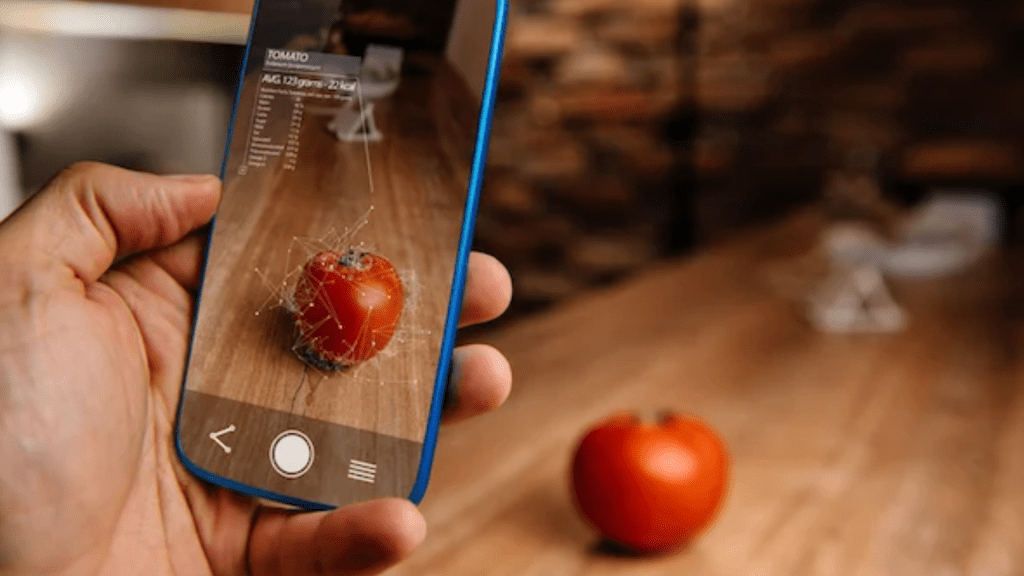
Augmented reality is more than just a buzzword; it’s a game-changer in the business world. Unlike virtual reality, which immerses users in entirely virtual environments, AR superimposes digital elements onto the real world. It bridges the gap between the physical and digital realms, creating a unique and interactive experience for consumers.
Why Augmented Reality Matters for Brand Expansion
Enhanced Customer Engagement: AR provides brands with a powerful tool to engage customers on a deeper level. Interactive AR experiences can captivate and entertain, increasing customer retention and brand loyalty.
Product Visualization: For brands in industries like fashion, interior design, or cosmetics, AR allows customers to visualize products in their own spaces before making a purchase. This reduces the uncertainty associated with online shopping and boosts conversion rates.
Immersive Marketing Campaigns: AR can breathe life into marketing campaigns. Brands can create interactive AR content that allows users to explore products, stories, or advertisements in a memorable and engaging way.
Retail Revolution: AR is revolutionizing the retail experience. Brands can use AR apps to guide customers through physical stores, offer personalized recommendations, and provide additional product information through their smartphones.
Training and Education: For brands in the education or training sector, AR can enhance learning experiences. It allows users to interact with 3D models, simulations, and informative overlays, making complex concepts more accessible.
Practical Applications of Augmented Reality for Brand Expansion
Virtual Try-Ons: Beauty and fashion brands are using AR to enable customers to virtually try on makeup, clothing, or accessories, eliminating the need for physical try-ons.
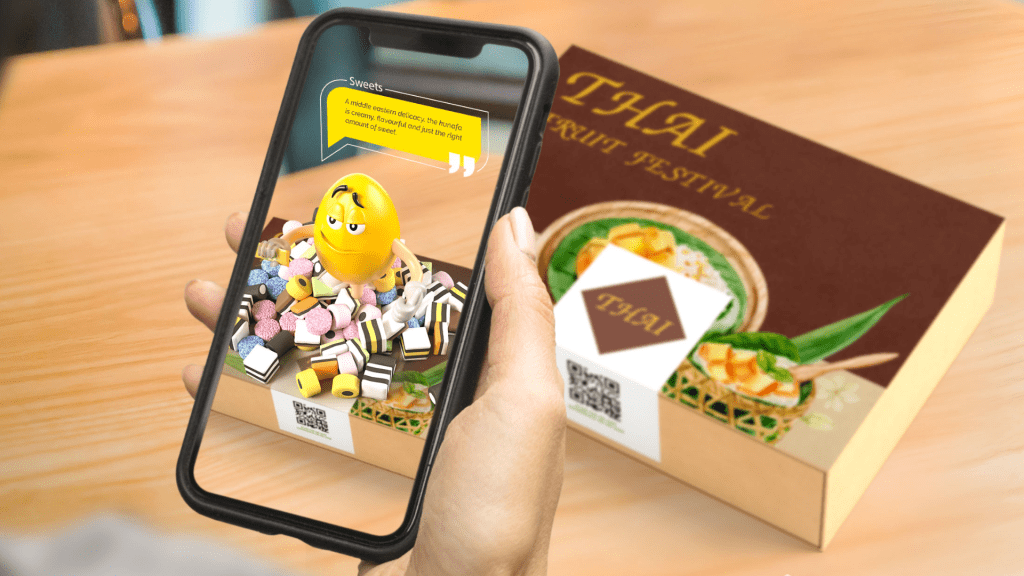
Interactive Packaging: Brands are incorporating AR codes on product packaging. When scanned with a smartphone, these codes reveal additional information, videos, or games, turning product packaging into a dynamic experience.
AR Advertising: Augmented reality ads are gaining traction. Brands can create AR advertisements that users can interact with, from exploring products to playing mini-games.
In-Store Navigation: Retail brands are using AR to help customers navigate large stores, locate products, and receive personalized offers based on their preferences.
Training Simulations: Industries like healthcare and manufacturing are using AR for training simulations. Employees can practice procedures and tasks in a risk-free virtual environment.
Getting Started with Augmented Reality
Embracing augmented reality for brand expansion doesn’t have to be intimidating. Here are steps to consider:
Define Your Objectives: Determine how AR can align with your brand’s goals. Are you looking to enhance customer engagement, drive sales, or streamline operations?
Choose the Right AR Platform: There are various AR platforms and tools available. Select one that aligns with your objectives and target audience.
Content Creation: Develop engaging AR content that resonates with your audience. This may involve 3D modeling, animation, or interactive app development.
Testing and Feedback: Test your AR experiences and gather feedback from users. Continuously refine and improve your AR offerings based on this input.
Marketing and Promotion: Promote your AR experiences through various channels, including social media, email marketing, and your website.
Augmented reality is not just a trend; it’s a transformative force that’s reshaping how brands interact with their audiences. By leveraging AR technology, brands can create immersive, engaging experiences that bridge the gap between the digital and physical worlds. Whether it’s virtual try-ons, interactive packaging, or educational simulations, AR has the potential to unlock brand expansion opportunities that were once unimaginable. As the world becomes increasingly digital, the brands that embrace augmented reality are poised to lead the way in captivating and delighting customers in this new era of innovation.
White Castle, the American hamburger restaurant chain, has joined forces with Uber Direct to integrate delivery services as a convenient choice within its mobile application.
This alternative empowers the chain to provide delivery through its proprietary platform rather than relying solely on third-party applications.
Customers can enjoy the same prices for their ordered items as those offered at physical White Castle outlets. However, a flat delivery fee of $4.99 will be added to their order total.
Deliveries will be made to locations within a five-mile radius of a White Castle restaurant that is supported by Uber’s branded delivery platform, Uber Direct.
The application utilizes Uber’s technology to seamlessly link each order with a driver or courier, ensuring prompt delivery.
White Castle vice-president Jamie Richardson said, “The White Castle app has delivered cravings and savings for customers since it first launched.
“The addition of delivery in the app truly makes this a one-stop shop for anyone looking to satisfy their hankering for that one-of-a-kind taste of White Castle.”
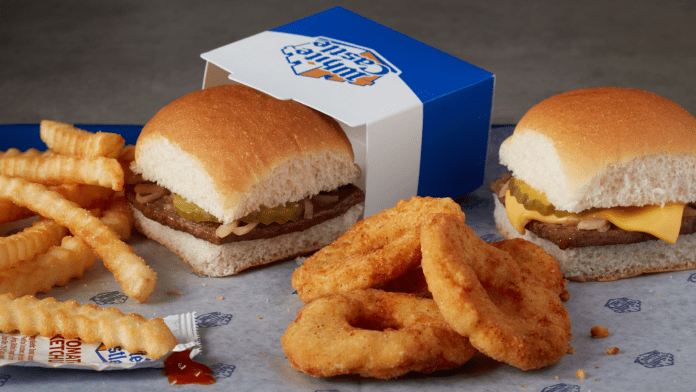
Richardson added, “Sliders, sides and every menu item are available, all day long for delivery, with just a few taps of the app.”
The White Castle app offers an outlet finder and grants exclusive access to Craver Nation promotions while facilitating personalized cravings, among its various features.
Uber Direct US head Bernie Huddlestun said, “Uber is constantly innovating to make it easier for restaurants to meet their customers where they are.
“We are excited to team up with White Castle to power on-demand delivery straight from their White Castle app.”
Communion, an all-day cafe situated in Navi Mumbai, has recently made its debut. With a carefully crafted concept centered around reimagining timeless comfort, Communion provides a rustic ambiance where guests can come together to relish an array of global flavors and ingredients.
Introduced by ACME Hospitality, Communion emerges as the much-needed establishment in Navi Mumbai—a versatile café that effortlessly transitions from a cozy spot for coffee and dessert to a delightful destination for lunch and dinner. Its spacious, well-lit, and vibrant interior, complemented by an expansive outdoor area, greets guests with elements of nature that instantly evoke a sense of tranquility.
With the launch of Communion, Navi Mumbai residents now have the perfect all-day café to embark on a fulfilling and comforting culinary journey. Communion’s interior design exemplifies the beauty of minimalist elegance, adhering to the “less is more” philosophy. The design team has artfully integrated natural materials like sandstone and wood, interwoven with lush greenery. Earthy tones, including terracotta tiles, shades of green, grey, and white, dominate the decor, crafting a serene and inviting ambiance.
“With Communion, we wanted to create something that Navi Mumbai has not seen before – a community space serving the best of F&B in a charming atmosphere. . Communion is created keeping the new-age diner in mind – it is a space which is all about community and bringing people together from all walks of life. With a line-up of events including musical evenings, open mics, creative writing camps and more – this place will welcome one and all.” said, Sameer Uttamsingh, Founder and creative director, Acme Hospitality Management & Consulting.
Under the guidance of celebrity chef Karishma Sakhrani, the culinary offerings at Communion are thoughtfully crafted to cater to a wide range of taste preferences. Additionally, the menu features sharing plates designed to provide a delightful experience for everyone.
Talking about the menu, Sakhrani, said, “The menu was created keeping the community ethos in mind. Inspired by global ingredients and keeping in mind local palettes, the menu brings together the best of comfort in a plate. With an emphasis on comfort and familiarity, the menu will offer something for all. We are excited to go beyond the ordinary and deliver a beverage culture that Navi Mumbai hasn’t seen yet – From freakshakes to well roasted coffees, from smoothies to boba teas, Communion is all set to become the next-favorite hangout spot in the area.”
Britvic is broadening its J2O soft drinks collection by introducing a new line of pre-mixed mocktail beverages.
Offered in three delightful flavors – strawberry & orange blossom mojito, white peach & mango daiquiri, and blackberry & blueberry martini – these beverages are poised to bolster the brand’s appeal in response to the increasing importance of non-alcoholic options.
As per Britvic, this fresh selection is crafted for individuals who desire “elevated experiences and intriguing flavors” that mirror the mocktail enjoyment they savor when dining out.
Ben Parker, retail commercial director at Britvic, commented, “As a well-known and trusted brand, we are always looking at ways to stay innovative, and the launch of our J2O Mocktails will help us to offer shoppers even more choice, as well as entice consumers to trade up”.
He continued, “We know that many people are looking for ways to make their ‘big night in’ or special occasions at home stand out, to even measure up to an evening out. At the same time, the non-alcoholic drinks market is gaining relevance as people consider their alcohol intake, and J2O Mocktails will allow retailers to take advantage of the opportunity this presents.”
“With taste the number one driver of soft drinks, the products have been designed to offer delicious flavours based on some of the most popular cocktails, only without the alcohol.”
J2O Mocktails is available in the grocery channel for £1.29 per 250ml cans. In addition, it will roll out further into the convenience channel from next month.
Women’s ethnic wear brand Soch, in its latest press release on Friday, revealed that it has surpassed INR 400 crore in revenue for the fiscal year 2023. Furthermore, the company disclosed an operating EBITDA (earnings before interest, taxes, depreciation, and amortization) of INR 36 crore, equivalent to approximately 9% of its annual earnings.
As part of its expansion strategy, Soch opened 18 new stores in the preceding year, reaching a milestone of 150 stores in August 2022. The company now has plans to double the number of new stores in the current year, demonstrating its commitment to further growth and expansion.
“Our success is a testament to the dedication and hard work of the entire Soch team. With a well-defined vision, we aim to achieve the 1000 crore mark within the next 3-4 years,” said Vinay Chatlani, chief executive officer of Soch.
Soch’s online business has experienced significant growth, with a remarkable 125% increase in revenue, surging from INR 19 crore to INR 44 crore. The brand’s adoption of an omni-channel approach, which includes digital kiosks within its physical stores, now provides customers with five times the product choices compared to a typical brick-and-mortar store. The online segment is poised to play a pivotal role in Soch’s future expansion, with expectations to contribute 20% of the company’s revenue by 2026, up from its current 11%.
Founded by Manohar Chatlani, who currently serves as its Managing Director, Soch Apparels made its debut in 2005 when it opened its first retail outlet at Forum Mall in Bengaluru. As of today, the brand has expanded its footprint to encompass more than 150 stores in over 60 cities throughout India. Additionally, Soch’s e-commerce platform extends its services to a wide-reaching network, catering to customers in over 30,000 distinct pin codes across the country.
We use cookies to ensure that we give you the best experience on our website. If you continue to use this site we will assume that you are happy with it.