This strategic initiative comes as a response to the rising prominence of comprehensive employee healthcare benefits within companies.
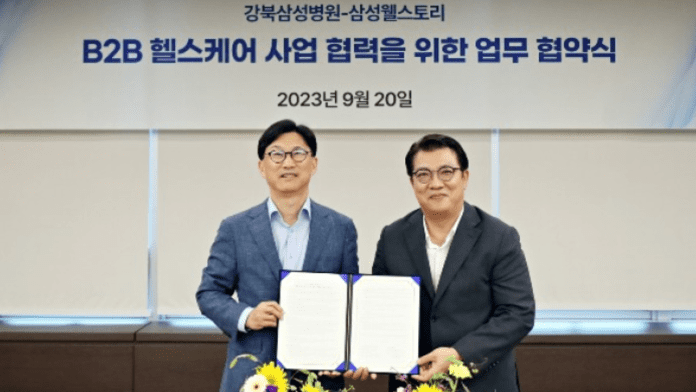
Samsung Welstory, a South Korean food and beverage (F&B) corporation, has entered into a partnership with Kangbuk Samsung Hospital to collaborate on the creation of healthcare initiatives tailored for the business-to-business (B2B) sector.
This strategic initiative comes as a response to the rising prominence of comprehensive employee healthcare benefits within companies and the burgeoning market for tailored health management solutions for corporate clients.
At the company’s headquarters in Seongnam, situated in the Gyeonggi Province just south of Seoul, the President and CEO of Samsung Welstory, Jeong Hai-lin, and the hospital’s President, Shin Hyun-chul, came together on Wednesday to formalize their partnership by signing a memorandum of understanding for the joint development of B2B healthcare programs.
Leveraging its extensive experience in the F&B industry, expertise in managing healthy food operations, and a wealth of meal and nutritional data amassed over the years, Samsung Welstory will offer tailor-made nutritional guidance and coaching.
The demand for employee health management programs has seen a recent uptick, driven by a growing number of companies embracing employee assistance initiatives to address issues and enhance worker satisfaction and productivity. To enhance service quality, the company will enhance its healthcare program by integrating F&B solutions.
Building upon health checkup findings conducted in the workplace, the company and the hospital will collaborate with doctors, nurses, nutritionists, and exercise specialists to design comprehensive healthcare programs for employees. These programs will encompass pre- and post-care checkups for individuals undergoing physical examinations at their workplace.
Employees identified with elevated blood sugar levels during their checkups will be offered a reduced-sugar diet at the company cafeteria.
“Few of the many types of B2B healthcare services being released combine F&B solutions,” a company source said. “We expect to provide effective services to corporate clients who expect substantial improvements in employee health.”
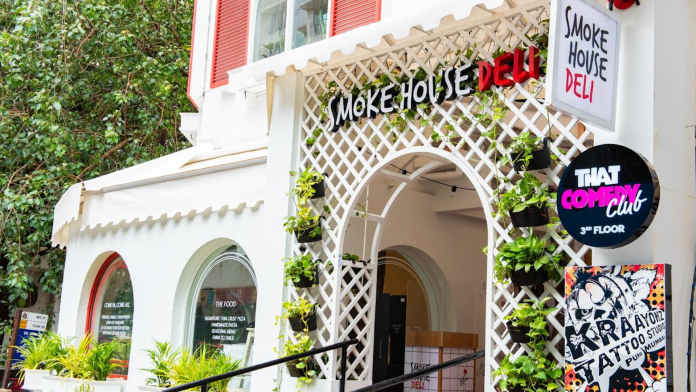
Smoke House Deli, renowned for its inventive blend of flavors, is thrilled to unveil “The Gin and Jazz Project” in partnership with Sunil Sampat, a devoted jazz aficionado and Contributing Editor at Rolling Stone magazine. This special occasion guarantees an enchanting night filled with soulful jazz tunes and delightful gin mixtures, creating an unmissable experience for both music and food enthusiasts.
On Friday, September 29, 2023, at 7:30 PM, the spotlight at Smoke House Deli’s captivating 2nd Floor venue in Pali Hill will shine on Sunil Sampat, a distinguished personality in the realm of music journalism. During this event, he will enthrall the audience with a memorable performance, showcasing timeless jazz classics and divulging his deep passion for the genre, accompanied by intriguing snippets of jazz trivia.
Enhancing the evening’s charm, Smoke House Deli’s skilled team has curated an exceptional gin bar encounter to enhance the musical experience. Attendees will relish the chance to enjoy a variety of in-house botanicals, meticulously matched with an array of tonics, ginger ale, and lemonade, artfully blended to craft invigorating gin cocktails that captivate the palate.
Date: Friday, September 29th, 2023 Time: 7:30 PM onwards Venue: 2nd floor, Smoke House Deli, Pali Hill
For those eager to reserve a spot, please call +91 9152017980 to make your reservations. Limited seats are available, so early booking is recommended to ensure you don’t miss out on this exclusive fusion of jazz and culinary excellence.
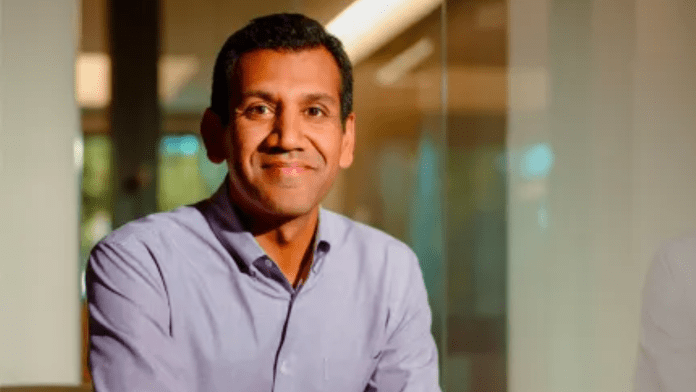
On Friday, Instacart officially appointed Ravi Gupta, the former Chief Financial and Operating Officer, to its board of directors, solidifying the decision following the company’s recent initial public offering in the same week.
“There are new growth areas — Connected Stores, Instacart Health, AI — entire plethora of ways that the company’s going to innovate,” Gupta said in an interview ahead of the announcement. “Just being able to be around for that and provide opinions and weigh in on that is such a gift.”
Having served at the company for a four-year stint, Gupta departed in 2019 to take on a role as a partner at Sequoia Capital. It’s worth noting that Sequoia Capital holds the largest institutional stake in Instacart, owning 18.5% of the company, as indicated in the company’s filings.
Trading under the name Maplebear Inc., Instacart experienced an impressive 43% surge during its debut on Tuesday, only to witness a gradual decline over the course of the week. This downturn may reflect some investor caution regarding the company’s business model and a broader market downturn. Ultimately, by the close of trading on Thursday, Instacart settled at $30.65, just 2.2% above its initial listing price of $30.
Gupta was featured as a director nominee in the company’s prospectus. He held the position of CFO from 2015 to 2019 and also took on the role of COO from 2016 until he left. Throughout his tenure at Instacart, the company established significant delivery partnerships with prominent grocery retailers such as Albertsons Cos., Kroger Co., ALDI, and Publix.
These partnerships strategically positioned Instacart to contend with competitors such as DoorDash Inc. and Amazon.com Inc. Amazon’s acquisition of Whole Foods Market in 2017 introduced a formidable new player in the grocery delivery arena. Furthermore, these supermarket agreements played a crucial role in preparing the company for exponential growth during the pandemic, as locked-down consumers increasingly relied on Instacart to access essential food items.
Within Sequoia, Gupta’s primary investment areas include consumer, mobile, internet, and fintech sectors. The firm’s website lists him as a director at Acelerate, a restaurant tech firm, and Noom Inc., a weight-loss app company. Prior to his tenure at Instacart, he dedicated a decade to KKR & Co., where he held a senior leadership role focused on the development of the firm’s infrastructure investment platform.
LT Foods Ltd. is strategically targeting a revenue contribution of 8-10% from its convenience and health segment in the next five years, positioning it as a pivotal catalyst for the company’s growth, as stated by Chief Executive Officer Ashwani Kumar Arora.
Utilizing its well-established brands and robust distribution network, the company is harnessing its strengths to promote ready-to-cook and ready-to-eat products within the Convenience & Health segment. This move aligns with the rising consumption trends observed in Indian households, notably accelerated by the post-pandemic era.
“The goal is to take 8-10% of the total revenue from the third vertical (Convenience & Health). Our target is the next five years,” shared Arora, who also serves as the managing director.
The Delhi-based company, renowned for its basmati rice brands, Daawat and Royal, made its foray into this sector approximately four years ago. It initially introduced the Dawat brand extension in the US market and has since then successfully extended its presence within the Indian market.
“We have achieved an impressive three-year compound annual growth rate of 30%, resulting in this segment contributing 2.5% to our overall revenue. Furthermore, our year-on-year growth has surged by an impressive 36% in this segment,” he said.
“This segment is one of the growth enablers for us going forward because we are leveraging our existing brand and distribution,” said Vice President – Finance and Strategy, Monika C Jaggia.
Additionally, LT Foods anticipates achieving the status of a billion-dollar company in the current fiscal year and aims to surpass the INR 10,000 crore milestone within the next four years.
LT Foods, boasting approximately 10 brands within its portfolio, generated an operational revenue of INR 6,979 crore in the fiscal year ending on March 31, 2023.
Currently, 60% of LT Foods’ revenue originates from international markets, while the remaining 40% is derived from the domestic market. The company has a global presence in over 60 countries, and in certain markets like the United States, it commands a market share exceeding 50% under its brand Royal.
LT Foods operates within three key segments: Basmati and Other Specialty Rice, Organic Food and Ingredients, and Convenience and Health.
“Going ahead, LT Foods is committed to growing its market presence and solidifying its position in the core Specialty Rice business and Convenience and Health segment through organic and inorganic routes,” said Arora.
The company will continue to invest in marketing and brand-building initiatives, consumer insights and product innovation to enhance its competitive edge by expanding its market share and distribution reach, he said.
“With an unwavering focus on having a sustainable, scalable and profitable business, we are also optimistic about maintaining the growth momentum this year and further solidifying our position in consumer space in India as well as globally,” Arora said.
Jaggia added that consumers’ needs and food preferences are changing, and in order to be relevant, more products would be added in this category. The company may also consider some acquisitions for expansion in the segment.
When asked about Capex, Arora said it is normally around INR 100 crore for a year, but it can be increased, in case of some acquisition by the company.
LT Foods recently acquired Golden Star Trading Inc along with its brand Golden Star through its subsidiary LT Foods Americas Inc, where it had invested around INR 200 crore.
When asked whether LT Foods was still looking for further acquisitions, Arora said, “We are generating cash flow every year and we have an appetite for inorganic growth.”
Over the government’s recent curb on the export of Basmati rice below $1200 per tonne, Jaggia said, “This is not going to impact us. We are a branded player and sell products at much higher prices.”
LT Food is working with farmers in Madhya Pradesh, Punjab and Haryana for sustainable sourcing of rice.
“We are working with farmers on two fronts – one is the SRP (Sustainable Rice Production) program as well as for organic cultivation. We are working with more than 70,000 farmers to educate and help them to produce organically,” Jaggia said.
Besides India, LT Foods’ other global brands source from other countries for their requirement. It has a plant at the Netherlands, a packaging unit and an RTE plant in the USA and the opening up of a new facility in the UK. In India, LT Foods has five manufacturing facilities in Punjab, Haryana and Madhya Pradesh.
Reliance Retail Ventures Ltd, the retail subsidiary of Reliance Industries, has successfully secured the entire subscription amount of INR 2,069.50 crore from the global investment firm KKR, and in exchange, has allocated 1.71 crore equity shares.
After the allotment of shares, KKR’s ownership stake in Reliance Retail Ventures Ltd has risen to 1.42%, up from its previous holding of 1.17%.
“Reliance Retail Ventures Ltd. today received the subscription amount of INR 2,069.50 crore from Alyssum Asia Holdings II Pte. Ltd. (KKR) and allotted 1,71,58,752 equity shares to KKR,” Reliance Industries said in a regulatory filing on Saturday evening.
Earlier this month, Reliance Industries disclosed KKR’s investment of INR 2,069.50 crore in RRVL, the parent company of the retail operations of the conglomerate led by billionaire Mukesh Ambani, in exchange for an additional 0.25% stake, valuing the company at approximately INR 8.36 lakh crore.
Established in 1976, KKR manages assets totaling around $519 billion as of June 30, 2023.
Earlier this month, RIL obtained INR 8,278 crore from Qatar Investment Authority in exchange for an approximately 1% stake in RRVL, valuing the company at INR 8.278 lakh crore ($100 billion).
In 2020, RRVL secured INR 47,265 crore (approximately $6.4 billion) from international private equity funds in exchange for a 10.09% stake, resulting in a valuation of the company exceeding INR 4.2 lakh crore.
At that time, this represented the most significant fundraising endeavor within the sector.
The company had garnered investments from Silver Lake, KKR, Mubadala, Abu Dhabi Investment Authority, GIC, TPG, General Atlantic, and Saudi Arabia’s Public Investment Fund, valuing it at approximately $57 billion during that period.
RRVL is vigorously expanding its operations through acquisitions and securing franchise rights for prominent international brands in the Indian market.
Moreover, the company is investing in the expansion of its infrastructure and has also acquired the Indian operations of the German retail giant, Metro Cash and Carry.
Last month, in the AGM of Reliance Industries, Chairman Mukesh Ambani said that several marquee global strategic and financial investors have shown strong interest in Reliance Retail.
Addressing shareholders, he had said that if RRVL was listed on stock exchanges, then based on the current valuation, it would be among the top four listed entities in the country.
In less than three years, the valuation of Reliance Retail has doubled and the pace of this value creation is ‘unmatched globally’, Ambani had said.
In its latest annual report, RIL said Reliance Retail had achieved a significant milestone of crossing a billion transactions and its registered user base has grown to 249 million.
It operates a network of over 18,500 stores and digital commerce platforms across grocery, consumer electronics, fashion & lifestyle, and pharma consumption baskets.
In FY23, Reliance Retail’s digital commerce and new commerce businesses contributed 18% of its revenue, which stood at INR 2.60 lakh crore.
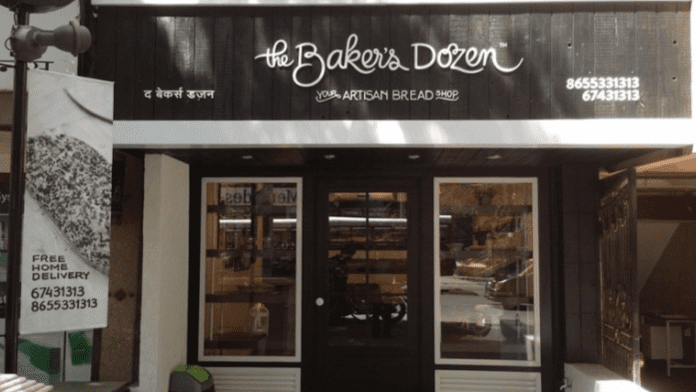
In a noteworthy move toward sustainability, The Baker’s Dozen, India’s premier artisan bakery brand, has initiated a significant program starting this fiscal year. Within the framework of this program, the brand is taking proactive steps to raise awareness about sustainability among its employees and stakeholders, actively encouraging them to engage in eco-friendly practices.
This ambitious undertaking has become achievable thanks to meticulous efforts to reduce costs in secondary packaging and gas consumption, simultaneously leading to a decrease in carbon emissions. The fundamental idea driving this initiative was to raise funds by streamlining expenditures in areas that would likewise result in a reduced carbon footprint.
Aditi Handa, Co-Founder and Head Chef, The Baker’s Dozen mentioned, “All things that we have gotten right are because of an ask our customers had. In 2019, when we shifted to plastic packaging, it upset some of our customers and they were honest enough to share their disappointment with us. Since then, we have been wanting to do something to offset it. Although later than what I had hoped, earlier than never, we have finally embarked on our journey to give back to Mother Earth for all that it shows us. This is a small but significant start for us and it will only become bigger and bigger. This all is culminating into a meaningful reality thanks to our super dedicated and passionate partners Recykal, Wastelink, and Climes.”
Anirudh Gupta, Co-Founder, Climes said, “Climate action has now become everyone’s responsibility. It’s such a great signal for the world that a widely-loved brand like The Bakers Dozen has made sustainability a core value and a key ingredient in its DNA. Across waste, water, and carbon, TBD is charting a path to becoming a more purposeful brand, that’s great for consumers, great for their business, and amazing for our Planet. With Climes, TBD has opted to involve its entire community (consumers, investors, vendors) in their carbon-action plan – both online and offline! We’re proud to partner with them and enable a new form of climate action that’s interactive, transparent, and most importantly, inclusive.”
Krishnan Kasturirangan, Co-Founder, Wastelink shared, “We are proud to partner with The Baker’s Dozen towards their carbon footprint reduction. Food waste handling typically goes under the radar when compared to other categories of waste which The Baker’s Dozen has boldly chosen to tackle. Wastelink’s association with The Baker’s Dozen across its footprint guarantees ethical and sustainable upcycling of food waste to animal nutrition.”
Ekta Narain, Co-Founder, and CBO, Recykal said, “Congratulations to ‘The Baker’s Dozen’ on their remarkable achievement of plastic neutrality! We commend their dedication and commitment to sustainable practices. By effectively offsetting their plastic footprint, they have contributed to a greener and cleaner environment and set a compelling example for other businesses to follow. As more forward-thinking brands step up to offset their plastic usage, our mission at Recykal is to bring 10 percent of India’s waste into a circular Economy by 2027. Together, we can contribute to a more sustainable future for future generations.”
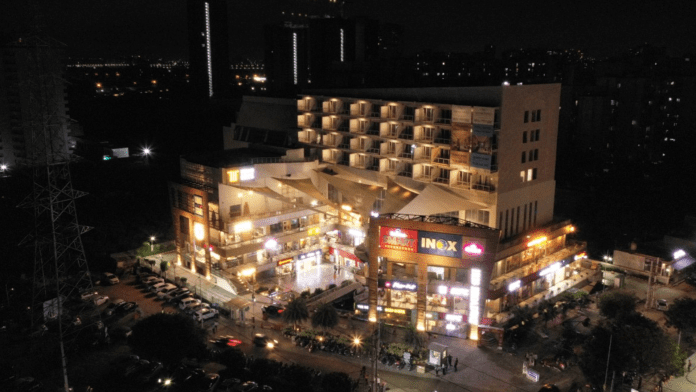
Iris Broadway Mall, located in the heart of Sec 85-86, Gurugram, has some exciting news to share as it welcomes eight new brands to its roster. Among these prestigious additions are renowned names like Daryaganj Restaurant, The Barbeque and Company, SOCIAL Café and Bar, Studio XO and Bar, and Xero Degrees. This transformation solidifies Iris Broadway Gurugram’s position as a premier food and beverage destination in the neighborhood.
In addition to these enticing dining options, visitors can also explore the latest offerings from the beauty and personal care industry with the presence of Looks Salon, New U. Moreover, the well-known grocery chain, Modern Bazaar, has also set up shop within Iris Broadway, collectively occupying an impressive 50,000 square feet of prime retail space.
Iris Broadway serves as a dynamic center for exceptional dining, social gatherings, retail therapy, and entertainment. Nestled in the flourishing district of New Gurugram, which has experienced significant growth in recent years, thanks to the emergence of upscale luxury residential complexes, the mall caters to a community of more than 350,000 residents in its immediate vicinity. It has established itself as the preferred neighborhood destination for both food and beverage experiences and retail shopping.
Among the recent additions, Daryaganj Restaurant holds a cherished legacy, being recognized as the originators of the beloved Butter Chicken and Dal Makhani, showcasing authentic North Indian Cuisine dating back to 1947. The Barbeque and Company present a haven for barbecue grill and smoky food aficionados. On the other hand, Studio XO Bar guarantees a sophisticated, cosmopolitan bar experience enriched with live entertainment, featuring stand-up comedy, celebrity performances, and live music shows.
Expanding the diversity further, SOCIAL Café and Bar offers an intriguing fusion of business and leisure, seamlessly transitioning from a co-working haven by day to a vibrant bar by night. Xero Degree impresses with its modern aesthetics, a fusion of Indianized American flavors, and their signature fries. In the realm of beauty and personal care, Looks Salon and New U shine, while Modern Bazaar serves as a convenient one-stop shopping destination for all your daily needs.
Abhishek Trehan, Executive Director of Trehan Iris said, “We are thrilled to introduce these new brands to our patrons. With this diverse range of F&B options, Iris Broadway aspires to become a bustling hub for cosmopolitan and modern-day aspirational customers. As the festive season approaches, we are confident that these new additions will attract even more visitors, offering them an enriched and leisurely experience along with culinary delights.”
Covering 2.8 acres in central New Gurugram, Iris Broadway fulfills the desires of its community, which includes a population of over 300,000 residents in close proximity. It provides an impressive 200+ surface parking spots and an additional 400+ multi-level basement parking spaces, setting it apart as the sole mall in the region with an expansive 1000 ft. frontage.
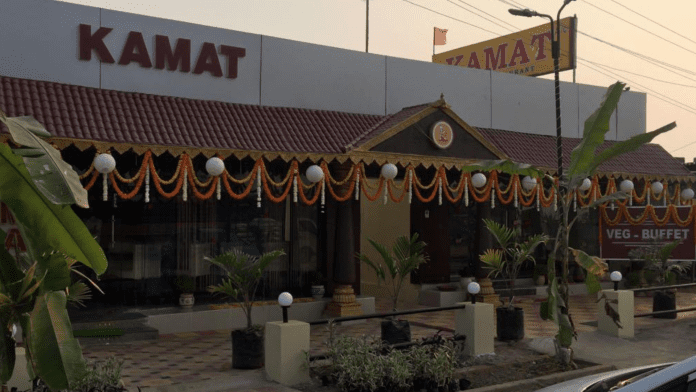
FASTag, the digital payment system implemented by the National Highway Authority of India (NHAI), has swiftly garnered widespread acclaim throughout the nation due to its effectiveness and simplicity in handling toll payments. Kamats Restaurants, a highly esteemed highway restaurant franchise, is delighted to declare their partnership with IDFC FIRST Bank, elevating convenience for highway travelers to a new standard. This groundbreaking collaboration empowers customers to effortlessly register and top up their FASTag accounts and conduct transactions at Kamats, streamlining their experience and adding a touch of ease to their journey.
Dr. Vikram Kamat, Founder and Chairman of The Vitskamats Group, said, “We are proud to be at the forefront of a convenient digital space in the restaurant industry. By teaming up with IDFC FIRST Bank and integrating FASTag technology into our operations, we are not only making FASTag buying and recharging convenient while taking a meal break on the highways for our customers but also contributing to the digital transformation of India.”
Through this collaboration, Kamats Restaurants and IDFC FIRST Bank aspire to redefine customer convenience and operational efficiency within the dining industry. This collaboration marks the inception of their collective vision to craft a seamless experience for travelers on the highways.
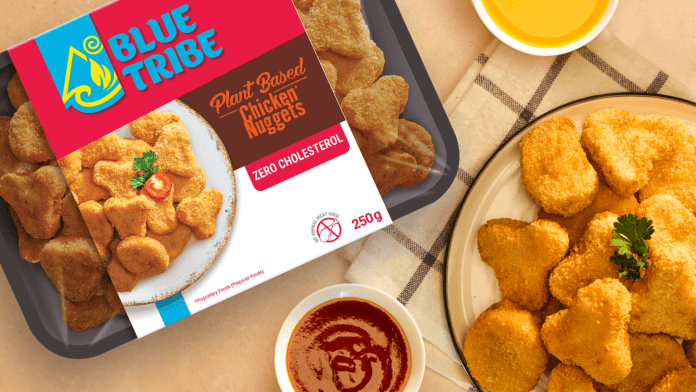
Blue Tribe Foods, the visionary plant-based meat label endorsed and invested in by Bollywood icon Anushka Sharma and cricket legend Virat Kohli, has reached a significant milestone in its journey towards a sustainable future. In collaboration with The Disposal Company (TDC), Blue Tribe Foods has achieved both plastic and carbon neutrality, solidifying its commitment to environmental responsibility.
Furthermore, the brand’s unwavering commitment to sustainability has earned it the esteemed Sustainability Seal in recognition of its innovative products.
Established by Sandeep Singh and Nikki Arora Singh, Blue Tribe Foods has pioneered the plant-based meat industry, presenting a delightful array of alternatives crafted from peas, soybeans, lentils, grains, and various vegetarian components. Their offerings have impressed not only palates but also made a substantial contribution to a more environmentally friendly planet.
The support and backing from Anushka Sharma and Virat Kohli propelled Blue Tribe Foods into the limelight, magnifying its mission to transform meat consumption habits in India. Serving as proponents of plant-based diets, the celebrity duo’s endorsement of Blue Tribe Foods stood as a testament to their values, emphasizing compassion for animals and a commitment to environmental sustainability.
As per the Plastic Waste Statistics report, a substantial amount of plastic packaging, totaling 2.26 million tonnes, has been addressed through Extended Producer Responsibility (EPR) for the year 2022-23. In this era of pollution, companies like Blue Tribe Foods play a crucial role in positively impacting the environment and improving the lives of thousands.
In an innovative collaboration, Blue Tribe Foods partnered with The Disposal Company (TDC), under the leadership of Ms. Bhagyashree, a distinguished authority in plastic waste management. This strategic alliance not only allowed Blue Tribe Foods to effectively neutralize its plastic impact but also marked substantial progress in reducing the carbon emissions linked to its operations.
Sohil Wazir, Chief Commercial Officer, Blue Tribe Foods, said, “In partnership with the disposal company, we’re dedicated to upholding our commitment to environmental responsibility. Their invaluable assistance in neutralizing our plastic waste aligns seamlessly with our brand’s core ethos. Together, we conscientiously pave the path towards a more sustainable future, ensuring that every bit of plastic waste is properly managed. In this formal collaboration, we remain steadfast in our mission to nurture a greener planet, as we endeavor to create a better world for all.”
Bhagyashree Bhansali, Founder of The Disposal Company, said, “The Sustainability Seal awarded by TDC to Blue Tribe Foods signifies the brand’s dedication to rigorous environmental standards, social responsibility, and ethical business practices. This coveted seal is a testament to the brand’s unwavering commitment to producing innovative, eco-friendly, and delicious plant-based meat products.”
Blue Tribe Foods has not only earned acclaim from environmentally-aware consumers but has also emerged as a motivating influence for other brands, urging them to place sustainability at the forefront and actively participate in building a more eco-conscious society.
TDC provides solutions that empower brands to achieve plastic neutrality and make a meaningful contribution to a cleaner environment. With its rigorous standards and a trusted track record, TDC is the preferred partner for more than 60 global brands.
Coast & Bloom has just opened its doors in Mumbai, offering a celebration of coastal cuisine from around the globe, spanning regions such as Kokan and California to Malabar and Amalfi.
Founded by Mitra Walke, Coast & Bloom is a restaurant that stands firmly on the pillars of authenticity, hygiene, transparency, and local empowerment. These values serve as its cornerstone, and driven by a profound commitment to preserving the authenticity of traditional recipes, the establishment was born with the aspiration to share the rich tapestry of coastal cuisine on a global scale, presenting a delightful array of coastal delicacies from various regions.
Coast & Bloom unveils an enchanting and versatile venue that immerses its guests in the allure of coastal charm, meticulously crafted by Nishant Umesh Desai, the creative director of Umesh Desai and Associates. This coastal journey commences well before patrons step foot inside the restaurant. The exterior is adorned with expansive full-sized metal panel windows, seamlessly bridging the indoors with the outdoors. Distressed texture paint and bespoke wall lamps, reminiscent of coastal aesthetics, create a captivating ambiance, setting the stage for the forthcoming experience.
Upon entering, the door reveals a sprawling 110-seat space that encompasses the bar, private dining room, and smoking area. Each element, from the suspended fabric installations to the wooden-beamed ceilings, soft-textured surfaces, handcrafted jute chandeliers, and stone-textured walls, is the handiwork of coastal artisans, carefully curated to evoke the tranquility of the seashore. The expansive private dining room features adaptable sliding partitions, perfect for various gatherings, and showcases an ocean-inspired mural on one wall. Jute-adorned screens at the entrance lend an air of drama and intrigue.
The pièce de résistance is the boat-shaped dome ceiling, adorned with cane and alabaster lights, paying homage to maritime heritage and cultural essence, suffusing the space with a welcoming and warm glow.
Chef Prasad Parab has carefully crafted the menu at Coast & Bloom, aligning with the restaurant’s vision. The menu offers meticulously curated dishes sourced from coastlines around the world, catering to a wide range of tastes, from traditional favorites to contemporary creations.
We use cookies to ensure that we give you the best experience on our website. If you continue to use this site we will assume that you are happy with it.