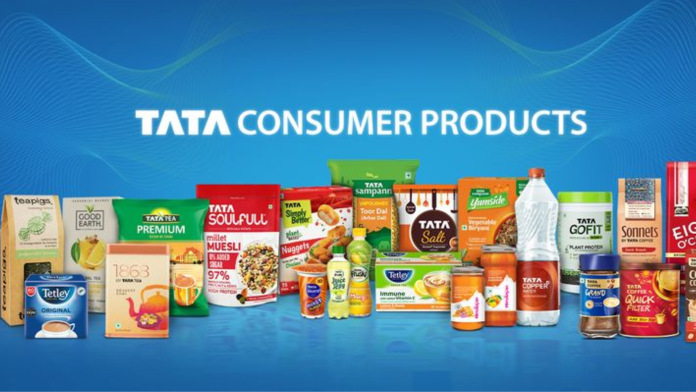
Tata Consumer Products (TCP), a consumer goods company under the Tata Group, is making a significant move into the rapidly expanding “Energy Drink” sector with the introduction of Say Never Energy Drink.
Say Never Energy Drink, offered in two options – Red and Blue, comes with an attractive price point of just INR 10 for a 200 ml cup size, making it highly affordable.
During the initial stage of its rollout, Say Never Energy Drink will be accessible at retail establishments within the Karnataka and Northern markets.
No additional specific information is currently publicly available, including details about the drink’s ingredients or composition, caffeine content, and the material used for the energy drink’s cup.
Tata’s energy drink is poised to enter direct competition with brands like Red Bull, Rockstar, Pure Zero, Shashan Total Body Fuel Peach-Fizz Energy Drink, and Zippfizz. Notably, these competitors typically come at a higher price point, ranging from INR 20 to INR 125, in contrast to TCP’s Say Never Energy Drink. It’s worth noting that the volume in milliliters may differ across various brands.
According to the Scottish government’s definition, energy drinks are beverages characterized by elevated caffeine levels, often combined with additional ingredients like sugar and stimulating agents such as guarana, taurine, or herbal substances.
Speaking about the new launch, Mr. Vikram Grover, MD NourishCo Beverages Limited, Tata Consumer Products said, “With this launch we aim to inspire and energize the doers, the dreamers, and the go-getters of the world. Say Never Energy Drink is not just a beverage; it’s a symbol of empowerment, a companion for those who dare to be different. The launch strengthens & complements the overall product portfolio for NourishCo and through this we are celebrating the heroes who carve their own paths. This affordable caffeine-based energy drink is for the young masses and with this we are here to fuel their journey.”
In June, NourishCo, a Gurgaon-based subsidiary of Tata Consumer Products Limited (TCPL), unveiled Tata Coffee Cold Brew as a strategic move to broaden its range of functional beverages.
Tata Consumer Products Limited is a dedicated consumer goods company that consolidates the key food and beverage businesses of the Tata Group into a single entity. The company’s product portfolio encompasses a wide range, including tea, coffee, water, ready-to-drink beverages, salt, pulses, spices, ready-to-cook and ready-to-eat items, breakfast cereals, snacks, and convenient mini-meals.
After Qatar, yet another oil-rich Gulf sovereign fund, the Abu Dhabi Investment Authority (ADIA), is now following suit in its quest to secure a larger stake in Mukesh Ambani’s expansive retail empire. According to insiders, ADIA is actively exploring the possibility of investing $600 million in Asia’s richest individual’s organized retailing business, at valuations that significantly exceed those observed in a previous transaction three years ago.
ADIA has already established itself as an investor in Reliance Retail Ventures (RRVL), having acquired a 1.2% stake for INR 5,512.50 crore ($751 million) in October 2020. This investment came as part of RRVL’s move to raise INR 47,265 crore through the sale of a 10.09% stake to a group of prominent investors, which included Saudi PIF, Mubadala, GIC of Singapore, Silverlake, TPG, and GA.
Among the previous group of investors, KKR has already proceeded with an additional investment of INR 2,069.50 crore at a pre-money equity valuation of INR 8.361 lakh crore ($100 billion). This move has propelled RRVL into the ranks of the top four companies in the country in terms of implied market capitalization.
Up until now, Qatar’s injection of $1 billion stands as the sole new investment in the ongoing fundraising round.
The present valuation represents a nearly 60% premium over the valuation from the previous financing round three years ago. However, it falls considerably short of the valuation that many equity analysts believe the privately held retail business is truly worth. Back in May, analysts at AllianceBernstein had recommended a valuation of $131 billion for Reliance Retail.
“This further cements the strategic relations between the two companies on the back of a strong government relationship between the two sovereigns,” said an official on the condition of anonymity as the talks are in private domain. “ADIA is a major investor in Indian equities, infrastructure and financial services, but it is not often that it doubles down – especially at such premium valuations.”
Interestingly, Reliance Industries itself valued RRVL at $148 billion when it decided early July to buy out minority shareholders and employee stock option holders that collectively owned 0.09% at a 60% premium to the $93 billion and $97 billion valuations determined, respectively, by two independent valuers – Ernst & Young Merchant Banking Services and BDO Valuation Advisory.
RRVL currently holds a 99.91% stake in Reliance Retail Limited, and it has plans to repurchase the remaining shares at a rate of INR 1,362 per unit. This offer represents a substantial 60% premium when compared to the valuation provided by EY and BDO. As a result of this premium, the potential valuation of Reliance Retail Limited could soar as high as $148 billion.
A formal announcement is expected to be made in the coming days.
ADIA and Reliance Retail both refrained from providing any comments.
With a valuation of $100 billion, Reliance Retail ranks as the 12th largest retail powerhouse globally, surpassing companies like JD.com, Target, Midea, and Lululemon. According to Bloomberg data, the top five in terms of market value are Amazon, LVMH, Walmart, Home Depot, and Alibaba.
While Mukesh Ambani, Chairman of Reliance Industries, did not disclose specific figures publicly, he informed shareholders during the recent annual general meeting about the significant interest from prominent investors in Reliance Retail. Recent reports in the media indicate that Reliance is exploring a fundraising round ranging from $1.5 to $4 billion. This fundraising initiative is viewed by many as an exercise to set a valuation benchmark before a potential listing.
During Reliance Industries’ annual general meeting in 2019, Ambani had stated that the retail business would be publicly listed within the subsequent five years.
In the fiscal year 2023, Reliance Retail achieved an annual revenue of INR 2,60,364 crore, demonstrating a robust year-on-year growth of 30%. It also reported an EBITDA of INR 17,928 crore and a net profit of INR 9,181 crore. Notably, approximately half of its revenues are generated from the grocery segment. However, it’s worth mentioning that the gross debt of the business has experienced a substantial increase. This is due to the retail arm’s rapid expansion into various categories and formats, coupled with the company’s venture into the fast-moving consumer goods (FMCG) sector.
As of the end of FY23, Reliance Retail’s standalone business recorded a gross debt of INR 70,937.72 crore, representing a notable increase from INR 40,756.44 crore at the end of FY22. This resulted in a net debt to EBITDA ratio of 4X. The company’s management anticipates that Reliance Retail will emerge as its most rapidly growing business in terms of both revenue and EBITDA.
Reliance Retail encompasses Reliance Industries’ fundamental retail enterprises, comprising entities like Reliance Digital and Jio Mart, along with an extensive network of over 18,000 physical stores. The current store footprint spans 65 million square feet and is projected to expand to 100 million square feet over the next 3-5 years. Additionally, the company boasts a substantial warehouse capacity of 50 million square feet. Significantly, a majority of these stores, approximately two-thirds, are strategically located in Tier II, Tier III cities, and smaller towns.
Reliance Retail is a wholly-owned subsidiary of RRVL, which, in addition to its core retail operations, encompasses international partnerships and a fast-moving consumer goods business. Notably, Reliance Industries holds an 85% stake in RRVL.
“We expect continued market share gains for Retail, which we expect to grow from circa 11% in 3QFY23 to 24% by FY26E,” Nikhil Bhandari of Goldman Sachs said in a recent report.
Reliance has ventured into the fast-moving consumer goods (FMCG) sector, emphasizing competitive pricing by acquiring and collaborating with both well-established legacy brands and regional players such as Campa Cola, Sosyo, and Lotus. Additionally, Reliance has forged partnerships with prominent companies like General Mills and Maliban. The strategic vision involves expanding its FMCG presence within India and exploring opportunities in global markets, with initial focus on Asia and Africa.
According to CLSA calculations, the capital expenditure (capex) in Reliance’s retail business surged to $6 billion during FY23. Investments from funds like QIA are expected to provide crucial financing for future capex requirements and help maintain manageable levels of debt within the retail segment. Many observers closely following the Reliance group assert that the company is presently in an “investment phase,” and consequently, it is likely to sustain elevated levels of capex and maintain strong return on equity/return on invested capital ratios.
As a result, one-third of the overall capital expenditure (specifically for warehousing) has been shifted into an Infrastructure Investment Trust (InVIT). Nevertheless, the company intends to persist with investments in physical store expansions and technology enhancements.
In April of this year, there were reports of raids on 17 pubs located in Sector 29 of Gurgaon. These raids aimed to uncover illegal hookah bars, and authorities have since conducted numerous inspections on restaurants that were illicitly serving hookahs. In a recent update, the Chief Minister of Haryana, Manohar Lal Khattar, has officially announced a statewide ban on the service of hookahs to customers in hotels, restaurants, bars, and commercial establishments. This significant decision follows several months after Haryana Assembly Speaker Gian Chand Gupta had called for a similar ban on serving hookahs in hotels, restaurants, pubs, bars, and nightclubs throughout the state.
Even though a ban on hookah was imposed in 2011, certain eateries persisted in serving it. Authorities have consistently carried out inspections and operations targeting numerous bars that were unlawfully providing hookah services. As per reports, the excise department has also conducted raids on Gurgaon bars suspected of serving flavored hookah.
A restaurateur from Gurgaon said, “The recent update is a strong message from the CM to those serving hookah on the sly. These are ahatas and some BYOB places that charge extra from customers and serve them hookah illegally. I am hoping that now there will be even stricter checks at such places.” A staff member from a restaurant in Sector 29 in Gurgaon added, “Some individuals in restaurants offer customers ‘herbal’ hookahs for an additional fee, though not within the restaurant premises. There should be rigorous checks on this.”
According to restaurant owners, the sale of herbal hookah is permitted in Delhi, whereas in Noida, the sale of hookah is prohibited.
“Restos in Noida have been prohibited from serving hookah for the last few years. And we will continue to adhere to the rules until any change is clearly specified by the authorities,” says Varun Khera, Noida chapter head of the National Restaurant Association of India (NRAI).
Harnessing the creative force of your user base may be a game changer for your business in the age of social media and online communities. User-generated content (UGC) not only provides authenticity to your business, but it also helps your audience develop a feeling of community and trust.
The Power of User-Generated Content (UGC)
User-generated content refers to any form of content—such as text, images, videos, reviews, or testimonials—created by your customers, fans, or followers. Here’s why UGC is a valuable asset:
Authenticity: UGC is perceived as more authentic and trustworthy than branded content. It provides a real-life perspective on your products or services.
Engagement: Encouraging users to contribute content fosters a sense of belonging and engagement within your community.
SEO Benefits: User-generated content can improve your website’s SEO by increasing organic traffic, dwell time, and social shares.
Cost-Effective: It’s a cost-effective way to generate content. You benefit from your community’s creativity without the expense of producing content in-house.
Building Authentic Content from Your Community
Identify Your Goals
Before diving into UGC, define your objectives. Are you looking to increase brand awareness, boost sales, or foster community engagement? Knowing your goals will guide your UGC strategy.
Choose the Right Platform
Identify where your community is most active. This could be social media, online forums, a dedicated community platform, or your website. Focus your UGC efforts on these platforms.
Encourage User Participation
Create a culture of participation by encouraging users to contribute. Ask for their opinions, reviews, stories, or creative content related to your brand or products.
Set Clear Guidelines
Establish clear guidelines for what kind of content you’re looking for and the rules for participation. Ensure that user-generated content aligns with your brand values and guidelines.
Use Branded Hashtags
Create and promote branded hashtags related to your products or campaigns. Encourage users to include these hashtags in their content to make it discoverable.
Leverage Contests and Challenges
Hold contests, challenges, or giveaways that encourage users to create and share content related to your brand. Offer incentives to boost participation.
Showcase UGC on Your Website
Feature user-generated content prominently on your website, especially on product pages. This can increase social proof and encourage other users to contribute.
Engage and Acknowledge Contributors
Engage with users who contribute UGC by thanking them, reposting their content, or sharing their stories. Acknowledging their efforts creates a positive feedback loop.
Legal Considerations
Be aware of legal issues related to UGC, such as copyright and permissions. Ensure that you have the rights to use and display the content shared by users.
Measure and Optimize
Track the impact of UGC on your SEO efforts. Use analytics tools to measure the increase in organic traffic, social shares, and engagement. Optimize your strategy based on the data you gather.
Harnessing user creativity through user-generated content is a powerful way to build authentic, trustworthy, and engaging content for your brand. By setting clear goals, encouraging participation, showcasing UGC, and engaging with your community, you can create a thriving ecosystem of user-generated content that not only enhances your SEO efforts but also strengthens your brand’s connection with its audience. Start harnessing user creativity today, and watch your brand’s authenticity and online presence soar to new heights.
The journey with your consumers does not end with a successful transaction in today’s competitive business world; it is only the beginning. After-sale customer interaction is a strategic need for organizations looking to establish long-term connections, create loyalty, and stimulate repeat purchases.
The Post-Sale Engagement Imperative
User engagement after a sale holds significant importance for several reasons:
Customer Retention: Engaged customers are more likely to remain loyal to your brand. Retaining existing customers is often more cost-effective than acquiring new ones.
Upsell and Cross-sell Opportunities: Engaged customers are open to exploring additional products or services you offer. Effective post-sale engagement can lead to upsell and cross-sell opportunities.
Referrals and Word-of-Mouth: Satisfied and engaged customers are more likely to recommend your brand to friends, family, and colleagues, generating valuable word-of-mouth marketing.
Feedback and Improvement: Post-sale interactions provide a platform for gathering feedback and insights. This information can guide product enhancements and improvements in customer service.
Strategies for Nurturing Post-Sale User Engagement
Personalized Communication
Continue to engage with your customers through personalized communication. Send thank-you emails, order confirmations, and follow-up emails that show appreciation and offer assistance if needed.
Surveys and Feedback
Gather feedback from customers about their post-purchase experiences. Use surveys and feedback forms to understand what worked well and where there is room for improvement.
Educational Content
Share educational content that helps customers get the most out of their purchase. Provide tips, tutorials, and guides on how to use your products or services effectively.
Loyalty Programs
Implement loyalty programs that reward customers for repeat purchases. Offer exclusive discounts, early access to new products, or loyalty points that can be redeemed for rewards.
Engagement on Social Media
Stay active on social media platforms and encourage customers to share their experiences with your brand. Share user-generated content, conduct contests, and respond to comments and messages promptly.
Upsell and Cross-sell
Recommend complementary products or services based on the customer’s purchase history. Make personalized suggestions that add value to their overall experience.
Exceptional Customer Service
Continue to provide exceptional customer service after the sale. Address any issues or concerns promptly and professionally. A positive customer service experience can enhance engagement.
Exclusive Offers and Early Access
Reward loyal customers with exclusive offers, early access to sales, or sneak peeks at upcoming products. Make them feel like valued insiders.
Community Building
Foster a sense of community among your customers. Create online forums, groups, or communities where customers can connect, share experiences, and support one another.
Measure and Adapt
Use analytics tools to track post-sale user engagement metrics such as customer satisfaction, repeat purchase rates, and referrals. Use the insights to refine your engagement strategies continually.
Transitioning from a transactional relationship to an interactive one is a strategic move that can pay significant dividends. Nurturing user engagement after the sale is not only about increasing revenue; it’s about building lasting relationships, fostering loyalty, and creating brand advocates. By implementing personalized communication, feedback mechanisms, educational content, and loyalty programs, your business can transform one-time buyers into long-term partners in your brand’s success. Start nurturing post-sale engagement today, and watch your customer relationships flourish.
The food sector is seeing a tremendous change towards mobile gastronomy in the age of smartphones and on-the-go lives. Whether you own a restaurant, food truck, catering service, or any other food-related business, a strong digital presence is now required to efficiently reach and communicate with your consumers.
The Mobile Gastronomy Revolution
The rise of mobile gastronomy is driven by changing consumer behaviors and preferences:
On-the-Go Dining: Customers increasingly use their mobile devices to find nearby dining options, place orders, and check reviews before making food-related decisions.
Social Media Influence: Social media platforms like Instagram and TikTok have become foodie havens, where visually appealing dishes and food experiences gain widespread attention.
Delivery and Takeout: The convenience of mobile apps for ordering food and arranging delivery or takeout has become a standard expectation.
Food Discovery: Mobile apps and websites are essential tools for discovering new restaurants, cuisines, and food trends.
Creating a Winning Digital Strategy for Food Businesses
Optimize Your Website for Mobile
Ensure that your website is mobile-responsive, meaning it adapts to different screen sizes and loads quickly on mobile devices. Google prioritizes mobile-friendly websites in search results, making this an essential step for SEO.
Leverage Visual Content
Food is a highly visual industry. Invest in high-quality images and videos of your dishes, restaurant ambiance, and food preparation. Share these visuals on your website and across social media platforms to entice potential customers.
Claim Your Google My Business Listing
Google My Business is a powerful tool for food businesses. Claim and optimize your listing to appear in local search results, display essential information like your menu, hours, and location, and gather customer reviews.
Create a User-Friendly Online Menu
If you offer online ordering or delivery, ensure that your digital menu is user-friendly and easy to navigate. Include mouthwatering descriptions, high-quality images, and accurate pricing.
Implement Online Ordering and Delivery Services
Partner with popular food delivery apps like UberEats, Grubhub, or DoorDash to expand your reach. Having an online ordering system on your website can also be a game-changer.
Engage on Social Media
Maintain an active presence on social media platforms relevant to your target audience. Share visually appealing content, respond to comments and messages promptly, and use hashtags to increase discoverability.
Leverage User-Generated Content
Encourage customers to share their experiences on social media. Share user-generated content on your profiles to build authenticity and trust.
Invest in SEO
Search engine optimization (SEO) is crucial for being discovered by potential customers. Research relevant keywords, optimize your website’s content, and focus on local SEO to target nearby diners.
Run Paid Advertising Campaigns
Consider running paid advertising campaigns on platforms like Google Ads and Facebook Ads. These campaigns can help you target specific demographics and reach a wider audience.
Analyze and Adapt
Use analytics tools to track the performance of your digital strategy. Monitor website traffic, customer behavior, and conversion rates. Use the data to refine your strategy continually.
Mobile gastronomy isn’t just a trend; it’s a fundamental shift in the way food businesses operate and connect with customers. By developing a winning digital strategy that encompasses mobile optimization, visual storytelling, social media engagement, and SEO, you can position your food business for success in the digital age. Embrace the mobile gastronomy revolution, and watch your business thrive as you satisfy the cravings of your digitally savvy audience.
When it comes to business, your brand is more than simply a logo or a phrase; it is the impression, emotion, and connection that customers have with your firm. Cultivating the appropriate brand image is a multidimensional endeavor that may have a significant influence on your business. So let us go into the art of branding and investigate effective techniques to assist businesses in creating and maintaining a captivating brand image that connects with their target audience.
Understanding the Power of Brand Image
Your brand image is the mental picture that consumers have of your brand. It encompasses the values, personality, and reputation that your business projects. Here’s why it matters:
Consumer Trust: A strong brand image builds trust with consumers. When people recognize and trust your brand, they are more likely to choose your products or services over competitors.
Differentiation: In a crowded marketplace, a distinctive brand image sets you apart from the competition. It helps consumers understand what makes your brand unique.
Loyalty and Advocacy: Consumers who have a positive connection with your brand are more likely to become loyal customers and brand advocates. They’ll recommend your brand to others.
Perceived Value: A well-crafted brand image can elevate the perceived value of your products or services, allowing you to command premium prices.
Effective Strategies for Cultivating the Ideal Brand Image
Define Your Brand Identity
Start by defining your brand’s core identity. What values, mission, and vision does your brand represent? What emotions do you want your brand to evoke? This foundational work will guide your branding efforts.
Know Your Audience
Understanding your target audience is crucial. Conduct thorough market research to identify your ideal customers’ demographics, preferences, pain points, and behaviors. Tailor your brand image to resonate with them.
Create a Memorable Logo and Visual Identity
Invest in a professionally designed logo and visual identity that encapsulates your brand’s personality. Consistency in design elements, such as colors, fonts, and imagery, helps in brand recognition.
Craft a Unique Brand Story
Every brand has a story to tell. Share your brand’s journey, values, and mission through compelling storytelling. A strong narrative can connect emotionally with your audience.
Provide Exceptional Customer Experiences
Your brand image is not just about aesthetics; it’s about the experiences you offer. Consistently provide outstanding customer service and ensure every interaction reflects your brand values.
Authenticity is Key
Be authentic in your brand communications. Today’s consumers value transparency and authenticity. Avoid over-promising and under-delivering, as it can damage your brand’s reputation.
Engage with Your Audience
Use social media and other digital platforms to engage with your audience. Respond to comments and messages, ask for feedback, and create conversations around your brand.
Consistency Across Channels
Maintain consistency in your brand messaging and visuals across all channels, including your website, social media, email marketing, and physical storefronts if applicable.
Adapt and Evolve
A successful brand image is not static; it evolves with your business and the changing preferences of your audience. Be willing to adapt your branding strategies as needed.
Measure and Refine
Utilize data and analytics to measure the effectiveness of your branding efforts. Track metrics like brand awareness, customer sentiment, and customer loyalty. Use the insights to refine your strategies.
Cultivating the ideal brand image is a continuous process that requires dedication and strategic thinking. It’s not just about aesthetics but also about creating a lasting emotional connection with your audience. By defining your brand identity, understanding your audience, and consistently delivering exceptional experiences, your brand can become more than just a business—it can become a meaningful part of people’s lives. Embrace the art of branding, and watch your brand image flourish, attracting loyal customers and long-term success.
Consumers in today’s environmentally conscious world are increasingly looking for products and services that connect with their beliefs and promote a sustainable future. As a result, eco-friendly marketing has progressed from a passing fad to a potent approach for companies seeking to not only create awareness but also convert environmentally conscious clients into devoted customers.
The Eco-Friendly Imperative
The rise of eco-friendly marketing is driven by several key factors:
Growing Environmental Concerns: Climate change, pollution, and resource depletion have become critical global issues. Consumers are more conscious of the impact their choices have on the planet.
Consumer Demand: An increasing number of consumers prefer eco-friendly products and services. They actively seek out brands that prioritize sustainability and environmental responsibility.
Regulatory Pressure: Governments and regulatory bodies are introducing stricter environmental regulations. Businesses that proactively adopt eco-friendly practices are better positioned to comply with these regulations.
Competitive Advantage: Demonstrating a commitment to eco-friendliness can differentiate your brand in a crowded marketplace. It can attract environmentally conscious consumers who are willing to pay a premium for sustainable options.
Converting Consumers Through Eco-Friendly Marketing
Authenticity Matters
Genuine commitment to sustainability is crucial. Greenwashing, or falsely marketing products as eco-friendly, can lead to backlash and erode consumer trust. Ensure that your sustainability claims are backed by real actions and verifiable evidence.
Educate and Raise Awareness
Educate your audience about the environmental impact of your industry and products. Use content marketing to explain how your eco-friendly practices contribute to a healthier planet. Consumers who understand the issues are more likely to support sustainable choices.
Transparency and Traceability
Provide transparency into your supply chain and sourcing practices. Consumers want to know where products come from and how they’re made. Highlight eco-friendly materials, ethical labor practices, and responsible sourcing.
Eco-Friendly Product Innovation
Invest in the development of eco-friendly products and services. This can involve using recycled materials, reducing packaging waste, or adopting energy-efficient production methods.
Engage in Cause Marketing
Partner with environmental organizations or support eco-friendly initiatives that resonate with your brand’s mission. Cause marketing can create a sense of purpose for your consumers and drive positive change.
Leverage Social Media and User-Generated Content
Engage with your audience on social media platforms, encouraging discussions about sustainability. Share user-generated content that showcases customers using your eco-friendly products, fostering a sense of community and shared values.
Offer Incentives and Rewards
Implement eco-friendly loyalty programs or offer incentives for eco-conscious behavior, such as recycling or reducing energy consumption. Rewards can motivate consumers to choose your brand consistently.
Measure and Communicate Impact
Quantify and communicate the environmental impact of choosing your eco-friendly products or services. Use clear metrics to show how consumers’ choices contribute to positive change, such as reduced carbon emissions or waste reduction.
Eco-friendly marketing is not just about paying lip service to sustainability; it’s about taking meaningful actions that resonate with environmentally aware consumers. By authentically aligning your brand with eco-friendly values, educating your audience, and offering eco-conscious products and experiences, you can move consumers from awareness to action. Sustainability isn’t just a trend; it’s a defining factor in consumer preferences, and businesses that embrace it will not only gain loyal customers but also contribute to a greener and more sustainable future. Start your eco-friendly marketing journey today and be a catalyst for positive change.
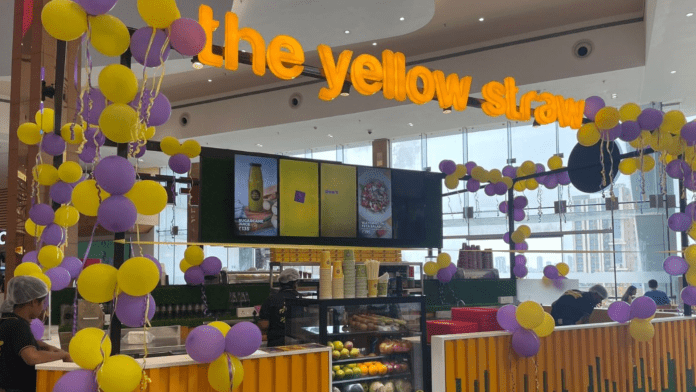
The Yellow Straw, a leading juice and salad bar chain in Eastern India, is flourishing and attaining remarkable achievements in the health food sector. Since its inception in 2014, the brand has witnessed exponential expansion, solidifying its position as the favored option for health-conscious individuals residing in the prime neighborhoods and tech hubs of Kolkata.
The no-frills fruit juice brand has consistently recorded remarkable sales growth year after year. In the fiscal year 2022-23, the business achieved sales of 601.78 lacs, showcasing an impressive 61.92 percent increase compared to the previous year. Projections for 2023-24 estimate sales to reach 1354.01 lacs, with a promising leap to 2708.02 lacs in 2024-25, representing an outstanding twofold increase in sales growth within just two years.
The brand’s EBITA (Earnings Before Interest, Taxes, and Amortization) has been following an equally impressive upward trajectory. In the fiscal year 2022-23, EBITA soared to 64.39 lacs (10.70 percent), and projections point to further growth, with expectations of reaching 162.48 lacs (12 percent) in 2023-24 and a substantial surge to 352.04 lacs (13 percent) in 2024-25. This remarkable increase in EBITA can be attributed to the brand’s strategic financial management and operational efficiency, both of which have contributed significantly to its robust financial health.
Furthermore, The Yellow Straw has garnered an exceptional response from customers, with a steady stream of patrons frequenting its strategically located outlets. These outlets are strategically placed near prominent locations such as the Airport, Tata Medical Centre, The Tollygunge Club, Minto Park, City Center 1, Lake Mall, Ecospace Business Park, Acropolis Mall, Dalhousie, and South City Mall. This astute geographical positioning has played a pivotal role in attracting discerning clientele, further solidifying the brand’s reputation as the preferred choice for health-conscious individuals throughout India.
The Yellow Straw’s growth transcends mere financial metrics, as it has achieved significant strides in sustainability by pledging to exclude artificial flavors, preservatives, or syrups from its offerings. Even as the brand expands, its unwavering commitment remains steadfast in delivering fresh, flavorful, and healthier alternatives, delighting the taste buds of both food enthusiasts and fitness aficionados.
Furthermore, the brand’s expansion plans are noteworthy. In the ongoing fiscal year, 2022-23, The Yellow Straw is set to inaugurate more than 20 new outlets, with over 35 on the horizon for the following year, including expansion into new cities. Additionally, the brand is poised to introduce a franchise model, thereby opening doors to additional avenues for growth and expansion.
The future of The Yellow Straw is set to shine even brighter, with sales poised to achieve an extraordinary Compound Annual Growth Rate (CAGR) of over 100 percent in the forthcoming years, complemented by a thriving EBITA. The anticipated reduction of the debt-equity ratio to below 0.50 in the next year reaffirms the brand’s financial stability and the strength of its business model.
This substantial growth in EBITA can be attributed to several strategic factors, including streamlined operations, improved supply chain management, enhanced inventory control, and an overall boost in operational efficiency. Moreover, the brand’s unwavering commitment to delivering high-quality, healthier options has resonated exceptionally well with customers, leading to increased patronage and higher sales figures.
The substantial growth in EBITA for The Yellow Straw has been fueled by a combination of reduced operating costs and increased revenue, thereby strengthening the brand’s financial stability. This growth has been further fortified by prudent financial management, characterized by disciplined expense control and astute investment decisions.
The brand’s unwavering commitment to financial transparency and integrity has instilled confidence among both investors and customers, creating a virtuous cycle of growth and sustainability. As The Yellow Straw continues its expansion, broadening its presence and product offerings while upholding its steadfast dedication to quality and health, it is poised not only to maintain but also to surpass its already impressive growth trajectory.
UK grocery inflation, while showing signs of easing, is still impacting many Britons who are grappling with a cost-of-living crisis entering its second year, as highlighted by the CEO of Aldi UK on Monday.
In March, UK food price inflation surged to its highest level since 1977, surpassing 19%. However, this official measure has moderated to 13.6% as of August, and industry data indicates it stood at 12.2% in September. Despite these improvements, escalating food prices continue to exert significant financial pressure on numerous households.
“Whilst grocery inflation has started to ease, it’s clear that people remain under real pressure from its impacts,” Aldi CEO Giles Hurley told reporters.
Earlier this month, Kantar, a market research firm, reported that their data revealed 95% of UK consumers remained apprehensive about the consequences of increasing grocery prices, a concern only equaled by their apprehension regarding rising energy bills. Additionally, just shy of a quarter of the population admitted to facing financial difficulties.
“Our own research with YouGov tells us that three in four people have changed their grocery shopping habits because of increased living costs, making fewer shopping trips, shopping with numerous supermarkets and switching their main supermarket altogether,” Hurley said after Aldi UK reported 2022 results.
He emphasized that the shift towards own-label or private label products, typically priced lower than branded items, represented a significant transformation in the way Britons are currently engaging in their shopping habits.
“Own label now represents 54% of the (UK) grocery market by value compared to 51% in 2013, that’s a 3 billion pound ($3.7 billion) shift in sales in just ten years,” he said.
We use cookies to ensure that we give you the best experience on our website. If you continue to use this site we will assume that you are happy with it.