Dalvir Suri, one of the Co-Founders of Dunzo, is preparing to step down from his role after dedicating more than six years to the startup. This announcement was conveyed to the company’s employees via an email from CEO Kabeer Biswas on October 1.
Suri became a part of the hyperlocal delivery platform in May 2015, when Dunzo was in its early stages, primarily accepting orders through WhatsApp. As one of the Co-Founders, he collaborated closely with Biswas, Ankur Aggarwal, and Mukund Jha.
Despite Dunzo having four Co-Founders, only Biswas holds equity in the company. The remaining Co-Founders, Suri, Aggarwal, and Jha, receive fixed salaries, which Dunzo has postponed on several occasions in the past.
Suri’s exit coincides with a challenging period for the financially-strained company, as it has been striving to maintain its operations while simultaneously navigating a fundraising process.
“As many of you are aware, Dalvir (Suri) has been taking some time off over the last few weeks, and will be moving on from Dunzo,” Biswas said in his email to employees.
During a company-wide meeting scheduled for later this week, Dunzo will update its employees about the organizational adjustments that will follow Suri’s departure.
“Dalvir (Suri) has been instrumental in building out every new line of business at Dunzo. He has been the key zero to one person from the founding team that just gets things Dun. He has been meaning to take a break for sometime now – and with six plus years spent building Dunzo, he plans to move forward to pursuing new journeys,” the email added.
The Finance Ministry, on Friday, granted an immediate duty exemption for the export of Bangalore rose onions, subject to specific conditions, as per a notification issued.
Exemption from export duty on Bangalore Rose Onions may be granted if the exporter furnishes a certificate issued by the state horticulture commissioner, confirming the details of the item and the quantity to be exported.
In August, the government imposed a 40 percent export duty on all onion varieties. This decision was made to boost domestic supply and control the escalation of prices in the local market.
Currently, data from the Consumer Affairs Department indicates that the average price of onions in the country is INR 33.53.
Surpassing previous benchmarks, the Centre has successfully procured 2.50 lakh tons of onions for the buffer in 2022-23. However, despite this abundant onion stock, a notable portion of low-quality onions, a consequence of prolonged exposure to extreme summer heat this year, has driven up the prices of high-quality onions.
Simultaneously, onion exports surged by 64 percent in terms of volume, reaching a six-year peak at 25.25 lakh tonnes in 2022-23.
Allied Blenders & Distillers (ABD), led by Kishore Chhabria and preparing for a INR 2,000-crore initial public offering, has appointed Alok Gupta as its newly appointed Managing Director and Chief Executive Officer.
Gupta joins ABD after serving as a partner in charge of the technology and services division at Essar Capital. He boasts a wealth of over 30 years’ experience in consumer-focused organizations, including roles at Dabur, United Spirits, and Cafe Coffee Day. Meanwhile, Shekhar Ramamurthy, the former Managing Director of United Breweries, will remain a part of the board as the Executive Deputy Chairman.
ABD’s range comprises some of the most widely sold spirits globally, such as Officer’s Choice whiskey, Jolly Roger Rum, and the Kyron brandy.
“ABD has always been a leading player, the transition journey it has embarked upon is indeed an exciting challenge and I am happy to lead the transformation agenda,” said Gupta.
During FY22, the leading domestic liquor company recorded INR 7,196 crore in sales, with 28.6 million cases of alcohol sold, securing a 7.4% market share within the IMFL (India-made foreign liquor) sector.
Arya, the leading agritech platform specializing in foodgrain storage and sales, anticipates a substantial increase in profits, aiming to more than double its current earnings. Additionally, the company plans to achieve a remarkable 70% growth in its total revenue, targeting approximately INR 500 crore during this fiscal year. Arya’s strategic focus includes intensifying its sales efforts and expanding its customer base, distinguishing itself as the sole profitable agritech platform in this sector.
Established in 2013 by Prasanna Rao, Anand Chandra, and Chattanathan Devarajan, the Noida-based startup has garnered substantial support from notable funds such as Lightrock, Accion Quona Capital, Asia Impact Fund, and Omnivore Partners. The company has achieved a commendable revenue of INR 298 crore, generating a net income of INR 16 crore from this impressive financial performance.
These funds jointly possess a majority stake in the company, totaling 60%, and their combined investment amounts to $65 million. The company has not disclosed the specific breakdown of either their individual ownership or their respective investments.
The company has also attracted investments from debt providers such as Rabo Bank, HDFC Bank, and ICICI Bank, from whom it has secured loans totaling INR 980 crore up to this point.
“This year we see the numbers hitting INR 500 crore in revenue and the net profit more than doubling to INR 35 crore,” said Prasanna Rao.
Rao’s confidence stems from the platform’s expanding e-commerce sales of grains and the revenue generated from its service fees to farmers.
Presently, a significant portion of its revenue is derived from storage and warehouse fees. However, Rao foresees that the revenue generated from grain sales on its platform will become a more substantial revenue stream in the future. In the fiscal year 2023, the commission on sales amounted to INR 40 crore, and he anticipates that it will surpass INR 100 crore in the current fiscal year.
He anticipates that the value of grain sales on its platform will double, increasing from INR 3,000 crore in FY23 to a minimum of INR 6,000 crore in the current fiscal year. Rao also noted that within the initial five months of the current fiscal year, the sales value has already exceeded INR 2,000 crore.
Last year, the platform’s primary business, focused on storage, achieved an aggregate value of INR 20,000 crore. Rao foresees that this fiscal year, it will reach an estimated range of INR 27,000-28,000 crore.
Arya caters to over 660 Farmer Producer Organizations (FPOs), encompassing more than 7 lakh individual farmers who are members hailing from 21 states and 450 districts. Rao mentioned that the number of farmers has already increased by 80,000 during the current fiscal year.
The platform’s primary focus lies in handling wheat, paddy, soybeans, mustard, and pulses. Additionally, it is involved in trading cotton, spices such as pepper, clove, cardamom, and various types of chillies.
Rao asserts that farmers utilizing the platform can realize benefits ranging from 10% to 30%. Furthermore, the platform extends loans to FPOs as working capital with an interest rate of 12.5%. In FY22, its loan book reached nearly INR 1,000 crore, a significant increase from the INR 300 crore in the previous fiscal year. He anticipates that the loan book will experience a robust growth of at least 80%, reaching INR 1,800 crore by March of the next year.
He mentioned that there are co-lending agreements with 27 banks, resulting in loans totaling INR 9,000 crore disbursed to these FPOs. Arya also levies fees on banks for co-lending, and the revenue generated from these fees amounted to INR 120 crore in the fiscal year 2023.
Arya, a competitor of NCML, NHBC Staragri, Farmart, Bijak, Ergos, Dehaat, Ninjacart, Waycool, Samunnati, and others, oversees a warehouse network covering more than 100 million square feet.
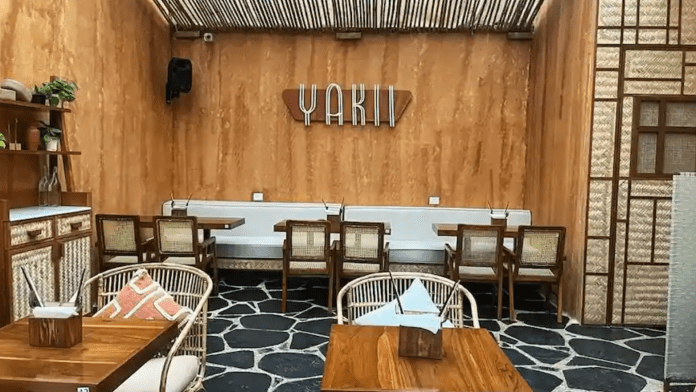
Yakii-Asian Tapas Bar & Restaurant, a pioneering culinary establishment, is excited to announce its grand opening in the bustling heart of Deccan, Pune. The restaurant aims to redefine the city’s dining landscape by providing an unparalleled Asian gastronomic experience.
Yakii represents a unique culinary destination born from Hrishikesh Baravkar’s profound grasp of Pune’s evolving culture and the growing appetite for Asian cuisine. The restaurant effortlessly fuses the allure of tropical beachside vibes with the elegance of Dubai’s desert, delivering a genuinely global experience right here at home.
Conceived by visionary architects Hrishikesh Baravkar and Shashank Shirole, Yakii showcases an interior palette characterized by inviting, earthy tones, thoughtfully selected to create a warm and cozy atmosphere. Within the restaurant, a seamless blend of wood, steel, and brick materials comes together in an artistic choreography, enhanced by the presence of century-old plants and trees in its expansive open-air section. At Yakii, the culinary experience is defined by a fusion of small and large plates, as well as robata grills prepared over live flames, presenting an extraordinary dining experience. The thoughtfully curated beverage menu offers a refreshing twist with a generous dose of spirits, complementing the array of flavors.
Yakii takes immense pride in its thoughtfully curated menu, which showcases an array of distinctive dishes and cocktails, meticulously crafted to tantalize the taste buds and elevate the overall dining experience. Patrons have the opportunity to savor delectable options such as Korean Chicken, Tori Karaage, Togarashi Hummus, Kunji Lamb, and the one-of-a-kind KFC Chicken Truffle Oil Roll. In perfect harmony with the culinary offerings, Yakii presents an exquisite cocktail selection, including the Kuwa Sour, Kohi Press, Guava Tinkle, Yakii de la Casa, and Laccha Sting. Each dish and beverage has been painstakingly designed with an unwavering commitment to detail, ensuring an experience that is as bold, contemporary, and unmatched as Yakii itself.
“Yakii is not just a restaurant; it’s a culinary journey that transcends borders and traditions,” says Hrishikesh Baravkar, the man behind Yakii. “Rooted in the vibrant pulse of Pune, we’ve created a sanctuary where the exotic flavors of Asia meet the warmth of Deccan hospitality. We invite you to not just dine with us, but to become a part of our ever-evolving narrative,” he added.
Marketing has evolved significantly in recent years, and one of the most critical shifts has been the move beyond traditional demographics. While demographics like age, gender, and location were once the primary focus of marketing campaigns, businesses are now digging deeper into consumer behavior to achieve marketing success. In this era of data-driven decision-making, understanding the intricacies of consumer behavior is essential for effective marketing strategies.
Consumer behavior encompasses a wide range of factors that influence how individuals make purchasing decisions. These factors go beyond simple demographics and delve into the psychological, emotional, and social aspects of consumer choices. To succeed in today’s competitive marketplace, businesses must embrace this holistic approach to consumer behavior.
1. Psychological Influences: Understanding the psychological aspects of consumer behavior is paramount for marketers. People make decisions based on their perception, beliefs, and motivations. By tapping into these psychological factors, businesses can tailor their marketing messages to resonate with consumers on a deeper level.
Perception: Consumer perception plays a significant role in decision-making. Marketers can influence how products or brands are perceived through clever packaging, branding, and messaging. For example, a simple change in packaging design can make a product seem more premium, leading consumers to perceive it as higher quality.
Beliefs and Values: People’s beliefs and values shape their preferences and purchasing decisions. Brands that align with consumers’ values can create strong emotional connections. Companies like Patagonia, which emphasizes sustainability and environmental responsibility, attract consumers who share these values.
Motivations: Understanding what motivates consumers can guide marketing strategies. Some consumers are motivated by self-expression, seeking products that reflect their identity, while others prioritize functionality and practicality. By identifying these motivations, businesses can tailor their messaging accordingly.
2. Emotional Triggers: Emotions play a significant role in consumer behavior. Marketing that taps into emotions can create a lasting impact on consumers.
Storytelling: Effective storytelling can evoke emotions that resonate with consumers. Brands like Coca-Cola have mastered the art of storytelling, using heartwarming narratives in their advertisements to create emotional connections with viewers.
Social Proof: People often rely on social cues to make decisions. Positive reviews, testimonials, and endorsements from influencers can trigger emotions of trust and credibility, influencing consumer behavior.
3. Social and Cultural Influences: Consumers are influenced by their social and cultural surroundings. Marketers need to understand how these influences impact purchasing decisions.
Social Norms: Consumers often conform to social norms and peer pressure. When people see their friends or peers using a particular product or adopting a trend, they are more likely to follow suit. This is the basis of influencer marketing.
Cultural Significance: Products and marketing campaigns that tap into cultural events, holidays, and traditions can create a sense of cultural relevance and connection. For instance, brands that celebrate cultural diversity and inclusivity often resonate with a wide range of consumers.
4. Behavioral Economics: Behavioral economics explores how cognitive biases and heuristics affect decision-making. Marketers can leverage these insights to influence consumer behavior.
Anchoring: Consumers tend to rely heavily on the first piece of information they receive when making decisions. By strategically presenting pricing or product information, marketers can anchor consumer expectations in their favor.
Scarcity and Urgency: Creating a sense of scarcity or urgency can drive consumers to take immediate action. Limited-time offers and low-stock alerts are common tactics used in e-commerce to capitalize on these biases.
5. Data-Driven Insights: In the age of big data, businesses have access to an unprecedented amount of information about consumer behavior. Analyzing this data can uncover patterns, preferences, and trends that inform marketing strategies.
Personalization: Data-driven insights enable personalized marketing efforts. By analyzing a consumer’s past behavior and preferences, businesses can deliver tailored content and recommendations, increasing the likelihood of conversion.
Predictive Analytics: Predictive analytics can forecast future consumer behavior based on historical data. This allows businesses to anticipate trends, adjust inventory, and develop marketing strategies accordingly.
Successful marketing in today’s landscape goes beyond demographics and dives deep into the intricate web of consumer behavior. By understanding the psychological, emotional, social, and cultural factors that influence decision-making, businesses can craft more effective and resonant marketing strategies. Moreover, the application of behavioral economics principles and the use of data-driven insights further enhance the ability to connect with consumers on a personal level.
In this evolving field, adaptability is key. The consumer landscape is constantly shifting, and staying attuned to these shifts is essential for long-term marketing success. By embracing a holistic view of consumer behavior and leveraging the tools and insights available, businesses can create impactful marketing campaigns that resonate with their target audience and drive success in an ever-changing marketplace.
Gone are the days when customers interacted with brands through a single channel. Today, consumers navigate a complex web of digital and physical touchpoints. They might discover a product on social media, research it on a website, inquire about it through a chatbot, and make the final purchase in a physical store. Understanding and optimizing this journey is crucial for businesses aiming to stay competitive.
What is Omni-Channel Marketing?
Omni-channel marketing is an approach that aims to provide a unified and consistent customer experience across all channels and devices. It recognizes that customers don’t see channels in isolation; they view a brand as a whole. Therefore, a seamless transition from one channel to another is essential for building trust and loyalty.
The Benefits of Omni-Channel Marketing
Enhanced Customer Experience: Omni-channel marketing ensures that customers receive a consistent and personalized experience, regardless of how they interact with a brand. This leads to higher satisfaction and loyalty.
Increased Engagement: By being present where your customers are, you can engage with them more effectively. Whether it’s through social media, email, mobile apps, or in-store experiences, omni-channel marketing maximizes opportunities for interaction.
Data-Driven Insights: Omni-channel strategies generate a wealth of data that can be used to understand customer behavior better. This data-driven approach allows for more informed decision-making and more effective targeting.
Optimized Marketing Spend: By focusing on channels that deliver the best results, businesses can allocate their marketing budgets more efficiently, reducing wastage and increasing ROI.
Successful Omni-Channel Strategies
Consistent Branding: Ensure that your brand’s messaging, tone, and visual identity are consistent across all channels. This creates a cohesive and memorable brand image.
Personalization: Leverage data to deliver personalized content and offers. Customers appreciate tailored recommendations and are more likely to convert.
Seamless Integration: Invest in technology and systems that allow for a smooth transition between channels. An integrated CRM system, for example, can help provide a unified view of the customer.
Customer-Centric Approach: Place the customer at the center of your strategy. Understand their needs, preferences, and pain points, and tailor your omni-channel approach accordingly.
Challenges to Overcome
While the benefits of omni-channel marketing are evident, it’s not without its challenges. Ensuring data security and privacy, maintaining a consistent brand voice, and effectively managing the complexity of multiple channels can be daunting. However, the potential for growth and customer loyalty far outweighs these challenges.
The Future of Customer Engagement
As technology continues to advance, the omni-channel customer journey will become even more intricate. Emerging technologies like artificial intelligence, augmented reality, and voice-activated devices will play a significant role in shaping the future of customer engagement. Brands that adapt and embrace these changes will have a distinct advantage in a highly competitive market.
The connected customer journey powered by omni-channel marketing is no longer a luxury; it’s a necessity for businesses aiming to thrive in the digital age. By providing a seamless, personalized, and consistent experience across all touchpoints, brands can build lasting relationships with their customers, drive growth, and secure their place in the hearts and minds of consumers.
In the ever-evolving world of business, staying ahead of the curve is the key to survival. One technological innovation that’s been reshaping the landscape and offering a distinct advantage is Augmented Reality (AR). Brands across industries are harnessing the power of AR to engage customers, enhance experiences, and drive growth in ways that were once unimaginable.
Unleashing the AR Revolution
Augmented Reality, often associated with Pokémon Go and Snapchat filters, is not just a novelty anymore. It’s a transformative tool for brands to connect with their audiences. AR overlays digital information onto the real world, creating an immersive and interactive experience. And the potential applications are boundless.
Enhancing Customer Engagement
One of the primary benefits of AR is its ability to captivate consumers. Brands are using AR to create interactive campaigns and immersive experiences. Imagine trying on clothes virtually before making a purchase, visualizing how furniture would fit in your living room, or even test-driving a car from your smartphone. AR brings products to life and allows customers to engage with them in a meaningful way.
Elevating Brand Storytelling
AR enables brands to tell their stories in creative and compelling ways. Whether it’s using AR to reveal the history behind a product, showcasing the manufacturing process, or offering behind-the-scenes glimpses, it adds layers of depth to brand narratives. These immersive storytelling experiences help create a stronger emotional connection with customers.
Empowering Retail
The retail sector has witnessed a significant AR transformation. Brands are using AR apps to provide in-store navigation, offer personalized recommendations, and even enable customers to scan products for additional information. AR is blurring the lines between physical and digital shopping, making the entire process more enjoyable and efficient.
Augmented Learning and Training
AR isn’t limited to customer-facing applications; it’s also revolutionizing employee training and development. Companies are using AR to provide immersive training experiences, reducing the learning curve and improving retention. From assembly line workers to medical professionals, AR is enhancing skills and knowledge transfer across industries.
A Sustainable Future
AR isn’t just a growth driver; it’s also aligning with sustainability goals. By enabling virtual try-ons and test drives, brands can reduce the need for physical product samples, leading to less waste. Additionally, AR can support remote work and collaboration, reducing the carbon footprint associated with commuting.
Challenges and Opportunities
While the potential of AR is undeniable, there are challenges to overcome. Ensuring privacy and data security is crucial, as AR often involves collecting user data. Additionally, not all customers have access to AR-capable devices, so brands must strike a balance between traditional and AR-based experiences.
The Augmented Advantage
As AR technology continues to evolve and become more accessible, it’s clear that it’s not just a passing trend; it’s an essential tool for brands seeking to thrive in a competitive landscape. By embracing AR, businesses can unlock new avenues for growth, enhance customer engagement, and tell their stories in ways that resonate deeply.
In a world where customer expectations are constantly evolving, the augmented advantage is not just a competitive edge; it’s a necessity. AR is empowering brands to propel growth, bridge the gap between physical and digital, and create experiences that leave a lasting impression. Those who harness the potential of AR today will be the leaders of tomorrow’s business landscape.
Espire Hospitality Group has launched ‘ZANA Forest Resort, Ranthambore,’ a magnificent retreat conveniently located near Ranthambore National Park and Tiger Reserve.
This marks the group’s second establishment within their latest brand, ‘ZANA – Luxury Escapes,’ which was introduced in September of the previous year. Situated just a three-hour drive from Delhi-NCR and merely one kilometer from the Sawai Madhopur Railway Station, ‘ZANA Forest Resort, Ranthambore’ boasts a total of 20 cottages and rooms.
Encompassing an expansive six acres, the resort further provides guests with amenities such as tennis and badminton courts, football facilities, billiards, karaoke entertainment, and a 24/7 multi-cuisine restaurant named ‘Mayfair.’ Additionally, there is an inviting outdoor swimming pool for guests to enjoy.
Akhil Arora, the Chief Executive Officer of Espire Hospitality Group, expressed that this launch signifies a ‘momentous achievement’ in the company’s endeavor to expand its portfolio. Furthermore, the company has plans for two additional openings in Kasauli and Rishikesh later this year, in addition to Jim Corbett in the first quarter of 2024.
“We are extremely thrilled to add this ultimate forest resort that offers stunning accommodation and exclusive offerings. In line with the ZANA philosophy, we have created experiences that are new to the Indian hospitality landscape and will give our guests many stories to tell and reasons to return,” he said.
He mentioned that the recently constructed Delhi – Mumbai expressway has remarkably shortened the travel duration from Delhi NCR to Ranthambore, now taking only three hours. As a result, this already well-liked destination is anticipated to become the top choice for swift weekend getaways.
The company Espire Hospitality Group owns the upscale ‘Six Senses Fort Barwara’ resort, in addition to managing the mid-range resort chain, Country Inn Hotels and Resorts. Their strategic vision involves inaugurating a total of 20 hotels and resorts within the next two to three years.
Route 66 Goa, renowned for its culinary prowess, is thrilled to share the news of its expansion by launching a state-of-the-art cloud kitchen in Bandra, Mumbai. This strategic initiative is designed to introduce the beloved flavors and inventive cuisine of Route 66 Goa to the vibrant heart of Bandra, meeting the contemporary dining preferences of the city’s residents.
Nestled within the delightful community of Candy’s – Pali Hill, the newly opened cloud kitchen is poised to present Route 66 Goa’s eclectic assortment of American Classics. The menu takes its cues from the quintessential American diner experience, providing a wide array of robust offerings like Hot Dogs, Burgers, Steaks, and beyond. The majority of menu items are elevated with gourmet ingredients and toppings, featuring items such as Bacon, sausages, patties, Cheddar cheese, along with zesty South American peppers, Chilies, chipotle chilies, house-made adobo sauce, and jalapenos.
The brand takes great pride in crafting the majority of its toppings and sauces in-house, a commitment aimed at preserving the nutritional integrity of their offerings. They source greens and vegetables from organic farms, prepare pickles and jalapenos through their own brining process, and expertly smoke bacon and ribs in a dedicated smoker oven using either apple or hickory wood for a distinctive flavor profile.
This establishment unveils a thoughtfully curated menu, customized to suit the discerning palate of Mumbai, ensuring a gratifying experience that will leave guests yearning for more. Yet, the culinary delights extend beyond this – the cloud kitchen will also feature a fusion of Cold Pressed Mocktails, Fresh Seasonal Juices, and their celebrated Milkshakes, all free from artificial sugar additives, with an emphasis on the nourishing qualities of natural ingredients.
The salads and pasta dishes are crafted with an assortment of exceptional ingredients that emphasize nutritional value and health-conscious choices. Noteworthy enhancements to Route 66’s menu encompass a diverse range of pasta options, including classics like Spaghetti Meatballs and Lasagna, as well as enticing salads such as the American Cobb Salad and Taco Fresco Chopped Salad. Additionally, the kitchen proudly presents an extensive selection of New York Style Pizzas, each expertly baked in a specially designed stone oven to achieve the perfect crispy crust. Equally deserving of attention are the exceptional Seafood burgers, featuring delights like the Norwegian Salmon Burger, Tuna Patty Melt, and Crab Burger.
To complete the culinary journey, the dessert choices embrace delightful options including Mud Cake, Waffles, New York Berry Cheesecake, and an array of Cobblers showcasing seasonal fruits.
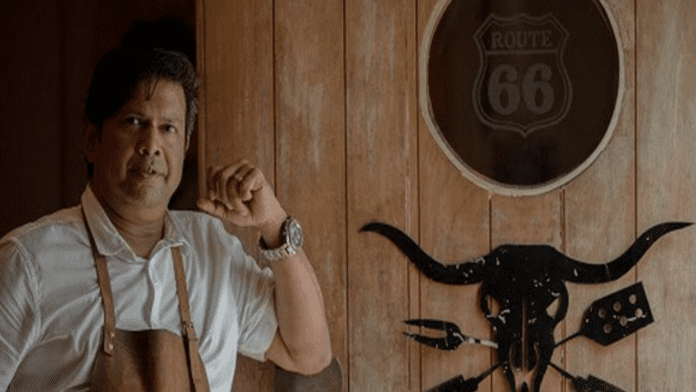
Xavs Norr, Chef and Owner, Route 66 Goa, said, “Bringing the iconic flavors of Route 66 Goa to Mumbai’s doorstep, we’re excited to embark on this new culinary journey as we expand into the cloud kitchen landscape. Our passion for American classics, combined with new age cooking techniques will redefine dining experiences in the city.”
This expansion is in line with the brand’s dedication to providing a contactless gourmet experience that places safety and convenience at the forefront, all while upholding the highest standards of taste and quality.
We use cookies to ensure that we give you the best experience on our website. If you continue to use this site we will assume that you are happy with it.