Wednesday, January 21, 2026
Home Blog Page 911

Aldi takes on Domino’s with launch of new pizza delivery service in the UK

0
Aldi
Aldi

The Aldi supermarket chain is set to introduce its very own pizza delivery service, marking the debut of its Ultimate Takeaway collection, drawing inspiration from the popular flavors found at Domino’s Pizza.

As stated in Aldi’s official press release, the upcoming pizzas will be offered at a significantly lower price point, coming in at just £3.99 each, which is an astonishing 83% less expensive than Domino’s.

Aldi’s new offerings feature three flavors inspired by Domino’s: The Meaty One (524g) resembling Meateor, a delectable blend of sizzling sausages and meatballs; The Banger (462g) akin to Absolute Banger, a flavorful hotdog delight with a spicy twist; and The Texas Style BBQ Chicken & Bacon (502g) drawing inspiration from Texas BBQ, showcasing zesty BBQ sauce, tender chicken, and smoky bacon. Each of these delightful pizzas, consisting of 8 slices, is priced at just £3.99.

Nevertheless, the pizza delivery service has limited availability, exclusively offered on October 3rd between 5 PM and 9 PM. This service is specifically being rolled out in prominent student hubs across the UK, including Manchester, Edinburgh, and Cardiff. In sync with Fresher’s Week, pizza enthusiasts residing in designated postcodes will have the opportunity to pre-schedule their delivery time slot via the dedicated website, with bookings commencing this week.

“With prices of takeaways soaring, we’re excited to be able to offer shoppers delicious pizzas at a fraction of the price of expensive high-street chains. The quality ingredients and affordable price of the Ultimate Takeaway range will no doubt change people’s idea of the supermarket pizza,” Julie Ashfield, Managing Director of Buying at Aldi UK, said.

Advertisement

Burger King India nears exclusive beverage partnership with Coca-Cola, ending decade-long PepsiCo association

0
burgerking
Burger King (Representative Image)

Burger King, India’s second-largest burger chain, is currently engaged in advanced discussions to establish an exclusive beverage partnership with Coca-Cola, signaling the end of its nearly decade-long association with rival PepsiCo, according to sources familiar with the matter.

The executives stated that the formal announcement of the partnership with Coca-Cola is anticipated to be made by the conclusion of the next quarter.

Burger King has maintained its affiliation with PepsiCo since its inception in India in 2014. Upon the finalization of the prospective agreement, both of India’s leading global burger chains, McDonald’s and Burger King, will be in partnership with Coca-Cola.

“Coca-Cola has been escalating its ‘Coke with meals’ platform aggressively and has 15% stake in food delivery platform Thrive, which competes with Swiggy and Zomato, with a base of more than 14,000 restaurants. Such an association directly benefits both restaurants and the beverage maker, and was among the reasons that clinched the deal with Coca-Cola,” one of the executives said.

“Top-rung engagement with PepsiCo was also limited,” another of the executives cited above, said.

At the time of press, emails seeking comments from spokespersons of Coca-Cola, PepsiCo, and the private equity company operating Burger King through Everstone remained unaddressed.

While Burger King has formed partnerships with Coca-Cola in numerous global markets, it has maintained an exclusive affiliation with PepsiCo since its inception in India, diverging from its usual worldwide practice.

KFC and Pizza Hut, both owned by Yum! Brands, operate in India through two franchise partners, Devyani International and Sapphire Foods. They have exclusive agreements to serve PepsiCo’s beverages, even though Burger King is shifting towards Coca-Cola in India.

If finalized, this prospective agreement will grant Coca-Cola immediate access to a network of over 391 Burger King stores and its coffee and beverage sub-brand, BK Cafe, throughout India. In addition to offering soft drinks such as Coke, Thums Up, and Sprite, Coca-Cola also markets Minute Maid juices and Georgia coffee.

Exclusive partnerships like these with prominent food service chains represent critical accounts capable of generating substantial additional sales in both out-of-home and delivery channels.

In April of this year, Coca-Cola India acquired a stake in Thrive, a company owned by Hashtag Loyalty, marking its initial investment in an Indian startup.

Read More: Coca-Cola ventures into startup scene with purchase of minority stake in Thrive, competitor to Swiggy and Zomato

Advertisement

Wok to Walk continues its Indian expansion with a new branch in Delhi’s Safdarjung Area

0
Wok to Walk
Wok to Walk (Representative Image)

Wok to Walk, a globally recognized restaurant chain renowned for its Asian cuisine and distinctive open kitchen design, is further establishing its footprint in India with the inauguration of its newest outlet in the Safdarjung Development Area of New Delhi.

Wok to Walk currently runs five establishments in India, encompassing Noida, Safdarjung Development Area Market in Delhi, Bhartiya City in Bangalore, and a site adjacent to Dal Lake in Srinagar. This diverse array of locations ensures that it can serve a wide range of delectable Asian dishes tailored to suit Indian palates.

Anirudh Agarwal, Managing Director of Wok to Walk India, said “We are thrilled to bring the unique Wok to Walk experience to India and to our newest store in Safdarjung Development Area, New Delhi. Our mission is to redefine fast food by providing our customers with dishes that are not only fast but also fresh, flavorful, and skillfully crafted. With the launch of our newest outlet, we look forward to sharing the joy of transparency, high-quality ingredients, and delicious creations with the food enthusiasts of Delhi.”

The unique high-temperature cooking technique guarantees the rapid stir-frying of noodles, rice, and fresh ingredients right on the spot, ensuring that each dish is skillfully crafted within a matter of minutes.

Signature menu items like the Bali, Hot Asia, Create Your Own Wok, and Spring Rolls deliver an explosion of flavors that tantalize the taste buds.

Furthermore, Wok to Walk provides hassle-free home delivery services through well-known platforms such as Zomato and Swiggy.

Wok to Walk gives customers the opportunity to unleash their creativity by customizing their own dishes or choosing from beloved classics like Pad Thai or Yakisoba.

The restaurant places a significant focus on transparency by featuring an open kitchen layout that offers a complete and unobstructed view of the entire cooking process.

With a price range spanning from INR 149 to 349, Wok to Walk has set its sights on a strategic expansion plan. The company’s goal is to establish a presence in tier 1 cities in India by the conclusion of 2024, followed by a phased expansion into additional cities in the future.

Advertisement

Heineken expands premium portfolio with investment in Ellie Goulding’s Served

0
Served
Served (Representative Image)

Heineken has made an investment in Served, a ready-to-drink brand based in the UK Co-Founded by pop star Ellie Goulding, securing a minority stake.

Announcing a deal for a “significant minority stake” in Served, Heineken has revealed its intention to bolster the brand’s growth and propel it toward a prominent position in the UK ready-to-drink market.

Served offers a dedicated line of hard seltzers tailored for individuals pursuing a “contemporary, health-conscious, and socially active lifestyle.” Their product lineup comprises three distinct flavor options: peach, raspberry, and lime. Crafted from vodka, fruit juice, and sparkling water, each variant boasts an alcohol by volume (ABV) of 4%.

Served was launched in the summer of 2020 by Ellie Goulding and the Ginsberg brothers, Dean and Ryan.

Last year, Served added former Asahi Europe CEO Hector Gorosabel and ex-Lion Little World Beverages MD Matt Tapper to its board as advisors.

They were accompanied by former Sainsbury’s CEO Justin King, who assumed a position on the company’s board in the summer of 2021. Notably, all three individuals have also made investments in Served.

“This is a significant milestone for the business,” Dean Ginsberg said on 18 September. “To date, our focus has been on building a brand that truly resonates with the next generation of drinkers. We are extremely proud of what the team has achieved in a short period of time but our vision has always been to lead the category, and this partnership with Heineken will enable us to accelerate our growth and maximise the potential of the brand.”

Financial terms were not disclosed.

Boudewijn Haarsma, the MD of Heineken’s UK business, said the beer giant had been “interested in expanding our premium portfolio beyond beer and cider, seeking the right opportunity to invest in new growth categories”.

In December, the Amstel owner invested in Toast Ale, a UK brewer that uses surplus bread to make its beer.

Advertisement

Heineken bets big on sustainable brewing with €430M investment in Mexico

0

Heineken Mexico is set to inject €430 million into the construction of a new brewery in Yucatán, with the goal of promoting sustainable brewing methods and nurturing local community development.

The construction is slated for the Kanasín municipality, representing the company’s first-ever brewery in southeastern Mexico.

Heineken has announced that the new brewery will feature cutting-edge technology and is geared towards meeting the rising demand in the southeast region, leveraging the area’s strong road, rail, and port infrastructure.

In alignment with the company’s worldwide sustainability strategy, the brewery will incorporate circular economy principles to facilitate water reuse via advanced treatment systems. Furthermore, the new brewery is designed to minimize waste generation and harness renewable energy sources through state-of-the-art processes, equipment, and technology.

At present, Heineken Mexico has a workforce of more than 18,000 individuals and manages operations spanning seven breweries along with a single malting plant in Mexico.

The Yucatán-based Kanasín brewery is projected to generate over 2,000 direct and indirect employment opportunities. It is slated to begin operations in 2026, producing popular brands like Tecate, Dos Equis, Indio, Bohemia, Amstel Ultra, and Sol.

Guillaume Duverdier, managing director of Heineken Mexico, said, “We take pride in being a part of Mexico’s history and in connecting with our customers and consumers in Yucatán and the southeast, all while safeguarding the environment and the welfare of our people”.

Raquel Buenrostro, Mexico’s Secretary of Economy, characterized Heineken’s investment as an indication of the “confidence and positive economic environment” that Mexico provides for potential investments.

She added, “The Mexican southeast region is experiencing a moment of unparalleled growth, enriched by competitive advantages, such as the development of infrastructure, connectivity and the commitment to fostering well-being through sustainable progress as well as shared prosperity.”

Advertisement

Reliance Retail ventures into beauty and personal care with Tira, targets 100 locations nationwide

0
Tira
Tira

Reliance Retail Ltd. has entered the competitive $27 billion beauty and personal care market in India with the launch of Tira, its omnichannel beauty platform, intensifying the competition in this rapidly expanding sector.

The Tira app and website, offering specialized categories such as makeup, skincare, haircare, fragrance, bathing, wellness, and men’s beauty products, are now accessible to customers, as announced in the company’s statement on Wednesday. In addition to this, India’s leading retailer has inaugurated Tira’s flagship store in Mumbai.

“With Tira, we aim to break down barriers in the beauty space and democratise beauty for consumers across segments,” said Isha Ambani, executive director of Reliance Retail Ventures Ltd., the holding company of Reliance Retail. “Our vision is to be the leading beauty destination for accessible yet aspirational beauty, one that is inclusive, and one that harbours the mission of becoming the most loved beauty retailer in India.”

According to sources requesting anonymity, Reliance Retail intends to expand Tira stores nationwide, aiming for at least 100 locations in the coming months.

This move places Reliance Industries Ltd., with its diverse portfolio spanning grocery, fashion, electronics, footwear, medicines, and home goods, in direct competition with Sephora by LVMH, as well as local competitors like Nykaa (FSN E-Commerce Ventures Ltd.), Myntra Designs Pvt., Shoppers Stop Ltd., and even the Tata Group.

Reliance Retail presently offers beauty and personal care items through its extensive network of department store chains and the JioMart platform. With the specialized platform, the company aims to cater to consumers across various price ranges, offering both affordable lipsticks and premium skincare products.

Tira’s online platform displays interactive videos that allow for shopping, blogs, tutorials, trendsetting tips, personalized recommendations, and a virtual try-on feature.

According to the company, the platform will offer consumers the broadest selection of color cosmetics for virtual try-ons in the convenience of their homes.

“An omnichannel retail concept powered by technology and customised experiences, Tira offers a curated assortment of the best global and homegrown brands, making it the go-to destination for all things beauty,” the company said.

Covering an area of 4,300 square feet, the Tira store located at Jio World Drive in Bandra Kurla Complex has been meticulously crafted by Dalziel and Pow, an innovation studio headquartered in London. This renowned studio has previously crafted design concepts for diverse industries, including well-known names like Marks and Spencer, Etude House, Toyota, and Volkswagen.

As per the company’s statement, Tira is set to become the inaugural specialty beauty retailer in India to introduce the “fragrance finder,” a distinctive feature designed to assist consumers in discovering fragrances that align closely with their preferences.

Companies like Nykaa, Shoppers Stop, and Tata Cliq Palette are also gearing up to extend their physical store presence in order to promote their beauty brands, as offline demand gradually returns to pre-Covid levels.

During the post-earnings call following the December quarter results, Nykaa’s Founder and Chief Executive Officer, Falguni Nayar, announced the company’s intention to expand its store count from the existing 141 to an additional 50 in 2023.

“Even though physical retail accounts for less than 10% of our revenue, there’s opportunity for growth in general trade and modern trade. The demand for beauty is very strong. It is one of the top three categories—along with footwear and sports goods—in malls all over India,” she had said.

According to a report by Avendus Capital, the online personal care and beauty market in the country is expected to reach $4.4 billion by 2025. The report also predicts a significant surge in the number of online beauty and personal care shoppers, with an estimated increase of more than fourfold, from 25 million in FY20 to 110 million in FY25.

Advertisement

FSSAI launches nationwide survey of milk and milk products in 766 districts, report due by December

0
milk
Milk (Representative Image)

According to an official from India’s top food regulatory body, the Food Safety and Standards Authority of India (FSSAI) has initiated a comprehensive nationwide monitoring program for milk and milk products this month. This effort aims to combat the adulteration of these products. The surveillance initiative will remain in effect until October, with the FSSAI planning to present its findings to the health ministry by December, as stated by FSSAI Advisor (Quality Assurance) Satyen K Panda.

“The surveillance survey will cover 766 districts across the country and over 10,000 samples will be collected during the exercise. Two agencies have been engaged for the purpose,” he told PTI.

Panda stated that the survey for FSSAI will be carried out by the Quality Council of India, which operates independently under the Ministry of Commerce and Industry, in collaboration with the National Dairy Development Board.

“The scope for the survey includes milk, khoa, chenna, paneer, ghee, butter, curd, and ice cream. The test parameters are adulterants, normal quality and compositional parameters, contaminants, antibiotic residues and microbiological indicators,” he said.

The study was instigated to evaluate the adherence of milk and milk products available in the country to Food Safety and Standards Regulations, while also pinpointing areas with a heightened risk of adulteration.

Panda mentioned that one of the aims of the survey is to formulate strategies for corrective actions.

He explained that the reason for selecting milk is its essential role in the country’s food culture, whether consumed as a fresh liquid or utilized as a processed dairy product.

“We are hopeful of submitting a report on the findings of the survey to the health ministry by December,” Panda said.

Since 2011, the regulatory authority has carried out a total of five surveys focusing on milk and dairy products.

In 2022, the FSSAI conducted a milk survey in 12 states, encompassing 10 regions where Lumpy Skin Disease (LSD) was widespread.

Additionally, the FSSAI conducted the PAN India Milk Products Survey in 2020 with the objective of gaining a comprehensive understanding of the safety and quality of milk products available in the market during festive seasons.

For the 2020 study, a total of 2,801 milk product samples were gathered from both organized and unorganized sectors, spanning 542 districts across the nation.

These products underwent comprehensive testing for all quality and safety parameters, encompassing assessments for pesticide residues, heavy metals, crop contaminants, and melamine.

Advertisement

Cracking the Code: Understanding the Psychology Behind Consumer Behavior

0
Consumer Behavior

In the ever-evolving landscape of marketing and commerce, understanding consumer behavior is akin to deciphering a complex code. It is a multifaceted puzzle influenced by a myriad of psychological factors. To succeed in the modern marketplace, businesses must go beyond traditional market research and delve deep into the psychology behind consumer choices. This article explores the key elements that make up the psychology of consumer behavior, shedding light on how businesses can crack this intricate code to better connect with their target audience.

1. The Power of Perception

Consumer behavior is deeply intertwined with perception. How consumers perceive a product, brand, or service can significantly impact their buying decisions. Marketers must understand that perception is not an absolute truth but a subjective reality shaped by individual experiences, biases, and cultural influences.

2. The Role of Emotions

Emotions play a pivotal role in consumer decision-making. People tend to make purchases based on how a product or service makes them feel. Positive emotions like happiness, excitement, and trust can drive purchase decisions, while negative emotions like fear, anxiety, or skepticism can deter consumers.

3. The Influence of Social Proof

Consumers often look to others for guidance. The phenomenon known as “social proof” suggests that people are more likely to adopt a behavior or make a purchase if they see others doing the same. This is why testimonials, reviews, and endorsements hold such sway in consumer decision-making.

4. Cognitive Biases and Heuristics

Human brains are wired to use mental shortcuts, known as heuristics, to make decisions efficiently. However, these shortcuts can lead to cognitive biases, such as confirmation bias (favoring information that confirms existing beliefs) and anchoring bias (relying heavily on the first piece of information encountered). Recognizing these biases is crucial for marketers to navigate consumer psychology effectively.

5. The Impact of Scarcity and Urgency

Creating a sense of scarcity or urgency can drive consumer action. Limited-time offers, low-stock notifications, and exclusive access can trigger a fear of missing out (FOMO) and prompt immediate purchasing decisions.

6. The Endowment Effect

The endowment effect suggests that people tend to overvalue items they own, leading to a resistance to parting with possessions. Understanding this psychological bias can help businesses frame their offers and negotiations more effectively.

7. The Quest for Value

Consumers seek value in their purchases. This value goes beyond the price-to-product ratio and encompasses factors like convenience, quality, customer service, and brand reputation. Businesses that offer superior value tend to win customer loyalty.

8. The Importance of Trust

Trust is a cornerstone of consumer behavior. Consumers are more likely to choose a brand or product they trust, even if it comes at a slightly higher cost. Building and maintaining trust requires consistency, transparency, and ethical business practices.

9. The Decision-Making Process

Consumer decision-making typically follows a process: problem recognition, information search, evaluation of alternatives, purchase decision, and post-purchase evaluation. Understanding where your consumers are in this journey allows you to tailor your marketing efforts accordingly.

10. The Personalization Imperative

In the age of data analytics and AI, personalization has become paramount. Consumers expect tailored experiences and recommendations. Leveraging data to provide relevant and personalized content can significantly influence their behavior.

Cracking the code of consumer behavior is a multifaceted endeavor that blends psychology, sociology, and marketing strategy. Successful businesses recognize that understanding the intricate interplay of perception, emotions, biases, and societal influences is crucial for creating effective marketing campaigns and building lasting customer relationships. By embracing the psychology behind consumer behavior, businesses can decode the puzzle and make informed decisions that resonate with their target audience, ultimately driving success and growth.

Advertisement

Navigating the Omni-Channel Maze: Unleashing Seamless Marketing Strategies for Success

0

Omni-channel marketing has developed as a game-changing technique in the dynamic terrain of modern business, as consumers move effortlessly between online and physical channels. This strategy enables organizations to communicate with their customers across several touchpoints, resulting in a consistent and personalized experience. However, navigating the omni-channel maze is no easy task.

Understanding Omni-Channel Marketing

Omni-channel marketing is a strategy that integrates all available marketing channels to create a unified and cohesive customer experience. It recognizes that consumers may interact with a brand through various touchpoints, such as a physical store, website, mobile app, social media, email, or customer service. The goal is to provide a consistent, personalized, and relevant experience at every interaction, regardless of the channel.

The Importance of Omni-Channel Marketing

Today’s consumers expect a seamless experience as they switch between different channels during their buyer’s journey. A disjointed or inconsistent experience can lead to frustration and a lost sale. Omni-channel marketing addresses this challenge by aligning the brand’s message, design, and customer service across all touchpoints.

Strategies for Omni-Channel Success
  • Customer-Centric Approach: Start by understanding your customers’ preferences and behaviors across various channels. Collect data to create customer personas and segment your audience based on their preferences. This information will guide your omni-channel strategy.
  • Consistent Branding: Maintain a cohesive brand identity, including messaging, design elements, and tone of voice, across all channels. This consistency builds brand trust and recognition.
  • Cross-Channel Integration: Ensure seamless integration between channels. For instance, allow customers to start an online purchase and complete it in-store or vice versa. Cross-channel integration extends to customer data, ensuring that insights are shared and leveraged across all touchpoints.
  • Personalization: Leverage customer data to deliver personalized experiences. Use purchase history, browsing behavior, and demographic information to tailor content and recommendations to each individual.
  • Mobile Optimization: With the rise of mobile device usage, optimizing your omni-channel strategy for mobile is crucial. Ensure that your website and apps are mobile-friendly, and consider mobile-specific campaigns.
  • Data Analytics: Implement robust data analytics to track customer interactions and preferences across channels. This data-driven approach allows for continuous optimization of your omni-channel strategy.
  • Seamless Customer Service: Provide consistent and excellent customer service across all touchpoints. Ensure that customers receive the same level of support whether they contact you via social media, email, phone, or in-person.
  • Real-Time Engagement: Use real-time marketing automation tools to engage with customers when they are most active or when they show intent to purchase. This can include cart abandonment emails, targeted ads, or personalized recommendations.
  • Feedback Loops: Create feedback loops to gather customer insights and adapt your strategy accordingly. Encourage customers to provide feedback through surveys, reviews, and social media.
  • Continuous Improvement: Omni-channel marketing is an ongoing process. Continuously analyze data, monitor the effectiveness of your strategies, and adapt to changing customer preferences and market trends.

In a world where consumers seamlessly move between online and offline channels, businesses must master the omni-channel maze to thrive. Omni-channel marketing is not just a strategy; it’s a customer-centric approach that ensures a seamless, personalized, and consistent experience across all touchpoints. By implementing the strategies mentioned above and staying agile in response to evolving customer behaviors, businesses can navigate the omni-channel maze and unlock the potential for sustainable growth and customer loyalty.

Advertisement

Augmented Reality Revolution: Igniting Business Growth Through Immersive Experiences

0
Ar

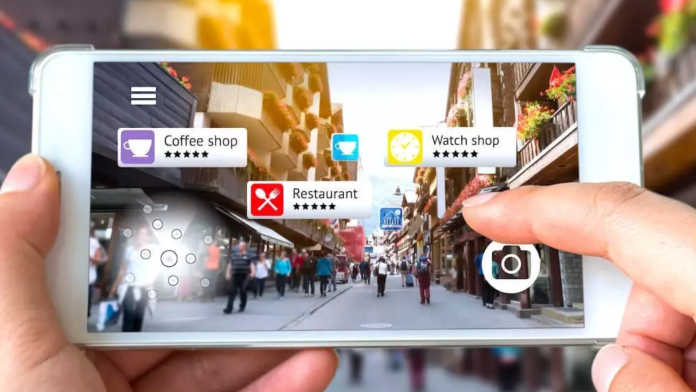
As technology continues to evolve at an unprecedented pace, businesses are constantly seeking innovative ways to captivate consumers and drive growth. Enter augmented reality (AR), a revolutionary technology that blends the virtual world with the real one. AR is transforming the way businesses interact with their audiences, offering immersive experiences that go beyond traditional marketing strategies.

Understanding Augmented Reality

Augmented reality superimposes digital content, such as images, videos, or 3D models, onto the real-world environment, creating a blended experience that users can interact with in real time. Unlike virtual reality (VR), which immerses users entirely in a digital environment, AR enhances the real world with digital elements.

  • Enhanced Customer Engagement

One of the most significant advantages of AR is its ability to boost customer engagement. Businesses can create AR experiences that allow consumers to interact with products or services in novel ways. For example, customers can virtually try on clothing, see how furniture fits in their homes, or explore a destination before booking a trip.

  • Personalized Marketing

AR enables businesses to offer personalized marketing experiences. Through AR apps, marketers can tailor content and offers based on a user’s location, preferences, and behaviors. This level of personalization enhances customer satisfaction and drives sales.

  • Immersive Advertising

AR advertisements are more memorable and engaging than traditional ones. Brands can use AR to create interactive ads that capture viewers’ attention and encourage them to interact with the content. This leads to higher click-through rates and increased brand awareness.

  • Retail Revolution

The retail industry is experiencing a significant transformation with the integration of AR. Virtual try-on experiences, interactive product showcases, and in-store navigation apps are changing the way customers shop. Businesses that embrace AR in retail are not only differentiating themselves but also driving sales growth.

  • Enhanced Product Visualization

AR allows customers to visualize products before purchasing, reducing the uncertainty associated with online shopping. Whether it’s previewing a car’s features, trying out makeup virtually, or seeing how furniture fits in a room, AR empowers consumers to make informed decisions.

  • Training and Education

Businesses are also leveraging AR for employee training and customer education. Interactive AR tutorials and simulations can help employees acquire new skills, while educational AR apps make learning engaging and immersive.

  • Event Marketing and Experiences

Augmented reality is enhancing event marketing and live experiences. AR apps at conferences, concerts, or trade shows can provide attendees with valuable information, interactive maps, and real-time updates, improving the overall event experience.

  • Measurable Analytics

AR campaigns offer measurable data and analytics. Businesses can track user interactions, engagement levels, and conversion rates, enabling them to refine their strategies for optimal results.

Future Opportunities

The potential applications of AR in business are limitless. From healthcare to real estate, manufacturing to entertainment, AR is set to revolutionize various industries. Businesses that embrace this technology early gain a competitive edge and position themselves for future success.

The augmented reality revolution is not just a trend; it’s a fundamental shift in the way businesses engage with customers and drive growth. AR offers immersive and interactive experiences that captivate audiences, enhance brand loyalty, and boost sales. As this technology continues to evolve, businesses that leverage AR are well-positioned to stay ahead in a rapidly changing digital landscape. The era of augmented reality is here, and it’s igniting a new chapter in the story of business growth.

Advertisement