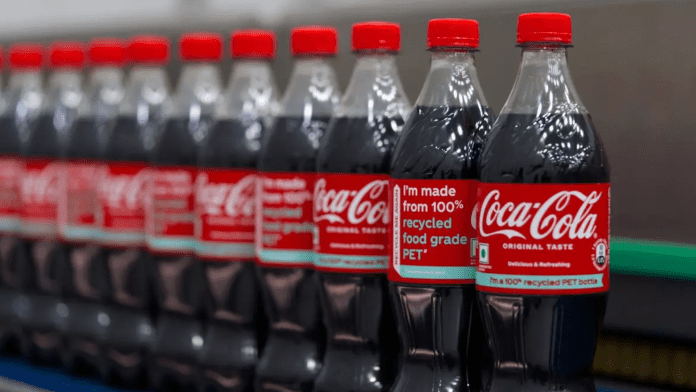
Coca-Cola India, the beverage manufacturer, revealed on Wednesday that it is introducing its Coca-Cola cola brand in rPET bottles, available in 250 ml and 750 ml pack sizes. These bottles are being produced in collaboration with their primary bottling partners. The company emphasized that these bottles are crafted entirely from 100% food-grade rPET, excluding caps and labels, and they aim to raise consumer awareness through this packaging innovation.
Sanjeev Agarwal, chairman of Coca-Cola’s franchise bottling partner Moon Beverages, part of MMG Group, said, “Recycled PET is a big move in the right direction to embrace plastic circularity in India. Our new bottles made with food-grade rPET are recyclable and can become another bottle giving it another life.”
The company, known for producing Sprite and Minute Maid juices, has extended its 100% rPET bottle offering to more than 40 markets. This move brings them closer to their goal of achieving bottles with 50% recycled content by the year 2030.
In a statement, Enrique Ackermann, the Vice President of Technical and Innovation for Coca-Cola India and Southwest Asia, mentioned that the company is actively engaged in boosting the recycled materials used in its packaging, expanding the utilization of refillable bottles, and enhancing the collection of packaging for recycling purposes.
Coca-Cola has announced that consumers have the option to recycle empty PET bottles through conveniently located drop-off points or reverse vending machines (RVMs). This initiative complements an existing “return and recycle” program in partnership with the e-commerce platform Zepto, which primarily focuses on collecting PET bottles directly from consumers.
Ahead of the commencement of its festive season sale, “The Big Billion Days 2023,” Indian e-commerce giant Flipkart unveiled a ChatGPT-driven shopping assistant named “Flippi” on Wednesday.
Furthermore, the company under Walmart’s ownership introduced a video-based browsing feature called ‘Vibes’ as an integral component of its ‘SwipeScreen’ experience. Flipkart users can engage with Flippi by swiping left on the homepage, and, conversely, they can explore products through video mode by swiping right.
According to a statement from Flipkart, the company aims to provide a personalized and streamlined user experience through these new features.
Flippi utilizes generative AI and is designed to assist customers who struggle with decision-making. It will function as an expert advisor, helping these users find the most suitable product to meet their needs. Currently, Flippi is exclusively available in English, but the company has plans to expand its availability to other languages and introduce voice support in the near future, making it accessible to a more diverse user base.
Conversely, Vibes offers buyers a product video experience, recreating the traditional window-shopping experience.
Flipkart emphasized that video engagement plays a pivotal role in facilitating customers’ shopping decisions with greater ease. Through Vibes, the prominent e-commerce platform intends to empower consumers to relish an engaging and enjoyable product discovery experience by viewing a vast collection of short videos.
Amidst the growing interest in generative AI from both companies and users, Flipkart and its competitor Amazon are introducing novel features harnessing this technology for the benefit of their customers and sellers in anticipation of their upcoming festive season sales.
Last month, Flipkart rolled out an AI-powered catalog designer aimed at assisting sellers in crafting compelling product catalogs, while Amazon introduced a suite of generative AI tools designed to help sellers improve their product descriptions, titles, and listing details.
Flipkart’s “The Big Billion Days” is set to kick off on October 8 and will continue through October 15. Meanwhile, Amazon originally announced its “Great Indian Festival” to begin on October 10 but later adjusted the date to align with Flipkart’s schedule.
In the meantime, Meesho’s highly anticipated mega-sale is slated to commence on October 6.
Following an extended “weekend,” restaurant owners seeking to restock their alcohol inventory visited the excise portal. To the surprise of many smaller establishments, there were no brands listed for purchase. It soon became apparent that this issue stemmed from the expiration of wholesale liquor licenses. By the time suppliers temporarily halted sales to renew their licenses, the restaurants that ordered in bulk had already purchased whatever was accessible, anticipating a lengthy renewal process that would result in a shortage of liquor in the city.
Following the withdrawal of the controversial new excise policy, the previous policy was reinstated in March for a six-month period. During this time, the Delhi government was expected to develop a new policy for 2023-24. However, as September came to a close, no new policy had been announced, and the excise department declared that L1, L1F, and L2 wholesale licenses needed to be renewed starting from October 1. Consequently, the wholesale alcohol business came to a standstill.
As a single outlet owner complained, “The government circular and intimation from alcohol brands reached only the big buyers, those that procure liquor in bulk. But small bars like ours, which do not buy in bulk since we do not have storage capacity, were unaware of this and now we are in a quandary.”
A liquor supplier asserted that they had sent a notification to all establishments, regardless of their size, informing them about the need to renew their liquor licenses. They advised restaurants to promptly place their orders, as there would be a disruption in supplies for a minimum of 20 days. This disruption was anticipated because both the supply vendors and the liquor brands were in the process of renewing their registrations with the government.
Navdeep Singh Sethi, the proprietor of Klap and Khi Khi, felt relieved that he had proactively ordered his stocks in advance. This was because the limited brands currently available for ordering did not align with the ones he typically offers at his establishments. He mentioned that despite this challenge, he had prepared a new cocktail menu for his restaurants and assured that the customer experience would remain unaffected.
Numerous bar operators were optimistic that the renewal of licenses and the registration of brands would be finalized in the coming weeks. With October marking the beginning of festive consumption, any delay in the wholesale availability of liquor would have a negative impact on their businesses, particularly affecting small bars. They emphasized that Delhi already faced a disadvantage due to the limited availability of certain globally renowned liquor brands, and such a hiccup would further hinder the prospects of these bars.
Manpreet Singh, who owns Zen restaurant and serves as the treasurer of the National Restaurants’ Association of India, expressed his hope for a transition from the current annual license renewal system to a more streamlined automatic renewal process for existing brands. Another restaurateur added that given the scarcity of many popular brands and high-quality whiskeys and tequilas in the city, the primary desire of businesses was to ensure an uninterrupted supply of their existing brands.
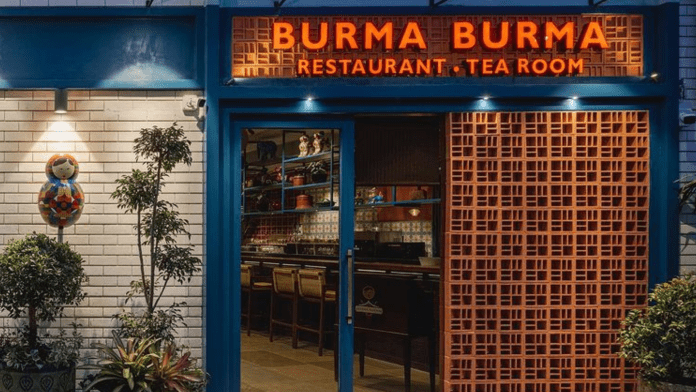
Burma Burma, the Burmese restaurant chain, has ambitious plans to increase its number of outlets to 20 by December 2025. To facilitate this expansion, the Founder of Burma Burma, Ankit Gupta, has revealed that the brand intends to invest INR 40 crore.
Currently, the restaurant chain runs ten outlets and one delivery kitchen across eight different cities.
“We will be opening one outlet each in Mumbai and Bengaluru by February and April, respectively. By December 2024, we will have 14 operational outlets and by December 2025, we will add 6 more,” he elaborated.
The typical Burmese restaurant outlet covers an area of 2,500 sq.ft, and the capital expenditure (CAPEX) required to open one outlet amounts to INR 3.5 crore.
“We will be opening our new outlets in cities like Delhi, Mumbai, and Bengaluru and to aid the expansion plans, we are planning to raise approximately USD5 million in our seed round,” he said.
After being self-funded for its first eight years, the brand secured a pre-seed funding round exceeding USD 2 million in 2022, with Negen Capital taking the lead. Bbigplas Poly Private Ltd, along with other investors, also participated in this funding round.
“We are looking to raise anywhere between 3.5 times our turnover. In the pre-seed round, we diluted roughly around 12 per cent of our equity and in this round, we are looking to dilute a further 12-13 per cent. We will be wrapping up this round by early next year,” he added.
In addition to this, the restaurant chain is also gearing up to venture into the modern trade sector by partnering with Nature’s Basket through Burma Burma Pantry.
“Currently, Burma Burma Pantry, which is a retail unit of the brand, offers 25 SKUs including chips, unique pastes, teas, t-shirts, cups, tea-pots, etc. We offer 12 SKUs under the food category and the rest 13 SKUs come under the non-food category,” he said.
The brand’s products can be found in the restaurant and account for 1.5 percent of the brand’s overall business.
Furthermore, the brand’s food delivery service has experienced a significant increase in demand. During the COVID-19 pandemic, it used to make up 5-6 percent of the total business, but today it constitutes 19-20 percent of the overall business.
“At present, our average order value online is INR 750 and in restaurants, it is INR 1,000,” he stated.
The brand, which achieves a return on investment (ROI) within 18-24 months, concluded the previous fiscal year with INR 56 crore in revenue. It has set a target to reach INR 75 crore in revenue for the current fiscal year.
It is eyeing to become a INR 120 crore brand by the end of FY 24-25.
In the dynamic world of Fast-Moving Consumer Goods (FMCG), efficient warehousing has emerged as a catalyst for growth and success. With the Indian FMCG industry witnessing unprecedented growth, expected to reach $103.7 billion by 2025, the need for modern warehousing solutions has never been more crucial. This thought leadership article delves into the key modern warehousing trends that are driving the growth of the FMCG sector in India.
FSSAI Regulatory Compliances
Food safety and quality are paramount in the FMCG sector, and adherence to Food Safety and Standards Authority of India (FSSAI) regulations is non-negotiable. This requirement has necessitated a transformation in warehousing infrastructure. FSSAI-compliant warehouses with the appropriate licenses are mandatory for storing FMCG products. Achieving compliance involves substantial infrastructure changes, including temperature-controlled storage, sanitation measures, and adherence to strict hygiene standards. Warehousing providers have had to invest significantly in upgrading their facilities to meet these stringent requirements, ensuring the safe storage of perishable goods.
Inventory Management
The FMCG sector deals with a vast array of products, each with different shelf lives, handling requirements, and packaging. Managing countless Stock Keeping Units (SKUs) and batches while maintaining the First-In-First-Out (FIFO) principle can be a logistical nightmare. Modern warehousing solutions have responded to this challenge with robust Warehouse Management Systems (WMS) that offer customizable features to meet the unique needs of each customer. These systems help optimize inventory management, reducing wastage and ensuring product freshness.
Temperature-Sensitive Environment
Temperature-sensitive goods, including perishable food items and pharmaceuticals, require precise storage conditions. Understanding these requirements and creating the necessary infrastructure is paramount. Modern warehouses now feature specialized temperature-controlled zones to accommodate such products. This investment in temperature-controlled storage not only ensures compliance with industry regulations but also extends the shelf life of products, reducing wastage and enhancing product quality.
Quality Control
Food and pharmaceutical storage in India are heavily regulated by government authorities. Maintaining hygiene and stringent quality control measures in warehouses is not just a best practice; it’s a legal requirement. Modern warehousing providers have responded by implementing rigorous quality control procedures, including regular inspections, pest control, and documentation to ensure compliance. This commitment to quality helps build trust with FMCG companies, ensuring the safety and integrity of their products throughout the supply chain.
Seasonality and Peak Management
One of the major challenges faced by the FMCG sector is the seasonality of demand. To optimize storage during non-peak seasons and efficiently manage inventory spikes during peak seasons, proper planning and backup space solutions are essential. For instance, companies primarily focused on skincare products, experience a surge in inventory holding before winter and a decrease during summer. Tailored warehousing solutions that adapt to these fluctuations are vital to maintaining cost-efficiency and customer satisfaction.
Scalability
Scalability is a key consideration for modern warehousing in the FMCG sector. With the unpredictability of demand peaks, 3PLs (Third-Party Logistics providers) must have a scalable plan in place to accommodate rising storage requirements. This scalability ensures that businesses can meet sudden spikes in demand without compromising on storage space, thus enhancing their agility in the market.
High Distribution Costs
FMCG products often move in bulk, making the cost of transportation a significant challenge. Given the limited profit margins in this sector, controlling distribution costs is crucial for profitability. Modern warehousing solutions often incorporate strategies to reduce distribution costs, such as optimizing transportation routes, implementing Just-In-Time (JIT) inventory practices, and leveraging technology to enhance supply chain visibility.
Modern warehousing trends have become indispensable drivers of growth in the FMCG sector in India. From complying with stringent regulatory requirements to managing inventory efficiently, catering to temperature-sensitive products, ensuring quality control, and addressing seasonality challenges, warehouses have evolved to meet the unique needs of this thriving industry. Scalability and cost control strategies further cement the role of modern warehousing in supporting the growth of FMCG businesses. As the FMCG sector continues to expand, staying ahead of these warehousing trends will be essential for companies looking to thrive in this competitive landscape.
(Authored By: Mr. Varun Gada, Director, LP Logiscience- A Liladhar Pasoo Company)
Safdhar Adoor, the Founder and Director of Swiggy SteppinOut, has joined VRO Hospitality, India’s fast-growing F&B fine dining chain, as Co-Founder and Director.
Safdhar is a seasoned entrepreneur with over 10 years of experience in the F&B industry. Safdhar had Co-Founded SteppinOut, one of India’s largest event management companies that offers experiences to people, in 2014, and saw the successful acquisition of it twice in a span of just two years, first in 2020 by Dineout, a division of Times Internet, and again subsequently in 2022 by Swiggy.
For Safdhar, 30, joining VRO Hospitality is like a homecoming of sorts as he had founded the group in 2018 with his two friends Dawn Thomas and Sharath Rice before moving out with SteppinOut in 2020.
Safdhar’s addition will bolster VRO’s leadership at a time when the group is aggressively chasing expansion and growth in newer markets. The Bengaluru-headquartered group has already expanded in newer markets like Mumbai, Kolkata, Goa, Kochi, Hyderabad, Chennai, and Ooty in the last 12-18 months as it prepares to become a pan-India brand. Safdhar will be tasked to increase the entertainment quotient across VRO Hospitality’s brands and craft specially curated events to offer a superlative experience to connoisseurs.
“We are delighted to have Safdhar in the fold at a critical juncture for VRO Hospitality,” said Dawn Thomas, CEO & Co-Founder of VRO Hospitality. “We are in the middle of an aggressive expansion plan across key markets of the country aimed at growth and profitability. Being an integral part of VRO Hospitality, Safdhar’s addition in the leadership will provide us with strategic guidance towards that direction.”
Sharath Rice, Director and Co-Founder, VRO Hospitality added, “We are extremely excited to have Safdhar back in VRO. His role as a key strategic thinker will bolster our growth roadmap as we move into newer markets with our aggressive expansion plan.”
In his new role, Safdhar will be responsible for driving VRO’s growth strategy, as well as overseeing the group’s operations and marketing. He will also play a key role in the development of new brands and concepts for VRO.
“I am extremely excited to be back in VRO Hospitality at a time when the group is looking at an exciting phase ahead,” said Safdhar. “Leading the group’s journey on road to growth and profitability will be an exciting task for me as we explore new markets and newer revenue models.”
VRO Hospitality owns some upscale lounges and restaurants across Bengaluru, Mumbai, Goa, Kochi, Kolkata, Hyderabad, and Ooty. Some of their brands include Badmaash Lounge, Mirage, Plan B, Taki Taki & Cafe Noir. VRO is on an expansion drive nationally and internationally with brands such as Badmaash, Cafe Noir and Taki Taki being the pioneers in pitching the VRO flag in uncharted territories.
With nine brands which include Hangover, Badmaash, Taki Taki, Cafe Noir, Mirage, Nevermind, Plan B, One night in Bangkok, Tycoons & Holy Doh at Bangalore, Ooty, Mumbai, Kochi, Kolkata & Hyderabad summing up to over 40 outlets, VRO has established a diverse range of premium brands. Each brand has been meticulously crafted with a beautiful storyline woven throughout every aspect of the brand, including food, beverages, ambience, events, and other experiences.
In the world of entrepreneurship, success often hinges on a combination of passion, experience, and a keen understanding of market needs. For Rounaq Sodhi and Animesh Mishra, the Co-Founders of Knack, their journey into the realm of beverage innovation is driven by a shared commitment to transforming the way people consume beverages in their daily lives. With decades of collective experience in the beverage industry, they embarked on a mission to create a new-age brand that offers not only great taste but also guilt-free, health-conscious choices for consumers.
Rounaq Sodhi, the Founder of Knack, boasts an impressive 17-year career in the beverage sector, having worked with industry giants like Sab Miller, Carlsberg, and Red Bull. His journey began from the very bottom, working his way up the corporate ladder, gaining invaluable insights into sales, marketing, and key account management. This remarkable journey culminated in his decision to become an entrepreneur, driven by a burning desire to create a beverage brand that addressed the evolving preferences of consumers.
Co-Founder Animesh Mishra, with 15 years of experience in renowned companies such as Pepsico, Bacardi, and Walmart, adds a unique blend of expertise to Knack. His background in microbiology and food technology, combined with his passion for developing innovative food and beverage products, perfectly complements Rounaq’s vision for the brand.
Rounaq Sodhi and Animesh Mishra, the Co-Founders of Knack
The Birth of Knack: A Response to Changing Consumer Behavior
Knack’s inception is rooted in a deeply personal and socially relevant story. The catalyst for the venture was Rounaq’s own family experience. His son’s sensitive throat prompted his family to challenge him to create a beverage that would be safe for children with similar issues. This personal journey, coupled with the changing landscape of consumer preferences, set the stage for Knack’s emergence.
The COVID-19 pandemic further influenced their decision. During the pandemic, herbal concoctions and natural remedies like “kadha” gained popularity for their immune-boosting properties. Rounaq recognized that consumers were becoming increasingly health-conscious, seeking beverages that were both refreshing and nourishing. Inspired by this trend and the success of Indian herbal ingredients in beverages, he took the leap to start Knack.
Knack’s Solution: Quality Beverage for All
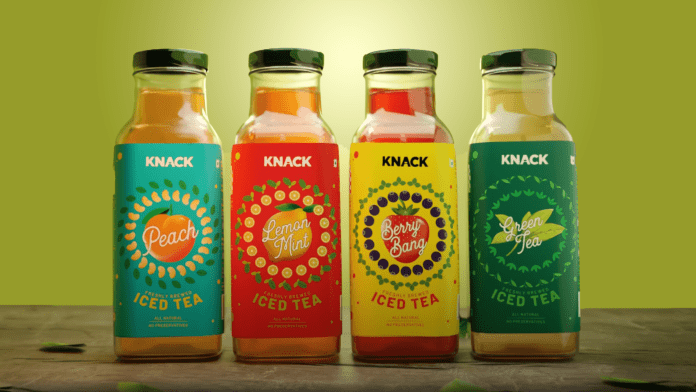
At its core, Knack is driven by a commitment to provide a “Quality Beverage for All.” The brand aims to redefine the beverage market by offering clean-label products that deliver the same great taste as traditional drinks but without preservatives and excess sugar. Their tea and herb-based ingredients not only reduce sugar content but also extend shelf life naturally.
Beverages and desserts, often associated with guilty pleasures, are integral to daily life for many. Knack’s innovative approach focuses on making these indulgences both tasty and healthy. By reducing sugar levels from the standard 12% to a more moderate 8%, Knack’s beverages offer a more balanced and refreshing alternative.
The Evolution of Knack: From Concept to Growing Business
Launched in 2023 with just two passionate individuals and no physical office, Knack has rapidly evolved. Their journey began by sampling products at events and gradually expanding into schools. The positive response led to the activation of their products in various sales channels, including schools, cafes, cloud kitchens, restaurants, direct-to-consumer platforms, and premium retail stores like Nature’s Basket.
Knack’s commitment to innovation is evident in their ongoing research and development efforts. With their next-generation beverage category on the horizon, featuring herbal and floral blends, the brand is poised for further growth. They are also focusing on the hydration sector as part of their expansion strategy.
The Market and Impact of Knack:
Knack envisions serving consumers across all age groups, offering guilt-free beverages that cater to diverse tastes and preferences. With 30-40% less sugar than most popular beverages and natural herbal ingredients, Knack’s products appeal to a wide demographic.
The brand’s omni-channel approach encompasses QSRs, hotels, cafes, modern retail, airports, cinemas, schools, and colleges. Knack’s recent introduction of PET bottles has also opened doors to e-commerce channels.
Overcoming Challenges and Adapting to Change:
Every entrepreneurial journey comes with its set of challenges, and Knack is no exception. One major hurdle faced by the brand is logistical issues related to glass bottle distribution across India. Despite these obstacles, Knack remains committed to overcoming logistical challenges and expanding its reach.
While Knack started its journey post-COVID, the pandemic has left a lasting impact on its approach. It reinforced the importance of providing beverages that consumers can consume without reservations about their health. The pandemic also highlighted the significance of e-commerce and cloud kitchens, which have become integral to Knack’s business strategy.
Additionally, the founders recognize the importance of raising funds for growth, and they plan to do so strategically in the future. As a bootstrapped company, they have learned to navigate challenges and grow according to their business plan.
The Future: Changing Lives One Sip at a Time
Knack’s vision is clear—to improve the quality of life by offering better, guilt-free beverage choices that bring joy and purpose to consumers. Their mission is to craft innovative products that fulfill lifestyle needs while becoming the leading brand in the new-age beverage category.
Rounaq Sodhi’s extensive career in the beverage industry, particularly his experience with Red Bull’s entry into India, has equipped him with the knowledge and confidence to create and grow a new brand successfully. The lessons learned along the way have helped identify gaps in the market and inspire the creation of Knack.
In a world where consumers are increasingly health-conscious and discerning about their choices, Knack’s commitment to quality, natural ingredients, and great taste positions it as a transformative force in the beverage industry. With a bright future ahead, Knack is well on its way to changing the way we all sip, savor, and enjoy our beverages.
In the ever-changing world of the food sector, success frequently depends on more than simply a great product. Consumers nowadays are more connected than ever before, and they want more than simply food – they want an experience. To compete in this competitive climate, food firms must embrace a mobile-centric strategy that not only satisfies appetites but also engages and keeps customers.
The Mobile Revolution in the Food Industry
Mobile devices have become an integral part of our lives, transforming the way we access information, make decisions, and interact with businesses. The food industry is no exception to this trend, as mobile technology has opened up a world of opportunities for food brands to connect with their customers. From mobile apps to social media, food brands can now reach their target audience in real-time, creating a dynamic relationship that extends beyond the dining table.
Enhancing the Customer Experience
One of the key benefits of a mobile-centric strategy is the ability to enhance the customer experience. Mobile apps, for example, allow food brands to offer personalized recommendations, loyalty rewards, and exclusive promotions. By leveraging data analytics, brands can gain insights into customer preferences, enabling them to tailor their offerings to individual tastes. This not only increases customer satisfaction but also fosters brand loyalty.
Additionally, mobile apps enable customers to place orders with ease, whether for dine-in, takeout, or delivery. This convenience factor is crucial in a fast-paced world, where consumers seek efficiency and simplicity in their dining experiences. Brands that prioritize a seamless mobile ordering process are more likely to win the hearts (and stomachs) of customers.
Building a Strong Social Media Presence
In the age of social media, food brands have a unique opportunity to engage with their audience on a personal level. Platforms like Instagram, TikTok, and Facebook provide a visually stimulating canvas for showcasing delicious dishes and connecting with food enthusiasts. Successful food brands leverage these platforms to share behind-the-scenes glimpses of their kitchens, interact with customers through live streams, and even run interactive contests or challenges.
User-generated content is another powerful tool in the mobile-centric strategy. Encouraging customers to share their dining experiences on social media with branded hashtags can create a sense of community and excitement around a food brand. It also serves as authentic social proof, influencing others to try out the brand’s offerings.
Embracing Technology for Sustainability
Sustainability is a growing concern among consumers, and food brands can use mobile technology to showcase their commitment to eco-friendly practices. Mobile apps can include sections dedicated to sharing information about sourcing, packaging, and waste reduction efforts. Brands that prioritize sustainability can connect with like-minded customers and earn their trust and loyalty.
Staying Ahead of the Curve
As technology continues to evolve, it’s crucial for food brands to stay ahead of the curve. Augmented reality (AR) and virtual reality (VR) experiences are emerging as exciting possibilities for engaging customers. Imagine a mobile app that allows customers to virtually explore a restaurant’s menu or even take a virtual tour of the kitchen. These innovations can provide immersive experiences that set a brand apart from the competition.
In the business world, a brand’s image is analogous to its personality—how it presents itself to the world, how consumers perceive it, and, ultimately, how it creates trust. The skill of mastering brand image is a cornerstone of success in today’s competitive market.
A brand’s image is not just a logo or a catchy slogan; it’s the sum of all the interactions and experiences a customer has with that brand. It’s what sets the brand apart in a crowded marketplace and influences consumer choices. Here’s why it matters:
1. Trust and Loyalty
Consumers are more likely to trust and remain loyal to brands with a positive image. Trust is the foundation of long-lasting customer relationships.
2. Differentiation
In a sea of similar products or services, a strong brand image helps a business stand out. It creates a unique identity that resonates with customers.
3. Emotional Connection
A compelling brand image can evoke emotions, fostering a deeper connection with customers. This connection goes beyond rational factors like price or features.
4. Perceived Value
A positive brand image can justify premium pricing. Customers are often willing to pay more for products or services associated with trusted brands.
Techniques for Brand Image Mastery
Creating and maintaining a powerful brand image is an ongoing process. Here are some key techniques to consider:
1. Define Your Brand Persona
Start by defining your brand’s personality. Is it fun and playful, serious and professional, or somewhere in between? Understanding your brand’s persona is essential for shaping its image.
2. Consistency is Key
Consistency in branding is critical. From your logo and color scheme to your messaging and tone, ensure that all brand elements align and convey a cohesive image.
3. Storytelling
Tell your brand’s story in a way that resonates with your audience. Use storytelling to humanize your brand, making it relatable and memorable.
4. Customer-Centricity
Put the customer at the center of your brand image strategy. Understand their needs, values, and aspirations, and tailor your messaging accordingly.
5. Visual Identity
Invest in a visually appealing and distinctive brand identity. Your logo, design elements, and imagery should reflect your brand’s persona and resonate with your target audience.
6. Quality and Consistency
Deliver consistent quality in your products or services. This reinforces a positive brand image and builds trust.
7. Transparency
Transparency builds trust. Be open and honest with your customers, especially when addressing issues or challenges.
8. Community Engagement
Engage with your community and target audience. Participate in events, support causes, and create opportunities for meaningful interactions.
9. Feedback and Adaptation
Regularly gather feedback from customers and adapt your brand image strategy as needed. Stay agile and responsive to changing consumer preferences.
Case in Point: Apple Inc.
Apple Inc. provides an excellent example of brand image mastery. The company’s brand is synonymous with innovation, simplicity, and design excellence. Apple’s sleek product design, minimalist marketing, and commitment to user-friendly technology have shaped a powerful brand image that resonates with consumers worldwide.
Sustainability is more than a phrase in today’s more mindful society; it represents a fundamental shift in consumer expectations and company practises. As businesses negotiate this new terrain, they learn that sustainable storytelling benefits not only the environment but also their financial line.
Consumers are becoming increasingly aware of the environmental and social impacts of their choices. They are seeking brands that align with their values and contribute positively to the world. This shift in consumer consciousness has given rise to sustainable storytelling—a powerful way for brands to connect with their audience on a deeper level.
What Is Sustainable Storytelling?
Sustainable storytelling is more than just marketing; it’s a narrative that weaves sustainability into a brand’s identity and mission. It goes beyond greenwashing and focuses on genuine commitments to environmental and social responsibility. Here’s why it matters:
1. Authenticity
Today’s consumers are discerning. They can spot insincere attempts at green marketing from a mile away. Sustainable storytelling requires authenticity and a genuine commitment to sustainable practices.
2. Emotional Connection
Storytelling has always been about creating emotional connections. Sustainable storytelling leverages this power to evoke emotions like empathy, hope, and inspiration by highlighting a brand’s efforts to make a positive impact.
3. Brand Loyalty
Brands that prioritize sustainability not only attract new customers but also foster brand loyalty. When consumers align with a brand’s values, they are more likely to become repeat customers and brand advocates.
Sustainable Storytelling in Action
Let’s look at some key elements of sustainable storytelling:
1. Transparency
Transparency is the cornerstone of sustainable storytelling. Brands must be open about their sustainability initiatives, from sourcing ethical materials to reducing carbon emissions.
2. Impactful Initiatives
Highlight the tangible ways in which your brand is making a difference. Whether it’s reducing plastic waste, supporting local communities, or championing renewable energy, showcase your impact.
3. Human Stories
Humanize your brand’s sustainability efforts by sharing stories of the people behind the scenes. This might include employees, artisans, or community members who benefit from your initiatives.
4. Visual Content
Visual storytelling is incredibly effective. Use compelling visuals, such as videos and infographics, to illustrate your sustainability journey and its impact.
5. Consumer Involvement
Empower your audience to be part of the sustainability story. Encourage them to take actions like recycling, supporting eco-friendly products, or participating in charitable initiatives.
Benefits of Sustainable Storytelling
The advantages of sustainable storytelling are manifold:
1. Engagement
Sustainable stories resonate with consumers on a personal level, fostering deeper engagement.
2. Trust
Transparency and authenticity build trust with consumers, which is essential for brand credibility.
3. Competitive Edge
Brands that embrace sustainable storytelling gain a competitive edge in a crowded marketplace.
4. Conversion
Engaged and trusting consumers are more likely to convert, whether it’s making a purchase, signing up for a newsletter, or advocating for the brand.
Challenges and Considerations
While sustainable storytelling offers numerous benefits, it’s not without challenges:
1. Consistency
Sustainability is a long-term commitment. Brands must demonstrate consistency in their efforts over time.
2. Accountability
Brands must be prepared for scrutiny. Consumers, especially those passionate about sustainability, may hold brands accountable for their claims.
3. Education
Some consumers may not fully understand sustainability issues. Brands can use storytelling to educate and raise awareness.
Sustainable storytelling is not just a trend; it’s a shift in how brands communicate and connect with their audience. It’s about weaving sustainability into the fabric of a brand’s identity and mission, creating authentic narratives that resonate with conscious consumers. Brands that embrace sustainable storytelling can engage their audiences on a profound level, foster trust and loyalty, and ultimately drive conversions. In the era of sustainability, it’s no longer enough for brands to tell stories; they must tell stories that matter.
We use cookies to ensure that we give you the best experience on our website. If you continue to use this site we will assume that you are happy with it.