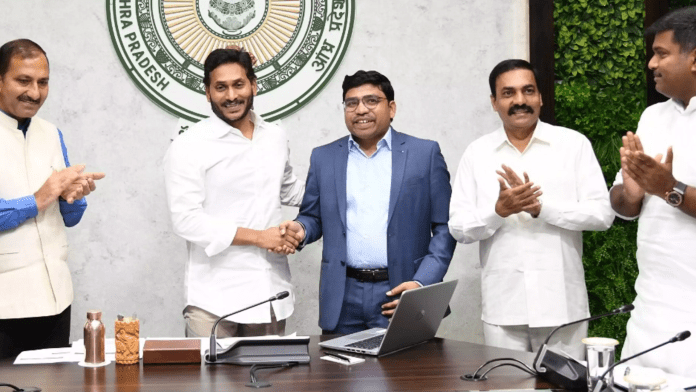
Orill Foods, a renowned manufacturer of fried gram and ready-to-eat chutneys, has announced the inauguration of a new INR 50 crore facility in Padmanabham village near Visakhapatnam, Andhra Pradesh, as revealed in their recent media release.
Andhra Pradesh Chief Minister Jagan Mohan Reddy presided over the inauguration ceremony of the company’s plant.
Sharing thoughts on the inauguration of the plant, Cherukuri Srinivasa Rao, Co-Founder and managing director of Orill Foods, said, “This is a testament to the hard work and dedication of our team, as well as our commitment to contributing to the economic development of Andhra Pradesh. With this new facility, we look forward to continue providing our customers the highest-quality ready-to-eat instant chutney products.”
The UAE food industry has reached out to the Indian government, expressing its interest in importing various products from New Delhi, including chicken, dairy items, basmati rice, frozen marine goods, and wheat products. They highlight a substantial demand for these products in Middle Eastern countries. The UAE industry has specifically requested the Indian government’s assistance in streamlining certification procedures, enhancing coordination with the Agricultural & Processed Food Products Export Development Authority (APEDA), and aligning product standards.
They also said that high quality packaging of Indian products would help boost New Delhi players to increase exports of food and food products in countries like Bahrain, Kuwait, the Sultanate of Oman, Qatar, Saudi Arabia and the United Arab Emirates (UAE).
Commerce and Industry Minister Piyush Goyal, during his recent visit to the UAE, engaged in extensive talks with these importers, exploring avenues to enhance India’s export potential.
“There is huge scope for India to export frozen products in these countries,” Global Food Industries LLC Head of Sales UAE (Frozen and Beverages) Nissar Thalangara said.
A spokesperson from the Khimji Ramdas Group in Oman mentioned that there is a significant demand for Indian basmati rice, and a reduction in the minimum export price (MEP) for this rice would aid India in increasing its exports.
The government is contemplating a reduction in the minimum export price (MEP) from the current USD 1,200 per tonne to USD 850 per tonne.
Another importer from GCC (Gulf Cooperation Council) countries raised the issue of halal certification.
India has a well-established halal meat certification system.
Fauzan Alavi, Executive Director of Allanasons Pvt Ltd, pointed out that the free trade agreement between India and the UAE is playing a pivotal role in fostering the export of meat products.
“We see more opportunities to increase our exports from India to UAE,” Alavi said.
Echoing a similar sentiment, Kirti Meghnani, Head of Retail Procurement at Choithrams, emphasized that an emphasis on product packaging will empower Indian exporters to expand their trade with the UAE and other nations in the Gulf region.
Nitesh Ved, Chairman of Appcorp Holding, proposed that establishing an APEDA office in this region would be beneficial for the food industry.
Another importer from the GCC group mentioned the demand for products from Indian cottage industries. To meet this demand, India needs to address matters related to standards, packaging, and labelling.
The India-UAE trade agreement was implemented in May last year.
The bilateral trade between the nations surged to USD 84.9 billion in 2022-23, up from USD 72.9 billion in 2021-22.
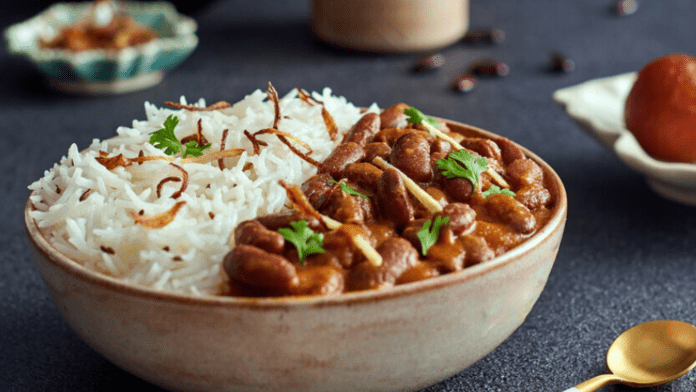
Indian cuisine is renowned for its diverse and vibrant flavors, and this reputation extends far beyond our borders. The global recognition of its excellence speaks to its universal appeal. Within the vast array of Indian dishes that offer comfort, ‘Rajma Chawal’ truly stands out. This dish holds a cherished spot in Indian homes, providing a deeply satisfying experience for the soul. The enticing aroma of red kidney beans simmered in a flavorful onion and tomato-based gravy, accompanied by fluffy steamed rice, creates a delightful harmony of tastes and textures. It’s more than just a meal; it’s a comforting embrace that brings solace and contentment.
In a recent update, Taste Atlas, a renowned global food catalog, has acknowledged Rajma Chawal as one of the finest bean dishes worldwide. Beyond Rajma Chawal, this travel online guide has also included Rajma in its esteemed list. Rajma holds the 18th position, while Rajma Chawal is placed at number 24, both receiving impressive ratings of 4.2 out of 5 for Rajma and a commendable 4.1 out of 5 for Rajma Chawal. These rankings undoubtedly affirm the widespread adoration for Rajma in the culinary world.
The Taste Atlas website has mentioned about Rajma as, “Although closely associated with North India, where it is a staple food, red kidney bean was actually brought to the country from central Mexico and Guatemala, but the Mexican version of the dish is much different than the Indian one. Hearty and nutritious, Rajma remains one of the most loved vegetarian curries in Punjab and North India.”
Curious to know which dish emerged victorious? Greece’s Gingandes Plaki has claimed the coveted number one spot with a stellar rating of 4.6 out of 5. This delectable dish features large white beans simmered in a zesty tomato sauce, generously infused with extra virgin olive oil and a medley of vegetables. It’s also commonly referred to as Greek-style Baked Giant Beans and is an ideal choice for a satisfying dinner.
Coming in at a close second is ‘Khoresh Gheymeh’ from Iran, boasting an impressive rating of 4.5 out of 5. This dish is crafted with yellow split beans.
Securing the third spot is ‘Pasulj,’ a Serbian soup made with white beans, earning a commendable rating of 4.5.
Food delivery giant Swiggy has rolled out Swiggy One Lite, a budget-friendly variant of its subscription service, Swiggy One. This new offering provides users with advantages like complimentary deliveries, exclusive promotions, and discounted rates, all available at an introductory price of INR 99 for three months.
Subscribers to this service will be entitled to 10 complimentary food deliveries for orders exceeding INR 149, along with 10 free Instamart deliveries for orders surpassing INR 199. Additionally, they will enjoy further discounts at all participating restaurants, and a 10% price reduction on Swiggy’s pick-and-drop service, Genie.
The introduction of this new segment within the broader Swiggy One program enables the foodtech giant to enhance its platform’s monetization, a crucial move given Swiggy’s current position trailing behind Zomato in the Indian food delivery market.
In terms of the features included in Swiggy One, the company provides unlimited complimentary deliveries for both food and groceries, along with extra discounts at its partner restaurants. The subscription plan is priced at INR 249 to INR 749 for a three-month duration for the majority of users, with a reduced rate offered to select customers.
In contrast, Zomato’s subscription service, Zomato Gold, provides unlimited food deliveries, prioritized processing of Gold orders, and extra discounts, typically priced at around INR 199 to INR 299 for a three-month period. It’s worth noting, though, that Zomato Gold perks do not apply to the grocery delivery platform Blinkit.
Commenting on the launch of the cheaper version of the plan, Anurag Panganamamula, vice president of revenue and growth at Swiggy, said, “After a successful B2B launch with leading players, we’re excited to introduce Swiggy One Lite on the Swiggy platform as a pocket-friendly alternative designed to bring value to our customers, especially those yet to experience the unparalleled benefits of the Swiggy One program.”
As per Panaganamamula’s findings, 90% of Swiggy One members utilize multiple services. Swiggy is introducing Swiggy One Lite to its user base through collaborations with telecommunications and financial institutions. According to the prominent foodtech company, various brands are offering Swiggy One Lite memberships bundled with their products.
The prominent foodtech company faced significant scrutiny recently when certain users claimed it was imposing excessive charges on their orders.
However, Swiggy said no customer was overcharged and attributed the issue to a technical bug. “We confirm no customers have been overcharged and they have paid the correct amount. This was due to a tech bug, which we have fixed. We continue to deliver thousands of orders every minute to our customers,” a Swiggy spokesperson said.
According to Prosus’ annual report, Swiggy’s losses surged to $545 million in 2022, up from $300 million in 2021. As per Prosus’ data, Swiggy’s total revenue also increased to approximately $900 million in the same year, compared to $600 million in the previous year.
Meanwhile, Swiggy’s financial filings for the fiscal year 2022 revealed a net loss increase to INR 3,628.9 crore, with revenue reaching INR 5,704.9 crore.
ITC is intensifying its commitment to environmentally-friendly logistics by incorporating electric vehicles into its last-mile operations for fast-moving consumer goods (FMCG) products. The company’s goal is to significantly increase the deployment of electric vehicles, aiming to complete more than 75,000 trips in the fiscal year 2024.
Presently, the company’s electric vehicle (EV) initiative is active in major cities throughout the nation, including Delhi, Kolkata, Bangalore, Mumbai, Hyderabad, Pune, Siliguri, and Patna. At the moment, these EVs are facilitating more than 30,000 trips annually, and there is a continuous expansion of this program underway.
The company emphasized the utilization of electric vehicles (EVs) for last-mile deliveries, focusing on smaller-sized vehicles that are well-suited for covering shorter travel distances.
In a statement, B Sumant, Executive Director, ITC Ltd said, “ITC embarked on its sustainability journey a few decades ago and today, we stand at the forefront of the movement to integrate sustainability into every facet of business operations. The introduction of electric vehicles is yet another pivotal step in greening our value chain.”
“Moreover, it serves as a catalyst for promoting planet friendly interventions aimed at transitioning to a net zero economy. As we move ahead, we are committed to scaling up our Green Logistics efforts significantly in line with our bold and ambitious Sustainability 2.0 Vision in order to contribute to a greener and cleaner earth,” he added.
He mentioned that this initiative aligns with the Government’s goals of achieving net zero emissions and follows the Gati Shakti master plan, which advocates for the implementation of eco-friendly logistics practices.
As part of its Sustainability 2.0 agenda, ITC has set a target to satisfy 50 percent of its overall energy demands using renewable sources by the year 2030. Currently, renewables already account for 43 percent of ITC’s total energy requirements.
ITC is working with various EV aggregators and OEMs for its green logistics programmes “The integration of electric vehicles (EVs) into the final leg of the company’s value chain will significantly reduce carbon footprint, while also enhancing cost competitiveness. This shift towards EVs will translate into annual savings on fuel expenditure,” the company added.
The FMCG company expressed that a more supportive environment in the future will result in increased access to electric vehicles, extended range for the EVs, and improved charging infrastructure.
ITC is focusing on optimising the use of logistics across divisions. “The primary objective is to enhance operational efficiency by optimising transportation routes, deploying higher capacity vehicles and transitioning to lower-emission modes of transportation, such as rail, waterways and sea routes,” it added.
The company has strategically located its Integrated Consumer Goods Manufacturing and Logistics (ICML) facilities near the market to serve its FMCG businesses efficiently. This strategic positioning allows for direct deliveries to customers, simplifying logistics and minimizing environmental effects.
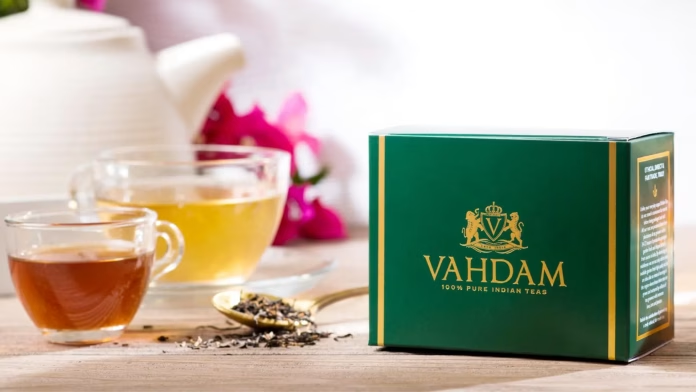
As part of its expansion strategy, Vahdam India, the tea and wellness brand, intends to establish 8-10 experience stores in India and one in an international market within the next two years.
The initiative seeks to enhance the brand’s footprint in the domestic market, where it presently contributes approximately five percent of its overall revenue, as stated by Bala Sarda, Founder and CEO. The company concluded the previous fiscal year with revenues surpassing INR 200 crore.
Sarda emphasized that the brand’s primary focus is on crafting a successful playbook and delivering an exceptional customer experience through its first company-owned and operated experience store in Delhi.
Despite encountering challenges such as a strained bottom line resulting from the global recession and elevated input costs in the prior year, the company maintains an optimistic outlook regarding its growth prospects.
“We were in the negative last year, but I think we are recovering this year. By next year, we should get back to net profitability for the long term,” said the CEO.
Furthermore, it aims to attain an annual growth rate of 30-40 percent in the forthcoming years.
The central thrust of this expansion will be directed toward crucial international markets, encompassing the United States, Canada, the United Kingdom, and Germany. At present, international markets account for over 95 percent of its total revenues. The brand maintains a presence in 6,000 retail locations in the US, over 250 in Canada, and more than 500 in the UK.
Moreover, it plans to strengthen its foothold in current markets and distribution channels, with a specific focus on expanding within the spice category.
Vahdam recently ventured into the spice category, targeting the international market. “This strategic move aligns with the brand’s expertise in crafting blends that often consist mainly of pure spices with minimal tea content, such as chamomile tea.”
The expansion into spices was also driven by customer demand, resulting in the introduction of 25 single-origin spices tailored specifically for the US market,” he added.
In terms of fundraising, Vahdam currently does not have any immediate intentions to secure additional capital. So far, it has successfully garnered over INR 290 crore in funding from investors, including venture capital firms like IIFL AMC, Fireside Ventures, Sixth Sense Ventures, Mumbai Angels, and family offices such as Mankind Pharma. Nevertheless, as per Sarda, the tea brand remains open to the possibility of raising more capital in the future should the need arise.
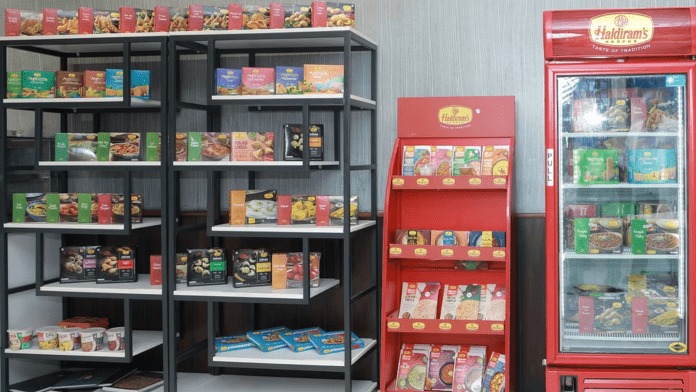
Haldiram’s Nagpur, a renowned brand in the realm of Indian ethnic snack foods, is delighted to unveil the long-awaited introduction of “Minute Khana” in India, a range of frozen and ready-to-eat (RTE) food products that are free from preservatives.
With a shelf life of two years, Minute Khana will soon be accessible in retail stores nationwide and in more than 40 countries spanning five continents, solidifying its status as the most widely available Indian ethnic frozen food range worldwide.
The Minute Khana lineup showcases a selection of India’s most beloved ethnic snacks, sweets, and cuisines. These offerings blend the traditional flavors that Haldiram’s Nagpur is famous for with the convenience and speed demanded by today’s 21st-century lifestyle. This enables consumers to savor the authentic taste of Indian cuisine effortlessly, even when they are on the move, all within a matter of minutes.
Avin Agarwal, Director, Haldiram’s Nagpur, said, “As one of India’s best-known food brands, we have been consciously working towards catering to the evolving food palette of the modern and discerning consumer in India and beyond. We are seeing a rapid growth in consumption of convenience food that is beyond just instant noodles. Minute Khana will offer consumers the widest possible range of ethnic Indian snacks and food ranging from parathas to samosas that are not only flavorful but also extremely safe to consume. With Minute Khana, we have also taken the lead in creating an entirely preservative-free RTE food range that will redefine the way people access and consume Indian food even outside India. Through the unmatched distribution strength of Haldiram’s, we expect to be on the shelves of all major modern retail across India.”
On the USP of the Minute Khana frozen and RTE food range, Agarwal elaborated, “It adheres to the age-old traditions of creating Indian food with recipes that have been passed down from generations. For those who want to enjoy a real Indian meal that is quick and affordable, Minute Khana is a symphony of spices and tastes.”
The Minute Khana frozen food range will be produced at Haldiram’s expansive 400-acre Food Park in Nagpur, boasting a production capacity of 15 million portions per year.
The Indian market for ready-to-eat (RTE) and frozen foods is on the verge of experiencing remarkable growth, driven by the increasing preference for the convenience of frozen food. This growth is further fueled by the rapid expansion of cold chain infrastructure across the nation to meet the rising demand. According to IMARC Group, the Indian frozen foods market reached INR 144.3 billion in 2022 and is projected to reach INR 353.3 billion by 2028, with a compound annual growth rate (CAGR) of 16%.
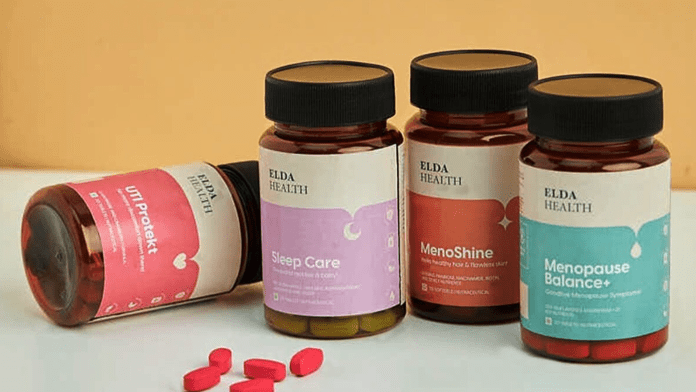
Elda Health has just unveiled an array of thoughtfully curated products tailored specifically for women. This strategic move marks a notable transformation for the company, shifting its focus from a service-oriented organization to becoming a comprehensive, all-encompassing hub for women’s overall wellness.
Elda’s recently introduced product line has undergone meticulous development by a team of experts specializing in menopause, led by Dr. Ameya Kulkarni, Co-founder and Gynecologist, along with Vandita Srivastava, a seasoned professional boasting more than three decades of experience in the Natural Product Industry. Vandita has held key positions at renowned companies including Dabur, Lupin, Indigene, Praj, Omniactive, and QCS. Elda’s product range has been thoughtfully designed to address the challenges of midlife and menopausal symptoms while improving the overall quality of life for women in India.
Menopause, an unavoidable stage in a woman’s life, doesn’t have to be an intimidating ordeal. Yet, as women go through the substantial changes that accompany menopause, they often confront a variety of physical and emotional hurdles. These hurdles include hot flashes, night sweats, mood swings, fatigue, and concerns related to skin and hair health. Elda’s product line is carefully crafted to offer relief and assistance throughout the menopausal journey.
The product lineup consists of Menopause Balance+, SleepCare, MenoShine, and UTI Protekt. Formulated using natural ingredients, these products are specifically designed to empower women to confidently embrace the transformative aspects of menopause with grace.
Ameya Kulkarni-Kanakiya, Co-Founder of Elda Health said, “Elda’s expansion into curated products represents a pivotal milestone in our mission to empower women through every phase of life. We have harnessed the synergy of nature and science to formulate products that offer tangible solutions for women experiencing menopause. Elda’s vision extends beyond symptom alleviation; it revolves around embracing this new life phase with confidence, resilience, and a profound sense of empowerment.”
Elda holds a steadfast belief in the power of nature, placing its trust in carefully chosen, top-tier natural ingredients that prioritize both safety and efficacy. Every product undergoes stringent clinical testing to guarantee both safety and effectiveness, offering consumers a sense of assurance. Acknowledging that each woman’s path through menopause is distinct, Elda’s product range provides customers with the freedom to select products customized to their individual needs and preferences.
Dedicated to improving the quality of life for women in India, Elda aims to redefine menopause, turning it into a period of empowerment and rejuvenation.
Livpure is unveiling a captivating television advertisement featuring the legendary Sachin Tendulkar, who serves as the brand ambassador. In this advertisement, Sachin Tendulkar introduces the groundbreaking Platino Copper Water Purifier. This TV commercial not only emphasizes Livpure’s dedication to providing clean and pure drinking water but also highlights the remarkable environmental benefits of the advanced RO technology integrated into the Platino Copper Water Purifier, which has the potential to conserve up to 20,000 liters of water annually.
Scheduled for its debut on October 1st, perfectly timed with the arrival of the festive season, this advertisement promises cleaner, safer, and more sustainable water solutions for everyone. The Platino Copper Water Purifier boasts an impressive 8-stage filtration system that can purify water from any source, ensuring that superior, drinkable water is readily available in your home. Furthermore, this innovative water purifier offers customizable dispensing options for glasses, bottles, and more, along with an ample 8.5-liter storage capacity and an insect-proof water tank to enhance safety.
Livpure has made a deliberate decision to air the TVC on multiple platforms in order to ensure it reaches a diverse and extensive audience. Audiences can catch the TVC on a range of channels including Hindi News, Hindi Movies, English News, as well as regional channels in Maharashtra, West Bengal, Orissa, and Andhra Pradesh/Telangana. Moreover, the television commercial will also be accessible for streaming on well-known OTT platforms such as Sony Liv, Jio Cinema, and MX Player.
As the festive season rapidly approaches, Livpure is poised for an enthusiastic reception from viewers and a notable surge in sales. The TVC’s compelling message seamlessly resonates with the festive ambiance, rendering it a timely and purposeful selection for consumers who aspire to enhance their lives and safeguard their dear ones.
Rakesh Kaul, Managing Director of Livpure said, “At Livpure, we firmly believe that access to clean and safe drinking water is not just a convenience but a fundamental right for every individual. Our mission has always been twofold: to provide cutting-edge water purification technology that ensures the highest water quality and safety standards and to champion water conservation as a crucial part of our environmental responsibility. Our Platino Copper Water Purifier embodies this commitment through its innovative technology. It’s not just a product; it’s a symbol of our dedication to safeguarding the planet’s most precious resource – water. Our new TV commercial reflects Livpure’s ethos of innovation and sustainability. It’s a visual representation of our pledge to create products that improve lives and minimize our environmental footprint. We hope our message resonates with consumers, especially during this festive season, inspiring them to join us in this important mission. Together, we can make a positive change for our planet, ensuring that clean and safe drinking water remains accessible for generations to come.”
The Platino Copper Water Purifier from Livpure, showcased prominently in this TVC, serves as a testament to the brand’s dedication to innovation, sustainability, and the well-being of its customers. Opting for Livpure means that consumers are not only making a choice for a more eco-friendly future but also guaranteeing that their families have access to the purest and safest drinking water obtainable.
In addition, it’s worth noting that the “India water purifier market size was estimated at $1,041.5 million in 2022. During the forecast period between 2023 and 2029, the India water purifier market size is projected to grow at a CAGR of 17.35 percent, reaching a value of $3,731.63 million by 2029,” as per a report. The market growth is driven by rising awareness about waterborne diseases, growing concerns over water pollution and scarcity, and increasing consumer demand for safe drinking water.
“Around 85% of women experience severe cramps,” Richa Pendake, Founder of Nutrizoe emphasized in her enlightening interview with Snackfax. This statement highlights a common yet often underestimated issue that women face, shedding light on the physical and emotional challenges that are part of their unique journey through various life stages. Women play an indispensable role in nurturing and supporting their families, often prioritizing their loved ones’ needs over their own. Nevertheless, from the delicate years of adolescence to the transformative phase of menopause, a woman’s body undergoes significant changes that demand special attention and care.
Nutrizoe, India’s leading women’s nourishment brand, has embarked on a mission to cater exclusively to the unique nutritional needs of women from puberty to menopause. To accomplish this goal, Nutrizoe has ingeniously crafted a range of nourishment products that stand out in the market. This innovative assortment includes Over-the-Counter (OTC) food items, Nutraceuticals, and Ready-to-Eat (RTE) foods, each carefully designed to combine healthfulness with delectable taste and ultimate convenience.
No longer do women have to endure the bitterness of tablets, the stickiness of syrups, or the unfamiliarity of gels. Nutrizoe’s products come in alluring forms tailored to fit seamlessly into today’s fast-paced lifestyles and cater to the discerning taste buds of millennials. These offerings are as appetizing as they are nutritious, serving as perfect companions for the modern woman on the go.
Nutrizoe’s distinct approach is grounded in its dedication to comprehending the precise hurdles that women encounter at every life stage, starting from the onset of puberty to the transformations ushered in by menopause. Through a thorough examination of these unique challenges, Nutrizoe has meticulously developed a range of tailored solutions, striving to alleviate a woman’s journey and elevate her overall health and happiness.
Puberty: This stage marks significant physical and emotional shifts. Nutrizoe offers precisely tailored products to support healthy growth, hormonal balance, and emotional well-being during this transformative phase.
Adulthood: Women face multifaceted demands as they navigate through adulthood. Nutrizoe provides products that champion women’s health, fertility, and overall vitality, catering to these diverse needs.
Pregnancy and Motherhood: Nutrizoe recognizes and caters to the distinct requirements of pregnant and lactating women, offering nourishing solutions to support both the mother and the developing child.
Menopause: The menopausal phase ushers in its own array of challenges. Nutrizoe addresses symptoms like hot flashes, mood swings, and bone health with specialized nutritional products, aiming to ease this transition.
Nutrizoe’s dedication extends beyond mere product offerings. Their goal is to educate women about their nutritional needs, providing them with the knowledge to make informed choices regarding their well-being.
Richa Pendake, the visionary behind Nutrizoe, embarked on a remarkable journey, transitioning from her 17-year corporate career to entrepreneurship. Her illuminating interview with Snackfax provides profound insights into the brand. Here are selected excerpts from her insightful conversation.
Snackfax: What is the focus of your brand when it comes to women’s health, and how do you address the various stages from puberty to menopause in terms of nutritional needs and wellness care?
Richa: Our brand focuses on a broad spectrum of women’s health, spanning from puberty to menopause. Currently, we don’t offer products for the menopause stage, but we do address the nutritional needs of women during puberty. This includes providing essential nutrients like multivitamins and proteins, which are often challenging for many women to obtain. We also place significant emphasis on pre-pregnancy fertility care and post-pregnancy wellness for new mothers. Each of these categories has been creatively presented in unique and engaging formats.
Snackfax: What factors influence the pricing of Nutrizoe’s products, and how does the course duration impact their cost?
Richa: When discussing pricing, it primarily hinges on both the product format and the duration required. Currently, we offer products like Lactobites, which may initially come across as premium. However, I want to emphasize that when you consider the need for lactation solutions over an extended period of 8 to 9 months and compare the cost to traditional dairy options, the difference is significantly higher.
Furthermore, there are instances where individuals continue with dairy products for an extended period without experiencing desired results, leading to frustration. In contrast, our solution not only delivers effectiveness but is also clinically validated by medical professionals, providing proven results within a shorter duration of just 20-28 days.
Snackfax: How does Nutrizoe’s natural solution impact the overall market dynamics, including consumer choices and pricing strategies?
Richa: Concerning the market, a substantial volume of orders comes from Tier 2 and Tier 3 cities, where powdered milk or formula is commonly preferred. However, Nutrizoe provides a natural solution, altering their cost perspective significantly.
We use cookies to ensure that we give you the best experience on our website. If you continue to use this site we will assume that you are happy with it.