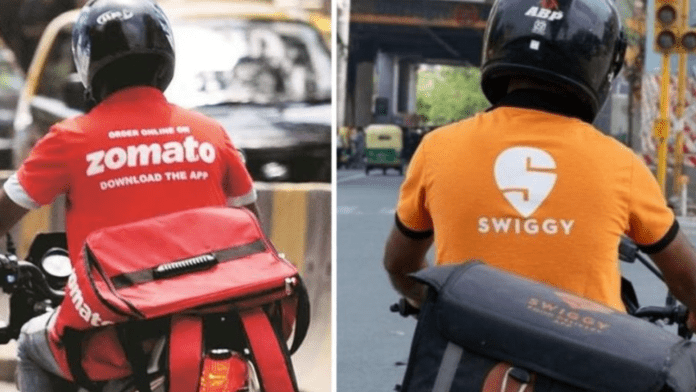
Swiggy, the online food delivery platform, announced on Tuesday that it has facilitated the distribution of over INR 450 crore to over 8,000 restaurants through its financing program since 2017.
This program assists restaurants in obtaining financial products like term loans and credit lines from various lending firms, including Indifi, Incred, PayU, IIFL, and FT Cash.
Out of the 8,000 restaurants that have utilized these services, 3,000 obtained loans in the year 2022.
“The NBFCs (non-banking finance companies) will soon facilitate more solutions like pre-approved loans to enable our partners to gain easier and quicker access to capital, driving even more growth for their businesses,” said Swapnil Bajpai, vice president – supply at Swiggy.
Swiggy has been engaged in a fierce competition with its publicly traded rival, Zomato, to capture a larger share of the food delivery market. Brokerage reports suggest that Swiggy’s market share hovers around 45%, providing Zomato with a competitive advantage over its Bengaluru-based counterpart. Additionally, both companies compete in the fast-commerce sector, with Swiggy’s Instamart and Zomato-owned Blinkit vying for dominance.
Swiggy is actively considering a public listing, and reports from late August indicated that the company had initiated discussions with financial institutions to evaluate its valuation. This move is in preparation for an anticipated initial public offering (IPO) in 2024. The company had temporarily suspended its IPO plans for several months due to market uncertainties.
As of August 28, the U.S.-based asset management firm Baron Capital Group increased its valuation of Swiggy by 34% to reach $8.54 billion.
On June 27, Prosus, the largest shareholder of Swiggy, reported that its portion of Swiggy’s losses had surged to $180 million in fiscal year 2023 (FY23), up from $100 million in FY22. This resulted in an overall loss of approximately $540 million for Swiggy for the fiscal year.
Cash-strapped hyperlocal delivery startup Dunzo has allegedly postponed the disbursement of overdue salaries to its employees for an additional four months.
According to Moneycontrol, Dunzo communicated through an internal email to its workforce that it plans to settle any outstanding payments, including salaries for June and July, during the period of January-February 2024.
Former employees who parted ways with the company recently will also be receiving their full and final payments in January or February of the upcoming year.
Dunzo has a history of extending the deadline for pending salary payments, and this recent extension is not the first. Initially, the company was set to disburse a portion of the June salaries to its employees by July 20, but this deadline was later pushed to early September. Subsequently, the company extended the deadline once more, this time to the first week of October.
Despite the recent four-month delay in salary payments, Dunzo maintains its commitment to provide an annual interest rate of 12% on the service period.
An email inquiry sent to Dunzo inquiring about confirmation of this development remained unanswered at the time this story was published.
“We are working towards ensuring all pending salaries are paid at the earliest. However, we regret to inform you that given the present business situation, the revised timelines by which we will clear pending dues, including salaries for the months of June and July, if any, in January – February 2024,” as per Dunzo’s email to its former employees.
“Additionally, all other remaining payments, which include August/September salary for days served will be paid out by January-February 2024 as part of your F&F,” the email said.
It’s worth highlighting that the salary payment delay coincides with Dunzo’s significant management reshuffling amidst a challenging financial situation. Two of its Co-Founders, Dalvir Suri and Mukund Jha, are leaving the startup.
Additionally, several board members of Dunzo have recently resigned. Among them are Vaidhehi Ravindran from Lightrock, as well as Rajendra Kamath and Ashwin Khasgiwala from Reliance Retail.
Dunzo is currently facing legal notices from a minimum of seven companies, including Google, Facebook, Nilenso, Clover Ventures, among others, regarding unpaid dues.
Amidst the escalating challenges, Dunzo had been seeking to secure $100 million in its Series G funding round from its current investors, such as Lightbox and Lightrock. Nevertheless, a disagreement regarding the company’s valuation has put a halt to these fundraising efforts.
Dunzo’s net loss surged to INR 464 crore in the fiscal year 2022, marking a twofold increase.
In the midst of the ongoing crisis, the Bengaluru-based startup has let go of approximately 400 employees since the previous year. Just last month, Dunzo’s CEO, Kabeer Biswas, also cautioned the company’s employees about the potential for additional layoffs.
Zomato’s stock surged by as much as 4.3% during intraday trading on the BSE on Tuesday, October 3rd, reaching a fresh 52-week high of INR 105.9.
The increase occurred in the initial trading session following Zomato’s announcement of the liquidation of its wholly-owned subsidiary, Zomato Chile SpA (“ZM Chile”), after market hours on September 30th.
Zomato, which has recently shuttered several of its international subsidiaries, stated that the closure of ZM Chile will not affect its turnover or revenue.
Zomato’s stock has been on a bullish streak since April of this year, driven by its aggressive efforts to attain profitability, which it successfully achieved in the first quarter of fiscal year 2024. As of now, the stock has surged by 77.4% year-to-date (YTD).
Zomato’s shares have experienced a remarkable growth of more than 100% in the past half-year.
After a steep decline of nearly 65% from its 2022 listing price, the stock is currently trading only 8% below its initial listing price of INR 115.
After reaching a level last observed at the end of January 2022, the shares closed yesterday’s trading session with a 3.7% increase, ending at INR 105.3 on the BSE.
Zomato has been testing various new features on its platform as part of its efforts to boost its revenue. According to Kotak Institutional Equities, the foodtech company’s introduction of a platform fee, ranging from INR 2 to INR 3 per food delivery order in some cases, is expected to raise its customer take rate and contribution margin.
Meanwhile, Bernstein, in its recent analysis, noted that Zomato is “raising the profitability bar” and envisions long-term, high-teen growth in food delivery as contribution margins continue to improve.
In yesterday’s trading session, several other modern tech stocks also posted gains amid the broader consolidation within the domestic equity market. CarTrade Technologies and MapmyIndia both saw significant increases, surging by more than 6% each, while Paytm recorded a roughly 2% uptick, and EaseMyTrip advanced by 3.7%.
During yesterday’s trading session, the Nifty 50 index fell by 0.56% to 19,528.75, and the Sensex declined by 0.48% to 65,512.1.
Pune-based healthy snacks brand True Elements witnessed a 37% surge in its net loss for the financial year ending on March 31, 2023. During FY23, the startup reported a net loss of INR 18.6 Cr, marking a 1.3X increase compared to the INR 13.6 Cr loss incurred in the previous fiscal year. This substantial rise in losses was primarily driven by a significant uptick in expenses.
Despite observing a growth in operating revenue during FY23, the D2C startup faced a situation where the increase in expenses exceeded the expansion in sales.
In the examined fiscal year, the startup disclosed an operating revenue of INR 57.3 Cr, marking a notable 25.2% rise from the INR 45.8 Cr recorded in the preceding financial year. True Elements generates its revenue by selling products through both online platforms and offline retail outlets.
Taking into account other sources of income, the overall revenue experienced a substantial 31% increase, reaching INR 60.8 Cr in FY23 compared to INR 46.5 Cr in the preceding fiscal year.
Meanwhile, the total expenditure in FY23 saw a significant uptick, soaring over 44% to INR 84.2 Cr from INR 58.4 Cr in the previous fiscal year. The most substantial contributor to the startup’s expenses, at 43%, was the procurement cost. Notably, the cost of materials consumed also surged by over 43%, climbing from INR 25.5 Cr in the previous year to INR 36.5 Cr in FY23.
In FY23, the startup allocated INR 14.4 Cr toward employee benefit expenses, reflecting a notable 36% rise compared to the INR 10.6 Cr spent in the previous fiscal year. Employee benefit expenses encompass employee salaries, PF contributions, gratuities, and other employee-related benefits. According to LinkedIn, the startup currently employs a workforce of 89 individuals.
The most significant surge in expenses for the startup was observed in advertising, with costs soaring by 95% to INR 15 Cr in FY23, compared to INR 7.7 Cr in the previous year.
In terms of unit economics, True Elements expended INR 1.4 to generate each rupee from its operations during the reviewed year. Unfortunately, its EBITDA margin worsened, declining to -32.3% in FY23 from -16.48% in FY22.
In May last year, FMCG giant Marico made a strategic move by acquiring a 54% stake in the startup, the details of which were not disclosed. This substantial equity position was obtained through a combination of primary infusion and secondary buyout. As part of the arrangement, the existing leadership team of True Elements was to maintain its independent management of the brand.
Established in 2013 by Puru Gupta and Sreejith Moolayil, True Elements specializes in providing packaged nutritious breakfast items such as oats, muesli, flakes, and granola. Additionally, the startup offers a range of healthy snacks.
In the Indian market, True Elements faces competition from well-funded international titans like Kelloggs and Quaker, along with emerging startups such as The Whole Truth, Slurrp Farm, and Wingreens Farms.
It’s worth mentioning that Beardo, another direct-to-consumer (D2C) startup under Marico’s ownership, shifted from profitability in FY22 with a profit of INR 70 lakh to a loss of INR 6.1 crore in FY23. During the same period, its operating revenue showed a modest growth of just 12.4%, reaching INR 106.6 crore.
Personalization has become the holy grail in the fast-paced world of marketing, where customers are inundated with information from all directions. Personalization, however, is not created equal. Enter predictive personalisation, a game-changing strategy that predicts client demands before they ever realize they have them.
Personalization is more than just addressing a customer by their first name in an email. It’s about tailoring marketing efforts to individual preferences, behaviors, and needs. Personalization has been proven to boost engagement, increase conversion rates, and foster customer loyalty.
While traditional personalization relies on historical data and known preferences, predictive personalization takes things a step further by using advanced analytics and artificial intelligence (AI) to forecast what a customer is likely to want or do next. Here’s how it works:
1. Data-Driven Insights
Predictive personalization starts with data—lots of it. By analyzing a customer’s past behavior, purchase history, demographics, and even real-time interactions, predictive algorithms can generate insights into their preferences and intent.
2. Machine Learning Algorithms
Machine learning algorithms, a subset of AI, play a crucial role. These algorithms continuously learn and adapt as they process more data. They can identify patterns, correlations, and trends that humans might miss.
3. Real-Time Decision Making
Predictive personalization isn’t a static process. It operates in real-time, allowing marketers to respond to customer actions as they happen. For example, an e-commerce website might recommend products based on a customer’s browsing behavior during their current session.
4. Content and Product Recommendations
One of the most visible applications of predictive personalization is in content and product recommendations. Streaming services like Netflix and e-commerce giants like Amazon use predictive algorithms to suggest movies, shows, or products that users are likely to enjoy.
5. Email Marketing
Predictive personalization is revolutionizing email marketing. Marketers can send highly targeted and timely emails based on a subscriber’s behavior, increasing the chances of conversion.
6. Dynamic Website Content
Websites can dynamically adjust their content to match a visitor’s interests. For example, an online news site might rearrange its homepage based on the reader’s past article preferences.
Benefits of Predictive Personalization
Predictive personalization offers several advantages:
1. Enhanced Customer Experience
Customers receive content, recommendations, and offers that align with their preferences, making for a more satisfying and relevant experience.
2. Increased Conversions
By showing customers what they’re most likely to be interested in, predictive personalization can significantly boost conversion rates.
3. Improved Retention
Customers are more likely to stay engaged with a brand that consistently delivers what they want, leading to increased loyalty and retention.
4. Greater Efficiency
Marketers can allocate resources more efficiently by targeting efforts where they’re most likely to yield results.
5. Competitive Advantage
Brands that excel at predictive personalization gain a competitive edge by delivering superior customer experiences.
Challenges and Considerations
While predictive personalization is powerful, it’s not without challenges:
1. Data Privacy
Collecting and analyzing customer data raises privacy concerns. Brands must handle data responsibly and comply with regulations like GDPR.
2. Data Quality
Predictive algorithms are only as good as the data they’re trained on. Brands must ensure data accuracy and cleanliness.
3. Ethical Use
There’s a fine line between helpful recommendations and invasive personalization. Brands must respect customer boundaries.
Predictive personalization represents a seismic shift in marketing. By harnessing the power of AI and big data, businesses can deliver tailored experiences that not only meet but exceed customer expectations. As predictive algorithms become more sophisticated, the possibilities are limitless. However, with great power comes great responsibility. Brands must use predictive personalization ethically, respecting privacy and consent while providing genuine value to customers. In this era of data-driven marketing, predictive personalization is the future, and it’s here to stay.
In the ever-changing environment of digital transformation, one technology has emerged as a game-changer, promising to reshape how organizations function and interact with customers: augmented reality (AR). Aside from its link with gaming and entertainment, augmented reality (AR) is making substantial inroads into a variety of industries, providing unique prospects for corporate advancement.
Augmented reality, often mentioned alongside its cousin virtual reality (VR), distinguishes itself by blending the real world with digital elements. While VR immerses users in a completely virtual environment, AR enhances the real world by overlaying digital information, objects, or experiences. Here’s why AR is redefining digital transformation:
1. Enhanced Customer Experiences
AR is revolutionizing customer experiences. Businesses can use AR to create interactive product catalogs, allowing customers to visualize and personalize products before purchase. For instance, furniture retailers use AR apps to let customers virtually place furniture in their homes to see how it fits.
2. Training and Education
Incorporating AR into training and education programs is a growing trend. Industries like healthcare and aviation use AR simulations to train professionals in a safe and immersive environment. It reduces training time and minimizes risks.
3. Remote Assistance
AR-powered remote assistance applications enable experts to provide real-time guidance to field technicians or customers. This is invaluable in industries like manufacturing and maintenance.
4. Data Visualization
AR can transform complex data into interactive 3D visualizations. It helps businesses gain deeper insights, make informed decisions, and identify patterns and trends.
5. Marketing and Advertising
AR opens up creative marketing possibilities. Brands can engage customers with interactive AR campaigns, from virtual try-on experiences to location-based promotions.
6. Navigation and Wayfinding
Apps like Google Maps are incorporating AR to enhance navigation. AR overlays directions onto the real-world view, simplifying the process of finding destinations.
7. Product Design and Prototyping
AR accelerates product development by enabling designers to create and test prototypes in a virtual environment. It streamlines the design process and reduces costs.
8. Telemedicine
AR is revolutionizing telemedicine. Doctors can use AR glasses to access patient data and provide remote consultations while seeing the patient’s perspective.
Harnessing AR for Business Expansion
To leverage AR effectively for business expansion, organizations must take deliberate steps:
1. Define Objectives
Start by identifying clear objectives for integrating AR into your business. Whether it’s improving customer engagement, enhancing employee training, or streamlining operations, a well-defined goal is essential.
2. Choose the Right AR Solution
Select AR solutions that align with your objectives and industry. Custom AR apps or off-the-shelf solutions are available, depending on your needs and budget.
3. User-Centric Design
Prioritize user experience. AR applications should be intuitive, easy to use, and add genuine value to users.
4. Scalability
Consider the scalability of your AR implementation. Ensure that it can grow with your business needs.
5. Data Security
AR often involves sensitive data. Implement robust data security measures to protect both customer and business data.
6. User Training
For internal AR use cases, provide adequate training to employees to maximize adoption and proficiency.
7. Continuous Improvement
AR technology is evolving rapidly. Stay updated with the latest advancements to ensure your business remains at the forefront of innovation.
Augmented reality is not just a buzzword; it’s a transformative technology with the potential to reshape industries and drive business expansion. Embracing AR requires a strategic approach, a clear understanding of objectives, and a commitment to delivering exceptional user experiences. As AR continues to mature and become more accessible, businesses that harness its power will gain a competitive edge and lead the charge in the digital transformation journey. In this redefined era of digital transformation, AR is proving to be a compelling narrative that businesses can’t afford to ignore.
Video content has emerged as the reigning champion in the fast-paced world of digital marketing. It’s no secret that video is preferred by today’s audiences above other types of information. Creating intriguing video tales, on the other hand, is an art that not every company has perfected.
The digital landscape has witnessed a seismic shift towards video. Whether it’s short-form content on platforms like TikTok and Instagram Reels or long-form documentaries on YouTube and streaming services, video rules the roost. Here’s why:
1. Visual Engagement
Humans are visual creatures. Video engages multiple senses simultaneously—sight and sound—which makes it inherently captivating. It can convey emotions, stories, and information in a way that text or static images often cannot.
2. Shareability
Compelling videos are highly shareable. They have the potential to go viral, spreading your brand message far and wide. Virality can catapult your brand into the limelight and significantly expand your reach.
3. Authentic Connection
Video allows you to connect with your audience on a personal level. It humanizes your brand, showcasing the faces and voices behind it. Authenticity fosters trust and builds lasting relationships.
4. Versatility
From product demonstrations and behind-the-scenes glimpses to customer testimonials and brand stories, video can serve a multitude of purposes. It’s versatile enough to fit into various stages of the buyer’s journey.
Crafting Compelling Video Chronicles
Creating effective video content isn’t just about hitting the record button. It’s about telling a story that resonates with your audience. Here are some key considerations:
1. Know Your Audience
Understanding your target audience is paramount. What are their pain points, interests, and aspirations? Tailor your video content to speak directly to their needs.
2. Define Your Narrative
Every video should have a clear narrative arc. What’s the story you’re trying to tell? Whether it’s a customer success story, a brand origin tale, or a product showcase, establish a compelling narrative structure.
3. Embrace Visual Storytelling
Visual storytelling goes beyond words—it’s about showing, not just telling. Use powerful visuals, evocative imagery, and well-composed shots to enhance your story’s impact.
4. Focus on Emotion
Emotion is the linchpin of compelling storytelling. Create an emotional connection with your audience. Whether it’s through humor, empathy, inspiration, or excitement, evoke feelings that resonate.
5. Keep It Concise
In the era of short attention spans, brevity is key. Get to the point and maintain a brisk pace. Attention-grabbing openings are crucial to prevent viewers from scrolling past.
6. Quality Matters
Invest in high-quality production. While you don’t need a Hollywood budget, crisp audio, clear visuals, and professional editing can make a significant difference.
7. Call to Action
Every video should have a clear call to action (CTA). Whether it’s encouraging viewers to visit your website, subscribe to your channel, or make a purchase, guide them on their next steps.
8. Analyze and Adapt
Don’t forget the importance of analytics. Monitor how your videos perform, gather audience feedback, and use these insights to refine your future video narratives.
Video chronicles are not just marketing assets; they are storytelling devices that can breathe life into your brand. They have the power to entertain, educate, inspire, and ultimately drive customer action. By understanding your audience, crafting compelling narratives, and embracing the visual and emotional aspects of storytelling, you can harness the full potential of video content to fuel your brand’s ascent. Remember, in the world of video, it’s not about just conveying information—it’s about creating experiences and forging connections that leave a lasting impact.
The art of content distribution on social media has become a game-changer for companies in the ever-expanding digital environment, where attention spans are short and competition for eyeballs is severe. It is no longer enough to create amazing content; you must also ensure that your target audience sees and interacts with it.
Social media platforms are a double-edged sword. They offer a vast audience, but they’re also flooded with content. To stand out, brands need a well-executed distribution strategy. Here’s how to do it:
1. Know Your Audience
Effective content distribution begins with a deep understanding of your audience. Who are they? What are their interests, pain points, and online behavior? Create audience personas to guide your content strategy.
2. Choose the Right Platforms
Not all social media platforms are created equal. Each has its own demographic and user behavior. Focus your efforts on platforms where your target audience is most active.
3. Timing Matters
Posting at the right times can significantly impact engagement. Analyze your audience’s activity patterns to determine the best times to share content. Tools like social media scheduling platforms can help with this.
4. Craft Compelling Headlines
A catchy headline is your content’s first impression. It should be attention-grabbing, concise, and offer a clear benefit or solution to the reader. Experiment with different headline styles to see what resonates.
5. Visual Appeal
Images and videos are more likely to catch the eye in a sea of text. Invest in high-quality visuals that align with your brand and messaging. Use infographics, GIFs, and eye-catching graphics to stand out.
6. Engage with Your Audience
Social media is a two-way street. Respond to comments, answer questions, and engage in conversations with your audience. This not only fosters a sense of community but also boosts your content’s visibility.
7. Leverage Hashtags
Hashtags can expand your content’s reach beyond your immediate followers. Research relevant and trending hashtags in your niche and incorporate them into your posts.
8. Collaborate and Cross-Promote
Collaboration with influencers or complementary brands can extend your content’s reach. Cross-promotion can introduce your content to a new, relevant audience.
9. Paid Advertising
Consider allocating a portion of your budget to paid social media advertising. Platforms like Facebook and Instagram offer robust targeting options to ensure your content reaches the right people.
10. Analyze and Iterate
Regularly analyze your content’s performance. Identify which types of content, posting times, and platforms yield the best results. Use these insights to refine your strategy continually.
In the digital age, content distribution is as important as content creation. Brands that master the art of getting their content noticed on social media gain a competitive edge. It’s about understanding your audience, choosing the right platforms, timing your posts, crafting compelling visuals and headlines, engaging with your audience, using hashtags strategically, collaborating, considering paid advertising, and always learning from your data. By implementing these strategies, brands can effectively break through the noise, connect with their audience, and drive meaningful engagement in an increasingly crowded digital landscape. Remember, it’s not just about being on social media; it’s about making a meaningful impact in the social media conversation.
In a world inundated with marketing messages, a brand’s image is its silent ambassador. Crafting a cohesive brand image that resonates with audiences is no longer an option; it’s a strategic necessity.
A brand’s image is not merely a logo or color scheme—it’s the sum total of perceptions, emotions, and associations that people have with that brand. It’s how your audience perceives your business, products, and services. Here’s how to build and maintain a cohesive brand image:
1. Define Your Brand Identity
The first step in crafting a cohesive brand image is defining your brand identity. This includes your mission, vision, values, and personality. What does your brand stand for, and what does it promise to deliver? Understanding this is crucial for consistency.
2. Know Your Audience
Your brand image must resonate with your target audience. To do this, you need to deeply understand their needs, preferences, and pain points. Conduct market research and customer surveys to gain insights into what makes your audience tick.
3. Design Your Visual Elements
Visual elements like logos, color schemes, typography, and imagery play a significant role in brand image. These elements should reflect your brand’s personality and values. Consistency in design is essential to create a recognizable visual identity.
4. Develop Your Brand Voice
Your brand’s tone and messaging should be consistent across all communication channels. Whether it’s the content on your website, social media posts, or customer service interactions, maintaining a consistent brand voice is crucial.
5. Content Is King
Content is a powerful tool for shaping brand image. Share content that aligns with your brand values and resonates with your audience. This can include blog posts, videos, social media updates, and more.
6. Create Memorable Experiences
Positive customer experiences are a cornerstone of brand image. Deliver on your brand promise consistently to create memorable interactions with your audience.
7. Monitor and Adapt
Brand image isn’t static; it evolves over time. Regularly monitor feedback, customer sentiment, and market trends. Be willing to adapt your brand image if necessary, but do so thoughtfully to maintain consistency.
8. Employee Buy-In
Your employees are your brand’s ambassadors. Ensure that they understand and embody the brand image in their interactions with customers and in their work.
9. Be Authentic
Authenticity is the bedrock of a strong brand image. Be true to your brand’s values and promises. Customers can spot inauthenticity from a mile away.
10. Long-Term Perspective
Building a cohesive brand image takes time and commitment. It’s not about quick wins but about creating a lasting and trustworthy image that resonates with your audience over the long term.
A cohesive brand image is a powerful asset that can differentiate your business in a crowded marketplace. From concept to consistency, it’s about defining your brand identity, understanding your audience, and ensuring that every touchpoint with your brand aligns with your values and mission. By taking a strategic and thoughtful approach to brand image, businesses can connect with their audience on a deeper level, fostering trust, loyalty, and lasting relationships. Remember, a strong brand image is not just about what you say; it’s about what you do and how you make your audience feel.
Bengaluru Football Club, one of India’s premier football teams, is all set for the 2023 Indian Super League (ISL) in a thrilling collaboration with EatSure, India’s pioneer in-app food court, as their official food delivery partner.
Alongside enhancing the dining experience during home games at Sree Kanteerava Stadium, EatSure will also offer exclusive deals on its app platform during Bengaluru FC’s match days.
“We’re really delighted to have EatSure as our partners for the coming season. Fan experience is something we are constantly trying to improve and a brand like EatSure coming on board will surely go a long way in that aspect. We’re looking forward to a fruitful association,” said Blues’ Director of Football, Darren Caldeira.
This partnership signifies a noteworthy achievement as EatSure becomes the first food-tech player to collaborate with Bengaluru FC, curating F&B experiences at the stadium with several prominent brands during ISL.
“We are delighted to announce our partnership with the Bengaluru FC football team, a dynamic squad that embodies the spirit of football—a sport that unites fans and communities across the world. With EatSure – the Foodcourt on an App, regardless of tastes, moods, or preferences – families, couples, groups and even individuals can order meals of their choice while cheering for their favourite team,” added Addarsh Barathi, Brand Marketing Head, EatSure.
Both EatSure customers and devoted Bengaluru FC fans will have the exciting opportunity to acquire match tickets and exclusive merchandise.
Launched in 2020, EatSure’s primary objective is to address common customer issues when ordering food. It provides users with a convenient way to order food from multiple trusted restaurants in a single transaction, essentially bringing the food court experience right to their mobile devices. EatSure operates as a full-stack player with a presence across various channels, including physical food courts in Pune, as well as the popular EatSure app, which has garnered over 10 million downloads across more than 80 cities in India.
We use cookies to ensure that we give you the best experience on our website. If you continue to use this site we will assume that you are happy with it.