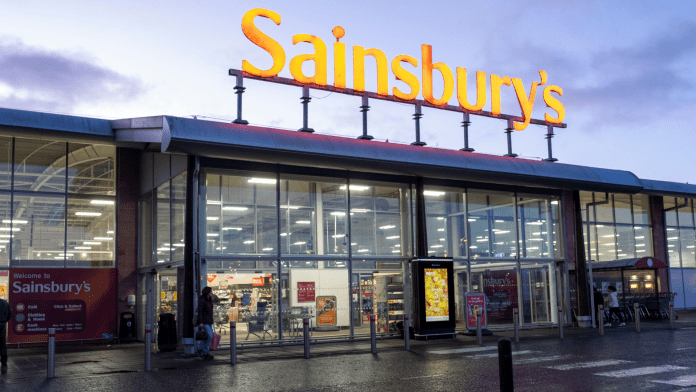
Sainsbury’s, the British supermarket group, is planning to hire 22,000 temporary employees for the Christmas season, marking a 22% rise from the previous year. This move involves ramping up their workforce earlier than the typical seasonal schedule.
Being the United Kingdom’s second-largest grocery retailer after Tesco, the company has announced that its supermarket division will hire 20,000 employees, with an additional 2,000 to be added to its Argos general merchandise business.
Last year, the company brought in 18,000 new recruits.
“Sainsbury’s will welcome temporary colleagues earlier than usual this year, starting as early as this week,” it said in a statement on Thursday.
“This will ensure there are plenty of colleagues ready to help and serve customers, whether they like to plan ahead or leave their Christmas shopping to the last minute.”
Sainsbury’s stated that they had enhanced employee benefits for the holiday season, including an augmented staff discount and complimentary meals during working hours.
On Tuesday, market research firm Kantar reported that the unseasonably warm weather in Britain during September and the start of October had postponed the early sales of Christmas food.
Just earlier this week, Amazon UK announced the commencement of its recruitment drive for over 15,000 seasonal positions. In the preceding week, supermarket giants Morrisons and Aldi revealed their plans to hire an additional 3,500 and 3,000 staff, respectively, to meet the demands of the upcoming Christmas season.
HELL ENERGY is proud to announce the signing of two prominent Indian cricketers, Shardul Thakur and Mohammad Shami, as their exclusive brand ambassadors. This partnership is a celebration of the deep-rooted passion for cricket in a nation where the sport holds a special place in the hearts of millions. In a joint effort, these two cricket stars have introduced a limited-edition energy beverage, HELL Cricket Crazy, to honor this shared enthusiasm for the game.
Shardul Thakur and Mohammad Shami are accomplished Indian cricketers, proudly donning the Indian national cricket team jersey in all formats of the game.
In its efforts to bolster its brand presence and show support for a variety of sporting events, HELL ENERGY previously co-sponsored the AT&T Williams Formula One Team during its early stages of international expansion. Furthermore, the brand exhibited its steadfast dedication to football by launching the special edition HELL Football Fanatic Drink, featuring refreshing tutti-fruity flavored energy beverages encased in football-themed aluminum cans.
Unnikannan Gangadharan, Country Head, “HELL ENERGY India said, “HELL ENERGY is a brand that has consistently supported sports through various partnerships and is loved by many for its deep connection. We are proud to associate ourselves with two outstanding cricketers during the most sought-after Cricket Tournament in 2023. The dynamism, style, and flair that these two cricketers exude fits the message that we want the brand to stand for with their undying passion for the game.”
Miniklub has recently opened two brand-new stores in Gujarat, with locations in Rajkot and Jamnagar. These spacious outlets, covering an area of more than 2000 square feet, provide an extensive selection of safe and comfortable clothing and various other items designed for children from newborns up to 8 years of age.
The addition of these two stores brings Miniklub’s total count to six outlets in Gujarat, underlining its unwavering dedication to supporting families in this dynamic state. The brand is steadfast in its belief that every child should enjoy the opportunity to look and feel their best, and these new stores play a pivotal role in bringing this vision to life for families in Gujarat. Miniklub’s offerings encompass a diverse range of newborn essentials, baby clothing, children’s fashion, footwear, toys, travel accessories, baby care products, and much more, all conveniently available under one roof, making it the preferred choice for parents in the city.
Founded in 2013, Miniklub, a part of the First Steps Babywear family, has rapidly evolved into a thriving omni-channel enterprise. Its footprint spans across more than 450 multi-brand outlets, prominent e-commerce platforms, and exclusive brand stores, available both in physical and online realms. This extensive expansion has reached 28 cities, with a remarkable count of 55 exclusive brand stores. At the heart of Miniklub’s mission lies a deep appreciation for childhood, emphasizing meticulous product design to prioritize the comfort and safety of infants. The brand is equally committed to sustainable manufacturing practices, ensuring that high-quality products reach the market with a sense of pride.
Besides its brick-and-mortar locations, Miniklub caters to customers across India via a range of e-commerce platforms, including Amazon, Myntra, Flipkart, Ajio, and its own direct-to-consumer (D2C) platform, miniklub.in.
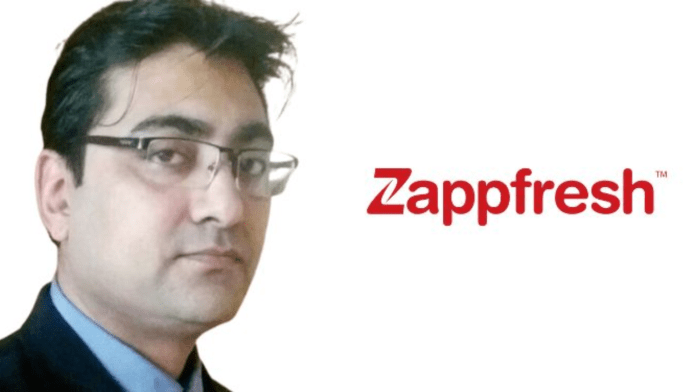
Zappfresh has appointed Satish Nair as the Senior Vice President of Retail. Nair, who boasts a distinguished career spanning over 25 years in leadership roles, has been at the forefront of propelling growth, nurturing innovation, and shaping strategic vision.
In his newfound role, Nair will assume leadership of the retail division, where he will craft and implement strategies aimed at elevating the customer experience and driving sustainable growth initiatives. His forward-thinking leadership is expected to wield significant influence in shaping Zappfresh’s future trajectory. This appointment at Zappfresh aligns with a crucial juncture for the company, marked by its ongoing expansion into the southern region and a fervent pursuit of fresh growth strategies.
On this occasion, Deepanshu Manchanda, the Founder of Zappfresh quipped ” We warmly welcome Satish Nair as our senior vice president of retail. His extensive industry experience and visionary leadership perfectly align with Zappfresh’s commitment to providing customers with the freshest, top-quality products. We are confident that his insights and expertise will serve as a cornerstone in our ongoing quest for growth and expansion.”
During his tenure at Mother Dairy, Nair oversaw significant expansion and modernization efforts. In his roles at Cadbury and PepsiCo Frito-Lay, he orchestrated groundbreaking Sales & Marketing campaigns and spearheaded innovative product launches.
Reflecting on his new journey, Nair expressed his enthusiasm, saying, “I am deeply honored to join the Zappfresh family, a company that shares my ardor for excellence. I eagerly anticipate collaborating with the immensely talented Zappfresh team and contributing to the company’s continued triumphs. With my experience, I will be able to bring the expertise that will solidify their success to the next level.”
With the International Cricket Council (ICC) Men’s Cricket World Cup coinciding with the festival season, the Coca-Cola Company announced on Friday its expectations of a heightened consumer demand in the second half (H2) of the year.
To stimulate demand, the prominent beverage company is increasing its investments in brand marketing within the country.
“We have started activations around festivals like Ganpati in Maharashtra and Durga Puja in West Bengal. This is going to result in one of our biggest investments in Q3 and Q4 in the history of our company in India,” said Arnab Roy, vice-president, marketing, Coca-Cola India and South West Asia.
“We are also doing similar festival activations in neighbouring countries like Sri Lanka and Bangladesh. The Q4 spends, as a percentage of the overall spends in a year, are close to 5-7 per cent higher than what we would do in a normal year,” he added during a media roundtable.
However, the company refrained from disclosing specific investment figures.
According to data accessed via the business intelligence platform Tofler, Coca-Cola India incurred advertising and promotional expenses of INR 737.97 crore in FY22, as reported by PTI.
Coca-Cola, the official non-alcoholic beverage partner for the ICC Men’s Cricket World Cup, has introduced its ThumsUp and Limca Sportz brands in conjunction with Sprite for the event.
“The Cricket World Cup is the largest sporting event and an important platform to leverage to continue the business momentum that has been positive for some time now,” Roy said.
As per sources, the company has successfully secured a sponsorship deal with the event’s official streaming platform, Disney+Hotstar, amounting to INR 150-160 crore.
With low-barrier moments for spending like festivals, “consumers tend to spend more. We have also seen inflation cooling down and that will give rise to sales of affordable packs,” he added.
Despite Q2 disruptions caused by unexpected rains, the company maintains its optimism regarding robust demand in the latter half of the year.
“We had a challenging summer, but the long-term metrics are looking good,” said Roy.
He added that, “Demand continues to be strong and we don’t see it slowing down in the coming months. Based on the trends, we are seeing in both Q3 and early days of Q4, we feel very positive and encouraged about the way we will end this year.”
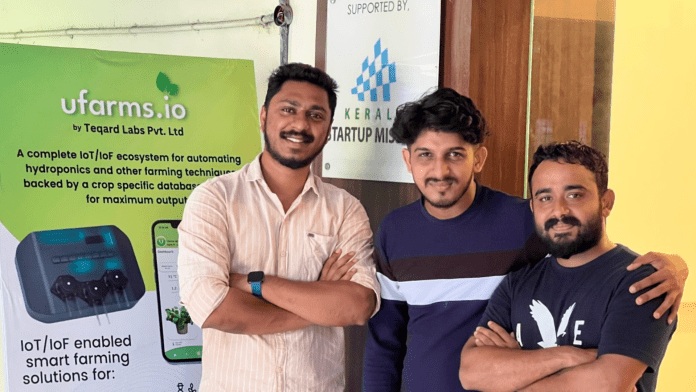
An agri-tech company affiliated with the Kerala government’s Startup Mission, uFarms.io, has recently secured the prestigious UK Startup Visa. This visa is reserved for innovative startups poised to make significant contributions to the United Kingdom’s economy. Notably, uFarms.io’s eligibility for the UK Startup Visa follows its partnership with Uptown Urban Farms in Kerala, which was established seven months ago.
The company reported that the collaboration led to the creation of the largest fully-automated hydroponic farm in the state, spanning an impressive 16,000 square feet.
“The startup’s ground-breaking solutions have earned it prestigious endowments and accolades, including the Nidhi Prayas Grant, NIDHI EIR Fellowship and the EY Climathon Runner-up award,” the company said in a release.
The UK Startup Visa empowers startups to establish their foothold and expand their operations within the United Kingdom.
uFarms.io was incubated under the Startup Mission two years ago.
The company’s press release stated that the seamless integration of IoT (internet of things), data analytics, and artificial intelligence has allowed them to enhance crop management, promoting sustainable agriculture and precision farming. They also expressed their commitment to continuing efforts to bridge the gap between innovation and agriculture with the goal of fostering sustainable farming practices.
KSUM, founded in 2006, serves as the primary organization of the Kerala government dedicated to fostering entrepreneurship and supporting incubation initiatives within the state.
In an effort to expand its business diversification, Zomato, a prominent player in the foodtech industry, has entered the logistics sector by introducing a rapid parcel delivery service for merchants through its new app, Xtreme.
“Xtreme simplifies the entire delivery process, making it easy for merchants to send packages to their valued customers. Whether you’re a small shop or a large retailer, we’ve got you covered,” reads the homepage of Zomato’s Xtreme app.
The app also specifies that package delivery charges begin at INR 35. Additionally, it highlights that Xtreme boasts a substantial network of over 300,000 delivery partners. It’s important to note that as of now, the Xtreme app is exclusively available for Android users.
The development was first reported by Moneycontrol.
Zomato chose not to provide any comments in response to inquiries regarding the new launch.
Although the app positions Xtreme as a solution for merchants seeking to streamline package deliveries, there is still uncertainty surrounding how the app distinguishes between business and retail deliveries. It has come to light that the app also accommodates retail customers for package deliveries.
Swiggy, a rival of Zomato, operates its parcel delivery service known as Swiggy Genie. In contrast to Zomato’s approach, Swiggy Genie serves both retail customers and business delivery requirements, offering a more versatile delivery solution.
In addition to Swiggy and the struggling Dunzo, Xtreme will face competition from players like Porter and the newly introduced Ola Parcel. However, it’s worth noting that these companies don’t restrict their logistics services solely to business deliveries.
Zomato appears to be placing a strategic emphasis on logistics as its latest endeavor, particularly as the publicly listed startup seeks to diversify its operations with the aim of strengthening both its top and bottom lines.
Earlier this year, reports indicated that Zomato was in the early stages of testing B2B logistics services and had intentions to collaborate with e-commerce platforms to facilitate the delivery of food, pharmaceuticals, and various other consumer products to customers.
Last year, the company made strategic moves by entering the quick commerce space with the acquisition of Blinkit. Simultaneously, it introduced the intercity food delivery service known as Zomato Legends. Additionally, during that time, the company began implementing a platform fee for food delivery orders.
In the midst of the logistics service launch announcement, Zomato notified the stock exchanges of its ongoing efforts to file an appeal against a ruling from the District Consumer Dispute Redressal Forum (II) Jodhpur. This ruling imposed a fine of INR 1 Lakh on both Zomato and McDonald’s.
As of 2:50 PM IST on Friday, Zomato’s shares on the BSE were trading at INR 111.15, reflecting a gain of more than 1%.
The Divine Foods, a direct-to-consumer (D2C) foodtech startup headquartered in Chennai, has secured an undisclosed investment from acclaimed actor Nayanthara and her spouse, director Vignesh Shivan.
Established in 2019 by Kiru Maikkapillai, The Divine Foods specializes in crafting items derived from ancient superfoods like turmeric, moringa, millet, and more. Their product lineup encompasses offerings like turmeric oil, golden turmeric milk, masks, turmeric-infused beverages, turmeric powder, honey, and an array of other selections.
Shivan took to social media to announce the partnership. “Happy to be a part of bringing the traditional foods of Tamil Nadu to your home. Superfoods are only Super if they’re sourced holistically! Me and Nayanthara are happy to join hands with divine foods in this pure journey,” he said in a post on Instagram.
Maikkapillai disclosed that the startup intends to utilize the newly acquired capital to enhance its infrastructure and broaden its range of products.
“We are happy that Nayanthara and her husband Vignesh came forward and invested in our early-stage startup that creates rural impact,” he said.
While refraining from divulging the exact funding figure, the founder expressed that these funds would be instrumental in building brand recognition among the general public and inspiring other celebrities to champion the expansion of local enterprises.
Previously, this D2C startup had been awarded a grant through the Tamil Nadu government’s prominent seed funding initiative, TANSEED 4.0. Following that, it had not secured any investments from external investors.
The funding comes at a time when a number of actors and other celebrities have backed homegrown companies. The popularity of the celebs has helped early-stage startups reach a wider audience and grow their revenue.
In the earlier part of this year, actor Samantha Ruth Prabhu extended her investments to the D2C superfoods brand Nourish You. Additionally, in May 2023, Shilpa Shetty allocated an undisclosed sum to support the agritech startup KisanKonnect. Meanwhile, Bollywood actor Akshay Kumar and Virender Sehwag showed their support for Two Brothers Organic Farm through their investments.
According to an analysis, the Indian direct-to-consumer (D2C) market is projected to experience significant growth, with an anticipated market size of $100 billion by the year 2025.
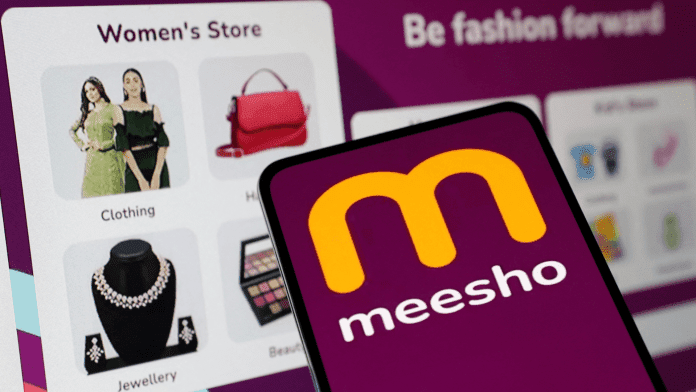
WestBridge Capital, an investment firm, has secured a stake in the e-commerce unicorn Meesho through a secondary transaction, acquiring it from Venture Highway, one of Meesho’s early and long-standing supporters.
In a statement, the early-stage venture fund, Venture Highway, revealed that it sold a portion of its stake in the e-commerce startup, generating a return of over 50 times its initial investment.
The firm initially backed Meesho during its seed round more than eight years ago. Subsequently, this seed-stage investment firm continued to support the company through various funding rounds.
Venture Highway stated that it retains a substantial portion of its overall ownership in the unicorn, even following the secondary stake transaction.
“We have closely witnessed how the company disrupted and transformed India’s online ecommerce landscape with its unparalleled vision. We continue to remain excited for the company’s success, especially, on its mission to democratise internet commerce for everyone,” said Neeraj Arora, founding partner at Venture Highway.
Established in 2015, Venture Highway has made more than 60 investments through its various funds and is presently actively investing from its third fund. Some of the prominent names in its portfolio include Moglix, Sharechat, BetterPlace, Chalo, and Ivy Homes.
According to a report from the previous month, WestBridge Capital was exploring the acquisition of a stake in Meesho at a discount ranging from 20% to 25% compared to its prior valuation. The investment firm’s portfolio encompasses startups such as DealShare, Adda247, and Rapido.
Established in 2015 by Vidit Aatrey and Sanjeev Barnwal, Meesho is supported by prominent investors including SoftBank, Peak XV, Fidelity Investments, Prosus & Naspers, and Meta.
“We are very impressed by Meesho’s strong focus on providing superior value to a large base of Indian consumers. This has resulted in them making rapid strides in the fast-growing Indian ecommerce market,” said Sandeep Singhal, managing partner and cofounder at WestBridge Capital.
Fidelity Investments, an investor in Meesho, recently raised the valuation of its stake in the company to $43.24 million as of July 31. In 2021, this investment firm injected approximately $42 million into Meesho’s $570 million funding round, valuing the startup at approximately $4.9 billion.
Amidst a period where technology startups are intensively pursuing profitability, Meesho announced its achievement of becoming profitable in July 2023.
In FY22, the company disclosed a net loss of INR 3,247.8, representing a significant 550% year-on-year (YoY) increase.
In a world awash in marketing messages and advertising noise, the ability to properly engage customers is the holy grail of corporate success. Customer interactions are no longer restricted to basic purchases; they are also opportunities to develop meaningful connections and long-term brand loyalty.
1. Personalization: The Heart of Engagement
One-size-fits-all approaches to customer interactions are no longer sufficient. Customers now expect tailored experiences that cater to their individual preferences and needs. Personalization goes beyond addressing customers by their first name; it involves understanding their behaviors, preferences, and purchase history to deliver content and offers that are truly relevant.
Data analytics and customer relationship management (CRM) systems are invaluable tools for personalization. They enable businesses to segment their customer base and create targeted messaging that resonates with different audience segments.
2. Seamless Multichannel Experiences
Today’s customers interact with brands across various channels, from websites and social media to email and mobile apps. It’s imperative to ensure a consistent and seamless experience across all touchpoints. Customers should feel like they’re engaging with one unified brand, no matter where or how they interact.
An omnichannel approach involves integrating data and systems to provide a unified view of the customer journey. This enables businesses to pick up where a customer left off, whether they were browsing a website, interacting on social media, or speaking to customer support.
3. Chatbots and AI-Powered Support
Artificial intelligence, particularly in the form of chatbots and virtual assistants, has revolutionized customer support. Chatbots can provide instant responses to customer inquiries, route them to the right department, and even handle routine transactions. This not only improves efficiency but also offers 24/7 support, which is increasingly expected by customers.
However, it’s crucial to strike a balance between automation and human touch. While chatbots excel at routine tasks, human support is essential for handling complex issues and providing empathetic customer interactions.
4. Content That Educates and Entertains
Content marketing is a powerful tool for customer engagement. Create content that not only promotes your products or services but also educates and entertains your audience. Valuable content positions your brand as a resource and a thought leader in your industry.
Educational content can include blog posts, webinars, tutorials, and guides, while entertaining content can range from videos to social media campaigns. The key is to provide content that resonates with your target audience’s interests and pain points.
5. Social Media Engagement
Social media platforms are not just for broadcasting your message; they’re opportunities for two-way communication. Engage with your followers by responding to comments and messages promptly. Acknowledge positive feedback and address concerns professionally. Social media interactions can influence how customers perceive your brand.
6. Loyalty Programs
Loyalty programs are effective for nurturing long-term relationships with customers. These programs incentivize repeat business and reward customers for their loyalty. Consider creating loyalty tiers or offering exclusive benefits to your most dedicated customers.
7. Feedback Loops
Invite customer feedback and actively listen to their suggestions and concerns. Use surveys, reviews, and direct communication to understand how you can improve your products, services, and interactions. Act on this feedback to show that you value your customers’ opinions.
8. Collaboration and Co-Creation
Engage your customers in the co-creation of products or services. This not only enhances their sense of ownership but also results in offerings that better meet their needs. Involve customers in product development, gather their input on new features, or run contests for user-generated content.
Elevating customer interactions isn’t just about short-term transactions; it’s a long-term strategy that fosters brand loyalty and drives business growth. By focusing on personalization, providing seamless multichannel experiences, leveraging AI for support, creating valuable and entertaining content, and actively engaging with customers on social media, businesses can build stronger connections and enduring relationships. It’s not just about selling a product or service; it’s about creating a customer experience that stands out and fosters lasting business growth.
We use cookies to ensure that we give you the best experience on our website. If you continue to use this site we will assume that you are happy with it.