Thursday, January 1, 2026
Home Blog Page 883

Paine Schwartz Partners secure $1.7bn for food and agribusiness fund

0
Paine Schwartz Partners
Paine Schwartz Partners (Representative Image)

Paine Schwartz Partners, a US-based private-equity investor, has successfully concluded a fund aimed at the food and agribusiness industries, securing $1.7 billion in capital commitments.

Paine Schwartz Partners surpassed the initial goal for its Paine Schwartz Food Chain Fund VI, raising over $1.5 billion. The New York-based investor referred to this achievement as “the most substantial fund exclusively focused on investing throughout the food and agribusiness value chain.”

Since 2010, Paine Schwartz Partners, managing $5.7 billion in assets, has been dedicated to investments in the food and food-related sectors. In 2014, the company initiated its inaugural food-chain fund.

Fund VI represents Paine Schwartz’s most substantial fund thus far, boasting a 17% increase compared to its previous $1.4 billion Fund V. The company noted that the new fund drew interest from a wide range of investors, including pension funds, sovereign wealth funds, endowments/foundations, family offices, and other institutional investors with a focus on real assets, private equity, and impact-oriented investments.

The fund’s primary focus will be on sustainable investments within the food and agribusiness sector. It will prioritize businesses that promote increased agricultural productivity while simultaneously reducing resource consumption. Additionally, the fund will target companies that facilitate access to healthier, more nutritious, and safer food options.

Recently, Paine Schwartz spearheaded a consortium that successfully secured a $1.58 billion takeover offer acceptance from the Australian fresh produce firm, Costa Group. Notably, around 40% of Fund VI’s capital has already been utilized, encompassing the Costa Group transaction, as well as investments in AgroFresh Solutions, Elemental Enzymes, HGS BioScience, and Monterey Mushrooms.

Kevin Schwartz, the investor’s CEO, said, “Our ability to exceed our initial fundraising target in a challenging market environment reflects our firm’s track record and the continued resonance of our sustainable investment focus with investors.

“With Fund VI, we are continuing to invest to feed a growing population better food with more efficient use of resources. Food and agribusiness has been the fastest-growing sector for more than 15 years and continues to be underserved by the investment community.

“Guided by our core themes, we are targeting investments in segments associated with long-term growth that have limited commodity exposure and limited private-equity competition.”

Investors in the fund included the District of Columbia Retirement Board and the Connecticut Retirement Plans and Trust Funds.

Advertisement

Tyson Foods set to merge Prepared Foods and Growth Divisions for enhanced efficiency

0
Tyson Foods
Tyson Foods (Representative Image)

Tyson Foods has revealed its intention to merge its Prepared Foods business division with the company’s Growth organization.

As per Tyson’s statement, the integrated entities will maintain their emphasis on “brand establishment, operational efficiency, and expanding market reach.” At the same time, they will emphasize improving swiftness and flexibility through collaborative endeavors.

Melanie Boulden, presently serving as the Chief Growth Officer at Tyson Foods, is assuming the added responsibility of Group President of Prepared Foods. Tyson has stated that this move is in direct alignment with the company’s vision and strategy, which centers on generating value, sustaining growth, and improving the customer and consumer experience.

Boulden will now oversee Tyson Foods’ diverse array of products, catering to its retail, foodservice, and e-commerce offerings, which encompass well-known brands like Tyson, Jimmy Dean, Hillshire Farm, and Ball Park.

Boulden said, “Creating a more unified team across Prepared Foods and Growth empowers us to anticipate and respond to business challenges and opportunities with greater impact. As we continue to build for the future, we remain committed to fostering the customer and consumer-centric approach that will drive us forward and help us deliver results against our strategy.”

Donnie King, president and CEO of Tyson Foods, added, “I am fully confident we have the right enterprise leadership team in place to drive growth across our entire business. The categories we operate in present unique challenges, and as the industry leader, we believe our strategy and structure position us to win in today’s marketplace.”

Advertisement

Myntra amps up its beauty collection ahead of flagship festival sale

0
Myntra
Myntra (Representative Image)

Myntra, the e-commerce giant, is bolstering its beauty collection in anticipation of its flagship festival sale. According to Sharon Pais, Chief Business Officer at Myntra, an impressive three-quarters of shoppers on the platform engage with the beauty section, with one in every three female customers choosing to shop on Myntra Beauty.

The beauty department currently boasts an impressive collection of over 1,500 brands, featuring a vast selection of more than 90,000 unique stock-keeping units (SKUs), which includes approximately 200 international brands.

“Myntra beauty has become an important category for us along with fashion. Our customer base of beauty buyers is primarily in the age group of 18 to 35, who are young, trend-first, and have disposable income. Our selection is wide across every price,” said Sharon Pais, Chief Business Officer, Myntra.

The offerings within the beauty category have seen a remarkable fourfold expansion since 2020, and this year alone, the company has introduced nearly 50 new international brands to its lineup.

“We are growing specifically at 3X compared to the market and we are optimistic about festival demand given the momentum which indicates that we should see a good festival season,” added Pais.

Genderwise, the beauty vertical at Myntra has experienced a substantial uptick in men buying skincare products on the platform.

“In H1 this year – Myntra Beauty has witnessed a 200 per cent y-o-y growth in customers buying men’s skincare products. Acne and pimple care, hair removal spray, ingredients-led products like serum, face wash, and body wash, foundation and concealer, among others are gaining popularity,” noted Pais.

Myntra places significant emphasis on its annual festival sale, making it a central focal point of their strategy. In this edition of the Big Fashion Festival (BFF), a total of 6,000 brands are participating, offering a staggering selection of over 23 lakh styles encompassing fashion, beauty, and lifestyle products.

Pais mentioned that more than 300 brands are making their debut in the festival sale within the beauty vertical.

Ahead of the upcoming Big Fashion Festival (BFF), Myntra has added four well-known K-Beauty brands to its lineup, namely Numbuzin, Peripera, Axis-Y, and Isntree. With the inclusion of these brands, Myntra Beauty’s collection now encompasses over 25 K-Beauty brands.

The company has also organized distinctive engagement events, partnering with both Loreal’s Paris Fashion Week and Lakme Fashion Week.

“With a thriving base of young beauty enthusiasts, we believe impactful collabs such as these help us gain a larger mind share with this audience,” Pais said.

Advertisement

Burger Singh on expansion spree, set to open two new outlets in Nagpur

0

Homegrown burger chain Burger Singh is set to extend its footprint in Nagpur, Maharashtra, with the exciting announcement of two new outlets strategically positioned across the city.

The brand already boasts a dual presence in Nagpur’s Orange City, with two company-owned, company-operated (COCO) outlets located at Sadar and Shradhanand Peth.

“We are thrilled to be a part of Nagpur’s vibrant food scene. Our quintessential Indianised flavours have already seen a wonderful response in the region,” Kabir Jeet Singh, Founder of Burger Singh said.

“We also actively look for franchise partners in the region with the intention of matching the right influencer with the right location, ensuring that we constantly deliver an elevated dining experience to our customers,” Singh added.

Burger Singh, a rapidly expanding domestic burger chain, launched its first establishment in Gurugram back in 2014. Since then, it has witnessed swift expansion across India, establishing a presence in cities such as Delhi-NCR, Lucknow, Jaipur, Dehradun, Jammu, Nagpur, Ahmedabad, Jhansi, Chandigarh, Amritsar, and several others. Additionally, the chain is currently in the process of outfitting another 12 franchises across the nation.

Notably, Burger Singh proudly proclaims its status as the first Indian burger chain to make an international mark, with three outlets and one food truck now serving customers in London.

Advertisement

Downtrading intensifies in FMCG sector due to rising inflation and rainfall deficiency

0
FMCG
(Representative Image)

The effects of the August drought are making their presence known on corporate financial statements.

Downtrading, the trend in which consumers transition from larger product packages to smaller ones due to financial strain or rising inflation, has intensified within the fast-moving consumer goods (FMCG) sector. According to information from the retail intelligence platform Bizom, smaller product packages have experienced more significant growth compared to medium or high-priced ones across a wide range of FMCG categories. The data from Bizom also indicates that overall sales witnessed an approximately 11% decline in August 2023 compared to the previous year.

According to Akshay D’Souza, the Chief of Growth and Insights at Bizom, the shortfall in rainfall during August seems to be contributing to the increasing prevalence of the downtrading trend.

Procter & Gamble Hygiene and Health Care’s VP (finance) Gautam Kamath said, “Retail inflation for the months of July and August have averaged 7% and August rainfall has shown an 11% negative deviation from norm, driving the caution. On anecdotal evidence, September rainfall appears to have bounced back – and might have a big say in how the rest of the year goes.”

He informed analysts that P&G holds a “guardedly positive” perspective regarding the market’s growth outlook.

Usually, prominent FMCG companies provide products at various price points to ensure that consumers can find options within the company’s product range.

At P&G’s first investor meeting conducted recently, MD L V Vaidyanathan emphasized the company’s ongoing commitment to setting higher standards of excellence across all competitive price tiers.

“We are leveraging this superiority to grow markets and, as a result, P&G’s share to sustainably build the business. Noticeable superiority is increasingly important in an inflationary environment, as consumers reassess value across all elements of their budget,” said Vaidyanathan.

According to the data, beverage sales for mid-priced packs dropped by 9.8%, while sales for lower-priced packs increased by approximately 6% (refer to the graphic). Similarly, in the branded commodities category, sales declined by 9% for mid-priced packs, but lower-priced packs experienced a growth of 7.7%. Within the personal care sector, consumers shifted from high-value packs, resulting in an 8% decrease, to mid-priced packs, which saw an 8.5% growth.

Bizom reported that the advent of the festive season led to a reversal of the trend, particularly in the confectionery and packaged foods sectors.

Advertisement

Tata Consumer Products launches ‘Say Never Energy Drink’, set to compete with top brands

0
Tata Consumer Products
Tata Consumer Products (Representative Image)

Tata Consumer Products (TCP), a consumer goods company under the Tata Group, is making a significant move into the rapidly expanding “Energy Drink” sector with the introduction of Say Never Energy Drink.

Say Never Energy Drink, offered in two options – Red and Blue, comes with an attractive price point of just INR 10 for a 200 ml cup size, making it highly affordable.

During the initial stage of its rollout, Say Never Energy Drink will be accessible at retail establishments within the Karnataka and Northern markets.

No additional specific information is currently publicly available, including details about the drink’s ingredients or composition, caffeine content, and the material used for the energy drink’s cup.

Tata’s energy drink is poised to enter direct competition with brands like Red Bull, Rockstar, Pure Zero, Shashan Total Body Fuel Peach-Fizz Energy Drink, and Zippfizz. Notably, these competitors typically come at a higher price point, ranging from INR 20 to INR 125, in contrast to TCP’s Say Never Energy Drink. It’s worth noting that the volume in milliliters may differ across various brands.

According to the Scottish government’s definition, energy drinks are beverages characterized by elevated caffeine levels, often combined with additional ingredients like sugar and stimulating agents such as guarana, taurine, or herbal substances.

Speaking about the new launch, Mr. Vikram Grover, MD NourishCo Beverages Limited, Tata Consumer Products said, “With this launch we aim to inspire and energize the doers, the dreamers, and the go-getters of the world. Say Never Energy Drink is not just a beverage; it’s a symbol of empowerment, a companion for those who dare to be different. The launch strengthens & complements the overall product portfolio for NourishCo and through this we are celebrating the heroes who carve their own paths. This affordable caffeine-based energy drink is for the young masses and with this we are here to fuel their journey.”

In June, NourishCo, a Gurgaon-based subsidiary of Tata Consumer Products Limited (TCPL), unveiled Tata Coffee Cold Brew as a strategic move to broaden its range of functional beverages.

Read More: NourishCo aims for market dominance with Tata Coffee Cold Brew launch

Tata Consumer Products Limited is a dedicated consumer goods company that consolidates the key food and beverage businesses of the Tata Group into a single entity. The company’s product portfolio encompasses a wide range, including tea, coffee, water, ready-to-drink beverages, salt, pulses, spices, ready-to-cook and ready-to-eat items, breakfast cereals, snacks, and convenient mini-meals.

Advertisement

Abu Dhabi Investment Authority set to invest $600 Million in Reliance Retail, further boosting valuation

0
Reliance Retail
Reliance Retail

After Qatar, yet another oil-rich Gulf sovereign fund, the Abu Dhabi Investment Authority (ADIA), is now following suit in its quest to secure a larger stake in Mukesh Ambani’s expansive retail empire. According to insiders, ADIA is actively exploring the possibility of investing $600 million in Asia’s richest individual’s organized retailing business, at valuations that significantly exceed those observed in a previous transaction three years ago.

ADIA has already established itself as an investor in Reliance Retail Ventures (RRVL), having acquired a 1.2% stake for INR 5,512.50 crore ($751 million) in October 2020. This investment came as part of RRVL’s move to raise INR 47,265 crore through the sale of a 10.09% stake to a group of prominent investors, which included Saudi PIF, Mubadala, GIC of Singapore, Silverlake, TPG, and GA.

Among the previous group of investors, KKR has already proceeded with an additional investment of INR 2,069.50 crore at a pre-money equity valuation of INR 8.361 lakh crore ($100 billion). This move has propelled RRVL into the ranks of the top four companies in the country in terms of implied market capitalization.

Up until now, Qatar’s injection of $1 billion stands as the sole new investment in the ongoing fundraising round.

The present valuation represents a nearly 60% premium over the valuation from the previous financing round three years ago. However, it falls considerably short of the valuation that many equity analysts believe the privately held retail business is truly worth. Back in May, analysts at AllianceBernstein had recommended a valuation of $131 billion for Reliance Retail.

“This further cements the strategic relations between the two companies on the back of a strong government relationship between the two sovereigns,” said an official on the condition of anonymity as the talks are in private domain. “ADIA is a major investor in Indian equities, infrastructure and financial services, but it is not often that it doubles down – especially at such premium valuations.”

Interestingly, Reliance Industries itself valued RRVL at $148 billion when it decided early July to buy out minority shareholders and employee stock option holders that collectively owned 0.09% at a 60% premium to the $93 billion and $97 billion valuations determined, respectively, by two independent valuers – Ernst & Young Merchant Banking Services and BDO Valuation Advisory.

RRVL currently holds a 99.91% stake in Reliance Retail Limited, and it has plans to repurchase the remaining shares at a rate of INR 1,362 per unit. This offer represents a substantial 60% premium when compared to the valuation provided by EY and BDO. As a result of this premium, the potential valuation of Reliance Retail Limited could soar as high as $148 billion.

A formal announcement is expected to be made in the coming days.

ADIA and Reliance Retail both refrained from providing any comments.

With a valuation of $100 billion, Reliance Retail ranks as the 12th largest retail powerhouse globally, surpassing companies like JD.com, Target, Midea, and Lululemon. According to Bloomberg data, the top five in terms of market value are Amazon, LVMH, Walmart, Home Depot, and Alibaba.

While Mukesh Ambani, Chairman of Reliance Industries, did not disclose specific figures publicly, he informed shareholders during the recent annual general meeting about the significant interest from prominent investors in Reliance Retail. Recent reports in the media indicate that Reliance is exploring a fundraising round ranging from $1.5 to $4 billion. This fundraising initiative is viewed by many as an exercise to set a valuation benchmark before a potential listing.

During Reliance Industries’ annual general meeting in 2019, Ambani had stated that the retail business would be publicly listed within the subsequent five years.

In the fiscal year 2023, Reliance Retail achieved an annual revenue of INR 2,60,364 crore, demonstrating a robust year-on-year growth of 30%. It also reported an EBITDA of INR 17,928 crore and a net profit of INR 9,181 crore. Notably, approximately half of its revenues are generated from the grocery segment. However, it’s worth mentioning that the gross debt of the business has experienced a substantial increase. This is due to the retail arm’s rapid expansion into various categories and formats, coupled with the company’s venture into the fast-moving consumer goods (FMCG) sector.

As of the end of FY23, Reliance Retail’s standalone business recorded a gross debt of INR 70,937.72 crore, representing a notable increase from INR 40,756.44 crore at the end of FY22. This resulted in a net debt to EBITDA ratio of 4X. The company’s management anticipates that Reliance Retail will emerge as its most rapidly growing business in terms of both revenue and EBITDA.

Reliance Retail encompasses Reliance Industries’ fundamental retail enterprises, comprising entities like Reliance Digital and Jio Mart, along with an extensive network of over 18,000 physical stores. The current store footprint spans 65 million square feet and is projected to expand to 100 million square feet over the next 3-5 years. Additionally, the company boasts a substantial warehouse capacity of 50 million square feet. Significantly, a majority of these stores, approximately two-thirds, are strategically located in Tier II, Tier III cities, and smaller towns.

Reliance Retail is a wholly-owned subsidiary of RRVL, which, in addition to its core retail operations, encompasses international partnerships and a fast-moving consumer goods business. Notably, Reliance Industries holds an 85% stake in RRVL.

“We expect continued market share gains for Retail, which we expect to grow from circa 11% in 3QFY23 to 24% by FY26E,” Nikhil Bhandari of Goldman Sachs said in a recent report.

Reliance has ventured into the fast-moving consumer goods (FMCG) sector, emphasizing competitive pricing by acquiring and collaborating with both well-established legacy brands and regional players such as Campa Cola, Sosyo, and Lotus. Additionally, Reliance has forged partnerships with prominent companies like General Mills and Maliban. The strategic vision involves expanding its FMCG presence within India and exploring opportunities in global markets, with initial focus on Asia and Africa.

According to CLSA calculations, the capital expenditure (capex) in Reliance’s retail business surged to $6 billion during FY23. Investments from funds like QIA are expected to provide crucial financing for future capex requirements and help maintain manageable levels of debt within the retail segment. Many observers closely following the Reliance group assert that the company is presently in an “investment phase,” and consequently, it is likely to sustain elevated levels of capex and maintain strong return on equity/return on invested capital ratios.

As a result, one-third of the overall capital expenditure (specifically for warehousing) has been shifted into an Infrastructure Investment Trust (InVIT). Nevertheless, the company intends to persist with investments in physical store expansions and technology enhancements.

Advertisement

Haryana Govt announces statewide ban on hookahs in commercial establishments

0
hookah
Hookah (Representative Image)

In April of this year, there were reports of raids on 17 pubs located in Sector 29 of Gurgaon. These raids aimed to uncover illegal hookah bars, and authorities have since conducted numerous inspections on restaurants that were illicitly serving hookahs. In a recent update, the Chief Minister of Haryana, Manohar Lal Khattar, has officially announced a statewide ban on the service of hookahs to customers in hotels, restaurants, bars, and commercial establishments. This significant decision follows several months after Haryana Assembly Speaker Gian Chand Gupta had called for a similar ban on serving hookahs in hotels, restaurants, pubs, bars, and nightclubs throughout the state.

Even though a ban on hookah was imposed in 2011, certain eateries persisted in serving it. Authorities have consistently carried out inspections and operations targeting numerous bars that were unlawfully providing hookah services. As per reports, the excise department has also conducted raids on Gurgaon bars suspected of serving flavored hookah.

A restaurateur from Gurgaon said, “The recent update is a strong message from the CM to those serving hookah on the sly. These are ahatas and some BYOB places that charge extra from customers and serve them hookah illegally. I am hoping that now there will be even stricter checks at such places.” A staff member from a restaurant in Sector 29 in Gurgaon added, “Some individuals in restaurants offer customers ‘herbal’ hookahs for an additional fee, though not within the restaurant premises. There should be rigorous checks on this.”

According to restaurant owners, the sale of herbal hookah is permitted in Delhi, whereas in Noida, the sale of hookah is prohibited.

“Restos in Noida have been prohibited from serving hookah for the last few years. And we will continue to adhere to the rules until any change is clearly specified by the authorities,” says Varun Khera, Noida chapter head of the National Restaurant Association of India (NRAI).

Advertisement

Harnessing User Creativity: A Guide to Building Authentic Content from Your Community

0
content

Harnessing the creative force of your user base may be a game changer for your business in the age of social media and online communities. User-generated content (UGC) not only provides authenticity to your business, but it also helps your audience develop a feeling of community and trust.

The Power of User-Generated Content (UGC)
User-Generated Content

User-generated content refers to any form of content—such as text, images, videos, reviews, or testimonials—created by your customers, fans, or followers. Here’s why UGC is a valuable asset:

  • Authenticity: UGC is perceived as more authentic and trustworthy than branded content. It provides a real-life perspective on your products or services.
  • Engagement: Encouraging users to contribute content fosters a sense of belonging and engagement within your community.
  • SEO Benefits: User-generated content can improve your website’s SEO by increasing organic traffic, dwell time, and social shares.
  • Cost-Effective: It’s a cost-effective way to generate content. You benefit from your community’s creativity without the expense of producing content in-house.
Building Authentic Content from Your Community
  • Identify Your Goals

Before diving into UGC, define your objectives. Are you looking to increase brand awareness, boost sales, or foster community engagement? Knowing your goals will guide your UGC strategy.

  • Choose the Right Platform

Identify where your community is most active. This could be social media, online forums, a dedicated community platform, or your website. Focus your UGC efforts on these platforms.

  • Encourage User Participation

Create a culture of participation by encouraging users to contribute. Ask for their opinions, reviews, stories, or creative content related to your brand or products.

  • Set Clear Guidelines

Establish clear guidelines for what kind of content you’re looking for and the rules for participation. Ensure that user-generated content aligns with your brand values and guidelines.

  • Use Branded Hashtags

Create and promote branded hashtags related to your products or campaigns. Encourage users to include these hashtags in their content to make it discoverable.

  • Leverage Contests and Challenges

Hold contests, challenges, or giveaways that encourage users to create and share content related to your brand. Offer incentives to boost participation.

  • Showcase UGC on Your Website

Feature user-generated content prominently on your website, especially on product pages. This can increase social proof and encourage other users to contribute.

  • Engage and Acknowledge Contributors

Engage with users who contribute UGC by thanking them, reposting their content, or sharing their stories. Acknowledging their efforts creates a positive feedback loop.

  • Legal Considerations

Be aware of legal issues related to UGC, such as copyright and permissions. Ensure that you have the rights to use and display the content shared by users.

  • Measure and Optimize

Track the impact of UGC on your SEO efforts. Use analytics tools to measure the increase in organic traffic, social shares, and engagement. Optimize your strategy based on the data you gather.

Harnessing user creativity through user-generated content is a powerful way to build authentic, trustworthy, and engaging content for your brand. By setting clear goals, encouraging participation, showcasing UGC, and engaging with your community, you can create a thriving ecosystem of user-generated content that not only enhances your SEO efforts but also strengthens your brand’s connection with its audience. Start harnessing user creativity today, and watch your brand’s authenticity and online presence soar to new heights.

Advertisement

From Transaction to Interaction: Nurturing User Engagement After the Sale

0
consumer engagement

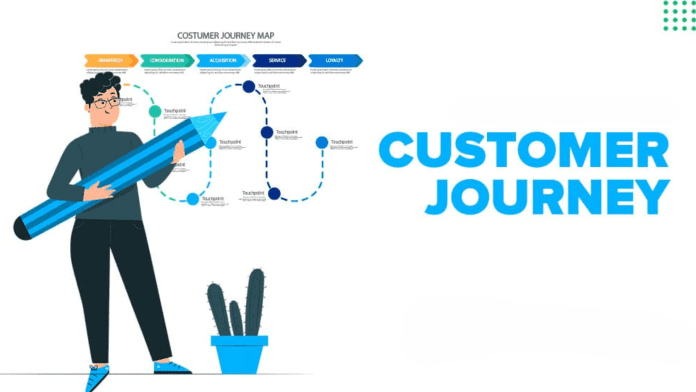
The journey with your consumers does not end with a successful transaction in today’s competitive business world; it is only the beginning. After-sale customer interaction is a strategic need for organizations looking to establish long-term connections, create loyalty, and stimulate repeat purchases.

The Post-Sale Engagement Imperative

User engagement after a sale holds significant importance for several reasons:

  • Customer Retention: Engaged customers are more likely to remain loyal to your brand. Retaining existing customers is often more cost-effective than acquiring new ones.
  • Upsell and Cross-sell Opportunities: Engaged customers are open to exploring additional products or services you offer. Effective post-sale engagement can lead to upsell and cross-sell opportunities.
  • Referrals and Word-of-Mouth: Satisfied and engaged customers are more likely to recommend your brand to friends, family, and colleagues, generating valuable word-of-mouth marketing.
  • Feedback and Improvement: Post-sale interactions provide a platform for gathering feedback and insights. This information can guide product enhancements and improvements in customer service.
Strategies for Nurturing Post-Sale User Engagement
  • Personalized Communication

Continue to engage with your customers through personalized communication. Send thank-you emails, order confirmations, and follow-up emails that show appreciation and offer assistance if needed.

  • Surveys and Feedback

Gather feedback from customers about their post-purchase experiences. Use surveys and feedback forms to understand what worked well and where there is room for improvement.

  • Educational Content

Share educational content that helps customers get the most out of their purchase. Provide tips, tutorials, and guides on how to use your products or services effectively.

  • Loyalty Programs

Implement loyalty programs that reward customers for repeat purchases. Offer exclusive discounts, early access to new products, or loyalty points that can be redeemed for rewards.

  • Engagement on Social Media

Stay active on social media platforms and encourage customers to share their experiences with your brand. Share user-generated content, conduct contests, and respond to comments and messages promptly.

  • Upsell and Cross-sell

Recommend complementary products or services based on the customer’s purchase history. Make personalized suggestions that add value to their overall experience.

  • Exceptional Customer Service

Continue to provide exceptional customer service after the sale. Address any issues or concerns promptly and professionally. A positive customer service experience can enhance engagement.

  • Exclusive Offers and Early Access

Reward loyal customers with exclusive offers, early access to sales, or sneak peeks at upcoming products. Make them feel like valued insiders.

  • Community Building

Foster a sense of community among your customers. Create online forums, groups, or communities where customers can connect, share experiences, and support one another.

  • Measure and Adapt

Use analytics tools to track post-sale user engagement metrics such as customer satisfaction, repeat purchase rates, and referrals. Use the insights to refine your engagement strategies continually.

Transitioning from a transactional relationship to an interactive one is a strategic move that can pay significant dividends. Nurturing user engagement after the sale is not only about increasing revenue; it’s about building lasting relationships, fostering loyalty, and creating brand advocates. By implementing personalized communication, feedback mechanisms, educational content, and loyalty programs, your business can transform one-time buyers into long-term partners in your brand’s success. Start nurturing post-sale engagement today, and watch your customer relationships flourish.

Advertisement