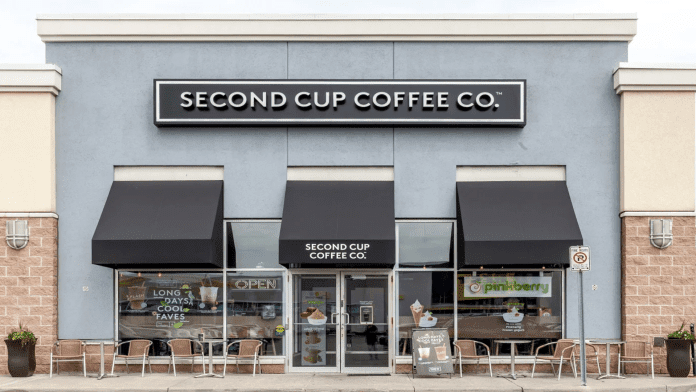
Canada-based coffee chain, The Second Cup Coffee Company, is set to extend its international presence by making its debut in the US market.
As part of its expansion plan, the coffee chain is currently on the lookout for new multi-unit franchise partners in the United States.
The company said, “The company is seeking partners who share its values and vision and who are committed to delivering the highest quality coffee along with friendly customer service.”
The Second Cup Coffee Company president and CEO Jim Ragas said, “We are excited to bring Second Cup Global to the US and we are looking for multi-unit franchise partners in select regions of the US who share our passion for the hospitality industry and our commitment to sustainability and ethical sourcing.
“We believe that our unique blends and delicious treats will be a hit with American coffee lovers and we can’t wait to expand our presence across the country.”
With almost five decades of expertise in the coffee industry, The Second Cup Coffee is renowned for its commitment to ethical sourcing and sustainable practices.
At present, Second Cup has a presence in 20 regions worldwide, spanning 170 different locations.
In April 2021, Foodtastic completed the acquisition of all assets of Second Cup Coffee Co from Aegis Brands, in a transaction valued at C$14 million (equivalent to $11.2 million).
In February of that same year, the two companies entered into a definitive agreement to sell off all of Second Cup’s assets.
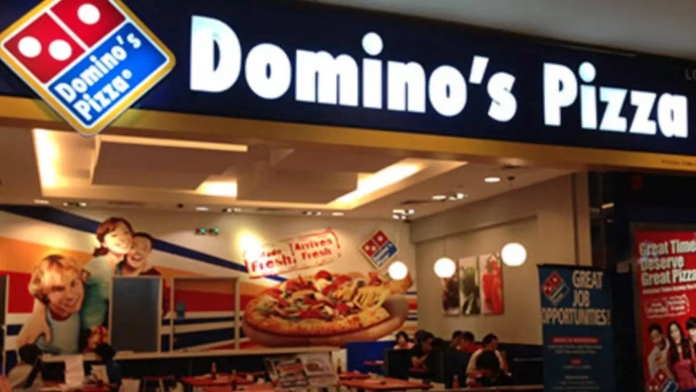
Domino’s Pizza has revealed that it will be offering substantial price reductions of up to 50% on its large vegetarian and non-vegetarian pizzas in anticipation of the cricket World Cup season in India, as reported by CNBC TV 18.
According to the report, starting from October 5, 2023, customers will have the opportunity to purchase a large vegetarian pizza for only INR 499 ($5.99), significantly reduced from its previous price of INR 79.
Likewise, customers will be able to acquire a large non-vegetarian pizza at a discounted rate of INR 549, down from its previous price of INR 919.
Through this pricing reconfiguration, the company seeks to allure new customers while also retaining its current ones.
Domino’s India intends to leverage the surge in fast-food demand driven by the cricket World Cup event.
The quick-service restaurant (QSR) chain has introduced a new promotion called “Howzzat50,” offering a straightforward 50% discount on all pizza orders.
In July this year, Jubilant Foodworks Limited, the Domino’s Pizza brand operator in India, opened the first Popeyes restaurant in Hyderabad, India.
At the time of opening, Jubilant Foodworks managing director and CEO Sameer Khetarpal said, “We are overjoyed to bring Popeyes to the energetic heart of Hyderabad, the fifth city for the brand in South India.
“Citizens of Hyderabad can now enjoy the bold Cajun flavours of fried chicken, burger (sandwich) in a brioche bun and French fries at the first store in Asian Satyam Mall.
“Seeing the lines outside the restaurant, we are humbled by the response that we are getting, motivating us to launch 30‐35 stores this year.”
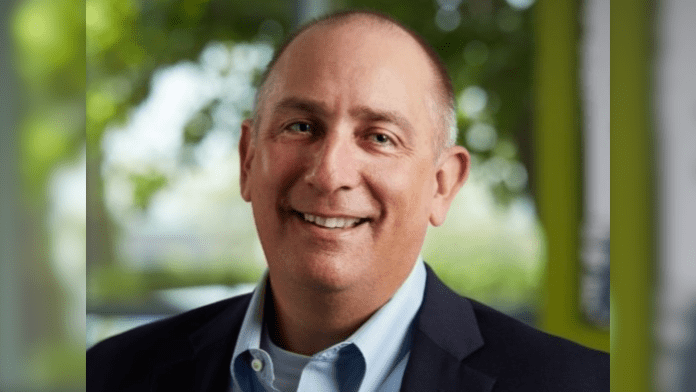
US-based Beans & Brews Coffeehouse has recently announced the appointment of Chad Gretzema as the company’s new CEO, as reported by the World Coffee Portal.
Prior to this appointment, Chad Gretzema had a background in various leadership positions within the Del Taco restaurant brand.
Throughout his 12-year tenure with the brand, Gretzema held significant roles, including serving as the Del Taco Brand President, Senior Vice President of Strategic Planning, and Chief Operating Officer (COO).
World Coffee Portal quoted Gretzema as saying, “I couldn’t be more excited to join Beans & Brews Coffeehouse as we accelerate growth. The brand has not only built a devoted following in its existing footprint but is also witnessing strong success as it expands to new states.
“With our proprietary high-altitude roasted coffee beverages, signature energy drinks and really attractive unit-level economics it is not surprising that the franchisee development demand is at an all-time high.”
With this new appointment, the Utah-based coffeehouse aims to further expand its presence in the country and open 100 stores by 2025.
Jeff and Kevin Laramie, the Co-Founders of Beans & Brews, stated that Gretzema will play a pivotal role in facilitating the expansion of the coffee chain brand.
As of now, Beans & Brews runs a total of 69 locations in the United States, with a presence spanning across Utah, Idaho, Nevada, Arizona, and Texas.
The coffee chain recently finalized a development agreement that entails the establishment of 40 new stores in the San Antonio and Austin areas.
Furthermore, the company has entered into additional franchise agreements aimed at launching new establishments in New Mexico, Colorado, and Wyoming.
In January 2021, private equity firm Charger Investment Partners made an investment in Beans & Brews Coffeehouse.
The company did not disclose the exact amount of the investment.
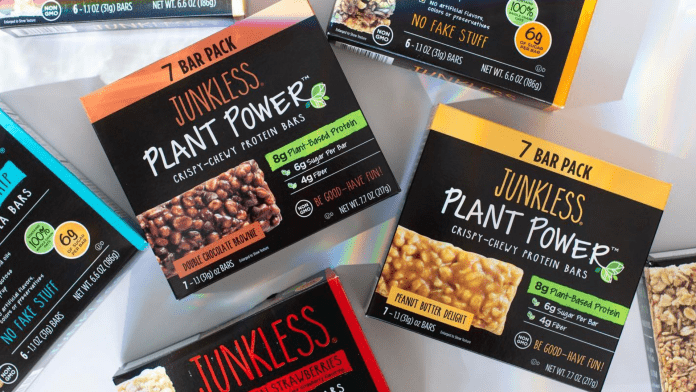
Impact Capital, a private equity firm, has secured a controlling interest in Junkless Foods, a snack bar brand headquartered in the United States.
The newly acquired majority stakeholders will collaborate closely with Junkless’ founders to advance the presence of their chewy granola bars within the health-conscious snack market.
Established by Ernie Pang and Larry Beyer, Junkless snack bars are crafted using straightforward and natural ingredients, completely devoid of any artificial additives. According to the company, Junkless serves as a healthier choice in contrast to the sugar-laden and excessively processed snack bars prevalent in the market.
Pang said, “We have poured our heart and soul into getting Junkless to where it is today, but we knew we needed something more to take us to the next level”.
Mike Repole, owner of Impact Capital, commented, “We saw a huge opportunity for Junkless to become a major brand. Everyone is looking for better-for-you versions of their favourite snacks – and that’s exactly what Junkless provides. The passion of Ernie, Larry and the entire Junkless team combined with our experience growing small brands into scalable mainstream brands, is a perfect match.”
Financial terms of the transaction were not disclosed.
In a world where dietary choices are becoming increasingly important, Seaspire stands out with a philosophy that is both simple and profound: “you are what you eat.” This mantra drives their mission to revolutionize the way we perceive seafood, placing a paramount focus on freshness and purity in their offerings, resulting in delectable choices that evoke the pristine allure of a glistening ocean wave.
Seaspire achieves this transformation by harnessing the power of innovative ingredients such as pea and rice protein, plant fiber, and algal extract. These carefully chosen elements not only eliminate the presence of fish entirely but also render their products 100% plant-based. Brace yourself for a culinary adventure that defies conventions, consistently tantalizing your taste buds with each savory bite.
At the core of Seaspire’s journey are two passionate food scientists, Varun Gadodia and Shantanu Dhangar. Together, they share a deep enthusiasm for culinary exploration and an unwavering commitment to pushing the boundaries of taste, paving the way for a seafood experience unlike any other.
Recently, we were fortunate to engage in a conversation with both of the Co-Founders. Here are the edited excerpts from the interaction..
Snackfax: To become a food producer, it’s essential to personally understand the texture and flavor profile of your products. Knowing the order in which they are available makes it easier to meet consumer demands. Have you and your team ever tasted meat?
Varun: I would describe my approach as being somewhat on the fence, as my meat consumption is quite minimal. Nevertheless, I make a conscious effort to primarily seek out plant-based options, especially with the abundance of choices available in eateries and elsewhere. Over time, my personal meat consumption has been steadily decreasing.
Furthermore, as a developer, it’s essential to immerse yourself in the core attributes of a specific product. This firsthand experience is crucial for creating superior products and solving the problems you aim to address. Drawing from a background in food and having a genuine taste of what we aim to emulate, our understanding of the intricacies is greatly enhanced.
Snackfax: What led to your decision to establish a seafood substitute brand rather than focusing on meats more commonly consumed in the Indian market? Could you also share the challenges you encounter in perfecting the texture of your product, and how closely does Seaspire’s meat substitute resemble real seafood?
Varun: Fish is undoubtedly the centerpiece of Seaspire. When the plant-based trend began around 2018, the focus was primarily on meat products like beef and chicken, and seafood was often overlooked as a source of protein for quite some time. Consequently, there were very few companies working on seafood substitutes.
Even during the post-pandemic period, the seafood supply chain faced significant disruptions, prompting those accustomed to seafood to seek alternatives. Speaking about texture, seafood is unique in its complexity compared to other meats like lamb, chicken, beef, or pork, which have relatively simpler structures. The intricacies of seafood’s structure presented inherent technological challenges. However, we recognized that the potential for seafood substitutes was greater than the hurdles we faced.
Moreover, consumers are increasingly embracing such products as this trend continues to gain momentum.
Expanding on this topic, Shantanu added:Moving on to the second stage, it’s worth noting that people have become increasingly conscious about the ingredients in their food. They are growing more discerning and are inclined towards avoiding highly processed foods. This trend, however, doesn’t hold as strongly in the Western world, where processed foods are more prevalent.
The primary challenge lies in creating plant-based foods that closely mimic the texture of meat. If the processing is excessive, you can achieve a texture that closely resembles real meat, meeting people’s expectations. However, if you don’t process it enough, you may miss out on many of the qualities inherent to meat textures.
Furthermore, in the context of seafood substitutes, India tends to lean more towards manufacturing rather than being a research hub. This means that many companies use similar ingredients when developing plant-based substitutes.
Final Thoughts:
Seaspire’s innovative approach to transforming seafood is rooted in the belief that the ocean’s abundance can be authentically recreated using plant-based ingredients, resulting in dishes that are not only delectable but also free from guilt.
Seaspire goes beyond simply redefining seafood; it’s pushing boundaries and satisfying cravings across the entire culinary spectrum. Their offerings aren’t limited to herbivores or strict vegans; they are thoughtfully designed to cater to everyone, whether you’re an avid meat enthusiast, a fervent supporter of vegetables, or someone who enjoys straddling the culinary divide. With Seaspire, you can immerse yourself in a world of tantalizing possibilities, all while knowing that each choice you make is both clean and environmentally friendly, promoting gut health.
Seaspire isn’t just revolutionizing our eating habits; it’s reshaping our perspective on food itself.
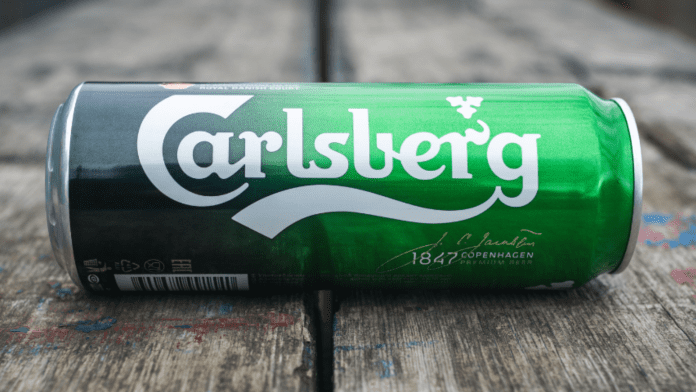
Carlsberg Group has communicated to Baltika Breweries its decision to end the license agreements that grant Baltika the rights to manufacture, promote, and distribute Carlsberg products.
As part of the termination process, there will be a transition period extending until April 1, 2024, during which Baltika will be allowed to deplete existing stock and materials.
This development is seen as a response to Moscow’s perceived unlawful assumption of control over its Russian breweries in July. Carlsberg has stated that it is a reaction to the presidential decree issued on July 16, 2023, which temporarily placed the management of Baltika under Russian authorities.
In July, Vladimir Putin signed a decree announcing that the Russian government would temporarily assume control of Baltika, the local brewing subsidiary of Carlsberg, along with the Russian subsidiaries of several other global food and beverage companies.
In a statement, the beer giant said, “We have now concluded that we currently see no path to a negotiated solution for exiting Russia. We refuse to be forced into a deal on unacceptable terms, justifying the illegitimate takeover of our business in Russia.”
“We are continuing to take all possible actions, including legal, to protect our employees, assets and operations.”
Reuters reported that Russian court documents dated September 25th revealed that Baltika had attempted to compel Rospatent, Russia’s intellectual property agency, to disregard any requests from Carlsberg to revoke its rights to brands like Tuborg and Kronenbourg. However, the court dismissed Baltika’s request.
“It is unclear, what formally will be the next steps in relation to Baltika,” Carlsberg said. “As Carlsberg Group, we retain title to the shares in the company while the temporary management is transferred to the Russian state. What the Russian state chooses to do under these circumstances is not clear.”
“As a result, we will fully impair the value of our business in Russia,” the group added.
At the heart of Indian hospitality lies the cherished tradition of “Mehmaan-nawazi,” an art form dedicated to the gracious hosting of guests. Central to this tradition is the rich inheritance of Indian culinary culture and the tantalizing flavors of precious Indian spices. Distinguished restaurateurs, Dinesh and Pooja Arora, proudly introduce the quintessential “Indian” dining experience that the capital city has long yearned for.
Picture the enchanting melodies of ‘qawwalis’ echoing in the air, accompanied by the fragrances of roses, jasmine, nutmeg, a subtle touch of cinnamon, and the essence of saffron. Envision the culinary mastery of ‘khansamas’ coming to life in a diverse menu that showcases the finest from the griddle to the tandoor. This is the revival of long-lost recipes, ancient cooking techniques, and culinary treasures of days gone by; this is Qavalli.
Qavalli embodies the revival of old-world charm, from its charming interiors to the slow-simmering curries in traditional handis. It’s the place where you’ll craft cherished memories over exceptional food, delightful drinks, and great company.
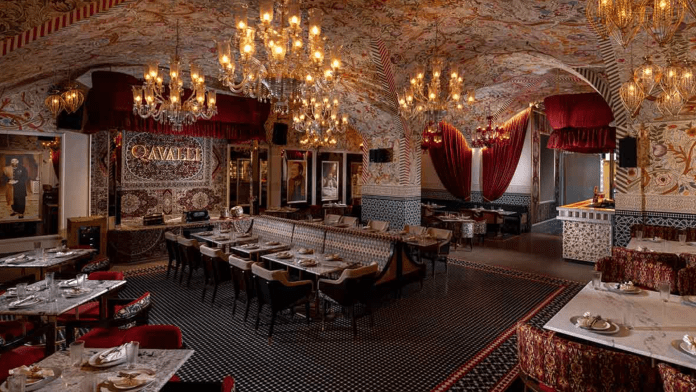
Qavalli’s charm encompasses its stunning design, skillfully crafted by Chromed Design Studio under the leadership of architect and interior designer Abhigyan Neogi. Inspired by Moroccan aesthetics, the design presents enchanting archways, a lively red color scheme, and intricate patterns, all illuminated by the radiance of crystal lamp chandeliers.
Step into a sumptuous haven adorned in gold and auburn hues, where opulently upholstered walls, grandiose drapery, and inviting alcoves await. The resplendent ambiance is bathed in the radiant glow of sparkling chandeliers, with gilded bar fronts flanking both sides, guaranteeing a regal experience for each guest. Be sure not to overlook the wall paying tribute to the legendary ‘qavvals’ of our era, as you fondly recollect days gone by while savoring meticulously crafted drinks that capture the essence from root to bark.
Dedicated to upholding the culinary traditions of North India, Qavalli’s menu is carefully crafted to harmonize with cocktails and to honor the rich tapestry of Indian ingredients. In the Qavalli kitchen, authenticity intertwines with creativity, resulting in a ‘Dawat’ – a heavenly banquet that leaves behind unforgettable memories.
It embraces the essence of Mughlai cuisine, tempting palates with impeccably grilled tikkas, succulent kebabs, flavorful curries, decadent breads, and fragrant biryanis. Additionally, it hosts an Indian botanical bar, where cocktails are meticulously crafted using unique cordials, tinctures, and elixirs that invigorate the senses.
What distinguishes Qavalli is its dedication to crafting memorable evenings. Qavalli Nights carry you away to the enchantment and melodies of traditional gatherings, infusing a hint of nostalgia into your dining experience.
This exceptional experience is available at an affordable price point, with a cost for two coming in at just INR 2000.
On this momentous occasion, Founder, Dinesh Arora says “Qavalli represents our unwavering dedication to preserving and celebrating the culinary legacy of India. We’ve poured our hearts into creating a space where each guest is welcomed as royalty, and where every bite tells a story of our rich culinary heritage. For us, Qavalli is a labor of love, a canvas on which we’ve painted the vibrant tapestry of Indian flavors and hospitality. It’s an invitation for our guests to embark on a regal gastronomic journey, where traditions meet innovation, and every moment is cherished.”
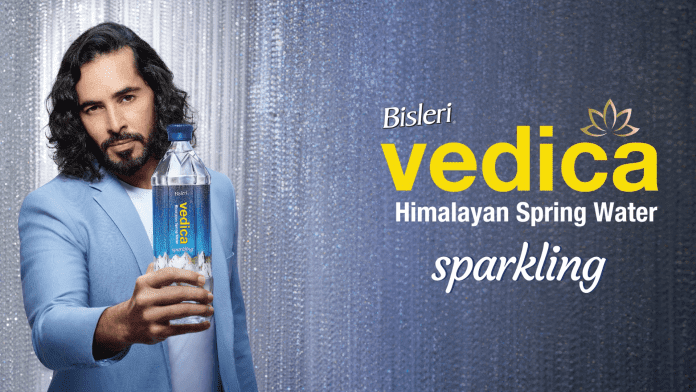
Bisleri International is intensifying its focus on premium offerings by expanding its renowned spring water brand, Vedica, into the sparkling water market. The leading packaged drinking water company aims for Vedica to achieve a INR 100 crore brand status and anticipate it to account for approximately 10% of their total revenues within the upcoming 2-3 years.
On Thursday, the company introduced Vedica Himalayan Sparkling Water priced at INR 175 for a 300 ml glass bottle. The product will be progressively introduced in various other packaging sizes.
Jayanti Khan Chauhan, Vice-Chairperson, Bisleri International, said “Indian consumers palette is evolving and they want to experiment with new formats and products. The Sparkling water segment is still a niche but fast-growing segment. It will take some time before it reaches the levels seen in developed markets such as Europe.” She added that the launch is being done just ahead of the festival season and sparkling water beverages are associated with special occasions.
Presently, Vedica makes up 5 percent of Bisleri International’s total revenue.
“We expect Vedica to become a INR 100 crore brand in the next 2-3 years and grow its contribution to the company’s overall revenues to 10 per cent. We want the brand to grab a lion’s share in the premium spring water segment,” Chauhan explained.
“We are growing its reach across modern trade and general trade stores in the HNI localities. We are also selling it through quick-commerce platforms as well as our own D2C app,” Chauhan added.
The company previously announced its goal to increase its revenues to approximately INR 5,000 crore by fiscal year 2025-2026, up from approximately ₹2,300 crore in fiscal year 2023.
Chauhan also noted that the company’s performance has been robust, except for the adverse effects of unseasonal rains during the summer season.
The company has been actively expanding its footprint in the carbonated beverage market through offerings like Bisleri Pop, Spyci Jeera, and Rev.
“We are ramping up manufacturing capacities for this segment and expanding our distribution. We expect the carbonated drinks portfolio to grow quite rapidly,” she added.
Currently, the company operates six manufacturing facilities for its carbonated beverages, with plans to incorporate two additional facilities in the near future.
South Indian film star Nayanthara and director Vignesh Shivan
South Indian film star Nayanthara and director Vignesh Shivan, in collaboration with serial entrepreneur Daisy Morgan, have introduced their skincare brand called ‘9Skin.’
While the specific investment details for the project remain undisclosed, a joint statement has conveyed its commitment to reimagining skincare with a renewed focus on self-care and beauty.
Nayanthara and Vignesh have previously made investments in the beverage chain Chai Waale.
9Skin is set to introduce its premium product line in three markets: Singapore, Malaysia, and India.
Nayanthara said, “I am passionate about products that ensure the well-being of the skin without harming it in any way and this was also the inception point for 9Skin. Our investment in this brand is testament to the fact that we want everyone to be able to experience the magic of a healthy skincare routine with products that match their needs.”
Vignesh Shivan, Co-Founder, 9Skin, said, “We have put our hearts into creating a brand that stands for authenticity, quality, and inclusivity, because we believe that everyone deserves access to skincare that empowers and uplifts.”
According to projections from Research and Markets, the skincare products market in India is expected to achieve a valuation of $10.31 billion by 2028, with a compound annual growth rate (CAGR) of 8.25 percent.
Dressfolk, an ethical clothing brand specializing in Indian handloom, recently celebrated a prosperous seed funding round. The company secured an impressive investment of INR 3.3 crore, with All In Capital taking the lead as the primary investor. This funding round also witnessed strategic contributions from notable industry luminaries, including Sidhant Keshwani from Libas, Sidhesh Chauhan of Jade Blue, and Riju Jhunjhunwala from RSWM Ltd.
With this new injection of funds, Dressfolk aims to enhance its range of products, broaden its distribution networks, and expand both its workforce and operational capacity.
Aditya Singh, Co-Founder of All In Capital, expressed, “Dressfolk’s unique designs and distinct product range are reviving the popularity of Indian handloom. Sarees have emerged as one of the largest and fastest-growing segments in apparel, and we have confidence that Nitin and his team at Dressfolk will make a significant impact in the ethnic wear sector.”
Founded in 2017, Dressfolk was established with the goal of revitalizing traditional Indian weaves and uplifting local artisan communities. The company operates based on the belief that ethical business practices need not sacrifice speed, and scalability in fashion can be achieved without excessive haste.
Nitin Mehrotra, Founder and CEO of Dressfolk shared, “At Dressfolk, we draw inspiration from the past but create for the future. We design and co-produce all our garments with our artisan community from scratch. We are delighted that investors recognize the immense potential in our long-term vision of establishing the most captivating destination for luxurious and high-quality Indian handloom products. We take pride in being not just ‘Made in India’ but ‘Made of India’.”
At present, Dressfolk partners with more than 600 weavers and 120 artisans spanning six different states, catering to a global customer base. In addition to its official website, dressfolk.com, customers have access to its products through a variety of offline multi-brand outlets and online marketplaces.
Sidhant Keshwani, Founder of Libas commented, “India’s direct-to-consumer (D2C) market is growing, with fashion and clothing players claiming a significant share. However, this substantial opportunity comes with stiff competition, and we believe Dressfolk possesses all the essential elements to become a true disruptor and challenger brand in the luxury handloom segment.”
The funding round also attracted angel investors, such as Vikrampati Singhania from JK Family Office, FinFirst Advisors, Apurva Ramesh Damani from Damani Family Office, and Pranav Sanghvi of Petronas. Notable individuals on Dressfolk’s list of investors include Prabhtej Singh Bhatia, a serial entrepreneur and co-founder of Falcon, Vidur Kataria, the founder of MasterChow, Arjit Johri from Marshot Ventures, Harbir Singh Banga of Victoria Group, Samyak Deora of Deora Group, Adit Desai of Doc Tutorials, and Megha Vishwanath, a former business journalist and marketer.
Looking ahead, Dressfolk’s long-term vision is to position itself as the ultimate destination for luxurious and top-quality Indian handloom products.
We use cookies to ensure that we give you the best experience on our website. If you continue to use this site we will assume that you are happy with it.