Friday, January 23, 2026
Home Blog Page 871

Monkey Bar returns to Bengaluru with stunning views and exciting menu

0
The Monkey Bar
The Monkey Bar

The Monkey Bar, a member of the Olive Group of restaurants, has made a triumphant comeback in Bengaluru. It now occupies the first floor of the newly renovated Museum building, offering stunning views of the vibrant Museum Road.

The newly envisioned gastropub of today promises a delectable culinary adventure (fear not, their beloved burgers still grace the menu), alongside an enticing array of cocktails and all the ingredients essential for a memorable night out.

The Olive Group of Restaurants has entered into a partnership with Tushar Fernandes and Nikhil Chittiappa of Silverback Ventures LLP to embark on this exciting new chapter for Monkey Bar.

Originally introduced in Bengaluru in the middle of 2012, this gastropub now boasts establishments in Delhi, Mumbai, Chennai, and Kolkata. As a tribute to Monkey Bar’s unwavering popularity in Bengaluru, the brand’s refreshed dedication centers on delivering an unmatched dining and drinking experience while cultivating a welcoming ambiance for unforgettable gatherings.

The design direction has transformed Monkey Bar into an ‘urban tropical dreamscape’.

Sabina Singh, the design director of the Olive Group of Restaurants and the creative mastermind driving this transformation, collaborated closely with WDA and Raseel Gujral Ansal, the renowned interior designer and architect behind Casa Pop, to encapsulate the brand’s narrative within the playful essence of the monkey.

Founder and managing director of the Olive Group of Restaurants, AD Singh, says, “Ushering in a new generation of gastropubs, Monkey Bar’s return to Bengaluru is fueled by its decade-long legacy and popularity in the city. This relaunch maintains Monkey Bar’s essence as an all-day gastropub with a modern twist. Bengaluru holds a special place in our hearts, and the city’s demand for our return has been resounding. This relaunch marks just the beginning of our ambitious plans and pays homage to Bengaluru’s rich food culture. We aim to transform our existing outlets across India into this exciting new avatar while expanding to tier 2 cities like Chandigarh, Ludhiana, Jaipur, and Indore.”

Advertisement

Conscious Consumerism: Strategies for Converting Advocates of Sustainable Brands

0

The rise of conscious consumerism has ushered in a new era of brand loyalty—one that transcends mere product quality and price. Today’s consumers are increasingly drawn to brands that align with their values, particularly those promoting sustainability and ethical practices. To harness the power of this growing movement, businesses must not only adopt eco-friendly measures but also employ effective strategies to convert advocates of sustainable brands into loyal customers.

Conscious consumerism represents a shift in consumer behavior. It’s characterized by a heightened awareness of the social and environmental impact of products and a desire to support brands that share their values. This mindset extends beyond niche markets, as consumers across various demographics are embracing sustainable choices.

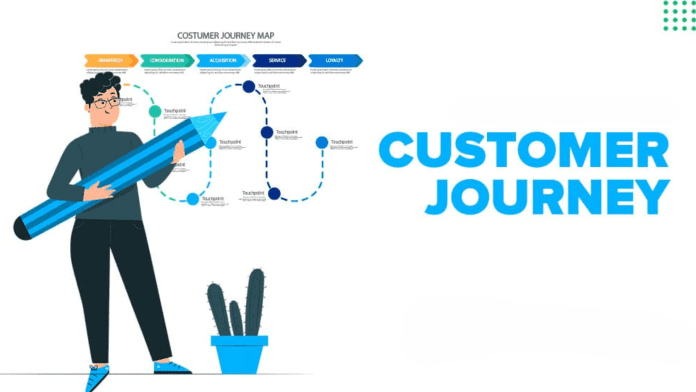
The Green Consumer’s Journey

To effectively convert advocates of sustainable brands, it’s crucial to understand the journey of a conscious consumer:

  • Awareness: Consumers become aware of the environmental and social issues associated with traditional products and industries. They seek information and alternatives.
  • Engagement: Engaged consumers actively seek out sustainable brands, educate themselves on ethical practices, and support businesses that align with their values.
  • Advocacy: These consumers evolve into advocates, enthusiastically promoting their preferred sustainable brands to friends, family, and social networks.
  • Loyalty: Over time, advocates develop strong brand loyalty. They not only make repeat purchases but also become long-term customers who champion the brand.
Strategies to Convert Advocates of Sustainable Brands
  • Authenticity is Key: Authenticity matters more than ever. Consumers can quickly discern greenwashing from genuine commitment to sustainability. Ensure your eco-friendly practices are transparent and rooted in real change.
  • Education and Awareness: Use your platform to educate consumers about the importance of sustainable choices. Share the positive impact of their support for your brand, not just on the environment but also on communities and society.
  • Storytelling: Craft a compelling brand story that highlights your journey toward sustainability. Showcasing your efforts, challenges, and successes can create a deeper emotional connection with conscious consumers.
  • Product Transparency: Clearly communicate the sustainability of your products. Labels, certifications, and detailed product information can empower consumers to make informed choices.
  • Engagement Platforms: Leverage social media, blogs, and other digital platforms to engage with your audience. Share content that resonates with conscious consumers, such as sustainability initiatives, ethical sourcing, and impact stories.
  • Community Building: Create a community of like-minded consumers who share a passion for sustainability. Encourage discussions, provide resources, and celebrate shared values.
  • Collaboration: Partner with other sustainable brands and organizations to amplify your message. Collaborative efforts can broaden your reach and attract new advocates.
  • Reward Loyalty: Recognize and reward the loyalty of conscious consumers. Loyalty programs, exclusive offers, and early access to new products can foster a sense of belonging.
  • Continuous Improvement: Showcase your commitment to ongoing sustainability improvements. Consumers appreciate brands that are constantly striving to reduce their environmental footprint.
Success Stories in Sustainable Brand Conversion
  • Patagonia: This outdoor clothing company is renowned for its commitment to environmental and social responsibility. They encourage customers to buy less and invest in quality, repairable products.
  • TOMS: TOMS’ “One for One” model, where they donate a pair of shoes for every one sold, has made them a leader in conscious consumerism. Their customers become advocates of their mission.
  • Ben & Jerry’s: Beyond their delicious ice cream, Ben & Jerry’s is known for its social and environmental activism. Their commitment to issues like climate justice and racial equity resonates with conscious consumers.

Conscious consumerism is more than a trend; it’s a fundamental shift in consumer behavior. Brands that authentically embrace sustainability and employ strategies to convert advocates of sustainable brands into loyal customers are positioned for success in this new era of consumer consciousness. By staying true to their values, educating consumers, telling compelling stories, ensuring product transparency, engaging on digital platforms, building communities, collaborating, rewarding loyalty, and committing to continuous improvement, businesses can not only gain advocates but also contribute to a more sustainable future. In the realm of conscious consumerism, the power of advocacy is a force to be reckoned with, shaping the future of business and society alike.

Advertisement

Inside the Consumer’s Mind: Key Factors Influencing Buying Choices

0
consumer buying

Understanding the intricacies of consumer behavior is akin to deciphering a complex puzzle. What drives individuals to choose one product or brand over another? What factors influence their buying decisions? 

1. Price and Value: Price remains a critical factor for consumers. They assess whether the product or service offers value for money. While some shoppers prioritize the lowest price, others are willing to pay more for perceived quality or additional features.

2. Brand Reputation and Trust: A brand’s reputation carries significant weight. Consumers are more likely to choose brands they trust, as they believe these companies will deliver consistent quality and stand by their products or services.

3. Social Proof: Humans are inherently social creatures. They often seek validation from others before making a decision. Positive reviews, testimonials, and recommendations from friends, family, or influencers can sway buying choices.

4. Emotional Connection: Emotional resonance plays a crucial role in consumer decisions. Brands that elicit positive emotions or align with a consumer’s values are more likely to secure their loyalty.

5. Convenience: In today’s fast-paced world, convenience is a driving force. Consumers appreciate products and services that make their lives easier, whether through time-saving features or user-friendly interfaces.

6. Product Quality and Performance: Consumers want products that perform as promised and offer durability. Quality and performance influence not only initial purchases but also repeat business and word-of-mouth recommendations.

7. Personalization: Tailored experiences and recommendations based on individual preferences are highly appealing to consumers. They appreciate brands that understand their unique needs and interests.

8. Visual Appeal: Aesthetics matter. Products and packaging that are visually appealing can attract attention and encourage purchases, even when other factors are equal.

9. Trustworthy Information: Consumers value transparent and honest information. Misleading or confusing messaging can deter them from making a purchase.

10. Fear of Missing Out (FOMO): The fear of missing out on a deal or opportunity can drive impulse purchases. Limited-time offers, exclusive products, and scarcity tactics can tap into this psychological trigger.

11. Peer Influence: People are influenced by the behaviors and choices of their peers. Seeing others using a product or service can create a sense of belonging and motivate consumers to follow suit.

12. Problem-Solving: Consumers often seek solutions to specific problems. Products or services that effectively address their pain points are more likely to win their business.

13. Brand Loyalty: Once consumers have a positive experience with a brand, they tend to stick with it. Loyalty programs and incentives can further cement this bond.

14. Cultural and Social Factors: Cultural norms, societal trends, and demographic factors can all influence buying choices. Consumers may choose products or services that align with their cultural or social identities.

15. Prior Experience: Past experiences with a brand can significantly impact future choices. Positive encounters can lead to brand loyalty, while negative ones may result in avoidance.

The consumer’s mind is a complex landscape shaped by a multitude of factors. Price and value, brand reputation, social proof, emotional connection, convenience, product quality, personalization, visual appeal, trustworthy information, FOMO, peer influence, problem-solving, brand loyalty, cultural and social factors, and prior experience all play a role in influencing buying choices. To succeed in today’s competitive marketplace, businesses must not only understand these factors but also align their strategies to meet the evolving expectations of consumers. In the world of consumer behavior, decoding the puzzle is an ongoing endeavor that can lead to lasting brand success.

Advertisement

Customer-Centric Harmony: Crafting Omni-Channel Marketing Plans for Exceptional Experiences

0

In the age of digital transformation, where customers interact with companies across various touchpoints, developing an omni-channel marketing strategy is no longer an option—it’s a must. Businesses that want to create excellent customer experiences will find success by putting together a cohesive omni-channel marketing strategy that puts the customer first.

Before diving into the strategies, let’s clarify what omni-channel marketing means. It’s not just about being present on multiple channels; it’s about creating a seamless and consistent experience for customers across those channels. Whether it’s your website, social media, mobile apps, email, or physical stores, the customer should experience your brand consistently and coherently.

The Power of Customer-Centricity
  1. Holistic Understanding: Start by building a comprehensive view of your customers. Collect data from all touchpoints to gain insights into their behaviors, preferences, and needs. This knowledge forms the foundation of your customer-centric approach.
  2. Personalization: Use the data you’ve collected to personalize your interactions with customers. Tailor messages, offers, and recommendations based on their past interactions and preferences. Customers appreciate feeling understood and valued.
  3. Seamless Transitions: Ensure that customers can seamlessly transition from one channel to another without encountering obstacles. If a customer starts a transaction online, they should be able to complete it in-store or through a mobile app without starting over.
Strategies for Crafting Customer-Centric Omni-Channel Plans
  • Multi-Channel Consistency: Maintain a consistent brand identity, voice, and messaging across all channels. This creates a cohesive brand image and fosters trust.
  • Mobile Optimization: Given the prevalence of mobile device usage, ensure that your online presence is mobile-friendly. Optimize your website, emails, and content for mobile devices.
  • Personalized Content: Leverage the power of personalization by creating content that speaks directly to individual customers’ interests and needs. Use dynamic content and recommendations to enhance personalization.
  • Unified Data: Integrate data from all channels into a single customer view. This allows you to track customer journeys and behaviors across touchpoints and tailor your marketing accordingly.
  • Cross-Channel Analytics: Implement cross-channel analytics tools to measure the effectiveness of your omni-channel efforts. Track customer interactions, conversion rates, and the ROI of each channel to refine your strategy.
  • AI and Automation: Leverage AI and automation to streamline omni-channel marketing. Use AI algorithms to make personalized recommendations and automate routine tasks.
  • Customer Feedback: Actively seek and listen to customer feedback across channels. Use this feedback to make improvements and enhance the customer experience.
  • Responsive Customer Support: Ensure that customer support is available and consistent across all channels. Customers should receive the same level of service whether they contact you via chat, phone, email, or social media.
Success Stories of Omni-Channel Excellence
  • Starbucks: Starbucks’ mobile app allows customers to order and pay for their drinks in advance, earning rewards and personalizing their orders. This seamless omni-channel experience has contributed to customer loyalty.
  • Disney: Disney’s MagicBand system integrates various aspects of the Disney experience, from park access and fast passes to payment and hotel room access. It creates a frictionless and immersive omni-channel experience for visitors.
  • Sephora: Sephora’s omni-channel strategy includes a mobile app that offers virtual try-on for makeup products and in-store technology that syncs with a customer’s online shopping history. This personalization enhances the customer journey.

In the age of omni-channel marketing, the customer must be at the heart of your strategy. By focusing on holistic understanding, personalization, seamless transitions, multi-channel consistency, mobile optimization, unified data, cross-channel analytics, AI and automation, customer feedback, and responsive customer support, you can craft a customer-centric omni-channel marketing plan that delivers exceptional experiences. The brands that prioritize customer-centricity in their omni-channel strategies will not only resonate with today’s consumers but also drive growth and loyalty in an increasingly competitive marketplace. In the world of omni-channel marketing, harmony with the customer is the symphony of success.

Advertisement

Bringing Brands to Life: Enhancing Growth with Augmented Reality Experiences

0

Staying relevant and grabbing the attention of customers is a constant struggle in today’s fast-paced corporate world. Adopting new technology such as Augmented Reality (AR) is the key to generating remarkable consumer experiences for organisations looking to accelerate their growth.

Augmented Reality, often abbreviated as AR, blends digital elements with the real world through the use of technology. By overlaying virtual objects or information onto the physical world, AR creates immersive and interactive experiences that captivate and engage users. Here’s how AR enhances brand growth:

  • Engagement: AR experiences are inherently engaging. They invite users to interact with your brand on a deeper level, fostering memorable connections.
  • Differentiation: In a crowded marketplace, offering AR experiences sets your brand apart as an innovator, attracting attention and curiosity.
  • Personalization: AR allows for personalized experiences tailored to each user, enhancing the sense of connection and relevance.
  • Data Insights: AR interactions generate valuable data that can be used to understand user behavior, preferences, and trends, informing future marketing efforts.
Ways to Leverage AR for Brand Growth
  • Interactive Product Visualization: AR lets customers visualize products in their real-world environment before making a purchase. Whether it’s trying on virtual clothing or placing furniture in their living room, this immersive experience can drive sales.
  • Virtual Try-Ons: Beauty and fashion brands can use AR to enable customers to try on makeup, glasses, or clothing virtually. This not only enhances the shopping experience but also reduces the risk of returns.
  • Gamification: Create AR games or quizzes related to your brand or products. Gamification increases engagement, encourages sharing, and can lead to viral marketing.
  • Enhanced Packaging: Use AR to transform product packaging into an interactive experience. When customers scan the packaging with their smartphones, they can access additional content, such as videos, tutorials, or hidden messages.
  • Geo-Targeted Marketing: AR can be location-based, allowing brands to deliver targeted content and promotions to users based on their physical location. This is especially useful for brick-and-mortar businesses.
  • Virtual Tours: For businesses in the travel, hospitality, or real estate industries, offer virtual tours of destinations, hotels, or properties using AR.
Success Stories of AR-Driven Growth
  • IKEA: The furniture giant’s AR app allows customers to see how IKEA furniture will look in their homes before making a purchase. This innovative approach has boosted sales and customer satisfaction.
  • Snapchat: This social media platform pioneered AR filters, allowing users to transform their selfies with playful effects. Brands quickly jumped on board to create sponsored AR experiences, increasing brand visibility and engagement.
  • L’Oreal: The cosmetics giant uses AR to let customers virtually try on makeup products through their app. This has not only increased user engagement but also helped customers make more informed purchasing decisions.

Augmented Reality is not just a buzzword; it’s a powerful tool for bringing brands to life and enhancing growth. By creating immersive and interactive experiences, AR captures consumer attention, differentiates your brand, and fosters engagement. Whether you’re in retail, fashion, real estate, or any other industry, there are creative ways to leverage AR to drive brand growth. As technology continues to evolve, brands that embrace AR today will be the ones leading the way in tomorrow’s marketplace. In the realm of AR, the only limit is your imagination, so let your brand’s story come to life!

Advertisement

Lights, Storytelling, Action: Elevate Your Brand Growth Through Video Marketing

0

Video has emerged as the crown jewel of content marketing in the digital era. It’s a media like no other for capturing attention, conveying messages, and encouraging involvement. Whether you’re a startup looking to build a footprint or an established company looking to expand, using the potential of video marketing may be game-changing. 

Why is video marketing such a potent tool for brand growth? The reasons are clear:

  1. Engagement: Videos grab and hold viewers’ attention, allowing you to convey your message effectively.
  2. Versatility: From product demos and tutorials to storytelling and behind-the-scenes glimpses, videos can serve a multitude of purposes.
  3. Emotion: Video enables you to evoke emotions and connect with your audience on a deeper level.
  4. Shareability: Engaging videos have the potential to go viral, expanding your reach exponentially.
Key Strategies for Video Marketing Success
  • Define Your Objectives: Start with a clear understanding of what you want to achieve through video marketing. Is it brand awareness, lead generation, conversion, or something else? Your objectives will guide your video content and distribution.
  • Know Your Audience: Just as with any marketing effort, understanding your target audience is paramount. What are their pain points, interests, and preferences? Tailor your video content to resonate with them.
  • Tell Compelling Stories: The best videos often tell stories that connect with viewers emotionally. Whether it’s the story of your brand’s journey or a customer success story, storytelling humanizes your brand.
  • Focus on Quality: High-quality production values matter. Invest in good equipment, editing, and sound to ensure your videos look and sound professional.
  • Keep it Short and Sweet: Attention spans are short, so keep your videos concise and to the point. Aim for engaging content within the first few seconds to hook viewers.
  • Optimize for Mobile: Many people consume video content on mobile devices, so ensure your videos are mobile-friendly. This includes responsive design and legible text.
  • SEO Matters: Just like written content, video content should be optimized for search engines. Use relevant keywords, write detailed descriptions, and consider adding transcriptions.
  • Leverage Multiple Platforms: Don’t limit your video marketing to a single platform. Share your videos on YouTube, social media, your website, and even in email marketing campaigns.
  • Use Calls to Action (CTAs): Encourage viewer engagement by including CTAs in your videos. Whether it’s subscribing to your channel, visiting your website, or making a purchase, guide your viewers on what to do next.
  • Analyze and Adapt: Regularly review video performance metrics. Track views, engagement rates, and conversions. Use this data to refine your video marketing strategy and create content that resonates with your audience.
Examples of Effective Video Marketing
  • Tutorials and How-Tos: Educational videos showcasing your product or explaining a complex topic can establish your brand as an authority.
  • Customer Testimonials: Authentic testimonials from satisfied customers build trust and credibility.
  • Behind-the-Scenes: Offer a peek behind the curtain to humanize your brand and show the people and processes that make it all happen.
  • Explainer Videos: Simplify complex concepts or services using animated or live-action explainer videos.
  • Live Streams: Real-time engagement through live video can create a sense of urgency and authenticity.
  • Webinars: Host webinars to provide in-depth information and connect with your audience in real-time.

Video marketing is more than just a trend; it’s an essential tool for brand growth in the digital era. Whether you’re a startup looking to establish your presence or an enterprise aiming to expand your reach, harnessing the power of video marketing can set you on the path to success. By defining your objectives, knowing your audience, telling compelling stories, focusing on quality, optimizing for mobile, leveraging multiple platforms, using CTAs, and analyzing performance, you can create a video marketing strategy that not only elevates your brand but also drives growth and engagement. In the world of video marketing, the spotlight is on your brand’s story and the action it inspires.

Advertisement

Nolet Group expands portfolio with acquisition of Lucas Bols in €269.5 Million deal

0
Lucas Bols
Lucas Bols

The family-owned Nolet Group, known for producing Ketel One vodka, has entered into an agreement to acquire Lucas Bols, a fellow Dutch distillery.

Lucas Bols’ management and supervisory boards have given their support to an offer that values the liqueurs and Tequila business at €269.5 million ($284.1 million).

Nolet, a family-owned company, has been a shareholder in Lucas Bols since the cocktail maker went public in 2015, holding a 29.9% stake in the business.

The companies announced today that the bid offers a premium of approximately 76% over Lucas Bols’ closing share price on Friday, October 6th. This recommendation has been made to the shareholders of Lucas Bols.

Lucas Bols, which will retain its name and brands, will be brought into Nolet Group as “a separate company”, the statement read. It will keep its office in Amsterdam.

CEO Huub van Doorne and CFO Frank Cocx will continue in their current positions. Collectively, they own a 5.4% stake in Lucas Bols. They have reached an agreement to sell their shares to the Nolet Group.

Van Doorne said, “Together, we create a Dutch champion in the global spirits and cocktail market with a strong portfolio of brands, the right focus and strengthened brand investments.”

For the fiscal year ending in March, Lucas Bols reported revenue of €100.9 million, reflecting a 9% increase compared to the previous year. The company attributed this growth to factors such as “premiumization,” price adjustments, currency exchange rates, and the acquisition of the Tequila brand Partida in the prior year.

Nevertheless, Lucas Bols reported that its “normalized” operating profit declined by 26.7% to €15.1 million, primarily due to elevated input and logistics expenses, as well as a significant increase in marketing expenditures, as stated by the company at the time.

The group’s adjusted net profit amounted to €10.1 million, compared to €14.7 million in the previous year.

Carel Nolet, the chair of Nolet Group, said, “Nolet and Lucas Bols complement each other well in terms of markets, brands, innovation and marketing. For us, the combination with Lucas Bols is a valuable expansion with a strong portfolio of well-known brands. Lucas Bols is an industry-leading company we know very well. We have been a large shareholder since its listing in 2015 and have been supporting the leadership in delivering their strategy ever since.”

Lucas Bols’ product lineup encompasses Passoã fruit liqueur, the sparkling liqueur brand Nuvo acquired in June, and the non-alcoholic spirits brand Fluère, which was acquired at the beginning of the year.

As per the agreement’s provisions, Lucas Bols has committed not to actively seek alternative offers from third parties. However, if a competing cash offer is presented, and the Lucas Bols boards deem it to be a more advantageous proposal and transaction, surpassing the existing deal by a minimum of 12.5%, the Nolet Group retains the option to match such an offer.

As of 10:10 BST today, Lucas Bols’ shares had surged by 70.94% to reach €17.35.

Advertisement

Shake Shack eyeing further UK expansion with a new restaurant in Oxford

0
Shake Shack
Shake Shack (Representative Image)

Shake Shack, the restaurant chain, is said to be strategizing for further growth in the United Kingdom by introducing a new location in Oxford.

According to Oxfordmail, undisclosed contractors involved in converting the former Pandora jewellers store in Cornmarket Street into a restaurant have reported plans to open the new establishment in 2024.

At present, the chain possesses approximately 16 establishments in the UK, with the majority of these restaurants situated throughout London.

The gourmet fast-casual restaurant chain boasts a global presence with over 377 establishments worldwide.

Shake Shack has joined forces with illustrator and muralist Ellie Fryer to craft an exclusive illustration for the exterior of the building, as reported by Oxfordmail.

A statement said, “Incorporating some of Shake Shack’s signature menu items with an ‘olden’ twist, the artworks focus on bringing to life the stories, legends and cultural heritage of an Oxford past.”

A contractor at the site added, “This is going to be a Shake Shack selling burgers and shakes.”

The new restaurant in the UK will introduce a delectable menu, including flat-top dogs, ‘ShackBurgers,’ ‘ShackMeisters,’ ale, shakes, and more.

Earlier this year, Shake Shack made its debut by opening its first location at Atlantis Paradise Island resort in the Bahamas.

Shake Shack Atlantis, the restaurant’s name, boasts an extensive menu selection that encompasses made-to-order Angus beef burgers, crispy chicken, hot dogs, hand-spun milkshakes, and house-made lemonades. Additionally, the restaurant is characterized by a full 360-degree hexagon-shaped bar and floor-to-ceiling glass walls, providing diners with captivating up-close views of the renowned Atlantis’ The Dig aquarium.

Advertisement

Titan Hospitality unveils second Blackwall Barn & Lodge restaurant in Downtown Columbia

0
Barn & Lodge restaurant ribbon cutting ceremony

US-based restaurant management company, Titan Hospitality Group, has recently launched its second Blackwall Barn & Lodge restaurant in the bustling Merriweather District of Downtown Columbia.

A dedicated ribbon-cutting ceremony marked the grand opening, with notable attendees including Howard County’s Executive, Dr. Calvin Ball, and Maryland Region President, Kristi Smith.

Titan Hospitality Group Founder and CEO James King said, “We are incredibly proud of reaching this point in the history of Titan Hospitality Group and this grand reveal not only celebrates the opening of The Blackwall Barn & Lodge in the Merriweather District but also highlights the importance of working with a community.

“Our collaboration with the various organisations and representatives of Howard County has truly allowed us to have an opening like we have had today. We are grateful to be a part of Howard County and we cannot wait to see its residents enjoy our establishment and make many fond memories.”

The new venue will offer six distinct dining spaces, providing guests with the opportunity to experience fine dining and host special events.

The restaurant’s menu features an array of delectable dishes, including options like flaming crab dip, red brick chicken, braised duck ragu pasta, and many other tantalizing choices.

Patrons can also indulge in signature cocktails, including the tequila-infused EspresSol Martini and the iconic Titan’s Massive Mary.

Howard Hughes Maryland president Kristi Smith said, “The Howard Hughes team is thrilled to welcome Blackwall Barn & Lodge to Downtown Columbia.

“The Merriweather District has quickly become a hub of activity with all the events at Color Burst Park and the wide variety of restaurant options.

“We are looking forward to an amazing fall and winter season with the opening of Blackwall Barn & Lodge and the return of some of the community’s favourite events.”

Advertisement

Absolut teams up with artist Osheen Siva to honor diversity with limited-edition bottle

0
Absolut

Absolut has long been at the forefront of innovative cultural endeavors rooted in artistic self-expression and purpose. Throughout its history, the brand has engaged in remarkable collaborations with acclaimed artists such as Subodh Gupta, Anish Kapoor, Bharti Kher, and Vikram Seth, resulting in numerous impactful campaigns.

This year, Absolut embarks on a fresh campaign, forging a creative partnership with the versatile artist Osheen Siva. Together, they introduce an inspiring limited-edition bottle that pays homage to the diverse identities shaping the youth of India. The campaign carries a profound message, envisioning a future characterized by inclusivity and acceptance.

Siva’s striking design eloquently melds the traditional and the contemporary, echoing the brand’s fundamental principles. The artwork comprises three distinct elements: the leftmost figure embodies the profound traditional elements embedded in Indian culture, while the rightmost figure symbolizes fluidity, queerness, and a future characterized by non-binary identity. The hands in the center symbolize the harmonious intersection of the past and the present, drawing inspiration from Absolut’s core tenets of inclusivity and solidarity.

Pulkith Modi, head of Marketing – International Brands, Pernod Ricard India, said, “Absolut has always believed in a colourless world without biases and has a legacy of working with pop culture to encourage different forms of creative expression. The introduction of the new limited-edition bottle is a celebration of the diversity and pluralism that defines young India. Together with Osheen Siva’s exceptional design that has culminated into this symbolic edition, we hope to further Absolut’s commitment towards a more optimistic future.”

Artist Osheen Siva said, “I’m elated to have worked with Absolut again for this limited-edition design! The idea for this project is close to my heart and is in line with my existing practice. It is inspired by the multiplicity and plurality that exists in our society and the hope for a better future. I hope the artwork resonates with the youth of today.”

The newly released limited-edition 750ml bottle is now accessible in every major metropolitan area.

Advertisement