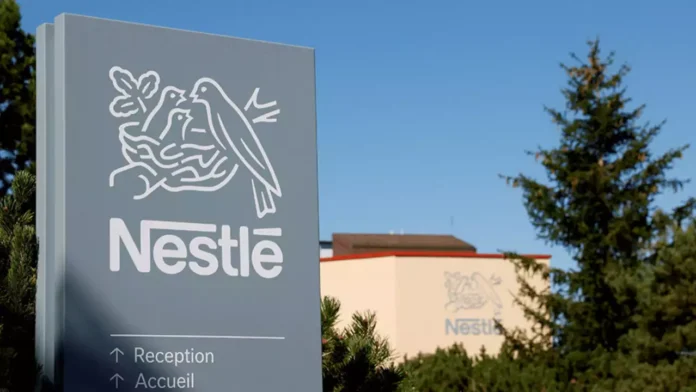
Nestlé intends to close its Wyeth Nutrition infant formula plant along with its adjacent research and development center in Askeaton, County Limerick, Ireland, potentially jeopardizing the employment of 542 individuals.
In a statement, the food giant said that it would be ceasing operations at Wyeth Nutrition infant formula factory by Q1 2026, and the R&D centre by Q1 2025. Nestlé said, “Regrettably, today’s announcement means approximately 542 colleagues will be placed at risk of redundancy”.
Nestlé obtained Wyeth Nutritionals through its purchase of Pfizer Nutrition in 2012.
The plant manufactures infant formula products solely for shipment to the Greater China and various Asian markets. At present, the factory employs 491 personnel, and the research and development site has a staff of 51.
Nestlé stated that “external trends” have impacted the demand for infant nutrition products in Greater China.
The company highlighted, “The number of newborn babies in China has declined sharply from some 18 million per year in 2016 to fewer than 9 million projected in 2023. The market, which had previously been reliant on imported infant formula products, is also seeing rapid growth in locally produced products.”
Nestlé (Representative Image)
To adapt to those changes, Company is proposing the transfer of production from Askeaton to two existing factories: Suzhou in Mainland China and Konolfingen in Switzerland.
Headquarters:
“Konolfingen is also home to Wyeth and Nestlé Nutrition’s global R&D centre of excellence for infant and maternal products,” said Nestlé. “It is proposed that R&D work at Askeaton would be absorbed into Konolfingen, where 365 colleagues work on research and product development across several disciplines, and a satellite R&D centre in Shanghai would be strengthened.
“These proposals have been carefully considered and are no reflection on the excellent contribution made by our employees in Askeaton over many years.”
Nestlé has been unsuccessful in locating a potential buyer. Consequently, the company will initiate a comprehensive consultation process with its employees concerning the proposed closure. At the same time, throughout this consultation, They will entertain any credible inquiries from potential buyers.
Nestlé said, “We regret the uncertainty this announcement will cause our colleagues and their families, and we will make sure they are supported fully throughout this process”.
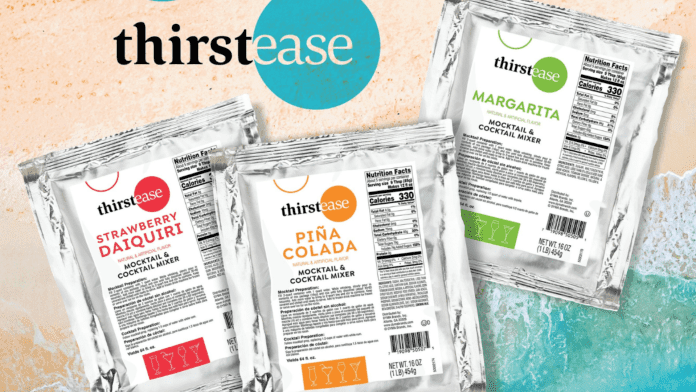
Dyma Brands has officially introduced its latest dry-blend mixers for cocktails and mocktails, now available under the Thirst Ease label.
These mixers, offered in margarita, strawberry daiquiri, and piña colada flavors, will enable Dyma’s customers to effortlessly diversify their beverage choices and increase profitability, all while using minimal supplementary ingredients.
Dyma Brands launches Cocktail and Mocktail:
Dyma’s mixers, as highlighted in the company’s statement, assure businesses of “optimal profitability” by offering the taste and quality akin to pre-made bottled cocktail mixes but at a more accessible price range.
These mixers are designed to be cost-effective, ensuring businesses can maintain quality without compromising on their margins. Simplifying the preparation process, these mixers necessitate only the addition of water or spirits, providing a convenient solution for bars, restaurants, or event spaces aiming to streamline their beverage offerings.
Furthermore, the mixers boast an impressive shelf life of approximately two years, offering an extended period for inventory management and reducing wastage concerns for businesses
The Tata Cliq Palette, a part of the House of Tata, proudly unveiled its most recent store in Pune, Maharashtra, as revealed in a social media announcement made on a Sunday. This newest outlet can be found within the Kopa mall situated in Koregaon Park.
“Palette ticks off another milestone! All good things start with P & end with E. And so, after Navi Mumbai, we’ve booked our newest destination: Pune! Come visit us at our newest retail store at the recently opened KOPA mall in Koregaon Park, Pune. Store open now,” the company posted on Linkedin.
Tata Cliq Palette Expansion:
House of Tata’s Tata Cliq Palette opened its first beauty-tech store in Navi Mumbai, Maharashtra in July.
Crafted by Tata Unistore Ltd., Tata Cliq Palette not only offers a wide array of products but also delivers expert-curated content and insights from influencers to help consumers stay informed about the latest trends and maintain suitable self-care routines.
This beauty hub showcases an assortment of over 1,000 international and local brands spanning various categories such as cosmetics, skincare, haircare, fragrances, grooming tools, and accessories.
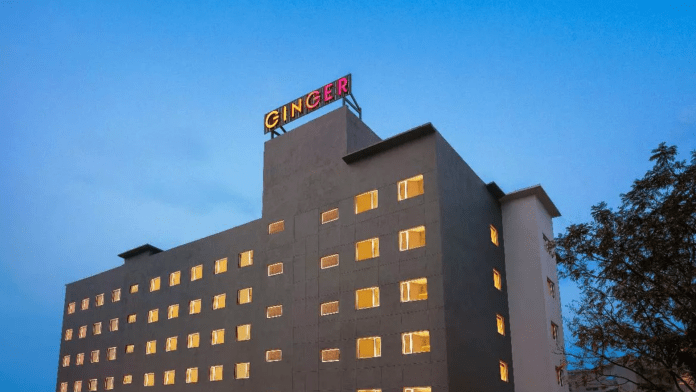
Ginger, the midscale brand under the umbrella of the Indian Hotels Company Limited (IHCL), is expanding its presence.
Since its brand transformation in 2018, Ginger has experienced growth in both the number of its properties and its revenue. The increasing average number of rooms per hotel reflects growing developer confidence and rising travel demand.
This trend is noticeable in both well-established markets, such as Mumbai, Bengaluru, and Goa, where hotels with over 300 rooms are emerging, as well as in smaller towns.
IHCL’s Ginger Brand Grows Portfolio:
“For Ginger the average number of rooms per hotel used to be around 70 but it is increasing. In our existing portfolio of 60 hotels the average number of rooms per hotel is 83 and that will increase to 115 in our 26 pipeline hotels. More the number of rooms better is the efficiency of a hotel basis the demand in the market,” said Deepika Rao, IHCL’s executive vice president, hotel openings and corporate communications.
“In tier II and III cities where we have entered existing non-branded hotels have a small inventory. Typically, the largest property in these towns would have about 80 rooms. But now developers are gaining confidence to build bigger hotels of more than 100 rooms. I see the change in most tier II III cities except in North East states where room count per hotel is still around 70-80,” added Suma Venkatesh, IHCL’s executive vice president, real estate and development.
At present, IHCL has a portfolio of 26 upcoming Ginger hotels set to launch in various markets, including Agra, Ahmedabad, Durgapur, Dehradun, Goa, Gangtok, and more.
“Cities are growing creating their own micro markets and business districts. We see a great opportunity in midscale segment and feel that practically every district headquarter in the country can take a Ginger hotel,” Venkatesh said.
Numerous properties are also emerging in cities where the Ginger brand already has a presence. IHCL has secured a land lease to construct a 300-room Ginger hotel at Mopa airport in Goa, which will become the third-largest hotel within the Ginger brand. Furthermore, a 371-room property near Mumbai airport is set to open soon, and a 325-room Ginger hotel, part of a twin project alongside a 450-room Vivanta, will be developed near Bengaluru airport within the next three years. These twin hotels will be built on a single plot and are currently in the design stage.
The first Ginger hotel opened in the Whitefield area of Bengaluru in 2004. Modeled as a budget no-frills brand, it sold rooms for INR 999 a night in its initial years. A lackluster performance and increasing competition in the budget space forced IHCL to change strategy.
Ginger underwent a brand transformation in 2018. Although the average room size, roughly 200 square feet, was retained, significant changes were made to the interiors and aesthetics to create a more vibrant ambiance. Instead of outsourcing, in-house food and beverage services have been introduced in the hotels. The existing hotels are undergoing renovations to adopt a “lean luxe avatar.” This strategy has already revitalized approximately 60 percent of the Ginger properties.
The enterprise revenue of the Ginger brand has surged from INR 200 crore in FY 2018 to INR 360 crore in FY23, marking a fivefold increase in the pace of growth. The hotel pipeline has also expanded from five in 2018 to the current count of 26 hotels.
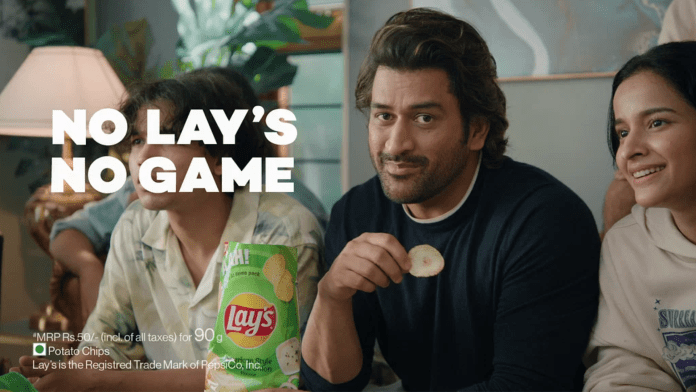
PepsiCo India has enlisted MS Dhoni to serve as the brand ambassador for Lay’s, its potato chips brand. This move capitalizes on the cricketing excitement generated by the ongoing World Cup, which conveniently aligns with the festive season.
Saumya Rathor, Category Lead – Potato Chips, PepsiCo India, said, “The brand is excited to reunite with the beloved cricketer, MS Dhoni, as the face of Lay’s, solidifying the deep bond between the brand and our cricket-obsessed nation. Dhoni is an emotion for the country, and has given us countless moments of joy. Just as Lay’s has been a part of the onsumer’s joyful moments.”
PepsiCo Signs MS Dhoni as Lay’s Brand Ambassador!
Dhoni has maintained a prior association with the brand as well.
“Bollywood and cricket are big passion points for the country and we focus on a lot of occasion-building to contextualize and grow brand relevance. We are confident that this dynamic partnership and the ‘No Lay’s, No Game’ campaign will continue to deliver boundless joy to consumers and remind them to continue to elevate their match-viewing experience with Lay’s chips,” added Rathor.
The packaged snacks category has also experienced an increase in demand during the festive season.
“We do see a consumption upswing during the fag-end of the year, and we are planning a lot of activations to capitalize on the mood of the nation,” she added.
The PepsiCo campaign ‘No Lay’s No Game’ has featured football legends Thierry Henry and Lionel Messi in various international markets.
Vikram Pandey, National Creative Director, Leo Burnett India, said “Everyone knows Lay’s is the prefect munching snack while watching the game. The challenge was how do we get them to stock it up. The answer was Dhoni knocking at your door! This candidly captured film takes our international ‘No Lay’s, No Game’ idea forward and playfully reminds audience to stock up Lay’s at home.”
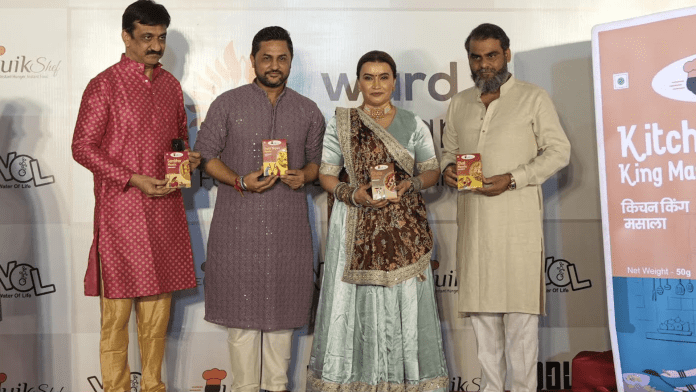
Wardwizard Foods and Beverages Limited, a prominent player in the food and beverage industry, is thrilled to introduce its QuikShef Spice Range in celebration of the Navratri festival. This launch represents a substantial expansion of their product lineup and exemplifies the company’s forward-thinking approach. With this innovative offering, Wardwizard aspires to captivate the market, marking a pivotal moment in their journey as they explore an exciting new segment.
The unveiling of the QuikShef Spice Range became an unforgettable occasion, elevated by the presence of Param Pujniya Shri Dhirendra Shastriji, Bageshwar Dham Sarkar. His attendance at the Navratri festival lent a sacred aura to this culinary extravaganza, enriching the event’s spiritual essence.
Emphasizing the strategic vision behind the move, Mrs. Sheetal Bhalerao, Chairperson and Managing Director, Wardwizard Foods and Beverages Limited., stated, “Our foray into the spices segment represents our commitment to innovation and fulfilling the evolving tastes of our consumers. We comprehend the growing demand for high-quality spices and are determined to offer nothing less than the best.
With the QuikShef Spice Range, we aim to bring the rich and authentic flavors of Indian spices to the world, enabling culinary enthusiasts to infuse their dishes with the essence of India. This initiative is just the beginning of our forward-looking approach, and we are excited to bring new and exciting flavors and experiences to our customers.”
Wardwizard Foods Unveils QuikShef Spice Range Expansion
Continuing her statement, Mrs. Bhalerao mentioned, “We are also deeply honored to have Param Pujniya Shri Dhirendra Shastriji, Bageshwar Dham Sarkar, join us on this auspicious occasion, and we extend our heartfelt gratitude for his presence, adding a spiritual and blessed dimension to our culinary journey”
In response to the growing demand for premium spices, Wardwizard Foods and Beverages unveiled its QuikShef Spice Range during the Navratri festival. This exquisite collection features 17 distinct varieties, meticulously crafted to enhance the flavor and aroma of dishes. From the fragrant Shahi Biryani Masala to the versatile Garam Masala, and the delectable Panipuri Masala, these spices cater to the discerning preferences of customers. With packaging available in four convenient sizes, Wardwizard Foods ensures that both novice cooks and seasoned chefs can find the ideal fit for their culinary creations.
Below is a list showcasing the all new QuikShef Spice Range along with their available grammage:
Product Name
Grammage
Shahi Biryani Masala
50g, 100g
Sambar Masala
50g, 100g
Pav Bhaji Masala
50g, 100g
Kanda Lasun Masala
50g, 100g
Kitchen King Masala
50g, 100g
Garam Masala
50g, 100g
Chat Masala
50g, 100g
Shahi Paneer Masala
50g, 100g
Tandoori Masala
50g, 100g
Sabji Masala
50g, 100g
Panipuri Masala
50g, 100g
Chole Masala
50g, 100g
Kashmiri Mirchi Powder
50g, 100g, 500g, 1Kg
Dhaniya Powder
500g, 1Kg
Haldi Powder
500g, 1Kg
Meat Masala
50g, 100g
Chicken Masala
50g, 100g
The QuikShef Spice Range is poised to make waves in the respective segment, further establishing Wardwizard Foods and Beverages as a leader in culinary innovation. This exciting introduction aligns with the company’s mission to satisfy not only consumers’ appetite but also their craving for a unique and authentic culinary experience.
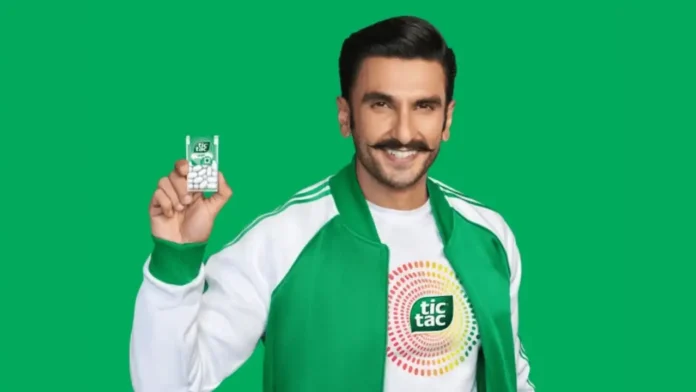
Tic Tac, the confectionery brand of Ferrero India (part of Ferrero Group), one of the world’s leading manufacturers of sweet-packaged products, has announced the launch of its latest Digital Campaign for the ongoing cricket season. To further augment its connection with the target audience, Company has teamed up with Bollywood actor Ranveer Singh to launch a fun, refreshing and quirky campaign that is sure to entertain consumers across the spectrum. The association marks a dynamic union between a brand known for its refreshing mints and India’s most beloved actor known for his refreshing vibes.
Tic Tac Collaboration with Ranveer Singh!
At the heart of Tic Tac’s brand proposition, lies the notion of sparking your inner positive vibes and radiating them to others. This concept takes centre stage in the recently released digital film as well, which features Ranveer Singh as the main protagonist. The campaign aims to portray Tic Tac as an inspiration for a refreshing transformation, that brings alive the moments of refreshing good vibes, to further establish the brand as a preferred choice of refreshment amongst the youth of India.
In the digital film, Ranveer Singh and his friend are seen viewing a match, when emotions run high & and his friend becomes passionate on player’s performance, and start ‘coaching’. Ranveer then intervenes playfully, asking his friend to chill & vibe. The film not only encapsulates the essence, but also embodies Ranveer’s quirky personality and energy. Ranveer passes on the Tic Tac pack & the Tic Tac spirit to his friend, establishing it as your partner, in savouring all the high and low moments of the game, while maintaining a positive, cheerful vibe, regardless of the situation.
Zoher Kapuswala, Marketing Head, Pills & Gums, Ferrero India, said “Keeping the consumer’s love for good vibes at the heart of all its endeavours, Tic Tac has come out with yet another ‘youth-first’ digital campaign, spearheaded by the Youth Icon of the Country- Ranveer Singh! Keeping pace with the Gen Z & their affinity towards Sports and Bollywood, we leveraged the magical combination of the passion for cricket, and the playfulness & positive energy of Ranveer Singh.”
#ChillKarVibeKar campaign will be leveraged on all key social media platforms.
Flipkart is currently on track to attain a gross merchandise value (GMV) in the range of INR 33,000 to 36,000 crore during the ongoing festive season sale, as disclosed by sources knowledgeable about the situation. This sale is expected to continue for approximately 40-45 days, extending until the celebration of Diwali in November.
After a strong start to its flagship Big Billion Days sale in early October, which exceeded expectations, the e-commerce giant owned by Walmart, has now initiated the second phase of its festive season sale, as indicated by insiders. It’s worth noting that these sales are traditionally conducted in three stages, strategically designed to contribute a substantial portion of the total annual sales during this season, helping the company maintain its market leadership position over its rival, Amazon India, for the past two years.
Flipkart’s Festive Sales:
“The start of the sale cycle has been positive, which began on October 8 and (Flipkart) should be on track to hit GMV of around $4-$4.5 billion,” said one person aware of the sales trajectory so far. This will mark an increase of up to 15-20% from the GMV recorded by the ecommerce major in 2022.
GMV, or Gross Merchandise Value, signifies the cumulative worth of products traded within an online marketplace. Flipkart generates revenue by collecting a commission on every sale, acting as the intermediary that connects merchants with consumers through its marketplace.
In addition to its primary revenue source, Flipkart also earns income through various seller services, including advertising.
Flipkart Wholesale (Representative Image)
Queries regarding the sales numbers were met with no response from a Flipkart spokesperson.
Both Flipkart and Amazon India, the two leading e-commerce players in the nation, have conveyed through press statements that the festive sales have commenced on a positive note. However, it’s important to note that these companies do not disclose specific individual gross sale figures for their platforms.
During the initial week of this year’s festive season sales on e-commerce platforms, GMV surged by approximately 18%, reaching approximately $4 billion, as reported by Datum Intelligence, a market research company. Datum Intelligence anticipates that the e-commerce sector will achieve a total GMV of roughly $9 billion by the conclusion of this year’s festive season.
“These (Flipkart GMV numbers) estimates are realistic and in line with market data. Flipkart is still big on smartphones, fashion and appliances — which are key segments, especially during this period,” said Satish Meena, an advisor to Datum Intelligence.
Flipkart Demands:
As per insiders, the surge in sales for Flipkart can be attributed to an increased demand for premium products in various categories, such as high-end smartphones, electronics, and appliances. This trend has been verified by at least two executives representing third-party logistics firms, based on the shipment data they’ve processed.
According to data from Counterpoint Research, sales of premium smartphones witnessed a twofold increase in online channels. Furthermore, it was revealed that 80% of the smartphones sold on Amazon and Flipkart within the initial 48 hours of the sale were equipped with 5G capabilities.
“We expect festive season smartphone sales to grow 7% YoY in volumes and 15% YoY in terms of the average selling price (ASP) this year. Smartphones, electronics & appliances and fashion are the top categories for ecommerce marketplaces,” the firm said in a note issued last Friday.
Industry executives point to a rising trend of “premiumisation” across both online and offline retail that is buoying the sector after muted sales during the first half of the year. “Although, the sluggish growth in sales of low-value items has continued in festive season sales as well,” said one person in the know.
“It is crucial for the marketplaces that new customers come in so that they are not just relying on repeat users. That would be important for the rest of the festive season as well as the full year,” a senior ecommerce industry executive said.
Flipkart Second Quarter Sales:
In July, it was reported that second-quarter sales figures indicated a decline in the volume of products priced under INR 500.
According to several industry executives, this observation highlights how a specific group of users is significantly influencing total sales, whereas the wider consumer base may not be able to contribute as substantially due to income constraints and rising inflation. In two distinct discussions, Amazon India executives have mentioned that they are witnessing a “significant shift toward premium products” across various categories.
“Fashion this year was the most affected segment throughout. Offline stores are also back in the groove now and there is a control in the inventory being released for online as well as on its pricing,” said an industry executive aware of the trends.
Insiders further noted that Flipkart’s recently introduced subscription program, VIP, has prompted higher spending by more affluent users from major metropolitan areas. These users are now engaging in a range of transactions, such as booking travel through Cleartrip, on the platform. VIP was rolled out in major cities like New Delhi, Bengaluru, and Mumbai just ahead of the Big Billion Days sale, featuring perks like next-day delivery.
Amazon’s well-known subscription program, Prime, consistently witnesses its members spending more on the platform throughout the year in comparison to non-Prime users. Shortly following the launch of Flipkart VIP, Amazon introduced its own service called “Prime Shopping Edition,” just prior to the commencement of its flagship sales event, the Great Indian Festival. This new membership is available for INR 399 per year and offers restricted shopping-related advantages, including free shipping and one-day deliveries.
Datum’s Meena added that while repeat users from urban markets are driving the value growth, non-metro markets are playing an important role in overall volume growth. “Platforms like Flipkart, Meeshoand Amazon are seeing volume growth from non-metro markets,” he said.
Staying ahead of the curve in today’s fast changing business world necessitates adopting digital transformation. It’s more than just a buzzword; it’s a strategic shift that can move brands forward, opening up new opportunities and avenues to success. This article delves into the concept of digital transformation and the technologies that are propelling forward-thinking brands on this transformative journey.
Digital transformation isn’t a standalone technology; it’s a comprehensive strategy. It entails reimagining and reinventing the way a brand operates, serves its customers, and competes in the digital age. The goal is to leverage technology to enhance customer experiences, streamline operations, and drive growth.
Key Technologies that Power Digital Transformation
Artificial Intelligence (AI) and Machine Learning: AI and machine learning are revolutionizing business operations. Brands can utilize AI to analyze vast datasets, gain insights, and automate tasks. Chatbots, recommendation engines, and predictive analytics enhance customer experiences and operational efficiency.
Internet of Things (IoT): The IoT connects everyday objects to the internet, enabling data collection and analysis. In manufacturing, for example, IoT sensors can provide real-time insights into equipment performance and maintenance needs, optimizing operations.
Big Data and Analytics: Data is the lifeblood of digital transformation. Businesses leverage big data and analytics to gain a deeper understanding of customer behavior and market trends, which informs decision-making and enhances customer experiences.
Cloud Computing: The cloud offers scalability, flexibility, and cost-efficiency. Brands are migrating to the cloud, making data and applications accessible from anywhere, facilitating remote work, and reducing IT infrastructure costs.
Blockchain Technology: Blockchain provides secure, transparent, and tamper-proof record-keeping. It has applications in supply chain management, finance, and even identity verification, fostering trust and transparency.
Augmented Reality (AR) and Virtual Reality (VR): AR and VR technologies are changing the way brands engage with customers. From virtual showrooms to interactive product demonstrations, these technologies create immersive and engaging experiences.
5G Connectivity: The rollout of 5G is revolutionizing the speed and reliability of data connectivity. It enables faster load times, seamless remote work, and smoother interactions, propelling customer experiences to new heights.
Cybersecurity Solutions: As digital operations expand, cybersecurity becomes paramount. Brands are investing in robust cybersecurity measures to protect data and safeguard their reputation.
The Impact on Brand Growth
Digital transformation isn’t just about technological upgrades; it’s a strategic journey that drives growth. Brands that embrace these technologies experience several key benefits:
Enhanced Customer Experiences: Digital transformation allows brands to offer personalized, efficient, and engaging experiences that attract and retain customers.
Operational Efficiency: Automation and real-time data analysis streamline operations, reduce costs, and improve decision-making.
Innovation and Competitive Advantage: Brands that embrace digital transformation can innovate faster and gain a competitive edge.
Scalability: The cloud and other technologies enable brands to scale their operations easily, accommodating growth.
Data-Driven Decision-Making: Informed decision-making based on data and analytics leads to better strategies and outcomes.
Digital transformation is not just a buzzword; it’s a strategic imperative. The technologies mentioned here are the engines of growth for brands that embrace change. They offer improved customer experiences, operational efficiency, and innovative solutions that keep businesses competitive in a digitally driven world. Brands that invest in digital transformation are not just adapting to change; they are thriving in it.
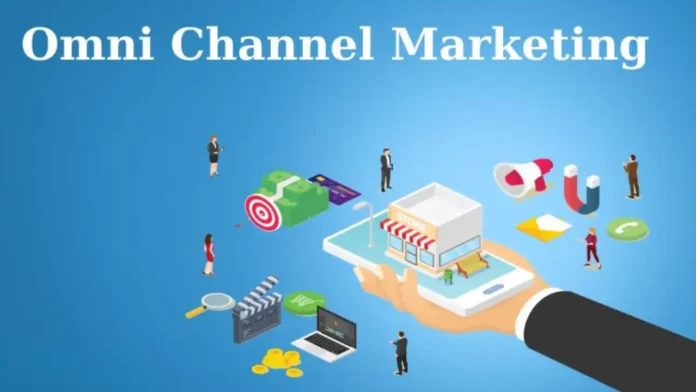
The modern consumer’s journey is not limited to a single channel. The concept of omni-channel marketing is altering how brands communicate with their customers in an era marked by digital revolution. In this post, we’ll look at how merging the online and offline worlds through omni-channel strategies may drive brand growth and provide a deeper customer experience.
Omni-channel is more than just a buzzword; it’s a strategic approach that recognizes the interconnected nature of consumers’ lives. It involves creating a cohesive, integrated experience across all channels, be it online or offline. The goal is to make the customer journey consistent, convenient, and continuous.
The Online-Offline Connection
The online and offline worlds were once viewed as separate entities, but the line between them has blurred significantly. Consider how often customers use their smartphones to research products while in physical stores or make online purchases and opt for in-store pickups. These behaviors demonstrate that customers often engage with brands through multiple channels in a single journey.
The Power of Seamless Synergy
In an omni-channel approach, your brand messaging, image, and values should remain consistent across all channels. This consistency fosters recognition and trust among your customers. By integrating data from various channels, you can create a more personalized experience for your customers. Understanding their behavior and preferences allows you to tailor your interactions and offerings.
To avoid disappointing customers with “out of stock” messages, integrate your inventory across channels. This enables customers to see real-time availability and make informed purchasing decisions. The path to purchase should be smooth, regardless of the channel customers choose. Implement features like online cart sharing, enabling customers to start a transaction online and complete it in-store, or vice versa.
Provide consistent customer support across all channels. Whether it’s through live chat, email, phone, or in-person assistance, ensure that customers receive the same level of service and support.
The Growth Potential of Omni-Channel
Customer Loyalty: A seamless experience across channels fosters customer loyalty. When customers feel their preferences and history are recognized, they are more likely to stay loyal to your brand.
Increased Sales: Omni-channel customers tend to spend more. When given the flexibility to choose how they interact with your brand, they are more likely to engage in additional purchases.
Competitive Advantage: Brands that successfully implement omni-channel strategies have a competitive edge. Customers are more likely to choose a brand that provides a seamless experience over one that does not.
Data Insights: Integrating data from various channels allows you to gain deeper insights into customer behavior and preferences, which can inform your future strategies and offerings.
The fusion of the online and offline worlds through an omni-channel approach is a powerful growth driver for brands. It provides customers with a cohesive, consistent, and convenient experience that leads to loyalty and increased sales. As consumer behavior continues to evolve, brands that successfully harmonize their online and offline channels will be better equipped to thrive in this interconnected world.
We use cookies to ensure that we give you the best experience on our website. If you continue to use this site we will assume that you are happy with it.