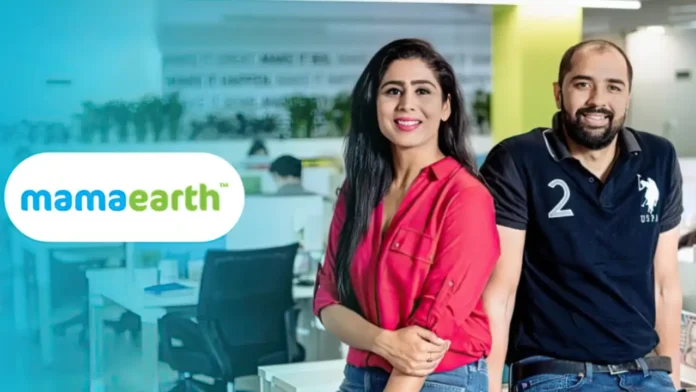
Honasa Consumer Limited (HCL), the holding company of the direct-to-consumer (D2C) unicorn Mamaearth, has designated 2.36 crore equity shares for anchor investors, generating INR 765.2 crore in its initial public offering (IPO).
Honasa, launching its IPO today, mentioned in a regulatory filing on Monday (October 30) that it had concluded the allocation of 23,617,228 equity shares to anchor investors in collaboration with Kotak Mahindra Capital Company Limited, Citigroup Global Markets India Private Limited, JM Financial Limited, and J.P. Morgan India Private Limited (the “Book Running Lead Managers”). These shares were allocated at an anchor investor allocation price of INR 324 per equity share, inclusive of a share premium of INR 314 per equity share.
The equity shares were distributed to a group of 49 anchor investors, which encompassed notable names such as Fidelity Funds, ICICI Prudential FMCG Fund, Whiteoak Capital, DSP India Fund, and various others.
A total of 19 schemes, including applications from domestic mutual funds such as Aditya Birla Sun Life and Axis Mutual Fund, were submitted for the anchor portion.
Mamaearth submitted its draft red herring prospectus (DRHP) in December last year and filed its RHP on October 23, 2023.
The company’s IPO comprises a fresh issue of equity shares amounting to INR 365 crore or $44 million. Additionally, it involves an offer for sale (OFS) of 4.12 crore shares, in which prominent shareholders like Kunal Bahl, Shilpa Shetty Kundra, and Rishabh Harsh Mariwala will divest their holdings.
The IPO is scheduled to conclude on November 2.
Mamaearth has set the IPO price band at INR 308 to INR 324, with a goal of achieving a valuation of about $1.2 billion.
Established in 2016 by the married couple Varun and Ghazal Alagh, Mamaearth’s parent company, Honasa, encompasses brands like The Derma Co., Aqualogica, and Ayuga. It has also acquired interests in BBlunt and Dr. Sheths.
Nonetheless, despite the significant setbacks experienced by loss-making publicly traded startups last year, Mamaearth is embarking on an IPO journey while still operating at a deficit. In FY23, the company disclosed a net loss of INR 151 crore, in contrast to a net profit of INR 14.4 crore in FY22, primarily attributed to an exceptional loss.
Regarding the IPO, Prashanth Tapse, Senior VP of Research at Mehta Equities, cautioned prospective investors, emphasizing that they should exercise caution due to the IPO featuring a fresh share issuance of INR 365 crore and a relatively modest promoter stake of 37.41%.
“Conservative investors may wait and watch, while risk-takers can consider long-term investment for potential growth. However, the IPO appears to be overvalued in the current market conditions, and historical listings with high valuations have often faced post-listing challenges,” he added.
Conversely, Girish Vanvari, the founder and CEO of Transaction Square, a firm specializing in tax, regulatory, and business advisory, described the Mamaearth IPO as a “test case.” He believes it will serve as a pivotal and defining trend for all unicorn IPOs, which have somewhat receded from the spotlight.
The road to success in the cutthroat world of business-to-business marketing goes far beyond closing a deal. Businesses nowadays understand how crucial it is to cultivate enduring relationships with their clients. It’s becoming clear that sustainable marketing is essential to generating long-lasting relationships that are advantageous to both sides in addition to increasing sales.
Redefining Success
In traditional B2B marketing, success was often measured by one metric: sales revenue. However, sustainable marketing encourages a broader perspective. Success isn’t just about making a sale; it’s about creating value, fostering trust, and nurturing relationships that endure over time.
Embracing Corporate Social Responsibility
Sustainable marketing goes hand in hand with corporate social responsibility (CSR). B2B companies are increasingly aligning their values and business practices with ethical, social, and environmental considerations. When customers see a company actively engaged in making the world a better place, it not only builds trust but also solidifies long-term relationships.
Fostering Trust and Loyalty
Trust is the cornerstone of any lasting relationship. Sustainable marketing emphasizes transparency, honesty, and consistent communication. When B2B companies openly share their values, goals, and challenges, they create trust, leading to customer loyalty that extends well beyond a single transaction.
Providing Value Beyond the Product
Sustainable marketing is not solely about selling a product or service. It’s about delivering value that goes beyond the initial sale. This value can take the form of ongoing support, educational resources, or assistance with challenges customers face in their industry. B2B companies that provide such support demonstrate their commitment to their customers’ success.
Nurturing Two-Way Communication
Sustainable marketing thrives on two-way communication. It’s not just about companies broadcasting their message but also listening to their customers. Feedback and input from customers can guide product development, service enhancements, and overall business improvements. This collaborative approach builds stronger relationships.
Building Communities
Many B2B companies are creating online communities for their customers to connect, share insights, and solve common challenges. These communities become valuable hubs where customers can learn, network, and collaborate. By fostering these communities, B2B brands are building lasting relationships among their customers.
Customizing Experiences
Sustainable marketing involves personalization. By understanding each customer’s unique needs, preferences, and pain points, B2B companies can tailor their offerings and communications. This personalization makes customers feel valued and fosters enduring relationships.
Measuring Success Differently
In sustainable marketing, success is measured by more than just the bottom line. Metrics like customer retention rates, customer satisfaction scores, and engagement levels in customer communities become vital indicators of how well a B2B company is nurturing lasting relationships.
Final Thoughts:
In the modern world of B2B marketing, sustainable marketing is transforming the way businesses approach their customer relationships. It’s not just about making a sale but creating value, fostering trust, and nurturing enduring partnerships. B2B companies that embrace corporate social responsibility, provide ongoing value, engage in transparent communication, build communities, and measure success beyond revenue are finding that sustainable marketing not only leads to loyalty but also paves the way for long-lasting success in a rapidly changing business landscape. As B2B marketers continue to evolve, sustainable marketing is poised to be at the forefront of building lasting customer relationships.
Successful marketing requires a thorough understanding of consumer behaviour, which is quickly changing. Businesses now have access to an unprecedented amount of data that can be used to forecast future trends in consumer behaviour as a result of the ongoing advancements in technology. Knowing what motivates consumer behaviour is the key to success in the fast-paced world of business-to-business marketing. Companies now have the ability to look ahead thanks to technological advancements and the explosion of data, and in today’s article we will deal with the magic of data and how it can be used to foresee the trends that will shape future consumer behavior.
Data: The Modern-Day Oracle
Data has become the backbone of modern marketing. The digital age has provided us with an astonishing array of data sources, from online interactions and social media to sales data and customer feedback. This wealth of information holds the key to understanding what consumers want, need, and how they’ll behave in the future.
Predictive Analytics in a Nutshell
At the heart of decoding future consumer behavior trends is predictive analytics. This is the art of analyzing historical data and applying statistical models and machine learning to predict future outcomes. In the world of B2B marketing, this means using data to make informed, proactive decisions.
Segmenting Your Audience
One of the first steps in using predictive insights is customer segmentation. By dissecting your customer base and identifying shared characteristics, you can tailor your marketing efforts to each group’s specific preferences. This ensures that you’re delivering what your audience wants, rather than taking a one-size-fits-all approach.
Forecasting Product Demand
Predictive insights can also help forecast product demand. By crunching historical sales data, monitoring seasonal patterns, and considering external factors like economic shifts, B2B companies can adjust inventory levels and production schedules to meet customer needs more effectively.
The Power of Personalization
Content personalization is a potent tool in the B2B marketing arsenal. Predictive analytics can help you determine the content, messaging, and channels that resonate most with different customer segments. This allows for highly personalized content that’s more likely to engage your audience.
Staying Ahead of Trends
Predictive insights can give you a glimpse into the future. By monitoring data from various sources, including social media trends, industry news, and even your competitors’ moves, you can position your business as a leader in your field when new trends start to emerge.
Preemptive Customer Service
Improving customer service is another benefit of predictive analytics. By analyzing past interactions and feedback, you can predict potential issues and address them proactively. This not only boosts customer satisfaction but also reduces the workload on your support teams.
Risk Management
Last but not least, predictive analytics can help you manage risk. By identifying potential disruptions, supply chain issues, or economic downturns, your business can take steps to protect operations and maintain customer trust.
In the world of B2B marketing, predictive insights are your crystal ball, enabling you to foresee what lies ahead in consumer behavior trends. By tapping into the treasure trove of data at your disposal, you can anticipate customer preferences, segment your audience, optimize product demand, personalize content, stay ahead of emerging trends, enhance customer service, and mitigate risks. The ability to peer into the future gives your business a significant edge in an ever-evolving market. As the B2B landscape continues to shift, those who embrace predictive insights will be better equipped to navigate the unknown and emerge as industry leaders.
One thing remains constant in the dynamic world of business-to-business marketing: the value of customised experiences. Nowadays, companies have an unrivalled chance to interact with their clients on a variety of channels, and the secret to accelerating growth and creating enduring bonds is to fully utilise the potential of omni-channel personalization.
The Rise of Omni-Channel Personalization
Omni-channel personalization represents a paradigm shift in B2B marketing. It involves creating a seamless and consistent customer experience across multiple channels, from websites and email to social media and in-person interactions. This approach is underpinned by data-driven insights and a deep understanding of each customer’s preferences and behaviors.
Data-Driven Customer Profiling
Effective omni-channel personalization starts with building comprehensive customer profiles. Collecting and analyzing data from various touchpoints allows B2B businesses to gain insights into their customers’ behavior, preferences, and pain points. This data forms the foundation for tailoring experiences across platforms.
Customized Content Delivery
Once customer profiles are established, businesses can use the insights to deliver highly relevant and customized content. Whether it’s through personalized product recommendations, tailored email campaigns, or content suggestions, the aim is to engage customers with content that speaks to their specific needs and interests.
Seamless Cross-Platform Experience
The true power of omni-channel personalization lies in providing a seamless experience as customers transition across different platforms. When a customer moves from your website to a social media channel or receives an email, they should feel like they are in a continuous conversation with your brand, with consistent messaging and personalized content.
Real-Time Engagement
Omni-channel personalization allows for real-time engagement with customers. With the help of AI and marketing automation tools, businesses can respond to customer actions instantly. This means serving personalized content, product recommendations, or chat support in real-time, enhancing the customer’s experience.
Contextual Marketing
Understanding the context in which a customer is interacting with your brand is essential for successful omni-channel personalization. For example, knowing if a customer is browsing on a mobile device, attending a webinar, or reading an email can help tailor the content and messaging appropriately. Contextual marketing ensures that your interactions are both relevant and timely.
A/B Testing and Iteration
Continuous improvement is a fundamental aspect of omni-channel personalization. B2B marketers should conduct A/B testing to refine their personalization strategies. By analyzing the performance of different approaches and iterating accordingly, businesses can ensure that their omni-channel efforts are always optimized for maximum impact.
Omni-channel personalization is not just a trend but a necessity in today’s B2B marketing landscape. Tailoring experiences across various platforms, from websites and email to social media and in-person interactions, has the potential to greatly impact your business growth. By leveraging data-driven insights, customized content delivery, seamless cross-platform experiences, real-time engagement, contextual marketing, and ongoing iteration, B2B brands can provide their customers with a level of personalization that builds trust and fosters long-term relationships. As the B2B landscape continues to evolve, those who embrace the power of omni-channel personalization are poised to make the most significant impact.
Brands are always looking for new and creative ways to engage with their business-to-business (B2B) clientele in the digital age. Emerging as a game-changer, augmented reality (AR) not only grabs attention but also strengthens brand-customer bonds and propels substantial expansion.
Engaging Product Demonstrations
One of the most compelling uses of AR in B2B is the ability to provide immersive and interactive product demonstrations. With AR, customers can visualize complex products, machinery, or systems in a three-dimensional, virtual environment. This hands-on experience allows for better understanding, enhances the decision-making process, and builds trust between the brand and the customer.
Interactive Training and Onboarding
AR technology can revolutionize the onboarding and training processes for B2B customers. By overlaying digital information on physical objects, employees and clients can access interactive tutorials, step-by-step guides, and real-time support through AR apps. This not only expedites the learning process but also creates a memorable, positive experience that fosters brand loyalty.
Customizable Product Configurations
AR can enable customers to personalize and configure products to meet their specific needs. Through AR applications, clients can visualize how adjustments affect the final product, making the decision-making process more interactive and enjoyable. This feature is especially valuable in industries where tailored solutions are paramount, such as manufacturing and construction.
Enhanced Remote Collaboration
For B2B companies with global reach, AR has the potential to revolutionize remote collaboration. Through AR-powered communication tools, teams across different locations can work together as if they were in the same room. This not only saves time and resources but also enhances relationships by improving the ease and efficiency of cooperation.
Immersive Trade Show Experiences
Trade shows and exhibitions have long been an essential aspect of B2B marketing and relationship building. AR can take these events to the next level by providing immersive, interactive experiences for attendees. Brands can create AR-powered displays, demonstrations, and product showcases that leave a lasting impression on potential customers and partners.
Real-Time Data Visualization
For data-driven industries, AR can bring complex data sets to life through interactive visualizations. Companies can use AR to display real-time data analytics, allowing customers to make informed decisions more efficiently. This interactive data presentation not only showcases expertise but also makes the brand’s value proposition clearer.
Interactive Marketing Campaigns
AR can be integrated into marketing campaigns, creating interactive experiences for B2B customers. For example, interactive packaging or print materials can trigger AR content when scanned with a mobile app. These campaigns not only capture attention but also provide valuable information or entertainment, fostering a positive brand image.
Final Thoughts:
Augmented Reality is reshaping the way B2B brands interact with their customers, offering new opportunities to engage, educate, and inspire. By embracing AR technology for product demonstrations, training, customization, collaboration, trade shows, data visualization, and marketing campaigns, businesses can amplify their brand-customer relationships and drive growth. The interactive connections that AR fosters are not just the future of B2B engagement but a powerful tool that can propel businesses to new levels of success. As AR technology continues to evolve, it’s essential for B2B companies to explore and leverage its potential for a competitive edge in the market.
With its limitless potential to engage audiences, propel brand growth, and create deep connections, video content has become a powerful tool for B2B marketers in the current digital era. Businesses now have an unrivaled chance to captivate their target audience through video content thanks to the quick rise of platforms like LinkedIn, TikTok, and YouTube.
Create Value-Driven Content
One of the most effective ways to engage B2B audiences is by providing valuable content that addresses their pain points and challenges. Whether it’s instructional how-to videos, informative webinars, or thought leadership discussions, ensure your video content offers solutions and insights that resonate with your target audience. By focusing on value, you’ll position your brand as a trusted resource and authority in your industry.
Harness the Power of Storytelling
Storytelling is a potent tool for connecting with your B2B audience on a deeper level. Humanizing your brand and sharing authentic stories can create an emotional connection. Use video content to share success stories, customer testimonials, or behind-the-scenes glimpses into your company culture. These narratives not only engage your audience but also build trust and loyalty.
Optimize for Search
Just like written content, video content should be optimized for search engines. To enhance your video’s discoverability, use relevant keywords in titles, descriptions, and tags. Additionally, consider transcribing your videos to make them accessible to a broader audience and improve search engine rankings.
Leverage Live Video
Live video has gained tremendous popularity across B2B platforms. It provides a unique opportunity to engage with your audience in real-time, fostering a sense of immediacy and authenticity. Host live webinars, Q&A sessions, or product launches to connect directly with your audience and address their queries or concerns.
Personalize Your Approach
Personalization is key to effective B2B engagement. Tailor your video content to specific buyer personas and their respective pain points. Use data-driven insights to understand your audience’s preferences and behaviors, and then create videos that speak directly to them. Personalization not only boosts engagement but also increases the likelihood of conversion.
Collaborate with Industry Influencers
In B2B marketing, collaborating with industry influencers can be a game-changer. Identify key influencers within your niche and co-create video content with them. Their credibility and reach can significantly amplify your brand’s visibility and credibility, driving growth through their endorsement.
Analyze and Optimize
Data-driven decision-making is crucial in the world of video content. Analyze the performance of your videos to gain insights into what works best for your audience. Metrics such as view counts, watch time, click-through rates, and audience retention can guide your optimization efforts. Experiment with different video formats, lengths, and styles to continuously improve your content strategy.
Final Thoughts:
In the ever-evolving landscape of B2B marketing, video content has become an indispensable tool for amplifying brand growth. By focusing on value-driven content, storytelling, search optimization, live video, personalization, influencer collaboration, and data-driven analysis, your brand can unlock the unlimited potential of video content. Embrace the power of video and forge lasting connections with your audience, ultimately propelling your brand to new heights of success.
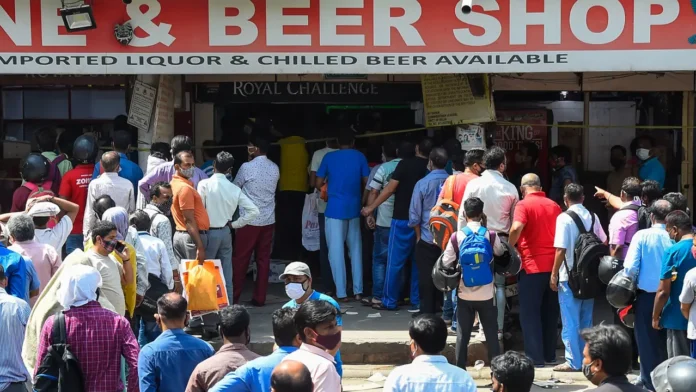
At 42 years old, Kalpana Aggarwal has earned herself a new title: she’s now known as the “Liquor Queen” in Indirapuram, Ghaziabad. Within the vibrant landscape of bustling malls, renowned clothing outlets, and crowded streets, her distinct “model liquor shop” catches attention, bearing her name boldly displayed at the entrance. As patrons step into her store, they often gaze at Aggarwal with bewilderment – whispers ripple through the air, expressing surprise at the sight of a woman managing a liquor establishment.
Uttar Pradesh is undergoing a transformation on multiple fronts. It has now become the alcohol hub of India, leading the nation in both the production and sales of both potable and non-potable alcohol.
Aggarwal launched the store in 2020 after finding herself stranded in Ghaziabad with her husband, Dilip Kumar, during the COVID-19 pandemic. It was during this time that Aggarwal, who had previously resided in Gwalior, Madhya Pradesh, learned about the changes in the Uttar Pradesh excise policy through a friend. This marked her second endeavor to break into an industry traditionally dominated by men. In 2014, when she first attempted to secure a liquor license, she faced opposition from well-established players and ultimately decided to withdraw, as she recalls.
Uttar Pradesh’s Liquors Market:
“The amendment in the excise policy by the UP government has overthrown the monopoly of the big players and has made it possible for small business persons like us to enter the liquor field,” says Aggarwal.
Dressed in a sky-blue salwar kameez, Aggarwal remains unfazed by the whispers as she occupies her position at the counter, exuding the confidence of a true leader. She warmly welcomes customers and oversees the store’s operations. During the evenings, she is often spotted taking calls to organize liquor for women’s kitty parties and discreetly serving those who desire alcohol delivered to their homes. She expresses her disappointment at the fact that the Uttar Pradesh government still does not permit women to work as salespersons in this industry.
Senthil Pandiyan, Excise Commissioner, Uttar Pradesh, said “Karnataka is now a distant second. Our policy completely moved the industry from a license fee-based system to consumption-based system to break the monopoly.”
Uttar Pradesh has emerged as a prominent center for liquor. Across Noida and Ghaziabad in the NCR, the landscape is adorned with sophisticated stores camouflaged as liquor malls, vibrant ahaatas, and microbreweries that mirror the trend in Gurugram. Ranging from The Weekend model outlets to in-house beer labels like Campai, alongside the recent launches of Winery and the Regina brand in Muzaffarnagar, Uttar Pradesh is deeply involved in this industry. The visible growth translates into substantial figures, indicative of the state’s soaring success.
Liquor Sales Under BJP:
In the fiscal year 2023, the state amassed excise revenues totaling INR 42,250 crore, a remarkable surge compared to the INR 14,000 crore recorded in 2017-18, coinciding with the ascension of the BJP and Yogi Adityanath‘s tenure. Uttar Pradesh has outpaced Karnataka, a benchmark state in liquor revenue, to claim the top spot. However, akin to Karnataka, UP lacks a Bengaluru – the IT hub bustling with affluent young adults who frequent bars and host home parties.
Not too far in the past, liquor sales in Uttar Pradesh were associated with uninviting shops featuring imposing black grills and a reputation for questionable alcohol quality. Someone from Delhi would frequently cringe at the idea of consuming liquor produced in Uttar Pradesh. Nowadays, sophisticated liquor outlets, boasting upscale furnishings, can be found scattered throughout Noida and Ghaziabad. It’s evident that the liquor culture in UP is undergoing a remarkable transformation.
In contrast to Delhi’s contentious excise policy of 2022-23, where licenses were distributed to liquor traders via open bidding, which raised concerns of favoritism and the formation of cartels, Uttar Pradesh employs an e-lottery system that provides opportunities for smaller players to participate in the industry.
“Karnataka is now a distant second. Our policy completely moved the industry from a license fee-based system to consumption-based system to break the monopoly. We also restricted the number of shops to two per person. The allotment pattern was changed to the e-lottery system from the earlier auction-based model. We have used technology to put track and trace systems in place. And this all has happened with the support of CM Yogi Adityanath,” said Senthil Pandiyan, Excise Commissioner, Uttar Pradesh.
During meetings with the Chief Minister, the excise department officers in Lucknow often encounter a challenging scenario. They strive to minimize the usage of the term “liquor” as they discuss the beverage and its associated policies.
“Yogi ji does not like the word. He makes a face whenever we say it,” says an official in the UP government, on condition of anonymity, laughingly.
The officers assert that Chief Minister Yogi has complete confidence in their abilities and has granted them significant autonomy to reform the excise policy. An official within the state excise department reveals that it was the Chief Minister’s initiative to eradicate liquor smuggling, leading to the establishment of the track and trace system.
“Had revenue not been the reason, Yogi ji would have himself formulated a ban on liquor policy. The CM doesnt like the word liquor but he wants and loves revenue,” said a UP govt official.
Presently, every vehicle transporting liquor is meticulously tracked, starting from its entry point and extending to its exit. These vehicles are also subject to geofencing and digital locks, as described by Pandiyan.
However, whenever Yogi ji is informed about matters related to alcohol, he closes his eyes and simply responds, “alright, go ahead,” as disclosed by another anonymous officer in the department.
Chief Minister Yogi is recognized for his strong opposition to liquor. Notably, he recently declared a prohibition on both alcohol and meat consumption in Ayodhya.
Nonetheless, officials hold the view that enforcing a liquor ban would be ineffective and unwise, potentially impeding the state’s progress. It is understood that the Chief Minister has come to this realization.
“Had revenue not been the reason, Yogi ji would have himself formulated a ban on liquor policy. The CM doesnt like the word liquor but he wants and loves revenue,” says the officer quoted above.
Reddy and Pandya:
However, not if it means tolerating corruption, emphasized the former Principal Secretary Reddy. Reddy and Pandya are recognized as the two individuals responsible for the revamped excise policy.
“Everything is decided by the Cabinet. The CM didn’t want people to die of consuming spurious liquor. There are no incidents of spurious deaths in recent years. You cannot stop people from drinking. That’s been happening since Sanatan Kaal such as Bhaang,” says Reddy.
From 2017 to the present, the state has witnessed the establishment of 25 new distilleries and two breweries. Significant districts such as Gautam Buddh Nagar (encompassing Noida and Ghaziabad), Lucknow, Gorakhpur, Kanpur, Ghaziabad, Agra, Varanasi, and Prayagraj have consistently contributed over INR 500 crore annually to the revenue generation since 2017.
“Uttar Pradesh’s revenue is heavily dependent on liquor. While GST contributes over 50 per cent of the state revenue, excise adds to a sizable 22 per cent. Losing such a sizable revenue will affect the welfare policies in the state,” says an official, on condition of anonymity.
In the elegant The Weekend liquor store located in Noida’s sector 104, you’ll find a designated wine cellar tucked in one corner and a selection of premium liquor brands in another. The opulent interior features stylish furnishings bathed in a warm glow of white-yellow lighting, with a well-dressed salesman in a black suit and trousers offering expert guidance, creating a mall-like shopping experience.
“It’s like a liquor mall,” beams a customer who has arrived with his son for their first visit.
Near the store’s entrance, a staircase guides visitors to BYOB (Bring Your Own Booze) – a spacious lounge designed in the style of Gurgaon aahatas, but notably more opulent. It features plush sofas, cozy chairs, an LED screen, and an open area for smoking and savoring the outdoor vista. Women can be observed indulging in their leisure with ease.
Saurabh Goyal on Uttar Pradesh’s Liquors Market:
The first branch of The Weekend was established in 2020 after its owner, 52-year-old Saurabh Goyal, was captivated by the open seating arrangements at liquor stores in Gurgaon. A native of Dadri, Goyal wanted to bring this concept to Noida. Having previously been involved in the fine dining business, he recently ventured into the liquor industry.
“That’s when I went to Lucknow and met then Principal Secretary Sanjay Boose Reddy and Commissioner Senthil Pandiyan. I put forth my proposal and they readily agreed. And I got my license within a month,” says Goyal sitting on a sofa in his luxurious office in Noida Phase 2.
Following The Weekend’s success, Goyal expanded his business by launching three additional stores—a second one in Noida and three more in Ghaziabad. Given that the excise policy permits only two stores per individual, Goyal enlisted the support of family members. As a result, he currently operates two stores in his wife’s name.
His rivals often refer to Goyal as the “next Ponty Chadha,” highlighting his significant aspirations to become a “liquor baron.”
“Goyal is the only one giving competition to Ponty Chaddha,” says Madhur Gupta, who owns Ghaziabad’s first microbrewery, jokingly. Goyal’s The Weekend also has a microbrewery to its name in Noida.
Uttar Pradesh is home to just three microbreweries, all of which were founded in 2022. They are situated in Ghaziabad, Noida, and Agra, respectively.
Goyal’s current objective is to expand the brand to Lucknow, yet the emerging “Ponty” might have to exercise patience for the time being.
“I have made several rounds to Lucknow but they are not accepting my proposal. If a brand is giving a good business, luxurious experience to the customers, the excise department should let such a brand excel,” says Goyal.
However, the officials find themselves in a challenging situation. Insiders within the Uttar Pradesh government have indicated that political pressures are a significant factor contributing to the sluggish growth of high-end liquor stores.
“Elections are round the corner and the top leadership doesn’t want liquor stores to become an issue. Noida and Ghaziabad are next to Delhi and such stores are needed there. A walk-in liquor store in Lucknow can be a source of backlash,” says an official requesting anonymity.
According to the officials, approximately 85 percent of the excise revenue is derived from the sale of alcoholic beverages in the state.
“Almost 10 per cent of the revenue comes from different kinds of license fees of shops, retail as well as wholesale, and the rest is from other receipts that include import fees, export pass fees, processing fees, regulatory fees, bar license fees, composition money and all other items,” says Reddy.
Sanjay Gupta Statements:
Sanjay Gupta, a resort owner in Muzaffarnagar, was inspired to establish a boutique winery, the first of its kind in North India, after attending a promotional event organized by the excise department at Hyatt Lucknow, aimed at attracting investors in the liquor industry. During the event, which was attended by individuals from the liquor industry, Gupta stood out as a unique participant.
“I had never done a liquor business. I have a resort on Muzaffarnagar highway and was producing sanitizer in Covid. That’s how I got in touch with the excise department,” Gupta recalls.
Following the event, Reddy reached out to Gupta and persuaded him to initiate a winery.
“The department said that I don’t have to pay an excise fee for five years so I agreed. Within three days, Boose Reddy sir got me the license,” says Gupta.
According to the officials, the winery’s objective is to utilize sub-tropical fruits like lychee, mango, jamun, and oranges for wine production. They are currently in the process of identifying districts with the highest fruit cultivation to establish wine production units in those areas.
“This way, farmers will get the right price for their produce and the state will generate employment and revenue through the sale of wine,” says Pandyan.
Gupta, who has invested INR 4 crore in setting up the winery, will soon introduce the wine for sale under the brand name Regina.
“In a few days, the sticker (label) and brand name will be approved and I will start selling bottled wines,” he says.
“Several states such as Kerala, Haryana, Maharashtra, Karnataka have adopted various components of our policy. The first thing we did was ease of doing business. Stages of getting a license were reduced. We moved everything online. No one has to come to our office. Earlier, offline there was corruption. We decentralised power to district collector and excise commissioner,” Reddy says.
“The premium retail vendors’ models were picked by other states. In 99 per cent malls, we have premium retail vends. And we have female saleswomen there to guide women. In these vends, you can go check, taste and decide liquor for yourself,” said Reddy.
For the connoisseur of liquor, the UP government is looking at something called ‘home bar’. The excise department officials say that a consumer has to pay a license fee of INR 11,000 with some minimum deposit and they can have a home bar license. “You can keep 50-60 liters at home,” say officials.
Vedant Chopra:
Vedant Chopra, who was a mere 23 years old when he presented the idea of launching a brewery in Banaras to Pandyan three years ago, had recently returned from the United States. His time in the US had exposed him to the craft beer culture, and he aspired to bring a similar experience to Banaras.
Currently, he markets bottled beer under the label “Campai,” which was selected as the official beverage partner for the inaugural MotoGP Bharat event held in Noida. When Vedant returned to India during the COVID-19 pandemic, he began crafting limited quantities of beer at home before eventually setting up a brewery on a 1,000 square meter plot of land.
“In Banaras, we have no choices at all. Branded beers stay in Delhi, Noida and other metro cities. Brands like Bira, Hoegaarden and others can’t be found here. So, I wanted to produce craft beer in my city,” says Vedant, whose Wallop Brewery has recently partnered with Japanese beer company named Ise Kadoya.
Vedant recalls that three years ago, only a few people took his craft beer concept seriously. However, Joginder Singh, a statistical officer from the excise department, embraced the idea.
Vedant, owner of Wallop Brewery, said “In Banaras, we have no choices at all. Branded beers stay in Delhi, Noida and other metro cities. Brands like Bira, Hoegaarden and others can’t be found here. So, I wanted to produce craft beer in my city.”
Mahesh Ahuja, the proprietor of two model liquor stores, one in Ghaziabad and another in Hapur, has been actively involved in the liquor industry since 1993. He has witnessed numerous changes and developments in the liquor sector of Uttar Pradesh over the years.
Seated in his office in Ghaziabad, Ahuja reminisces about the introduction of the lottery system in 2000 during the Rajnath Singh government. At that time, Ahuja operated a liquor store in Ghaziabad. However, in 2007, he decided to close down his business when Ponty Chaddha established a dominant presence in the state’s liquor industry, causing financial hardships for small entrepreneurs. Ahuja subsequently relocated to Rajasthan and initiated a business venture in Jodhpur.
“For some time, the lottery system was there, after which there was a tender system and the tenders often went to the government favorites. And again, the monopoly started and Ponty Chaddha became all big. It was very difficult to enter the liquor business without facing heat from the Chaddhas,” he recalls.
Seated in front of a prominent backdrop featuring a poster adorned with whiskey bottles, Ahuja explains how the policy alterations in 2017 paved the way for his reentry into the business.
“People in liquor business keep an eye on the changes in excise policy and plan their business accordingly. So, when I learnt about UP, I came back. Applied for the e-lottery system and got my license,” says Ahuja. He had moved to Rajasthan and had opened a liquor shop in Jodhpur.
While acquiring a license wasn’t the most challenging part, the recurring yearly license renewals proved to be a significant concern. Ahuja and his fellow entrepreneurs convene monthly to deliberate the issues affecting their industry. They have consistently addressed these concerns during meetings in Lucknow but contend that the government has not yet acted upon their requests.
“When the government knows that they are in power for five years, they should also give licenses for five years. Every year, we live in fear of what new excise policy has to offer or whether our licenses will be renewed or not,” says Ahuja.
Reddy, on the other hand, mentions that the licensing issue is not exclusive to Uttar Pradesh. The policy for licenses is typically annual.
Just three kilometers from Ahuja’s store, in Indirapuram, Kalpana Aggarwal checks her WhatsApp messages. As Navratras draw to a close, she has received orders from a dozen women. Some of them request home delivery of liquor, while others ask her to set aside their preferred brands. Aggarwal notes that it’s 9.40 pm, and a few female customers have recently arrived home from work. They’ve asked her to reserve some alcohol for them, but she has declined their requests.
“You can’t keep the shop open beyond 10 pm. Yogi ji should extend the timings at least in NCR till 11pm. Women need alcohol to juggle between the several roles,” Aggarwal laughs.
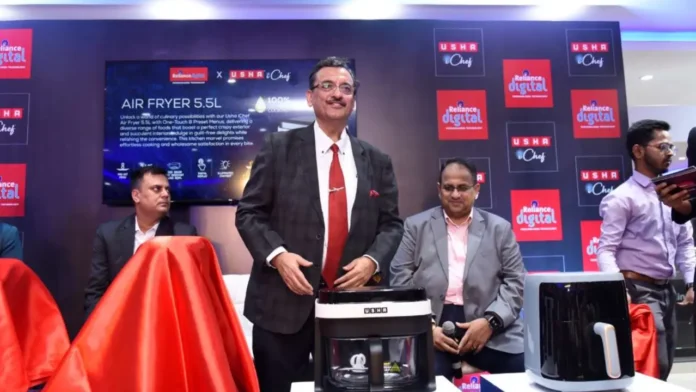
Usha International, a leading brand in the consumer durables sector in India, has introduced a set of five cutting-edge kitchen appliances as part of its latest premium iChef collection. The launch event occurred at the Reliance Digital store located in JVPD Scheme, Juhu, Mumbai.
This new product line is thoughtfully crafted to offer state-of-the-art culinary technology and timeless design, catering to modern consumers who are always in search of innovative solutions to enhance and enrich their cooking experiences.
Usha expanding their appliances in all regions:
These newly unveiled appliances will be exclusively available at select Reliance Digital retail stores across India, with a presence in major metropolitan areas such as Delhi NCR, Mumbai, Bangalore, Hyderabad, Chennai, Kolkata, Mangalore, Chandigarh, Kanpur, Lucknow, and Vizag.
Every one of these kitchen appliances is a culinary workhorse, enabling users to effortlessly craft indulgent, delightful, and healthy meals.
Sachin Anand, Senior VP- Retail and Company Shop at Usha said, “This move reiterates Usha’s commitment to premiumisation and offers consumers the best-in-class technology that empowers them to make informed and healthy choices. Given their extensive reach and robust nationwide presence, Reliance Digital was the most obvious choice to collaborate with, and we are delighted to have them as our exclusive retail partner.”
Reliance Digital spokesperson said, “We at Reliance Digital constantly endeavour to bring the best and the latest in technology for our customers across India. With exclusive launch of the Usha iChef range, customers can now walk into our stores and experience kitchen solutions that are designed to not only deliver delicious meals but also uphold their commitment to a healthier lifestyle.”
According to a survey conducted by The Clothing Manufacturing Association of India (CMAI), approximately 78% of apparel manufacturers and brands anticipate a decline of up to 25% in sales during this festive season when compared to the previous year. In contrast, only about 22% of those surveyed foresee a potential market improvement in the upcoming festive season.
Out of the respondents, a majority of 60% believed that offline stores would outperform during the Festive Season, whereas 40% were of the opinion that online portals would deliver better results.
The survey, comprising insights from 166 apparel manufacturers and brands, illuminated a range of factors impacting the market.
CMAI Survey about Market Trends:
Speaking about the upcoming festive season, Rajesh Masand, president, CMAI said, “A majority of respondents expect the market to be subdued and that economic factors as well as the pricing strategies continue to be pivotal in shaping sales expectations. However, the industry remains resilient to navigating these challenges.”
Speaking about the results of the survey, Rahul Mehta, chief mentor, CMAI said, “Despite observing some positive sentiments over the past 3 to 4 days, there remains a widespread sense of pessimism among CMAI members. This aligns with the broader slowdown experienced in the domestic garment sector during the last 4 to 5 months.”
Mehta stated that the CMAI foresees a market rebound post-Diwali, taking into account the extended Wedding Season on the horizon.
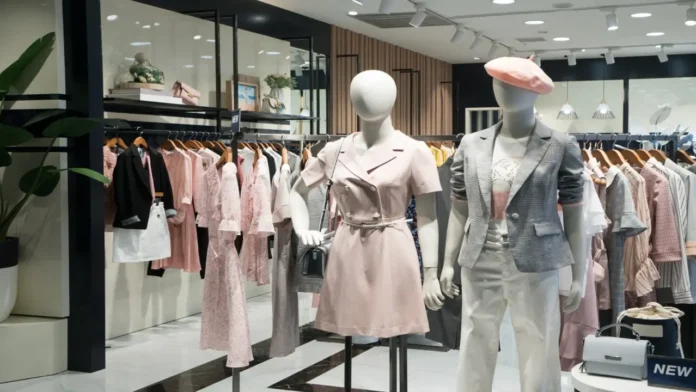
CMAI Survey (Representative Image)
Factors outside the industry, such as an economic downturn and inflation, were identified as the primary reasons for diminished sales expectations. Approximately 30% of the respondents pointed to a general economic slowdown as the primary factor behind their lower sales expectations compared to the previous year.
Approximately 16% of respondents believe that reducing prices could potentially boost sales, while 12% attribute the expected sales increase to the availability of improved clothing options. Regarding price point performance, when asked, about 67% of the respondents expressed the view that mid-priced clothing would outperform both expensive and low-priced alternatives.
Furthermore, close to 49% of respondents believe that children’s wear will spearhead the sales, followed by 36% pointing to women’s wear and 12% identifying men’s wear as the clothing categories that will excel. Additionally, it’s expected that Tier 2 and Tier 3 cities will outperform the metros in clothing sales, with approximately 80% of respondents showing their support for these smaller cities.
The domestic apparel industry in India holds significant importance, contributing substantially to the nation’s economy. The Indian apparel market is estimated to be valued at INR 6.80 lakh crores and has experienced a growth rate ranging between 15% to 20% in the fiscal year 2023.
Founded six decades ago, CMAI stands as the representative association of the Indian apparel industry, boasting a membership of over 4,000 individuals and catering to the needs of more than 20,000 retailers. Its diverse membership includes manufacturers, exporters, brands, and ancillary businesses.
Global FMCG company LT Foods, renowned for its ownership of basmati rice brands Daawat and Royal, made a significant announcement on Monday. The company reported a striking 64.85 percent surge in consolidated net profit, reaching INR 157.27 crore for the second quarter (Q2) concluding on September 30, 2023. This remarkable financial performance marks a substantial improvement over the INR 95.40 crore consolidated net profit achieved in the same period during the previous fiscal year, as stated in the company’s regulatory filing.
LT Foods Achieves Records:
In Q2 of FY24, the company witnessed a significant increase in its revenue from operations, reaching INR 1991.81 crore, compared to the INR 1731.60 crore recorded in Q2 of FY23. Simultaneously, the company’s total expenses also exhibited growth, rising to INR 1792.33 crore during Q2 of FY24, in contrast to the total expenses of INR 1601.02 crore incurred in the corresponding period of the preceding fiscal year, as reported in the BSE filing.
Ashwani Arora, managing director and CEO, LT Foods, said, “Our ongoing efforts to expand our presence in India and international markets have yielded substantial results.”
Arora further said, “We have continued our investment to enforce our brand equity and as a result, the market share of our Daawat brand in India surged to an impressive 30.2 per cent, marking a consistent upward trajectory with an increase of 160 bps over the same period last year (MAT September 23; AC Nielsen Retail Survey Audit). Furthermore, we are thrilled to note that the number of Daawat consuming households has risen by a substantial 24 per cent year-on-year, reaching a staggering 48 lakhs (Kantar MAT September 23) in India.”
The brand Royal has continued to enhance its presence and has acquired an additional 1.6% market share in North America.
Adapting to shifting consumer preferences, the company’s strategic goal is to expand its core operations and maintain a competitive edge within the market. This will be achieved through the introduction of new product lines and the diversification of its product portfolio, capitalizing on its robust global distribution network and strong brand reputation.
“We are confident of continued improvement in our performance over the long term and in our ability to deliver consistent, sustainable, profitable, and responsible growth,” said Arora.
We use cookies to ensure that we give you the best experience on our website. If you continue to use this site we will assume that you are happy with it.