Greater Than Gin is broadening its presence by introducing 180ml miniature bottles in six more locations, which include Pune, Assam, Meghalaya, Mumbai, Puducherry, and Karnataka.
The GT Minis provide consumers with a convenient chance to sample the product without the requirement of purchasing a full-sized bottle.
This is especially advantageous for the brand as the gin market remains relatively niche within the liquor industry, and the introduction of 180ml bottles is intended to allure new customers.
Moreover, the Minis will not only be available in an expanded array of retail locations but will also be stocked in various dive bars.
“India is a unique market where the 180ml is the largest selling SKU across the spirits segment. As a craft player, while it is challenging for us to find the bandwidth to take on a task of this magnitude, we have a larger commitment to spreading the culture of quality gin as far and wide as possible. The 180ml is poised to take us to many more new consumers, helping us grow the overall Gin category.” said Anand Virmani, Co-Founder of NAO Spirits.
Founded in 2017, Greater Than Gin is an innovative and renowned craft London dry gin that played a pivotal role in sparking the gin trend in India.
Presently, Greater Than Gin is available in 11 states and 3 union territories across India, and it is also distributed in 11 other countries globally, with ongoing expansion efforts.
The upcoming ‘World Food India 2023,’ scheduled from November 3rd to 5th at Pragati Maidan in New Delhi, is gearing up for its second edition. Tetra Pak, a prominent provider of comprehensive solutions for the food and beverage industry, is poised to highlight over 35 years of successful operations in India by participating significantly in the event. The company intends to exhibit its most recent advancements in food and processing solutions, underscoring its dedication to sustainability and environmental accountability.
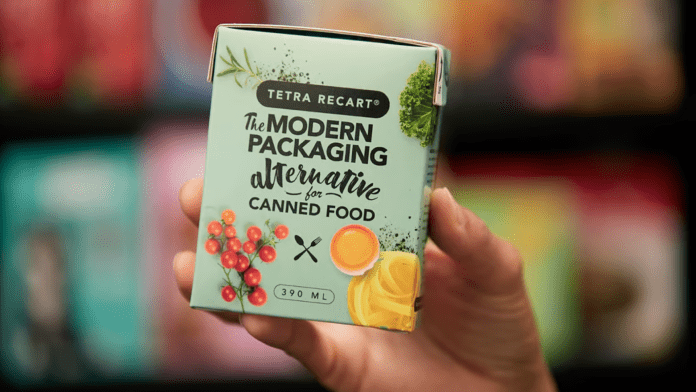
A standout feature of Tetra Pak’s presentation will be the unveiling of Tetra Recart, a pioneering and environmentally-friendly alternative to traditional cans and glass jars. Tetra Recart represents an efficient and forward-thinking packaging solution for a wide range of shelf-stable foods, such as purees, sauces, fruits, and ready-to-eat meals like Dal Makhani, Rajma, soups, and more. Notably, this innovative packaging solution achieves a substantial reduction in carbon emissions, with 81% less compared to steel cans and glass jars. Moreover, it results in a 40% reduction in energy consumption across the manufacturing, distribution, and waste management phases. Additionally, Tetra Recart is crafted from approximately 69% renewable paperboard material, responsibly sourced from managed forests and other controlled sources, and is certified by the Forest Stewardship Council™.
In addition to Tetra Recart, Tetra Pak will feature its versatile range of packaging solutions, tailored to align with changing consumer preferences and ensuring the safe distribution of food throughout the nation, all without the requirement for preservatives or refrigeration. The company will also demonstrate its proficiency in processing an array of prepared foods, encompassing items such as hummus, cream cheese, ready-to-eat meals, tomato ketchup, and an enticing selection of desserts.
Speaking on its participation at the global event, Cassio Simões, managing director, Tetra Pak South Asia said, “For over 35 years, Tetra Pak has remained steadfast in its commitment to ensuring food safety and accessibility throughout India, guided by our brand promise to ‘PROTECT WHAT’S GOOD.’ Aligned with this ethos, our innovative solutions aim to unlock a new future for the food and beverage industry in an environmentally sustainable manner. We are thrilled to support India’s growth story through our solutions and eagerly anticipate exploring new opportunities at this global platform – World Food India.”
Tetra Pak’s unwavering commitment to sustainability will be prominently emphasized at World Food India. This will be accomplished through an interactive presentation that showcases the recycling methods for used Tetra Pak cartons, unveiling a variety of practical end-products designed to capture the attention of both consumers and organizations.
In a bid to encourage investments in the multifaceted food processing sector and commemorate 2023 as the International Year of Millets, the Ministry of Food Processing Industries is orchestrating the second installment of World Food India 2023. This global event will convene more than 1,000 buyers and 950 exhibitors representing 81 countries, fostering collaborations between prominent Indian and international enterprises for investment opportunities and trade within the food processing industry.
Attendees are welcome to connect with the Tetra Pak team at Booth 4G in Hall 14, Pragati Maidan, New Delhi, during the dates of November 3 to 5.
As part of a strategic initiative to capitalize on the premium segment within India’s alcohol retail industry, Allied Blenders and Distillers Limited (ABD) is orchestrating a substantial shift by refocusing on a more upscale product line. This strategic pivot is evident through the establishment of a specialized business division called ‘PremBrands,’ dedicated solely to serving ABD’s premium brand collection. Notable among their existing premium offerings are Sterling Reserve B10 Whisky, X&O Whisky, Srishti Whisky, and Kyron Brandy, with ABD set to unveil a host of new premium brands in the near future.
Moreover, ABD has named Ankur Sachdeva as the Chief Revenue Officer. In this capacity, Sachdeva will lead the overhaul of the company’s current revenue sources and the creation of fresh avenues for expansion, all with a sharp focus on improving product profitability. Possessing more than twenty years of extensive experience in the Alcohol Beverage industry, Sachdeva boasts an impressive track record. His most recent role was as the President of Operations at Radico Khaitan, where he played a pivotal role in the company’s transformation, optimizing on-site capabilities, enhancing the profitability of CSD, and pioneering the inception of novel business ventures.
Alok Gupta, MD, ABD said, “At ABD we are very conscious of the imperative of being ‘future-ready’. We will stay agile to meet our strategic goals and deliver on the premiumisation agenda. The creation of the PremBrands vertical will ensure sharper focus on the higher value portfolio. I am delighted to have a seasoned leader like Ankur on board to steer the revenue and margin agenda for the company.”
Ankur Sachdeva, Chief Revenue Officer, ABD remarked, “I am thrilled to be joining ABD at this pivotal moment in its journey. I see immense potential in the company’s existing and new brand portfolio and the concentrated efforts towards premiumisation. I am eager to be a part of the exceptional team at ABD and contribute to its continued growth and success.”
Kent, renowned for its groundbreaking RO Water Purifiers and inventive kitchen gadgets, is thrilled to introduce a varied selection of kitchen necessities just in time for the festive season. Kent’s latest array of culinary tools includes Hard Anodised Pressure Cookers, Anodised Kadhai, Sauce Pan, Frying Pan, Roti Tawa, Dosa Tawa, Healthy Tri-Ply Pressure Cooker, and other items. This collection represents a notable shift towards healthier and eco-conscious cooking methods.
This festive cookware range adeptly blends practicality with elegance to meet the modern cooking needs of Indian households. Its design aims to transform your kitchen into a center of culinary joy and environmental consciousness.
Traditional aluminum cookware carries inherent health concerns, particularly when exposed to acidic ingredients that may lead to aluminum leaching into the food. This issue becomes more pronounced when using stainless steel (SS) cookware, which frequently faces challenges in even heat distribution, resulting in food sticking, burning, and developing undesirable odors.
KENT’s Tri-Ply Pressure Cooker with an Inner Lid strives to harmoniously blend the benefits of both aluminum and stainless steel. An aluminum layer nestled between layers of stainless steel effectively prevents food from sticking and burning, all while guaranteeing uniform heat distribution for healthier meal preparation. The cooking surface is crafted from top-notch 18/10 food-grade stainless steel, ensuring hygiene and resistance to acidic ingredients. At its core, there’s a 1.2mm thick layer of aluminum that efficiently retains heat for rapid frying and even cooking. The outer layer, boasting a thickness of 0.6mm and constructed from SS430 grade material, makes it compatible with both domestic gas and induction cooktops. It is equipped with a robust inner lid that securely locks under pressure, prioritizing safety. The heavy capsulated bottom design ensures durability and ease of use during cooking.
KENT has also unveiled its Hard Anodised Cookware, carefully crafted from premium aluminum and enhanced through a meticulous anodization process for added durability.
Dr. Mahesh Gupta, CMD of Kent RO Systems Limited, expressed, “This is not just a cooking solution; it represents a shift towards safer, more efficient, and enjoyable cooking. Join us in embracing the future of culinary experiences. This festival season, switch to Kent’s cookware range and rediscover the joy of cooking with reliable and health-conscious materials.”
KENT’s Hard Anodised Cookware ensures non-reactivity with acidic ingredients, thereby eliminating any potential health worries. The robust outer layer boasts exceptional durability, with a lifespan of up to a decade, ensuring unparalleled reliability in any kitchen.
These inventive cookware items are designed to endure high temperatures, guaranteeing that your food remains unburned and non-sticky, thereby prolonging the lifespan of your cookware. Each piece of cookware is equipped with a cool-touch handle that is injection-molded for utmost convenience during your culinary endeavors.
Starting at just INR 799, Kent’s Anodised cookware assortment is now accessible at authorized Kent outlets, reputable kitchen appliance retailers, and online marketplaces. Embrace the convenience, efficiency, and elegance that Kent brings to your culinary space.
As the highly anticipated festive season approaches, Delhi is adorned with dazzling lights and brimming with holiday spirit. To add grandeur to the celebration for the people of Delhi, the renowned Chinese restaurant chain, Chowman, is presenting an enticing menu and fantastic deals for indulging in Chinese delicacies from the cozy confines of your own home.
Renowned for its diverse selection of genuine Chinese and Asian dishes, you can delight in an array of delectable treats, including Four Treasured Mushrooms, Crispy Honey Paneer, Pan Fried Chilli Tofu, Kung Pao, Pad Thai Noodles, Asian Green Vegetable Rice, and a variety of other enticing options.
Order your favorite dishes from the comfort of your home and take advantage of an exclusive FLAT INR 150 discount on orders above INR 599. Additionally, make your Diwali sweeter by indulging your sweet tooth with a complimentary Darshan dessert using the code DIWALI150*. Remember, these offers are only valid when you place your order through the Chowman App.
Diwali isn’t just a festival of lights; it’s a time to celebrate unity and joy with your cherished family and friends. This Diwali, elevate the festivities by ordering a beloved Chinese meal from Chowman.
Where: Chowman, All Delhi-NCR Outlets (East of Kailash, Noida Sector-18, Indirapuram and Pitampura)
Discount- Order: FLAT INR 150 on orders above INR 599 through Chowman App Only
Order: Complimentary Darshan dessert by using the code- BITE*
* Code can be redeemed once a day by an individual, minimum order value of INR 599
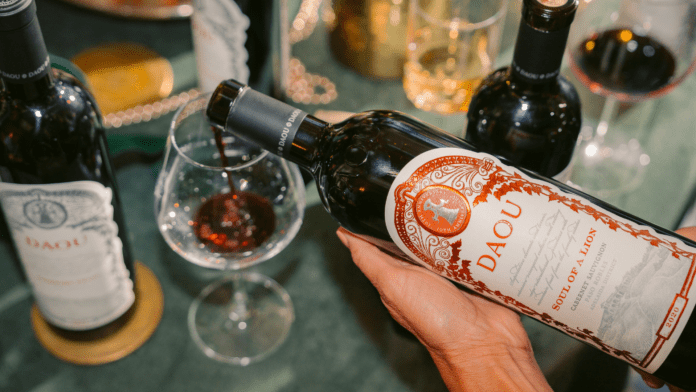
Treasury Wine Estates (TWE) is poised to enhance its commitment to luxury wines through the acquisition of the Daou Vineyards, a prominent US wine business.
The agreement encompasses an initial payment of $900 million, along with a potential additional earn-out of up to $100 million.
Established in 2007 in Paso Robles, California, Daou is reputed as the swiftest-rising luxury wine label in the US market in the previous year.
Anticipated to be finalized by year-end, the transaction encompasses the Daou brand, Daou Mountain Estate with its hospitality facility, four exclusive boutique wineries, and roughly 400 acres of vineyards situated in the Adelaida district of Paso Robles.
Tim Ford, CEO of TWE, said, “The US is the world’s largest wine market, and we’re beyond thrilled to add Daou to our portfolio, cementing our position as a global luxury wine leader. This is a transformative acquisition that will accelerate the growth of our luxury portfolio globally and paves the way for new luxury consumer experiences.”
He continued, “…we have grand plans for Daou to become the next brand with the international scale and luxury credentials of Penfolds. With Daou, we will be well-positioned to connect with a new generation of wine lovers, combining tradition with innovation, culture-led experiences and global distribution.”
Georges and Daniel Daou, founders of Daou, added, “The last frontier has always been international, and as part of the Treasury Wine Estates portfolio, we have unlocked the potential to be amongst the highest-end wines for consumers to enjoy globally”.
They continued, “In Treasury Wine Estates, we have found a partner that not only understands the value of our brand and the premium assets we have cultivated but also the importance of ensuring that we maintain a relentless focus on quality and craftsmanship as we step into our future. Both companies are change leaders, and by joining forces, we will continue to boldly disrupt the industry and bring the very best in wine and luxury experiences to consumers around the world.”
The acquisition is contingent on receiving approval from US antitrust authorities.
The Westin Pune Koregaon Park has appointed Chef Rajdeep Rana as its newly appointed Director of Culinary.
With a remarkable culinary career spanning 19 years, Chef Rana brings an unmatched wealth of talent, creativity, and expertise to the lively center of Pune city.
His journey in the culinary world began from humble origins, and he diligently refined his skills within renowned establishments like Hyatt and Taj.
“We couldn’t be happier to extend a warm welcome to Chef Rajdeep Rana as a valuable addition to our team. Chef Rana’s goals align perfectly with our commitment to providing guests with unforgettable dining experiences. His exceptional abilities are sure to elevate our dining offerings considerably, solidifying Westin Pune’s reputation as the premier dining destination,” said Sudeep Sharma, General Manager, The Westin Pune Koregaon Park.
Nevertheless, it was his recent term at Hyatt Regency Osaka, Japan, that elevated him to a prestigious status, thanks to his extensive expertise in both traditional and modern Japanese cuisine.
As he steps into his new position at The Westin Pune Koregaon Park, Chef Rana’s remarkable insight and deep comprehension of market trends will be instrumental in crafting intricate culinary experiences. His objective is to craft dining experiences that are truly memorable and leave an indelible mark on our guests.
“I am truly ecstatic to join the Westin Pune family. I look forward to working with our talented team in crafting indelible dining experiences that showcase the artistry and soul of Japanese cuisine. My goal is to create memorable moments through food, and I can’t wait to share and shape my culinary vision in the happiest hotel in town,” added Chef Rana.
Chef Rana’s extensive experience will play a pivotal role in influencing the diverse culinary offerings at The Westin Pune Koregaon Park. This influence will extend from curating Asian delicacies in The Market to infusing Mediterranean elegance into the offerings at Asilo Pune. Additionally, he will take charge of catering for the hotel’s most spacious banquet areas, The Jewel Ballroom and Lawns. While Chef Rana has refined his skills in the realm of Japanese cuisine, his Indian heritage is poised to bring a fresh perspective and elevate the enchanting dishes served at Aafreen-Inspired Indian.
Tamil Nadu State Marketing Corporation (Tasmac) plans to introduce a range of premium beer brands, including Bira, Geist, Godfather, and Thunderbolt, across all its retail locations.
For years, beer enthusiasts in Tamil Nadu have voiced their dissatisfaction over the limited options available. However, Tasmac is set to address this issue by procuring beer, including pint-sized cans and bottles, from out-of-state sources for the first time.
Until recently, Tasmac had restricted the sale of beer in Tamil Nadu to brands with local breweries, even though imported beer was permitted.
At the moment, Tasmac sources 35 different beer varieties from Accord Distillers and Breweries, United Breweries, SNJ Breweries, and Kals Breweries. However, the SOM Group, based in Madhya Pradesh, has established a brewery in Gummidipoondi and is gearing up to supply fresh selections, including Hunter, Woodpecker, and Powercool.
Although these brands will be accessible starting in November, the ones obtained from other states are anticipated to be stocked on retail shelves by December.
Tasmac procurement officials have verified that these beer varieties will be accessible at all outlets, without any restrictions to exclusive shops.
“The intention is to make more varieties available,” said an official on condition of anonymity. Tasmac had recently introduced 100% barley-based beer from SNJ Group.
Tasmac is also contemplating the launch of new beers with lower alcohol content.
Authorities are currently in negotiations with suppliers to ensure the availability of these products before the arrival of the next summer season.
The supplier will furnish the outlet with a chiller for the exclusive storage of fresh beer. Unlike standard beer, fresh beer does not undergo pasteurization, resulting in a shelf life of 90 days, whereas regular beer can be stored for 180 days.
Fresh beer contains 4% alcohol content, which is lower than the 8% alcohol content found in strong beer varieties. Lager beer, on the other hand, has a 7% alcohol content.
Indian government-backed Open Network for Digital Commerce (ONDC) has unveiled the ONDC Official Guide App, aimed at providing assistance and support to various user groups, including sellers, buyers, logistics providers, and network participants.
The application can be found on the Google Play Store and offers language support in English, Hindi, as well as 10 additional Indian languages.
Commenting on the initiative, ONDC’s MD and CEO T Koshy said, “It is an extension of our continued dedication to transparency and accessibility for all. We look forward to the app’s pickup on the Google Play Store and remain dedicated to continuously enhancing its functionality to provide ongoing value to our ecosystem.”
In a statement, ONDC mentioned that prior to its release, the Guide App underwent thorough testing to ensure its functionality and adherence to Google Play Store policies and guidelines.
The application was created with the aim of enabling the user community to actively engage with the ONDC ecosystem. Designed as a primary resource, its notable features comprise:
The application offers authenticated ONDC data and valuable insights into the ecosystem, along with incorporating real-time updates and interactive elements like videos and frequently asked questions (FAQs).
Launched in 2021, ONDC is a seller network designed to ensure the accessibility of e-commerce to every part of India. Its primary goal is to establish open standards for all aspects of digital commerce, enabling buyers and sellers to conduct transactions through any compatible app or service.
Recently, ONDC has ventured into skill-based services, including appliance repair and teaching assistance, thereby broadening its existing array of offerings that already encompass food, grocery delivery, and mobility services.
Furthermore, it is reported to be preparing for the official launch of its cab services program in Kolkata, in collaboration with the West Bengal government’s Yatri Sathi app. Since its pilot launch in July, the program has been achieving an average of more than 5,000 rides daily, with an impressive user base of over 365,000 registered users and 18,600 registered driver partners.
During July, ONDC announced that its daily retail orders, encompassing food and grocery, exceeded 35,000, with significant contributions from Delhi NCR accounting for over 11,000 orders and Bengaluru for more than 7,000 orders.
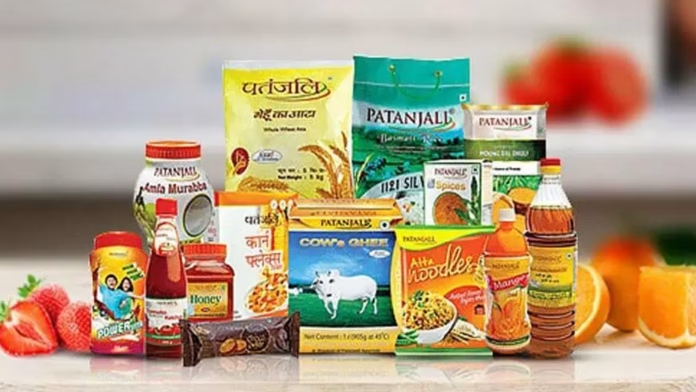
According to a circular issued by the National Stock Exchange of India, Patanjali Foods is set to exit the additional surveillance framework under the insolvency and bankruptcy code starting this Wednesday.
The Additional Surveillance Framework (ASM) is a component of the measures implemented by the Securities and Exchange Board of India and stock exchanges to bolster market integrity and protect the welfare of investors. The ASM framework relies on specific criteria, such as price, volume fluctuations, and volatility, to achieve its objectives.
Stocks are categorized into two surveillance frameworks, primarily based on their time horizon: short-term and long-term.
The selection of stocks for inclusion in the ASM list serves as a cautionary signal to investors regarding unusual price movements. Implementing specific trading restrictions aims to prevent potential volatility and protect investors from losses.
Patanjali Foods’ shares on the NSE closed 4.5% higher at INR 1,367.90 on Tuesday.
We use cookies to ensure that we give you the best experience on our website. If you continue to use this site we will assume that you are happy with it.