Thursday, January 29, 2026
Home Blog Page 846

Nonna’s brings authentic Neapolitan sourdough pizza to Pune with new pizzeria

0
Nonna's
Nonna's

Nonna’s is gearing up to unveil India’s very first Neapolitan sourdough pizzeria on Fergusson College Road in Pune.

Having already established two locations in Mumbai, one in Andheri West and another in Lower Parel, Nonna’s is embarking on an expansion journey, with Pune as its newest destination.

The 92-seat restaurant radiates a cozy and inviting atmosphere, creating the ideal ambiance for savoring genuine Italian tastes. Featuring an open-kitchen layout, you can observe the pizza-making craftsmanship, enhancing the theatrical aspect of your dining experience.

Established by Ayush Jatia, this pizzeria serves as a gastronomic voyage to Naples, Italy. Nonna’s sourdough starter originates from a mother dough with roots tracing back to the 18th century, cherished and cultivated by multiple generations of the Galliano family in Naples. It encapsulates tradition, history, and nostalgia at its heart.

The restaurant prepares its dough fresh on-site every day, utilizing a distinctive blend of flour to achieve the ideal Neapolitan texture with the right balance of protein and moisture. In contrast to dough made with commercially produced yeast, which speeds up fermentation for quicker results, their dough undergoes a natural 48-hour fermentation process using Nonna’s cherished “mother dough” before being baked in their 400°C oven for precisely 90 seconds. This slow-rise and rapid cooking method seals in the natural aroma and moisture of the flour, resulting in a soft and easily digestible crust. As a result, the gentle fermentation preserves all essential nutrients while breaking down sugars and gluten, making the food gentle on the stomach and beneficial for gut health.

Nonna’s pizzeria offers a wide array of beverages, carefully curated to perfectly complement your meal, which includes wines, Aperol, Campari, and beer.

The restaurant’s founder Jatia says “Nonna’s has embarked on a mission to bring Pune the ultimate pizza experience, boasting our signature sourdough pizzas which has a legacy of a 500-year-old recipe. We believe in crafting exceptional dining experiences, and our passion for perfection shines through our artisanal creations. With a blend of traditional techniques and innovative flavours, we are sure that Pune will love Nonna’s as much as it’s been adored in Mumbai.”

Advertisement

Ramee Group of Hotels add new flavor to Pune’s culinary scene with Mutuswami’s South Indian delights

0
Mutuswami

Ramee Group of Hotels has introduced a new Food and Beverage (F&B) offering at their Ramee Grand Hotel & Spa in Pune, featuring the debut of their renowned south Indian restaurant brand, Mutuswami, as it opens its first establishment in Pune within the hotel premises.

The restaurant’s name is a tribute to the culinary heritage of South India. It signifies a dedication to safeguarding the time-honored traditions of South Indian cuisine, ensuring that each mouthful honors the flavors and culinary techniques passed down through generations.

Located within the Ramee Grand Hotel & Spa, Pune, Mutuswami offers an immersive dining experience. Its menu presents a diverse range of flavors, featuring choices that cater to all tastes, from fiery curries to soothing dosas. Whether you are a South Indian cuisine enthusiast or a newcomer to its delectable offerings, Mutuswami beckons you to embark on a culinary adventure that is sure to make a lasting impact.

The menu draws inspiration from South Indian cuisine and features a variety of items, including Steam Idli, Medu Vada, Paper Dosa, Masala Dosa, Mysore Dosa, as well as delightful offerings like Pav Bhaji, Mutuswami Pav Bhaji, Misal Pav, Masala Pav, and Filter Coffee.

The Mutuswami brand was introduced by the group in 2021, with the first outlet opening in Dadar, Mumbai.

Rajit V Shetty, managing director at Ramee Group of Hotels, expressed his excitement about this new addition, “We are thrilled to bring Mutuswami to Ramee Grand Hotel & Spa, Pune. It’s a testament to our commitment to providing our guests with an unforgettable dining experience that celebrates the essence of South Indian cuisine.”

Advertisement

The Art of Persuasion: Mapping Out the Ideal Sales Process for Your Product

0
Sales Process

Sales Process, often considered the lifeblood of a business, is both a science and an art. The science involves strategies, data analysis, and structured processes, while the art lies in the ability to persuade, connect, and close the deal. 

Hence, we are delving into the art of persuasion by mapping out the ideal sales process for your product. Whether you’re selling a tangible item or a service, a well-structured sales process can make all the difference.

Ideal Sales Process Steps:

Step 1: Understanding Your Product and Audience

Before you can persuade anyone to buy, you must thoroughly understand what you’re selling and who your potential customers are. What problem does your product solve? What benefits does it offer? Who are your ideal customers? What are their needs and pain points? The more you know, the better equipped you are to create a compelling pitch.

Step 2: Building Initial Awareness

The first step in any sales process is creating awareness. This can be achieved through marketing and advertising efforts. Use a variety of channels such as social media, content marketing, email, and paid advertising to let your target audience know about your product’s existence.

Step 3: The Hook – Capturing Attention

Once you have your audience’s attention, it’s time to engage them with a compelling hook. This could be an attention-grabbing headline, a thought-provoking question, or a relatable story that highlights the problem your product can solve. The goal here is to pique their interest and make them want to know more.

customer-centric sales process

Step 4: Education and Information

In this phase, you provide your potential customers with detailed information about your product. This is where you highlight its features, benefits, and unique selling points. The key is to educate without overwhelming. Break down complex information into digestible chunks and demonstrate how your product can address their specific needs.

Step 5: Addressing Objections and Concerns

It’s common for customers to have objections or concerns. Address these with transparency and empathy. Be prepared to answer questions, provide additional information, and offer solutions to their reservations. A well-prepared sales team should be equipped to handle objections effectively.

Step 6: Demonstration and Trial

Whenever possible, allow customers to experience your product firsthand. Whether it’s a trial version, a live demonstration, or a sample, giving them a taste of what you offer can significantly boost their confidence in making a purchase.

Step 7: The Persuasion Phase

This is the heart of the sales process, where persuasion takes center stage. Use compelling storytelling and persuasive techniques to showcase how your product can positively impact the customer’s life or business. Paint a vivid picture of the benefits and results they can expect.

Step 8: The Close

The “close” is the pivotal moment when the customer makes the decision to purchase. This can be done through a call to action, such as “Buy now” or “Sign up.” Ensure that the process is simple, smooth, and user-friendly, reducing any friction that might deter a purchase.

Step 9: Post-Purchase Engagement

The sales process doesn’t end with a sale; it continues with post-purchase engagement. Send a thank-you message, offer support, and gather feedback. A happy customer can become a loyal one and may even refer others to your product.

Step 10: Continuous Improvement

An effective sales process is not static. Continuously analyze your sales data, gather customer feedback, and refine your process. Adapt to changing market dynamics and evolving customer needs to maintain your competitive edge.

The Art of Building Relationships

Throughout the sales process, remember that successful sales are not just about closing a deal; they are about building relationships. When you genuinely care about your customers, understand their needs, and provide value, you’re not just selling a product; you’re creating satisfied, long-term clients who trust your brand.

Check some exciting news: Market Munchies: Satisfying Your Appetite for Leads in the Food Business

The art of persuasion in the sales process is about understanding, engaging, and ultimately satisfying your customers. By mapping out a structured sales process that includes these key steps, you can increase your chances of successfully closing deals and building lasting customer relationships. As you refine and adapt your approach, you’ll find that the art of sales becomes a harmonious blend of science and personal connection, and a source of enduring business success.

Advertisement

The Knowledge Advantage: Empowering Customers with Comprehensive Product Information

0
product knowledge

Knowledge is power in the age of internet purchasing and digital commerce. Sharing detailed product information with customers is not only a way for businesses to stay competitive; it is also a way for consumers to make informed selections.

Today’s consumers have a wealth of information at their fingertips. They can compare products, read reviews, and access expert opinions with just a few clicks. In this environment, businesses that provide comprehensive product information are more likely to gain a competitive edge.

The Importance of Comprehensive Product Information

When customers have access to detailed product information, they can make well-informed decisions. This reduces the likelihood of buyer’s remorse and returns, fostering trust and satisfaction.Transparency in product information demonstrates that a business is honest and cares about its customers. It builds trust and can lead to long-term loyalty.

Apart from that, providing comprehensive product information can reduce the volume of customer service inquiries. When customers can easily find answers to their questions, it improves the overall shopping experience. In a crowded marketplace, having a reputation for providing detailed product information can set your business apart from competitors. It can be a unique selling point that attracts customers.

Ways to Provide Comprehensive Product Information
  1. Detailed Descriptions: Product descriptions should be thorough, covering key features, specifications, and benefits. Include any technical information that customers might find relevant.
  2. High-Quality Images: Visual information is vital. Include high-resolution images from multiple angles, and if applicable, show the product in use. Consider offering 360-degree views or videos.
  3. Customer Reviews and Ratings: Encourage customers to leave reviews and ratings. User-generated content adds credibility and offers insights into the product’s real-world performance.
  4. FAQ Sections: Frequently asked questions can help customers find answers to common queries. Keep this section up to date and informative.
  5. Comparison Tools: Allow customers to compare products side by side, highlighting differences in features, prices, and specifications.
  6. Guides and Tutorials: Provide guides, how-to articles, and tutorials related to your products. These can help customers understand how to use the product effectively.
  7. Live Chat and Customer Support: Offer live chat support for real-time assistance. Having knowledgeable customer service representatives available can make a significant difference.
  8. User Manuals and Documentation: For complex products, include downloadable user manuals and documentation. This is especially important for technical or specialized items.
The Future of Empowering Consumers

Empowering customers with comprehensive product information is not just a trend; it’s the future of commerce. As technology evolves, customers will expect even more in-depth information and interactive experiences. Businesses that embrace this shift will not only thrive in the digital age but also build stronger, more loyal customer relationships. In the knowledge-driven world of commerce, the true advantage is the empowerment of the customer.

Advertisement

Precision Targeting: How to Identify and Reach Your Core Audience

0
Target Audience

In the dynamic world of marketing, the shotgun approach of reaching a broad audience is no longer as effective as it once was. Instead, the spotlight is now on precision targeting, a strategy that focuses on identifying and connecting with your core audience. In this article, we will explore the art and science of precision targeting, how it can benefit your business, and the steps to successfully implement this strategy.

Precision targeting is about identifying and engaging with the specific group of people who are most likely to become your customers. It’s not just about casting a wide net and hoping for the best; it’s about hitting the bullseye by understanding your core audience’s needs, behaviors, and preferences.

Why Precision Targeting Matters

Precision targeting allows you to use your resources efficiently. Instead of spending marketing dollars on a broad audience, you can concentrate your efforts on those who are most likely to convert. When you know your core audience well, you can create content and offers that are highly relevant to them. This fosters a deeper connection and trust.By focusing on the right audience, you can expect a higher return on investment. Your marketing efforts will be more effective, and you’ll likely see increased sales and engagement.

Steps to Implement Precision Targeting
  1. Define Your Core Audience: Start by creating a detailed customer persona. Who is your ideal customer? What are their demographics, interests, and pain points? The more specific you can get, the better.
  2. Collect Data: Utilize data analytics to gather information about your existing customers. What are their behaviors, preferences, and purchase history? This data is invaluable for crafting your precision targeting strategy.
  3. Market Research: Dive into market research to understand your industry and competition. What niches or gaps can your product or service fill? This will help you tailor your message to stand out.
  4. Segmentation: Segment your audience into different categories based on their characteristics and behaviors. This segmentation allows you to target different groups with specific messaging.
  5. Tailored Messaging: Craft your messaging to speak directly to each segment. Understand their needs and concerns, and address them in your content. Personalization is key.
  6. Leverage Technology: Use the latest marketing technology to reach your audience effectively. Social media targeting, email marketing, and content marketing platforms can help you connect with your core audience.
Real-World Examples of Precision Targeting
  • Netflix: The streaming giant uses data from user behavior to recommend shows and movies that are highly likely to match each user’s tastes, keeping them engaged and subscribed.
  • Spotify: Spotify’s “Discover Weekly” playlist is a result of precision targeting. It analyzes a user’s listening history and preferences to create a personalized playlist, keeping users engaged and exploring new music.
  • Amazon: Amazon’s recommendation engine is powered by precision targeting. It suggests products based on a user’s browsing and purchase history, significantly boosting sales.
Measuring Success and Adjusting

Precision targeting isn’t a “set and forget” strategy. Regularly analyze your campaigns to see what’s working and what isn’t. Metrics like conversion rates, click-through rates, and customer engagement should guide your adjustments. A successful precision targeting strategy is a dynamic one that evolves with your audience’s changing needs and behaviors.

Precision targeting is the compass that can guide your marketing efforts toward success. By identifying and reaching your core audience, you can optimize your marketing resources, deliver personalized and relevant content, and boost your return on investment. In the digital age, understanding your audience and using precision targeting techniques is not just a competitive advantage; it’s a necessity for businesses looking to thrive in an increasingly complex and competitive market.

Advertisement

Palate Precision: Using Niche Marketing to Delight Unique Tastes

0
Niche Marketing

A one-size-fits-all approach generally fails in the wide and diverse world of marketing. The same logic applies to consumer preferences and interests as it does to food choices and interests. Niche marketing has arisen as an effective method for capitalizing on these particular tastes and delivering bespoke experiences that appeal with certain groups. 

1. Understanding the Power of Niche Marketing

Niche marketing is all about identifying and targeting a specific segment of the market that shares a common interest, need, or passion. It’s about appealing to a particular group with a tailored approach, rather than casting a wide net and hoping to catch a diverse array of consumers.

2. The Delight of Personalization

One of the primary advantages of niche marketing is personalization. By homing in on a specific audience, businesses can craft content, products, and services that cater to their unique tastes and needs. The result is a more personal and engaging experience that resonates deeply with consumers.

3. Tapping into Passion Points

Niche marketing is all about understanding the passion points of a specific audience. Whether it’s a love for artisanal chocolates, vintage video games, or sustainable fashion, niche marketing allows businesses to tap into these passions, creating a strong emotional connection with consumers who share these interests.

4. Fostering a Sense of Belonging

When consumers encounter niche marketing that aligns with their unique tastes, it fosters a sense of belonging. People love to be a part of a community that shares their passions and interests. Niche marketing can help create that sense of belonging, which, in turn, can lead to loyal and enthusiastic customers.

5. Tailored Content and Communication

Niche marketing is all about delivering content and communication that speaks directly to the audience’s interests. This includes using specific language, references, and imagery that resonate with the niche group, making them feel understood and valued.

6. A Competitive Edge

In a crowded market, standing out is a challenge. Niche marketing provides a competitive edge by targeting a specific group that may not be adequately served by larger, more generalized competitors. This can lead to increased customer loyalty and a unique selling proposition.

7. Smaller But Dedicated Audiences

Niche markets may be smaller in terms of the number of consumers, but they are often more dedicated. These individuals are passionate about their interests, and they’re willing to invest in products or services that cater to those interests.

Niche marketing is a powerful strategy for businesses looking to connect with audiences who have unique tastes and interests. By understanding and catering to these niche markets, businesses can create a sense of belonging, deliver personalized experiences, and foster deep customer loyalty. The delight of palate precision in niche marketing is a testament to the fact that when it comes to winning the hearts and wallets of consumers, one size does not fit all.

Advertisement

Visualizing the Voyage: Mapping Your Customer’s Journey to Conversion

0
Customer Journey Mapping

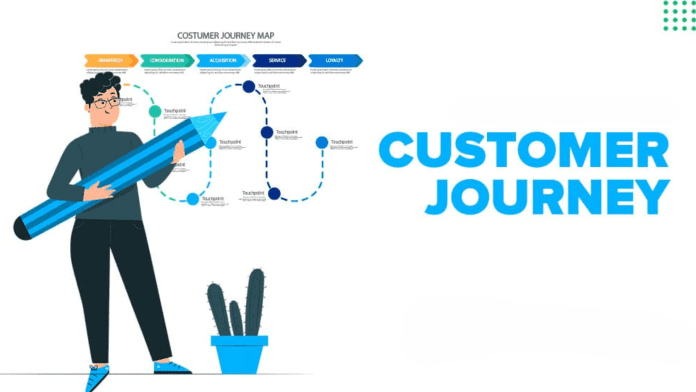
Understanding your consumers’ route to conversion is like reading a treasure map to success in the ever-changing world of marketing and business. Businesses can get significant insights into their consumers’ wants, preferences, and pain spots by mapping this journey. 

In this post, we’ll look at customer journey mapping and how it may help businesses chart a road to better engagement, conversion, and brand loyalty.

1. Navigating the Customer Journey

Before embarking on the mapping journey, it’s essential to understand what the customer journey entails. It’s the sum of all the touchpoints and interactions a customer has with your brand, from their first encounter to the final conversion (and hopefully, beyond). By visualizing this journey, you can spot opportunities for improvement and optimization.

2. Define Your Customer Personas

Mapping the customer journey begins with a deep dive into understanding your audience. Create detailed customer personas that reflect your target demographics. By knowing who your customers are, what they value, and their pain points, you can tailor your journey map to their specific needs.

3. Identify Key Touchpoints

Next, identify the key touchpoints in your customers’ journey. These are the moments when they engage with your brand, such as visiting your website, interacting on social media, receiving emails, or making a purchase. These touchpoints are like landmarks on the map, guiding your customers along their path.

4. Understand Customer Goals

To create an effective customer journey map, you need to understand your customers’ goals at each touchpoint. Are they looking for information, trying to solve a problem, or ready to make a purchase? By aligning your messaging and content with their objectives, you can guide them through the journey seamlessly.

5. Empathize with Pain Points

Customers often encounter roadblocks or frustrations along their journey. It’s vital to empathize with these pain points. Perhaps your website navigation isn’t intuitive, or your checkout process is cumbersome. By addressing these issues, you can create a smoother journey for your customers.

6. Construct the Journey Map

Now, it’s time to create the visual representation of the customer journey. This map typically takes the form of a flowchart or diagram, illustrating the various touchpoints and the customer’s progression from one to the next. It should encapsulate the entire journey from awareness to conversion and even post-purchase interactions.

7. Implement Cross-Channel Consistency

Consistency is key. Ensure that your messaging and branding remain uniform across all touchpoints. Whether a customer encounters your brand on social media, email, or your website, they should experience a coherent and unified brand identity.

8. Measure and Analyze

Once your map is in place, you can begin measuring and analyzing how customers navigate it. Tools like Google Analytics can provide valuable insights into customer behavior at different touchpoints. This data can help refine the map and make improvements where necessary.

9. Adapt and Optimize

The journey map is not a static document. It should evolve over time as customer preferences and behaviors change. Regularly revisit the map to identify areas for optimization, such as improving user experience, personalizing content, or addressing new pain points that arise.

10. Human-Centric Approach

Remember, the customer journey map is not just about transactions; it’s about creating a human-centric experience. Understanding your customers’ needs and emotions at each stage of the journey is critical to building trust and fostering long-term relationships.

11. Collaboration is Key

Creating an effective journey map often involves collaboration among various departments in your organization. Marketing, sales, customer support, and design teams should all contribute their insights to ensure a comprehensive and accurate map.

Mapping your customer’s journey to conversion is like holding a treasure map to your audience’s hearts and minds. It empowers businesses to create a seamless, personalized, and engaging experience that ultimately leads to higher conversions, customer loyalty, and brand success. By visualizing this voyage, you can navigate the ever-changing waters of the market with greater confidence and sail towards prosperous horizons.

Advertisement

Beyond the Buzz: Crisis Communication Strategies for the Modern Digital World

0
Crisis Management in the Digital Landscape

In the modern digital world, crisis communication has taken on a new dimension, with the power to shape public perception and impact organizations like never before. While traditional crisis management principles remain essential, they must be adapted to the fast-paced, interconnected, and often unforgiving landscape of the digital age. In this era of instant information and viral social media, organizations need to go beyond the buzz to implement effective crisis communication strategies.

The rapid spread of information in the digital age has made managing crises more challenging, but it has also presented new opportunities for organizations to respond effectively. In a matter of seconds, a crisis can escalate from a minor issue into a full-blown catastrophe. However, the speed of digital communication also allows for rapid response, enabling organizations to address and contain crises with the same agility they spread.

To navigate the intricacies of crisis communication in the modern digital world, organizations should adopt several strategies:

1. Proactive Monitoring: Keeping an ear to the ground is more crucial than ever. Social media platforms and news outlets are the first places where crises often unfold. By actively monitoring these channels, organizations can detect potential issues early on. Proactive monitoring tools, sentiment analysis, and media intelligence can help identify emerging threats and address them before they escalate.

2. Swift Response: Speed is of the essence in the digital age. When a crisis emerges, organizations must respond quickly. A delayed response can allow a crisis to spiral out of control. It’s essential to have a crisis response team in place, with clearly defined roles and responsibilities, and the authority to make decisions without bureaucratic delays.

3. Transparency and Honesty: In the digital world, honesty and transparency are paramount. Trying to cover up or downplay a crisis will likely backfire, as the truth has a way of coming to light. Being open about the situation, acknowledging mistakes, and providing a plan for resolution is essential to maintain public trust.

4. Use of Multiple Channels: In the digital age, communication must take place across multiple channels. Press releases, social media, websites, and even live streaming can all be used to communicate with the public. Each channel should be leveraged to reach different audiences and provide consistent messaging.

5. Engage with the Public: Social media has changed the game for crisis communication. It allows for direct engagement with the public, which can be both a blessing and a curse. Organizations should actively engage with their audience, addressing concerns, answering questions, and correcting misinformation. However, this should be done with care and empathy.

6. Prepare for Multiple Scenarios: While it’s impossible to predict the exact nature of a crisis, organizations should prepare for multiple scenarios. Having a crisis communication plan that outlines various crisis types, responses, and stakeholders will help in adapting to different situations quickly.

7. Leverage Technology and Automation: Digital tools and automation can be invaluable in managing crises. Chatbots and AI-powered systems can help filter and respond to inquiries, freeing up human resources to focus on more complex aspects of crisis management.

8. Train Your Team: Your crisis communication team should be well-trained and rehearsed. Conducting drills and simulations can help ensure your team knows how to react under pressure. Additionally, they should be well-versed in the organization’s values, policies, and crisis communication plan.

9. Data Analysis: The digital world generates an enormous amount of data. Organizations should use this data to their advantage. Analyzing the sentiment of public conversations, tracking the reach of their messaging, and identifying influential voices in the digital space can provide insights to inform crisis communication strategies.

10. Learn from Past Crises: Every crisis is an opportunity to learn and improve. Post-crisis debriefs should be conducted to evaluate what went well and what could be done better. This feedback loop is crucial for continually refining crisis communication strategies.

11. Legal and Ethical Considerations: In the digital world, there are legal and ethical considerations to take into account. Privacy laws, regulations, and ethical standards must be followed when communicating in a crisis. Failing to do so can lead to legal consequences and damage to an organization’s reputation.

Crisis communication in the modern digital world requires a combination of traditional principles and digital-savvy strategies. Proactive monitoring, swift response, transparency, and engagement with the public are the cornerstones of an effective approach. Leveraging technology and data analysis, along with continuous learning, will further enhance crisis communication capabilities. Organizations that embrace these strategies and adapt to the unique challenges of the digital age will be better equipped to navigate crises and emerge stronger on the other side. In the end, it’s not just about managing the buzz; it’s about maintaining trust and credibility in an era where public perception can change in an instant.

Advertisement

The Power of Participation: Turning Customers into Content Creators

0
user generated content

In the age of social media, user-generated content has become a driving force behind marketing strategies and brand engagement. It’s no longer enough for companies to simply advertise their products or services; they must actively involve their customers in the creation of content. This approach, often referred to as “participation marketing,” is transforming the way businesses connect with their audience, build trust, and drive growth.

Participation marketing taps into the innate desire of people to be heard, recognized, and appreciated. It goes beyond traditional marketing techniques and turns customers into content creators, making them active participants in shaping a brand’s narrative. Here’s why this strategy is so powerful.

1. Authenticity and Trust:

Participation marketing is all about authenticity. When customers share their experiences, stories, and feedback, it’s perceived as more genuine than brand-generated content. People trust the opinions of their peers, and this trust is vital for building strong, long-lasting relationships with customers.

For example, consider Airbnb’s user-generated content. By allowing hosts and guests to post photos and write reviews, the platform creates a genuine and transparent view of what to expect when booking accommodations. This authenticity helps Airbnb build trust, as potential users can see real people sharing their experiences.

2. Engagement and Community Building:

Customers are more likely to engage with a brand when they feel a sense of belonging. Participation marketing fosters this community feeling by involving customers in conversations and content creation. Through social media challenges, contests, and user-generated content campaigns, brands can encourage customers to participate actively in their community.

Starbucks’ “White Cup Contest” is a prime example. In 2014, Starbucks invited customers to decorate their white coffee cups and share the designs on social media. Thousands of customers participated, turning the plain white cups into works of art. This not only engaged customers but also created a sense of community around the brand.

3. Content Variety and Scalability:

Incorporating user-generated content into your marketing strategy provides an almost endless stream of fresh, diverse material. Brands can tap into various creative voices and perspectives, ensuring that their content remains engaging and relevant. It also reduces the need for extensive in-house content creation, saving time and resources.

Coca-Cola’s “Share a Coke” campaign is a great illustration of this. By printing popular names on their bottles and encouraging customers to share photos of themselves with their personalized bottles, the brand generated a wealth of content that was highly shareable and relatable.

4. Market Research and Feedback:

Participation marketing serves as a valuable feedback loop for brands. By listening to customers, companies can gain insights into their needs, preferences, and pain points. This information is invaluable for making informed business decisions, improving products or services, and staying ahead of competitors.

Doritos’ “Crash the Super Bowl” contest is a case in point. The company invited consumers to create their own Doritos commercials for the Super Bowl. Not only did this generate a buzz around the brand, but it also provided valuable data on what type of content resonated with their audience.

5. Virality and Reach:

User-generated content often has a viral quality, which can extend a brand’s reach far beyond what traditional marketing methods can achieve. When customers share their experiences with friends and followers on social media, it amplifies the brand’s message organically.

GoPro, known for its rugged action cameras, has built its brand largely on user-generated content. People share their thrilling adventures captured with GoPro cameras, and the brand benefits from the viral spread of exciting, real-life experiences.

6. Personalization:

Participation marketing allows for a high degree of personalization. Brands can tailor their content to specific customer segments or even individual customers. This customization enhances the customer experience and increases the likelihood of conversion.

Lego’s “Rebuild the World” campaign is a testament to personalization. The company invited children to submit their imaginative Lego creations, turning them into personalized ads for each child. This not only engaged kids but also delighted parents who saw their children featured in the ads.

Participation marketing has emerged as a potent strategy in today’s marketing landscape. By turning customers into content creators, brands can harness the power of authenticity, trust, engagement, and community building. They can also leverage a diverse array of content, gather valuable market research, achieve viral reach, and deliver highly personalized experiences. In a world where customers crave connection and authenticity, participation marketing is not just a trend but a fundamental shift in how brands engage with their audience and drive business growth. It empowers customers to be an integral part of the brand’s story, making marketing a collaborative effort rather than a one-sided conversation. As businesses continue to adapt to this evolving landscape, those that embrace participation marketing will undoubtedly enjoy a competitive edge and deeper customer relationships.

Advertisement

The Afterglow of Purchase: How to Maintain User Engagement Over Time

0

In the commercial world, customer interaction does not cease at the point of purchase. In fact, it’s only the start of a journey that can lead to long-term connections, loyalty, and repeat business.

So, let’s look at the often-overlooked post-purchase engagement phase and discuss techniques for keeping customers connected, satisfied, and coming back for more.

1. Personalized Follow-Ups

A personalized follow-up after a purchase shows that you value your customers and care about their experience. This can take the form of a thank-you email, a follow-up survey, or even a personal phone call. Tailor your approach to the customer’s preferences, whether it’s a friendly message or a more formal one. The goal is to make them feel appreciated.

2. Educational Content

Educational content keeps customers engaged by providing them with valuable information related to their purchase. If, for example, a customer buys a camera, sending them tips on photography techniques or maintenance can enhance their experience and make them feel like they’re getting more out of their purchase.

3. Exclusive Offers and Rewards

Offer exclusive discounts, promotions, or rewards to customers who have made a purchase. This not only incentivizes repeat purchases but also makes customers feel like they are part of an exclusive club. Loyalty programs that reward customers for continued patronage are highly effective in this regard.

4. Social Proof and Reviews

Encourage customers to leave reviews and share their experiences on your platform or social media. Positive reviews act as social proof and can influence others to make a purchase. Acknowledge and appreciate those who leave reviews, whether they are positive or provide constructive feedback.

5. Personalized Product Recommendations

Leverage data and algorithms to offer personalized product recommendations to customers based on their purchase history and preferences. This not only helps customers discover new items of interest but also demonstrates your commitment to enhancing their shopping experience.

6. Exceptional Customer Support

Your customer support team plays a crucial role in post-purchase engagement. Quick response times, helpful solutions, and friendly interactions can turn a customer’s problem into an opportunity to earn their trust and loyalty. Going the extra mile in addressing their concerns is a surefire way to maintain engagement.

7. User-Generated Content (UGC)

User-generated content, like customer photos or videos with your product, can be a powerful way to engage your customer base. Encourage customers to share their experiences and offer incentives, such as contests or giveaways, to motivate participation.

8. Community Building

Create a sense of community around your brand. Online forums, social media groups, or even in-person events (when possible) can connect customers who share common interests related to your products. This not only fosters loyalty but can also turn customers into brand advocates.

9. Post-Purchase Surveys

Surveys provide customers with an opportunity to share their feedback. Ask about their experience, what they liked and didn’t like, and how you can improve. This not only shows that you value their opinions but can also lead to actionable insights for making positive changes.

10. Celebrate Milestones

Celebrate customer milestones, such as the anniversary of their first purchase or reaching a certain number of purchases. Offer special rewards, discounts, or personalized messages to show your appreciation for their loyalty.

The afterglow of purchase is a golden opportunity to keep customers engaged and invested in your brand. By offering personalized follow-ups, educational content, exclusive offers, and focusing on building relationships, businesses can transform one-time buyers into loyal advocates. Remember, happy, engaged customers are more likely to return, spend more, and spread the word about their positive experiences, ultimately driving sustained growth and success.

Advertisement