Britannia Industries Ltd. saw a boost in its second-quarter earnings for fiscal 2024, surpassing the expectations of financial analysts.
According to an exchange filing on Wednesday, the manufacturer of Marie Gold biscuits reported a 19.6% rise in its consolidated net profit for the July-September quarter, reaching INR 586.5 crore. This exceeded the analysts’ consensus estimate of INR 547.9 crore, as reported by Bloomberg.
The company’s revenue increased by 1.2% to INR 4,432.9 crore, falling short of the estimated INR 4,555.4 crore. However, the operating profit surged by 22.6% to INR 872.4 crore, surpassing the estimated INR 803.4 crore. This resulted in a margin of 19.7%, well above the expected 16.3%, as analysts had previously predicted it to be at 17.6%.
“We delivered a good performance in a challenging environment on the back of two years of high inflation,” Varun Berry, the company’s vice-chairman and managing director, said in a statement.
With the softening of commodity prices this quarter, the biscuit manufacturer implemented price reductions in certain prominent brands to maintain a competitive edge in the face of intense local competition. As a consequence, this move has had a partial impact on the growth of quarterly revenue.
With the ongoing geopolitical unrest in the Middle East and Russia, the global commodity prices remain in a state of persistent volatility.
“We are being watchful of the situation and its impact on our business. Our strategy will remain focused on driving market share while sustaining profitability,” he said.
“Our potential in rural (segment) continues to remain high and hence, expansion in rural distribution continued despite reported rural slowdown,” said Berry.
In the quarter, Britannia Industries initiated operations at its new greenfield facility in Bihar, further expanding its presence alongside recent expansions in Uttar Pradesh and Tamil Nadu.
“With capacity and capability enhancements planned in Ranjangaon Food Park, we are well poised to further extract productivity and enhance competitiveness in these growing markets,” Berry said.
Britannia Industries’ shares concluded Wednesday’s trading session with a 0.92% decrease, while the benchmark Nifty 50 experienced a 0.47% decline. The company’s results were announced after the market closed.
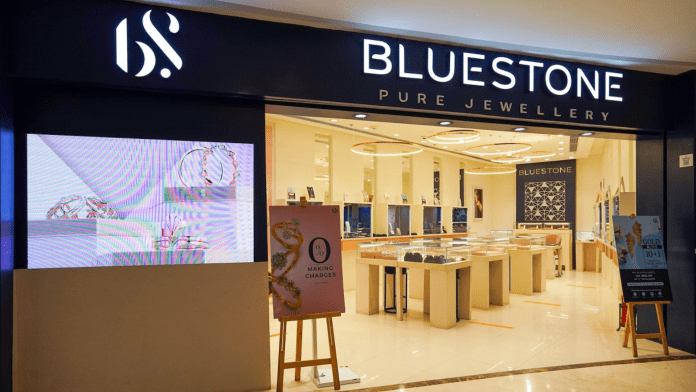
BlueStone, the omnichannel jewelry brand, saw a significant surge in its operating revenue, marking a growth of over 1.6 times in the fiscal year ending on March 31, 2023. This Bengaluru-based startup reported an operating revenue of INR 770.7 crore in the financial year 2022-23 (FY23), signifying a notable 67% increase from INR 461.3 crore in the preceding fiscal year.
Founded in 2011 by Gaurav Singh Kushwaha and Vidya Nataraj, BlueStone is an omnichannel jewelry startup offering more than 8,000 designs across various categories such as rings, pendants, and earrings. Last year, the startup promoted its chief operating officer, Sudeep Nagar, to the position of co-founder.
BlueStone generates revenue by selling its jewelry through online sales and retail outlets. The brand operates its own retail stores in addition to franchise-operated stores.
The startup experienced a drastic 86% decrease in its loss, dropping to INR 167.2 Cr from INR 1,268.4 Cr in FY22. It’s important to note that in FY22, BlueStone faced a one-time non-operating expense of INR 1,209 Cr due to a change in fair value of shares from the adoption of a new accounting policy. This cost was absent in FY23. Excluding the one-time expense from FY22, BlueStone’s net loss increased by 183% in FY23, rising from INR 59 Cr in FY22.
In FY23, the jewelry startup saw a 45% reduction in total expenses, which decreased to INR 955.1 Cr from INR 1,739 Cr in FY22. Once more, this decline was primarily due to the exclusion of the one-time non-operating expense in the current year.
In the fiscal year 2022-23, BlueStone allocated INR 717.6 Cr toward the purchase of raw materials, demonstrating an 89% surge from the INR 380.5 Cr spent in the preceding fiscal period, showcasing increased material demand.
The startup spent INR 91.1 Cr on employee costs in FY23, a jump of 118% from INR 41.7 Cr in FY22. According to LinkedIn, the startup currently has an employee count of 1,110.
The jewelry brand’s expenditure on advertising and marketing nearly doubled, reaching INR 84.1 Cr in the fiscal year being examined, as compared to INR 42.3 Cr in FY22.
To date, BlueStone has secured more than $100 million in funding and boasts notable supporters such as Ratan Tata, Hero Enterprises, Accel Partners, IIFL Finance, and Kalaari Capital. In the previous year, the startup received a $30 million investment from Hero Enterprise’s Sunil Kant Munjal, valuing the company at approximately $400 million.
According to a report by ET, BlueStone is in advanced talks to secure approximately $65 million in new funding from Nikhil Kamath’s office, Deepinder Goyal, Amit Jain, Ranjan Pai, and others. This proposed valuation stands at around INR 3,600 Cr, translating to 4.6 times its operating revenue in FY23.
In the startup landscape, BlueStone rivals companies such as CaratLane, Melorra, and GIVA. Notably, Tata acquired the remaining 27% stake in Caratlane for INR 4,621 Cr in August this year. Meanwhile, GIVA secured $33 million in its Series B funding round, which was spearheaded by Premji Invest in July.
On the second day of Mamaearth’s initial public offering (IPO), the direct-to-consumer (D2C) unicorn saw an increased interest from investors as its public issue garnered a subscription of 0.7 times. The offering received bids for 2.01 crore shares, surpassing the 2.88 crore shares available for subscription.
On the first day, the subscription rate for the issue was a modest 0.13 times.
Qualified institutional buyers (QIBs) exhibited substantial interest in the issue, surpassing their reserved quota by 1.02 times on the second day. Bids for 1.61 crore shares were placed against the 1.57 crore shares available for this category, with Mamaearth allocating the largest number of shares for QIBs.
Concurrently, the segment designated for retail investors experienced a subscription rate of 0.62 times, as it received bids for 32.34 lakh shares in comparison to the 52.48 lakh shares that were available for subscription.
The employee allocation remained at the forefront, surpassing expectations with an oversubscription rate of 3.19 times. It garnered bids for 1.08 lakh shares, significantly exceeding the 34,013 shares that were made available for subscription.
Non-institutional investors (NIIs) submitted bids for 6.89 lakh shares against the reserved 78.72 lakh shares designated for them. This category experienced the lowest subscription rate at 0.09 times.
The public offering is scheduled to conclude on November 2nd.
Mamaearth has established a price range of INR 308 to INR 324 for its public offering. The beauty and personal care brand aims to generate a maximum of INR 1,700 crore in funds from the IPO, valuing the company at $1.2 billion.
Established in 2016 by the husband-wife team of Varun and Ghazal Alagh, Honasa Consumer, the company behind Mamaearth, offers a diverse array of beauty and personal care products through brands like Mamaearth, The Derma Co., Ayuga, Aqualogica, and Dr. Sheth’s. Additionally, it owns and operates a network of salons known as BBlunt, which it acquired in the early part of last year.
As Mumbai’s renowned Royal China celebrates its 20th year, founders Neville and Michelle Vazifdar have skillfully combined the essence of Asian fine dining with a steadfast dedication to culinary excellence.
Starting with the aspiration of popularizing Cantonese cuisine, this culinary endeavor has thrived, extending its presence to Bandra, Pune, Delhi, and Kolkata.
Their unwavering commitment to crafting a tranquil and contemporary dining ambiance defined by its minimalist decor has played a pivotal role in shaping the Royal China experience. As they mark this noteworthy milestone, their fervor for introducing the delights of Cantonese cuisine to India persists, laying the foundation for an even more thrilling culinary journey in the days ahead.
Neville said, “I remember the day I started Royal China 20 years ago, upon my return from London – with a commitment to serving the best Cantonese food in Mumbai and I am proud of how far we have come. I give the credit to the team who over the years has provided us with unflinching support and loyalty and that reflects in our service and food and is a reason for people to keep coming back to us.”
Michelle, the driving marketing force behind Royal China, added, “Reaching this remarkable milestone of 20 years with Royal China fills me with pride, excitement and anticipation for what the future holds. It’s a journey that has been nothing short of extraordinary and only motivates us to keep going and create more memorable dining experiences for our wonderful patrons.”
In the world of sales, success often depends on the ability to navigate a complex and dynamic dance with potential customers. This dance, which we can aptly call “sales choreography,” involves sequencing steps in the sales process to achieve the perfect pitch and close the deal. Like a carefully choreographed ballet, the sales process requires finesse, timing, and a deep understanding of your audience. This article will explore the key steps in the sales choreography, providing insights and strategies to help you create the perfect product sales process.
1. Research and Preparation
The first step in sales choreography is research and preparation. Before you step onto the stage, you must know your audience, understand their needs, and be armed with knowledge about your product or service. This step is crucial because it sets the tone for the entire sales process.
Start by identifying your target audience and understanding their pain points, desires, and challenges. Use market research, data analysis, and customer personas to gain valuable insights. Additionally, make sure you are intimately familiar with your product or service. This includes knowing its features, benefits, and unique selling points (USPs).
2. Rapport Building
Once you have gathered the necessary information, the next step is to build rapport with your potential customers. Just like in a dance, creating a connection is essential for a successful performance. This can be done through various means, such as active listening, empathy, and establishing common ground.
As you engage with your prospects, it’s important to show genuine interest in their concerns and needs. Ask open-ended questions to encourage them to share more about their challenges. The goal is to make them feel heard and understood.
3. Needs Assessment
In the next phase of the sales choreography, it’s time to assess your prospect’s needs and challenges. This step involves a deeper dive into their pain points and requirements, aligning your product or service with their specific situation.
A successful needs assessment often requires a consultative approach. You must ask probing questions, uncover latent needs, and demonstrate how your offering can address these issues. The key is to create a customized solution that resonates with your prospect’s unique circumstances.
4. Presentation
The presentation is the moment you’ve been working towards. Just like a dancer’s grand performance, this is your opportunity to showcase your product or service in the best light. Your presentation should be tailored to the prospect’s needs, highlighting how your offering can solve their problems and deliver value.
Visual aids, demos, and case studies can be powerful tools in your presentation. Use these elements to make the information engaging and easy to understand. Furthermore, don’t forget to emphasize the unique benefits and features that set your product apart from the competition.
5. Handling Objections
In every sales dance, there are moments when your prospect may raise objections or concerns. These objections are like unexpected twists in the choreography. How you handle them can determine the success of your performance.
To effectively address objections, be prepared to listen carefully and respond thoughtfully. Understand the root of the objection, acknowledge the prospect’s concerns, and then provide a well-structured response. It’s crucial to focus on the value your product or service brings and how it can overcome the specific objections raised.
6. Closing the Deal
Closing the deal is the climax of your sales choreography. It’s the moment when you bring all the elements of your performance together to secure the sale. Timing and finesse are essential in this step.
There are various techniques for closing a sale, including the assumptive close, the alternative choice close, and the trial close. The choice of technique depends on the dynamics of the conversation and the prospect’s readiness to commit. It’s important to recognize buying signals and seize the right moment to ask for the sale.
7. Follow-Up and Relationship Building
The curtain may have fallen on your performance, but the sales choreography doesn’t end there. After the sale, it’s crucial to follow up with your customers and continue building the relationship. This step is essential for customer retention and potential referrals.
A thoughtful follow-up can include expressing gratitude, ensuring that the customer is satisfied with their purchase, and offering additional support or resources. By maintaining open lines of communication and providing ongoing value, you can turn one-time buyers into loyal customers.
8. Continuous Improvement
Just as dancers strive to perfect their craft, sales professionals should continuously work on improving their skills and techniques. Regularly evaluate your sales process, seeking feedback from customers and colleagues, and identifying areas for enhancement.
Incorporate new technologies and methodologies to stay ahead of the competition. Sales choreography is not a static routine; it evolves with changing customer expectations, market dynamics, and technological advancements.
Final Thoughts:
Sales choreography is a carefully orchestrated sequence of steps that, when executed effectively, can lead to the perfect product sales process. Just like a well-rehearsed dance, each step plays a crucial role in achieving the desired outcome: a successful sale. By conducting thorough research, building rapport, assessing needs, delivering a compelling presentation, handling objections, closing the deal, following up, and continuously improving, sales professionals can master the art of sales choreography and achieve outstanding results in the world of business.
In today’s digital age, consumers are more empowered than ever before. They have access to a wealth of information at their fingertips, allowing them to make well-informed purchasing decisions. For businesses, this means that to capture and retain customers, it’s essential to focus on enriching product knowledge and engagement.
The Rise of the Informed Consumer
In today’s consumer landscape, there’s been a significant shift towards a more informed and empowered consumer base. This transformation can be attributed to two key factors:
The Digital Revolution: The internet and technology have revolutionized the way consumers gather information about products and services. With just a few clicks, consumers can access an abundance of data, allowing them to research, compare, and evaluate their purchasing decisions more thoroughly than ever before. The digital revolution has given consumers the tools to become well-informed and discerning shoppers.
Information at Your Fingertips: Consumers now have a wealth of resources readily available, including online reviews, expert opinions, and social media platforms. Online reviews and ratings provide insights into the real-life experiences of others, helping consumers make informed choices. Social media has become a platform for discussions, recommendations, and even direct interactions with brands. Together, these resources have created a dynamic environment where consumers can tap into a vast pool of knowledge before making a purchase.
In this context, businesses must recognize the power of the informed consumer and adapt their strategies to meet the expectations and demands of this digitally connected and well-informed audience.
Building Community and Brand Loyalty
In an age of informed consumers, building community and brand loyalty takes center stage. Here’s how businesses can achieve this:
Social Media Engagement: Fostering a Sense of Community through Social Platforms
Social media platforms are not just spaces for marketing; they’re places to build a community. Businesses can foster a sense of belonging by actively engaging with consumers on social platforms. This means responding to comments, initiating conversations, and creating content that encourages participation. When consumers feel like they are part of a brand’s community, it can strengthen their loyalty.
Brand Advocacy: Encouraging Satisfied Consumers to Become Brand Ambassadors
Satisfied consumers can be your most effective marketers. Encouraging them to become brand ambassadors is a powerful strategy. This can involve creating loyalty programs that reward customers for referrals, highlighting user-generated content in your marketing efforts, and actively seeking out and celebrating your most loyal customers. When consumers become advocates, they amplify your brand’s message and influence others.
Customer-Centric Culture: Why a Focus on the Informed Consumer Can Shape a Brand’s Identity
A customer-centric culture is essential for businesses aiming to thrive in the era of informed consumers. It involves aligning your brand’s values and actions with the preferences and needs of your customers. This isn’t just a marketing strategy; it’s a fundamental shift in how your brand operates. When customers see a business that truly values their opinions and needs, it shapes the brand’s identity as one that is trustworthy, caring, and focused on delivering real value.
Final Thoughts:
The informed consumer is not just a challenge for businesses; it’s also an opportunity. By embracing the informed consumer and adapting strategies to enrich their product knowledge and engagement, businesses can gain a competitive edge. Informed consumers have higher expectations, but they also offer higher loyalty when their expectations are met. The advantage of the informed consumer is that they can become your most loyal customers and advocates, driving growth and success in the long run. In this age of digital empowerment, those businesses that prioritize the informed consumer will be well-positioned to thrive in the ever-evolving marketplace.
Knowing your consumers is like having a treasure map in the vast world of business. The path to discovering your “perfect fit,” or ideal clientele, may take some unexpected turns. However, the success of any business depends on obtaining customer clarity.
Following are the strategies and methods to navigate the path towards identifying your perfect fit – those customers who align perfectly with your products or services.
The Quest for Customer Clarity
Defining the Perfect Fit: What exactly is a perfect fit customer, and why do they matter?
In the vast sea of potential customers, not all are created equal. The concept of a “perfect fit” customer is akin to finding the missing puzzle piece that seamlessly fits into your business’s growth and success. But what exactly makes a customer a perfect fit, and why do they matter?
A perfect fit customer can be defined as an individual or entity that aligns perfectly with your business offerings, values, and long-term goals. They are the customers who not only find immense value in your products or services but also contribute to the growth and sustainability of your business in various ways. These customers are characterized by several key attributes:
Alignment with Your Offering: Perfect fit customers have a genuine need for what your business provides. Your products or services directly address their pain points, desires, or goals.
Loyalty and Retention: They are more likely to become long-term customers who continue to engage with your brand. Their loyalty ensures consistent revenue and positive word-of-mouth.
Profitability: Perfect fit customers often yield higher profitability. They tend to make repeat purchases, invest in premium offerings, and refer others to your business.
Feedback and Growth: They actively provide feedback, helping you refine your products or services. Their insights contribute to the enhancement and expansion of your offerings.
Brand Advocacy: Perfect fit customers are not just passive buyers; they become advocates for your brand. They share their positive experiences with others, essentially becoming your brand ambassadors.
Now, why do perfect fit customers matter? They are the backbone of business success. Their presence and engagement can transform the way your business operates. By focusing on perfect fit customers, you can expect the following benefits:
The Benefits of Customer Clarity: Exploring how a clear understanding of your ideal customer can transform your business.
Enhanced Efficiency: When you know who your perfect fit customers are, you can direct your marketing and sales efforts more efficiently. This saves resources and maximizes your ROI.
Personalized Offerings: Understanding your perfect fit customers allows you to tailor your products, services, and marketing messages to meet their specific needs and preferences. Personalization breeds customer satisfaction.
Loyalty and Retention: Perfect fit customers are more likely to stick around. This reduces customer churn and provides a stable source of revenue.
Word-of-Mouth Marketing: Satisfied perfect fit customers become your most effective marketing team. Their recommendations and referrals attract new customers without additional marketing costs.
Continuous Improvement: Feedback and insights from your ideal customers provide invaluable guidance for improving your offerings. This continuous enhancement keeps your business competitive and innovative.
Strong Brand Reputation: With a focus on perfect fit customers, your business gains a reputation for delivering exceptional value. This positive brand image can attract even more ideal customers.
Sustainable Growth: Your business becomes more resilient and sustainable, thanks to the stability provided by perfect fit customers. They act as a foundation for your growth initiatives.
In essence, a clear understanding of your ideal customer, or your perfect fit, is the compass that guides your business towards long-term success. By aligning your efforts with these customers, you can transform your business from a ship adrift in a vast sea to a purpose-driven vessel, sailing confidently towards its destination. The pursuit of customer clarity is not just a strategy; it’s the key to unlocking the full potential of your business.
The world of food is as diverse as the people who consume it. While mainstream appeal is essential, there’s an equally exciting niche market waiting to be explored. These specialized markets are a treasure trove of opportunities for food brands.
The art of tailoring your food brand to cater to specialized markets and uncover the recipe for niche success.
Specialization Unveiled
When it comes to the food industry, specialization isn’t just about crafting a unique dish; it’s about a tailored experience. In this section, we’ll unveil the essence of specialized markets, exploring what they are and why they hold such a significant place in the culinary landscape.
Defining the Niche: What’s on the Menu?
In a world teeming with diverse culinary options, a specialized market is like a hidden gem. It’s a subcategory within the food industry that caters to a specific group of consumers with unique tastes, preferences, and requirements. These specialized markets can revolve around various factors, such as dietary choices (think vegan or gluten-free), cultural influences (like Korean or Italian cuisine enthusiasts), or even thematic preferences (imagine a dessert-only café).
But what makes these niches so special? For one, they allow food businesses to break away from the generic and create tailored experiences that resonate with a select audience. Specialization lets you dive deep into a specific culinary culture, ingredient, or dietary preference, creating dishes that are finely tuned to match the desires of your target customers. The beauty of a specialized market lies in its authenticity; it’s an opportunity to explore and celebrate a specific culinary identity.
Market Segmentation: Navigating the Flavorscape
Segmentation is the secret sauce that flavors the world of specialized markets. It’s the process of dividing the broader food market into smaller, more manageable, and defined segments. Each of these segments represents a group of customers who share common characteristics, needs, or desires. These segments are the building blocks of specialized markets.
To understand the niche market fully, you need to become a culinary detective. Dive into the data and embrace market research to identify unique preferences, dietary needs, and the latest food trends. Are there increasing demands for organic, locally-sourced ingredients? Is there a growing interest in low-carb options? Do customers in your specialized market value sustainability and ethical sourcing? By uncovering the specific needs and desires of your niche, you can curate a menu and brand that perfectly aligns with your target audience.
The Ingredients of a Niche Brand
Now that we’ve unveiled the allure of specialized markets, it’s time to roll up our sleeves and start crafting the identity of your niche food brand.
Finding Your Flavor: A Taste of Uniqueness
Positioning your brand within a niche market is akin to finding your flavor in a sea of culinary diversity. This is where you define what makes your brand special. Are you offering a twist on a traditional dish? Embracing a regional or ethnic identity? Perhaps you’re the pioneer of a new fusion cuisine. To find your flavor, consider what differentiates your brand from others in the niche. This could be your commitment to sourcing local, organic ingredients, your innovative approach to flavor combinations, or even the unique ambiance of your restaurant.
Your flavor is your brand’s personality, and it should resonate with the niche audience. It’s about more than just the food; it’s about the entire experience you offer. Finding your flavor involves aligning your brand’s values, mission, and visual identity with the preferences of your specialized market.
The Unique Spice: Your Special Ingredient
Unearthing your USP might involve offering something that no one else does in your niche. It could be your commitment to sustainability, your partnership with local artisans, or even a signature dish that’s unlike anything else. Your USP is the key to capturing the attention and loyalty of your niche audience. It’s the secret ingredient that keeps them coming back for more.
Stirring Up Stories: The Power of Connection
Creating a brand message that resonates with the niche audience is about stirring up stories that forge a deep connection. These stories are the narratives that your audience can relate to and remember. They go beyond just words; they evoke emotions and experiences.
Your brand’s story should reflect the values and aspirations of your niche market. It’s a tale of your journey, your dedication to providing exceptional culinary experiences, and your commitment to the niche’s unique preferences. Through storytelling, you form a connection that’s hard to forget, and this connection becomes a vital ingredient in your brand’s recipe for success.
Cooking Up Niche-Centric Products
In the world of niche branding, your success often hinges on the dishes you serve. Let’s explore how to cook up niche-centric products that will leave your customers craving for more.
Creative Culinary Adventures: Dishes That Speak to the Niche
One of the primary ingredients of niche success is the ability to create dishes that cater specifically to the unique preferences of your specialized market. This means embracing creativity and innovation in your culinary adventures.
Adapting or creating products tailored to niche preferences is an exciting process. It involves experimenting with ingredients, flavors, and techniques that resonate with your niche audience. Whether it’s offering vegan and gluten-free options, crafting fusion cuisine that blends different culinary traditions, or showcasing the latest food trends, your dishes should be a culinary adventure that your customers can’t resist.
Dietary Decisions: Ensuring Inclusivity
Dietary restrictions and preferences within the niche market are essential considerations. It’s crucial to address these dietary decisions to ensure inclusivity.
This might involve providing menu options that cater to various dietary requirements. For example, if you’re in a niche market that values health and wellness, offering low-calorie or organic options can be a hit. If you’re serving a niche that’s environmentally conscious, embracing plant-based or sustainable seafood choices is a smart move. The goal is to make sure that everyone within your niche can find something that suits their dietary choices.
Packaging Perfection: A Feast for the Eyes
In the culinary world, packaging is like the wrapping on a gift. It’s the first thing your customers see, and it should entice them. Packaging perfection in a niche market involves designing product packaging that not only protects your food but also appeals to the aesthetic sensibilities of your specialized audience.
This packaging should resonate with your brand’s flavor and your niche’s preferences. For example, if you’re serving a niche audience that values eco-friendliness, opting for sustainable and reusable packaging is a smart choice. If your niche is all about convenience, packaging should be designed to ensure that your food is easily accessible and can be enjoyed on the go. Packaging perfection is about making the visual experience as delightful as the culinary one.
Navigating the intricate web of customer interactions and experiences is a challenge that businesses face daily. The customer journey, a complex and dynamic path, is a puzzle with numerous pieces. To put it all together and create a comprehensive picture, businesses use customer journey maps.
So, with the passage of this article, we will embark on a journey of our own to explore the steps involved in crafting these intricate yet invaluable roadmaps for understanding and enhancing the customer experience.
Define Your Customer Personas
The first step in creating a customer journey map is to define your customer personas. These are detailed, semi-fictional representations of your ideal customers. Understanding their needs, pain points, goals, and behaviors is crucial for mapping their journeys accurately.
Identify Touchpoints
A touchpoint is any interaction between the customer and your business. These interactions occur through various channels, such as websites, social media, customer service, and more. Identify all the touchpoints your customers encounter throughout their journey.
Map Customer Goals and Emotions
Determine what your customers are trying to achieve at each touchpoint, and note their emotions and expectations. This insight allows you to empathize with their experiences and build more effective solutions.
Sequence the Touchpoints
Arrange the touchpoints chronologically to create a journey timeline. This sequence helps you understand how the customer experience evolves from the initial point of contact to the final goal.
Gather Data and Feedback
Accurate mapping requires real data and feedback from customers. Analyze existing data, conduct surveys, and gather customer feedback to validate your assumptions and ensure your map is based on real experiences.
Create Visual Representations
Visualize your customer journey map using diagrams, charts, or software tools. Use these visual representations to make the journey easy to understand and share with your team.
Identify Pain Points and Opportunities
By examining the map, you can pinpoint pain points and opportunities for improvement. Pain points are areas where customers face difficulties, while opportunities are areas where you can enhance the experience.
Align with Business Goals
Ensure that your customer journey map aligns with your business objectives. It should help you identify where and how improvements can drive business growth and enhance customer satisfaction.
Implement Changes and Test
Once you’ve identified areas for improvement, take action. Implement changes to resolve pain points and seize opportunities. Continuously test these changes to ensure they have a positive impact on the customer journey.
Monitor and Update
Customer journeys are not static; they evolve as your business and customer base change. Regularly monitor and update your maps to reflect new touchpoints, changing customer behavior, and emerging trends.
Final Thoughts:
Creating comprehensive customer journey maps is like charting the course of an adventurous expedition. By defining customer personas, identifying touchpoints, mapping goals and emotions, sequencing interactions, gathering data, and creating visual representations, you paint a vivid picture of the customer experience. From there, it’s essential to identify pain points and opportunities, align with business goals, implement changes, test, and continuously monitor and update the maps. These maps serve as essential tools for understanding and improving the customer journey, ultimately leading to enhanced customer satisfaction and loyalty. As the landscape of customer interactions continues to evolve, those who master the art of comprehensive customer journey mapping will be better equipped to navigate and excel in the competitive business environment.
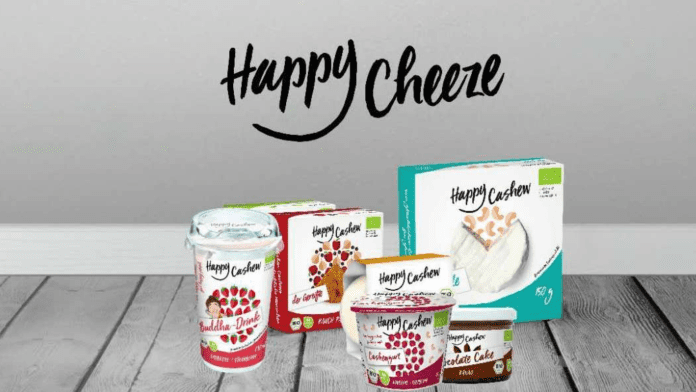
Berlin-based plant-based food retailer Veganz has strengthened its position in the market by purchasing “significant parts” of the cheese alternatives producer Happy Cheeze.
Happy Cheeze, formerly known as Dr. Mannah, initiated insolvency proceedings earlier this year.
Veganz is set to assume the brand’s collection of 13 products, encompassing various flavored vegan cheese spreads, as well as alternatives to parmesan and camembert.
The retailer will additionally acquire the brand’s 1,000m2 production facility located in Cuxhaven, Lower Saxony.
When questioned, Veganz CFO Massimo Garau opted not to disclose the exact amount of the acquisition.
In a statement on the company’s website, Veganz said it plans to boost Happy Cheeze’s “production range, distribution channels and production capacities”.
Garau said, “The acquisition of the manufacturing site gives us new capacity and the possibility to further expand in the future.
“The brand is a natural complement to ours and even if it is too early to comment on new products, we definitely see it as a strategic segment where we want to expand further.”
Until this point, Happy Cheeze products were available through online channels, as well as in organic shops and international retail outlets, such as Whole Foods in the UK, and Naturalia Vegan and Mon Epicerie Paris in France.
The brand also manufactures private-label plant-based cheeses for various retailers.
According to Garau, one of the motivations behind the acquisition is to “establish a presence” in some of the distribution channels previously utilized by Happy Cheeze.
“We believe we can leverage on this competence and sell also our other products in the same channels.
“From a geographic point of view, we are concentrating on Germany and the DACH region [which includes Austria and Switzerland] at first, but we will certainly continue to analyse options for expanding in other countries.”
The impact on the number of jobs at Happy Cheeze’s Cuxhaven facility due to the acquisition remains uncertain.
What happens to jobs at the site is the liquidator’s responsibility, but “Veganz will certainly do its part”, said Garau.
He added: “We are purchasing machinery, among other things and we plan to retain the production site, therefore we will certainly need manpower to operate them.”
Katjesgreenfood – the investment arm of German confectioner Katjes Group – secured a stake in Veganz in 2016.
We use cookies to ensure that we give you the best experience on our website. If you continue to use this site we will assume that you are happy with it.