Burger Singh is all set to enter the South Indian market, marking an exciting expansion into a region celebrated for its diverse culinary traditions.
The restaurant chain plans to open 20 outlets in South India, along with 30 new restaurant locations in the northern and central regions of the country.
With these openings, Burger Singh anticipates achieving a revenue projection of INR 1500 million ($18 million) for the fiscal year 2023.
Burger Singh Co-Founder Rahul Seth said, “We are not only actively looking to partner with enterprising young entrepreneurs, but are also looking forward to significantly investing in the region to expand into newer geographies and cities.
“This is part of the larger Burger Singh pan-India expansion strategy, ensuring we expand not only into existing tier 1 cities but also into tier 2, 3, and 4 cities where we have a product and market fit advantage.”
Burger Singh is also reportedly gearing up to raise $10 million in its Series B funding round in the upcoming quarter.
In July 2022, the company successfully secured $3.6 million through a Series A funding round.
Burger Singh Founder and CEO Kabir Jeet Singh stated, “We are eagerly venturing into south India, presenting our unique range of Indianised burgers to a fresh audience. Burger Singh has always aimed to elevate the humble burger into a culinary delight.
“We look forward to continuing this legacy and winning the hearts of our patrons in this dynamic region.”
Founded in 2014, Burger Singh boasts a presence in over 150 establishments spanning various cities, such as Ahmedabad, Amritsar, Chandigarh, Delhi-NCR, Dehradun, Jaipur, Jammu, Lucknow, Jhansi, and Nagpur.
Furthermore, the brand has expanded its global footprint with the establishment of three outlets and one food truck in London, United Kingdom.
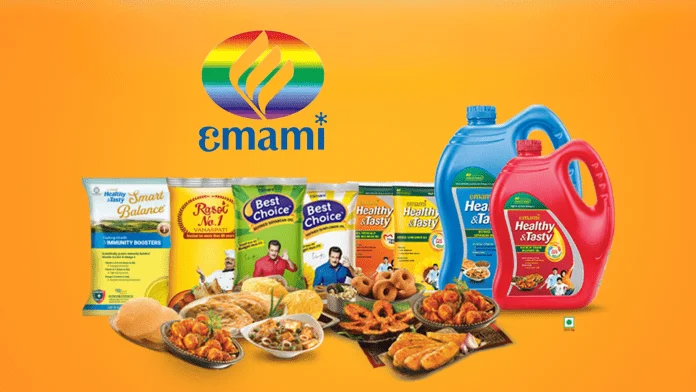
Homegrown FMCG major Emami Ltd reported a steady profit after tax of INR 180 crore for the second quarter ending on September 30, 2023. This marks no significant deviation from the net profit of INR 180.13 crore the company disclosed in the regulatory filing for the same period the previous year.
Nevertheless, Emami witnessed a 6.28 percent increase in revenue from operations, reaching INR 864.87 crore for the quarter, a notable upturn from the INR 813.75 crore reported in the corresponding period.
During the September quarter, the company experienced a 2.07 percent growth in total expenses, amounting to INR 631.20 crore.
The total income for the quarter under review registered a 2.36 percent increase, reaching INR 875.98 crore.
Emami saw a significant boost in gross margins during the September quarter, expanding by 350 basis points to reach 70.1 percent. This improvement was attributed to reduced raw material costs and strategic price adjustments, as stated in the company’s earnings report.
“EBITDA soared to INR 234 crore, showcasing an impressive 20 per cent growth, with margins at 27 per cent, an increase of 300 basis points,” the company said.
In the same quarter, the Kolkata-based company reported a notable 4 percent growth in its domestic business, with a 2 percent increase in volume. This growth was primarily fueled by distribution channels targeting urban markets, such as modern trade and e-commerce, as stated by the firm.
Its international business also “expanded by 12 per cent during the quarter, delivering a constant currency growth of 16 per cent, primarily attributed to robust performances in the SAARC and MENAP regions,” it added.
“Despite macroeconomic challenges, we achieved a 6 per cent revenue growth. Notably, our gross margins expanded by 350 basis points, showcasing our operational excellence. EBIDTA soared by 20 per cent, with margins expanding by 300 basis points, underscoring our dedication to value and quality,” Emami Vice Chairman and Whole-Time Director Mohan Goenka said.
At the same time, the company’s board deliberated on and sanctioned the distribution of the initial interim dividend, amounting to 400 percent or INR 4 per equity share, based on an equity share value of INR 1 each, for the financial year 2023-24.
“With the government’s support creating favourable conditions in rural markets, we’re poised for a strong second half, amplifying our market presence,” Goenka said.
On Monday, Emami Ltd’s shares concluded the trading session 2.15 percent up at INR 520.60 each on the BSE.
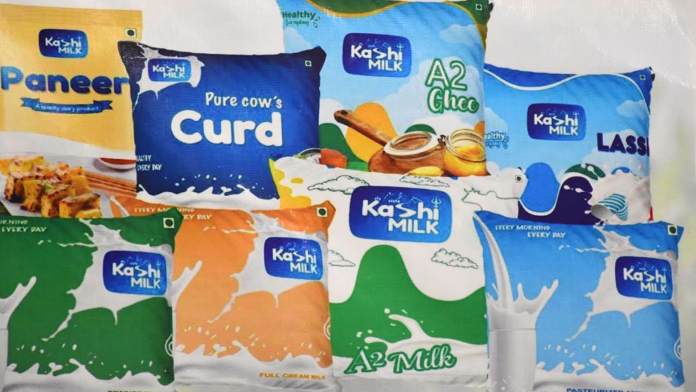
Kashee Milk Producer Organization announced on Monday that it is set to achieve a turnover of INR 200 crore by the end of the 2023-24 financial year, a significant achievement within just two years of operation. This success is largely supported by the increased participation of women milk farmers. According to Chief Executive Manvir Singh, this projected turnover signifies a substantial six-fold increase in revenue for the organization. Initially recording a topline of INR 37 crore during its first full year in operation in 2022-23, which began on March 9, 2022.
“We have silently become an army of rural women milk famers determined to become the harbinger of the dairy sector. In the process we have witnessed a rise of over 2,000 lakhpati didis so far and by the end of the year the number will cross 3,000 – thanks to the fast-growth attributed to the fair and transparent procurement price paid to the members,” he said.
He added, “One of our members has earned over INR 30 lakh for her milk contribution in 18-19 months of our operations, he pointed out. “We have set a target of INR 300 crore for the next financial year. In addition to bulk milk sales, we will foray into packed products with Kashi flavor.”
The establishment of the Kashee Milk Producer Organization received backing from the National Rural Livelihood Mission (NRLM) and the UP State Rural Livelihood Mission (UPSRLM), along with technical guidance from NDDB Dairy Services (NDS), a subsidiary of the National Dairy Development Board (NDDB).
Singh also praised the comprehensive role that NDDB, led by Chairman Meenesh Shah, is playing in advancing the dairy sector’s development in the region.
KMPO chairperson Shrimati Sarita Devi said “from our total revenue, 90 per cent was given to member farmers last year in terms of milk price and incentives and going by the same norms, INR 180 crore would have been transferred in the accounts of women dairy kisans, spread over five districts of the region during this financial year.”
“At present, our peak milk collection has touched a high of 1.15 lakh liters a day and in the next few months we will become an organization with an annualized per day average collection of one lakh liters of quality milk for the benefit of consumers.
“Next year we will expand our milk collection to Varanasi and Bhadohi districts, adding at least three hundred more villages to our network apart from expanding in the five districts of Balia, Gazipur, Mirzapur, Sonbhadra and Chandauli,” Sarita Devi said.
Members receive their milk payments in three monthly cycles, directly deposited into their bank accounts. They also have access to a mobile application that allows them to monitor the quantity and quality of their milk in real-time, providing information on their earnings every 10th day of the month.
Furthermore, the organization is offering members assistance with fodder, feed, and veterinary care to fulfill its mission of empowering rural dairy producers to become catalysts for change, as stated by Manvir. He also mentioned that with NDDB’s backing, KMPO is actively working on establishing 100 biogas plants within its service area to meet household fuel needs.
“We are proud to be associated with this women milk producers’ army for we know a determined lot will be good for the prosperity and progress of the region,” he said.
Several dairy projects are in progress within the area, encompassing the creation of connections for the region’s procured milk through its affiliate, Mother Dairy, Delhi. This includes the successful revival of the previously struggling Dugdh Utpadak Sahakari Sangh Plant (Parag) in Banaras and the installation of a large-scale biogas facility at Parag’s site. This initiative not only generates extra income for farmers but also assists in fulfilling the energy requirements of the processing unit.
The Banaras Plant operated by Parag stands out as a significant success story, achieving a utilization rate of 90 percent. It’s playing a vital role in revitalizing the dairy sector in the region by establishing an enhanced marketing and distribution network. This is supported by appealing eco-friendly packaging and quality products, not just within the region but also in areas beyond.
Nykaa, a prominent beauty and fashion e-commerce player, witnessed a significant surge in its consolidated net profit. During the September quarter of the financial year 2023-24 (FY24), their profits soared by 50% to INR 7.8 Cr, a substantial increase from the INR 5.2 Cr recorded in the same quarter of the previous year. This growth was attributed to advancements across various business divisions and effective cost management strategies.
The net profit showed a sequential increase of 44.4%, rising from INR 5.4 Cr in Q1 FY24.
In the same period, the operating revenue experienced a substantial growth of 22.4%, reaching INR 1,507 Cr in the current quarter, compared to INR 1,230.8 Cr in Q2 FY23. Furthermore, it exhibited a quarterly increase from INR 1,421.8 Cr.
Nykaa conveyed in a statement that it is observing ongoing enhancements in the quality of its business operations. They further noted that the EBITDA margin expanded to 5.4% in Q2 FY24, attributed to improved cost efficiencies, both direct and indirect.
Nevertheless, Nykaa saw a contraction of 221 basis points year-over-year in its gross margin as a percentage of revenue from operations. However, this margin remained stable when observed on a sequential basis.
In the second quarter of FY24, Nykaa witnessed a noteworthy 25% year-on-year growth in its overall Gross Merchandise Value (GMV), which reached INR 2,943.5 Cr. This figure also marked a 10.3% increase when compared to the INR 2,667.8 Cr reported in the preceding quarter.
Nykaa reported that its consolidated Gross Merchandise Value (GMV) in the beauty and personal care (BPC) category surged by 23% year-on-year, reaching INR 2,001.6 Cr in the reviewed quarter. This was a notable increase from the INR 1,850.8 Cr GMV reported for the same segment in Q1 FY24.
The company noted that the festive season plays a significant role in driving consumption within the beauty category. However, a shift of approximately 20 days in the festive calendar had an impact on the growth within the BPC category in Q2.
At the same time, there was a rise in discounts within the vertical during the quarter, which Nykaa linked to the growing presence of both domestic and international brands.
The Net Sales Value (NSV) of Nykaa’s Beauty and Personal Care (BPC) vertical increased by 19% year-on-year, reaching INR 1,167.5 Cr in Q2 FY24.
Nykaa’s “Hot Pink Sale” event, conducted in July this year, generated significant engagement. The sales event recorded over 18 million visits, with an order-to-visit conversion rate of 1.3%, the company stated.
During the post-earnings call for Nykaa, Anchit Nayar, the CEO of Beauty and E-commerce, mentioned that the September quarter showed a growing trend of heightened interest in Korean beauty brands.
Conversely, Nykaa’s fashion vertical experienced robust growth in Q2, with a 27% year-on-year increase in Gross Merchandise Value (GMV) to INR 762.8 Cr. This marked a notable rise from the INR 653.7 Cr GMV recorded in Q1 FY24 for Nykaa’s fashion vertical.
During the September quarter, Nykaa managed to decrease its employee costs, expenditure on purchased goods, and the cost of materials consumed when compared to the previous quarter. In the post-earnings call, Nykaa highlighted that their focus on cost optimization and control contributed to a notable improvement in their profit margins.
In Q2 FY24, the beauty e-commerce major allocated INR 136.3 Cr for employee benefits, a reduction from the INR 138.6 Cr spent in the June quarter. Consequently, Nykaa’s employee expenses as a percentage of revenue decreased to 9% from 9.7% in Q1 FY24. In a year-on-year comparison, this figure dropped from the 9.9% reported in Q2 FY23.
The cost of materials for Nykaa decreased by 16.7% when compared to the previous quarter, reaching INR 15.5 Cr in Q2 FY24.
Conversely, the company’s expenditures on the acquisition of traded goods dropped by 43.5% compared to the previous quarter, amounting to INR 553 Cr in the reported quarter.
Nevertheless, Nykaa witnessed a 25% year-on-year increase and a 6% quarter-on-quarter rise in marketing and advertising expenses, totaling INR 169 Cr in Q2 FY24. However, the expenses within this category as a percentage of revenue remained constant at 11.2% when compared to the previous quarter.
The company’s selling and distribution expenses rose by 16% year-on-year and 7% quarter-on-quarter, reaching INR 34.6 Cr.
In the interim, Nykaa stated that its regionalization strategy, involving the expansion of warehouse locations and capacity in FY23, resulted in a decrease in its fulfillment expenses as a percentage of revenue in Q2 compared to the same period last year.
Nykaa incurred fulfillment expenses of INR 145.9 Cr in Q2 FY24, slightly up from INR 145.4 Cr in the corresponding period a year ago.
In total, the company’s expenses rose by 5.9% compared to the previous quarter and increased by 22.3% year-on-year, reaching INR 1,502.3 Cr in Q2 FY24.
Nykaa’s shares concluded today’s trading session with a 5.1% increase, closing at INR 147.45 on the BSE.
Zomato’s stocks surged by as much as 6.4% during intraday trading on the BSE on Monday, hitting a new 52-week high of INR 123.9. This rise was propelled by the company’s strong Q2 FY24 earnings and a favorable outlook from the Street on the stock.
On Friday, the prominent foodtech company marked its second back-to-back profitable quarter, with its Q2 profits after tax (PAT) surging to INR 36 Cr from the INR 2 Cr recorded in Q1 FY24. Zomato experienced significant expansion across various business sectors, notably its quick commerce platform Blinkit, during the quarter under evaluation.
After the results were disclosed, a minimum of nine brokerage firms increased their price targets (PTs) for Zomato.
Bernstein elevated its stock price target for Zomato to INR 145 from its previous INR 120, stating that the Zomato flywheel is not just in motion but gaining momentum, propelling it to become a leading platform in both food delivery and commerce.
The brokerage raised its price target due to Zomato’s surpassing growth in the quarter, optimistic projections, and enhanced market conditions, resulting in a notable increase in monthly transacting users (MTUs). Additionally, it raised Zomato’s estimated food delivery revenue for FY24 and FY25 by 3% and 4%, respectively.
Conversely, Kotak Institutional Equities raised its fair value estimate for the stock to INR 130 from the previous INR 125, suggesting a 5.4% potential upside to the stock’s most recent closing price of INR 123.3 on the BSE today.
The brokerage also enhanced its revenue projections for FY2024-26 by 10-11%, attributing the growth to all three segments of Zomato’s business. Nevertheless, Kotak foresees increased ESOP costs for FY25.
JM Financial indicated that Zomato’s shares are likely to remain robust due to its Q2 results and the optimistic growth projection for key businesses, especially in terms of gross order value (GOV).
“With food delivery EBITDA margin gradually moving towards steady state levels and Blinkit business turning contribution level profitable, we now use a lower WACC (Weighted Average Cost of Capital) assumption of 12% versus 13% earlier,” said the brokerage as it raised its PT on Zomato to INR 155 from INR 115 earlier.
It’s worth mentioning that Q2 FY24 marked Blinkit’s first full-contribution positive quarter.
JM Financial noted that Zomato’s gold subscribers played a more significant role, accounting for approximately 40% of Zomato’s food delivery Gross Order Value (GOV), compared to 33% in Q1 FY24 and 19% in Q4 FY23. This shift is seen as a positive sign for the business, as subscriptions generally lead to increased customer loyalty and ordering frequency.
While the introduction of the government-supported ONDC in the food delivery sector has prompted concerns regarding its effect on Zomato’s operations, Motilal Oswal reaffirmed its stance that it does not anticipate heightened competition for the company led by Deepinder Goyal.
Furthermore, it maintained its optimistic outlook on the long-term growth potential for Zomato and raised the price target to INR 135, signifying a 9.5% potential increase over the stock’s most recent closing price.
Elara Capital raised its price target for Zomato to INR 150 from the previous INR 140, indicating a potential increase of more than 21% over its most recent closing price.
“We believe Zomato’s clout in the food business (duopoly nature) and scalability prospects in Blinkit may drive share price performance,” the brokerage said.
Jefferies raised its price target for the stock to INR 165 from INR 130.
It’s worth mentioning that Zomato’s shares have surged by 107.7% year-to-date, driven by robust growth and the company’s return to profitability. Additionally, its market capitalization has surpassed the $12 billion mark, up from $6 billion at the end of the previous year.
Among the 27 brokerages covering Zomato, 23 have assigned a ‘buy’ or higher rating to the stock, while the remaining four rate it as ‘sell’ or lower.
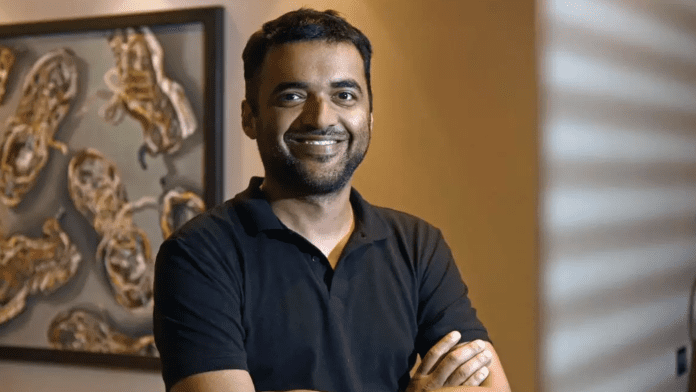
Deepinder Goyal, the Co-Founder and CEO of Zomato, has been allotted 33,422 shares in the public issue of Honasa Consumer, the parent company of the beauty direct-to-consumer unicorn Mamaearth.
According to a source cited by Moneycontrol, data on the bid-allottees for the IPO indicated that Goyal applied for 3.08 lakh Mamaearth shares, but he was allotted only 33,422 shares.
This development coincides with Mamaearth’s scheduled listing on the stock exchanges on November 7. The company successfully raised INR 765.2 crore from 49 anchor investors on October 30.
The funding round garnered support from notable investors, such as Smallcap World Fund, Fidelity, Abu Dhabi Investment Authority, Government Pension Fund Global, Caisse De Depot ET Placement, FSSA India Subcontinent Fund, Carmignac Portfolio, Goldman Sachs, Hornbill Orchid India Fund, and others.
On the final day, Mamaearth’s public offering was oversubscribed by 7.61 times due to substantial demand from qualified institutional buyers (QIBs). The issue attracted bids for 22 crore shares compared to the 2.89 crore shares available. Specifically, 1.57 crore shares were allocated for the QIB category, but it received bids for 18.11 crore shares, resulting in an oversubscription of 11.5 times.
In total, foreign institutional investors (FIIs) submitted bids for 14.88 crore shares. Conversely, the non-institutional investors (NIIs) category was oversubscribed by 4.02 times by the close of the final day. Out of the 78.72 lakh shares available in this category, it received bids for 3.17 crore shares.
Interestingly, Goyal’s allocation of the D2C unicorn’s shares coincides with the relatively lower interest shown by retail investors in Mamaearth’s IPO. The segment designated for them was oversubscribed by a modest 1.35 times. Retail investors bid for 70.67 lakh shares compared to the 52.48 lakh shares available in that category.
The startup intends to generate a maximum of INR 1,700 crore through its IPO, valuing the company at $1.2 billion. Mamaearth’s public offering consists of a fresh share issue amounting to INR 365 crore and an offer for sale (OFS) comprising 4.12 crore shares. The price range for the IPO was established at INR 308 to INR 324 per share.
Established in 2016 by Varun and Ghazal Alagh, Honasa Consumer, the holding company of Mamaearth, encompasses four brands in the beauty and personal care sector: The Derma Co., Ayuga, Aqualogica, and Dr. Sheth’s.
Following its listing, the company will be the fifth new-age tech startup, joining the ranks of ideaForge, Yudiz, Zaggle, and Yatra, to make its debut in the public markets this year.
In the crowded and competitive landscape of today’s business world, a strong and distinctive brand image is essential for success. Your brand image is the face of your company, the essence that communicates your values and connects with your audience.
Before embarking on the journey of crafting your ideal brand image, it’s crucial to understand what exactly a brand image is. Simply put, it’s the perception your audience holds of your brand. It’s a blend of visuals, messaging, values, and emotions that shape how consumers relate to your company.
The journey begins with self-reflection. Your brand image must reflect your brand’s values, personality, and the unique story that sets you apart from your competitors. Ask yourself:
What are our core values and beliefs?
What’s our mission and vision?
Who is our target audience, and what do they care about?
What makes us different from the competition?
Incorporating a deep understanding of your target audience is a critical foundational step. It entails conducting comprehensive market research to gain valuable insights into your customers’ desires and requirements. This research will serve as the compass guiding the development of your brand’s image and messaging, enabling you to connect more profoundly with the thoughts and emotions of your audience.
Think of your brand as a person. What personality traits would it have? Is it sophisticated, friendly, bold, or playful? Your brand’s personality should align with your target audience’s preferences and values.
Apart from that, visual elements are a cornerstone of your brand image. This includes your logo, color palette, typography, and imagery. Each choice should be consistent with your brand’s personality and resonate with your audience.
Crafting the right message is essential. Your messaging should convey your brand’s personality, values, and mission. It should also speak directly to the needs and desires of your target audience.
When it comes to consistency, the factor is a non-negotiable element of brand image development. Every touchpoint – from your website and social media presence to your physical store and customer service – should reflect your brand’s identity and values.
Further, one shouldn’t be afraid to test one’s brand image. Seek feedback from your customers and your team. Monitor how your brand image is received and be prepared to make adjustments if necessary.
A well-crafted brand image offers several significant advantages:
Memorability: A strong brand image makes your company memorable. Customers are more likely to remember and recognize your brand.
Trust and Loyalty: A clear and consistent brand image builds trust. Customers are more likely to do business with brands they trust, leading to loyalty and repeat purchases.
Market Differentiation: In a crowded marketplace, a unique brand image helps you stand out from the competition. It’s what makes you the preferred choice.
Emotional Connection: A brand image that resonates emotionally with your audience creates a more profound connection. Customers feel like they share common values and beliefs with your brand.
Developing your ideal brand image is an ongoing process. It requires continuous assessment and adaptation to changing market dynamics and consumer preferences. As your company grows and evolves, so too will your brand image. The key is to remain authentic and true to your brand’s core values while staying attuned to the needs and desires of your audience. By understanding this process, you’re well on your way to crafting a brand image that leaves a lasting impression and drives your business towards success
Sustainability is a movement instead of just a catchphrase in today’s business world. Present-day customers are drawn to companies that align with their environmentally conscious beliefs as they become more aware of how their decisions affect the environment. As a result, environmentally conscious marketing has become a potent force that promotes corporate success, increases sales, and helps the environment.
A new generation of consumers is redefining the market landscape. They are not merely looking for products and services; they are seeking brands that align with their values. The environment is one of the core values that resonate deeply with this group.
Sustainable marketing isn’t just about “greenwashing” – it’s a holistic approach that integrates environmental and social responsibility into every aspect of a business. The benefits are far-reaching.
An eco-conscious marketing sets your brand apart from the competition. It demonstrates that your business is committed to making a positive impact on the world. Consumers are more likely to trust and engage with brands that champion sustainable causes. Your brand’s commitment to eco-consciousness can enhance your image and reputation. Consumers are willing to pay a premium for sustainable products and services. By offering eco-friendly options, you can boost your revenue.
Apart from that sustainability often leads to cost-saving initiatives. Whether through reduced energy consumption, waste reduction, or efficient supply chain management, eco-conscious practices can positively impact your bottom line.
Sustainable practices help you stay compliant with environmental regulations, reducing the risk of legal issues and penalties.
How to Incorporate Sustainability into Your Marketing Strategy
Identify Your Brand’s Sustainability Values
The first step in incorporating sustainability into your marketing strategy is identifying your brand’s core sustainability values. What does your company stand for in terms of environmental and social responsibility? Consider factors like reducing carbon emissions, conserving natural resources, promoting fair labor practices, and supporting local communities. Once you have a clear vision of your brand’s sustainability values, you can begin crafting your marketing strategy around them.
Integrate Sustainability in Your Mission and Vision
To make sustainability a core part of your marketing strategy, it must be deeply ingrained in your company’s mission and vision. Ensure that your commitment to sustainability is clear, compelling, and well-communicated to your employees and customers. This will serve as a foundation for your marketing efforts, creating a consistent and authentic message.
Develop Sustainable Products and Practices
One of the most effective ways to showcase your commitment to sustainability is by developing eco-friendly products and adopting sustainable business practices. Whether it’s using recycled materials, reducing energy consumption, or implementing waste reduction programs, your products and operations should reflect your dedication to minimizing your environmental impact. These practices can become powerful selling points for your marketing campaigns.
Tell Your Sustainability Story
A compelling narrative can engage your audience and effectively communicate your brand’s commitment to sustainability. Share your journey towards sustainability, the challenges you’ve faced, and the progress you’ve made. Use multiple marketing channels, including your website, social media, and email newsletters, to tell your sustainability story consistently. Transparency and authenticity are key to building trust with your customers.
Leverage Social Responsibility Partnerships
Collaborating with non-profit organizations, environmental groups, or local charities can be an excellent way to integrate sustainability into your marketing strategy. Highlight these partnerships in your campaigns, showing that your brand is actively contributing to positive social and environmental change. Customers are more likely to support companies that give back to the community.
Promote Sustainability Through Content Marketing
Create content that educates your audience about sustainability and encourages environmentally responsible choices. Blogs, videos, and infographics are excellent tools to provide tips, insights, and case studies related to sustainability. Educating your customers not only positions your brand as an authority in sustainability but also demonstrates your commitment to the cause.
Offer Sustainability Incentives
Incorporate sustainability into your marketing strategy by providing incentives for eco-friendly behavior. For example, offer discounts to customers who recycle or use reusable products. These initiatives not only promote responsible consumption but also encourage customer loyalty.
Measure and Communicate Impact
To ensure the effectiveness of your sustainability efforts, regularly measure and report on your environmental and social impact. Utilize key performance indicators (KPIs) to track your progress and communicate the results to your customers. Transparency in your reporting will reinforce your brand’s authenticity and commitment to sustainability.
Stay Updated and Adapt
The sustainability landscape is continually evolving, with new trends and technologies emerging. Stay informed about the latest sustainability practices and innovations and be ready to adapt your marketing strategy accordingly. Being at the forefront of sustainability will keep your brand relevant and appealing to eco-conscious consumers.
The Roadmap to a Sustainable Future
Eco-conscious marketing is not a passing trend; it’s a fundamental shift in the business landscape. By embracing sustainability and weaving it into your marketing strategy, you can tap into the growing demand for eco-friendly products and services. As consumers increasingly make choices that align with their values, your business can thrive by demonstrating a commitment to a healthier planet and a healthier bottom line. Sustainable marketing isn’t just a responsibility; it’s a business opportunity waiting to be seized.
It takes more than just catchy slogans and visually striking imagery to succeed in the ever changing field of marketing. Sophisticated marketers of today are delving into novel realms – the senses. Using sensory marketing is an engaging tactic that appeals to our senses and makes a lasting impression on us.
We live in a world of constant sensory bombardment. From the aroma of our morning coffee to the feel of our favorite clothing, our senses play a vital role in our daily lives. In the world of marketing, understanding how to harness this sensory input is becoming increasingly crucial.
Engaging the Five Senses
Effective sensory marketing targets our five primary senses: sight, hearing, taste, touch, and smell. By appealing to these senses, brands can create immersive and memorable experiences that resonate with consumers.
1. Sight: Visual Appeal
Visual stimuli are among the most potent in the marketing arsenal. Eye-catching logos, vibrant packaging, and compelling website designs are just a few examples of how brands engage our sense of sight.
2. Hearing: The Power of Sound
Think of the soothing melody when you open a well-designed app or the jingle that plays in your favorite fast-food restaurant. Sound can evoke emotions and create a strong brand association.
3. Taste: Culinary and Beverage Adventures
Food and beverage brands have long understood the influence of taste. The explosion of craft breweries and artisanal bakeries is a testament to our desire for unique taste experiences.
4. Touch: The Sense of Texture
The way a product feels in your hand can significantly impact your perception of its quality. Think of the smooth touch of an Apple product or the reassuring grip of a luxury car’s steering wheel.
5. Smell: Fragrance and Memory
The power of scent is undeniable. A familiar fragrance can transport you back in time, making it an invaluable tool in industries like perfumery, retail, and hospitality.
Influence on Consumer Behavior
Sensory marketing isn’t just about creating pleasurable experiences; it’s about influencing consumer behavior. Engaging the senses can evoke emotions. When a brand triggers positive emotions, it forms a deeper connection with its audience, leading to loyalty and repeat business.Sensory experiences create lasting memories. Brands that leave a sensory imprint tend to be more memorable and recognizable.
The senses can influence purchase decisions. Whether it’s the sight of a beautifully presented dish or the aroma of a freshly baked cookie, sensory cues play a role in what we choose to buy.
Strong sensory cues help in brand recognition. When consumers encounter a familiar scent, taste, or touch, they instantly associate it with a specific brand.
The Road to Success
To leverage sensory marketing effectively, brands shouldrecognize the sensory preferences and expectations of your target audience. Different demographics may respond to different sensory cues.
Apart from that you should ensure that your sensory cues are consistent across all brand touchpoints, from your product packaging to your advertising.Authenticity in sensory marketing is paramount. Cues should align with your brand’s identity and values.
The Sensory Future
As we continue to be bombarded by information, brands that embrace sensory marketing stand out. By appealing to our senses, they create more profound connections, engage emotions, and influence consumer behavior. Sensory marketing isn’t just a trend; it’s a powerful tool that’s here to stay. As brands continue to explore the uncharted territory of sensory experiences, they’re set to redefine the marketing landscape, one sensory encounter at a time.
In the connected, fast-paced world of today, consumers have an abundance of options. They can engage with brands in a variety of ways, such as by using mobile apps, social media, in-person visits to stores, and online shopping.
Gone are the days when consumers followed a linear path to purchase. Today, they embrace a non-linear and multi-faceted approach. The customer journey is no longer a simple progression from awareness to purchase. It’s a dynamic web of interactions across various touchpoints.
Omni-channel is a holistic approach that unifies a brand’s presence across all available channels – physical and digital. It enables seamless integration and consistency in the customer experience, regardless of where or how they choose to engage with the brand.
The Power of Choice
So, why is offering choice so crucial for brands?
1. Meeting customers where they are: Modern consumers expect convenience. They want to shop, inquire, and interact on their terms, and that means a brand must be available wherever the customer is.
2. Building stronger connections: When a brand engages customers on multiple channels, it forms a more profound and lasting relationship. Whether through personalized emails, responsive social media, or in-store interactions, each channel offers an opportunity to connect.
3. Enhancing the shopping experience: Omni-channel strategies provide an all-encompassing shopping experience. Customers can begin their journey online, visit a physical store for a tactile experience, and return to the website for further research before making a decision. This flexibility improves customer satisfaction.
4. Data and insights: By tracking customer interactions across channels, brands can gain valuable insights into preferences, behaviors, and pain points. This data can inform better decision-making and targeted marketing efforts.
The Success Stories
Several brands have aced their omni-channel game:
1. Starbucks: Through its mobile app, loyalty program, and in-store experience, Starbucks provides a consistent and highly personalized coffee journey for customers.
2. Amazon: Amazon’s seamless transition from online to offline, with its acquisition of Whole Foods, demonstrates its commitment to meeting customers in both digital and physical spaces.
3. Nike: Nike’s mobile app, Nike Training Club, connects customers to both its online store and physical retail locations, offering a comprehensive brand experience.
The Road to Thriving
To thrive in the digital era, brands need to embrace omni-channel strategies by understanding their customers’ preferences and aligning omni-channel strategy with their behaviors and expectations.
Ensure that the brand message, tone, and customer experience remain consistent across all channels.
Invest in technology and systems that allow for smooth data integration and interaction across channels. Utilize data to continuously refine and optimize your omni-channel strategy.
Be ready to pivot and evolve as new channels and technologies emerge.
Embracing the Power of Choice
In a world where choice is abundant, brands must adapt to survive and thrive. The omni-channel approach is not just a strategy; it’s a necessity. By offering customers the freedom to engage on their terms, building stronger connections, and harnessing valuable insights, brands can ensure their relevance and success in an ever-changing marketplace. The power of choice is no longer an option but a compelling mandate for any brand that seeks to flourish in the modern consumer landscape.
We use cookies to ensure that we give you the best experience on our website. If you continue to use this site we will assume that you are happy with it.