Tuesday, January 13, 2026
Home Blog Page 836

UK-India free trade agreement sparks concerns among British rice millers

0

A £1 billion ($1.2 billion) sector of the UK economy is apprehensive about its prospects as the UK and India draw nearer to a much-anticipated free-trade agreement.

British rice millers like Tilda and Veetee Rice have prospered over the years by importing low-tariff unmilled brown rice from countries such as India and Pakistan, then refining the grains into the white product that UK consumers adore.

However, as India pushes for a significant reduction in tariffs on white rice, and with minimal communication from British trade authorities, the industry, which sustains over 3,000 jobs across 16 mills and processing facilities spanning from Kent in southern England to Yorkshire in the north, is increasingly anxious about its future.

“It is crucial that existing tariffs on milled (white) rice are maintained,” Alex Waugh, outgoing director of The Rice Association, said at a private event in the House of Commons last month attended by rice industry leaders and government officials. “If access on milled rice is conceded, the basis of operations will be undermined, the incentive for future investment in the UK will be lost and ultimately jobs will go.”

A spokesperson for the UK Department for Business and Trade said officials were working towards an “ambitious trade deal.”

“We have always been clear we will only sign a deal that is fair, balanced and ultimately in the best interests of the British people and the economy,” the spokesperson said.

An individual familiar with the UK discussions stated that the matter of rice tariffs had not yet been thoroughly resolved. They mentioned that it remained a contentious issue, and both sides were still some distance away from resolving the more “challenging” aspects of a trade agreement.

Another source, who was informed about the Indian negotiating team, verified that the issue of rice tariffs was highly sensitive and that no agreement had been reached on this matter as of now.

At present, the UK imports significant quantities of brown rice from India, with approximately 150,000 metric tons, which accounts for a quarter of its overall rice imports, originating from India. Import tariffs play a crucial role in making this economically viable. The tariff on brown basmati rice is £25 per ton, or zero if it falls under a list of special varieties. This stands in stark contrast to the tariff on white basmati rice, which is around £121 per ton.

According to industry leaders, a significant reduction in tariffs on white rice could render UK mills obsolete. This move is anticipated to provide minimal cost advantages for consumers, potentially jeopardizing the reliability of rice supply and posing a risk of decreased product quality.

Waugh argues that India wouldn’t reap significant benefits from reduced UK tariffs. He noted that farmers in India typically receive better prices from UK mills for their brown rice compared to local buyers. This is because UK mills prioritize pesticide compliance and increasingly seek out rice with enhanced sustainability credentials.

On the other hand, Indian millers are expected to export relatively small quantities of their milled rice to the UK, which may have a limited impact on their overall profits.

Waugh further emphasized that the negative consequences for the UK go beyond mere job losses and reduced production.

Advertisement

United Breweries sets sights on premium beer segment to reclaim market share

0
United Breweries Ltd

United Breweries, which controls half the country’s beer market, is now focused on recapturing market share, particularly within the premium segment, and rectifying the company’s foundational aspects, all in the face of intensifying competition and state-specific regulatory hurdles.

“We have a very strong innovation portfolio, but at the same time, there is enough work to be done on fixing our fundamentals and continuing to grow the business,” UB managing director Vivek Gupta said during his first earnings call after he joined the maker of Kingfisher and Heineken last month. “We are humble that we have a lot of ground to cover and put fundamentals in place.”

Gupta said company executives are meeting key stakeholders in the government and state governments to understand “how the company can ease some of the barriers in the business…”

During the July quarter, the majority of companies in the sector, including UB and Carlsberg, attributed their sluggish growth to supply-chain challenges and alterations in their market distribution strategies. For example, UB cited the cancellation of Sunday shift permissions in Telangana as a reason for capacity constraints in their plants. Additionally, their inter-state sales were impacted due to unprofitability stemming from the influence of import duties.

Furthermore, administrative supply-chain challenges in Karnataka during April and May had a detrimental effect on volumes, resulting in a loss of market share. Nonetheless, UB has asserted that it is in the process of steadily reclaiming its market share and has committed to investing INR 350 crore in the current fiscal year as capital expenditure.

The company has obtained approval from the Haryana government to export its products to Delhi, a development that could potentially boost the export of premium brands like Kingfisher Ultra.

UB commands approximately 50% of the segment, with AB InBev closely following at almost a quarter, and Carlsberg ranking as the third largest player in the Indian market, holding a share of less than 18%. Collectively, these companies dominate 90% of India’s beer market.

In contrast, AB InBev, renowned for producing Budweiser and Corona, has been progressively capturing market share and surpassing the beer market, thanks to increasing demand for its premium brands. During the quarter concluding on September 30, UB recorded a 7% growth in volume, with premium product sales expanding by 10%.

“A 10% premium growth sounds like a nice number, but it’s not where we should be in terms of premium, and we are not doing as well as the market is doing,” Radovan Sikorsky, CFO at UB, told investors. “It’s one of the priorities that Vivek is looking at. He sees the importance of premium growth as one of the pillars of growth.”

India, a tropical country with promising demographics and increasing affluence, remains one of the largest beer markets for the big brewers. But it is heavily taxed, and the government has issued licences to only 80,000 alcohol outlets in the country, where more than 20 million people enter the legal age for drinking every year. Yet, beer accounts for just 10% of the country’s spirits market, with per capita consumption of 2 litres, lower than that in most Asian markets.

Advertisement

Haier India unveils Metalustre series, elevates kitchen spaces with striking steel finish refrigerators and innovative features

0
Metalustre

Haier Appliances India, a renowned global leader in household appliances and the top-ranked brand in major appliances for 14 years running, is excited to unveil its newest breakthrough: the Metalustre series. This collection comprises refrigerators with a striking steel finish, representing yet another substantial advancement by Haier in elevating kitchen spaces for consumers and infusing a contemporary flair into their daily routines.

The fresh Metalustre series encapsulates its unique and vibrant steel finish on both top-mounted and bottom-mounted refrigerators, in perfect harmony with the brand’s mission to bring customer-inspired innovations to India. This comprehensive product range, proudly labeled as ‘Made in India, Made for India,’ is meticulously manufactured at Haier’s cutting-edge facility in Ranjangaon, Pune.

NS Satish, President of Haier Appliances India said, “In a world where customers continually seek high-end home appliances, Haier’s new Metalustre refrigerators are poised to redefine the kitchen landscape. With their vibrant steel finish, these refrigerators are not merely designed for food storage but to inspire and uplift, ensuring each visit to the kitchen is a delightful experience. The introduction of the colorful steel finish underscores Haier’s unwavering commitment to both functionality and aesthetics, reflecting our dedication to understanding the diverse needs and preferences of Indian consumers while delivering best-in-segment products nationwide.”

With its premium aesthetic, the Metalustre refrigerators showcase a colorful steel finish that captivates the eye. Offered in three dynamic shades – Green Inox, Storm Inox, and GE Black – Haier’s latest Metalustre refrigerator collection represents the perfect selection for enhancing the look of your kitchen. The visual allure of these refrigerators, combined with their contemporary features, introduces a dash of opulence to your living area.

The recently introduced refrigerator line comes in a range of capacities tailored to suit the needs of any family. This selection encompasses various models, including Top Mount (240 Litres), Bottom Mount (237 Litres), Big Top Mount (328 Litres), and Big Bottom Mount (325 Litres), guaranteeing a solution for a wide array of households. Particularly focused on user comfort, the Bottom Mount and Big Bottom Mount refrigerators minimize bending by an impressive 90 percent, while providing generous storage capacity.

The Metalustre refrigerator series by Haier is designed with a stabilizer-free operation feature, offering robust protection against voltage fluctuations. This function is incorporated in both the Top Mount and Big Top Mount models, shielding the compressors from potential harm, ultimately boosting their longevity and dependability. This feature empowers customers to relish steady cooling without the necessity for an external stabilizer, no matter the power fluctuations.

The Metalustre series also includes the Turbo Icing feature, accessible in the Top Mount and Big Top Mount models. This functionality enables swift cooling and freezing, conserving time while effectively maintaining the freshness and taste of stored food. As for the Bottom Mount models, they feature a 1-Hour icing feature to ensure quick freezing, delivering added convenience.

The Big Top Mount and Big Bottom Mount models are equipped with Triple Inverter and Dual Fan technology, elevating energy efficiency and delivering precise cooling. This advancement guarantees consistent temperatures across all refrigerator compartments, thereby preserving the freshness of food and lowering energy usage. The newly introduced Metalustre series also boasts a Twin Energy Saving Mode, fine-tuning power consumption for environmentally-conscious users. The Dual Fan Technology enhances airflow by drawing it from multiple entry points within the refrigerator, prolonging the freshness of a variety of food items.

The convertible function empowers users to convert the refrigerator into a 100 percent fridge space, creating room for additional items. State-of-the-art technology enables users to independently control the temperature in each section, offering optimal conditions for the preservation of fruits, vegetables, meats, dairy products, and frozen items. With a spectrum of choices, ranging from 5-in-1 convertible capabilities to 14-in-1 convertible features, Haier’s latest refrigerator line effectively addresses the varied requirements of Indian households.

Advertisement

Samosa Singh launches new outlet in Hyderabad, expands reach with diverse culinary offerings

0
Samosa Singh
Samosa Singh (Representative Image)

Samosa Singh, a well-known figure in the Indian Snacking Industry, is thrilled to declare the inauguration of its Quick Service Restaurant (QSR) at Sarath City Mall, situated on Kondapur Road in Hyderabad. This achievement signifies the company’s bold expansion efforts, further solidifying Samosa Singh’s status as a trailblazer within the industry. Through this strategic move, Samosa Singh is poised to position itself among the new-wave startups, with aspirations of achieving a remarkable tenfold increase in revenue over the coming year.

The placement of this Samosa Singh Quick Service Restaurant (QSR) within the mall is poised to make a substantial impact. This strategically positioned outlet will facilitate offline and online events, drawing an increased number of visitors to both the QSRs and the mall. The newly inaugurated outlet will feature a diverse array of options, including favorites like Kachori, Dahi Bhalla, and various Chaat, which have proven to be bestsellers alongside their samosas. Furthermore, they will offer delectable desserts such as Gulab Jamun, Rabdi, and Ras Malai, which are certain to complement the rich tapestry of Indian flavors.

Shikhar Veer Singh, Founder, Samosa Singh, said “We at Samosa Singh believe in more than just selling products; we’re dedicated to building lasting relationships with our customers. This new outlet in Hyderabad is a destination where our ideology for the brand Samosa Singh started. We look forward to welcoming you, your family, and friends to our new outlet as we embark on this exciting journey together.”

Nidhi Singh, Co-Founder Samosa Singh, said “Samosa Singh is on the journey to lead the Indian snack market. Our team has worked tirelessly to create this vibrant space that reflects our commitment to quality, innovation, and customer experiences. We are also thankful to our consumers for their continued support, and we can’t wait to create wonderful memories with you all at our new location.”

What distinguishes Samosa Singh is its seamless fusion of traditional recipes with innovative flavors. The brand is continuously refining its method for crafting mouthwatering samosas that not only outshine their competitors in taste but also promote a healthier alternative.

The brand is expanding pan India.

Advertisement

BBMP shuts down 21 Bengaluru pubs, bars, and restaurants over fire-safety violations

0

BBMP inspects eateries and pubs for adherence to fire-safety measures, but hoteliers argue that this is an insufficient solution.

In response to a recent fire incident at a café located on the terrace of a three-story building, officials from the Bruhat Bengaluru Mahanagara Palike (BBMP) were observed conducting inspections of pubs, bars, and restaurants throughout the city on Friday.

Under the guidance of Dr. Balasundar, the BBMP Chief Medical Officer (Public Health), a team of officials conducted inspections at 280 establishments. Of these, 167 were served notices for breaching safety regulations. Additionally, 21 pubs, bars, and restaurants were instructed to cease operations due to their non-compliance with safety norms.

Bengaluru South tops the list with seven establishments closed, followed by Bengaluru East in second place with six closures. Bengaluru West secures the third position with five closures. Additionally, authorities mandated the closure of one establishment each in Bommanahalli, Bengaluru East, and RR Nagar. Notably, Dasarahalli and Yelahanka Zones had no reported violations. The majority of the closed pubs in Bengaluru West were operating from rooftop locations.

“We will continue inspecting the pubs, bars & restaurants and hotels in future. The establishments that have been served notices, must respond on the measures taken to comply with the norms,’’ said BBMP Chief Medical Officer (Public Health) Dr Balasundar.

It is said that during the inspection, the officials found fire extinguishers placed at the wrong locations. The teams also found that most joints had no fire exits. “We have ordered the closure of pubs, bars and restaurants that don’t have fire exits. We will revoke closure orders only after fire exits are facilitated and penalty is paid for violation of the norms all these years,’’ Dr Balsundar said.

He said that he has directed the owners to organise fire safety mock drills for workers and employees. “We found that most of the pubs, bars and restaurants operating from rooftops had not organised any fire safety mock drills for their employees,’’ he said.

Bruhat Bengaluru Hotels Association executive committee member Krishnaraj S P said that closure of these establishments is not a solution. “It is the BBMP that issues trade licences to them. It is their responsibility to verify whether the owners have taken measures to follow fire safety norms,’’ said Krishnaraj.

Bruhat Bengaluru Hotels Association president PC Rao described the fire mishap at Mudpipe Café as unfortunate. “It is the responsibility of owners of pubs, bars and restaurants to take fire safety measures for the welfare of employees. A majority of owners have already put in place fire safety measures by installing fire extinguishers and creating awareness on how to use LPG. We have decided to organise safety programmes, training, make posters, and guidelines for the benefit of hoteliers. Closure is not an answer. We are planning to have a meeting with the BBMP officials shortly,’’ said Rao.

Advertisement

Bootstrapped agritech startup Agriall sets new industry standard with $4M turnover in just 3 months

0
Agriall

Agriall, a self-financed agritech startup, has demonstrated remarkable entrepreneurial acumen by establishing a new industry standard. Within a mere three months, they achieved an impressive turnover of $4 million. This outstanding accomplishment highlights the company’s swift expansion and its dedication to transforming the agricultural sector through technological innovation.

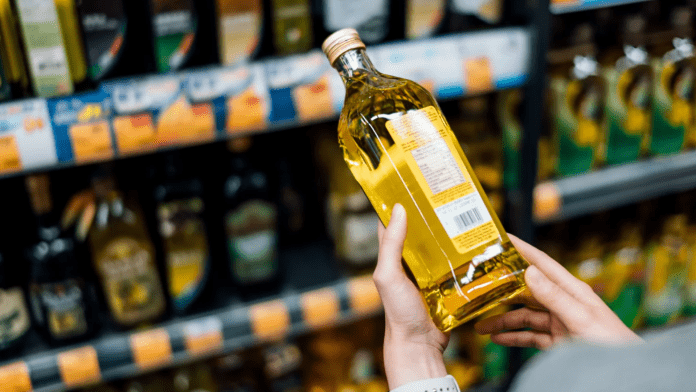
Established by visionary entrepreneurs Avantikka Kapur, Karanjeet Singh, Dr. Aqsa Desai, Pranali Kate, along with Co-Founders Prathamesh Madye and Maaz Desai, Agriall embarked on a mission to deliver innovative, technology-driven solutions to the edible oil industry. What adds to the remarkable nature of this accomplishment is that the company is entirely self-funded, depending solely on the investments and ingenuity of its stakeholders.

Agriall’s triumph can be credited to its pioneering approach to agriculture, harnessing technology to empower stakeholders with data-driven insights, sustainable methodologies, and streamlined supply chain management.

The $4 million in turnover stands as evidence of Agriall’s resolute dedication to tackling the hurdles encountered by the edible oil industry. This achievement not only marks a noteworthy milestone for the company but also serves as a brilliant illustration of what can be accomplished through determination, innovation, and a deep comprehension of the sector.

The team at Agriall is elated by their rapid success and is determined to continue its mission of empowering stakeholders and making agriculture more sustainable and profitable. This remarkable achievement has certainly put Agriall on the map as a pioneer in the agritech industry, and all eyes are now on this bootstrapped startup to see what groundbreaking innovations they will unveil next.

Advertisement

Mamaearth parent Honasa Consumer to launch IPO on Oct 31, targeting INR 10,500 Cr valuation

0

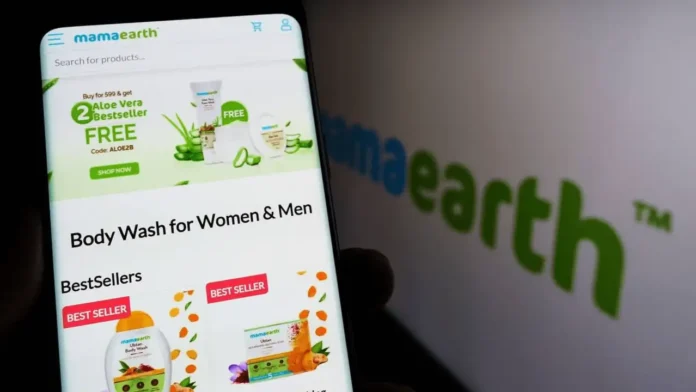
Honasa Consumer Limited (HCL), the parent company of the innovative direct-to-consumer beauty and personal care brand Mamaearth, is making strategic preparations for its anticipated initial public offering (IPO) set to take place on October 31, 2023.

On December 28, 2022, the company filed a Draft Red Herring Prospectus with the Securities and Exchange Board of India (SEBI).

As per a report by Moneycontrol, the anchor segment of the IPO is slated to commence on October 30. At present, there are no intentions for a pre-IPO fundraising round.

It’s important to highlight that HCL has set its sights on raising around INR 1,700 Crores through a blend of a fresh issue and an offer-for-sale, with a goal of achieving an estimated valuation of approximately INR 10,500 Crores.

The IPO is being managed by investment banking firms such as Kotak Mahindra Capital, JM Financial, Citi, and JP Morgan, with legal counsel offered by Cyril Amarchand Mangaldas, IndusLaw, and Khaitan & Co. The IPO will comprise a fresh issue of shares amounting to INR 400 Crores and an offer for sale of up to 46,819,635 equity shares, as outlined in the company’s draft prospectus.

The funds generated from the fresh issue will be allocated to intensifying marketing initiatives for increased brand recognition, establishing additional exclusive brand outlets, and extending the network of BBlunt salons.

As outlined in the Draft Red Herring Prospectus (DRHP), shareholders who aim to decrease their stakes consist of the Alaghs, Sofina Ventures SA, Evolvence, Fireside Ventures, Stellaris Venture Partners, Snapdeal founder Kunal Bahl, Bollywood actress Shilpa Shetty Kundra, Rishabh Harsh Mariwala, and Rohit Kumar Bansal. It’s worth noting that Sequoia Capital is not partaking in the offer for sale.

Established in 2016 by the husband-wife team of Varun and Ghazal Alagh, HCL operates a portfolio of brands, including Mamaearth, The Derma Co., Aqualogica, and Ayuga. Additionally, the company has invested in BBlunt and Dr. Sheths.

Mamaearth, among its brands, reached a notable achievement in FY22 by reporting a net profit of INR 19.8 Crores, marking a remarkable turnaround from the INR 1,332.2 Crores net loss in FY21. This transformation can be attributed to heightened customer loyalty rates and the expansion of sales channels, encompassing both online and offline platforms.

Mamaearth is poised to cross the INR 1,000 Crore revenue threshold. In FY22, the company’s total income surged by 101%, reaching INR 952.4 Crores, as opposed to INR 472.1 Crores in the preceding fiscal year. This doubling of revenue from operations, backed by Tiger Global, resulted in INR 931.7 Crores, compared to INR 459.9 Crores in FY21.

HCL attained unicorn status after a funding round in December 2022, where it successfully raised $52 million at a valuation of $1.2 billion. This round was spearheaded by the venture capital firm Peak XV (formerly known as Sequoia Capital).

As of September 2022, HCL’s online distribution network extended to more than 18,000 pin codes across India, making its products available in over 700 districts.

The e-commerce giant also sells products through more than 100,000 FMCG retail outlets in India. In the competitive beauty e-commerce landscape, it contends with Nykaa, Purplle, SUGAR, Wow Skin Science, and others.

Honasa is actively driving the expansion of its flagship brand, Mamaearth, into global markets with a robust growth strategy. The company is setting its sights on pivotal regions, including Bangladesh, Malaysia, Vietnam, and Thailand, where it intends to enhance Mamaearth’s footprint by forming partnerships with local distribution channels.

Honasa has successfully expanded into several international markets, including the UAE, Qatar, Nepal, Malaysia, Maldives, and Mauritius, primarily utilizing the Amazon platform for distribution.

It’s worth highlighting that the IPO activity in 2022 and 2023 has been affected by ongoing market volatility. Furthermore, it’s noteworthy that Honasa is currently entangled in several legal disputes. The Draft Red Herring Prospectus (DRHP) discloses that the company, along with its various subsidiaries, is embroiled in four criminal and civil litigations involving various individuals.

Advertisement

Wagh Bakri Director Parag Desai passes away at 49 after brain hemorrhage

0
Parag Desai
Parag Desai

Parag Desai, the Executive Director of the Wagh Bakri Tea Group, passed away today at the age of 49, as confirmed by the company through their social media announcement. Tragically, he had experienced a brain hemorrhage following a fall last week and succumbed to it in the hospital on Sunday.

“With profound grief, we regret to inform the sad demise of our beloved Parag Desai,” the company said in an Instagram post.

He was hospitalized last week and was receiving treatment for a severe head injury sustained during a fall near his residence. According to reports, the incident occurred when he was confronted by street dogs.

Shaktisinh Gohil, Rajya Sabha MP and Gujarat Congress chief, offered his condolences.

“Very sad news coming in. Parag Desai, Director and owner Wagh Bakri Tea passed away. He had a brain hemorrhage following a fall. May his soul rest in peace. My condolences to the entire Wagh Bakri family across India,” wrote on X.

He was one of the two executive directors serving on the board of Wagh Bakri Tea Group, instrumental in guiding their transition into tea lounges and e-commerce.

He spearheaded the group’s sales, marketing, and export departments, and he was additionally an accomplished tea taster and evaluator.

Founded in 1892 by Narandas Desai, the Wagh Bakri Tea Group has grown to achieve an impressive turnover of INR 2,000 crore today.

The group maintains a significant presence in Gujarat, Rajasthan, Madhya Pradesh, Maharashtra, Delhi, Andhra Pradesh, Telangana, Karnataka, Chhattisgarh, Western Uttar Pradesh, Goa, Punjab, Chandigarh, Himachal, Jammu and Kashmir, Tamil Nadu, and West Bengal. They have also recently expanded their operations into Bihar, Jharkhand, and Odisha.

Advertisement

DLF Malls kicks off the festive season with the first-ever ‘DLF Malls Shopping Festival’

0
DLF

As the Diwali festive season approaches, DLF Ltd has announced its first-ever shopping festival, set to occur between October 20, 2023, and November 19, 2023, at DLF malls.

DLF mentioned that the festival will provide opportunities for customers to relish a blend of retail experiences, along with food and entertainment offerings.

In a press release issued on Friday, the company stated that customers, while participating in the shopping festival, will have the opportunity to win prizes including an iPhone 15, a Samsung Flip 5, a Mahindra Jawa Yezdi bike, and an OSIM uRegal massage chair.

“We continue our pursuit of taking these experiences to the next level,” Pushpa Bector, senior executive director, DLF Retail said. “Marking this inaugural Shopping Festival as the first of many to come by DLF Malls, we take immense pleasure in setting a new benchmark for an elevated and holistic mall experience.”

DLF Mall of India in Noida, Avenue in Saket, and Promenade in Vasant Kunj, along with various other shopping centers managed by the New Delhi-based real estate conglomerate, are participating in the promotion. Customers who spend INR 30,000 or more at DLF Mall of India in Noida will be eligible for a chance to win a Mahindra Jawa Yezdi bike. Additionally, at DLF CyberHub in Gurugram, customers making purchases of INR 50,000 or above will have the opportunity to win a Skoda Slavia.

Established in 1946 by Chaudhary Raghvendra Singh, DLF currently manages a portfolio of 8 retail properties in the Delhi-NCR region and Chandigarh.

Advertisement

Rural FMCG recovery pauses amid food inflation and uneven rains

0
FMCG
(Representative Image)

The FMCG industry has witnessed a challenging September quarter amid subdued consumer demand and a decline in rural consumption due to persistent food inflation and uneven rains in some regions. The operating environment remained tough for the FMCG (Fast Moving Consumer Goods) industry as rural demand continues to be sluggish, and some green shoots, which were visible in the preceding June quarter, seem to have paused following adverse conditions.

Leading FMCG makers like HUL, ITC and Nestle have expressed concerns over uneven rains, the impact of crop output and rising prices of some commodities — such as wheat, maida, sugar, potato, coffee, etc — in their September quarter earnings.

“Consumption demand has been relatively subdued, especially in the value segment and rural markets on the back of sub-par monsoons and persistent Food inflation, which saw a sharp spike during the quarter,” ITC said in an earning statement.

Persistent inflation has impacted rural demand, which contributed to over one-third of FMCG sales, as consumers are still tightening discretionary spending after uneven rains, analysts said.

Nestle India also hinted towards an “adverse impact on pricing” due to the rain deficit in several parts of the country.

“Uneven rain and rain deficit is expected to impact production of maize, sugar, oilseeds and spices that may have an adverse impact on pricing,” Nestle India said, adding that “coffee continues to be volatile because of the global supply deficit. The weather during the harvest of the Indian Robusta crop may impact production. Upcoming winter weather may impact wheat production”.

During the quarter, the urban market continued its growth for the FMCG industry, led by modern trade channels and large packs.

E-commerce continues to do well for FMCG makers.

FMCG companies are also facing the heat from the resurgence of the small regional/local players, which are gaining share in the mass market products, such as tea and detergent.

Leading FMCG company HUL reported a market share loss in the mass end segments due to heightened competition from the local players and a decline in the rural market during the quarter.

Most of the small/regional players had vacated the space in the mass and small pack segments when the market was facing inflationary challenges, and the costs of raw materials were at record highs.

With the softening of the input cost after moderation of commodity prices, the number of local players that have come into the market has just increased, said HUL CEO Rohit Jawa in the earnings call.

“We have seen small players participating more in the market, many of them which had left during the market at the peak of inflation,” he said, adding that “small players today in certain categories like detergent bar ad tea are going faster compared to the larger players”.

In the tea segment, small players’ market value has grown 1.4 times that of large players. Similarly, in the detergent vertical, small players’ market value has grown 6 times that of big players, said Jawa.

In the September quarter, the volume of HUL — having brands like Lux, Rin, Pond’s, Dove, and Lifebuoy – in rural areas declined 1 per cent on a two-year CAGR basis, while urban volumes increased by 3 per cent on a two-year basis.

According to Nuvama Institutional Equities Executive Director Abneesh Roy, local players would impact the big companies in some more areas.

“Local players are back in categories, such as detergent bars and tea. We expect local players to also impact in biscuits, edible oils, hair oils,” he said.

According to Roy, urban demand continues to outpace rural.

“Rural demand continues to be challenging. Some green shoots, which started in Q1 FY24, seem to have taken a pause. Election-related stimulus, recovery in September rains, softer retail inflation and weaker base could help in gradual recovery,” he added.

Moreover, shifting of the festive season from the September quarter to the December quarter is likely to have a positive impact on demand in Q3 FY24, Roy added.

Advertisement