Saturday, January 31, 2026
Home Blog Page 827

HUL bolsters advertising budget, increases outlay by INR 679 Crore in Q2

0
Hindustan Unilever
Hindustan Unilever (Representative Image)

In the July-September quarter, Hindustan Unilever (HUL) raised its advertising expenditure by INR 679 crore, bringing it back to the 11-12% of sales range seen in the March 2021 quarter after a gap of nine quarters. This move is driven by heightened competitive pressures, and HUL’s Chief Financial Officer, Ritesh Tiwari, has expressed the company’s intention to sustain this level of advertising spending in the future. HUL holds the title of India’s largest advertising spender.

Over the last nine quarters, market turbulence has been driven by both inflation and the Ukraine war. Prominent corporations like HUL and Britannia have highlighted concerns about the resurgence of smaller, regional brands that had withdrawn from the market during the peak of inflation, as well as the emergence of direct-to-consumer brands primarily operating online.

“When you look at tea or detergent bars, smaller players are growing significantly ahead of large players,” Tiwari told analysts on the September quarter earnings call. “We are also seeing a sharp increase in the media intensity. Aggregate media deployment in our category increased by over 20% versus the same period last year.”

During the September quarter, HUL allocated INR 1,720 crore to advertising and promotional expenses, reflecting a significant year-on-year surge of 65%, largely propelled by advertising. This stands out as one of the most substantial sequential boosts in advertising expenditure observed in at least the past 18 quarters for India’s leading FMCG manufacturer. In the preceding quarter, HUL recorded product sales revenue amounting to INR 15,027 crore.

Tiwari stated that the company has incrementally raised its advertising expenditure in recent quarters, progressing from 7.2% to 8%, 8.8%, 9.9%, and ultimately reaching 11.4% in the September quarter, approaching its pre-inflation reference points. He emphasized, “From my perspective, this figure will hold steady, considering the heightened competitive pressures we’re facing.”

HUL’s gross margin exhibited a year-on-year improvement of 700 basis points in the September quarter, reaching 52%, which has now returned to levels seen before the onset of inflation. Just to clarify, a basis point is equivalent to 0.01 percentage point. The last occasion HUL recorded an allocation of more than 11% of advertising and promotional expenses as a portion of sales was during the March 2021 quarter.

In the last quarter, the company implemented additional price reductions for both fabric wash and household care products in order to transfer the advantages of reduced input costs to consumers. Simultaneously, Tiwari explained that investments in advertising for these product categories have been increased to safeguard their competitive standing.

HUL is not the only company taking this approach; other prominent publicly traded consumer goods firms like Colgate-Palmolive and Marico have also increased their advertising expenditures by 26-32% year-on-year during the September quarter. As an example, Marico’s advertising expenses reached double digits, accounting for 10.8% of sales, all the while achieving a gross margin expansion of 685 basis points.

According to industry executives, many companies have been raising their advertising budgets as their margins have improved, thanks to the easing of input cost pressures. This trend coincides with their efforts to reduce product prices in order to stimulate volume growth.

“Contribution margins improved across segments year-on-year (in the September quarter). Commodity price normalisation and product cost-led initiatives will drive further margin improvement,” Havells India chairman and managing director Anil Rai Gupta had told analysts during the company’s earnings call. He said the firm will maintain its advertisement spending.

Nestle India, in an investor presentation, stated that it has increased its advertising and sales promotion costs to 1.3 times the levels observed in 2017 during the first nine months of the current fiscal year. This is in contrast to the 1.4 times increase seen in fiscal 2022 and the 1.5 times increase observed in fiscal 2021.

The company’s fiscal year aligns with the calendar year.
Advertisement

Marico records strong 17.2% surge in Q2 FY24 net profit, reaching INR 360 Crore

0

FMCG giant Marico announced a 17.2 percent increase in its consolidated net profit for the second quarter (Q2) ending on September 30, 2023. The company’s consolidated net profit for this quarter stood at INR 360 crore, as reported in a BSE filing, marking significant growth compared to the INR 307 crore in consolidated net profit from the corresponding period in the previous fiscal year.

Nonetheless, the company experienced a marginal decline in its revenue from operations during Q2 FY24, with figures totaling INR 2,476 crore, in contrast to the INR 2,496 crore in revenue from operations recorded in Q2 FY23.

During Q2 FY24, the company’s total expenses decreased to INR 2,038 crore, as reported in the regulatory filing. This marks a reduction from the INR 2,115 crore in total expenses incurred during the corresponding period in the previous fiscal year.

Throughout the quarter, demand patterns in the domestic FMCG sector remained largely consistent with the previous quarter. The company noted that although urban sentiment showed sequential improvement, challenges such as increased food inflation and uneven rainfall distribution contributed to a slower-than-expected recovery in rural demand.

In an official statement, the company mentioned that packaged foods, owing to its strong urban presence, sustained a robust growth trajectory and consistently outperformed mass home and personal care categories.

Marico maintains a positive outlook for the gradual recovery of sectoral volume growth, largely due to well-managed commodity inflation and the implementation of price reductions across various categories. This optimistic outlook is further supported by the stable retail inflation, the onset of the festive season, and sustained government spending.

The company reported that a substantial portion of its portfolio exhibited positive trends in terms of customer demand, with approximately 85% of its business either gaining or maintaining market share and penetration.

Regarding the sales channels, the company shared that both Modern Trade (MT) and E-commerce experienced robust double-digit growth exceeding 20%. In contrast, the general trade sector witnessed a slight YoY decline in the low single digits.

Furthermore, Marico reported that its international business maintained a robust pace, achieving a constant currency growth rate of 13%, even in the face of challenging geopolitical situations and macroeconomic challenges in certain markets.

Advertisement

P&G Hygiene and Health reports 36% quarterly profit surge, reaches INR 210.69 Crore

0
P&G Hygiene and Health
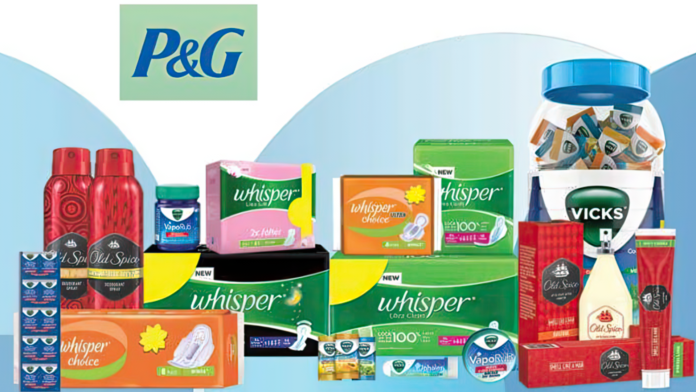
P&G Hygiene and Health (Representative Image)

FMCG products maker Procter & Gamble Hygiene and Health Care Ltd posted a remarkable 36.44% increase in its post-tax profit, reaching INR 210.69 crore for the first quarter ending in September. This performance marks a significant improvement from the INR 154.41 crore profit reported during the corresponding quarter of the previous fiscal year for the company, which follows a financial year from July to June.

According to a regulatory filing, the company reported a 9.04% increase in net sales, amounting to INR 1,135.06 crore for the quarter under review, compared to INR 1,040.92 crore during the same period the previous year.

During the July-September period, the company’s revenue from operations stood at INR 1,138.35 crore, indicating an 8.94% increase compared to the corresponding period of the previous year.

In its earnings statement, the company attributed this rise to a “superior retail execution and integrated growth strategy.”

The “PAT (Profit After Tax) for the quarter was INR 211 crore, up 36 per cent versus year ago led by acceleration of volume growth coupled with product price-mix and productivity,” it added.

The company, renowned for its popular brands like Vicks in healthcare and Whisper in feminine care, saw its total income increase by 9.74% to reach INR 1,154.12 crore.

In the September quarter, the company’s total expenses rose by 2.81% to reach INR 869.65 crore.

“We delivered a strong top and bottom line growth in the quarter by executing our integrated strategy of a focused product portfolio of daily use categories…,” the company’s Managing Director L V Vaidyanathan said.

On the BSE, the shares of Procter & Gamble Hygiene and Health Care Ltd dropped by 1.37% to close at INR 16,744.25 per share.

Advertisement

Hindustan Coca-Cola Beverages FY23 net profit surges to INR 809 Crore, signaling strong growth

0

Hindustan Coca-Cola Beverages (HCCB) Ltd, the bottling subsidiary of the prominent beverage company Coca-Cola in India, saw a remarkable twofold increase in its net profit, reaching INR 809.32 crore for the fiscal year 2023, as reported by business intelligence platform Tofler. The company, with a network of 16 factories spanning across India, disclosed a substantial 41.51 percent surge in its operational revenue, totaling INR 12,735.12 crore for FY23, according to its submission to the Registrar of Companies.

In the prior fiscal year (FY22), HCCB recorded a net profit of INR 377.14 crore, with its operational revenue amounting to INR 8,999.30 crore.

Nonetheless, HCCB’s other income for FY23 experienced a decline of 29.48 percent, reaching INR 105.27 crore.

The total income for FY23 reached INR 12,840.39 crore, marking a substantial increase of 40.35 percent compared to the total income of INR 9,148.59 crore in FY22.

HCCB witnessed a notable 39.79 percent increase in its operating expenses, which amounted to INR 11,191.26 crore for the fiscal year ending in March 2023.

“After two consecutive years of Covid-related disruptions and business impact, your company has delivered an impressive performance for the Financial Year 2022-23,” said HCCB.

The company emphasized maintaining a “laser-sharp” focus on execution, expanding its market reach, and safeguarding its business model, as stated.

HCCB produces and markets a diverse range of 60 products spanning seven distinct categories. Among its product offerings are popular beverages such as Coca-Cola, Thums Up, Sprite, Minute Maid, Maaza, SmartWater, Kinley, Limca, and Fanta.

“Your company strongly believes in the long-term prospects of the category, and hence, has continued to invest and accordingly has made an additional investment of INR 1304.64 crore in property plant and equipment to build HCCB into a Total Beverage Company,” it said.

In the short term, the Indian economy encountered a variety of challenges on multiple fronts; however, it continues to stand as one of the most dynamic major economies globally, with substantial potential for growth in the long term.

It mentioned that a favorable demographic composition, rapid urbanization, and rising prosperity serve as significant structural catalysts for India’s economic growth.

HCCB stated that it responded swiftly and flexibly by adjusting to evolving consumer demands. To broaden its reach in entry-level packaging, including 150 ml Tetra, 200 ml RGB, and 250 ml PET, the company extended its presence through strategic investments in these segments, involving new production lines and glass bottles, along with effective market execution.

Read More: Coca-Cola India rolls out 100% food-grade recycled PET bottles

Regarding the future prospects, it expressed a highly optimistic long-term outlook for the beverage business in India.

The foundational factors supporting long-term growth, including increasing disposable incomes, heightened consumer awareness, relatively low levels of consumer goods market penetration, advantageous demographics, the ongoing urbanization trend, and a growing preference for established brands, remain steadfastly in position.

HCCB “will continue to focus on the new opportunities like E-Commerce, Grocery, Pharmacy etc. to grow organically and inorganically in line with its vision and mission”.

The company will maintain its commitment to invest in enhancing capabilities to align with market demand and foster innovation, with a focus on expanding manufacturing capacity and increasing chilling equipment capacity.

Advertisement

Flipkart Co-Founder Binny Bansal may invest $25-30 million more in Ankit Nagori’s Curefoods

0
Binny Bansal
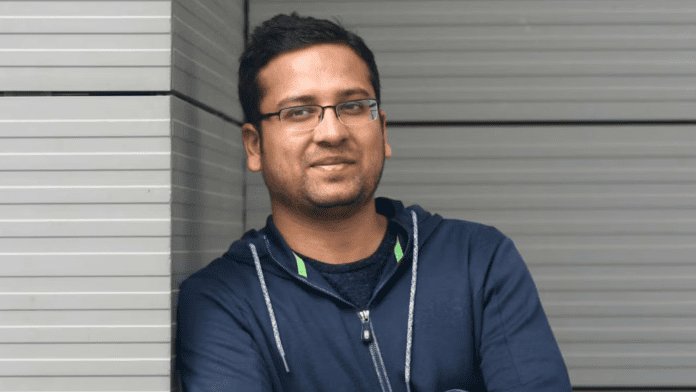
Flipkart Co-Founder Binny Bansal

Flipkart Co-Founder Binny Bansal is reportedly contemplating an investment of $25-30 million into Curefoods, a startup led by his former colleague Ankit Nagori. Curefoods specializes in cloud kitchens and restaurants, according to individuals privy to the discussions. Should this materialize, it would increase Bansal’s overall investment in the company to approximately $50 million.

Bansal, who finalized his departure from Flipkart in August by divesting his remaining shares in the e-commerce company he co-established with Sachin Bansal back in 2007, has swiftly increased his personal investments, directing substantial funding towards startups like PhonePe and Curefoods.

“Binny is looking to double down on Curefoods. This is similar to his investment style of backing a certain number of startups with a meaningful stake,” said one of the persons cited above.

Both Bansal and Nagori chose not to provide any comments.

During April, Curefoods, operating a chain of cloud kitchens and expanding into the restaurant business, concluded a fundraising round of INR 240 crore with investments from Bansal’s Three State Ventures, encompassing primary and secondary investments. Bansal presently holds approximately 12% ownership in Curefoods, a stake expected to increase with this fresh investment.

Read More: Curefoods secures INR 300 crore funding led by Three State Capital, aims to expand offline footprint

It remains uncertain whether Bansal’s investment will involve other investors participating in a funding round or if it will primarily involve a secondary share sale.

Bansal’s recent intentions to invest in Curefoods indicate a strengthening of the relationship between the two entrepreneurs. Additionally, he has solidified his decision to acquire a 10% ownership stake in the Bengaluru franchise of the volleyball team in the Prime Volleyball League (PVL), where Nagori holds the majority of shares.

People aware of Bansal’s plans stated that the entrepreneur has been meeting a wide array of startup founders to discuss potential investments. Rajnish Baweja, an IIT Delhi alumnus, is a key executive at Three State Ventures, responsible for reviewing investment proposals for Bansal.

In August, Bansal was expected to have realized approximately $650 million through a secondary share sale, in which Accel and Tiger Global also divested their remaining shares to Walmart, the parent company of Flipkart, which now holds more than 80% of the e-commerce firm.

When Flipkart secured $3.6 billion in funding two years ago, Bansal had additionally disposed of a portion of his shares for $200-250 million to Chinese internet giant Tencent, as reported in December 2021. This transaction left him with slightly less than 2% ownership in Flipkart.

Earlier on Monday, Curefoods officially confirmed the acquisition of the foodtech company Yumlane, along with its proprietary pizza technology. The financial terms of this deal remain undisclosed.

Read More: Curefoods expands portfolio with strategic acquisition of Yumlane pizza brand

This acquisition will empower Yumlane to harness Curefoods’ network, allowing for the improvement of its exclusive pizza technology and the expansion of its operations. Notably, Curefoods was an existing investor in Yumlane, along with Orios Venture Partners, as well as angel investors like Binny Bansal from Flipkart and Anupam Mittal, the founder of Shaadi.com.

In 2021, Curefoods, headquartered in Bengaluru, acquired the franchisee rights for Yumlane Pizza’s cloud kitchen in the South India market. Then, in 2022, they further solidified their involvement by acquiring a 10% stake in the company.

Curefoods encompasses a diverse portfolio of brands including EatFit, CakeZone, Nomad Pizza, Sharief Bhai Biryani, and Frozen Bottle. The company operates a network of over 200 cloud kitchens and offline stores, spanning across 15 cities in India.

Established in 2016 and headquartered in Mumbai, Yumlane operates an expansive distribution network spanning 15 cities. Among its clientele are well-known brands like Barbeque Nation, Frozen Bottle, and Curefoods.

Advertisement

D2C snacking brand Sweet Karam Coffee secures $1.5 Million in funding from Fireside Ventures

0
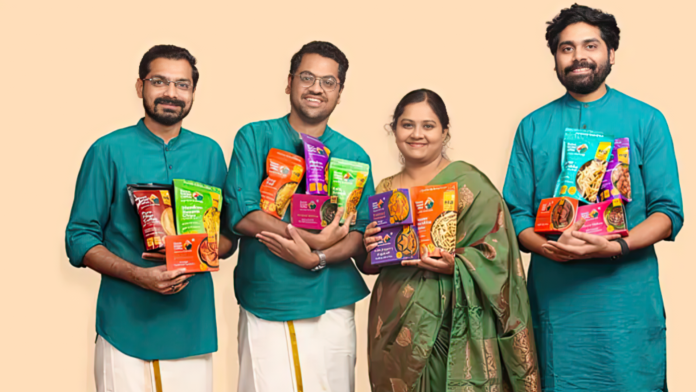
Founders – Sweet Karam Coffee

D2C snacking brand Sweet Karam Coffee (SKC) recently raised $1.5 million in funding from Fireside Ventures.

In an official announcement, the startup headquartered in Chennai expressed its intention to utilize the funding for expanding its presence offline, entering new geographical markets, and enhancing its region-specific product offerings.

Established in 2020 by Anand Bharadwaj, Nalini Parthiban, Srivatsan Sundararaman, and Veera Raghavan, SKC provides an assortment of genuine South Indian sweets and snacks. The brand asserts that its offerings are devoid of palm oil and preservatives. Additionally, the D2C company markets filter coffee and ready-to-cook meal blends featuring a diverse array of delicacies from Tamil Nadu and Kerala.

Its objective is to elevate South Indian delicacies by resolving the issue of limited availability and accessibility of well-packaged traditional sweets and snacks.

SKC is strategically looking to broaden its product range by incorporating snacks and sweets from the states of Karnataka and Andhra Pradesh.

Commenting on the funding, Co-Founder Parthiban said, “With Fireside’s vast portfolio of building leading D2C brands, we are excited to partner and work together with them to make Sweet Karam Coffee a global south Indian FMCG snacking brand for those seeking the authentic flavours of south India.”

SKC predominantly markets its products via its official website and dedicated app, boasting worldwide delivery to 32 countries in addition to serving the Indian market. Furthermore, the brand has formed collaborations with Tamil Nadu farmers to introduce a variety of millet-based offerings.

Since its establishment in 2020, SKC asserts a year-on-year revenue growth rate that doubles, underscoring its robust financial performance. In the market, the startup faces competition from other D2C snacking brands such as id Fresh Food, DropKaffe, Chaayos, TagZ, and more.

The surge in internet accessibility and the growth of disposable incomes in the nation have paved the way for the emergence of numerous direct-to-consumer snacking brands in recent years. According to analysis, the food and beverage sector constitutes a significant 27% share of the direct-to-consumer market in India.

This surge in the sector has not gone unnoticed by investors. Just this year, cricketer Shikhar Dhawan made an investment in the omnichannel snack brand TagZ Foods. Before that, TABP Snacks and Beverages, the company behind the Tanvi Foods brand, successfully secured INR 20 crore in its pre-Series A funding round.

Read More: TagZ Foods gains Shikhar Dhawan’s backing, enlists him as brand ambassador for nutritious snacking

Also Read: Coimbatore’s TABP Snacks and Beverages raises INR 20 Cr funding led by LC Nueva AIF

Advertisement

Honasa’s Mamaearth IPO attracts INR 765.2 Crore from anchor investors ahead of IPO launch

0
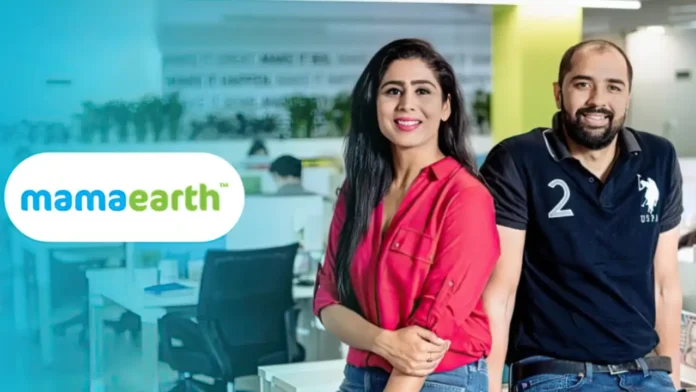
Mamaearth

Honasa Consumer Limited (HCL), the holding company of the direct-to-consumer (D2C) unicorn Mamaearth, has designated 2.36 crore equity shares for anchor investors, generating INR 765.2 crore in its initial public offering (IPO).

Honasa, launching its IPO today, mentioned in a regulatory filing on Monday (October 30) that it had concluded the allocation of 23,617,228 equity shares to anchor investors in collaboration with Kotak Mahindra Capital Company Limited, Citigroup Global Markets India Private Limited, JM Financial Limited, and J.P. Morgan India Private Limited (the “Book Running Lead Managers”). These shares were allocated at an anchor investor allocation price of INR 324 per equity share, inclusive of a share premium of INR 314 per equity share.

The equity shares were distributed to a group of 49 anchor investors, which encompassed notable names such as Fidelity Funds, ICICI Prudential FMCG Fund, Whiteoak Capital, DSP India Fund, and various others.

A total of 19 schemes, including applications from domestic mutual funds such as Aditya Birla Sun Life and Axis Mutual Fund, were submitted for the anchor portion.

Mamaearth submitted its draft red herring prospectus (DRHP) in December last year and filed its RHP on October 23, 2023.

The company’s IPO comprises a fresh issue of equity shares amounting to INR 365 crore or $44 million. Additionally, it involves an offer for sale (OFS) of 4.12 crore shares, in which prominent shareholders like Kunal Bahl, Shilpa Shetty Kundra, and Rishabh Harsh Mariwala will divest their holdings.

The IPO is scheduled to conclude on November 2.

Mamaearth has set the IPO price band at INR 308 to INR 324, with a goal of achieving a valuation of about $1.2 billion.

Read More: Mamaearth IPO to open on October 31, price band announced at INR 308 to INR 324 per share

Established in 2016 by the married couple Varun and Ghazal Alagh, Mamaearth’s parent company, Honasa, encompasses brands like The Derma Co., Aqualogica, and Ayuga. It has also acquired interests in BBlunt and Dr. Sheths.

Nonetheless, despite the significant setbacks experienced by loss-making publicly traded startups last year, Mamaearth is embarking on an IPO journey while still operating at a deficit. In FY23, the company disclosed a net loss of INR 151 crore, in contrast to a net profit of INR 14.4 crore in FY22, primarily attributed to an exceptional loss.

Read More: IPO-bound Mamaearth reports INR 151 Cr loss in FY23 due to goodwill impairment

Regarding the IPO, Prashanth Tapse, Senior VP of Research at Mehta Equities, cautioned prospective investors, emphasizing that they should exercise caution due to the IPO featuring a fresh share issuance of INR 365 crore and a relatively modest promoter stake of 37.41%.

“Conservative investors may wait and watch, while risk-takers can consider long-term investment for potential growth. However, the IPO appears to be overvalued in the current market conditions, and historical listings with high valuations have often faced post-listing challenges,” he added.

Conversely, Girish Vanvari, the founder and CEO of Transaction Square, a firm specializing in tax, regulatory, and business advisory, described the Mamaearth IPO as a “test case.” He believes it will serve as a pivotal and defining trend for all unicorn IPOs, which have somewhat receded from the spotlight.

Advertisement

Beyond the Sale: Building Lasting Relationships through Sustainable Marketing

0
Sustainable Marketing

The road to success in the cutthroat world of business-to-business marketing goes far beyond closing a deal. Businesses nowadays understand how crucial it is to cultivate enduring relationships with their clients. It’s becoming clear that sustainable marketing is essential to generating long-lasting relationships that are advantageous to both sides in addition to increasing sales. 

  • Redefining Success

In traditional B2B marketing, success was often measured by one metric: sales revenue. However, sustainable marketing encourages a broader perspective. Success isn’t just about making a sale; it’s about creating value, fostering trust, and nurturing relationships that endure over time.

  • Embracing Corporate Social Responsibility

Sustainable marketing goes hand in hand with corporate social responsibility (CSR). B2B companies are increasingly aligning their values and business practices with ethical, social, and environmental considerations. When customers see a company actively engaged in making the world a better place, it not only builds trust but also solidifies long-term relationships.

  • Fostering Trust and Loyalty

Trust is the cornerstone of any lasting relationship. Sustainable marketing emphasizes transparency, honesty, and consistent communication. When B2B companies openly share their values, goals, and challenges, they create trust, leading to customer loyalty that extends well beyond a single transaction.

  • Providing Value Beyond the Product

Sustainable marketing is not solely about selling a product or service. It’s about delivering value that goes beyond the initial sale. This value can take the form of ongoing support, educational resources, or assistance with challenges customers face in their industry. B2B companies that provide such support demonstrate their commitment to their customers’ success.

  • Nurturing Two-Way Communication

Sustainable marketing thrives on two-way communication. It’s not just about companies broadcasting their message but also listening to their customers. Feedback and input from customers can guide product development, service enhancements, and overall business improvements. This collaborative approach builds stronger relationships.

  • Building Communities

Many B2B companies are creating online communities for their customers to connect, share insights, and solve common challenges. These communities become valuable hubs where customers can learn, network, and collaborate. By fostering these communities, B2B brands are building lasting relationships among their customers.

  • Customizing Experiences

Sustainable marketing involves personalization. By understanding each customer’s unique needs, preferences, and pain points, B2B companies can tailor their offerings and communications. This personalization makes customers feel valued and fosters enduring relationships.

  • Measuring Success Differently

In sustainable marketing, success is measured by more than just the bottom line. Metrics like customer retention rates, customer satisfaction scores, and engagement levels in customer communities become vital indicators of how well a B2B company is nurturing lasting relationships.

Final Thoughts:

In the modern world of B2B marketing, sustainable marketing is transforming the way businesses approach their customer relationships. It’s not just about making a sale but creating value, fostering trust, and nurturing enduring partnerships. B2B companies that embrace corporate social responsibility, provide ongoing value, engage in transparent communication, build communities, and measure success beyond revenue are finding that sustainable marketing not only leads to loyalty but also paves the way for long-lasting success in a rapidly changing business landscape. As B2B marketers continue to evolve, sustainable marketing is poised to be at the forefront of building lasting customer relationships.

Advertisement

Predictive Insights: Using Data to Decode Future Consumer Behavior Trends

0
Consumer Behavior

Successful marketing requires a thorough understanding of consumer behaviour, which is quickly changing. Businesses now have access to an unprecedented amount of data that can be used to forecast future trends in consumer behaviour as a result of the ongoing advancements in technology.  Knowing what motivates consumer behaviour is the key to success in the fast-paced world of business-to-business marketing. Companies now have the ability to look ahead thanks to technological advancements and the explosion of data, and in today’s article we will deal with the magic of data and how it can be used to foresee the trends that will shape future consumer behavior.

  • Data: The Modern-Day Oracle

Data has become the backbone of modern marketing. The digital age has provided us with an astonishing array of data sources, from online interactions and social media to sales data and customer feedback. This wealth of information holds the key to understanding what consumers want, need, and how they’ll behave in the future.

  • Predictive Analytics in a Nutshell

At the heart of decoding future consumer behavior trends is predictive analytics. This is the art of analyzing historical data and applying statistical models and machine learning to predict future outcomes. In the world of B2B marketing, this means using data to make informed, proactive decisions.

  • Segmenting Your Audience

One of the first steps in using predictive insights is customer segmentation. By dissecting your customer base and identifying shared characteristics, you can tailor your marketing efforts to each group’s specific preferences. This ensures that you’re delivering what your audience wants, rather than taking a one-size-fits-all approach.

  • Forecasting Product Demand

Predictive insights can also help forecast product demand. By crunching historical sales data, monitoring seasonal patterns, and considering external factors like economic shifts, B2B companies can adjust inventory levels and production schedules to meet customer needs more effectively.

  • The Power of Personalization

Content personalization is a potent tool in the B2B marketing arsenal. Predictive analytics can help you determine the content, messaging, and channels that resonate most with different customer segments. This allows for highly personalized content that’s more likely to engage your audience.

  • Staying Ahead of Trends

Predictive insights can give you a glimpse into the future. By monitoring data from various sources, including social media trends, industry news, and even your competitors’ moves, you can position your business as a leader in your field when new trends start to emerge.

  • Preemptive Customer Service

Improving customer service is another benefit of predictive analytics. By analyzing past interactions and feedback, you can predict potential issues and address them proactively. This not only boosts customer satisfaction but also reduces the workload on your support teams.

  • Risk Management

Last but not least, predictive analytics can help you manage risk. By identifying potential disruptions, supply chain issues, or economic downturns, your business can take steps to protect operations and maintain customer trust.

In the world of B2B marketing, predictive insights are your crystal ball, enabling you to foresee what lies ahead in consumer behavior trends. By tapping into the treasure trove of data at your disposal, you can anticipate customer preferences, segment your audience, optimize product demand, personalize content, stay ahead of emerging trends, enhance customer service, and mitigate risks. The ability to peer into the future gives your business a significant edge in an ever-evolving market. As the B2B landscape continues to shift, those who embrace predictive insights will be better equipped to navigate the unknown and emerge as industry leaders.

Advertisement

Omni-Channel Personalization: Tailoring Experiences Across Platforms for Maximum Impact

0

One thing remains constant in the dynamic world of business-to-business marketing: the value of customised experiences. Nowadays, companies have an unrivalled chance to interact with their clients on a variety of channels, and the secret to accelerating growth and creating enduring bonds is to fully utilise the potential of omni-channel personalization.

  • The Rise of Omni-Channel Personalization

Omni-channel personalization represents a paradigm shift in B2B marketing. It involves creating a seamless and consistent customer experience across multiple channels, from websites and email to social media and in-person interactions. This approach is underpinned by data-driven insights and a deep understanding of each customer’s preferences and behaviors.

  • Data-Driven Customer Profiling

Effective omni-channel personalization starts with building comprehensive customer profiles. Collecting and analyzing data from various touchpoints allows B2B businesses to gain insights into their customers’ behavior, preferences, and pain points. This data forms the foundation for tailoring experiences across platforms.

  • Customized Content Delivery

Once customer profiles are established, businesses can use the insights to deliver highly relevant and customized content. Whether it’s through personalized product recommendations, tailored email campaigns, or content suggestions, the aim is to engage customers with content that speaks to their specific needs and interests.

  • Seamless Cross-Platform Experience

The true power of omni-channel personalization lies in providing a seamless experience as customers transition across different platforms. When a customer moves from your website to a social media channel or receives an email, they should feel like they are in a continuous conversation with your brand, with consistent messaging and personalized content.

  • Real-Time Engagement

Omni-channel personalization allows for real-time engagement with customers. With the help of AI and marketing automation tools, businesses can respond to customer actions instantly. This means serving personalized content, product recommendations, or chat support in real-time, enhancing the customer’s experience.

  • Contextual Marketing

Understanding the context in which a customer is interacting with your brand is essential for successful omni-channel personalization. For example, knowing if a customer is browsing on a mobile device, attending a webinar, or reading an email can help tailor the content and messaging appropriately. Contextual marketing ensures that your interactions are both relevant and timely.

  • A/B Testing and Iteration

Continuous improvement is a fundamental aspect of omni-channel personalization. B2B marketers should conduct A/B testing to refine their personalization strategies. By analyzing the performance of different approaches and iterating accordingly, businesses can ensure that their omni-channel efforts are always optimized for maximum impact.

Omni-channel personalization is not just a trend but a necessity in today’s B2B marketing landscape. Tailoring experiences across various platforms, from websites and email to social media and in-person interactions, has the potential to greatly impact your business growth. By leveraging data-driven insights, customized content delivery, seamless cross-platform experiences, real-time engagement, contextual marketing, and ongoing iteration, B2B brands can provide their customers with a level of personalization that builds trust and fosters long-term relationships. As the B2B landscape continues to evolve, those who embrace the power of omni-channel personalization are poised to make the most significant impact.

Advertisement