Walmart’s India operations experienced a subdued third quarter, with festivities dampened by the delayed onset of the festive season.
In its Q3 financial results unveiled on Thursday, Walmart reported robust growth in e-commerce sales and expanded market presence globally, except for India, where penetration did not witness the same upward trend.
The company stated that the timing of subsidiary Flipkart’s The Big Billion Days (BBD) sale shifted to Q4 this year, affecting Q3 growth and sales. Despite this, Walmart conveyed optimism that the upswing in festive season sales would be evident in the current fourth quarter.
The BBD sale’s timing had a negative impact on Walmart International’s revenue, with a 3% year-over-year decline in e-commerce sales and only a modest 4% annual growth in the advertising business. The company explicitly linked these subdued figures to the delayed sale.
Walmart additionally indicated its anticipation that the growth in e-commerce sales and advertising business for the second half of 2023 will align with the figures observed in the first half of the year.
The delayed commencement of The Big Billion Days sale, renowned for substantial offers and deep discounts, contributed to the international arm of the company achieving a 151 basis points increase in its gross margin rate. Simultaneously, operating expenses experienced a 75 basis points deleverage, primarily attributable to the timing of The Big Billion Days.
“Ecommerce sales declined 3% while advertising grew 4% — both affected by the timing of BBD… Other than India, strong growth in ecommerce sales and increased penetration across markets… Growth in ecommerce sales and advertising for H2 is expected to be similar to H1,” the company said.
Anticipating a substantial boost in sales during the robust festive season in Q4, Walmart has consistently hailed Flipkart as its flagship asset in the Indian e-commerce landscape. In August, Walmart’s Chief Financial Officer, John David Rainey, highlighted Flipkart’s impressive performance in terms of gross merchandise value (GMV) and sales growth during Q2, coupled with strengthened profitability.
Despite the challenges posed by its operations in India affecting the international segment, the U.S.-based giant surpassed expectations with its Q3 financial performance. It reported a profit of $453 million on revenues totaling $160 billion.
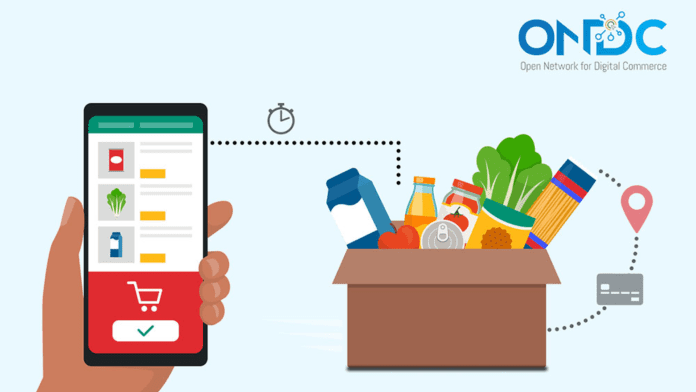
Capitalizing on the festive enthusiasm, the government-supported Open Network for Digital Commerce (ONDC) recorded an unprecedented 12 lakh transactions from November 6 to November 13, as reported by ONDC data.
Earlier this year, ONDC highlighted its ambition to achieve 1 Lakh daily transactions. Judging by the festive season statistics, it seems the network may have successfully reached this milestone. The ongoing Cricket World Cup also appears to have played a role in fueling the growth of transactions for the network.
“The increasing trend of festive shopping moving online has pushed customers to look for the best deals across various platforms and apps. With ONDC Network, consumers now have one more alternative that goes beyond the traditional ecommerce apps. Our record transactions indicate a changing consumer behaviour wherein shoppers are eager to explore options to secure the best deals and discounts,” said T Koshy, MD & CEO, ONDC.
Orders spanning various categories, including F&B, grocery, electronics, fashion, home & kitchen, mobility, and health & wellness, were placed in 600 Indian cities during the week.
On Sunday, October 8, during the World Cup match between India and Australia, ONDC reached a historic milestone, registering a peak of 53,000 retail orders in a single day.
It’s worth noting that the open network experienced a remarkable monthly transaction surge, increasing by 500 times, from a modest 12,281 transactions in January to over 608,307 in September, based on the latest monthly transaction data provided by ONDC.
The surge in transactions observed during the festive season can be attributed to the incentives provided by the network to buyer-side applications such as Paytm, Pincode (owned by PhonePe), Magicpin, Ola, and others.
The network also adjusted the incentives and bonuses for sellers while expanding the spectrum of discounts offered to buyers.
As reported earlier, ONDC has been extending substantial bonuses, with a weekly cap of up to INR 35 Lakh, to buyer-side platforms.
Moreover, ONDC has raised the weekly cap on consumer discounts from 2 to 5. The tier-based incentive system is designed to support buyer applications in onboarding sellers based on their locations. This initiative aims to expand the market’s reach beyond urban areas, traditionally known for attracting significant online retail order volumes.
According to ONDC’s incentive framework for seller-side applications, the network is offering incentives of up to INR 6,000 in metros, up to INR 7,500 in Tier II and III cities, and INR 5,000 in all other cities. These incentives are applicable if the sellers provide more than 5,000 stock-keeping units (SKUs) in the grocery category.
As per the findings of the consulting firm Redseer, the gross merchandise value (GMV) for the country’s ecommerce sector was projected to experience a year-on-year growth of 18%-20%, reaching INR 90,000 Cr during this year’s festive season.
Last week, Amazon India reported that during the company’s ‘The Great Indian Festival,’ which kicked off on October 8, over 38,000 sellers experienced their highest-ever single-day sales.
The resurgence in retail consumption, achieving record monthly digital transactions, and a reduction in inflation collectively have given a positive boost to the ecommerce sector in India following the impact of the Covid-19 pandemic.
According to its report, Redseer projected that approximately 140 million shoppers were anticipated to engage in purchases during the festive season sale this year.
During this year’s festive season sale, Flipkart, owned by Walmart and traditionally holding the largest share in such sales, recorded a 15-20% rise in its gross merchandise value (GMV), reaching INR 33,000 to INR 36,000 Cr.
A notable trend observed in online festive season sales in India is the substantial volume of orders originating from areas beyond metros and Tier I cities. Consequently, the strategic onboarding of sellers nationwide has become imperative to tap into markets in remote regions of the country.
Amazon reported that their marketplace facilitated almost 8,000 sellers in achieving their highest-ever single-day sales during the Great Indian Festival. In contrast, Flipkart announced a 27% surge in its seller count, surpassing 1.4 million sellers.
Meesho has recently expanded its platform to include non-GST registered sellers, while Amazon India has introduced its multi-channel fulfillment (MCF) service for direct-to-consumer (D2C) brands and retailers. This service aids in managing customer orders originating from various channels.
Meanwhile, ONDC is offering B2B seller apps incentives of up to INR 1,000 for acquiring new buyers. Sellers can avail themselves of this amount for the first order placed by a new or unique buyer, with a minimum order value of INR 5,000, inclusive of shipping. Sellers have the opportunity to claim this incentive for up to 50 new buyers each month.
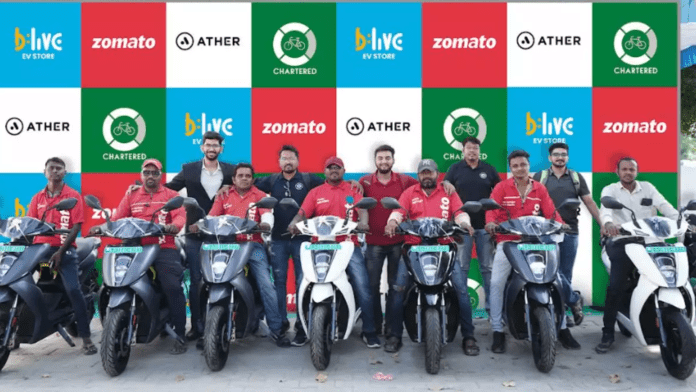
Expanding their fruitful collaboration with Zomato, BLive, a prominent multi-brand EV platform, has introduced 30 Ather EVs for Zomato deliveries in Ahmedabad. This move aligns with their ongoing commitment to broaden the reach of their EV fleet, extending it to 20 cities across India.
This evolution signifies a shared commitment to sustainability and the reduction of the delivery ecosystem’s carbon footprint, championing the shift from conventional vehicles to eco-friendly EVs. BLive is actively addressing the scarcity of EVs by providing end-to-end solutions for last-mile delivery companies like Zomato. With a primary focus on Tier II cities, BLive aims to bridge the supply gap and meet the demands of last-mile delivery services. The strategic partnership with Zomato, initiated in July, launched the EV initiative in Hyderabad with an initial fleet, marking a significant step toward the future of sustainable food delivery in India.
“In our ongoing commitment to fostering green mobility solutions, BLive is thrilled to join forces with Zomato and Ather to introduce 30 Ather electric vehicles for food delivery in Ahmedabad. Our objective is to transform the way deliveries are made, setting a new standard in the industry by integrating EVs into Zomato’s operations. We are excited to bring this sustainable initiative to Ahmedabad, a city that is already showing great enthusiasm for green delivery solutions. This partnership marks a significant step towards a cleaner and greener future in the delivery ecosystem, showcasing BLive commitment to environmental sustainability and business innovation,” Samarth Kholkar, CEO and co-founder, BLive said.
“We are delighted to partner with BLive and Zomato to contribute to a more sustainable and eco-friendly future for food delivery in Ahmedabad. Electric vehicles are not only known for their performance but also their environmental impact. Our vision aligns perfectly with this initiative, and we look forward to witnessing the positive change our electric scooters will bring to the delivery landscape in the city.” Nikhil Patil, Head Corporate Sales, Ather Energy, said.
Leading the charge in advancing electric mobility adoption throughout India, BLive stands as the country’s pioneering multi-brand EV platform. Boasting a digital platform showcasing over 40 brands, BLive ensures a seamless omnichannel experience for buyers, encompassing an E-commerce store and premium experience outlets nationwide. With ambitions to extend its reach, BLive aims to establish 100 premium multi-brand stores by 2024, presenting a diverse array of EV products and services, ranging from E-Scooters and E-cycles to Delivery Ebikes and distinctive form factors. The company goes beyond product offerings, facilitating both personal and business EV adoption through provisions such as charging infrastructure, post-sales services, and accessible financing options.
In today’s dynamic business landscape, the key to success lies in mastering your market. With consumers bombarded by a constant stream of information and choices, businesses need to adopt strategic techniques to cut through the noise and connect with their desired audience. Here are the proven techniques to laser-focus on your target demographic and elevate your business to new heights.
Understanding Your Audience
The foundation of market mastery begins with a deep understanding of your audience. Comprehensive market research is essential to identify the characteristics, preferences, and behaviors of your target demographic. Invest time in analyzing demographics, psychographics, and behavioral data to create detailed buyer personas. These fictional representations of your ideal customers provide a roadmap for crafting targeted marketing strategies.
By understanding your audience on a granular level, you can tailor your products or services to meet their specific needs. This not only enhances customer satisfaction but also establishes a strong emotional connection between your brand and your audience.
Harnessing the Power of Data Analytics
In the digital age, data is king. Businesses can leverage advanced analytics tools to gather, analyze, and interpret vast amounts of data to gain actionable insights. By tracking customer interactions, purchasing patterns, and engagement metrics, companies can refine their marketing strategies with precision.
Implementing a robust customer relationship management (CRM) system is one way to centralize customer data. This allows businesses to create targeted campaigns, personalize communications, and predict future trends based on historical data. Through data analytics, companies can identify emerging opportunities, address customer pain points, and stay ahead of market trends.
Embracing Personalization
In an era where one-size-fits-all approaches are becoming obsolete, personalization has emerged as a powerful tool for market mastery. Tailoring your products, services, and marketing messages to individual preferences enhances customer engagement and loyalty. Personalization can take various forms, from recommending products based on past purchases to crafting personalized email campaigns.
Technology plays a pivotal role in enabling personalization at scale. Machine learning algorithms can analyze user behavior and preferences to deliver personalized content and recommendations in real-time. By making customers feel seen and understood, businesses can build lasting relationships and foster brand advocacy.
Strategic Content Marketing
Content is the currency of the digital age, and strategic content marketing is a cornerstone of market mastery. Develop a content strategy that aligns with the interests and needs of your target audience. Create high-quality, informative, and shareable content across various channels, including social media, blogs, and email.
Educational content that addresses pain points and provides solutions positions your brand as an authority in the industry. By consistently delivering value, you not only attract your desired audience but also establish trust and credibility. Moreover, shareable content has the potential to amplify your reach as satisfied customers become brand advocates.
Building a Strong Online Presence
In today’s interconnected world, a strong online presence is non-negotiable. Your website is often the first interaction a potential customer has with your brand, making it a crucial touchpoint for market mastery. Ensure that your website is not only aesthetically pleasing but also user-friendly, with clear navigation and a seamless purchasing process.
Invest in search engine optimization (SEO) strategies to improve your website’s visibility in search engine results. This ensures that your business is easily discoverable by individuals actively seeking products or services in your niche. Social media platforms also play a vital role in building an online presence, allowing you to engage with your audience directly and humanize your brand.
Continuous Adaptation and Innovation
The business landscape is constantly evolving, and market mastery requires a commitment to continuous adaptation and innovation. Keep a close eye on industry trends, monitor the competition, and be open to embracing new technologies. Regularly reassess your marketing strategies to ensure they align with the evolving needs and preferences of your audience.
Experiment with new channels and platforms to expand your reach. Embrace emerging technologies such as augmented reality, virtual reality, or interactive content to create memorable and engaging experiences for your audience. By staying ahead of the curve, you position your business as a forward-thinking industry leader.
Final Thoughts:
Mastering your market is a multifaceted endeavor that requires a combination of research, data analytics, personalization, strategic content marketing, a strong online presence, and a commitment to continuous adaptation. By employing these techniques, businesses can laser-focus on their desired audience, cut through the noise, and build meaningful connections that drive success in today’s competitive business landscape. As technology continues to evolve, staying attuned to the ever-changing needs and preferences of your audience will be the key to sustained market mastery.
In today’s fast-paced business environment, capturing and retaining consumer attention is a constant challenge. As the marketplace becomes increasingly saturated with innovative products and services, companies are turning to educational engagement as a strategic tool to deepen consumer understanding. By fostering a relationship based on knowledge sharing, businesses not only enhance their brand image but also empower consumers to make more informed choices.
1. Content is King: Develop Informative and Engaging Materials
Educational engagement begins with providing valuable content that resonates with your target audience. Develop informative materials that highlight the key features and benefits of your product or service. This could include articles, blog posts, infographics, and videos. The content should not only showcase your product but also address common pain points or challenges faced by your consumers. By positioning your brand as a valuable source of information, you not only enhance consumer understanding but also establish trust and credibility.
2. Webinars and Workshops: Interactive Learning Experiences
In the digital age, webinars and virtual workshops have become powerful tools for businesses to connect with their audience. Hosting live sessions allows for real-time interaction, enabling consumers to ask questions and receive immediate responses. These interactive learning experiences create a sense of community and engagement that goes beyond traditional advertising. Consider inviting industry experts to share insights or demonstrating real-life use cases of your product. This not only deepens consumer understanding but also positions your brand as an authority in the field.
3. Personalized Learning Paths: Tailor Information to Individual Needs
Not every consumer has the same level of understanding or interest in your product. To cater to diverse needs, consider implementing personalized learning paths. This involves tailoring educational content based on a consumer’s previous interactions, preferences, and demographics. Utilize data analytics to understand consumer behavior and create targeted educational materials that speak directly to their needs. By providing a customized learning experience, you demonstrate a commitment to your consumers’ individual journeys, fostering a stronger connection with your brand.
4. Gamification: Making Learning Fun and Memorable
Gamification is a powerful tool that leverages the principles of game design to engage and motivate users. Applying gamification to educational content can make learning about your product not only informative but also fun and memorable. Create quizzes, challenges, or interactive simulations that allow consumers to apply their knowledge in a playful environment. By turning education into an enjoyable experience, you not only capture attention but also enhance the likelihood of information retention, making your brand more memorable in the minds of consumers.
5. Social Media Engagement: Utilize Platforms for Bite-sized Learning
Social media platforms offer a unique opportunity for businesses to deliver bite-sized educational content directly to their target audience. Utilize platforms like Instagram, Twitter, and LinkedIn to share quick tips, product demonstrations, and behind-the-scenes insights. The key is to create content that is easily consumable and shareable, encouraging users to spread the knowledge within their networks. Social media engagement not only amplifies your reach but also positions your brand as a thought leader in the industry.
6. Customer Support as Education: Turn Inquiries into Opportunities
Your customer support team is not just there to troubleshoot issues; it’s a valuable resource for educating consumers. Train your support staff to see inquiries as opportunities to educate and empower customers. Provide them with comprehensive product knowledge and communication skills to deliver information in a clear and friendly manner. By turning customer inquiries into educational interactions, you not only resolve immediate concerns but also contribute to a positive customer experience that can lead to long-term loyalty.
Final Thoughts:
In a world where consumers are bombarded with information, businesses that prioritize educational engagement set themselves apart. By empowering consumers with knowledge, you not only deepen their understanding of your product but also foster trust, loyalty, and advocacy. Whether through content creation, interactive experiences, personalized learning paths, gamification, social media, or customer support, the key is to make education an integral part of your brand strategy. In doing so, you not only enhance your bottom line but also contribute to a more informed and empowered consumer base.
In the ever-evolving landscape of business, one constant remains true: time is money. For companies looking to boost their bottom line and stay ahead of the competition, streamlining the sales process is not just a choice but a necessity.
The Need for Streamlining
A bloated and inefficient sales process can lead to lost opportunities, decreased revenue, and frustrated customers. Businesses often find themselves grappling with a myriad of challenges, from lengthy sales cycles to a lack of integration between sales and marketing teams. Recognizing these pain points is the first step toward creating a sales process that is not only efficient but also impactful.
Efficiency in the sales process translates to faster deal closures, increased customer satisfaction, and a more agile response to market changes. Impact, on the other hand, ensures that every interaction with a potential customer leaves a lasting impression, setting the stage for long-term relationships and brand loyalty.
Embrace Technology: The Digital Transformation
One of the most effective ways to streamline the sales process is by embracing technology. The digital transformation has revolutionized how businesses operate, and the sales process is no exception. Customer Relationship Management (CRM) systems are at the forefront of this transformation, providing a centralized platform for managing customer interactions, tracking leads, and optimizing sales efforts.
Automation is another key aspect of leveraging technology for efficiency. By automating routine tasks, such as data entry, follow-up emails, and appointment scheduling, sales teams can focus on high-value activities that require a personal touch. Artificial Intelligence (AI) and machine learning algorithms can analyze customer data to predict behaviors, enabling sales teams to tailor their approach for maximum impact.
Integration for Seamless Collaboration
Efficiency is not only about individual tasks but also about how different departments work together. A lack of integration between sales and marketing teams can lead to disjointed strategies and missed opportunities. Implementing tools that facilitate collaboration, such as integrated CRM and marketing automation platforms, ensures that both teams are on the same page.
The seamless flow of information between marketing and sales allows for better-targeted campaigns, more informed conversations, and a shorter sales cycle. When teams collaborate effectively, the impact is felt not only in the bottom line but also in the cohesive and unified brand message presented to customers.
Personalization: Tailoring the Sales Experience
In an age where customers are inundated with information, generic sales pitches fall flat. Tailoring the sales experience to individual customers is a strategy that pays dividends in both efficiency and impact. Advanced analytics and customer profiling tools enable sales teams to understand their target audience on a granular level.
Personalization goes beyond addressing the customer by name; it involves understanding their pain points, preferences, and unique challenges. Armed with this knowledge, sales teams can craft compelling messages and offers that resonate with the customer, leading to a more efficient sales process and a higher likelihood of conversion.
Continuous Training and Development
Efficiency and impact are not achieved through technology alone; the human element plays a crucial role. Continuous training and development programs ensure that sales teams are equipped with the latest tools, techniques, and product knowledge. A well-trained team is not only more efficient in handling customer interactions but also more impactful in conveying the value of the product or service.
Investing in ongoing training also fosters a culture of innovation within the sales team. Sales representatives who are up-to-date on industry trends and market dynamics can adapt quickly to changes, positioning the company as a leader rather than a follower in the eyes of the customer.
Data-Driven Decision Making
The power of data in optimizing the sales process cannot be overstated. Analyzing key performance indicators (KPIs) and customer metrics allows businesses to make informed decisions, identify bottlenecks, and refine their strategies. Data-driven insights empower sales teams to allocate resources more efficiently, target high-value leads, and adapt their approach based on real-time feedback.
Furthermore, data-driven decision-making extends beyond individual sales interactions to encompass broader market trends. By staying ahead of industry shifts and customer preferences, businesses can position themselves for sustained success and long-term impact.
Final Thoughts:
In the fast-paced world of business, efficiency and impact are the cornerstones of a successful sales process. Embracing technology, fostering collaboration, personalizing the sales experience, investing in continuous training, and leveraging data-driven insights are all critical components of streamlining the sales process.
Businesses that prioritize efficiency and impact not only close deals faster but also build lasting relationships with customers. As the digital landscape continues to evolve, staying at the forefront of technological advancements and adapting strategies accordingly will be the key to maintaining a competitive edge and ensuring sustained success in the dynamic world of sales.
In the fast-paced and competitive world of food startups, the key to success lies not just in creating delicious products but also in effectively reaching and engaging your target audience. In an era dominated by social media and online platforms, generating leads has become a crucial aspect of building a thriving food business. Here are the proven strategies that can elevate your food startup by attracting, converting, and retaining customers through innovative lead generation methods.
1. Leveraging the Power of Social Media:
In today’s digital age, social media platforms have become indispensable tools for reaching a wide audience. For food startups, platforms like Instagram, Facebook, and Twitter provide an ideal space to showcase mouth-watering visuals, share engaging content, and interact directly with potential customers. Utilizing visually appealing imagery, behind-the-scenes content, and user-generated testimonials can create a compelling online presence that drives interest and converts followers into loyal customers.
2. Content Marketing with a Culinary Twist:
Content marketing is an effective way to not only showcase your products but also position your brand as an authority in the food industry. Creating a blog or video series that features cooking tips, recipes, and stories behind your products can engage your audience on a deeper level. By providing valuable and entertaining content, you not only attract potential customers but also establish trust and credibility, making them more likely to choose your brand when making purchasing decisions.
3. Collaborations and Influencer Partnerships:
Teaming up with influencers and food bloggers can significantly amplify your reach. Identify influencers whose values align with your brand and whose audience matches your target market. By sending them your products for review or collaborating on exclusive offerings, you tap into their existing audience and benefit from their credibility. Authentic endorsements from influencers can generate buzz, build trust, and drive traffic to your business.
4. Interactive Experiences: Pop-ups, Tastings, and Events:
Creating memorable experiences around your food products can leave a lasting impression on potential customers. Consider hosting pop-up events, tastings, or collaborating with local events and farmers’ markets. These in-person experiences not only allow customers to taste your products but also provide an opportunity for face-to-face interaction. This personal touch can foster a sense of connection and loyalty, turning event attendees into long-term customers.
5. Email Marketing: A Recipe for Success:
While newer marketing channels emerge, email marketing remains a powerful and cost-effective tool for lead generation. Encourage website visitors and social media followers to subscribe to your newsletter by offering exclusive discounts or access to premium content. Once you have a subscriber list, nurture those leads with targeted email campaigns that showcase new products, share behind-the-scenes stories, and provide personalized offers. Email marketing allows you to maintain a direct line of communication with your audience and convert leads into repeat customers.
6. Optimizing Your Website for Conversions:
Your website is often the first point of contact for potential customers, so it’s essential to optimize it for lead generation. Implement clear calls-to-action (CTAs) that guide visitors toward signing up for newsletters, downloading recipes, or making a purchase. Ensure your website is user-friendly, mobile-responsive, and visually appealing to create a positive and seamless experience for visitors, increasing the likelihood of converting them into leads.
7. Loyalty Programs and Referral Incentives:
Building a loyal customer base is key to the sustained success of any food startup. Implementing a customer loyalty program encourages repeat business by offering rewards for frequent purchases. Additionally, referral incentives can turn your existing customers into advocates, helping you tap into their networks and generate new leads through word-of-mouth marketing.
Final Thoughts:
In the competitive landscape of the food industry, effective lead generation is the secret ingredient that can turn a promising startup into a thriving business. By leveraging the power of social media, content marketing, influencer collaborations, in-person experiences, email marketing, website optimization, and loyalty programs, food startups can create a holistic approach that attracts, engages, and retains customers. As the taste-tested techniques outlined in this article demonstrate, a well-rounded lead generation strategy can set your food startup on the path to success, ensuring that your delectable creations reach the palates of eager customers.
In an era dominated by constant innovation and fierce competition, businesses face the challenge of not only attracting but also retaining customers. In this dynamic environment, trust and loyalty have emerged as the cornerstones of enduring consumer connections. Companies that prioritize building and maintaining trust find themselves not only surviving but thriving in the market. Crafting enduring consumer connections requires a strategic approach that goes beyond transactional interactions.
The Foundation of Trust:
Trust is the currency of lasting relationships between businesses and consumers. It is a fragile asset that takes time to build and can be shattered in an instant. In the digital age, where information travels at the speed of light, transparency is crucial. Companies that are open and honest about their operations, products, and values are more likely to earn the trust of their customers.
Transparency extends beyond the disclosure of information; it encompasses ethical business practices. Consumers today are increasingly conscious of the environmental, social, and ethical implications of their purchases. Companies that align their values with those of their customers create a sense of shared purpose, fostering a deeper connection.
Moreover, reliability is a key component of trust. Consistency in delivering quality products or services, meeting deadlines, and providing excellent customer support establishes a track record that customers can rely on. Reliability builds confidence and reinforces the foundation of trust.
Loyalty in the Age of Options:
With a plethora of choices available to consumers, brand loyalty is no longer a given. Winning customer loyalty requires going beyond the transactional and creating an emotional connection. Companies that understand and cater to the emotional needs of their customers are better positioned to secure long-term relationships.
One of the ways to foster loyalty is through personalized experiences. The era of one-size-fits-all marketing is long gone. Advances in technology have enabled businesses to gather and analyze vast amounts of data, allowing for highly targeted and personalized marketing efforts. Tailoring interactions to individual preferences and needs makes customers feel seen and valued, laying the groundwork for loyalty.
Reward programs and incentives are also effective tools for cultivating loyalty. Offering discounts, exclusive access, or personalized perks to repeat customers not only encourages repeat business but also creates a sense of exclusivity. Consumers appreciate feeling recognized and rewarded for their loyalty, reinforcing their connection to a brand.
Strategies for Building Enduring Connections:
1. Customer-Centric Culture:
Cultivating trust and loyalty starts from within. Companies that prioritize a customer-centric culture empower their employees to prioritize customer satisfaction. This culture shift permeates every aspect of the business, from product development to customer service. When employees are genuinely invested in customer success, customers can sense it and are more likely to reciprocate with trust and loyalty.
2. Communication and Engagement:
Regular, open communication is vital for building enduring connections. This goes beyond traditional advertising and extends into social media, email campaigns, and customer feedback channels. Engaging with customers on these platforms allows companies to not only convey their values but also listen to customer concerns and feedback actively. Responding promptly and effectively to customer inquiries demonstrates a commitment to their satisfaction.
3. Consistent Branding:
Consistency in branding builds familiarity and trust. This includes maintaining a consistent visual identity, tone of voice, and messaging across all platforms. When customers encounter a brand that remains true to its identity, they are more likely to remember and choose it over competitors. Consistent branding reinforces the reliability and authenticity of a company.
4. Innovative Customer Experiences:
In a rapidly evolving market, companies must continuously innovate to stay relevant. This extends to the customer experience. Companies that invest in providing unique and memorable experiences set themselves apart. Whether through innovative product features, immersive online experiences, or exceptional customer service, these experiences contribute to the emotional connection that fosters loyalty.
Final Thoughts:
In the ever-evolving landscape of modern business, trust and loyalty are the linchpins that can determine a company’s success or failure. Businesses that prioritize transparency, reliability, and customer-centricity establish the foundation of trust. By fostering loyalty through personalized experiences, incentives, and innovative strategies, companies can build enduring connections with their customers. As the business landscape continues to change, those who invest in these fundamental principles will find themselves not only surviving but thriving in the competitive marketplace.
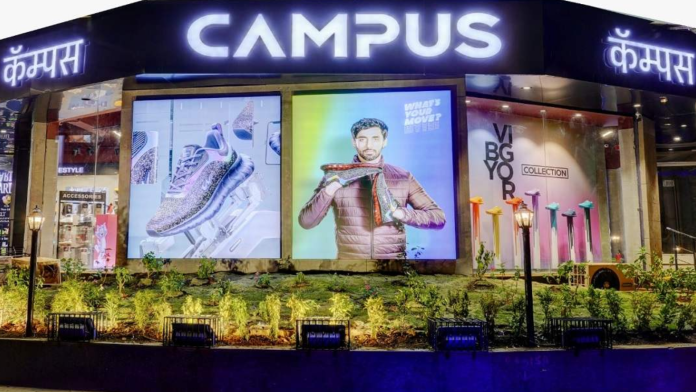
Campus Activewear, a prominent player in India’s sports and athleisure footwear market, announces the opening of its 250th store, marking a significant stride in its expansion journey. Since 2017, the brand has undergone exponential growth, transitioning from 35 to over 250 stores across the country. In achieving this milestone, Campus Activewear has solidified its position as a key player in the dynamic landscape of athletic and leisurewear in India.
To commemorate this achievement, Campus Activewear opened its 250th store at Season Mall in Pune, underscoring its dedication to providing high-quality activewear footwear.
Nikhil Aggarwal, CEO of Campus Activewear Ltd., expressed his sentiments on the occasion, stating, “At Campus Activewear, we have evolved in line with our customers, transforming us into a brand that truly understands the changing fashion needs. As we celebrate our 250th store, we embrace the spirit of movement, encouraging everyone to join us in revolutionizing style, confidence, and self-expression.”
Established in 2005, Campus Activewear has continuously incorporated cutting-edge designs, innovation, and strategic partnerships into its product lineup, aligning seamlessly with the changing preferences of its customer base. The brand, which initially had 35 exclusive brand outlets in 2017, has now expanded to a network of over 250 stores nationwide. This rapid growth is augmented by a strong online presence, firmly solidifying Campus Activewear’s footprint across various platforms.
“Our journey is fueled by unstoppable energy, propelling us to push ourselves and remain committed to delivering fashion excellence. Putting our customers at the forefront, we extend gratitude for the trust and loyalty they have shown us throughout this journey,” added Aggarwal.
The dedication of Campus Activewear to fashion innovation and customer-centricity is apparent in its dynamic, fashion-forward, and segmented approach, providing stylish designs in captivating colors and appealing pricing options. The brand has embraced an Omnichannel sales strategy, contributing substantial value to the customer’s overall experience.
In appreciation of its esteemed customers, Campus Activewear is extending exclusive promotions at its stores nationwide. Customers can receive a complimentary wireless earphone with purchases totaling INR 4999 or more and a free backpack with purchases of INR 3499 or above.
Looking ahead, Campus Activewear maintains its dedication to enhancing customers’ style preferences, aspiring to become the favored athleisure brand in India. With a growing count of 250 stores, Campus Activewear is now more accessible than ever, and its steadfast commitment to design and product innovation remains unwavering.
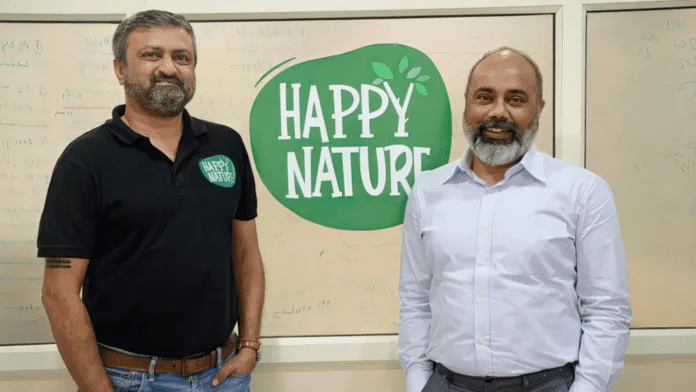
Happy Nature, a direct-to-consumer brand, secured $300,000 in a pre-Series A funding round with Inflection Point Ventures as the leading investor.
In May 2022, Happy Nature garnered $768,000 in a seed round, valuing the company at $6.99 million. The recently acquired funds will be allocated towards sales, marketing, and branding initiatives, as stated in a press release by Happy Nature.
Established in 2018 by Vikas Singh and Vishal Rastogi, Happy Nature specializes in delivering farm-fresh milk, dairy, and essential breakfast products directly to customers, sourced directly from reliable producers.
Speaking about the funding Vikas Singh, CEO, Happy Nature, said, “With this infusion, we will strategically expand sales through impactful ATL and BTL activations. Additionally, we aim to enhance our processing plant infrastructure by investing in technology upgrades and optimising the customer journey for a seamless and delightful experience.”
Happy Nature tackles the difficulties encountered by small farmers, granting them access to resources and markets. Moreover, in response to consumer apprehensions, the company provides 100% clean label and preservative-free milk, dairy, and breakfast products through a convenient subscription and delivery model.
Happy Nature asserts that it presently operates in Delhi, Noida, Gurgaon, Karnal, Panipat, Ludhiana, Ambala, Zirakhpur, Panchkula, Chandigarh, and Mohali, catering to a customer base exceeding 100,000. The company processes over 15,000 orders on a daily basis.
Rahul Wagh, Managing Director at Inflection Point Ventures, emphasizes the significance of dairy in breakfast, noting that consumers are expressing a preference for preservative-free and organic dairy products. “The D2C brand is emerging as a preferred option.”
We use cookies to ensure that we give you the best experience on our website. If you continue to use this site we will assume that you are happy with it.