Monday, February 2, 2026
Home Blog Page 802

Home appliances startup Atomberg’s FY23 net loss surges 3.5X to INR 138 Cr despite significant revenue growth

0
Atomberg

Atomberg Technologies, a manufacturer of home appliances, experienced a significant increase in its net loss, which more than tripled during the fiscal year ending on March 31, 2023. The Navi Mumbai-based startup reported a net loss of INR 138.35 Cr in the financial year 2022-23 (FY23), marking a 3.5X growth from the INR 39.3 Cr loss recorded in the preceding fiscal year.

The revenue from operations experienced a substantial increase, surging by 86.59% to INR 645.13 Cr in FY23 compared to INR 345.74 Cr in FY22. The total revenue, inclusive of other income, also saw a notable rise of 81.39%, reaching INR 649.04 Cr from INR 357.8 Cr in FY22.

Established in 2015 by Manoj Meena and Sibabrata Das, alumni of IIT Bombay, this startup specializing in home appliances produces energy-efficient fans and fan accessories that can be controlled remotely and through voice commands. Their product range encompasses ceiling, pedestal, wall, and exhaust fans, as well as mixer grinders and smart locks.

A significant portion of Atomberg’s revenue is generated through the sale of its products on its official website, as well as on prominent e-commerce platforms like Amazon and Flipkart. Additionally, offline retail stores also contribute to its overall revenue stream.

In its robust expansion phase, Atomberg witnessed a doubling of its total expenses to INR 787.39 Cr in the fiscal year under consideration, compared to INR 387.01 Cr in FY22.

It’s important to highlight that the startup has been enhancing both its production capacity and omnichannel capabilities. A notable example of this is the inauguration of a cutting-edge manufacturing unit in Bhamboli (Pune) in June 2022, involving an investment of INR 25 Cr. This facility is four times larger than its existing plant in Nerul, Navi Mumbai.

Aligned with its expansion strategy, Atomberg is actively reinforcing its human resources, as evidenced by the notable increase in employee costs. The startup’s employee benefit expenses surged by 3.4 times, reaching INR 137.13 Cr in FY23 compared to INR 40.11 Cr in the preceding fiscal year.

The cost of materials consumed by Atomberg increased by 69.3%, reaching INR 376.24 Cr in the fiscal year under consideration, as opposed to INR 222.13 Cr in the prior fiscal year. Simultaneously, the finance cost escalated to INR 5.58 Cr from INR 1.88 Cr in the preceding fiscal year.

From a unit economics perspective, the startup incurred INR 1.22 to generate each rupee from operations in FY23.

The EBITDA margin declined from -11.3% in FY22 to -21.31% in FY23.

Earlier in an interview, the founders of Atomberg expressed their aim to surpass the INR 1,000 Cr total revenue mark in FY24.

In its latest funding round, the startup secured $86 million in a Series C, with primary contributions from Temasek and Steadview Capital, alongside participation from Trifecta Capital, Jungle Ventures, and Inflexor Ventures. As of now, the startup has accumulated a total funding of $126.5 million.
Advertisement

Liquidation looms for Future Retail as buyer search hits roadblocks

0
Future Retail Ltd
Future Retail Ltd (Representative Image)

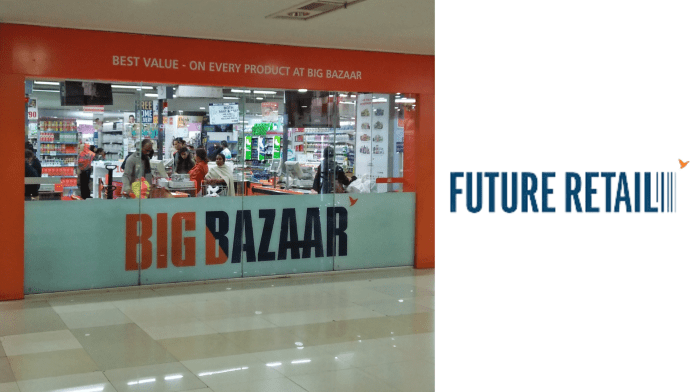
Kishore Biyani, renowned as the “Raja of Retail,” is facing the imminent collapse of his once-prosperous retail empire. Future Retail, the flagship company, is teetering on the edge of closure, as recommended by the insolvency professional managing the bankruptcy proceedings. The company has endured a substantial setback, losing crucial locations after being acquired by Reliance Retail.

Following the Committee of Creditors’ rejection of the resolution proposal put forth by Space Mantra, a construction materials platform, Future Retail has officially acknowledged the insolvency professional’s decision to commence the liquidation process. As reported by TOI, the application for liquidation, filed under Section 33 of the Insolvency and Bankruptcy Code, 2016, was submitted to the National Company Law Tribunal (NCLT), Mumbai bench, on November 9.

Space Mantra’s resolution proposal encountered a setback, receiving only 42% support in the vote conducted on September 30. The plan necessitated a minimum of 66% approval from lenders to advance. In adherence to the regulatory guidelines set by the Insolvency and Bankruptcy Board of India (IBBI), the insolvency professional is compelled to initiate the liquidation process based on the voting results.

Reliance Retail, having assumed control of Future Retail’s pivotal locations, possesses approved claims totaling INR 19,400 crore. In contrast, Space Mantra’s bid of INR 550 crore did not receive lender endorsement. Notably, other bidders with binding offers were largely scrap dealers, underscoring the formidable challenges faced by Future Retail in its revival efforts. As the curtains fall on this retail saga, the industry keenly observes the unfolding resolution of this insolvency drama.

FRL received four extensions from the NCLT for the completion of Corporate Insolvency Resolution Process (CIRP), with the final deadline set for September 30, 2023. Subsequently, no further extensions were granted beyond this timeframe.

The tribunal initiated insolvency proceedings against FRL on July 20, 2022.

The Insolvency & Bankruptcy Code (IBC) stipulates that the Corporate Insolvency Resolution Process (CIRP) must be concluded within 330 days, accounting for the time spent in litigation.

In accordance with Section 12 (1) of the Code, the Corporate Insolvency Resolution Process (CIRP) must be finalized within 180 days from the initiation date.

Nevertheless, the NCLT has the authority to provide a one-time extension of 90 days. The total permissible duration for the mandatory completion of the Corporate Insolvency Resolution Process (CIRP), encompassing any extension or litigation period, is capped at 330 days.

Previously, FRL had communicated that it received six bids from potential buyers by the deadline of May 15, the final date for submitting resolution plans.

The cutoff date for the submission of resolution plans, applicable to the 48 companies listed as ‘Eligible Prospective Resolution Applicants,’ was May 15, 2023.

This occurred despite FRL lenders revising their Expressions of Interest (EoIs) and issuing new calls for bids by categorizing their assets into clusters.

Future Retail is undergoing Corporate Insolvency Resolution Process (CIRP) with a debt of approximately INR 30,000 crore.

On March 23, 2023, FRL creditors called for new Expressions of Interest (EoIs), allowing potential buyers to bid for the financially distressed firm either as a going concern, individual clusters, or a combination of asset clusters. This initiative was taken as the company had not attracted a resolution plan for over four months.

In various retail formats encompassing hypermarkets, supermarkets, and home segments, FRL managed brands like Big Bazaar, Easyday, and Foodhall. At its zenith, FRL operated over 1,500 outlets across nearly 430 cities.

As one of the 19 companies within the Future Group engaged in retail, wholesale, logistics, and warehousing, it was slated to be transferred to Reliance Retail as part of a INR 24,713-crore deal declared in August 2020.

Nevertheless, lenders rejected the acquisition of the 19 Future Group companies, including FRL, by Reliance, amidst a legal challenge posed by Amazon.

Advertisement

Bolt Food announces closure of operations in Nigeria to streamline company efficiency

0
Bolt Food
Bolt Food

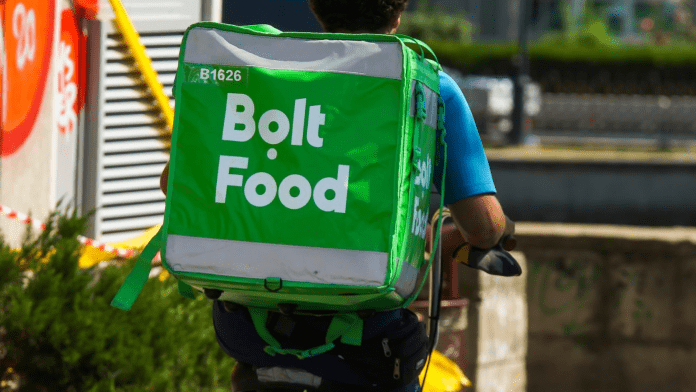
Bolt Food, an online platform for ordering and delivering food, has reportedly chosen to discontinue its operations in the Nigerian market.

Having initiated operations in Nigeria in 2021, the food delivery enterprise has announced its departure from the country, citing strategic considerations.

In its statement, the company said, “At this time, we have made the difficult decision to discontinue our food delivery operations in Nigeria due to business reasons.

“The decision to exit this market is necessary to streamline our resources and maximise our overall efficiency as a company.”

As per the report, the company is set to close its food delivery operations in the area by December 7, 2023.

This decision is in line with the company’s endeavors to optimize its resources and enhance overall efficiency.

Since its inception in 2021, Bolt Food has collaborated with over 10,000 restaurants in Nigeria and has successfully delivered more than one million meals.

It is reported to have enlisted 23,000 agents and 12,000 merchants.

The company entered the Nigerian market when the demand for food delivery services surged due to the pandemic.

When the company first launched in the country, it competed with business rivals such as Jumia Food and Gokada.

Later, the food delivery platform expanded its reach into other places in the country, including Ajah, Sangotedo, Festac, Satellite Town, Egbeda and Ogba.

Bolt currently offers food delivery services in 16 countries and 33 cities worldwide.

Advertisement

LDC eyes expansion in Europe with potential acquisition of Polish turkey giant Indykpol

0
Indykpol

France-based poultry giant LDC is currently in advanced discussions to purchase Indykpol, a prominent turkey producer located in Poland.

The negotiations involve the French firm and Rolmex, the owner of Indykpol, who made an investment in the Polish turkey company back in 1991.

Indykpol possesses over 16 hectares of farmland in northern Poland, encompassing a hatchery, a feed factory, and a processing plant.

LDC reported that Indykpol achieved a turnover of €228 million ($244 million) in 2022, with over 60% of the sales taking place in the domestic market.

In a statement, LDC wrote, “In line with LDC’s international expansion strategy, this new acquisition would consolidate an already solid presence of the LDC group via its subsidiaries of the Drosed group on the poultry market in Poland, making it possible to enrich the range with raw products, charcuterie and processed turkey products.”

Having entered the Polish market in 2000 through the acquisition of Drosed, a local poultry brand, LDC disclosed in its 2022 annual report that it currently owns 13 plants in Poland. Among these, six are designated for prepared poultry, while the remaining seven are dedicated to the “upstream business.”

The Indykpol Group employs more than 1,000 people. The company’s shares were publicly traded on the Warsaw Stock Exchange until June 2020.

The completion of the deal is anticipated in the first half of 2024, contingent upon receiving approval for the merger.

Last month, LDC announced discussions regarding the acquisition of Les Délices de Saint Léonard from the Agromousquetaires Group.

Established in 1968 through the consolidation of the Lambert, Dodard, and Chancereul families, LDC is renowned for its brands, including Loué, Le Gaulois, Maître Coq, Poule et Toque, Marie, and Nature & Respect.

Presently, the agri-food group operates 93 sites and 14 platforms, boasting a workforce exceeding 25,000 employees and achieving a turnover of €5.8 billion.

Advertisement

Festive season boost: E-commerce sales soar by 37% in 2023, Unicommerce analysis reveals

0
online shopping
(Representative Image)

E-commerce order quantities surged by around 37% during the 2023 festive season sale in comparison to the previous year, as per the analysis conducted by the SaaS platform Unicommerce.

The SaaS platform provided by the company facilitates comprehensive management of e-commerce operations for marketplaces, brands, sellers, and logistics service providers.

An analysis of orders processed through Unicommerce’s platform reveals that, in addition to the substantial growth in order volumes, the Gross Merchandise Value (GMV) also witnessed an increase of 22% during the same festive period.

The prosperity of the festive season sale can partially be credited to enticing discounts on online marketplaces and robust advertising campaigns. These factors have contributed to an impressive year-on-year (YoY) growth of 39% in order volumes for marketplaces. Conversely, brand websites have also seen a robust increase, reporting a 23% growth in e-commerce order volumes.

There was an inverse trend in the Gross Merchandise Value (GMV), with brand websites showing a 29% year-on-year (YoY) growth, while marketplaces reported a 21% YoY GMV growth.

Based on the analysis, the fashion and accessories segment, along with beauty and personal care, emerged as the two predominant categories in terms of order volumes. These segments exhibited consistent growth in both volume and Gross Merchandise Value (GMV) during the festive month.

FMCG and home decor categories have asserted themselves as formidable players in the ecommerce arena.

According to the orders processed through Unicommerce’s platforms, Rajasthan and Uttarakhand secured the top two positions in terms of growth in order volumes, with Haryana in the third position, Uttar Pradesh in the fourth, and Meghalaya in the fifth spot.

Moreover, there was an uptick in prepaid orders this year, witnessing a surge of over 45% compared to the previous year. In contrast, Cash-on-Delivery (COD) orders experienced a 20% growth during the same period.

“The festive season determines the growing scale of ecommerce in India. As industry sectors continue to embrace the country’s ecommerce ecosystem, shoppers from across India’s length and breadth are willingly opting for online shopping. We ensure that our technology is easily accessible and deployable for sellers considering the fundamental complexities of the Indian market,” said Kapil Makhija, CEO Unicommerce.

Advertisement

Online gifting giant IGP enters Dubai, aims at $10 Million revenue in 1.5 years

0
igp

On Friday, the online gifting platform IGP revealed its expansion into the Dubai market, anticipating a revenue of USD 10 million (INR 80 crore) within the initial 1.5 years, as per the company’s statement on Friday.

The company asserts an annual revenue of USD 40 million, equivalent to approximately INR 320 crore.

“I am thrilled to announce our foray into the vibrant market of UAE. With an investment of USD 10 million and a dedicated team of over 100 professionals, we are set to transform gifting experiences in the region,” IGP Founder and CEO, Tarun Joshi said in a statement.

“IGP is a global brand, our goal is to become the ultimate destination for flowers, cakes, and gifts, enriching the lives of millions in the UAE and, in the long term, across the entire Middle East,” he said.

The company has set up a warehouse of over 20,000 sq ft in Dubai.

Joshi said he expects to generate revenue of USD 10 million in Dubai over a period of 18 months.

Advertisement

Dhanteras sales boom: Blinkit, Swiggy Instamart, and Zepto witness rapid surge in festive purchases

0
blinkit
blinkit

On Friday, Blinkit, the rapid-commerce division of Zomato, a leading food delivery platform, announced a notable increase in the sales of gold and silver coins, as well as other products related to Dhanteras festivities.

On Dhanteras, quick-commerce platforms like Swiggy Instamart and Zepto were also offering gold and silver coins for sale, aligning with the auspicious tradition of purchasing items made of gold, silver, and brass.

“Dhanteras muhurat (auspicious time) hasn’t even started and we’re already close to hitting half of the gold and silver coins sales from last year,” Albinder Dhindsa, chief executive of Blinkit, wrote in a post on microblogging platform X (formerly Twitter) before 12 in the afternoon. “Thankfully, we took a big bet and have enough to serve the high demand.”

Dhanteras, also known as Dhanatrayodashi, is the first day of the Diwali festival in various regions of India.

In addition to coins, there has been an increase in the buying of brooms, a practice deemed auspicious on this day.

“We learned that it is auspicious to buy jhadu (brooms) today when brooms got stocked out at all our dark stores on Dhanteras 2 years ago,” Dhindsa tweeted later, with a graph showing the increase in sales of brooms as compared to last Friday.

According to Dhindsa, fresh flowers and leaves were another category experiencing high sales for Blinkit.

“Most sold within the category are lotus flowers and pooja leaves which are used for Lakshmi Pooja on Dhanteras,” he posted on X.

Items deemed auspicious to purchase on Dhanteras, like steel utensils and home electronics, were also in high demand on rapid-commerce platforms.

Blinkit has been promoting its 10-minute deliveries for Dhanteras sales, a tradition it upholds each year. As per a post by Dhindsa, on October 22 last year, the platform achieved a rate of selling 200 coins per minute.

Blinkit has been actively promoting high-volume seasonal items, including significant purchases throughout the year, coinciding with events such as cricket matches, festivals, New Year’s Eve, and even on iPhone launch days.

For the quarter ending in September, Blinkit disclosed a positive contribution margin, calculated as revenue minus various costs like store operation expenses, delivery costs, wastage, and packaging costs. This marked the first time it achieved this milestone, while the parent company Zomato sustained profitability for the second consecutive quarter. The contribution margin, expressed as a percentage of the gross order value, stood at 1.3% in the most recent quarter, a notable improvement from the -7.3% recorded in the corresponding quarter of the previous year, with the quarterly contribution amounting to INR 36 crore.

On November 3, it was reported that Blinkit experienced an increase in its average order value, reaching INR 607 compared to INR 568 a year ago. The quick-commerce division saw a substantial rise in gross order value, reaching INR 2,760 crore from INR 1,482 crore recorded a year earlier.

Advertisement

India’s whisky earns global praise for taste, but exports struggle to keep pace

0

While India’s whiskies are leading in taste evaluations, their global exports have not seen significant growth, hindered by various factors, including strong domestic demand.

In FY23, the value of whisky exports was just 10% higher than a decade ago, while imports during this period surged nearly four times. Notably, whisky exports recorded an 18% increase in the first five months of the current fiscal year compared to the corresponding period a year ago.

During October, the domestically produced Indri Diwali Collector’s Edition secured the Best in Show Double Gold award at the Whiskies of the World Awards. Nevertheless, authorities have indicated that India has not fully capitalized on the opportunities presented by this accolade and the esteemed recognition received by other brands like Amrut Distilleries’ Fusion and Paul John’s Brilliance, Bold, and Nirvana.

“Indian whisky is not much in demand outside, and domestic demand is robust, so the export opportunity hasn’t been exploited to the fullest,” said an official.

In the fiscal year 2023, India’s whisky exports stood at $124 million, marking a modest 10% increase from the $112.4 million recorded in FY14. However, these figures remained below the $127.8 million exported during the pandemic period.

Conversely, there has been a notable increase in imports.

In FY23, India’s whisky imports reached $396.3 million, marking a substantial increase from the $108.7 million recorded in FY14.

Blended whiskies held the largest market share at 40%, followed by other whiskies with a 29% share. Scotch claimed a 20% share, with bourbon holding a marginal slice.

The primary sources of imports are the UK, Singapore, and the UAE.

Growth may also be hindered by stringent requirements imposed by Western nations, according to experts.

“India’s export opportunity is limited to a certain set of countries in the Middle East, Africa and the Far East. Maturation conditions imposed by a large part of the European Union are inherent limitations to our exports,” said Confederation of Indian Alcoholic Beverage Companies (CIABC) director general Vinod Giri.

In warm climates such as India, the maturation requirement, which stipulates a three-year aging period for whisky, is often shortened due to high evaporation losses.

Giri mentioned that there is a demand for relatively lower-value Indian rum and whisky in these countries. While single malt and high-end products are sold at a comparable price range of $50-60 per case, akin to Scotch whisky, lower-value products are marketed at $10-20 per case, as he pointed out.

Indian blended whiskies are priced between INR 750-1,700 per 750 ml, whereas imported counterparts range from INR 1,400-3,000. For malt whiskies, both Scotch and Indian variants share a pricing bracket of INR 3,630-4,500.

“Japanese whisky brands are also being preferred by Indian consumers and many independent importers are entering the market,” Giri added.

Representatives from the industry have indicated that growth is also being impeded by local factors.

They mentioned that some states impose a fee on the export of alcoholic beverages. Additionally, India’s exports to the EU and UK face non-tariff barriers. One notable obstacle is the stipulation of grain-based spirit, a requirement Indian companies cannot meet as the liquor here is produced from molasses due to the high sugar production, they clarified.

Advertisement

Nonna’s expands in Mumbai with its 4th sourdough pizzeria at Jio World Plaza

0
Nonna's

Building on its achievements in Mumbai and Pune, Nonna’s, India’s original sourdough pizzeria, has now unveiled its fourth outlet nestled within the corridors of Jio World Plaza, BKC, Mumbai.

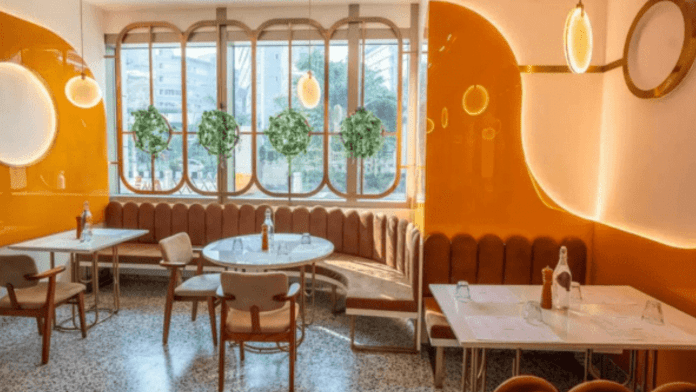
The interiors of Nonna’s effortlessly fuse modern elegance with the timeless charm of Italian design, crafting an immersive experience. The menu showcases the opulence of Neapolitan flavors, offering a diverse selection ranging from their signature handcrafted sourdough pizzas with over nine varieties to a curated assortment of appetizers, Pannouzzos, beverages, and delightful desserts.

Ayush Jatia, Founder of Nonna’s said, “With the launch of our newest outlet at Jio World Plaza, we aim to redefine the boundaries of an authentic Italian dining experience, creating a space where every visitor is not just a guest but a cherished part of our family. We invite you to join us in this celebration of flavours, where every dish tells a story and every moment is an unforgettable experience.”

Advertisement

Make Diwali a celebration of wellness with kindlife’s sustainable and healthy initiatives

0
kindlife

As the festival of lights approaches, kindlife, the go-to platform for conscious living, unveils a lineup of special initiatives that redefine the Diwali shopping experience. From sustainable snacking to eco-conscious beauty routines, and from community engagement to cutting-edge technology, the brand is set to make this Diwali a celebration of kindness, health, and innovation.

This Diwali, kindlife is putting a spotlight on sustainable and toxin-free products, aligning with the growing demand for healthier snacking options. The focus is on low-calorie, artificial sweetener-free, preservative-free, baked (not fried), and affordable products without compromising taste or nutritional value. The brand has curated gift boxes featuring Makhanas, organic cookies, and vegan chocolates from emerging brands, offering a modern alternative to traditional Indian sweets.

Adding a global touch, kindlife introduces viral Korean beauty brands, catering to diverse Indian skin concerns and preferences. Kahi, Skin1004, Elizavecca, and DermaB promise cutting-edge skincare solutions to enhance the festive beauty routine.

The Kindlife Way: Plant-Based, Organic, Toxin-Free, and Eco-Conscious

Kindlife lives by a simple mantra: If it’s kind, it’s on kindlife. The brand ensures that its Diwali offerings adhere to ‘kindcodes’ – plant-based, organic, toxin-free, eco-conscious, and cruelty-free. With a commitment to delivering quality products, kindlife’s stringent review process is transparent for customers to explore. The brand stands against toxins, trash, and trolls, aligning its values with those seeking a cleaner, kinder, and healthier lifestyle.

With a thriving community of over 400,000 members and 2000+ experts, kindlife empowers its customers with valuable tips and insights. Regularly sharing content on platforms like Instagram, the brand focuses on raising awareness about healthy choices, harmful ingredients, and skincare and food routines. For Diwali, a special collection of content offers a fresh perspective on traditional recipes, incorporating healthier ingredients.

Kindlife’s AI-powered discovery tool, kiki.ai, assists customers in making informed choices by offering personalized content and expert advice based on unique preferences and needs.

Loyalty Rewarded: Superkind Club and Festive VIP Membership

During Diwali, kindlife’s loyalty program, the Superkind Club, takes center stage. Exclusive perks, including early access to sales, cashbacks, and birthday bonuses, are designed to elevate the customer experience. Frequent app shoppers enjoy custom offers tailored to their preferences, and high spenders receive vouchers from like-minded sustainable brands.

The introduction of a limited edition ‘FESTIVE VIP’ membership for just INR 99 allows customers to experience all the benefits of the Superkind Club for an entire month, enhancing their shopping journey during the festive season.

For those looking to experience the kindlife brand for the first time during Diwali, exciting offers await. First-time shoppers on the app enjoy an additional 15% off on bestsellers, including organic food, supplements, skincare, and makeup products. Registering on the app not only unlocks discounts but also provides personalized recommendations and access to app-only sales.

Tech-Savvy Diwali: Personalized Recommendations with kiki.ai

Kindlife leverages technology to ensure a seamless transition to a better lifestyle. The expert and AI-powered discovery tool, kiki.ai, play a pivotal role in offering consumers verified information, personalized recommendations, and insights around ingredients, routines, and individual needs. This innovation enhances the online shopping experience, making it fully customized and user-friendly.

As Diwali beckons, Kindlife shines as a beacon of sustainability, wellness, and thoughtful indulgence. The brand’s commitment to a cleaner and kinder lifestyle resonates through its offerings, inviting consumers to celebrate the festival with not just lights, but with a mindful glow that emanates from the heart of every conscious choice.

Advertisement